

Camponotus humilior
- Scientific Name
- Camponotus humilior
- Subgenus
- Tanaemyrmex
- Tribe
- Camponotini
- Subfamily
- Formicinae
- Author
- Forel, 1902
- Common Name
- Household Sugar Ant
- Distribution
- Found in 2 countries
Camponotus humilior Overview
Camponotus humilior (commonly known as the Household Sugar Ant) is an ant species of the genus Camponotus. It is primarily documented in 2 countries , including Australia, Madagascar. Detailed taxonomic data and occurrence records can be further explored via authoritative databases such as AntWeb or the Global Biodiversity Information Facility (GBIF).
Camponotus humilior - "Household Sugar Ant"
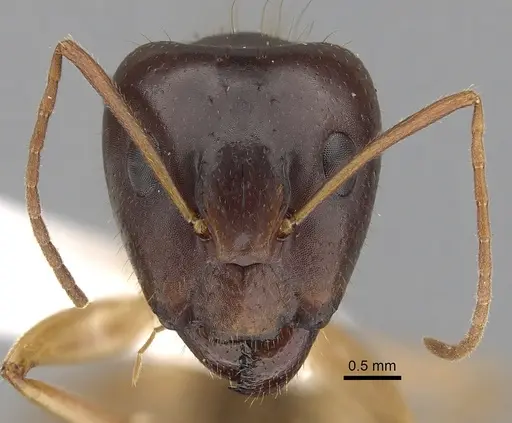
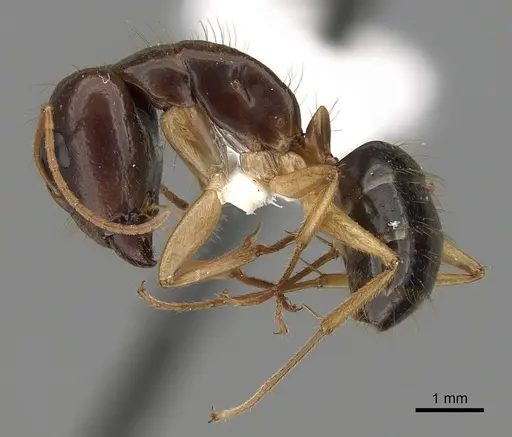
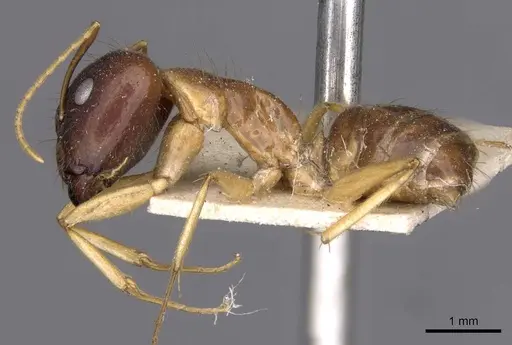
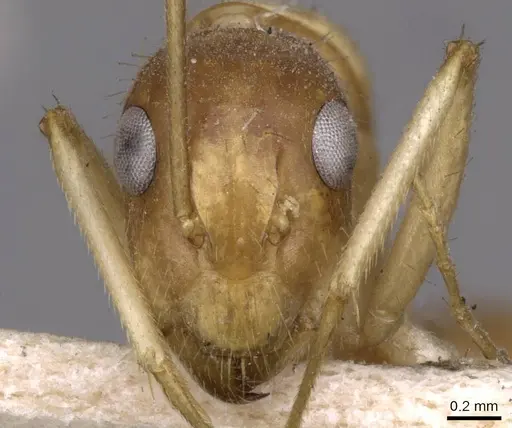
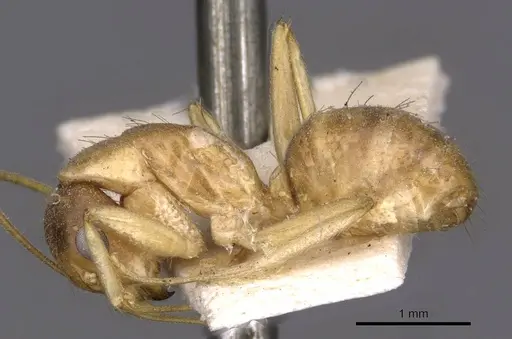
Camponotus humilior is a medium-sized carpenter ant native to northern Australia and southern New Guinea. Workers measure 5-6mm and display strong size dimorphism, you'll see either major workers (larger, with heads that taper toward the front) or minor workers (smaller, with parallel-sided heads and a distinctive ridge called the occipital carina on the back of the head). Their body is yellowish with the head slightly darker than the thorax, and they have distinctive stiff hairs standing up at about 30 degrees on their legs and antennae [1]. This species belongs to the Camponotus maculatus group, a collection of closely related ants known for their nocturnal habits and preference for nesting in clay soil rather than sand [2]. They originated in Australia's wet tropics and have spread across Queensland, New South Wales, the Northern Territory, and into New Guinea [3][4].
Quick Summary
- Difficulty: Easy
- Origin & Habitat: Northern Australia and southern New Guinea, primarily Queensland. They inhabit tropical and subtropical regions, nesting in clay soil with well-hidden entrances [2].
- Colony Type: Likely single-queen colonies (monogyne), which is typical for Camponotus species. Colony size reaches several thousand workers at maturity.
- Colony: Monogyne
- Founding: Claustral
- Size & Growth:
- Queen: Estimated 12-15mm, typical for Camponotus queens
- Worker: 5-6mm (minor workers 5mm, major workers up to 6mm) [1]
- Colony: Several thousand workers at maturity, typical for Camponotus species
- Growth: Moderate
- Development: 6-10 weeks (estimated based on typical Camponotus development at 25°C) (Development time is temperature-dependent, warmer conditions within safe range speeds development)
- Antkeeping:
- Temperature: Keep at 25-28°C. As a tropical Australian species, they prefer warm conditions but can tolerate room temperature in most homes. A heating cable on one side of the nest creates a useful gradient [2]
- Humidity: Moderate to high. They naturally nest in clay soil, so keep the nest substrate slightly moist but not waterlogged. Provide a water tube for drinking water.
- Diapause: No true hibernation required. In their native tropical habitat, temperatures remain warm year-round. However, they may show reduced activity during cooler winter months if your home drops below 20°C.
- Nesting: Y-tong (acrylic) or plaster nests work well. They prefer nesting in material that holds some moisture, a small chamber filled with clay-soil mix mimics their natural nesting preferences. Avoid pure sand substrates.
- Behavior: These ants are primarily nocturnal, becoming most active after dark when they forage for honeydew and insects. They have a strong attraction to sweet foods like honey and sugar water, which makes them easy to feed. When disturbed by bright light (like a flashlight), they quickly scatter, this is a known defense behavior [2]. They are not particularly aggressive toward keepers but will defend their nest if threatened. Workers are medium-sized and can squeeze through small gaps, so use standard escape prevention (fluon on rim edges).
- Common Issues: colonies may fail if kept too dry, their clay-soil nesting preference means they need moisture in the nest, nocturnal activity can concern new keepers who only see them during the day, they're simply resting, wild-caught colonies may have parasites that kill them in captivity, slow initial growth during founding phase can cause keepers to overfeed or disturb the queen, they scatter when exposed to light, avoid using flashlights near the nest
Housing and Nest Setup
Camponotus humilior adapts well to various nest types in captivity. Y-tong (acrylic) nests and plaster nests both work well, as they allow you to maintain appropriate humidity levels. The key is providing a nest chamber that can hold slight moisture, these ants naturally nest in clay soil, so the substrate should feel slightly damp to the touch. A small chamber filled with a clay-soil mixture can be placed inside an acrylic nest for a more naturalistic setup. For the outworld (foraging area), use a standard container with smooth walls to prevent escape. While they're not tiny ants, they can climb well, so apply fluon or a barrier to the rim edges. A test tube setup works for founding colonies, fill a test tube with water, plug with cotton, and place it in a dark container for the queen to lay her eggs. [1][2]
Feeding and Diet
Like other carpenter ants, C. humilior is omnivorous but shows a strong preference for sweet foods. Sugar water, honey, or diluted maple syrup should be available constantly, these ants are particularly attracted to honey baits at night [2]. For protein, offer small insects like fruit flies, small crickets, or mealworms. Feed protein prey 2-3 times per week, adjusting based on how quickly it's consumed. Since they're nocturnal, place food in the outworld in the evening and check the next morning. Remove any uneaten prey after 24 hours to prevent mold. They also likely collect honeydew in the wild, so occasional offering of aphid-produced honeydew (if available) would be natural.
Temperature and Seasonal Care
As a tropical Australian species, Camponotus humilior prefers warm conditions around 25-28°C. This temperature range supports active foraging and healthy brood development. In most heated homes, no additional heating is needed, room temperature often falls within their acceptable range. If your home runs cool (below 22°C), a heating cable placed on one side of the nest can help. Place the heating cable on TOP of the nest, not underneath, to avoid drying out the substrate through excessive evaporation. They do not require true hibernation since their native habitat stays warm year-round. However, if your home experiences significant seasonal temperature drops in winter, the colony may show reduced activity, this is normal and they should recover in spring. [2]
Behavior and Observation
The most notable behavioral trait of C. humilior is their nocturnal activity pattern. Unlike many ants that forage during the day, these ants become most active after dark. This means you'll see the most activity in the evening and early morning hours. They also have a distinctive defensive behavior: when disturbed by bright light (especially torch or flashlight), they quickly scatter and hide [2]. This is useful to know, avoid shining lights directly on the nest or foraging areas if you want to observe natural behavior. Workers are not particularly aggressive and rarely bite, making them easy to handle during nest cleanings. The strong size dimorphism (major vs minor workers) is fascinating to observe, major workers serve as soldiers and food processors, while minors handle most daily tasks.
Frequently Asked Questions
How long does it take for Camponotus humilior to raise their first workers?
Expect 6-10 weeks from egg to first worker (nanitic) at optimal temperature around 25°C. The queen seals herself in during founding and lives off stored fat reserves until her first workers emerge, this is claustral founding, typical for Camponotus species.
Can I keep Camponotus humilior in a test tube?
Yes, test tubes work well for founding colonies. Use a water-filled tube with a cotton plug, place it in a dark container, and leave the queen alone. Once the colony reaches 20-30 workers, you can move them to a proper nest.
What do Camponotus humilior eat?
They need constant access to sugar sources (honey water, sugar water, or maple syrup) and regular protein (small insects like fruit flies, pinhead crickets, or mealworms). They're strongly attracted to sweet foods.
Are Camponotus humilior good for beginners?
Yes, they're considered easy to keep. They're forgiving of minor temperature and humidity fluctuations, adapt well to captivity, and aren't aggressive. Their nocturnal habits may take some getting used to.
When should I move my colony to a formicarium?
Move them once the colony reaches 20-30 workers in a test tube setup. A small Y-tong or plaster nest with a connected outworld works well. They prefer slightly humid nest conditions.
Do Camponotus humilior need hibernation?
No, they don't require true hibernation. As a tropical Australian species, they expect warm conditions year-round. If your home stays above 20°C in winter, they'll remain active with possibly reduced foraging.
How big do Camponotus humilior colonies get?
At maturity, colonies likely reach several thousand workers, typical for Camponotus species. The strong dimorphism (major and minor workers only, few if any medium workers) is visible even in established colonies.
References

This caresheet is licensed under CC BY-SA 4.0 .
CASENT0280223
View on AntWeb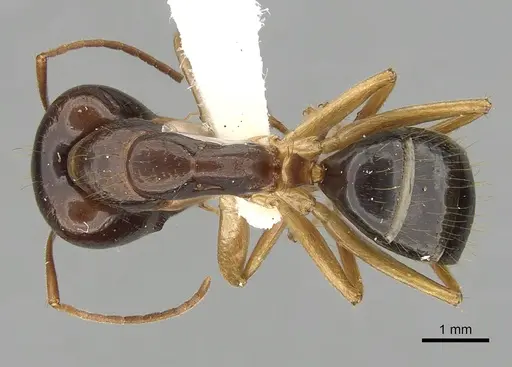
CASENT0280224
View on AntWeb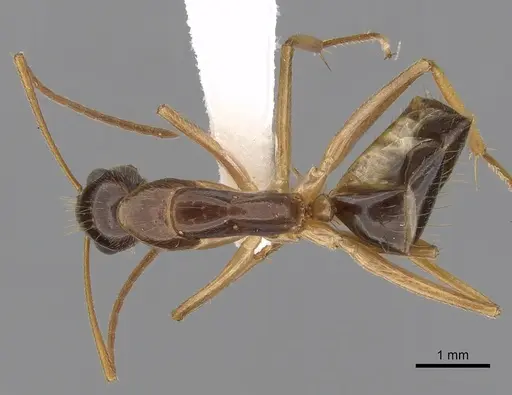
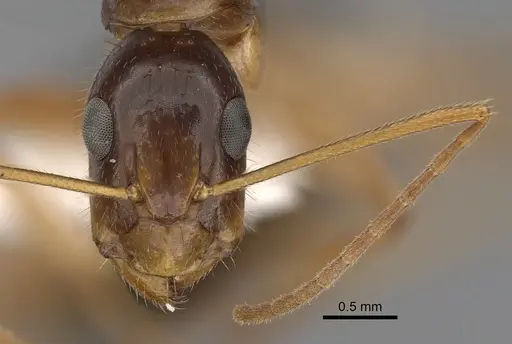
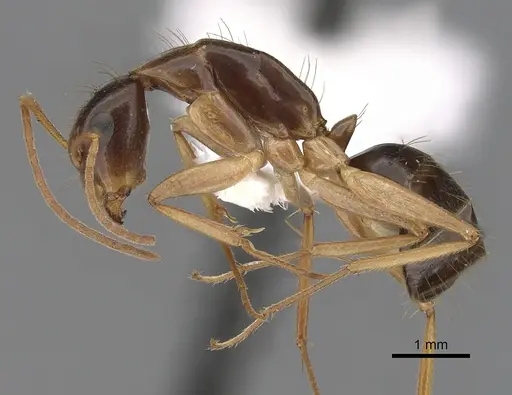
CASENT0910181
View on AntWeb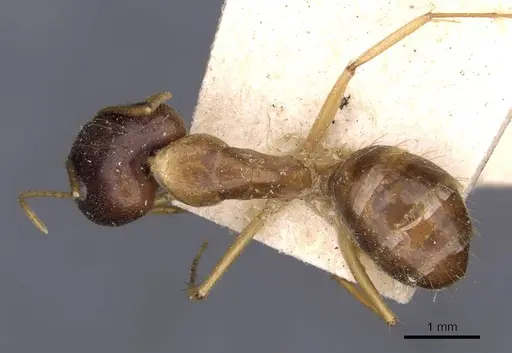
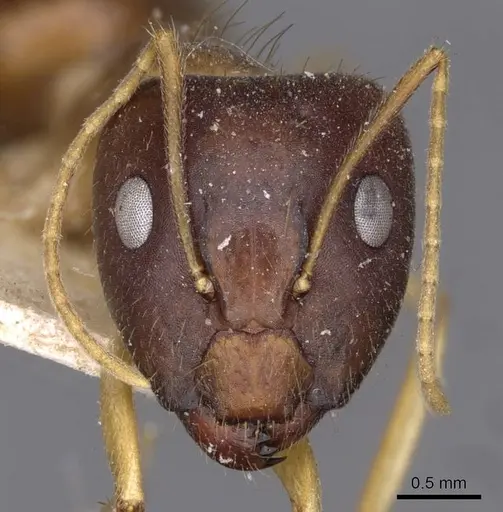
CASENT0910182
View on AntWeb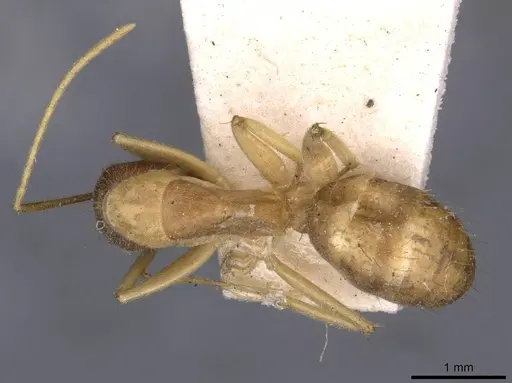
Literature
Loading...Loading products...