

Camponotus hoplites
- Scientific Name
- Camponotus hoplites
- Subgenus
- Tanaemyrmex
- Tribe
- Camponotini
- Subfamily
- Formicinae
- Author
- Emery, 1914
- Distribution
- Found in 1 countries
Camponotus hoplites Overview
Camponotus hoplites is an ant species of the genus Camponotus. It is primarily documented in 1 countries , including New Caledonia. Detailed taxonomic data and occurrence records can be further explored via authoritative databases such as AntWeb or the Global Biodiversity Information Facility (GBIF).
Camponotus hoplites
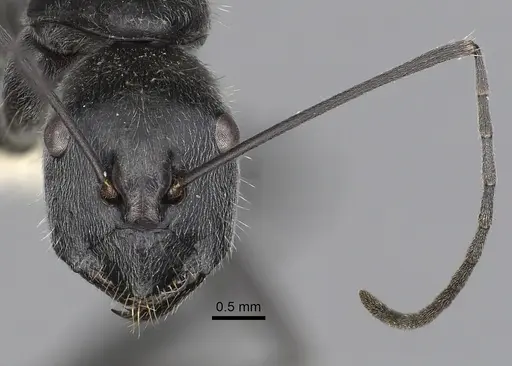
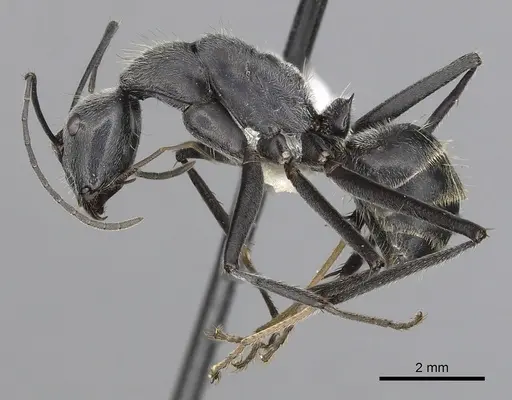
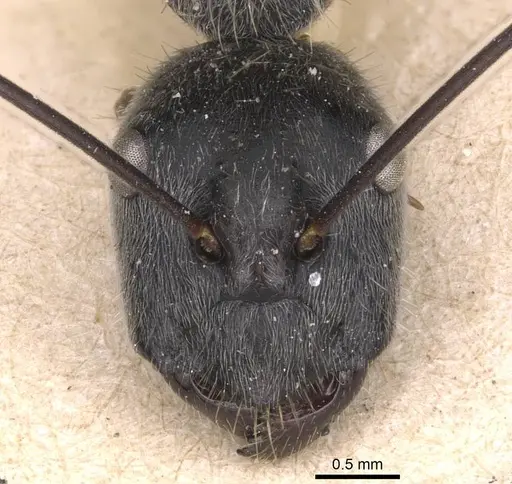
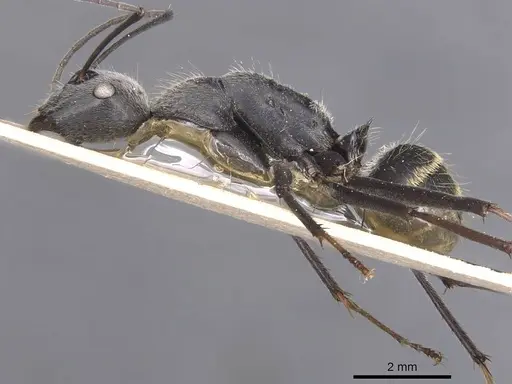
Camponotus hoplites is a carpenter ant species native to New Caledonia, an island in the southwestern Pacific Ocean. These ants belong to the subgenus Tanaemyrmex, which includes many large, robust carpenter ants. Workers are polymorphic, meaning they come in different sizes, major workers are larger with well-developed heads, while minor workers are smaller. The species was first described by Emery in 1914 and is found only in New Caledonia, particularly in mountainous areas like Mt Panié at around 500m elevation [1][2].
This is a poorly studied species with limited published research. What we know comes primarily from taxonomic descriptions and regional ant checklists. As a Camponotus species, they likely nest in rotting wood or soil cavities in their natural habitat. The New Caledonian tropical environment suggests they prefer warm, humid conditions year-round.
Quick Summary
- Difficulty: Unknown
- Origin & Habitat: New Caledonia, a tropical island in the southwestern Pacific. Found in mountainous areas at elevations around 500m, particularly at Mt Panié and Oubatche. Likely inhabits forest environments with rotting wood or soil cavities for nesting [2].
- Colony Type: Colony structure is unconfirmed. Based on typical Camponotus patterns, likely monogyne (single queen colonies), but this has not been directly documented for this species.
- Size & Growth:
- Queen: Unconfirmed, typical Camponotus queens are 12-20mm, but no specific measurements exist for this species.
- Worker: Unconfirmed, Camponotus workers are typically 6-15mm depending on caste. The original description mentions both major and minor workers exist [2].
- Colony: Unconfirmed, typical Camponotus colonies can reach several thousand workers, but no specific data for this species.
- Growth: Unknown, inferred as moderate based on genus patterns.
- Development: Unknown, typical Camponotus species take 6-10 weeks from egg to first worker at optimal temperature. This has not been directly studied for C. hoplites. (Development timeline is unconfirmed. Based on related Camponotus species, expect roughly 6-10 weeks at tropical temperatures (24-28°C).)
- Antkeeping:
- Temperature: Inferred: Keep around 24-28°C. As a tropical New Caledonian species, they likely prefer warm conditions year-round. A heating cable on one side of the nest can create a gentle gradient if room temperature is below this range.
- Humidity: Inferred: Moderate to high humidity (60-80%). New Caledonia has a humid tropical climate. Keep the nest substrate slightly moist but not waterlogged, with some drier areas available.
- Diapause: No, tropical species do not require hibernation. Keep temperatures stable year-round.
- Nesting: Inferred: Likely nests in rotting wood or soil cavities. In captivity, a Y-tong (AAC) nest, plaster nest, or naturalistic setup with rotting wood pieces would be appropriate. Avoid very dry conditions.
- Behavior: Temperament is unconfirmed, but most Camponotus species are relatively docile and not aggressive unless their nest is directly threatened. They are nocturnal or crepuscular foragers, often active at night. Escape prevention should be good, Camponotus are medium to large ants that cannot squeeze through tiny gaps like some smaller species, but use standard barriers (Fluon) as a precaution. They likely forage for honeydew, sugary liquids, and protein sources (insects).
- Common Issues: Limited species-specific information makes care recommendations somewhat speculative, much is inferred from genus patterns rather than direct study., Tropical species require stable warm conditions year-round, temperature drops below 20°C could stress the colony., As a poorly known species, wild-caught colonies may have unknown parasites or health issues., New Caledonian species may have specific humidity needs that differ from common pet species, monitor for signs of stress (lethargy, clustering, or avoiding the nest area).
Species Background and Distribution
Camponotus hoplites is endemic to New Caledonia, meaning it is found nowhere else on Earth. The species was first described in 1914 by Carlo Emery, an Italian myrmecologist, based on specimens collected from two locations: Oubatche and Mt Panié at approximately 500m elevation [2]. The species belongs to the subgenus Tanaemyrmex, a group of large carpenter ants distributed primarily in Australasian regions. New Caledonia is a tropical island with a warm, humid climate, and the mountainous areas where this species has been found suggest it may prefer cooler microclimates at higher elevations. This species remains poorly studied, with most available information coming from taxonomic checklists rather than behavioral or ecological research.
Housing and Nesting
Since specific nesting preferences are unconfirmed for this species, we must infer from both the genus Camponotus and what little we know about New Caledonian habitats. Camponotus species typically nest in rotting wood, under bark, or in soil cavities. In captivity, you can use a Y-tong (AAC) nest, plaster nest, or a naturalistic setup with rotting wood pieces. Given the tropical origin, provide moderate to high humidity (think 60-80%) within the nest. The substrate should remain slightly moist but never waterlogged. A water tube attached to the nest works well for maintaining humidity. Since they come from mountainous areas, they may tolerate slightly cooler conditions than pure tropical species, but aim for warmth (24-28°C) as a starting point. Observe your colony's behavior, if they consistently avoid the heated area, slightly reduce temperature, if they cluster near the heat source, you can increase slightly.
Feeding and Diet
Camponotus species are omnivorous, feeding on honeydew from aphids and scale insects, sugary liquids, and protein from insects. For this species, offer a mix of sugar water or honey (replace weekly to prevent mold) and protein sources like mealworms, crickets, or other small insects. Feed protein 2-3 times per week, adjusting based on colony size and consumption. Remove uneaten prey after 24-48 hours to prevent mold. Since this species is from New Caledonia, they may have unique dietary preferences that are unknown, if standard foods are refused, experiment with different insect types or offer fruit. Always ensure fresh water is available.
Temperature and Seasonal Care
As a tropical species from New Caledonia, C. hoplites does not require hibernation or diapause. Keep temperatures stable in the range of 24-28°C year-round. Avoid temperatures below 20°C for extended periods, as this could stress the colony. A heating cable placed on top of the nest (never underneath, as excessive direct heat can dry out the nest) can help maintain stable temperatures, especially in cooler rooms. Room temperature within this range is acceptable without additional heating. Monitor for signs of temperature stress: workers clustering together tightly may indicate cold stress, while workers avoiding the nest area entirely may indicate overheating. The humidity requirements are moderate to high, mist the outworld occasionally and ensure the nest substrate doesn't dry out completely.
Colony Establishment and Growth
The founding behavior of Camponotus hoplites has not been directly documented. Based on typical Camponotus patterns, the queen likely seals herself in a small chamber (claustral founding) and lives off her stored fat reserves while raising the first brood. First workers (nanitics) are typically smaller than normal workers and may take 6-10 weeks to emerge at optimal temperatures. Once the first workers arrive, the colony enters a slow growth phase as more brood develops. Camponotus colonies can eventually grow quite large (several thousand workers), but this takes years. Patience is key, these are long-lived ants where colonies can persist for a decade or more with proper care. Do not disturb the founding chamber unnecessarily during the claustral phase.
Frequently Asked Questions
How long does it take for Camponotus hoplites to get their first workers?
This has not been directly studied for this species. Based on typical Camponotus development, expect 6-10 weeks from egg to first worker at optimal temperature (24-28°C). The first workers (nanitics) will be smaller than normal workers.
What do Camponotus hoplites ants eat?
Like most Camponotus species, they are omnivorous. Offer sugar water or honey as a constant energy source, and protein sources like mealworms, crickets, or other small insects 2-3 times per week. Remove uneaten food promptly.
Do Camponotus hoplites ants need hibernation?
No. As a tropical species from New Caledonia, they do not require hibernation. Keep temperatures stable year-round around 24-28°C.
What size nest should I use for Camponotus hoplites?
A Y-tong (AAC) nest or plaster nest works well. Since specific nesting preferences are unconfirmed, provide moderate humidity and include some rotting wood pieces if using a naturalistic setup. Scale the chamber sizes to the worker size, Camponotus are medium to large ants.
Are Camponotus hoplites good for beginners?
This species is not recommended for beginners due to the limited species-specific information available. If you're experienced with Camponotus species and comfortable adapting care based on colony behavior, it can be kept. Otherwise, better-documented species like Camponotus floridanus or Camponotus novaeboracensis are more suitable for beginners.
How big do Camponotus hoplites colonies get?
Colony size is unconfirmed for this specific species. Based on typical Camponotus patterns, colonies can eventually reach several thousand workers over several years. This is a long-term commitment.
What temperature do Camponotus hoplites need?
Based on their tropical New Caledonian origin, keep them at 24-28°C. Avoid temperatures below 20°C. A heating cable on the nest can help maintain warmth in cooler environments.
Can I keep multiple queens together?
Colony structure is unconfirmed for this species. Most Camponotus are monogyne (single queen), but this has not been documented for C. hoplites. It is not recommended to combine unrelated foundress queens unless you have specific evidence they can found colonies pleometrotically.
Where is Camponotus hoplites found?
Camponotus hoplites is endemic to New Caledonia, an island in the southwestern Pacific Ocean. It has been recorded from Oubatche and Mt Panié at around 500m elevation.
References

This caresheet is licensed under CC BY-SA 4.0 .
CASENT0280233
View on AntWeb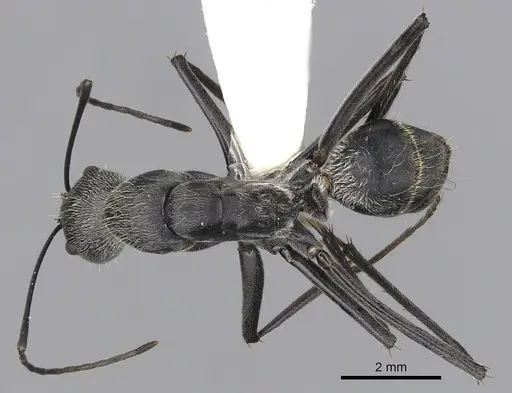
CASENT0905388
View on AntWeb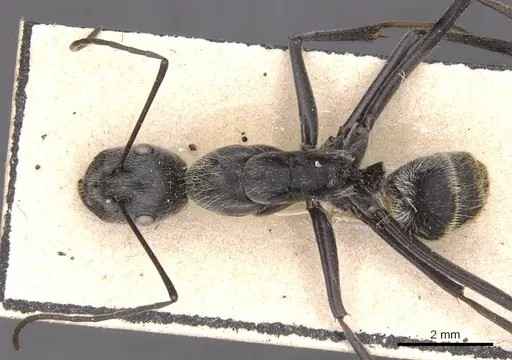
Literature
Loading...Loading products...