

Camponotus hesperius
- Scientific Name
- Camponotus hesperius
- Subgenus
- Tanaemyrmex
- Tribe
- Camponotini
- Subfamily
- Formicinae
- Author
- Emery, 1893
- Distribution
- Found in 1 countries
Camponotus hesperius Overview
Camponotus hesperius is an ant species of the genus Camponotus. It is primarily documented in 1 countries , including Spain. Detailed taxonomic data and occurrence records can be further explored via authoritative databases such as AntWeb or the Global Biodiversity Information Facility (GBIF).
Camponotus hesperius
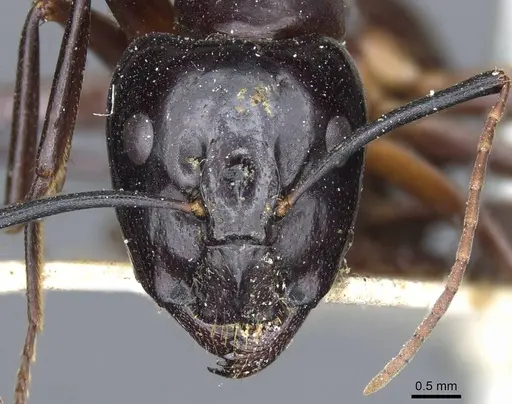
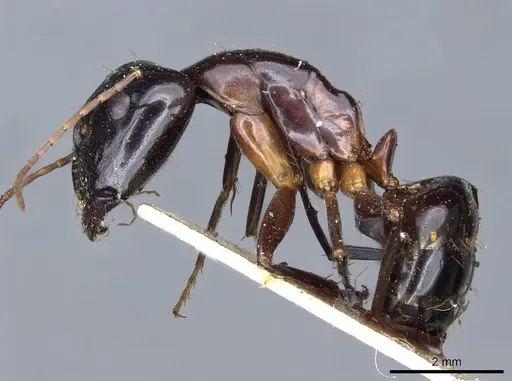
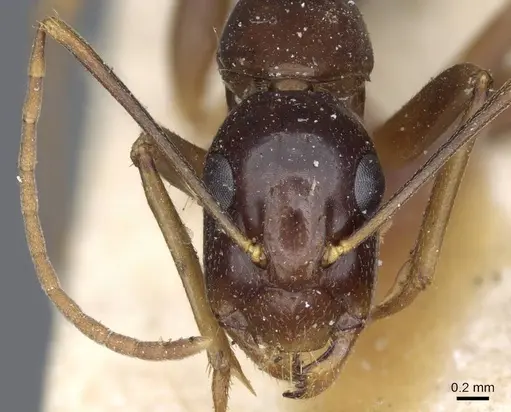
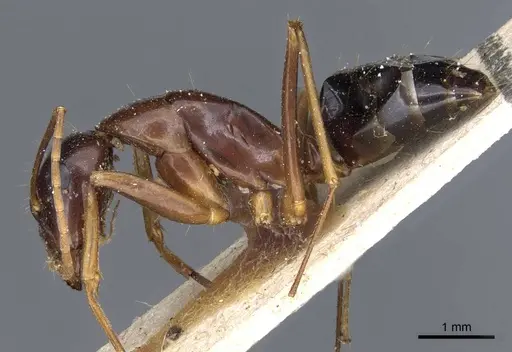
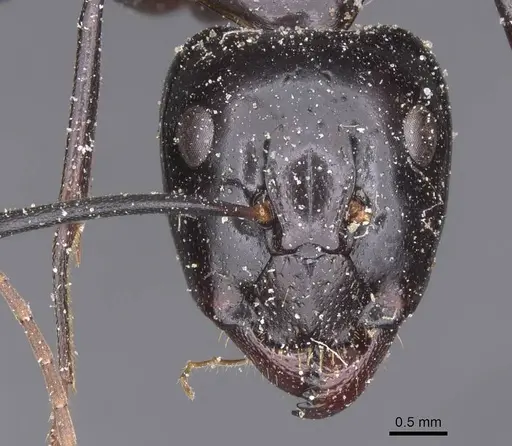
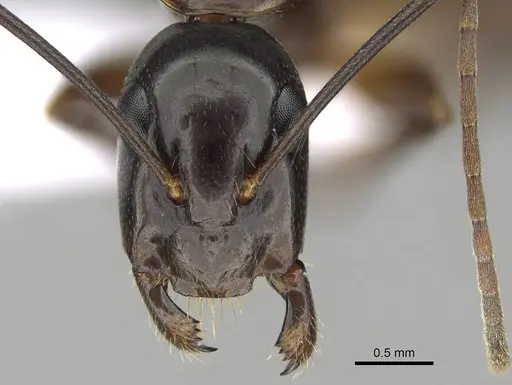
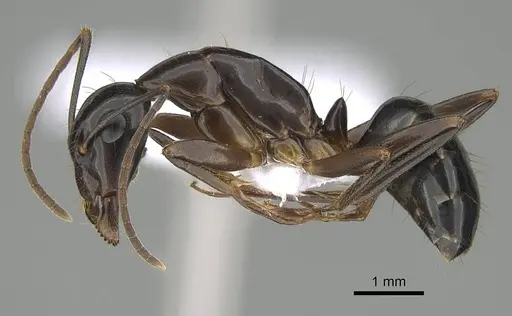
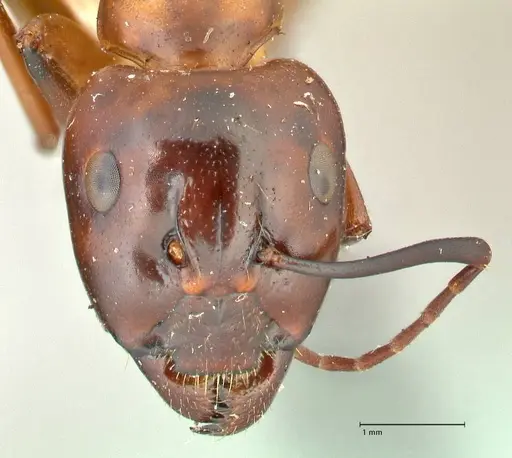
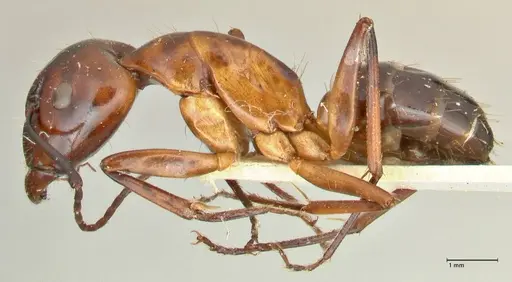
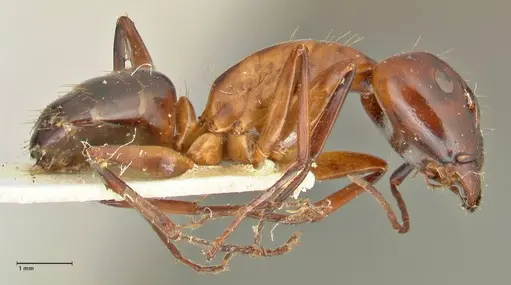
Camponotus hesperius is a large, striking ant species native to the Canary Islands, specifically found on Tenerife, Fuerteventura, and El Hierro [1][2]. Workers are big and beautifully shining, giving them an almost metallic appearance that makes them stand out in the field [2]. This is a mid-to-high altitude species, typically found between 200m and 1300m elevation, with the lowest recorded populations at just 200m [2]. They nest in soil and are often found under stones in very humid spots, particularly on volcanic charcoal substrates [2]. The species was originally classified as a subspecies of Camponotus maculatus but was later elevated to full species status [3].
Quick Summary
- Difficulty: Medium
- Origin & Habitat: Canary Islands (Tenerife, Fuerteventura, El Hierro). Found at mid to high altitudes from 200m up to 1300m, typically in very humid spots on volcanic charcoal and under stones [2][1].
- Colony Type: Likely single-queen colonies based on typical Camponotus patterns. Colony structure has not been directly studied for this species.
- Colony: Monogyne
- Founding: Claustral
- Size & Growth:
- Queen: Estimated 12-16mm based on typical Camponotus queen size range
- Worker: Major workers 8-12mm, minor workers 6-8mm estimated from genus patterns
- Colony: Estimated several thousand workers based on typical Camponotus colony development
- Growth: Moderate, typical for Camponotus genus
- Development: Estimated 6-8 weeks at optimal temperature based on related Camponotus species (Development time inferred from genus-level data, direct measurements not available for this species)
- Antkeeping:
- Temperature: Keep around 20-24°C. The high-altitude preference suggests they prefer cooler conditions than many tropical Camponotus, aim for low-to-mid 20s°C with a slight gradient [2].
- Humidity: High humidity required, they naturally inhabit very humid spots. Keep nest substrate consistently moist but not waterlogged. Provide a humidity gradient with a moist side and slightly drier area for workers to self-regulate [2].
- Diapause: Likely beneficial given their Canary Islands origin and altitude preference. A cool period around 10-15°C for 2-3 months during winter months may support natural colony cycling, though not strictly required in captivity.
- Nesting: Soil-nesting species that does well in test tube setups for founding, then transitioning to naturalistic or Y-tong nests with soil/soil-like substrate. They prefer tight, enclosed chambers and will readily dig in moist substrate. Provide deep enough substrate for colony expansion.
- Behavior: Generally calm and non-aggressive for a large Camponotus species. Workers are active foragers but not particularly defensive. Major workers are large and impressive, while minor workers handle most day-to-day tasks. Escape risk is moderate, their size makes them visible but they are not particularly prone to escaping if given proper barriers. They are primarily nocturnal foragers in nature but adjust to your light schedule in captivity.
- Common Issues: high humidity can lead to mold if ventilation is poor, balance humidity with adequate airflow, colonies may grow slowly during first year as with most large Camponotus, patience is key, test tube setups can flood if water reservoirs are overfilled, use appropriate tube size, wild-caught colonies may carry parasites that cause issues in captivity, high altitude origin means they may struggle in very warm environments above 28°C
Nest Preferences and Setup
In the wild, Camponotus hesperius nests in soil and is commonly found under stones in very humid microhabitats, particularly on volcanic charcoal substrates [2]. This tells us they prefer enclosed, moist nesting environments. For captivity, start your colony in a standard test tube setup with a water reservoir, the queen will seal herself into a chamber and raise her first brood there. Once you have 15-30 workers, consider transitioning to a more naturalistic setup with a soil chamber or a Y-tong nest with soil substrate. The key is maintaining consistent moisture without waterlogging. They do well with deep substrate they can dig through as the colony grows. Avoid very dry conditions or drafty placements.
Feeding and Diet
Like most Camponotus species, these ants are omnivorous. They accept sugar sources readily, a drop of honey water or sugar water should be available at all times once workers emerge. For protein, offer insects like fruit flies, small crickets, mealworms, or other appropriately-sized prey. In the founding stage, the queen does not eat, she survives on her stored fat reserves. Once workers arrive, they will forager for protein to feed the brood. Feed protein prey 2-3 times per week, removing any uneaten prey after 24 hours. Sugar should be available constantly. They are not specialized predators, so standard ant feeding protocols work well.
Temperature and Seasonal Care
Based on their high-altitude Canary Islands origin, these ants prefer cooler conditions than many tropical ant species [2]. Keep the nest area around 20-24°C, this is ideal for brood development without stressing the colony. They can tolerate brief periods outside this range but avoid sustained temperatures above 28°C or below 15°C. A heating cable on one side of the nest can create a helpful temperature gradient, but is not strictly necessary if your room stays in the acceptable range. For winter, a slight cooldown period around 10-15°C for 2-3 months may support natural colony cycles, though many keepers successfully maintain active colonies year-round without formal hibernation.
Behavior and Colony Dynamics
Camponotus hesperius is a relatively calm species compared to some more aggressive Camponotus. Workers are large and impressive, with majors developing as the colony reaches several hundred workers. They are primarily nocturnal foragers in the wild but will adjust their activity patterns to your feeding schedule in captivity. The colony will establish a main nest chamber and may create satellite chambers as they grow. Workers are long-lived compared to many ant species, a single worker may live for several years, which contributes to steady but not explosive colony growth. Major workers appear as the colony matures and take on tasks like seed processing and defense.
Frequently Asked Questions
How long does it take for Camponotus hesperius to produce first workers?
Based on typical Camponotus development, expect first workers (nanitics) around 6-8 weeks after the queen lays eggs, assuming temperatures around 22-24°C. The exact timing depends on temperature and feeding. Founding colonies may take longer as the queen must raise all brood alone.
What temperature is best for Camponotus hesperius?
Keep them around 20-24°C. Their high-altitude origin means they prefer cooler conditions than many tropical ants, avoid temperatures above 28°C. A slight temperature gradient allows workers to choose their preferred zone.
Do Camponotus hesperius ants need hibernation?
A cool period is likely beneficial given their altitude origin, but strict hibernation is not required. A drop to 10-15°C for 2-3 months during winter can support natural colony cycling, but many keepers maintain active colonies year-round.
How big do Camponotus hesperius colonies get?
Based on typical Camponotus patterns, colonies likely reach several thousand workers over several years. Major workers appear as the colony matures and can be quite impressive in size.
What do Camponotus hesperius eat?
They are omnivorous. Provide constant access to sugar (honey water or sugar water) and protein prey like fruit flies, small crickets, or mealworms 2-3 times weekly. Remove uneaten prey after 24 hours.
Are Camponotus hesperius good for beginners?
They are medium difficulty, more forgiving than some species but requiring attention to humidity and temperature. Their slower growth compared to smaller species requires patience. The high-altitude humidity preference is the main thing to get right.
When should I move Camponotus hesperius from a test tube to a formicarium?
Move them once you have 15-30 workers and the test tube is showing signs of drying or the water reservoir is running low. A naturalistic setup with soil substrate works well, or a Y-tong with appropriate chambers.
Can I keep multiple Camponotus hesperius queens together?
This species is likely single-queen (monogyne) based on typical Camponotus patterns. Combining unrelated queens is not recommended and likely would result in fighting.
Why is my Camponotus hesperius colony growing slowly?
Slow growth is normal for this species, Camponotus colonies are not fast growers. Ensure proper temperature (20-24°C), adequate protein feeding, and that the queen is still laying eggs. First year growth is typically modest.
References

This caresheet is licensed under CC BY-SA 4.0 .
CASENT0905322
View on AntWeb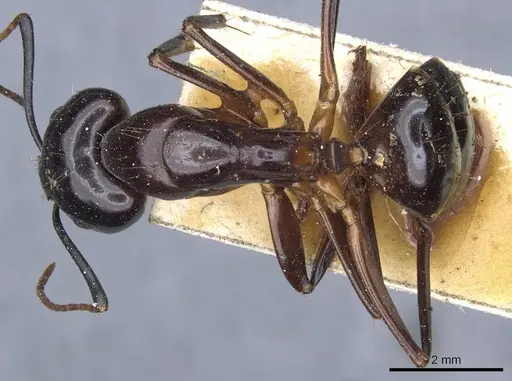
CASENT0905323
View on AntWeb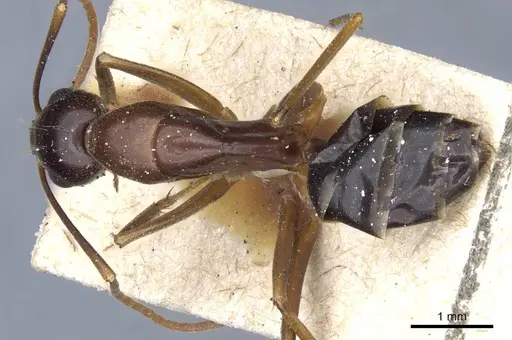
CASENT0911907
View on AntWeb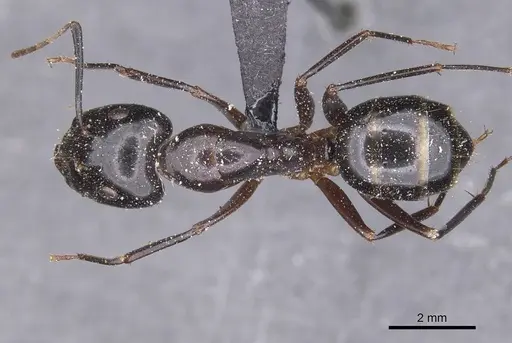
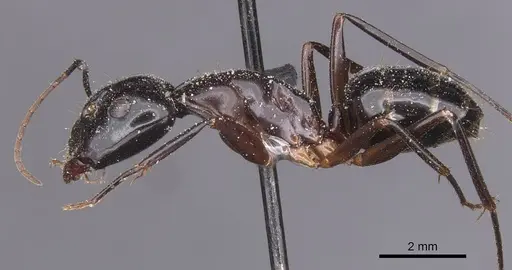
CASENT0914816
View on AntWeb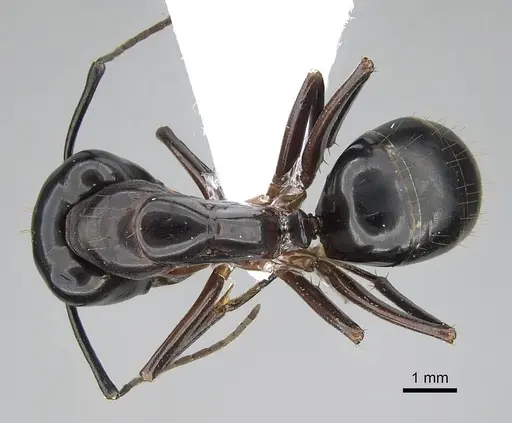
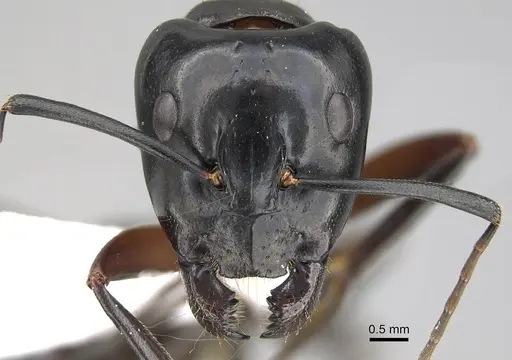
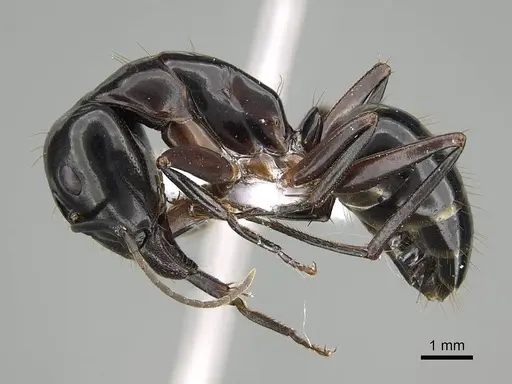
CASENT0914817
View on AntWeb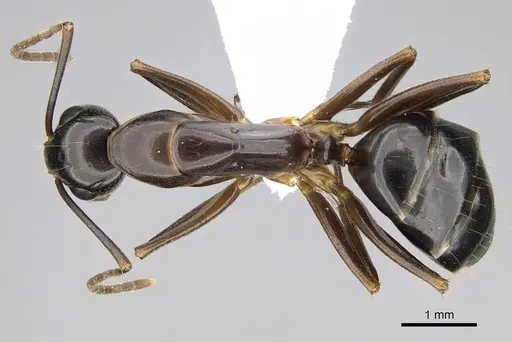
FOCOL2419
View on AntWeb
Literature
Loading...Loading products...