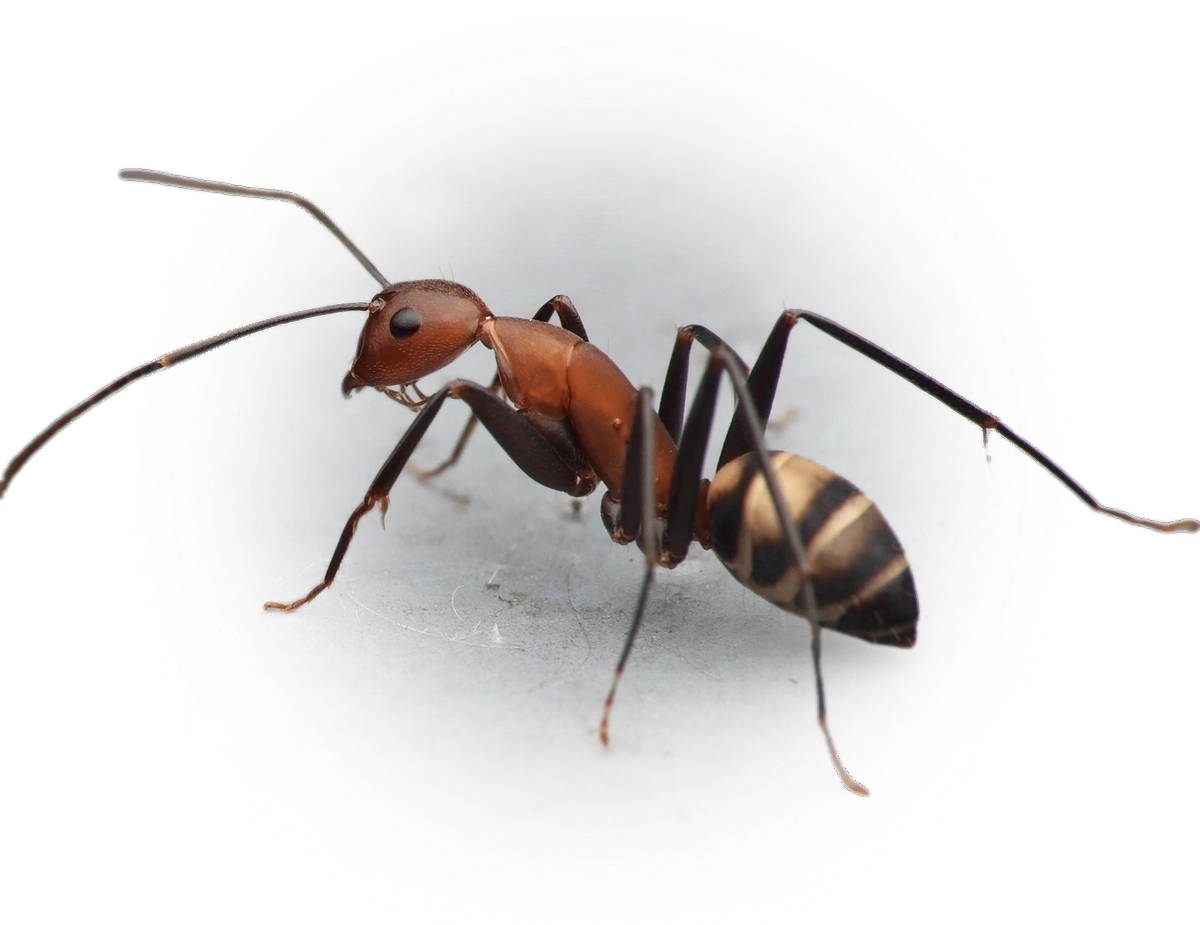

Camponotus habereri
- Scientific Name
- Camponotus habereri
- Subgenus
- Tanaemyrmex
- Tribe
- Camponotini
- Subfamily
- Formicinae
- Author
- Forel, 1911
- Distribution
- Found in 1 countries
Camponotus habereri Overview
Camponotus habereri is an ant species of the genus Camponotus. It is primarily documented in 1 countries , including Taiwan, Province of China. Detailed taxonomic data and occurrence records can be further explored via authoritative databases such as AntWeb or the Global Biodiversity Information Facility (GBIF).
Camponotus habereri
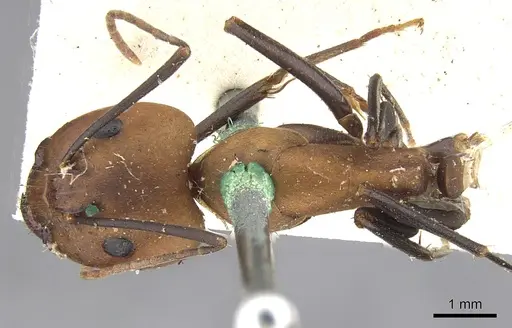
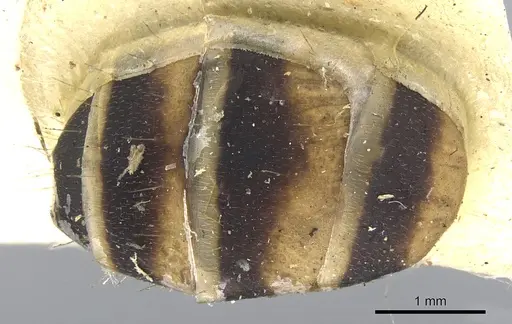
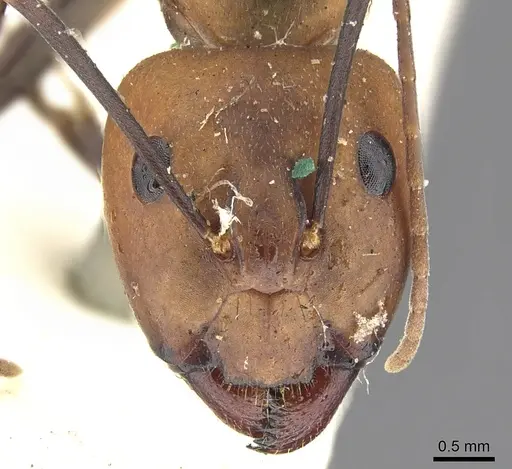
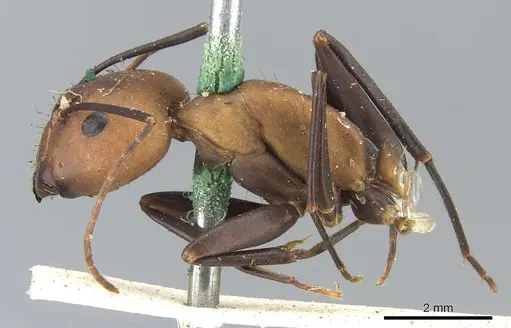
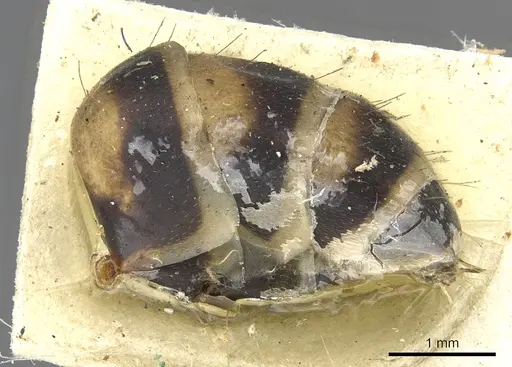
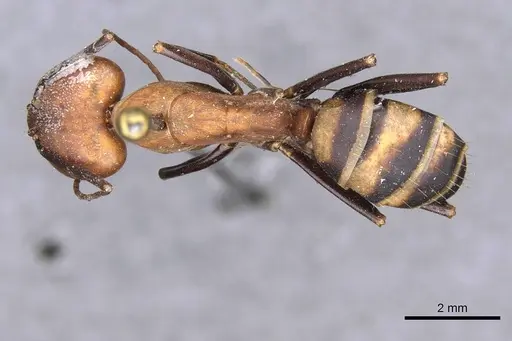
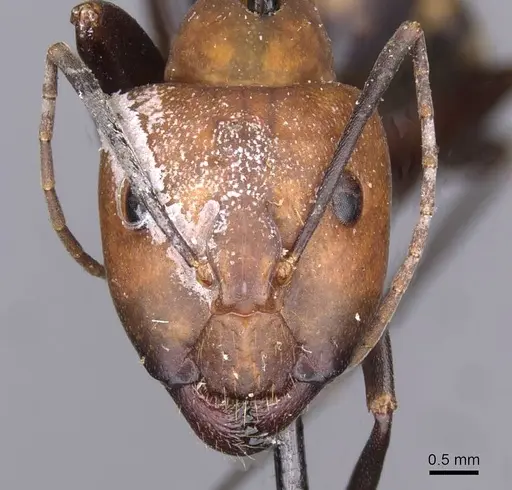
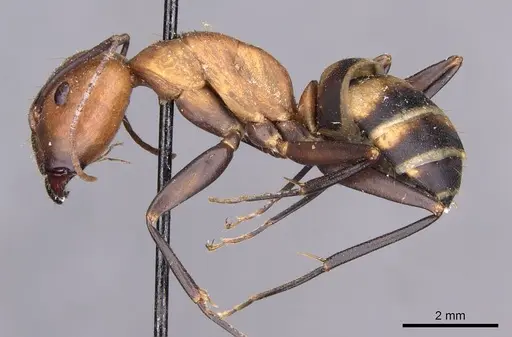
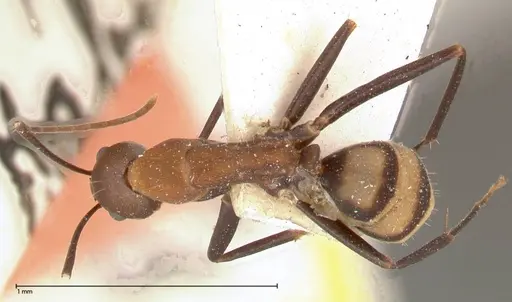
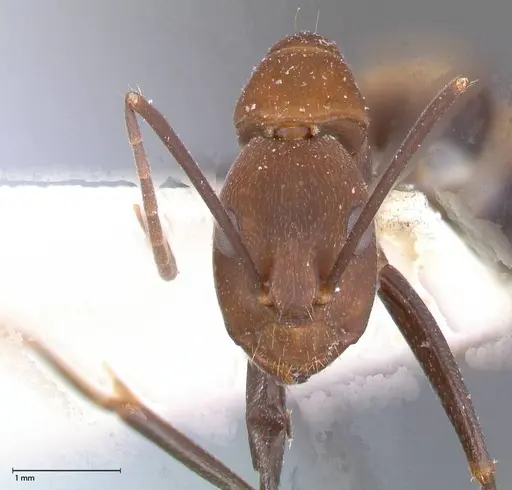
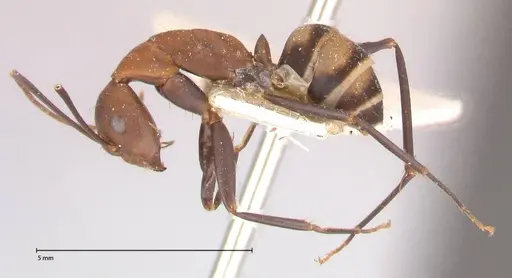
Camponotus habereri is a large carpenter ant species native to East and South Asia, found in Japan, Taiwan, and India. Major workers measure 9-11mm while minors are 7-8mm, making them a substantial species for antkeeping. They have a distinctive appearance with a rust-red head and thorax in majors, and a brown gaster with yellowish bands on the second, third, and fourth abdominal segments. This species nests in tree trunks in the wild and workers are often found foraging on grass and tree branches in residential areas. They resemble Camponotus nicobarensis but can be distinguished by having only 5 teeth on the mandible (versus 7) and different body hair patterns. These ants are relatively rare in the hobby but make an interesting species due to their attractive coloration and moderate size.
Quick Summary
- Difficulty: Medium
- Origin & Habitat: Native to Japan, Taiwan, and northern India. Found in residential areas at elevations around 1560m in India, with average daily temperatures of 28°C. Nests inside tree trunks, workers forage on grass and tree branches [1][2].
- Colony Type: Single-queen colonies (monogyne). Queens are claustral, they seal themselves in to raise the first brood without leaving to forage.
- Colony: Monogyne
- Founding: Claustral
- Size & Growth:
- Queen: Estimated 12-15mm based on genus patterns
- Worker: Major workers: 9-11mm, Minor workers: 7-8mm [3][1]
- Colony: Estimated 500-2000 workers based on typical Camponotus colony sizes
- Growth: Moderate
- Development: 6-10 weeks at optimal temperature (estimated based on genus patterns) (Development time is typical for Camponotus species, expect first workers (nanitics) around 6-8 weeks in warm conditions)
- Antkeeping:
- Temperature: Keep nest area at 24-28°C. This species comes from warm regions (28°C average in their Indian habitat), so provide consistent warmth. A heating cable on one side of the nest creates a suitable gradient [1].
- Humidity: Moderate humidity around 50-60%. These ants nest in tree trunks which provide drier conditions than soil-nesting species. Allow the nest to dry out somewhat between water additions.
- Diapause: Yes, based on temperate to subtropical distribution in Japan and Taiwan, colonies benefit from a winter rest period of 2-3 months at 10-15°C.
- Nesting: Y-tong (AAC) or plaster nests work well. In the wild they nest in tree trunks, so wood-based or acrylic nests mimic their natural preferences. Provide narrow chambers scaled to their size.
- Behavior: Generally calm and non-aggressive for a large ant species. Workers are active foragers but not particularly defensive. Major workers have powerful mandibles but rarely bite unless directly threatened. They are moderate escape artists, their large size makes them visible but they can still squeeze through small gaps if motivated. Use standard barrier methods like fluon on test tube setups.
- Common Issues: colonies may decline if kept too cold, maintain warmth above 24°C, escape prevention is important despite their size, check for gaps in lids and connections, slow founding phase can worry beginners, claustral queens seal themselves in for 4-8 weeks, wild-caught colonies may have parasites that cause problems in captivity, overfeeding can lead to mold in nest setups
Nest Preferences
In the wild, Camponotus habereri nests inside tree trunks, they excavate galleries in decaying wood [1]. For captive care, Y-tong (acrylic) nests or plaster nests work well because they mimic the dry, wood-like environment these ants prefer. Provide chambers that are appropriately sized, not too large or too small. A gradient of chamber sizes allows the colony to choose optimal areas for different activities. Avoid overly humid setups, these ants do better in drier nest conditions compared to soil-nesting species. If using a test tube setup for founding, transition to a proper nest once the colony reaches 15-20 workers.
Feeding and Diet
Like other Camponotus species, C. habereri is omnivorous. They accept sugar sources (honey water, sugar water) and protein (insects like mealworms, crickets, fruit flies). In the wild, workers forage on tree branches and grass, likely collecting honeydew from aphids and hunting small insects. Feed protein 2-3 times per week and keep sugar water available constantly. Remove uneaten prey after 24-48 hours to prevent mold. Major workers can tackle larger prey items than minors, so offer appropriately sized insects.
Temperature and Care
This species requires warm conditions. Their natural habitat in India averages 28°C daily, and they are found in warm regions of Japan and Taiwan. Keep the nest area at 24-28°C for optimal brood development. Use a heating cable or heating mat on one side of the nest to create a temperature gradient, allowing workers to regulate their own exposure. Place the heating element on top of the nest to avoid evaporating moisture too quickly. Room temperature (20-24°C) may be acceptable but growth will be slower. During winter, a natural temperature drop simulates their seasonal cycle, but avoid temperatures below 10°C. [1]
Colony Founding
Camponotus habereri is claustral, the queen seals herself inside a chamber and raises the first brood without leaving to forage. She relies entirely on stored fat reserves to survive and produce workers. This process typically takes 4-8 weeks, sometimes longer in cooler conditions. Do not disturb the founding chamber during this time, the queen needs darkness and stability. Once the first workers (nanitics) emerge, they will gradually begin foraging for food. The colony grows moderately fast after this point, with each subsequent generation developing more quickly than the first.
Behavior and Temperament
These ants are relatively calm and not particularly aggressive. Major workers have large mandibles but rarely use them defensively unless the nest is directly threatened. Workers are active foragers, especially at night in their natural habitat. They are not prone to excessive climbing or escaping compared to smaller species, but still use standard barrier methods. The caste system is pronounced, majors handle larger prey and defend the nest while minors handle most foraging and brood care. This division of labor is fascinating to observe as the colony grows.
Frequently Asked Questions
How long does it take for Camponotus habereri to produce first workers?
Expect first workers (nanitics) around 6-10 weeks after the queen lays eggs, depending on temperature. Keep the founding chamber warm (around 26°C) for fastest development. The queen seals herself in and does not forage during this time.
What do Camponotus habereri ants eat?
They are omnivorous. Offer protein sources like mealworms, crickets, or fruit flies 2-3 times per week, and keep sugar water or honey water available at all times. They will also collect honeydew if you offer aphids.
What temperature do Camponotus habereri need?
Keep nest temperatures between 24-28°C. They come from warm regions (28°C average in their Indian range) and need consistent warmth for healthy brood development. A heating cable on one side of the nest creates a suitable gradient.
Are Camponotus habereri good for beginners?
They are intermediate-level ants. The claustral founding takes patience (4-8 weeks with no activity), but once established, they are relatively easy to care for. Their warmth requirements and moderate size make them manageable for keepers who have kept smaller species first.
Do Camponotus habereri need hibernation?
Yes, based on their distribution in Japan and Taiwan, they benefit from a winter rest period. Reduce temperatures to 10-15°C for 2-3 months during winter. This mimics their natural seasonal cycle and helps maintain colony health long-term.
How big do Camponotus habereri colonies get?
Colonies likely reach 500-2000 workers based on typical Camponotus growth patterns. Major workers can reach 11mm while minors stay around 7-8mm. Growth is moderate, expect a few years to reach maximum size.
Can I keep multiple Camponotus habereri queens together?
No. This species is monogyne, single-queen colonies. Multiple queens will fight. Only introduce one queen to start a colony.
What type of nest is best for Camponotus habereri?
Y-tong (AAC) or plaster nests work well. They naturally nest in tree trunks, so wood-like or acrylic setups mimic their preferences. Avoid overly humid soil setups, they prefer drier conditions.
Why is my Camponotus habereri queen not laying eggs?
Check temperature first, they need 24-28°C for egg production. Also ensure she is settled in a dark, quiet location. Newly caught queens may take 1-2 weeks to begin laying after their nuptial flight. Patience is key during the founding phase.
References

This caresheet is licensed under CC BY-SA 4.0 .
Literature
Loading...Loading products...