
Camponotus nicobarensis exhibits a clear seasonal flight window. Peak flight activity is concentrated in March, with the overall period spanning February to August.
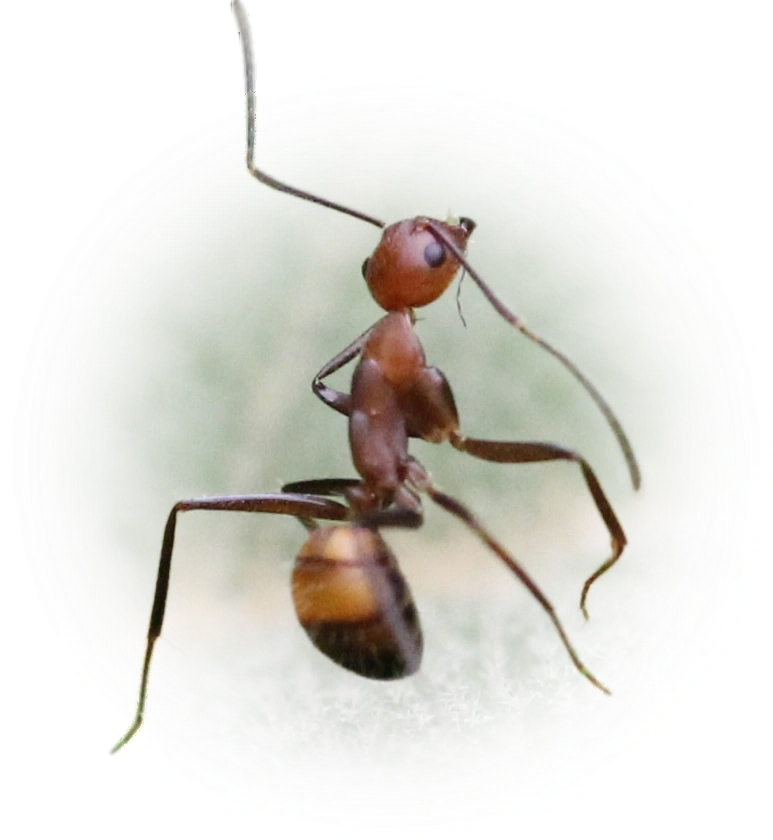
Camponotus nicobarensis
- Scientific Name
- Camponotus nicobarensis
- Subgenus
- Tanaemyrmex
- Tribe
- Camponotini
- Subfamily
- Formicinae
- Author
- Mayr, 1865
- Common Name
- Nicobar Carpenter Ant
- Distribution
- Found in 6 countries
- Nuptial Flight
- from February to August, peaking in March
AI Identifiable
try →
Camponotus nicobarensis Overview
Camponotus nicobarensis (commonly known as the Nicobar Carpenter Ant) is an ant species of the genus Camponotus. It is primarily documented in 6 countries , including China, Hong Kong, India. Detailed taxonomic data and occurrence records can be further explored via authoritative databases such as AntWeb or the Global Biodiversity Information Facility (GBIF).
The nuptial flight of Camponotus nicobarensis is a significant biological event, typically occurring from February to August, peaking in March. During this time, winged queens and males leave the nest to mate and establish new colonies.
Camponotus nicobarensis - "Nicobar Carpenter Ant"
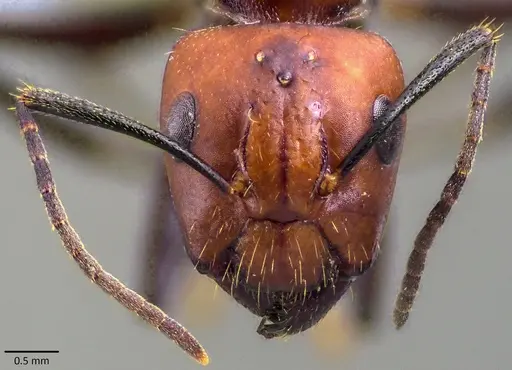
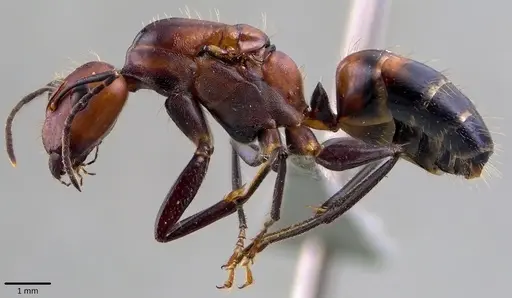
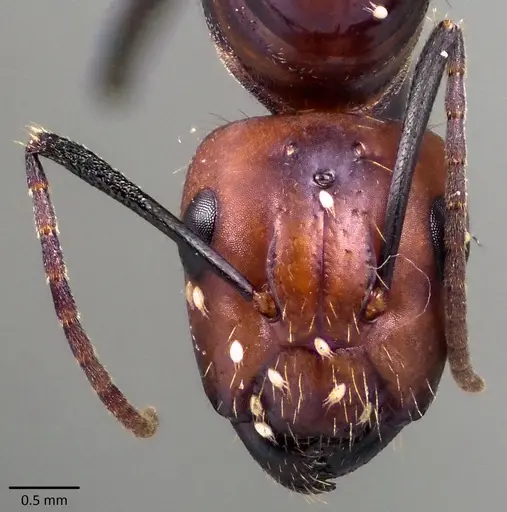
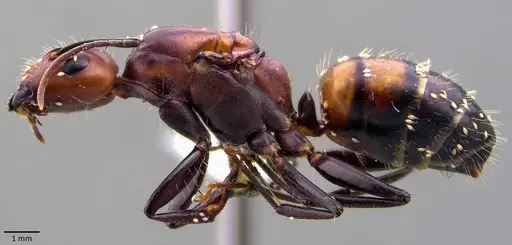
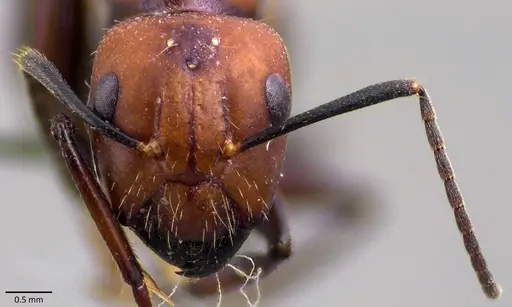
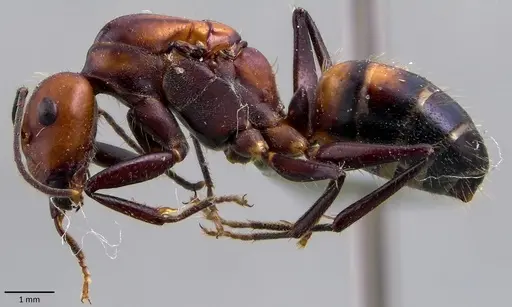
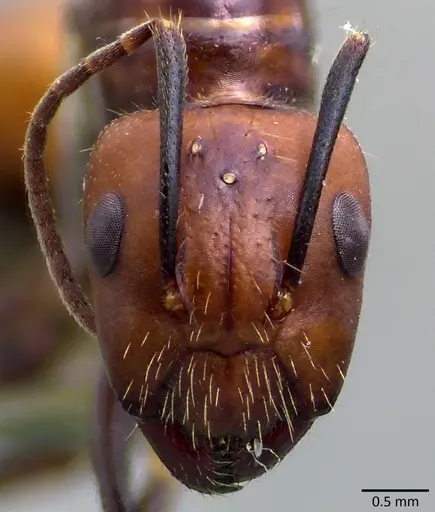
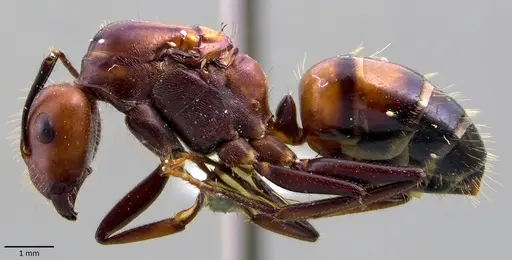
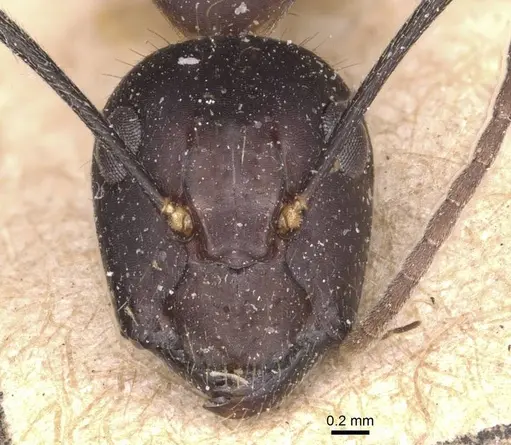
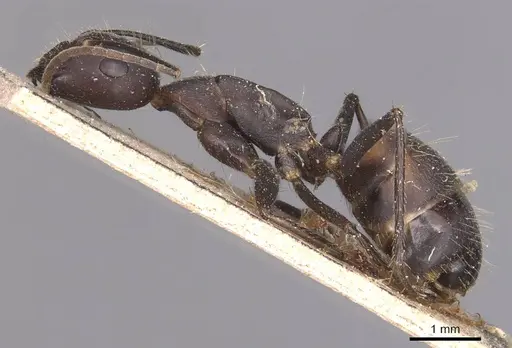
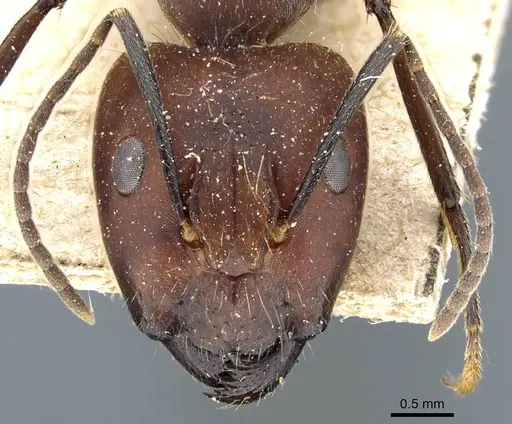
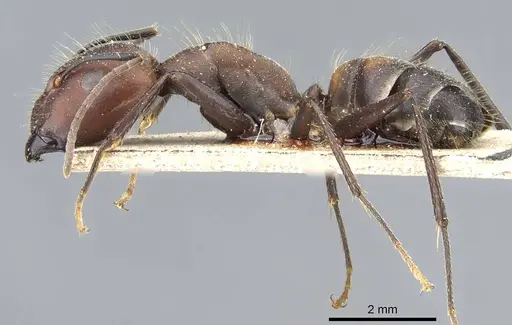
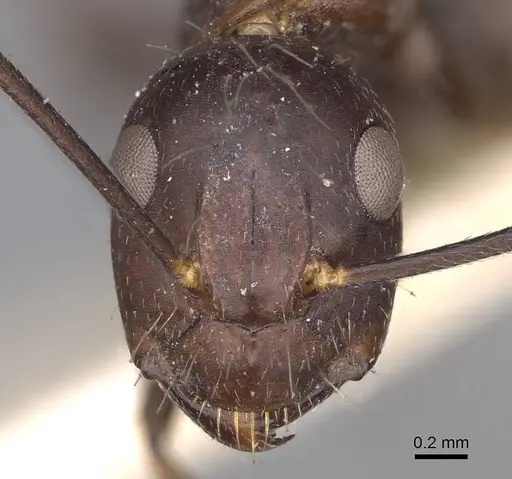
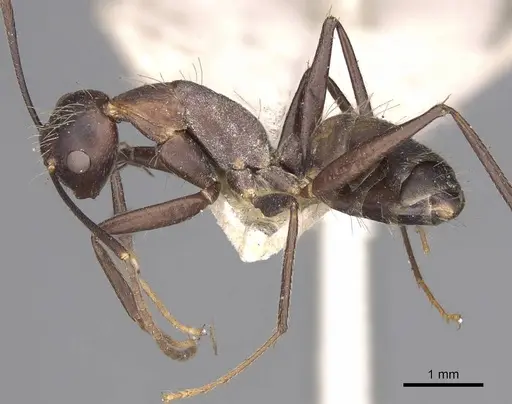
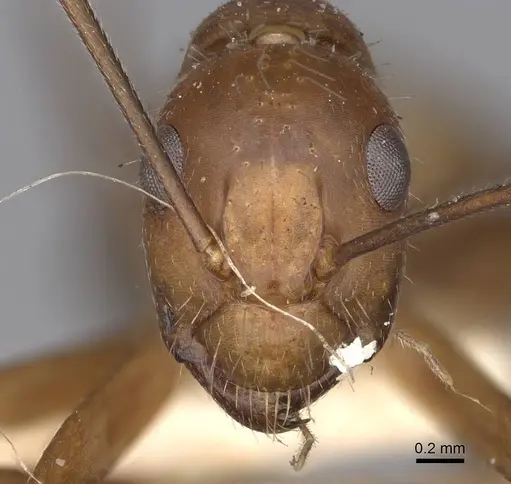
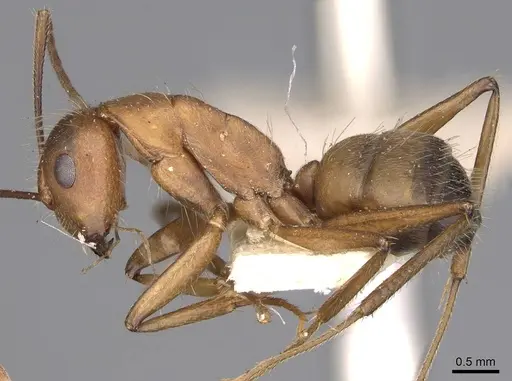
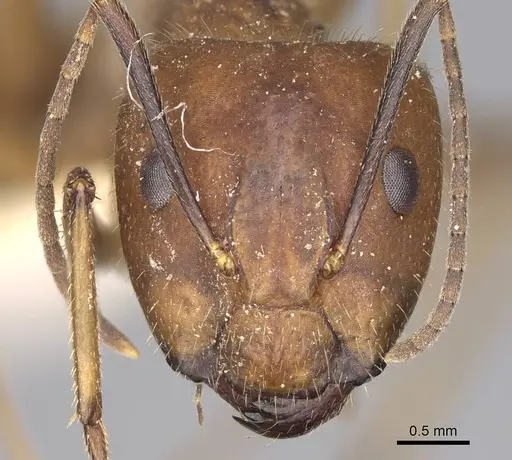
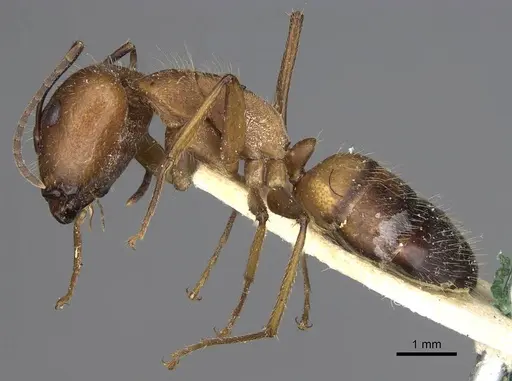
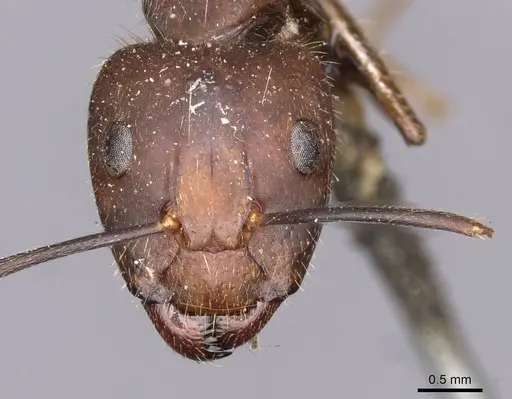
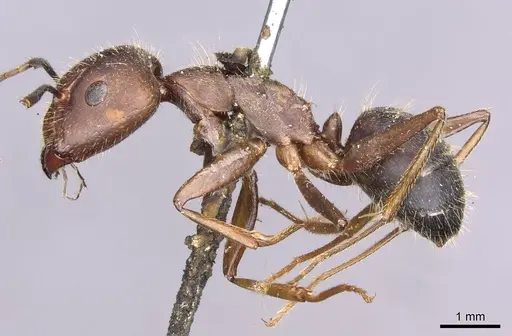
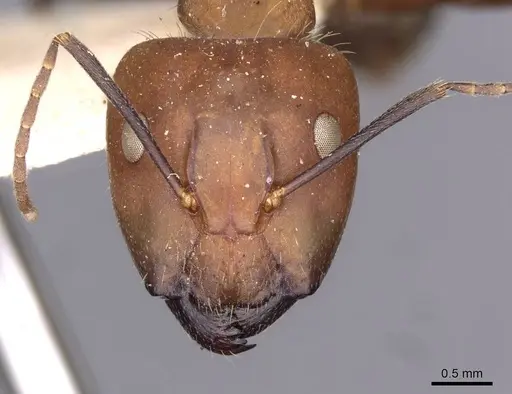
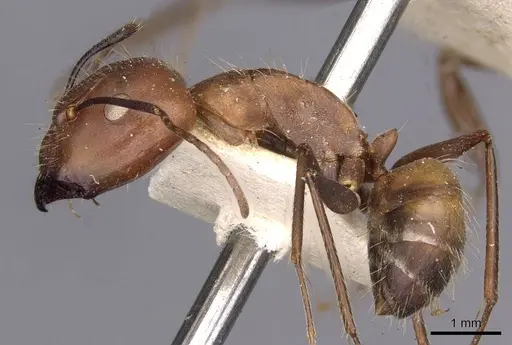
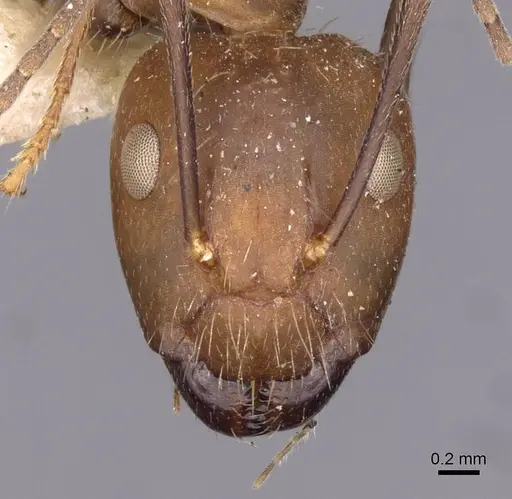
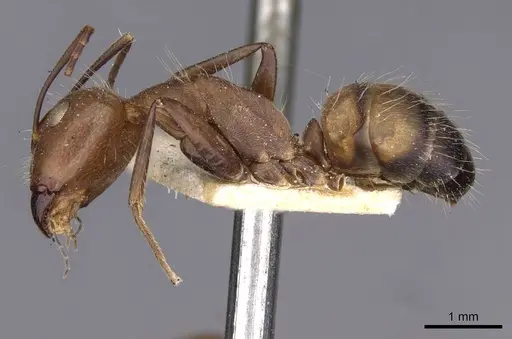
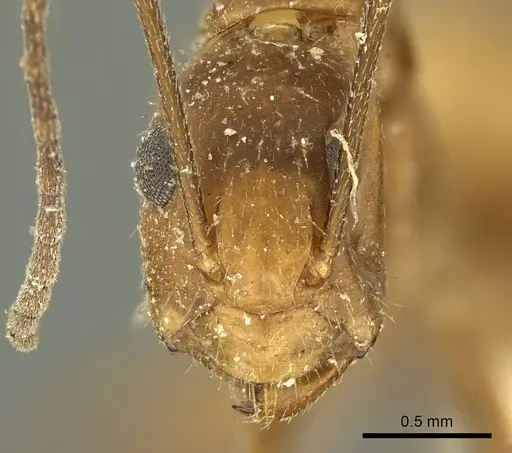
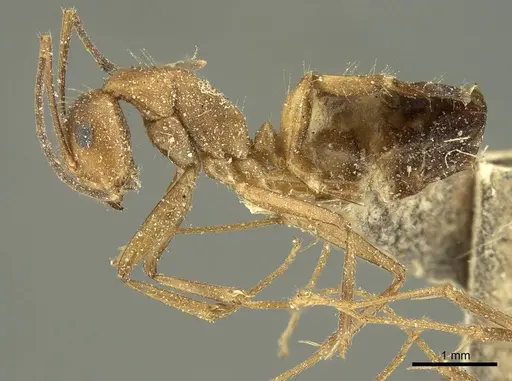
Camponotus nicobarensis is a medium-sized carpenter ant native to South and Southeast Asia, ranging from India through Thailand, Vietnam, Laos, and into southern China. Workers measure 6-12mm depending on caste, with a distinctive brownish-red to reddish-brown coloration, the mesosoma is typically brownish-red, and the abdomen often shows reddish coloring on the first two or three segments. This species is a habitat specialist that lives primarily in primary forest environments, nesting in tree hollows, dead branches, and under bark rather than in the ground. They create galleries inside wood but do not actually feed on it, they hollow out nesting chambers rather than consume wood like termites do. The species was first described from the Nicobar Islands in 1865 and has since been recorded across a wide geographic range including Bangladesh, India, Nepal, Laos, Thailand, Vietnam, and southern Chinese provinces like Yunnan, Guangxi, Hainan, and Taiwan [1][2][3].
Quick Summary
- Difficulty: Easy
- Origin & Habitat: Native to South and Southeast Asia (India, Bangladesh, Nepal, Laos, Thailand, Vietnam, China, Myanmar). Found in primary forest environments including mixed deciduous forests, warm broadleaved forests, and tropical forest areas. Nests in tree hollows, dead branches, and under bark, they are arboreal nesters that create galleries inside wood but do not feed on it [4][5].
- Colony Type: Single-queen colonies (monogyne). Like most Camponotus species, colonies start with one claustral queen who seals herself in to raise the first workers alone.
- Colony: Monogyne
- Founding: Claustral
- Size & Growth:
- Queen: 12-15mm estimated (typical for Camponotus genus)
- Worker: 6-12mm, major workers can reach 12mm, minor workers are smaller [6]
- Colony: Likely several thousand workers at maturity based on typical Camponotus colony development
- Growth: Moderate, typical Camponotus growth pattern with initial nanitics emerging in 6-8 weeks, then steady growth
- Development: 6-8 weeks at optimal temperature (estimated from Camponotus genus patterns) (Development time follows typical Camponotus patterns, claustral founding means queen raises first brood alone without foraging. Nanitics (first workers) are smaller than normal workers.)
- Antkeeping:
- Temperature: Keep at 22-26°C. They are a tropical to subtropical species and prefer warm conditions. A heating cable on one side of the nest creates a temperature gradient they can choose between [4].
- Humidity: Moderate humidity around 50-70%. As arboreal nesters, they are adapted to more variable conditions than ground-nesting species. Provide a water tube for drinking water.
- Diapause: No, being a tropical/subtropical species, they do not require hibernation. However, slight temperature reductions in winter months may slow activity, which is natural [2].
- Nesting: Y-tong (AAC) nests work very well for this species, the porous ceramic material mimics their natural arboreal nesting sites. Acrylic nests are also suitable. Avoid fully soil-based nests as they prefer dry, wood-based nesting chambers. They do not need high humidity but do need access to drinking water.
- Behavior: Generally calm and non-aggressive for a carpenter ant. They are primarily nocturnal foragers and will search for sugar sources and protein. Workers are moderate climbers and can scale smooth surfaces, so standard escape prevention with Fluon or talcum powder barriers is recommended. Unlike some Camponotus species, they are not particularly defensive and rarely bite. They are known to tend aphids for honeydew and will readily accept sugar water. Major workers (larger soldiers) may appear when colonies grow larger but are not aggressive [4].
- Common Issues: escape prevention, workers can climb smooth surfaces and will escape if not properly contained, overfeeding, excess food spoils quickly in nest environments and can cause mold, too much humidity, being arboreal, they prefer drier conditions than ground-nesting ants, founding colony loss, claustral queens sometimes fail to establish, this is normal but can be minimized by keeping founding setups undisturbed, stress from vibrations, carpenter ants prefer quiet, stable environments during founding
Nuptial Flight Activity Analysis 204 observations
Flight Activity by Hour 204 observations
Camponotus nicobarensis nuptial flight activity peaks around 20:00 during the evening. Activity is spread across a 16-hour window (07:00–22:00). A secondary activity peak occurs around 10:00. Times may be influenced by human observation patterns.
Housing and Nest Setup
Camponotus nicobarensis does well in Y-tong (AAC) nests, which perfectly mimic their natural arboreal nesting preferences. The porous ceramic material absorbs excess moisture while providing the dry interior chambers these ants prefer. Acrylic nests also work well, especially for observing the colony. Avoid fully soil-based formicariums as these ants are not ground-nesters, they prefer dry, enclosed spaces similar to tree hollows. For the outworld, any standard setup works. A test tube setup is essential for founding colonies, use a small test tube with a cotton ball providing water, placed in a dark container. The queen will seal herself into a chamber she creates (if using soil) or settle at the tube end. Keep founding setups completely undisturbed for 6-8 weeks until nanitics emerge. Once the colony reaches 20-30 workers, you can move them to a proper nest. Escape prevention is important, apply Fluon to the inner rim of the outworld or use talcum powder barriers, as these ants can climb smooth surfaces. [4][5]
Feeding and Diet
Like most Camponotus species, C. nicobarensis is omnivorous with a strong preference for sugar. Offer sugar water (1:1 ratio with water) or honey as a constant food source. For protein, they readily accept mealworms, crickets, and other small insects. In the wild, they tend aphids for honeydew and hunt small invertebrates. Feed a small drop of sugar water every 2-3 days and offer protein 1-2 times per week. Remove uneaten prey after 24 hours to prevent mold. They are not particularly aggressive hunters, so pre-killed or injured insects are often accepted. Major workers will take larger prey items. Avoid overfeeding, excess food spoils quickly and creates mold problems that can kill colonies. Fresh water should always be available, either through a water tube or damp cotton. [4]
Temperature and Seasonal Care
Maintain temperatures between 22-26°C for optimal colony health and growth. Being a tropical to subtropical species from South and Southeast Asia, they do not require hibernation. In winter, room temperature is usually sufficient, a slight drop to 18-20°C may reduce activity but is not harmful. Do not let temperatures drop below 15°C. A small heating cable placed on one end of the nest can create a gradient, allowing workers to self-regulate their temperature preference. This is especially useful during founding when warmth helps speed development. Avoid direct heat sources that could dry out the nest too quickly. They tolerate typical room humidity but should have access to drinking water at all times. [2][4]
Colony Development and Growth
A claustral founding queen will seal herself in and lay eggs without leaving the nest. She uses stored fat reserves to survive and feed the first brood. Expect 6-8 weeks for nanitics (first workers) to emerge at room temperature, faster with slight heating. Nanitics are typically smaller than subsequent workers but the colony grows quickly once the first workers begin foraging. Growth follows typical Camponotus patterns, the colony expands steadily with increasing numbers of minor workers, and major workers (larger soldiers) appear as the colony matures. A mature colony can reach several thousand workers over several years. Do not disturb the founding setup unnecessarily, queens are sensitive to vibrations and may eat their brood if stressed. Once workers are actively foraging, you can gradually expand their space.
Behavior and Temperament
Camponotus nicobarensis is a relatively calm species that rarely shows aggression. Workers go about their tasks methodically rather than frantically. They are primarily nocturnal foragers in the wild, though they will forage during the day in captivity. Major workers, when present, are larger and may defend the colony but rarely bite. They are good climbers and will explore their outworld thoroughly. This species is not known for painful bites or strong chemical defenses, they are considered among the more docile carpenter ants. They communicate through chemical trails and will establish foraging paths to food sources. They do not exhibit slave-making or parasitic behaviors, they are independent colony builders. [4]
Common Problems and Solutions
The most common issues with C. nicobarensis involve escape prevention and founding failures. Workers can climb smooth surfaces, so apply Fluon to all barrier surfaces. Founding colonies are fragile, avoid any disturbance for the first 6-8 weeks. If the queen appears stressed or eats her brood, the colony may fail, this is normal in captivity and not always preventable. Overfeeding causes mold that can be deadly, remove uneaten food promptly. Too much humidity leads to fungal growth in the nest, keep nesting areas relatively dry. These ants prefer stable conditions, so avoid placing the colony in high-traffic areas with constant vibrations. Wild-caught colonies may carry parasites, quarantine and observe new colonies before introducing them to established setups.
Frequently Asked Questions
Is Camponotus nicobarensis good for beginners?
Yes, this is an excellent beginner species. They are relatively docile, don't require hibernation, and are forgiving of minor care mistakes. Their claustral founding makes them straightforward to establish, and they adapt well to various nest types. The main things to watch are escape prevention and avoiding overfeeding.
How long does it take for the first workers to appear?
Expect 6-8 weeks from egg to first worker (nanitics) at room temperature. This can be slightly faster with warming around 24-26°C. The queen will remain sealed in her chamber until the first workers emerge.
What do I feed Camponotus nicobarensis?
Offer sugar water or honey as a constant food source. For protein, provide small insects like mealworms, fruit flies, or crickets. Feed protein 1-2 times per week and sugar every 2-3 days. Remove uneaten food within 24 hours.
Do they need hibernation?
No, they are a tropical/subtropical species and do not require hibernation. They may show slightly reduced activity in cooler winter months, which is natural.
What type of nest is best?
Y-tong (AAC) nests are ideal because they mimic the dry, arboreal conditions these ants prefer in nature. Acrylic nests also work well. Avoid fully soil-based nests.
How big do colonies get?
Mature colonies can reach several thousand workers over several years. They grow at a moderate pace typical of Camponotus species.
Can I keep multiple queens together?
No, this is a monogyne species with single-queen colonies. Multiple unrelated queens will fight. Only keep one queen per colony.
Why are my ants escaping?
Camponotus nicobarensis is a good climber. Apply Fluon to the inner rim of the outworld or use talcum powder barriers on smooth surfaces. Check all connections and gaps.
Is this species invasive anywhere?
They are native to South and Southeast Asia. They have been recorded in Macau as a new find but appear to be native to the region. They are not considered invasive.
References

This caresheet is licensed under CC BY-SA 4.0 .
ANTWEB1041828
View on AntWeb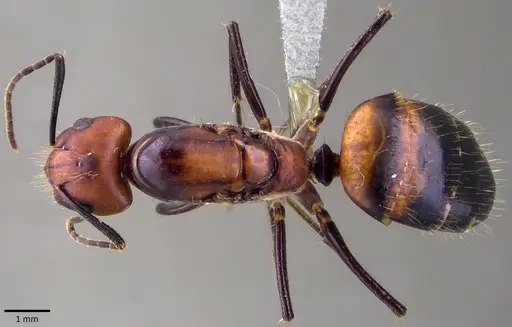
ANTWEB1041857
View on AntWeb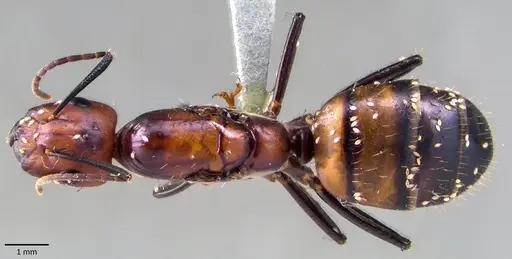
ANTWEB1041858
View on AntWeb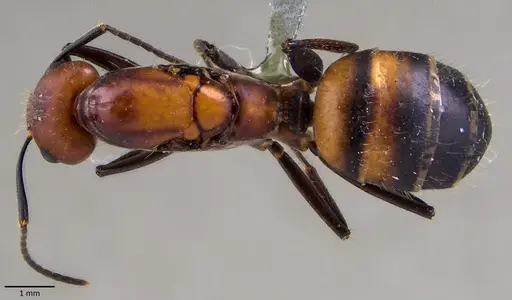
ANTWEB1041859
View on AntWeb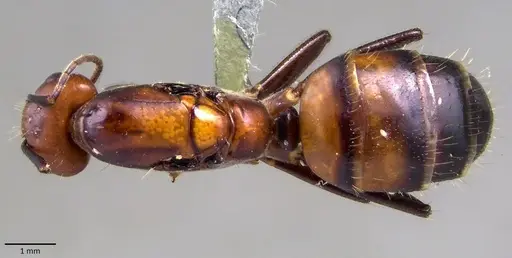
CASENT0905330
View on AntWeb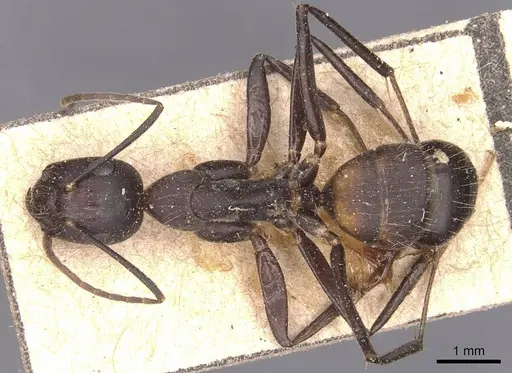
CASENT0905804
View on AntWeb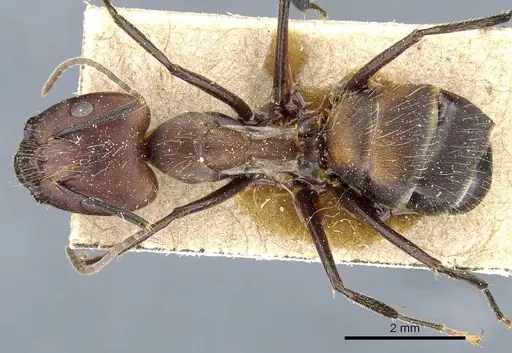
CASENT0906970
View on AntWeb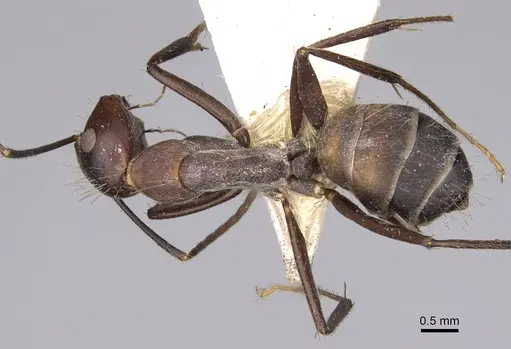
CASENT0906971
View on AntWeb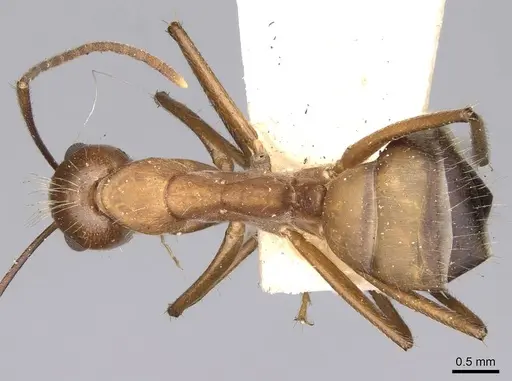
CASENT0906972
View on AntWeb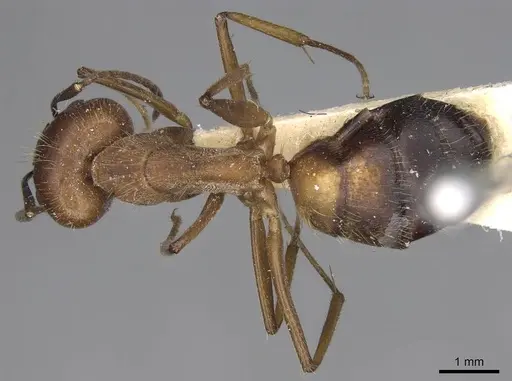
CASENT0910158
View on AntWeb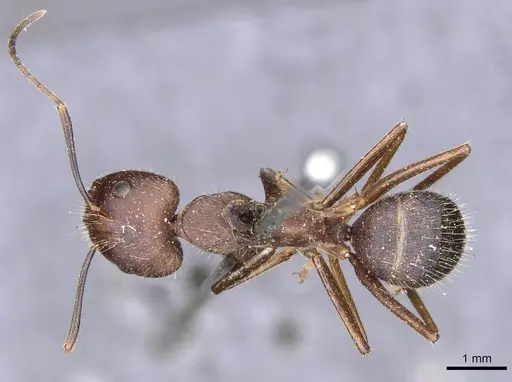
CASENT0910161
View on AntWeb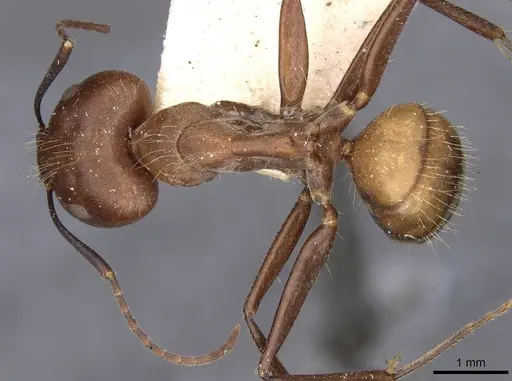
CASENT0910162
View on AntWeb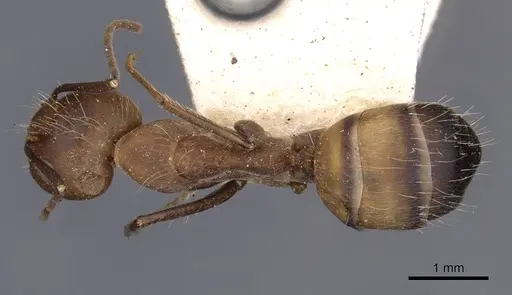
CASENT0915687
View on AntWeb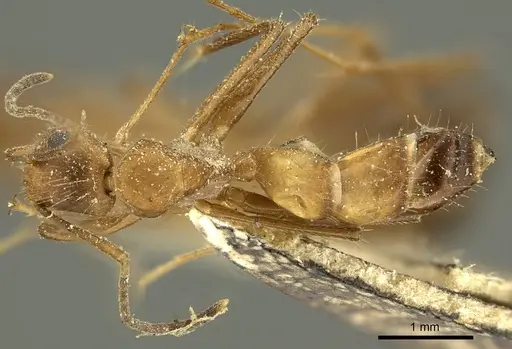
Literature
Loading...Loading products...