

Camponotus fuscocinctus
- Scientific Name
- Camponotus fuscocinctus
- Subgenus
- Tanaemyrmex
- Tribe
- Camponotini
- Subfamily
- Formicinae
- Author
- Emery, 1888
- Distribution
- Found in 2 countries
Camponotus fuscocinctus Overview
Camponotus fuscocinctus is an ant species of the genus Camponotus. It is primarily documented in 2 countries , including Argentina, Brazil. Detailed taxonomic data and occurrence records can be further explored via authoritative databases such as AntWeb or the Global Biodiversity Information Facility (GBIF).
Camponotus fuscocinctus
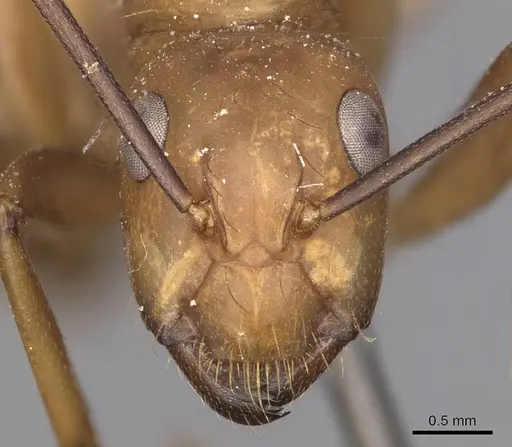
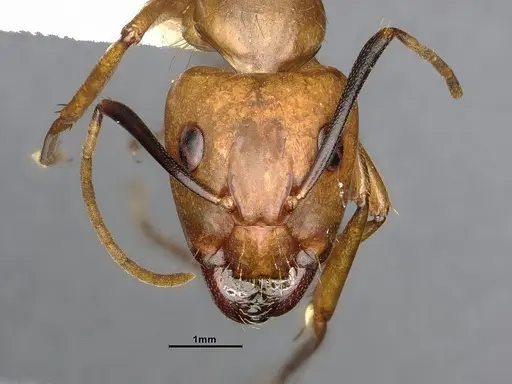
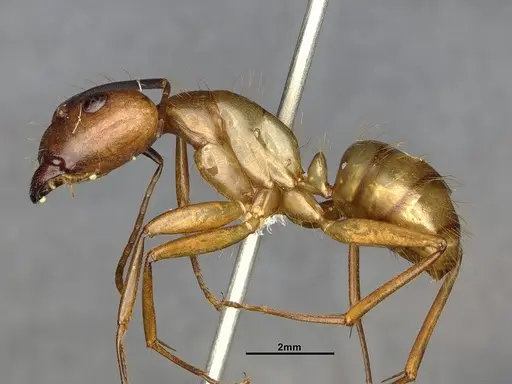
Camponotus fuscocinctus is a carpenter ant species belonging to the maculatus species complex, found across continental South America including Brazil, Argentina, Peru, and Uruguay [1][2]. Workers are typical of the genus, with the species characterized by a sharp and well-defined clypeal carina (the ridge on the face) [1]. As a member of the maculatus complex, these ants display the typical carpenter ant morphology with a robust body and powerful mandibles.
This species inhabits the Neotropical region, ranging from southern Brazil (Rio Grande do Sul) through Argentina and Uruguay to Peru [2][3]. Like other carpenter ants, they likely nest in wood cavities and dead timber, though specific nesting habitat data is limited for this species.
Quick Summary
- Difficulty: Medium
- Origin & Habitat: Neotropical South America, Brazil (Rio Grande do Sul, Sao Paulo, Santa Catarina), Argentina, Peru, and Uruguay. Found in tropical and subtropical forest habitats [1][2].
- Colony Type: Colony structure is unconfirmed for this species. Based on typical Camponotus patterns, likely single-queen (monogyne) colonies.
- Founding: Claustral
- Size & Growth:
- Queen: Estimated 12-16mm based on typical Camponotus maculatus complex size range
- Worker: Estimated 6-12mm (major workers larger, minor workers smaller) based on genus patterns
- Colony: Estimated several thousand workers based on typical Camponotus colony development
- Growth: Moderate, typical Camponotus growth pattern
- Development: Estimated 6-8 weeks at optimal temperature based on typical Camponotus development [4] (Development time is estimated from genus-level data as species-specific measurements are not available. Tropical species may develop slightly faster than temperate Camponotus.)
- Antkeeping:
- Temperature: Keep at 24-28°C. Provide a temperature gradient allowing workers to choose their preferred warmth [4].
- Humidity: Moderate humidity around 50-60%. Carpenter ants prefer slightly drier nest conditions compared to many tropical ants. Provide a water tube for drinking access.
- Diapause: Likely minimal or no diapause required. As a tropical species from southern South America, they may tolerate brief cool periods but do not require hibernation [4].
- Nesting: Y-tong (acrylic) nests or plaster nests work well. Provide narrow chambers typical of carpenter ant preferences. They will excavate in wood if given the opportunity [4].
- Behavior: Generally calm and non-aggressive for a carpenter ant. Workers are moderately active and primarily nocturnal or crepuscular in foraging behavior. They are not known to be particularly aggressive but will defend if threatened. Escape risk is moderate, use standard Camponotus escape prevention with smooth surfaces and barrier gel or fluon. They are omnivorous and will accept sugar sources and protein foods.
- Common Issues: colonies may fail if kept too cold, maintain warm temperatures, queen mortality during founding is common, ensure quiet, dark location, mold can be an issue if humidity is too high, balance moisture carefully, slow initial growth can lead to overfeeding, offer appropriate portions, wild-caught colonies may harbor parasites, quarantine and observe new colonies
Housing and Nest Setup
Camponotus fuscocinctus does well in Y-tong (acrylic) nests or plaster formicariums. These provide the dark, enclosed chambers that carpenter ants prefer. The chambers should be appropriately sized, not too large for smaller colonies, but spacious enough as the colony grows. A connected outworld allows for foraging and feeding areas. Ensure the nest has some humidity control, a water tube or small reservoir helps maintain appropriate moisture levels without making the nest overly damp. Carpenter ants prefer slightly drier conditions than many tropical species, so avoid over-moistening the substrate. [4]
Feeding and Diet
Like other carpenter ants, C. fuscocinctus is omnivorous and will accept a variety of foods. Offer sugar water or honey as a constant energy source, they will readily take these. Protein should come from insects such as mealworms, crickets, or other small arthropods. Feed protein 2-3 times per week, adjusting based on colony size and consumption. Remove uneaten food promptly to prevent mold. These ants are foragers and will send workers out to collect food, so ensure easy access from the nest to the feeding area. [4]
Temperature and Seasonal Care
Maintain temperatures between 24-28°C for optimal colony development. A slight temperature gradient is beneficial, allowing workers to regulate their own exposure to warmth. This species comes from southern South America (Brazil, Argentina, Uruguay) where temperatures are warm but not extreme. They do not require true hibernation, but may slow down slightly during cooler periods. Avoid temperatures below 18°C for extended periods as this can stress the colony. Room temperature within the range is usually acceptable, though a heating cable on one side of the nest can help maintain optimal conditions. [4]
Colony Development and Growth
C. fuscocinctus follows the typical Camponotus claustral founding pattern, the queen seals herself in a chamber and raises the first brood alone using stored fat reserves. The first workers (nanitics) are typically smaller than mature workers. Colony growth is moderate, expect 6-8 weeks from egg to first worker under optimal conditions. Growth rate will increase as the colony establishes more workers. Major workers (larger soldiers) typically appear once the colony reaches several hundred workers. Full colony maturity may take 1-2 years. [4]
Behavior and Temperament
This species displays typical carpenter ant behavior, generally calm with moderate activity levels. Workers are not particularly aggressive but will defend the colony if threatened. They are primarily nocturnal foragers in the wild, though captive colonies often adapt to keeper schedules. They communicate through chemical trails and can recruit nestmates to food sources. Escape prevention should be standard, smooth surfaces, barrier gel or fluon on container edges. Their moderate size makes them less prone to escaping through tiny gaps compared to smaller ant species. [4]
Frequently Asked Questions
How long does it take for Camponotus fuscocinctus to produce first workers?
Expect first workers (nanitics) to emerge in approximately 6-8 weeks after the queen lays her first eggs, assuming optimal temperature around 26°C. This is an estimate based on typical Camponotus development patterns as species-specific timing is not documented.
What do Camponotus fuscocinctus ants eat?
They are omnivorous. Offer sugar water or honey as a constant energy source, and protein such as mealworms, crickets, or other small insects 2-3 times per week. Remove uneaten food promptly to prevent mold.
Do Camponotus fuscocinctus ants need hibernation?
No, hibernation is not required. As a tropical to subtropical species from southern South America, they do not need a diapause period. They may slow slightly during cooler periods but should be kept at 24-28°C year-round for best development.
What temperature is best for Camponotus fuscocinctus?
Keep the nest at 24-28°C. A temperature gradient is beneficial, allowing workers to move between warmer and cooler areas. Avoid temperatures below 18°C for extended periods.
Are Camponotus fuscocinctus ants good for beginners?
They are moderate difficulty, more forgiving than some exotic species but requiring more attention than common temperate ants. Their claustral founding and moderate temperature needs make them suitable for intermediate antkeepers.
How big do Camponotus fuscocinctus colonies get?
Based on typical Camponotus patterns, colonies can reach several thousand workers over 1-2 years. Major workers appear once the colony is established.
Can I keep multiple Camponotus fuscocinctus queens together?
This is not recommended. Unlike some polygynous species, Camponotus colonies are typically single-queen (monogyne). Combining unrelated queens typically results in fighting.
When should I move my colony to a formicarium?
Keep new colonies in a test tube setup until they have 20-30 workers. Moving too early can stress the colony. Once the test tube becomes crowded and you observe workers spending time in the outworld, consider moving to a proper formicarium.
Why is my Camponotus fuscocinctus queen not laying eggs?
Common causes include temperatures being too low, disturbance (queens need quiet, dark locations), or the queen being too old. Ensure the setup is in a quiet, dark place and temperatures are within 24-28°C. Give newly caught queens several weeks to settle.
References

This caresheet is licensed under CC BY-SA 4.0 .
CASENT0905259
View on AntWeb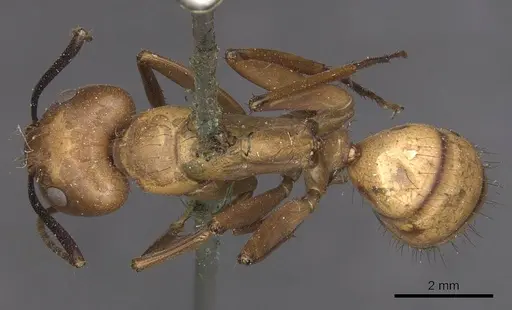
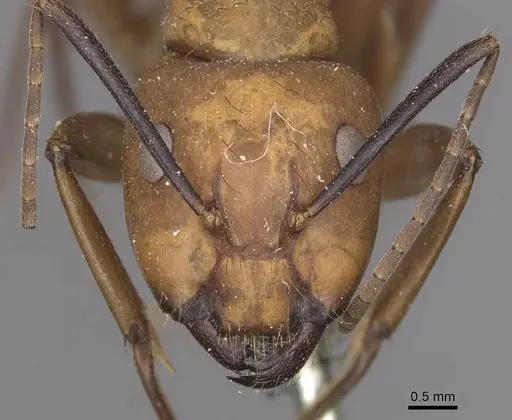
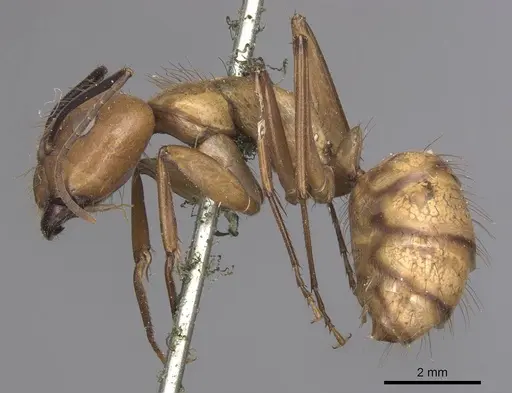
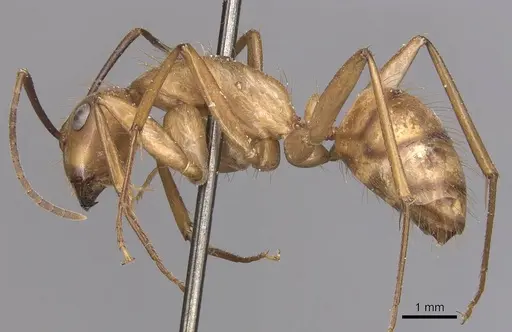
CASENT0905260
View on AntWeb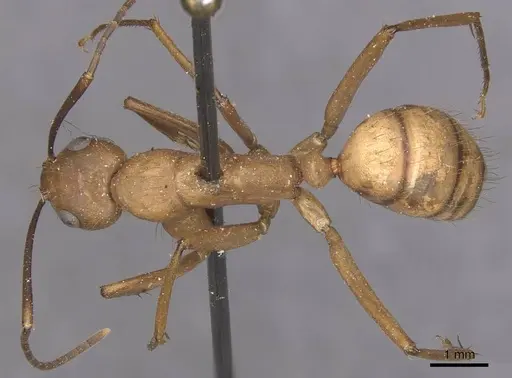
CASENT0923534
View on AntWeb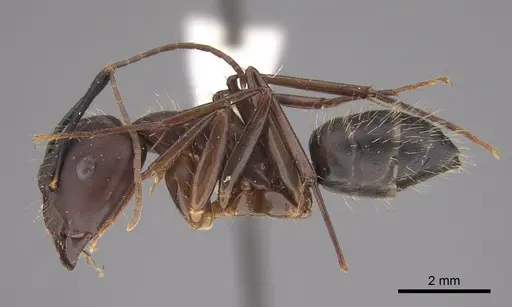
CASENT4032233
View on AntWeb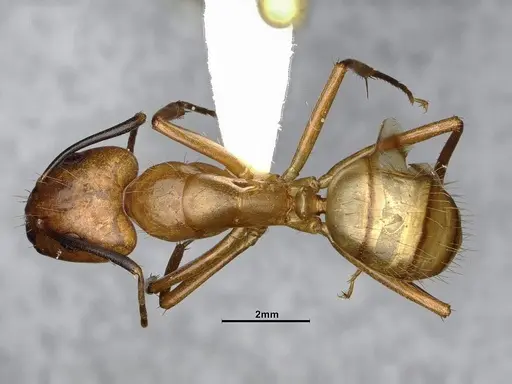
Literature
Loading...Loading products...