

Camponotus fraseri
- Scientific Name
- Camponotus fraseri
- Tribe
- Camponotini
- Subfamily
- Formicinae
- Author
- McArthur, 2008
- Distribution
- Found in 1 countries
Camponotus fraseri Overview
Camponotus fraseri is an ant species of the genus Camponotus. It is primarily documented in 1 countries , including Australia. Detailed taxonomic data and occurrence records can be further explored via authoritative databases such as AntWeb or the Global Biodiversity Information Facility (GBIF).
Camponotus fraseri
Camponotus fraseri is a small to medium-sized carpenter ant from South Australia, first described in 2008. Workers are dark brown with lighter limbs and front of head, measuring around 5-7mm. This species belongs to the Camponotus claripes group, characterized by their wide frontal carinae and lack of erect setae on the underside of the head. The distinctive short sloping setae on their scapes help distinguish them from their close relative C. insipidus. These ants are ground nesters, found in the arid and temperate regions of South Australia including Marino Conservation Park and surrounding areas.
Quick Summary
- Difficulty: Medium
- Origin & Habitat: South Australia, Australia, found in conservation parks and arid to semi-arid regions [1][2]
- Colony Type: Likely monogyne (single queen) based on typical Camponotus patterns. Major worker not yet described in scientific literature.
- Colony: Monogyne
- Founding: Claustral
- Size & Growth:
- Queen: Estimated 9-12mm based on genus Camponotus patterns
- Worker: Minor workers approximately 5-7mm based on morphometric measurements [1]
- Colony: Estimated several hundred workers based on typical Camponotus colony growth
- Growth: Moderate, typical Camponotus development
- Development: Estimated 6-8 weeks at optimal temperature based on typical Camponotus development [2] (Development time inferred from genus-level data, specific timing for this species unconfirmed)
- Antkeeping:
- Temperature: Keep at 22-26°C. Australian species from temperate to warm arid regions can handle a range from 18°C up to 30°C. A heating cable on one side of the nest creates a useful gradient [2].
- Humidity: Moderate humidity around 50-60%. Being a ground nester from South Australia, they prefer drier conditions than many tropical ants. Allow the nest to dry out partially between waterings.
- Diapause: Yes, Australian temperate species require a winter rest period. Reduce temperature to 10-15°C for 2-3 months during winter.
- Nesting: Ground nester, Y-tong (AAC) nests work well, or a naturalistic setup with soil and flat stones. Provide sand or sandy soil as substrate. Test tubes are suitable for founding colonies.
- Behavior: Typical Camponotus temperament, generally docile and not aggressive. Workers are active foragers, primarily nocturnal or crepuscular. They are not known to be escape artists but use standard escape prevention. Minor workers are small enough that fine mesh barriers are recommended.
- Common Issues: limited scientific data on captive care, much is inferred from genus patterns, major worker caste not yet described, colony development may differ from typical patterns, winter diapause is essential for this Australian temperate species, skipping hibernation can weaken colonies, ground-nesting species needs appropriate substrate, avoid overly humid or wet conditions
Nest Preferences
Camponotus fraseri is a ground-nesting species native to South Australia. In captivity, they do well in Y-tong (AAC) nests which provide the dark, secure environment they prefer. A naturalistic setup with a sandy substrate and flat stones or pieces of bark also works well, mimicking their natural ground-nesting habitat. For founding colonies, a simple test tube setup with a water reservoir works perfectly, the queen will seal herself in and raise her first workers in the dark chamber. Avoid overly humid conditions, these ants come from relatively arid regions and prefer their nest areas to dry out partially between waterings. Provide a small outworld area for foraging, connected to the nest via tubing. [1][2]
Feeding and Diet
Like most Camponotus species, C. fraseri is omnivorous. They accept sugar sources readily, a drop of honey water or sugar water should be offered constantly. For protein, provide small insects like fruit flies, small crickets, or mealworms. In the wild, they were collected using honey bait, confirming their attraction to sugary substances. Feed protein prey 2-3 times per week, removing any uneaten prey after 24 hours. A varied diet helps ensure healthy colony development. Minor workers are small, so cut prey into appropriately sized pieces. [1][2]
Temperature and Seasonal Care
Maintain nest temperatures between 22-26°C for optimal brood development. These ants come from temperate South Australia and can tolerate temperatures from 18°C up to 30°C. A heating cable placed on one side of the nest creates a temperature gradient, allowing ants to self-regulate by moving to warmer or cooler areas. During winter, a diapause period is essential, reduce temperatures to 10-15°C for 2-3 months. This mimics their natural seasonal cycle and helps maintain colony health. Do not feed during diapause, but ensure a small water source is available. Sudden temperature drops should be avoided, cool the colony gradually over 1-2 weeks. [2]
Colony Founding and Development
Like other Camponotus species, C. fraseri is claustral, the queen seals herself in a chamber and raises her first workers entirely on stored fat reserves. She does not leave to forage during founding. The major worker caste has not yet been described in scientific literature, so colony development may produce only minor workers for some time. First workers (nanitics) will be smaller than mature workers but should be functional. Expect 6-8 weeks from egg to first worker at optimal temperature. Growth is moderate, the colony will expand over several months to a year before reaching several hundred workers. [1][2]
Behavior and Temperament
Camponotus fraseri has a typical carpenter ant temperament, generally docile and non-aggressive. Workers are active foragers, often during evening and nighttime hours. They are not particularly defensive and rarely bite. Minor workers are small (around 5-7mm), so standard escape prevention with fine mesh barriers is recommended despite them not being strong climbers. They will explore their outworld and can be entertaining to watch as they recruit nestmates to food sources. Colonies are relatively quiet and do well in moderate-light observation setups once established. [1][2]
Frequently Asked Questions
How long does it take for Camponotus fraseri to produce first workers?
Expect 6-8 weeks from egg to first worker at optimal temperature (22-26°C). This is typical for Camponotus species, though specific timing for C. fraseri has not been directly studied.
What do Camponotus fraseri ants eat?
They are omnivorous. Offer a constant sugar source like honey water or sugar water, and protein prey like small insects (fruit flies, small crickets, mealworms) 2-3 times per week.
Do Camponotus fraseri ants need hibernation?
Yes, as an Australian temperate species they require a winter diapause. Reduce temperatures to 10-15°C for 2-3 months during winter. This is essential for colony health.
What size colony does Camponotus fraseri reach?
Based on typical Camponotus patterns, colonies likely reach several hundred workers. The major worker caste has not been scientifically described, so colony structure may differ from typical patterns.
Can I keep Camponotus fraseri in a test tube?
Yes, test tubes work well for founding colonies. Use a standard test tube setup with a water reservoir and cotton plug. Once the colony reaches 20-30 workers, consider moving to a Y-tong or naturalistic setup.
What temperature do Camponotus fraseri ants need?
Keep nest areas at 22-26°C. They can tolerate 18-30°C. A heating cable on one side of the nest creates a useful gradient for self-regulation.
Are Camponotus fraseri ants good for beginners?
They are rated Medium difficulty. They are docile and relatively forgiving of minor care mistakes, but require proper diapause and have specific temperature needs. Beginners with some research should do well.
What type of nest is best for Camponotus fraseri?
Y-tong (AAC) nests work well for established colonies. For founding colonies, a simple test tube setup is sufficient. They are ground nesters, so provide a naturalistic option with sandy substrate if desired.
Why is my Camponotus fraseri colony not growing?
Check that temperatures are optimal (22-26°C), diapause was provided in winter, and the queen is still laying eggs. Poor nutrition or excessive humidity can also slow growth. Minor workers only have been described, the colony may be developing normally but without major workers.
References

This caresheet is licensed under CC BY-SA 4.0 .
CASENT0915776
View on AntWeb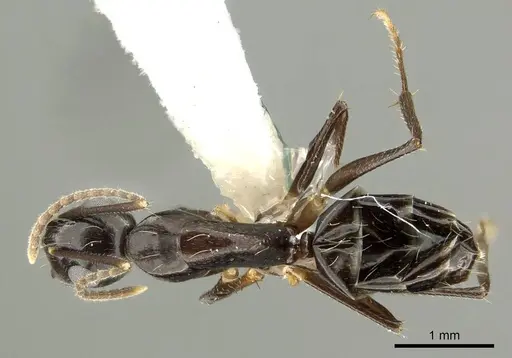
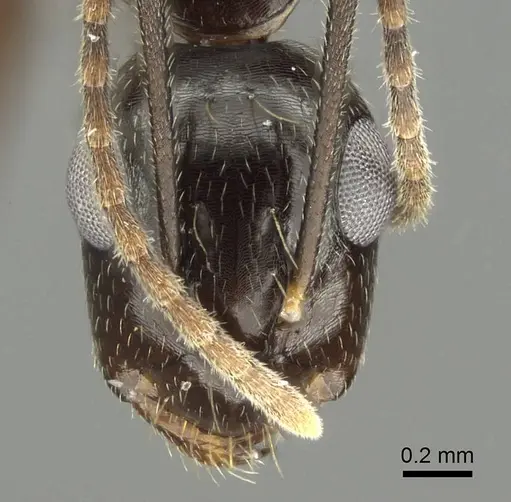
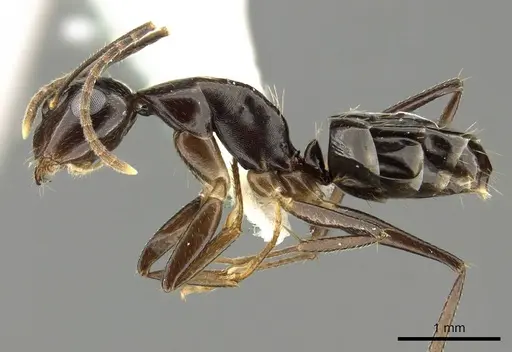
Literature
Loading...Loading products...