

Camponotus fieldeae
- Scientific Name
- Camponotus fieldeae
- Subgenus
- Tanaemyrmex
- Tribe
- Camponotini
- Subfamily
- Formicinae
- Author
- Forel, 1902
- Distribution
- Found in 1 countries
Camponotus fieldeae Overview
Camponotus fieldeae is an ant species of the genus Camponotus. It is primarily documented in 1 countries , including Australia. Detailed taxonomic data and occurrence records can be further explored via authoritative databases such as AntWeb or the Global Biodiversity Information Facility (GBIF).
Camponotus fieldeae
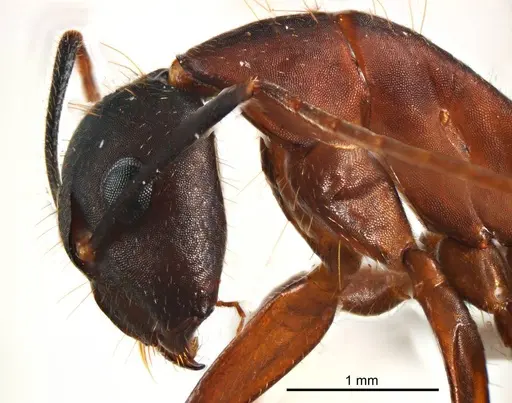
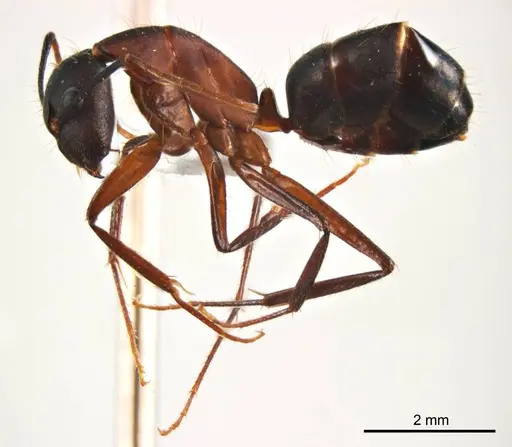
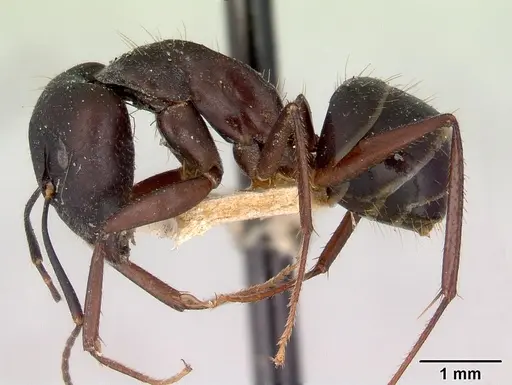
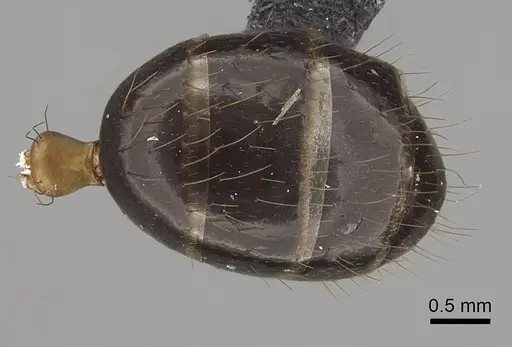
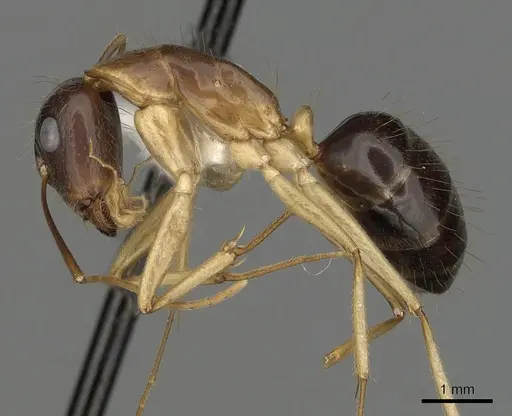
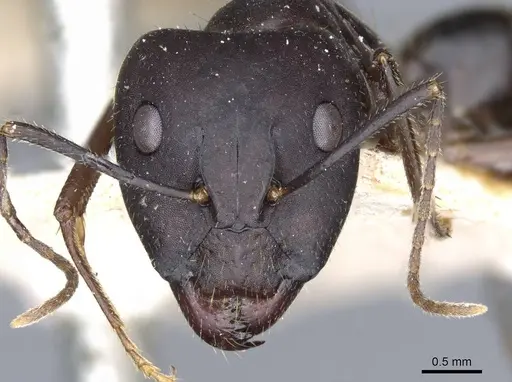
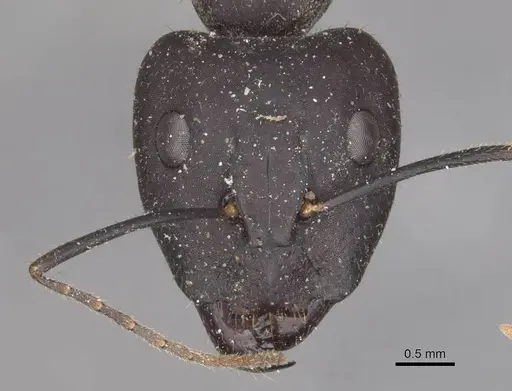
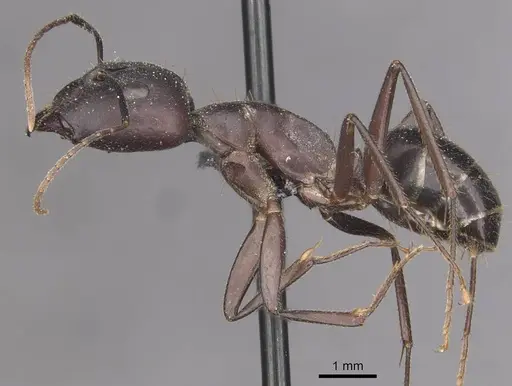
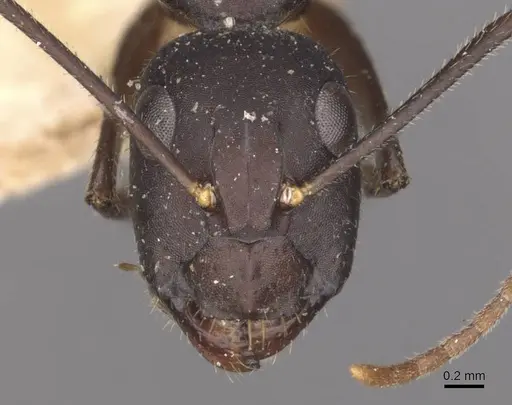
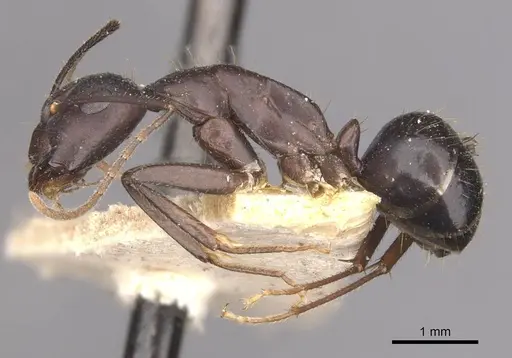
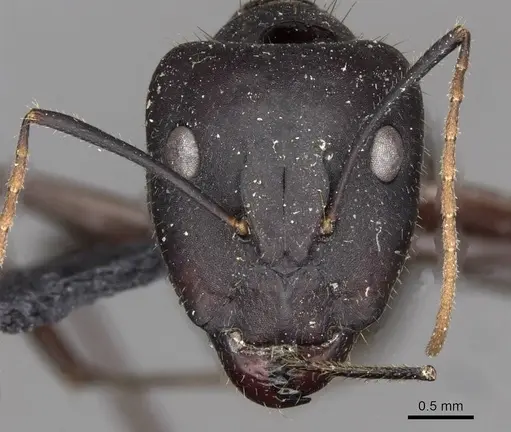
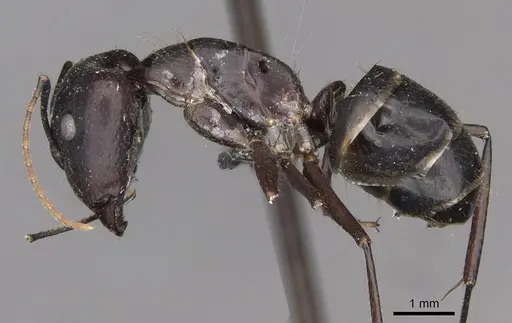
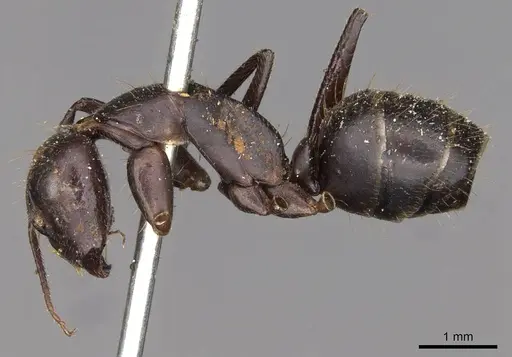
Camponotus fieldeae is a medium-sized carpenter ant native to Australia, found primarily in Queensland, Western Australia, and South Australia. Workers range from 4.7-8mm with a strong size dimorphism, you'll see either major workers (larger, up to 8mm) or minor workers (smaller, around 4.7-5mm), with few medium workers in between. The ant is mostly brown to reddish-brown in color, and unlike some related species, the gaster (back section) is not covered by whitish pubescence, giving it a sleeker appearance [1][2].
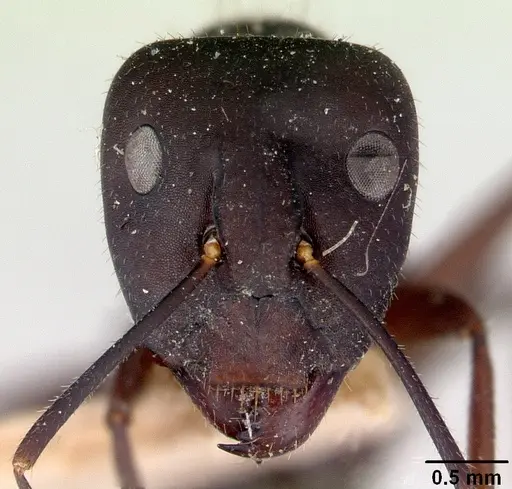
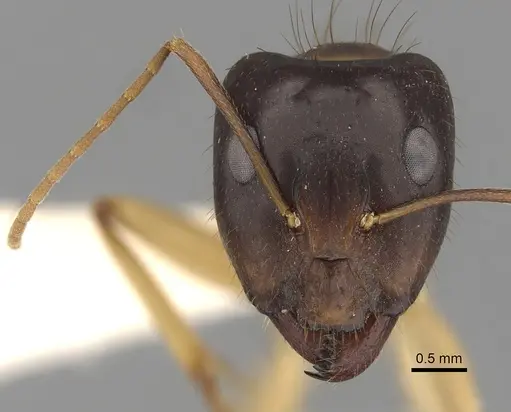
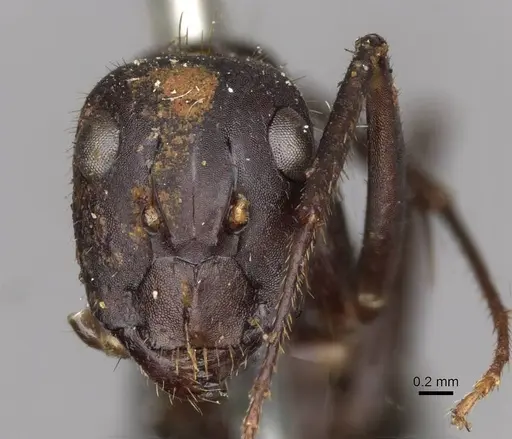
This species is part of the Camponotus maculatus species complex, a group known for their nocturnal habits and preference for nesting in soil or under stones. They are quick to scatter when disturbed, especially under torch light, making them wary and active foragers at night [2]. The minor workers have a distinct ridge (occipital carina) on the back of their head, which helps strengthen the front parts of the head for carrying and manipulation.
Quick Summary
- Difficulty: Medium
- Origin & Habitat: Australia (Queensland, Western Australia, South Australia). Found in arid and semi-arid regions, with records from Barrow Island and various mainland locations. Nests are typically in soil, often under stones or at ground level [3][2].
- Colony Type: Likely single-queen colonies (monogyne) based on typical Camponotus patterns. No specific data on multi-queen arrangements for this species.
- Colony: Monogyne
- Founding: Claustral
- Size & Growth:
- Queen: Not specifically documented, estimated 10-12mm based on genus patterns for major workers
- Worker: Major workers: 6-8mm, Minor workers: 4.7-5mm [2]
- Colony: Not documented, estimated moderate to large (several hundred workers) based on typical Camponotus growth
- Growth: Moderate, based on typical Camponotus development patterns
- Development: 6-8 weeks at optimal temperature (estimated based on genus patterns) (Development time is estimated from typical Camponotus patterns, specific data for this species is not available)
- Antkeeping:
- Temperature: Keep at 22-26°C. Australian species from warm regions, so they handle moderate heat well. A slight gradient allows workers to choose their preferred temperature.
- Humidity: Moderate humidity around 50-60%. These ants come from relatively dry Australian regions, so avoid overly damp conditions. Allow the nest to dry out slightly between waterings.
- Diapause: Likely not required or minimal. Australian species from tropical to subtropical regions may not need a true hibernation, but reduced feeding during cooler winter months may be beneficial.
- Nesting: Y-tong (AAC) nests work well for this size. They will also accept plaster nests or naturalistic setups with soil and flat stones. Provide a dark nesting area, these nocturnal ants prefer dim conditions.
- Behavior: Nocturnal and wary, they scatter quickly when disturbed, especially under bright light. They are not aggressive but will flee from threats. Workers are active foragers that will recruit nestmates to food sources. Escape risk is moderate, use standard Camponotus escape prevention (fluon on edges, tight-fitting lids). Major workers can deliver a mild sting though it's rarely noticeable to humans.
- Common Issues: colonies may be slow to establish, patience is needed during the founding phase, nocturnal activity means you may not see much movement during daylight hours, wild-caught colonies may have parasites that affect survival in captivity, overfeeding can lead to mold problems in the nest, they are sensitive to bright light and may avoid exposed areas of the formicarium
Nest Preferences and Housing
Camponotus fieldeae does well in Y-tong (acrylic) nests or plaster nests with narrow chambers scaled to their size. The major workers are significantly larger than minors, so provide chambers that accommodate the larger workers comfortably. These ants prefer dark nesting areas and will often avoid brightly lit sections of formicaria. A naturalistic setup with a soil layer and flat stones can also work well, mimicking their natural ground-nesting habits. Keep the nest area relatively dry, these ants come from arid Australian regions and don't need high humidity. An outworld (foraging area) should be attached for feeding, and use standard escape prevention like fluon on edges. [2]
Feeding and Diet
Like other Camponotus species, these ants are omnivorous. They accept sugar sources readily, offer sugar water, honey, or diluted maple syrup as a constant energy source. For protein, provide insects like mealworms, crickets, or fruit flies. Based on their nocturnal foraging habits and attraction to honey baits in the wild, they will likely accept sweet liquids enthusiastically. Feed protein sources 2-3 times per week, and keep sugar water available at all times. Remove uneaten prey after 24-48 hours to prevent mold. Minor workers can tackle smaller prey items, while major workers can handle larger insects. [2]
Temperature and Seasonal Care
Maintain temperatures between 22-26°C for optimal colony activity and brood development. These ants come from warm Australian regions and can tolerate higher temperatures briefly, but avoid extreme heat. A heating cable on one side of the nest can create a temperature gradient, allowing workers to regulate their own temperature by moving between warmer and cooler areas. During winter months (if you experience cool room temperatures), you may reduce feeding frequency but do not need a true hibernation diapause, these ants are from regions with mild winters. Simply lowering room temperature slightly and reducing food offerings during the coldest months is sufficient.
Behavior and Colony Dynamics
Camponotus fieldeae is a nocturnal species that becomes active after dark. Workers will quickly scatter when disturbed by bright light, which is an important consideration for observation, use red light or very dim lighting if you want to watch them without disrupting their natural behavior. The colony has strong dimorphism with distinct major and minor workers. Majors have larger heads with powerful mandibles, while minors are more slender and numerous. This species is not aggressive toward keepers but will defend the nest if threatened. Major workers can deliver a mild sting, though it is rarely noticeable to humans due to their small size. Colonies grow moderately, expect several months to a year before you see significant numbers, with founding colonies requiring patience. [2][1]
Frequently Asked Questions
How long does it take for Camponotus fieldeae to raise first workers?
Expect 6-8 weeks from egg to first worker (nanitic) at optimal temperature (around 24°C). This is typical for Camponotus species. The founding phase requires patience, queens seal themselves in and do not forage during this time.
Are Camponotus fieldeae good for beginners?
This species is rated as medium difficulty. They are more forgiving than some tropical species but require patience during the founding phase. Their nocturnal habits and wariness to light may make them less interactive during daytime hours.
What size colony do Camponotus fieldeae reach?
Colony size is not specifically documented, but based on typical Camponotus patterns, expect several hundred workers at maturity. Growth is moderate, it may take 1-2 years to reach a substantial colony.
What temperature should I keep Camponotus fieldeae at?
Keep the nest at 22-26°C. These Australian ants prefer warm conditions but can tolerate a range. A slight temperature gradient allows workers to self-regulate.
Can I keep multiple queens together?
Not recommended. Camponotus fieldeae is likely a single-queen species (monogyne). Combining unrelated queens has not been documented and typically results in fighting.
When should I move Camponotus fieldeae to a formicarium?
Keep founding colonies in a test tube setup until you have 15-20 workers. Moving too early can stress the colony. Once established, they can be moved to a Y-tong or plaster nest.
Do Camponotus fieldeae need hibernation?
Probably not. These ants come from tropical to subtropical Australia and do not require a true winter diapause. Simply reduce feeding frequency during cooler months.
What do Camponotus fieldeae eat?
They are omnivorous. Offer sugar water, honey, or maple syrup constantly for energy. For protein, feed insects like mealworms, crickets, or fruit flies 2-3 times per week.
References

This caresheet is licensed under CC BY-SA 4.0 .
ANTWEB1008150
View on AntWeb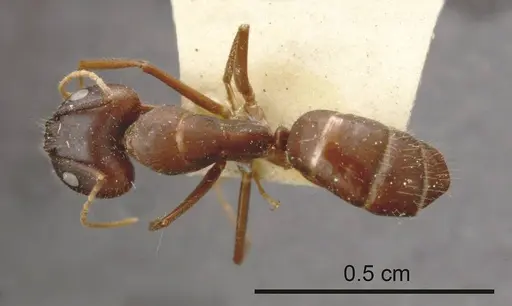
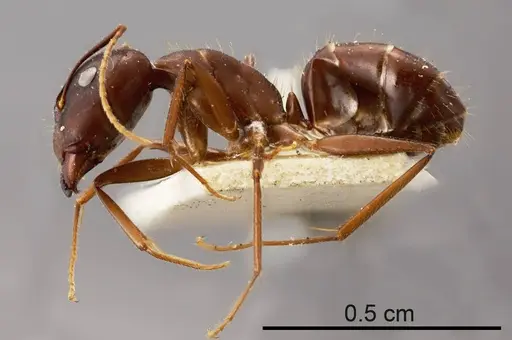
ANTWEB1008620
View on AntWeb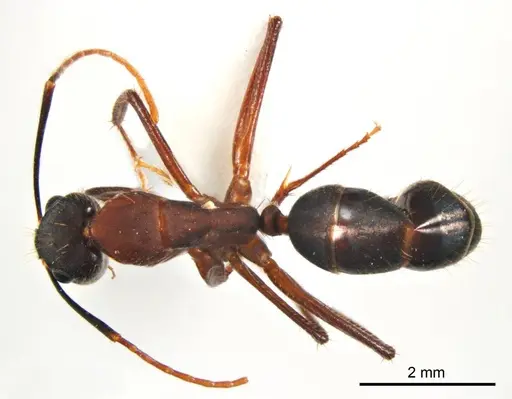
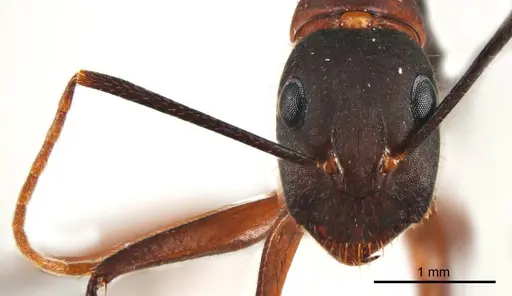
CASENT0172159
View on AntWeb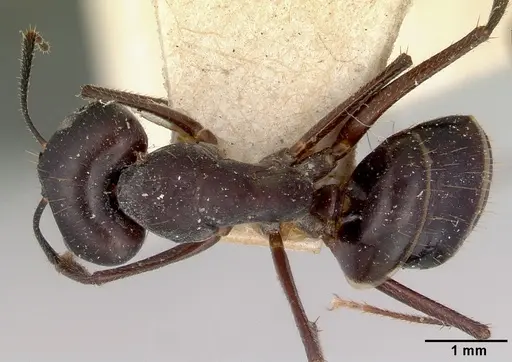
CASENT0280221
View on AntWeb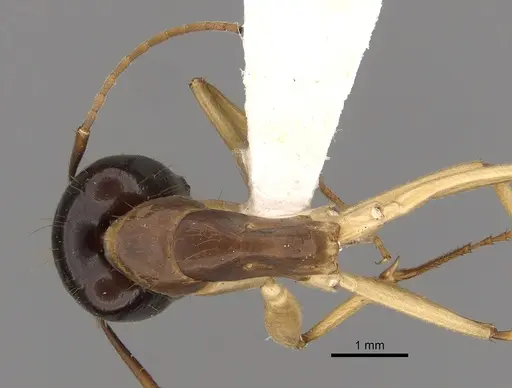
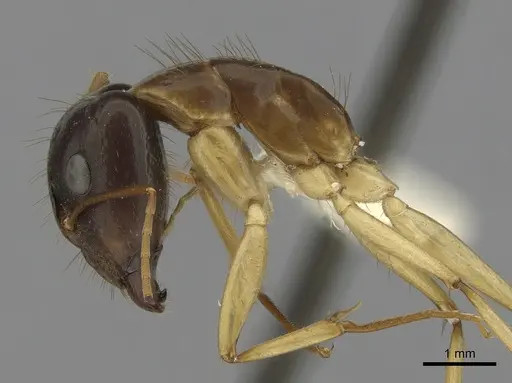
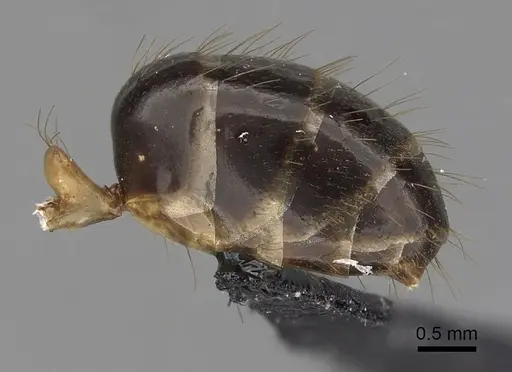
CASENT0280222
View on AntWeb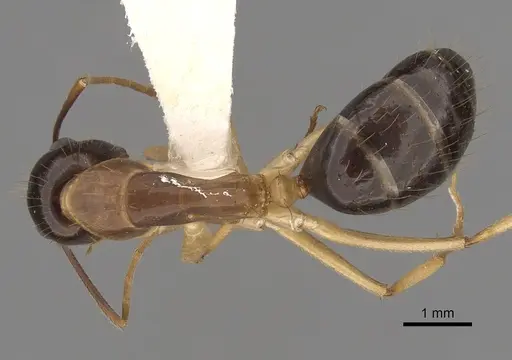
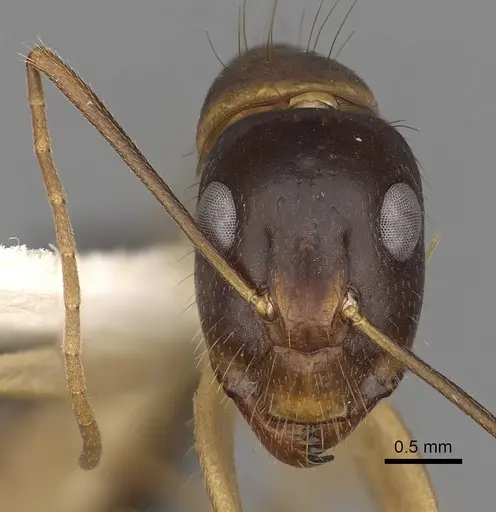
CASENT0887738
View on AntWeb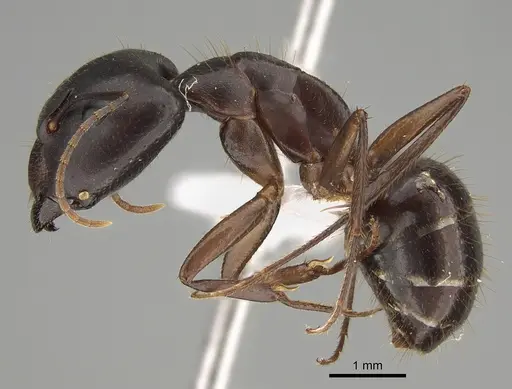
CASENT0905315
View on AntWeb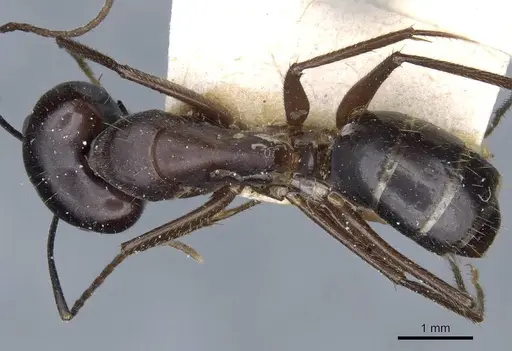
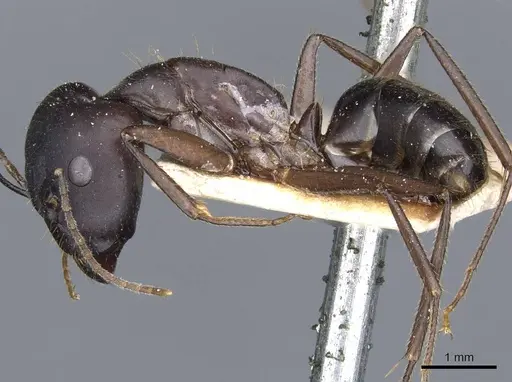
CASENT0905316
View on AntWeb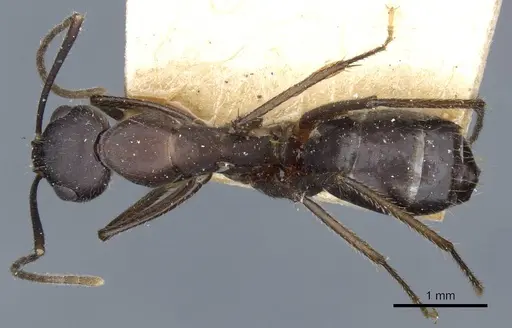
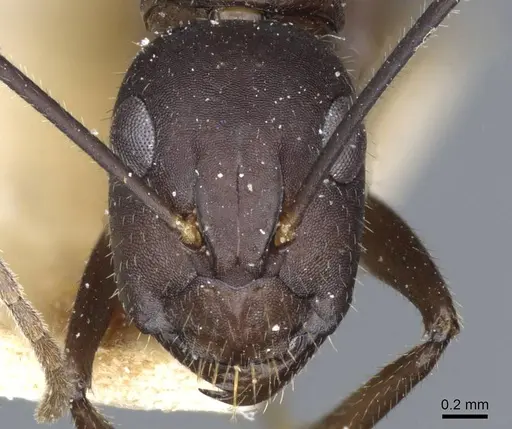
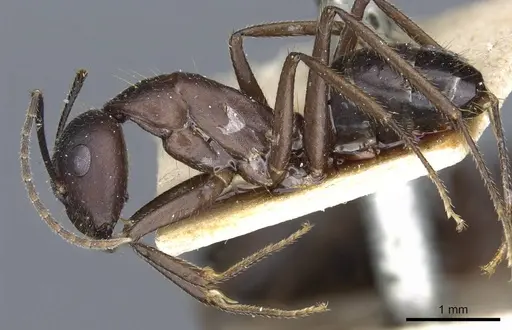
CASENT0910096
View on AntWeb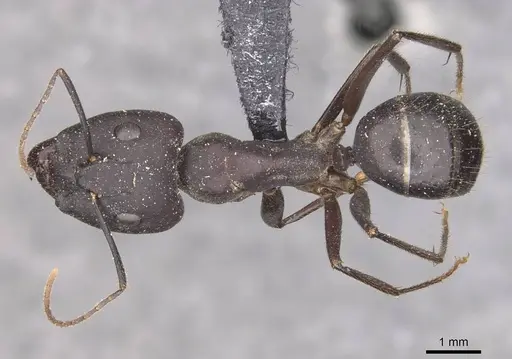
CASENT0910097
View on AntWeb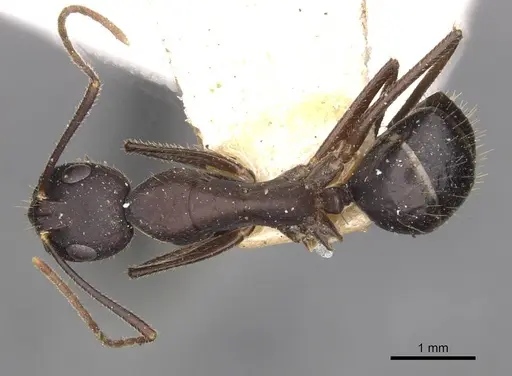
CASENT0910393
View on AntWeb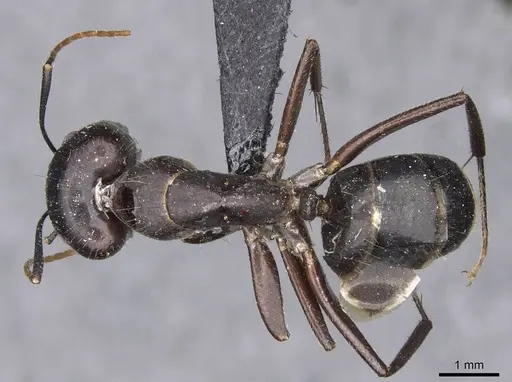
CASENT0910394
View on AntWeb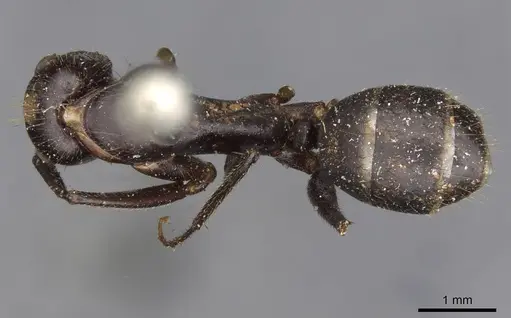
Literature
Loading...Loading products...