

Camponotus ethicus
- Scientific Name
- Camponotus ethicus
- Subgenus
- Mayria
- Tribe
- Camponotini
- Subfamily
- Formicinae
- Author
- Forel, 1897
- Distribution
- Found in 1 countries
Camponotus ethicus Overview
Camponotus ethicus is an ant species of the genus Camponotus. It is primarily documented in 1 countries , including Madagascar. Detailed taxonomic data and occurrence records can be further explored via authoritative databases such as AntWeb or the Global Biodiversity Information Facility (GBIF).
Camponotus ethicus
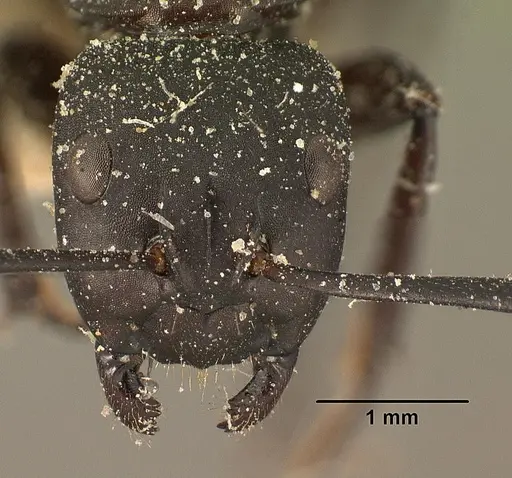
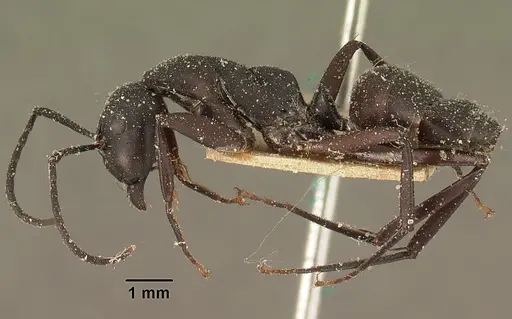
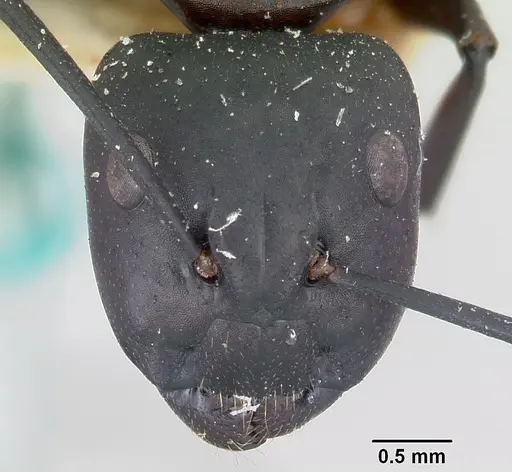
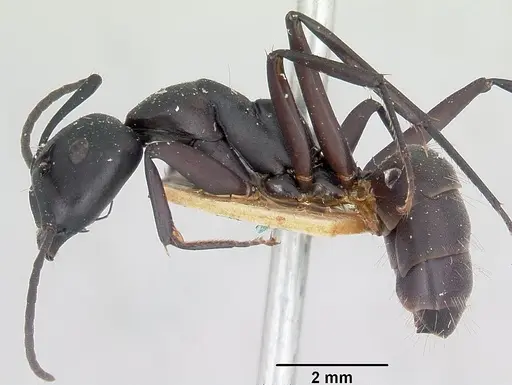
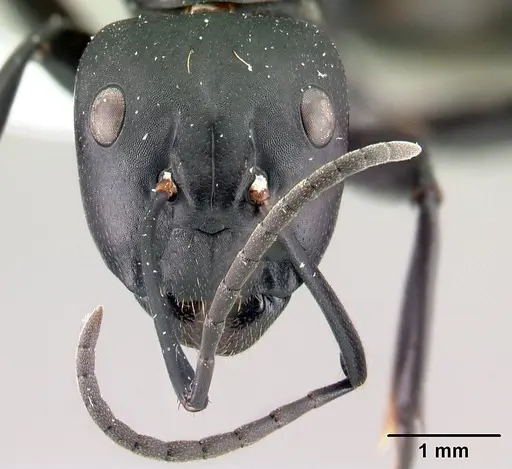
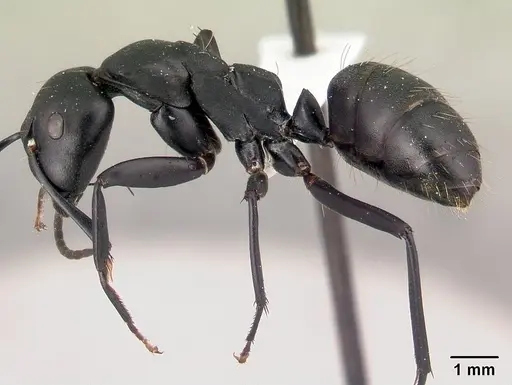
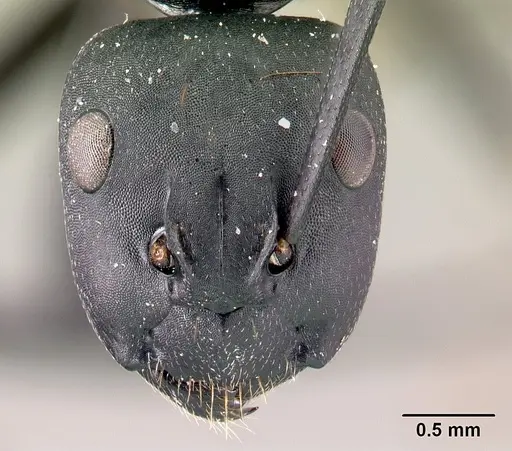
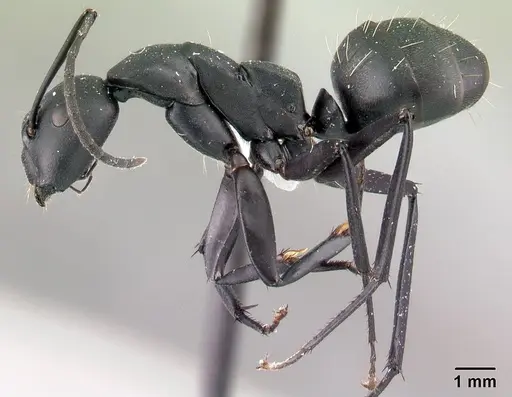
Camponotus ethicus is a large, striking ant species endemic to Madagascar. Workers are uniformly black to dark brown throughout the body, with notably dark reddish-black legs that help distinguish them from related species like Camponotus robustus. This species belongs to the Camponotus robustus species group and the subgenus Mayria. Minor workers measure 1.92-2.58mm in cephalic size, while majors are significantly larger with a more square-shaped head. They are arboreal ants that forage on lower vegetation and nest in dead branches above ground, making them well-adapted to life in Madagascar's dry forests and transitional rainforests. The most distinctive physical feature is the propodeal dorsum (the back part of the middle body section) sitting at a noticeably lower level than the promesonotal dorsum, creating a stepped appearance when viewed from the side.
Quick Summary
- Difficulty: Medium
- Origin & Habitat: Camponotus ethicus is found only in northwestern Madagascar, specifically in the dry forests of Parc National Sahamalaza and Reserve Spéciale Ambre, as well as the transitional rainforest of the Galoko Chain. This is an arboreal species that nests in dead branches above ground and forages on lower vegetation [1].
- Colony Type: Colony structure is unconfirmed for this species. Based on typical Camponotus patterns, they likely form single-queen colonies (monogyne), though this requires confirmation.
- Founding: Claustral
- Size & Growth:
- Queen: Unconfirmed, no published queen measurements found. Based on related species in the robustus group, queens are likely 12-18mm.
- Worker: Minor workers: 1.92-2.58mm cephalic size (CS),3.49-4.18mm mesosoma length (ML). Majors are significantly larger with more square heads [1].
- Colony: Unconfirmed, no colony size data published. Based on similar large Camponotus species, colonies likely reach several hundred to a few thousand workers.
- Growth: Moderate, based on typical Camponotus development patterns. Expect 6-10 weeks from egg to first worker at optimal temperature.
- Development: 6-10 weeks (estimated based on genus-level Camponotus data) (Development time is estimated from related Camponotus species. Actual timing may vary based on temperature and feeding conditions.)
- Antkeeping:
- Temperature: Keep at 22-26°C. As a tropical Madagascar species, they need warm conditions year-round. A heating cable on one side of the nest creates a temperature gradient they can regulate by moving between chambers.
- Humidity: Moderate humidity around 50-70%. Being arboreal and from Madagascar's dry forests, they prefer conditions that are damp but not saturated. Provide a water tube for drinking water.
- Diapause: No, being a tropical species from Madagascar, they do not require hibernation. Keep them warm year-round.
- Nesting: Arboreal nesting means they prefer nests with horizontal chambers or setups that mimic their natural dead-branch habitat. Y-tong (AAC) nests work well, or a naturalistic setup with cork or wood branches. They do best with chambers sized appropriately for their large body size.
- Behavior: Camponotus ethicus is a relatively calm, non-aggressive species compared to many other Camponotus. Workers are large and robust, making them easy to observe. As arboreal foragers, they will readily search for food in the outworld. Escape risk is moderate, their large size makes them easier to contain than tiny ants, but they are strong and may attempt to escape if disturbed. They are primarily nocturnal foragers in their natural habitat.
- Common Issues: tropical temperature requirements mean colonies can struggle if kept too cool, always maintain warmth above 22°C, arboreal nature means they may not accept test tube setups designed for ground-nesting species, provide appropriate vertical or branch-like nesting options, no published colony size data means growth expectations are uncertain, patience is required as colonies establish, wild-caught colonies may carry parasites or diseases not yet understood in captive settings, large appetite combined with moderate growth rate means consistent feeding is important for colony development
Nest Preferences and Housing
Being an arboreal species that naturally nests in dead branches above ground, Camponotus ethicus does best in nests that mimic this vertical, wood-based environment. Y-tong (AAC) nests with appropriately sized chambers work well, as do naturalistic setups featuring cork or wooden branches. Avoid deep, soil-based test tube setups that don't match their natural arboreal preferences. The nest should have chambers large enough for their robust body size, tight spaces can stress these ants. Provide multiple connected chambers to allow the colony to expand as it grows. The outworld should include climbing structures since they naturally forage on vegetation. [1]
Feeding and Diet
Camponotus ethicus is a typical Camponotus omnivore. They accept protein sources like mealworms, crickets, and other insects, along with sugar sources such as honey water or sugar water. In the wild, they forage on vegetation so they likely collect honeydew from aphids if available. Feed them a varied diet: protein 2-3 times per week and a constant sugar water supply. Remove uneaten prey after 24-48 hours to prevent mold. Given their large size, they can handle bigger prey items than tiny ant species. [1]
Temperature and Seasonal Care
As a tropical species from Madagascar, Camponotus ethicus requires warm conditions year-round. Maintain temperatures between 22-26°C, with a slight gradient allowing workers to regulate their body temperature by moving between warmer and cooler areas of the nest. A heating cable placed on top of the nest (never underneath to avoid drying) works well to create this gradient. Unlike temperate species, they do not require hibernation or diapause, keeping them cool can slow or stop brood development and potentially stress the colony. Room temperature in heated homes is often suitable, but monitor to ensure it stays within their preferred range. [1]
Behavior and Colony Dynamics
This is a relatively calm species with large, robust workers that are a pleasure to observe. They are arboreal foragers, naturally searching for food on lower vegetation in their native Madagascar habitats. Workers are primarily nocturnal, so expect more activity during evening and night hours, though they will forage during the day as well. The colony will establish a clear division of labor with nurses tending brood in the nest and foragers searching the outworld for food. Majors (larger workers) may serve as defenders or help process larger prey items. Colonies grow moderately, expect several months before the first major workers appear. The species shows the typical Camponotus trait of workers living for several years, contributing to long-term colony stability. [1]
Frequently Asked Questions
How long does it take for Camponotus ethicus to produce first workers?
Based on typical Camponotus development, expect 6-10 weeks from egg to first worker (nanitic) at optimal temperature (24-26°C). This is an estimate since this specific species has not been directly studied.
What size nest should I use for Camponotus ethicus?
Use a nest with appropriately sized chambers for their large body size. Y-tong (AAC) nests or naturalistic setups with cork/branches work well. Avoid tight spaces, they prefer roomy chambers that match their arboreal nature.
Do Camponotus ethicus ants need hibernation?
No. As a tropical species from Madagascar, they do not require hibernation. Keep them warm year-round at 22-26°C.
What do Camponotus ethicus eat?
They are omnivores like most Camponotus. Feed protein (mealworms, crickets, insects) 2-3 times per week and provide constant access to sugar water or honey water.
Are Camponotus ethicus good for beginners?
This species is rated Medium difficulty. They have specific arboreal nesting needs and require tropical temperatures year-round, which makes them better suited for keepers who have some experience with ant keeping.
How big do Camponotus ethicus colonies get?
Colony size is unconfirmed as no published data exists. Based on similar large Camponotus species, colonies likely reach several hundred to a few thousand workers over several years.
Can I keep multiple Camponotus ethicus queens together?
Colony structure is unconfirmed for this species. Based on typical Camponotus patterns, they likely form single-queen colonies. Combining unrelated queens is not recommended without specific study of this species.
What temperature is best for Camponotus ethicus?
Keep them at 22-26°C. Use a heating cable on one side of the nest to create a temperature gradient, allowing the colony to self-regulate by moving between chambers.
Where is Camponotus ethicus found in the wild?
This species is endemic to northwestern Madagascar, found specifically in the dry forests of Parc National Sahamalaza, Reserve Spéciale Ambre, and the transitional rainforest of the Galoko Chain.
References

This caresheet is licensed under CC BY-SA 4.0 .
CASENT0101176
View on AntWeb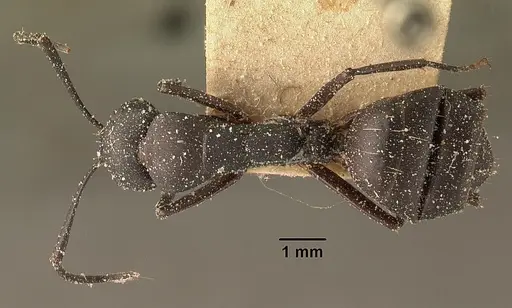
CASENT0101177
View on AntWeb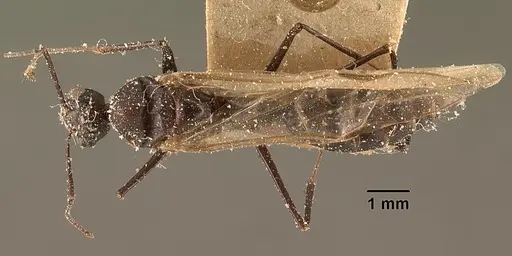
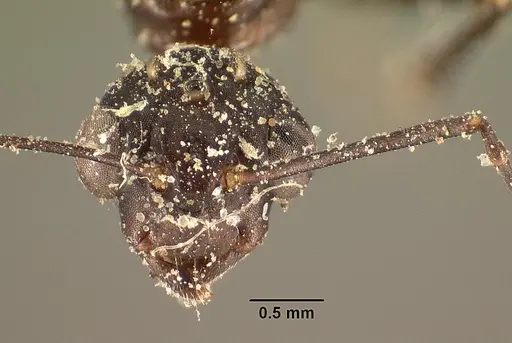
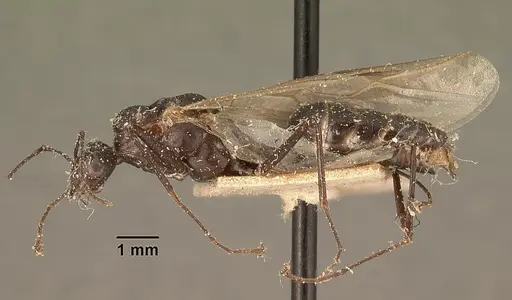
CASENT0101387
View on AntWeb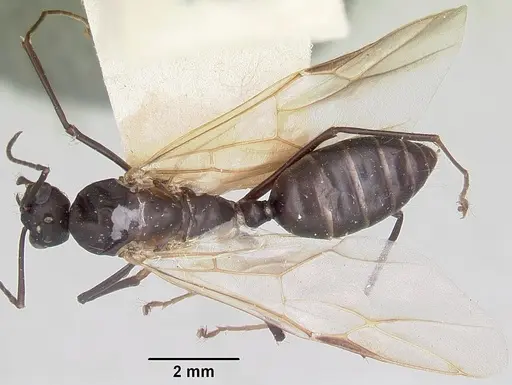
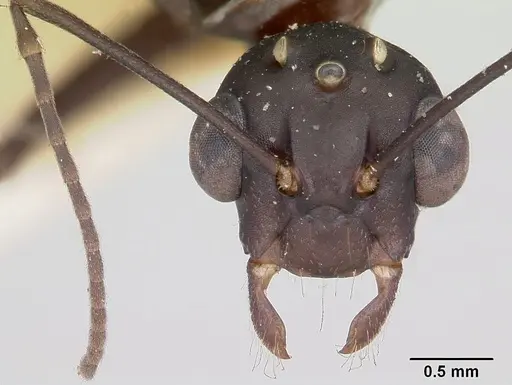
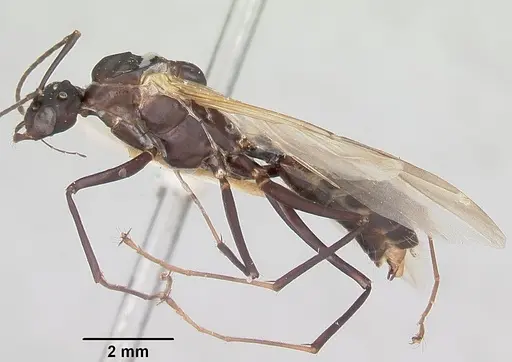
CASENT0101388
View on AntWeb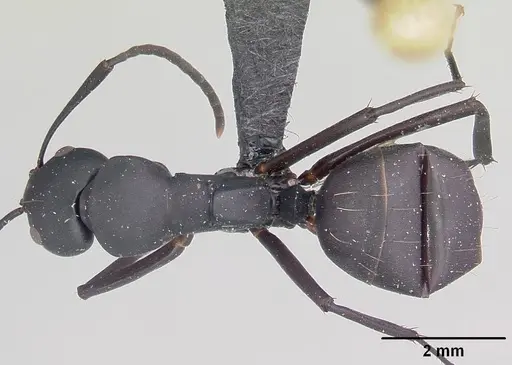
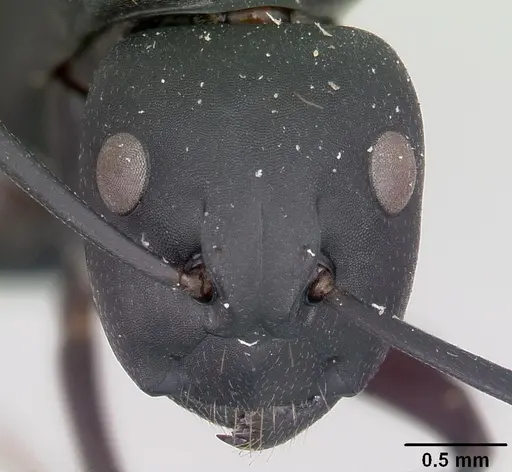
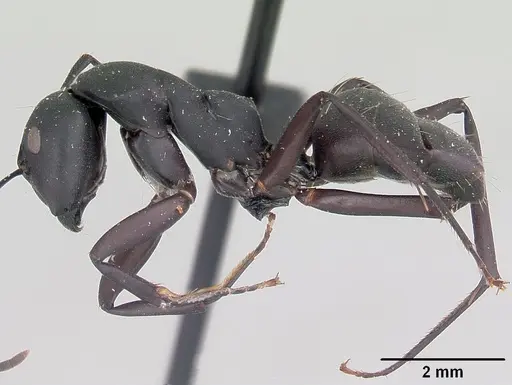
CASENT0101389
View on AntWeb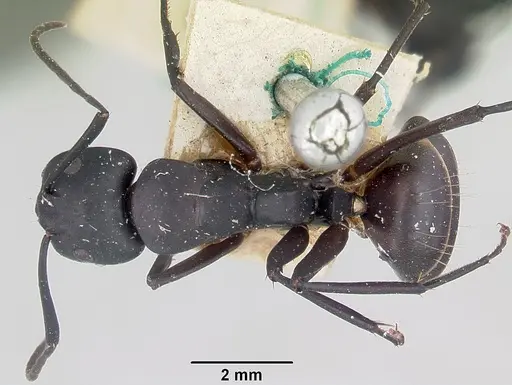
CASENT0409948
View on AntWeb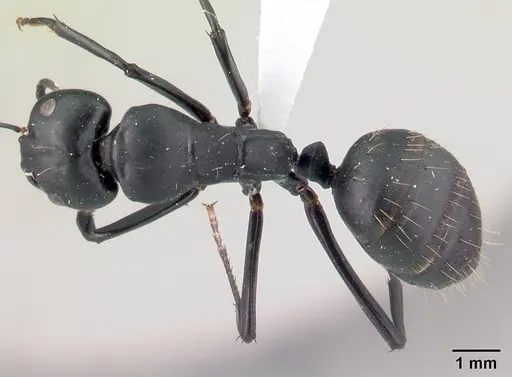
CASENT0409949
View on AntWeb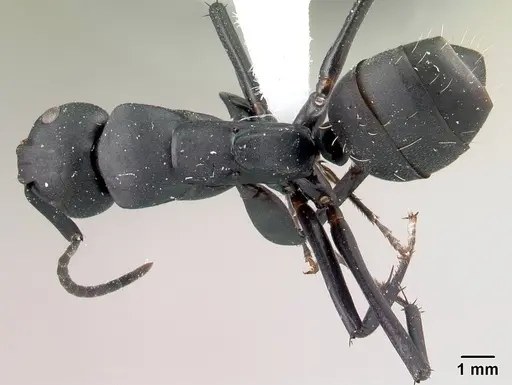
Literature
Loading...Loading products...