

Camponotus robustus
- Scientific Name
- Camponotus robustus
- Subgenus
- Mayria
- Tribe
- Camponotini
- Subfamily
- Formicinae
- Author
- Roger, 1863
- Distribution
- Found in 1 countries
Camponotus robustus Overview
Camponotus robustus is an ant species of the genus Camponotus. It is primarily documented in 1 countries , including Madagascar. Detailed taxonomic data and occurrence records can be further explored via authoritative databases such as AntWeb or the Global Biodiversity Information Facility (GBIF).
Camponotus robustus
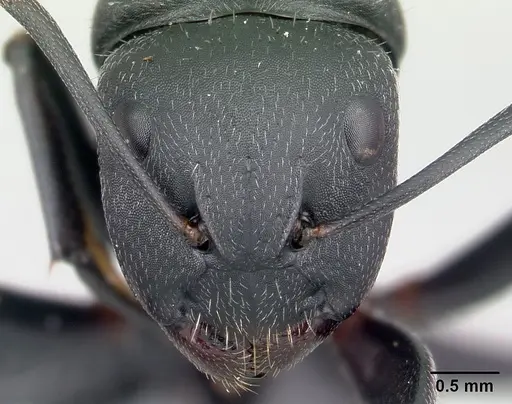
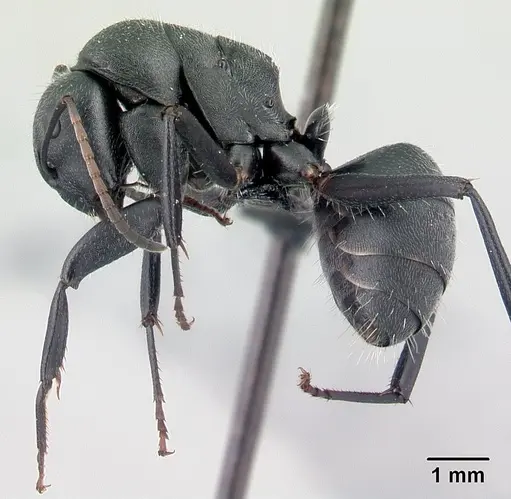
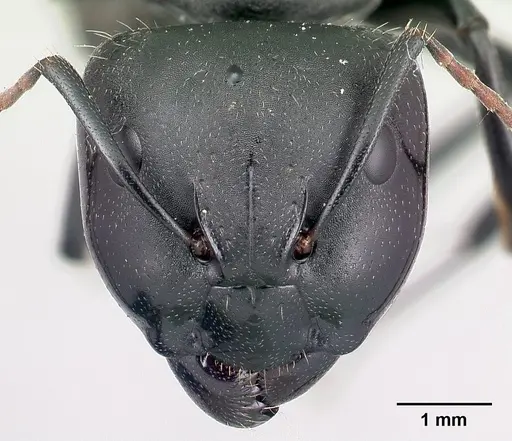
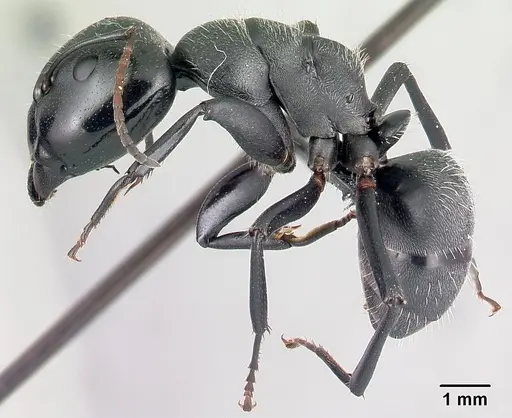
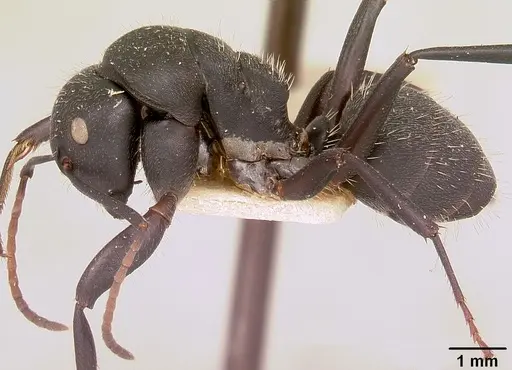
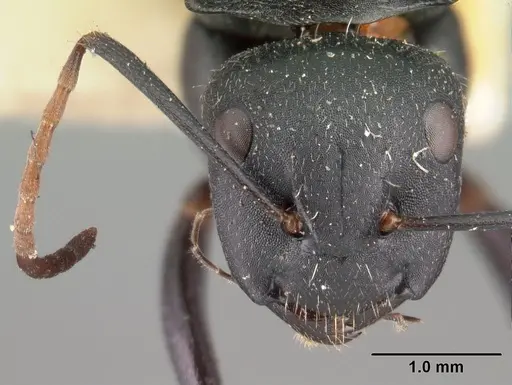
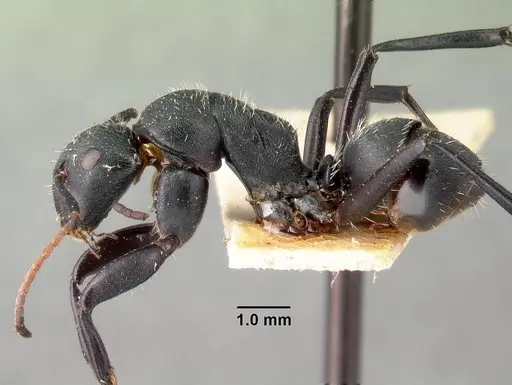
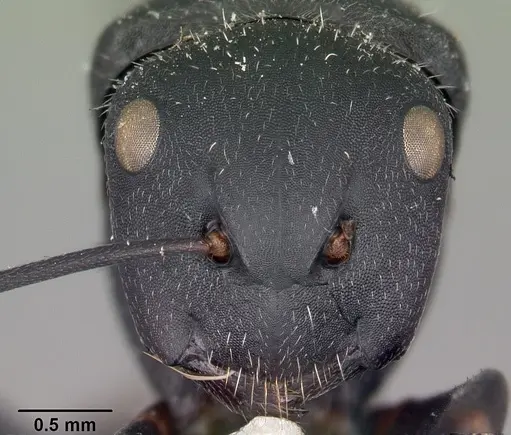
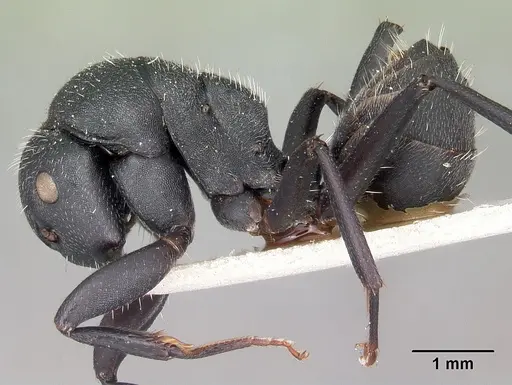
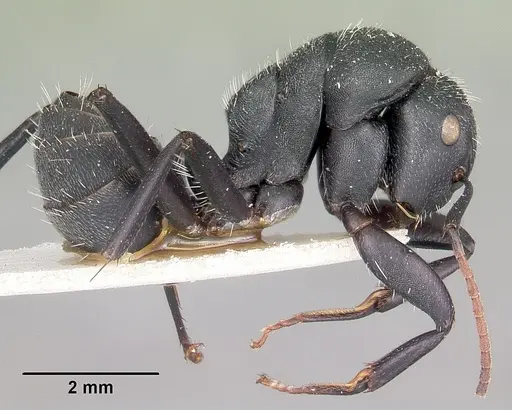
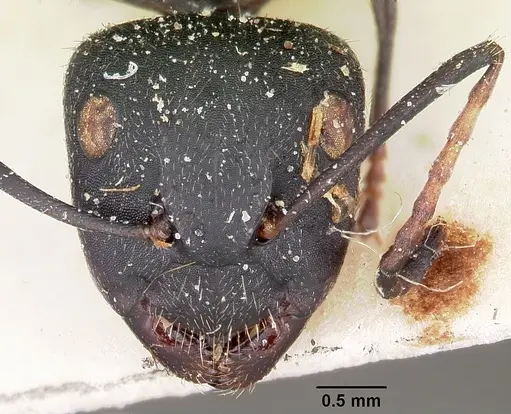
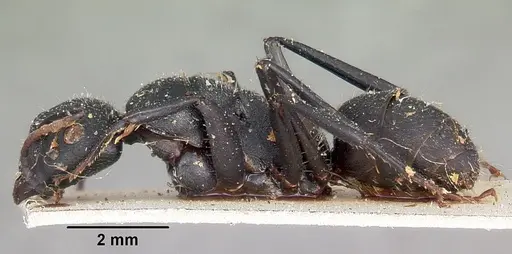
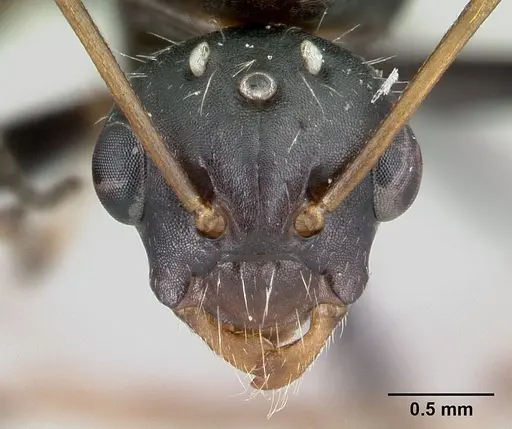
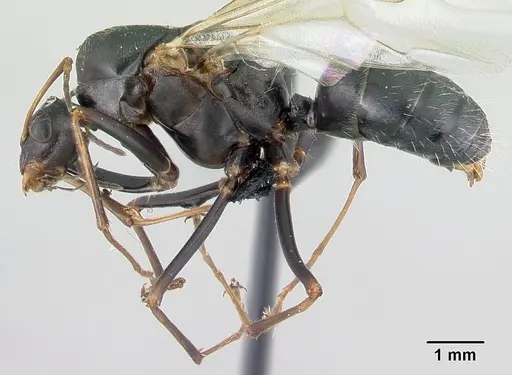
Camponotus robustus is a large, striking carpenter ant native to the rainforests of eastern Madagascar. Workers are uniformly black to dark brown with numerous erect hairs covering the head, mesosoma, and gaster, giving them a somewhat fuzzy appearance. This species belongs to the Camponotus robustus species group and shows distinct size polymorphism between minor and major workers, with majors having broader heads. They are both terrestrial and arboreal, foraging on the forest floor, on lower vegetation, and high in the canopy. In the wild, they nest in rotten logs, rotting tree stumps, or dead branches above ground. This is a rewarding species for experienced antkeepers who can provide the warm, humid tropical conditions they need.
Quick Summary
- Difficulty: Medium
- Origin & Habitat: Eastern Madagascar rainforests, from Binara in the north to Ivohibe Forest in the south. They inhabit humid rainforest environments and are both terrestrial and arboreal, nesting in rotting wood and dead branches [1][2].
- Colony Type: Likely single-queen (monogyne) colonies based on typical Camponotus patterns. Queens found nests alone by sealing themselves in a chamber.
- Colony: Monogyne
- Founding: Claustral
- Size & Growth:
- Queen: Estimated 12-16mm based on genus patterns, direct measurements not available
- Worker: Minor workers: 1.882-3.725 CS (cephalic size), Major workers: broader heads,0.98-1.02 CWb/CL ratio [1]. Overall body length roughly 5-12mm depending on caste.
- Colony: Likely several hundred to a few thousand workers at maturity based on typical Camponotus colony development
- Growth: Moderate, typical for tropical Camponotus species
- Development: Estimated 6-8 weeks at optimal tropical temperatures (25-28°C) based on typical Camponotus development patterns (Development is temperature-dependent, warmer conditions within safe range accelerate development. First workers (nanitics) are smaller than normal workers.)
- Antkeeping:
- Temperature: Keep at 24-28°C. Provide a temperature gradient so ants can choose their preferred spot. A heating cable on one side of the nest works well, placed on top of the nest to avoid excessive drying.
- Humidity: High humidity is essential, aim for 70-85%. This is a rainforest species that needs consistently moist nest conditions. Keep the nest substrate damp but not waterlogged. Mist occasionally and use a water reservoir to maintain humidity.
- Diapause: No true diapause required. As a tropical species from Madagascar, they do not need hibernation. However, a slight reduction in temperature during cooler months (down to around 22°C) may be appropriate if your room temperature drops seasonally.
- Nesting: Provide a naturalistic setup with rotting wood pieces, cork, or a Y-tong/plaster nest with high humidity. They naturally nest in dead wood above ground, so dry nests will cause stress and colony decline. Acceptable options include naturalistic setups with rotten wood, plaster nests with high water reservoirs, or acrylic nests with moisture chambers.
- Behavior: Workers are active foragers that search for food individually rather than in trails. They are not particularly aggressive but will defend their nest if threatened. Major workers can deliver a moderately painful sting if provoked. They are excellent climbers and may attempt escapes, so ensure barriers are secure. Workers are crepuscular and nocturnal, being most active during cooler hours of the day and night.
- Common Issues: high humidity requirements mean mold can be a problem if ventilation is poor, balance humidity with adequate airflow, tropical species are sensitive to temperature drops below 22°C, avoid cold rooms or drafts, colonies may decline if kept too dry, monitor substrate moisture regularly, major workers can deliver painful stings, handle gently and avoid disturbing the colony, slow initial growth during founding phase can lead to overfeeding or excessive disturbance by impatient keepers
Housing and Nest Setup
Camponotus robustus requires a humid, naturalistic setup that mimics their natural rotting wood habitat. The best options include naturalistic setups with pieces of rotting wood, cork, or leaf litter as nesting material. Alternatively, Y-tong (AAC) nests or plaster nests with high water reservoirs work well. The key is providing consistently moist conditions, this rainforest species will not tolerate dry housing. Place a water test tube connected to the nest to maintain humidity. Avoid fully acrylic nests unless they have dedicated moisture chambers. The outworld should be spacious enough for foraging, and include substrate or decoration that workers can climb on. [1][2]
Feeding and Diet
Like other Camponotus species, these ants are omnivorous. They readily accept sugar sources including honey water, sugar water, and ripe fruit. Protein is essential for brood development, offer small insects like fruit flies, small crickets, mealworms, or other appropriately sized prey. In the wild, they forage for honeydew from aphids and scale insects, plus dead insects and other protein sources. Feed protein prey 2-3 times per week, and keep a constant sugar source available. Remove uneaten prey after 24-48 hours to prevent mold. Workers are nocturnal foragers, so offer food in the evening for best acceptance. [2]
Temperature and Seasonal Care
As a tropical rainforest species from Madagascar, Camponotus robustus needs warm conditions year-round. Maintain temperatures between 24-28°C in the nest area. A heating cable placed on top of the nest (not underneath, to avoid drying) can create a gentle gradient. Room temperature may be sufficient if your home stays in this range, otherwise provide supplemental heating. Unlike temperate species, they do not require hibernation or a true diapause. However, if your room temperature drops significantly in winter, a slight reduction to around 22°C is acceptable. Avoid temperatures below 20°C as this can stress or kill the colony. High humidity is equally important, aim for 70-85% relative humidity in the nest area. [1][2]
Colony Development and Growth
Camponotus robustus is a moderately fast-growing species once established. The claustral queen will seal herself in a chamber and not leave until her first workers (nanitics) emerge. This founding phase typically takes 4-8 weeks depending on temperature. Nanitics are smaller than normal workers but the colony will rapidly produce larger workers as it grows. A healthy mature colony may reach several thousand workers over several years. Major workers develop as the colony grows and take on tasks like defense and seed processing. Be patient during the founding phase, disturbing the queen or nest during this time often leads to colony failure. Once workers are established, growth becomes more visible week to week. [1]
Behavior and Temperament
Workers of Camponotus robustus forage individually rather than in defined trails. They are crepuscular and nocturnal, being most active during cooler hours. The species is not particularly aggressive but will defend the nest if threatened. Major workers possess a stinger and can deliver a moderately painful sting, this is a defense mechanism rather than offensive hunting behavior. They are excellent climbers and can scale smooth surfaces, so escape prevention is important. Workers communicate through chemical signals and will recruit nestmates to good food sources. The colony establishes distinct foraging routes over time. Major workers have broader heads and are specialized for certain tasks like cracking seeds or defending the nest. [1][2]
Frequently Asked Questions
How long does it take for Camponotus robustus to produce first workers?
First workers (nanitics) typically emerge after 6-8 weeks at optimal temperatures (24-28°C). This is the claustral founding phase where the queen seals herself in and raises her first brood alone on stored fat reserves. Cooler temperatures will slow development.
What size colony does Camponotus robustus reach?
Mature colonies likely reach several hundred to a few thousand workers over several years. This is typical for Camponotus species in captivity.
What temperature do Camponotus robustus need?
Keep them at 24-28°C. This tropical rainforest species needs warm conditions year-round. A heating cable on top of the nest can help maintain optimal temperatures.
Are Camponotus robustus good for beginners?
This species is rated as medium difficulty. While rewarding, the high humidity requirements and need for warm conditions make it better suited for keepers with some experience. Beginners may struggle with maintaining proper humidity levels.
What do Camponotus robustus eat?
They are omnivorous. Offer sugar sources (honey water, sugar water, fruit) constantly and protein prey (small insects like fruit flies, mealworms) 2-3 times per week.
Do Camponotus robustus need hibernation?
No, they do not require hibernation. As a tropical species from Madagascar, they need warm conditions year-round. A slight seasonal temperature reduction is acceptable but not necessary.
How often should I feed Camponotus robustus?
Keep a constant sugar source available. Offer protein prey 2-3 times per week, removing uneaten prey after 24-48 hours to prevent mold. Feed more frequently as the colony grows.
Why is my Camponotus robustus colony declining?
The most common causes are low humidity (below 60%), temperatures below 22°C, or excessive disturbance during founding. Check that the nest substrate stays damp and that temperatures remain in the 24-28°C range.
References

This caresheet is licensed under CC BY-SA 4.0 .
CASENT0066723
View on AntWeb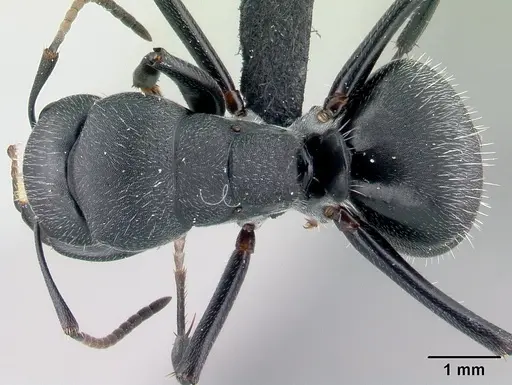
CASENT0066724
View on AntWeb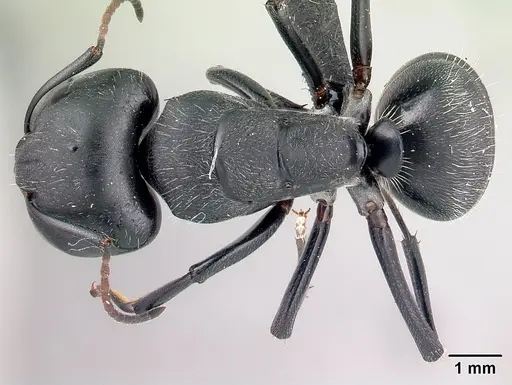
CASENT0101390
View on AntWeb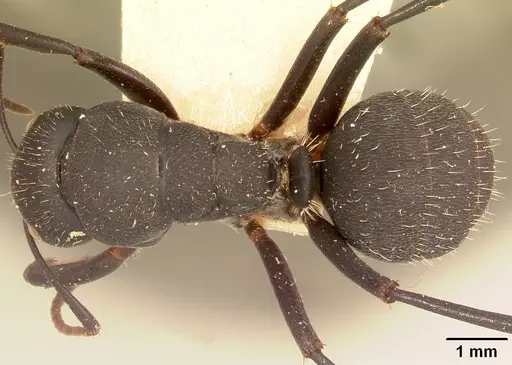
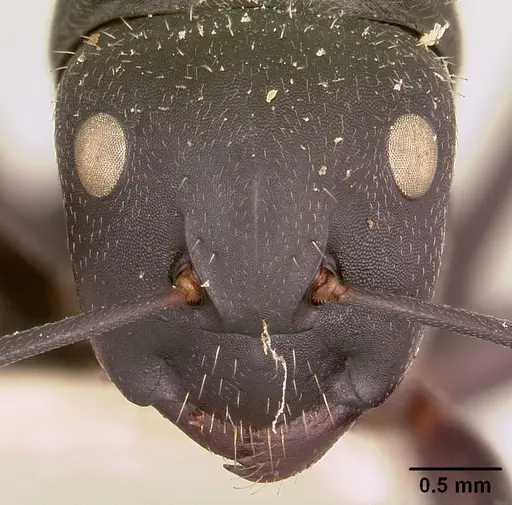
CASENT0101481
View on AntWeb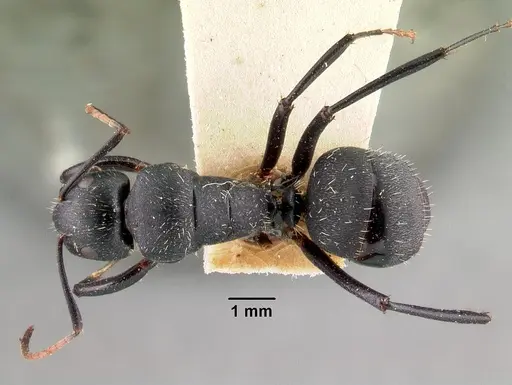
CASENT0104621
View on AntWeb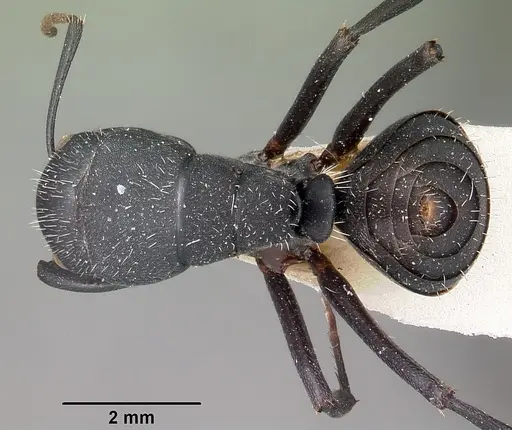
CASENT0104622
View on AntWeb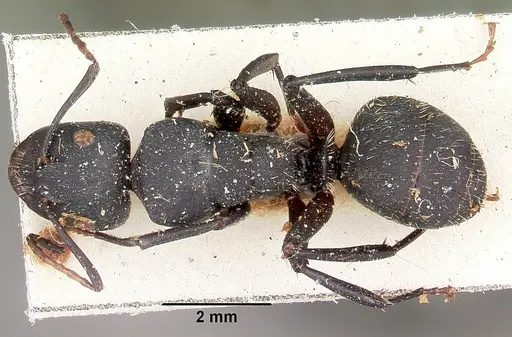
CASENT0179424
View on AntWeb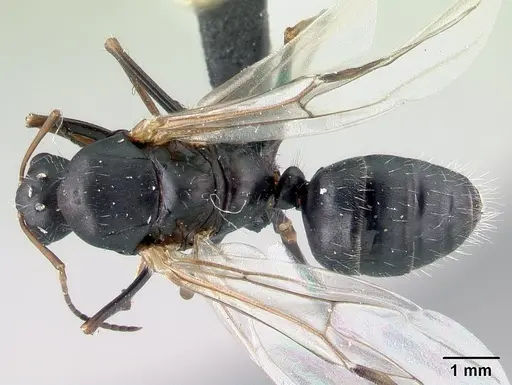
Literature
Loading...Loading products...