

Camponotus empedocles
- Scientific Name
- Camponotus empedocles
- Subgenus
- Tanaemyrmex
- Tribe
- Camponotini
- Subfamily
- Formicinae
- Author
- Emery, 1920
- Common Name
- Glossy Sugar ant
- Distribution
- Found in 4 countries
Camponotus empedocles Overview
Camponotus empedocles (commonly known as the Glossy Sugar ant) is an ant species of the genus Camponotus. It is primarily documented in 4 countries , including Saudi Arabia, Eswatini, South Africa. Detailed taxonomic data and occurrence records can be further explored via authoritative databases such as AntWeb or the Global Biodiversity Information Facility (GBIF).
Camponotus empedocles - "Glossy Sugar ant"
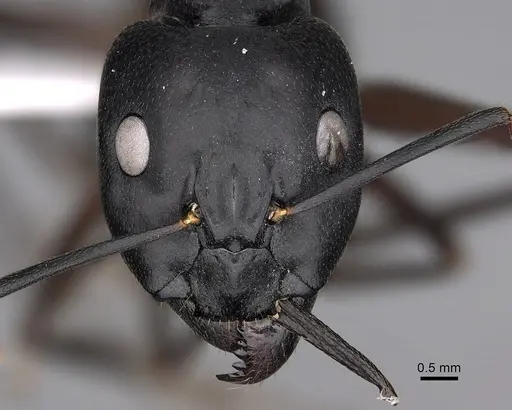
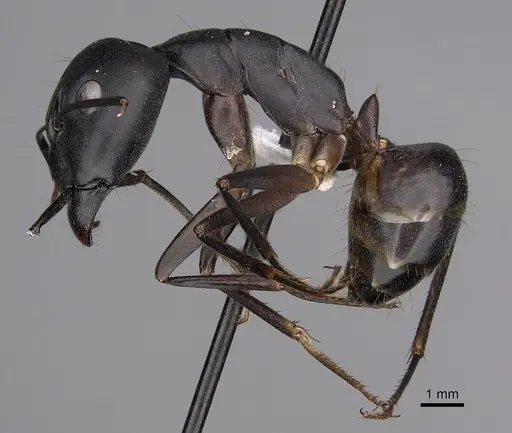
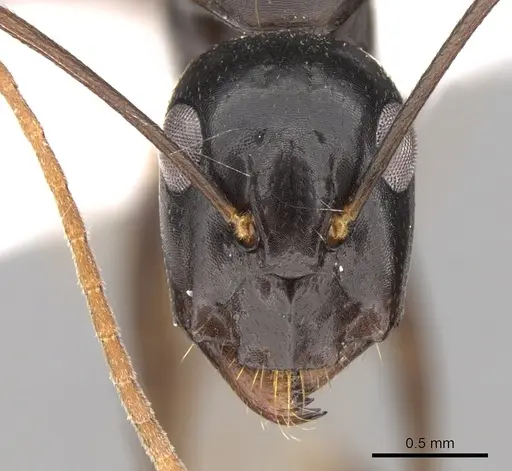
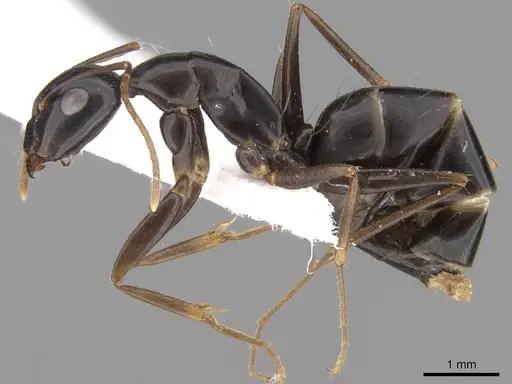
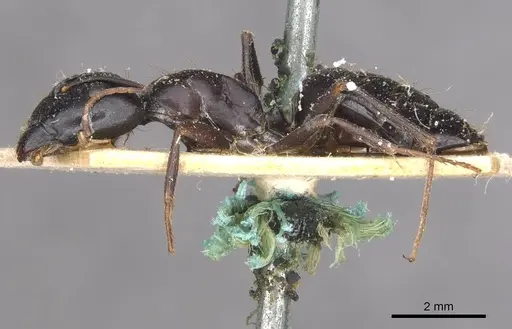
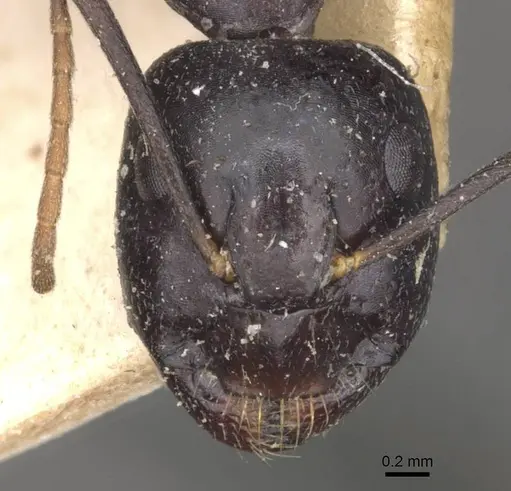
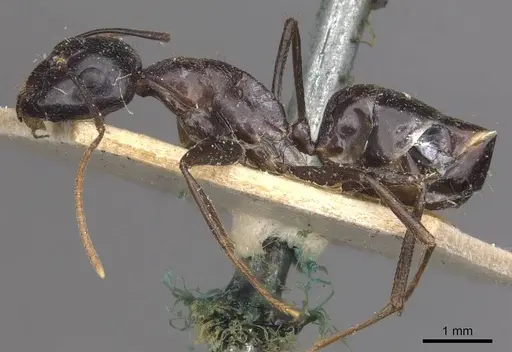
Camponotus empedocles is a carpenter ant species originally described from Zimbabwe in southern Africa. Workers are polymorphic, meaning they come in different sizes, major workers are larger with well-developed heads, while minor workers are smaller. The species belongs to the Camponotus maculatus group, which contains several similar-looking ants across Africa and the Middle East [1][2]. The coloration follows the typical maculatus pattern with a darker gaster (abdomen) contrasting against a lighter mesosoma and head. Queens reach around 15-18mm, making this a moderately large Camponotus species. Workers range from 5-12mm depending on their role in the colony [3].
This species has an unusual distribution for a Camponotus, it's found across a wide geographic range from southern Africa (Zimbabwe, Eswatini) through the Arabian Peninsula (Saudi Arabia, Yemen, UAE). This suggests it can adapt to various habitats, from savanna regions to desert margins. The species was only documented in the UAE relatively recently (2011), confirming its presence in the Arabian Peninsula beyond just Saudi Arabia and Yemen [1]. As a Formicine ant, they lack a stinger but can spray formic acid as a defense mechanism.
Quick Summary
- Difficulty: Medium
- Origin & Habitat: Originally described from Zimbabwe (southern Africa) and now confirmed across the Afrotropical region including Eswatini, Saudi Arabia, United Arab Emirates, and Yemen [1][4]. In the Arabian Peninsula, specimens have been collected in desert park areas using light traps and malaise traps, indicating they are nocturnal or crepuscular foragers active in sandy, arid habitats [1]. The species appears to nest in soil or under stones in dry to semi-arid environments.
- Colony Type: Likely monogyne (single queen colonies) based on typical Camponotus patterns, though colony structure has not been specifically documented for this species. As with most Camponotus, colonies likely start with one claustral queen who seals herself in to raise the first workers alone.
- Colony: Monogyne
- Founding: Claustral
- Size & Growth:
- Queen: 15-18mm (estimated based on Camponotus maculatus group patterns)
- Worker: 5-12mm polymorphic (majors 10-12mm, minors 5-7mm)
- Colony: Likely reaches several thousand workers at maturity based on typical Camponotus colony development
- Growth: Moderate, Camponotus species typically grow more slowly than smaller ants, taking several months to establish
- Development: Approximately 6-8 weeks at optimal temperature (25-28°C), based on typical Camponotus development patterns (First workers (nanitics) are typically smaller than normal workers. Development is temperature-dependent, cooler temperatures slow development significantly.)
- Antkeeping:
- Temperature: Keep nest area at 24-28°C with a slight gradient. Room temperature (22-25°C) is acceptable. Provide a heating cable on one side of the nest to create a temperature gradient if your room runs cool. Avoid temperatures above 32°C as this can stress the colony [3].
- Humidity: Moderate humidity around 50-60%. These ants come from arid to semi-arid regions, so avoid overly damp conditions. Provide a water tube as a moisture source but keep the nest substrate relatively dry. Occasional misting of the outworld is sufficient, the nest itself should not be constantly wet [3].
- Diapause: Yes, this species originates from a region with seasonal temperature changes. Provide a winter rest period of 8-12 weeks at 10-15°C ( refrigerator temperatures work well). Reduce feeding during this period. Begin warming gradually in spring to trigger renewed activity [3].
- Nesting: Y-tong (acrylic) nests work well, or a plaster nest with moderate humidity. Provide a test tube setup for the founding chamber. These ants are not wood-nesting in captivity but may accept wooden structures in the outworld for foraging. Use chambers scaled to colony size, start small, expand as the colony grows [3].
- Behavior: Generally calm and non-aggressive for a large ant species. Workers are confident foragers that will explore the outworld actively. Major workers can be impressive defenders if the nest is threatened. They are not particularly prone to escaping but use standard escape prevention (Fluon on container edges) as you would with any ant species. Workers can spray formic acid when disturbed, this is a mild irritant but not dangerous to humans. They are primarily nocturnal in the wild but will adjust activity patterns to your feeding schedule in captivity [3].
- Common Issues: queen death during founding is common, claustral queens seal themselves in and may fail if disturbed or if conditions are not stable, slow initial growth can lead to overfeeding, too much food spoils in the outworld and causes mold problems, winter diapause failure if temperatures don't drop enough, colonies may become lethargic or fail to produce brood properly the following season, escape from test tube setups during founding, queens can squeeze through small gaps, use proper barriers, formic acid spraying can stain surfaces and may irritate eyes if the ants feel threatened during maintenance
Housing and Nest Setup
For founding colonies, a simple test tube setup works well. Fill a test tube with water and plug the wet end with cotton, leaving about 10-12cm of clear space for the queen. Place the tube in a dark container to reduce stress. The queen will seal herself into a chamber at the end of the tube and remain there while laying eggs. Do not disturb her during this founding period, queens that are stressed often eat their eggs or abandon the colony [3].
Once the colony reaches 20-30 workers, you can move them to a proper formicarium. Y-tong (acrylic) nests are excellent for Camponotus because they allow you to observe the colony while maintaining appropriate humidity. Alternatively, plaster nests work well for this species since they prefer moderately dry conditions. Connect the nest to an outworld (foraging area) that is escape-proof, Camponotus empedocles workers can climb smooth surfaces, so apply Fluon or a similar barrier to the upper edges of the outworld. Provide a water test tube and protein foods in the outworld [3].
Feeding and Diet
Camponotus empedocles is an omnivorous species that accepts a wide variety of foods. In captivity, they do well on a diet combining protein and carbohydrates. Protein sources include small insects (fruit flies, mealworms, small crickets), boiled eggs, or cat food. Offer protein once or twice per week depending on colony size, more frequent feeding for growing colonies, less for established ones [3].
For carbohydrates, provide sugar water (1:1 ratio), honey, or ripe fruit. Change sugar water every few days to prevent fermentation. Many keepers also offer a small amount of honey or jam as a constant carbohydrate source. Remove any uneaten prey after 24-48 hours to prevent mold. The outworld should be kept clean, leftover food attracts mites and other pests that can harm the colony [3].
Temperature and Seasonal Care
Maintain nest temperatures between 24-28°C for optimal brood development. This species comes from warm regions, so they handle heat better than cold. A heating cable placed on one side of the nest creates a temperature gradient that allows workers to choose their preferred temperature. Monitor worker behavior, if they consistently avoid the heated area, reduce heat, if they cluster there, the temperature is appropriate [3].
Winter diapause is important for this species. Reduce temperatures to 10-15°C for 8-12 weeks during winter. This can be achieved by moving the colony to a basement, garage, or refrigerator (not freezer). Reduce feeding significantly during this period, the colony will be less active and require less food. In spring, gradually warm the colony over 1-2 weeks to trigger renewed brood production. Skipping diapause can lead to long-term health problems and reduced colony vigor [3].
Colony Development and Growth
A newly mated queen will seal herself into a chamber and lay her first batch of eggs. She does not eat during this time, she survives entirely on her stored fat reserves (this is called claustral founding). The eggs hatch into larvae, which the queen feeds by regurgitating nutrients. After several weeks, the larvae pupate, and then emerge as the first workers, called nanitics. These initial workers are smaller than normal workers because the queen could only invest limited resources in them [3].
Once the first workers emerge, the queen stops caring for the brood, the workers take over all colony maintenance tasks. The colony enters a growth phase where worker numbers increase steadily. Camponotus colonies are long-lived, a healthy queen can live for 15-20 years, producing workers continuously. Growth is not linear, expect rapid expansion in the first year, then steadier growth as the colony matures. Major workers (soldiers) typically appear once the colony reaches several hundred workers [3].
Handling and Maintenance
When maintaining the colony, avoid directly touching the ants. Camponotus empedocles can spray formic acid as a defense, which causes mild irritation to skin and eyes. If you need to move the colony or clean the outworld, use gentle tapping or air puffs to encourage workers to move rather than grabbing them. Always work in a well-ventilated area [3].
Regular maintenance includes removing uneaten food, checking water tubes, and ensuring escape barriers are intact. Clean the outworld every 1-2 weeks depending on how messy the colony is. Do not disturb the nest chamber itself unless absolutely necessary, queens and brood are sensitive to vibrations and light. When the colony grows large enough to need a larger nest, connect additional formicarium sections rather than forcing them into a new setup [3].
Frequently Asked Questions
How long does it take for Camponotus empedocles to produce first workers?
Expect first workers (nanitics) to emerge 6-8 weeks after the queen lays eggs, assuming temperatures around 25-28°C. Cooler temperatures can extend this to 10-12 weeks. Be patient, do not disturb the queen during this founding period as stress can cause her to abandon or eat her brood [3].
Can I keep multiple Camponotus empedocles queens together?
This is not recommended. While some ant species can found colonies together (pleometrosis), Camponotus empedocles is likely a single-queen species. Multiple queens will typically fight until only one remains. If you acquire multiple foundress queens, house them separately in individual test tubes [3].
What temperature range is best for Camponotus empedocles?
Keep the nest at 24-28°C. They can tolerate temperatures from 20°C up to about 32°C, but growth is optimal in the warmer end of this range. A temperature gradient allowing workers to choose their preferred spot is ideal. Room temperature (22-25°C) is acceptable if you cannot heat the nest [3].
How often should I feed Camponotus empedocles?
Offer protein (insects, eggs, or protein-based commercial foods) once or twice weekly. Carbohydrate sources like sugar water should be available constantly, check and replace every 2-3 days. Adjust based on colony size and activity. Growing colonies need more frequent feeding, established colonies can be fed less often [3].
Does Camponotus empedocles need hibernation?
Yes, this species benefits from a winter diapause period. Reduce temperatures to 10-15°C for 8-12 weeks during winter months. This mimics their natural seasonal cycle and helps maintain colony health. Skipping diapause can lead to decreased longevity and reproductive issues [3].
Are Camponotus empedocles good for beginners?
This species is rated as medium difficulty. They are more forgiving than some exotic species but require attention to temperature and seasonal care. They are not as challenging as tropical species requiring constant heat, but they do need proper hibernation. Beginners should be prepared for the slow initial growth during founding [3].
When should I move my colony from test tube to formicarium?
Move the colony when you see 20-30 workers actively foraging in the outworld. At this point, the colony has outgrown the founding test tube and needs more space. Connect a formicarium to the test tube and let the workers explore and choose the new space naturally, do not force them [3].
Why is my Camponotus empedocles colony not growing?
Common causes include: temperatures too low (below 20°C slows development significantly), insufficient protein in diet, queen death (check if queen is still alive), or improper humidity (too wet or too dry). Also ensure the colony has had its winter diapause if applicable. Check these factors and adjust accordingly [3].
References

This caresheet is licensed under CC BY-SA 4.0 .
CASENT0280286
View on AntWeb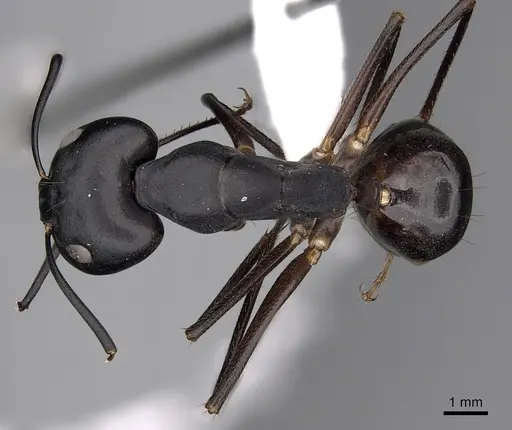
CASENT0906449
View on AntWeb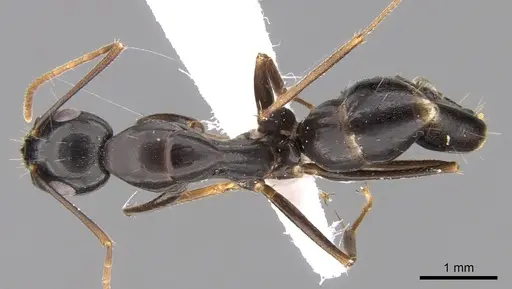
CASENT0910115
View on AntWeb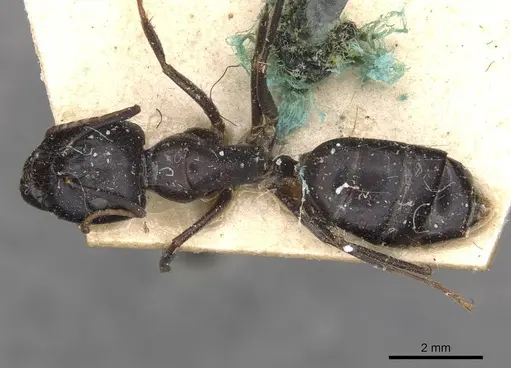
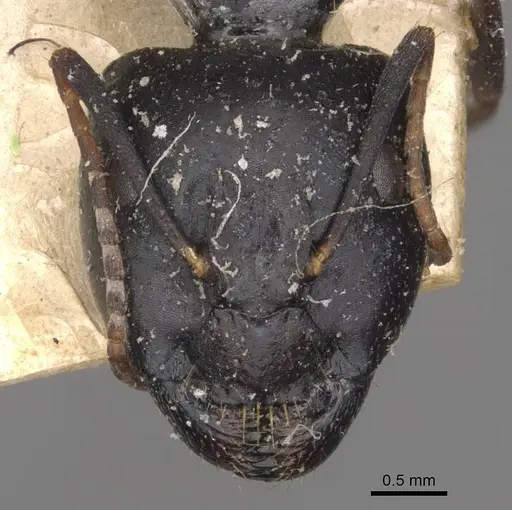
CASENT0910116
View on AntWeb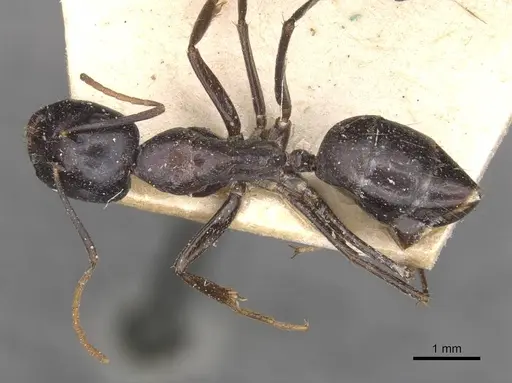
Literature
Loading...Loading products...