

Camponotus densopilus
- Scientific Name
- Camponotus densopilus
- Tribe
- Camponotini
- Subfamily
- Formicinae
- Author
- Shattuck, 2005
- Distribution
- Found in 1 countries
Camponotus densopilus Overview
Camponotus densopilus is an ant species of the genus Camponotus. It is primarily documented in 1 countries , including Indonesia. Detailed taxonomic data and occurrence records can be further explored via authoritative databases such as AntWeb or the Global Biodiversity Information Facility (GBIF).
Camponotus densopilus
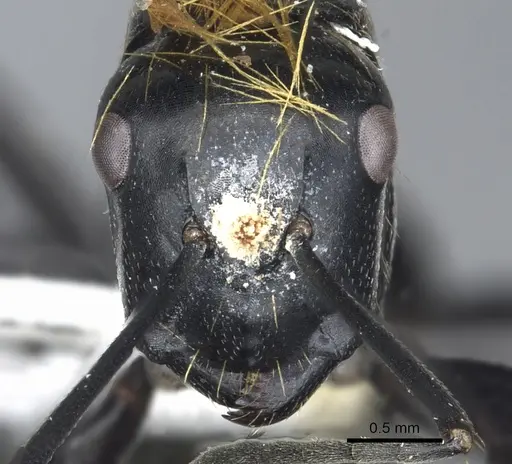
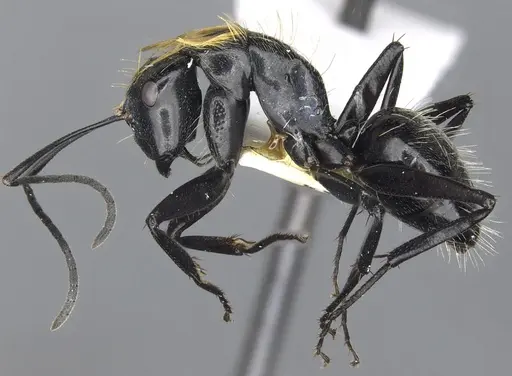
Camponotus densopilus is a small to medium-sized carpenter ant native to the montane rainforests of Papua New Guinea and Indonesia. Workers are black with distinctive red-black legs, and the species is easily recognized by the enlarged yellow hairs covering the entire dorsal surface of the pronotum (the middle body section). Minor workers measure 1.56-1.91mm in head width, while major workers are larger at 2.56-3.31mm with their characteristic enlarged heads. This species belongs to the Camponotus aureopilus species group, which is known for having some of the rarest and most localized ant species in the region [1][2].
This ant is known from only a single collection in montane primary rainforest at approximately 3,800 feet elevation, where workers were observed foraging on a fallen log. As a poorly-studied species from a tropical rainforest environment, much of its biology remains unconfirmed. However, being a Camponotus species, it will likely follow typical carpenter ant patterns: claustral founding where the queen seals herself in, moderate temperature requirements, and a diet of honeydew and small insects. The montane origin suggests it may prefer slightly cooler conditions than lowland tropical ants [1][2].
Quick Summary
- Difficulty: Medium
- Origin & Habitat: Montane primary rainforest of Papua New Guinea and Irian Jaya (Indonesia) at approximately 3,800 feet elevation. Workers have been found foraging on fallen logs in the rainforest [1][2].
- Colony Type: Colony structure is unconfirmed. As a Camponotus species, it likely forms single-queen colonies (monogyne) once established, though founding may involve pleometrosis (multiple queens starting together) in some Camponotus species. No data on ergatoid (wingless replacement) queens exists for this species.
- Colony: Monogyne
- Founding: Claustral
- Size & Growth:
- Queen: Undescribed in scientific literature, estimated 12-15mm based on typical Camponotus queen size for this region
- Worker: Minor workers: 1.56-1.91mm head width, Major workers: 2.56-3.31mm head width [1][2]
- Colony: Unknown, likely reaches several hundred workers based on typical Camponotus colony sizes
- Growth: Moderate, inferred from typical Camponotus development patterns
- Development: 6-10 weeks, estimated based on typical Camponotus development at optimal temperature (Development time is estimated from related Camponotus species. Actual timing may vary based on temperature and conditions.)
- Antkeeping:
- Temperature: Keep around 22-26°C. The montane rainforest origin suggests they prefer conditions slightly cooler than typical tropical ants. A gentle temperature gradient allows workers to regulate their own exposure [1].
- Humidity: Moderate to high humidity (60-80%). Montane rainforest environment means they expect damp conditions. Keep the nest substrate consistently moist but not waterlogged, with some drier areas available.
- Diapause: Unconfirmed, montane tropical species may have reduced activity during cooler/drier seasons rather than true hibernation. Monitor colony behavior and reduce feeding if they become less active.
- Nesting: In captivity, a Y-tong (acrylic) nest or plaster nest works well. The natural habitat (foraging on logs) suggests they prefer wood-based nesting materials. Provide a test tube setup for founding, then transition to a proper nest once the colony reaches 20+ workers.
- Behavior: This is a relatively calm, non-aggressive carpenter ant. Workers are moderate foragers that likely search for honeydew and small insects. Major workers have enlarged heads but are not particularly aggressive. Escape risk is moderate, these are not tiny ants, but standard escape prevention (Fluon barriers, tight-fitting lids) should still be used. They are primarily nocturnal or crepuscular foragers based on typical Camponotus behavior in rainforest habitats [1].
- Common Issues: humidity control is critical, rainforest species decline rapidly in dry conditions, limited data means founding colonies may be challenging without established protocols, montane origin suggests sensitivity to overheating, avoid temperatures above 28°C, wild-caught colonies may carry parasites or diseases from their native habitat, slow initial growth can frustrate new antkeepers, patience is essential
Nest Preferences and Setup
Camponotus densopilus originates from montane rainforest environments in Papua New Guinea, where they nest in rotting wood and forage on fallen logs. In captivity, provide a nest that maintains moderate to high humidity while allowing good ventilation. Y-tong (acrylic) nests work well because they allow you to control humidity precisely. Plaster nests are another good option, especially if you keep them consistently moist. For founding colonies, a standard test tube setup with a water reservoir works fine, just ensure the cotton is packed securely and the tube is kept in a dark, quiet location. Once the colony reaches 20-30 workers, consider transitioning to a proper formicarium with multiple chambers. Avoid nests that dry out quickly, as this species comes from a consistently damp environment. [1][2]
Feeding and Diet
Like most Camponotus species, these ants are omnivorous with a preference for sugary foods. Offer a constant source of sugar water, honey, or diluted maple syrup. For protein, provide small insects like fruit flies, small mealworms, or cricket pieces. In the wild, they likely tend aphids or collect honeydew from planthoppers, so sugar sources are essential for colony energy. Feed protein 2-3 times per week, adjusting based on how quickly the colony consumes it. Remove any uneaten prey after 24-48 hours to prevent mold. Major workers can handle larger prey items thanks to their powerful mandibles, but start with small offerings until you gauge their preferences. Unlike some specialized predators, they are generalist feeders typical of carpenter ants.
Temperature and Seasonal Care
The montane origin of Camponotus densopilus suggests they prefer temperatures on the cooler side for a tropical ant, aim for 22-26°C. Avoid temperatures above 28°C, as overheating can be fatal. A heating cable on one side of the nest creates a temperature gradient, allowing workers to move between warmer and cooler areas as needed. This is especially important during founding when the queen needs stable conditions. Since they come from a location at 3,800 feet elevation, they may experience seasonal variation in their native habitat. Monitor your colony, if they become less active during cooler months, this may represent a mild rest period rather than true hibernation. Do not dramatically lower temperatures unless the colony clearly enters dormancy. [1]
Behavior and Colony Dynamics
This is a calm, non-aggressive species typical of the genus Camponotus. Workers are moderate-sized and not particularly aggressive toward keepers. They are likely primarily nocturnal or crepuscular, foraging during cooler parts of the day in their natural rainforest habitat. Major workers have the characteristic enlarged heads of carpenter ants, used for defense and cracking open larger food items, but they are not major stingers. The colony will grow gradually, expect the first workers (nanitics) to emerge 6-10 weeks after founding, then growth will accelerate as the colony reaches 50+ workers. Major workers typically appear once the colony is well-established. These ants communicate through chemical trails and will establish foraging paths to food sources once discovered. [1][2]
Acclimation and Handling
As a species with very limited scientific data, Camponotus densopilus may be sensitive to changes in conditions. When acquiring a colony, whether wild-caught or from another keeper, introduce them to their new setup gradually. Keep the founding chamber dark and undisturbed for the first few weeks after the queen lays eggs. Avoid checking too frequently, stress from vibrations and light can cause queens to abandon or eat their brood. Once established, these ants are relatively hardy, but the limited data means you should monitor closely for any signs of stress: workers clustering excessively, brood disappearing, or queen remaining inactive. If problems occur, check humidity levels first, as this is the most common issue with rainforest species.
Frequently Asked Questions
How long does it take for Camponotus densopilus to produce first workers?
Expect first workers (nanitics) to emerge in 6-10 weeks after the queen lays eggs, assuming temperatures around 24-26°C. This is an estimate based on typical Camponotus development, as this specific species has not been studied in detail.
What temperature should I keep Camponotus densopilus at?
Keep them between 22-26°C. The montane rainforest origin suggests they prefer slightly cooler conditions than typical tropical ants. Avoid temperatures above 28°C.
Is Camponotus densopilus good for beginners?
This is a medium-difficulty species. While not as challenging as some specialized ants, the limited scientific data means you may need to experiment with conditions. Beginners should start with more common species if possible.
What do Camponotus densopilus eat?
They are omnivorous like most carpenter ants. Offer constant sugar water, honey, or maple syrup. For protein, provide small insects like fruit flies, small mealworms, or cricket pieces 2-3 times per week.
How big do Camponotus densopilus colonies get?
Colony size is unconfirmed for this species, but based on typical Camponotus patterns, they likely reach several hundred workers. Growth is moderate, expect several months to reach 50 workers.
Do Camponotus densopilus need hibernation?
True hibernation is unlikely. As a montane tropical species, they may have a mild rest period during cooler months, but dramatic temperature drops are not recommended. Simply reduce feeding if the colony becomes less active.
Can I keep multiple Camponotus densopilus queens together?
Colony structure is unconfirmed for this species. Most Camponotus are single-queen (monogyne) species. Unless you observe multiple queens living peacefully, keep only one queen per colony.
What humidity level do Camponotus densopilus need?
Keep humidity moderate to high (60-80%). The montane rainforest origin means they expect damp conditions. Keep the nest substrate consistently moist but not waterlogged.
When should I move Camponotus densopilus from a test tube to a formicarium?
Move them once the colony reaches 20-30 workers and the test tube is becoming crowded. Ensure the new nest maintains similar humidity levels to avoid stress during the transition.
References

This caresheet is licensed under CC BY-SA 4.0 .
CASENT0903564
View on AntWeb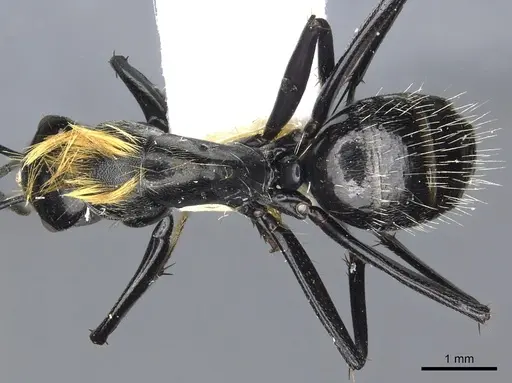
Literature
Loading...Loading products...