

Camponotus aureopilus
- Scientific Name
- Camponotus aureopilus
- Subgenus
- Thlipsepinotus
- Tribe
- Camponotini
- Subfamily
- Formicinae
- Author
- Viehmeyer, 1914
- Distribution
- Found in 1 countries
Camponotus aureopilus Overview
Camponotus aureopilus is an ant species of the genus Camponotus. It is primarily documented in 1 countries , including Papua New Guinea. Detailed taxonomic data and occurrence records can be further explored via authoritative databases such as AntWeb or the Global Biodiversity Information Facility (GBIF).
Camponotus aureopilus
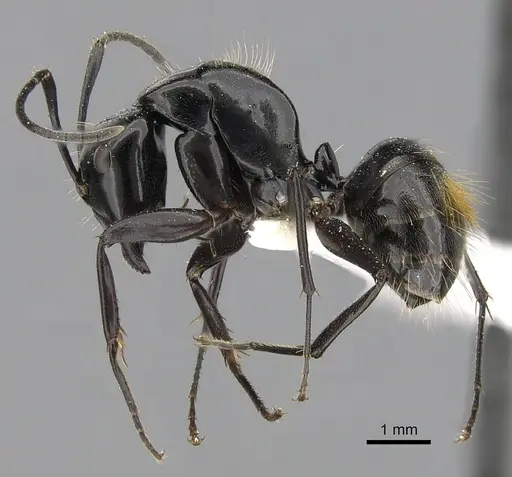
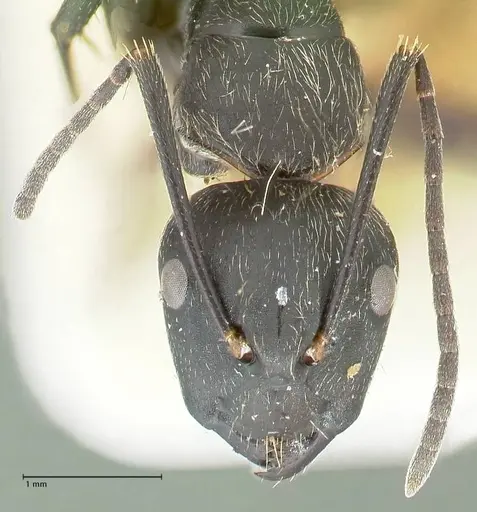
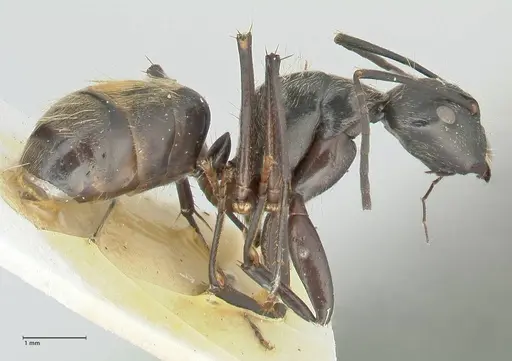
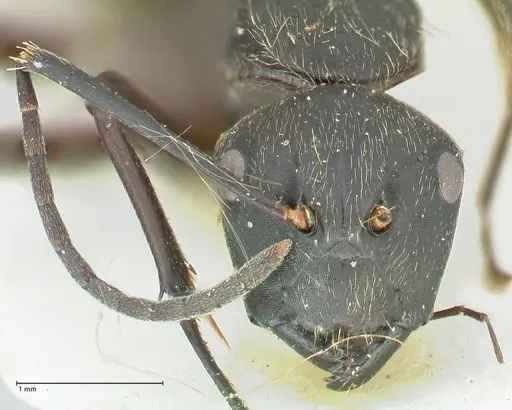
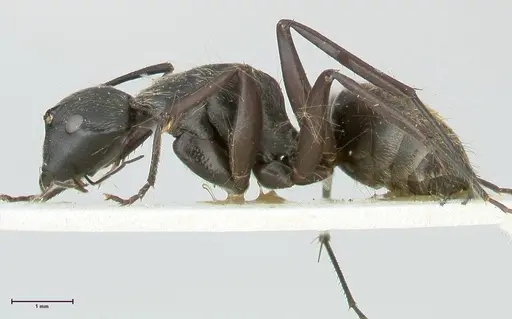
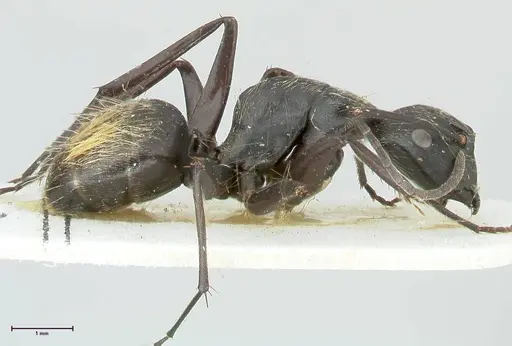
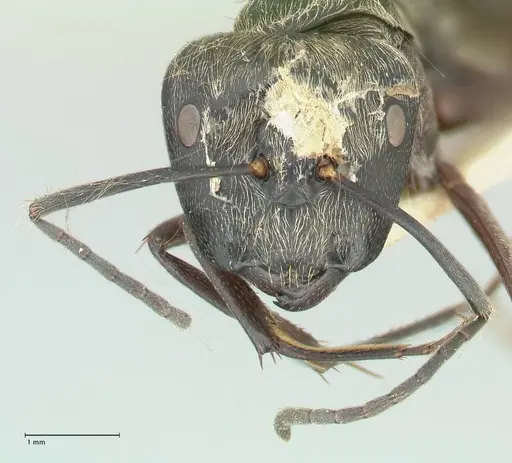
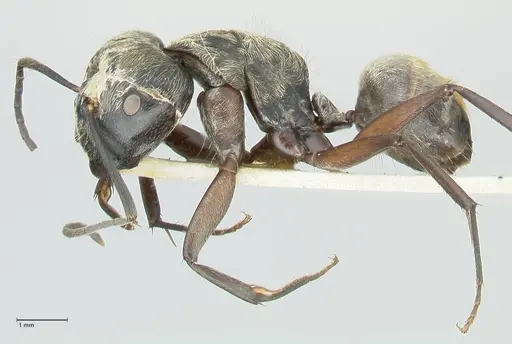
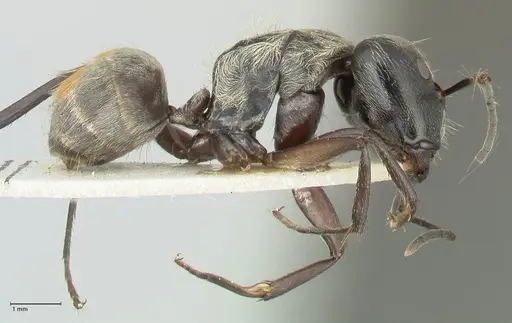
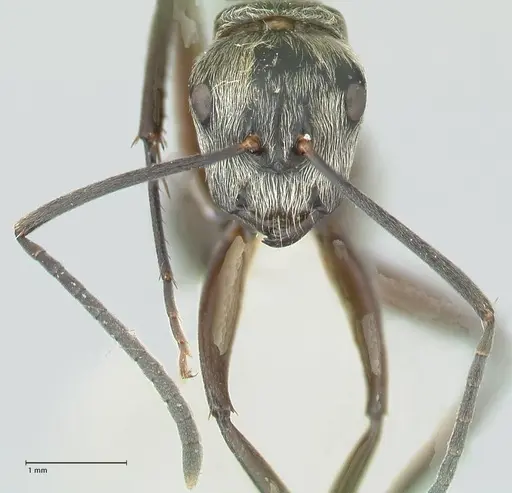
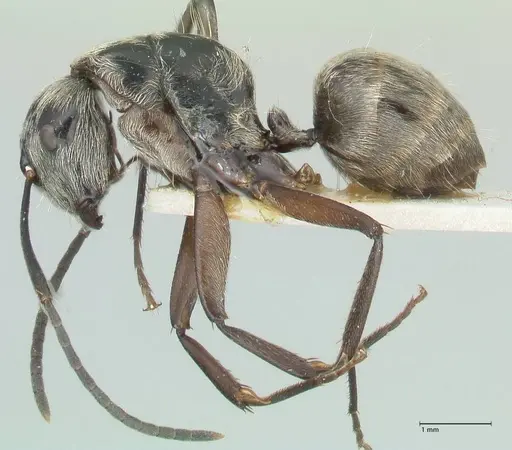
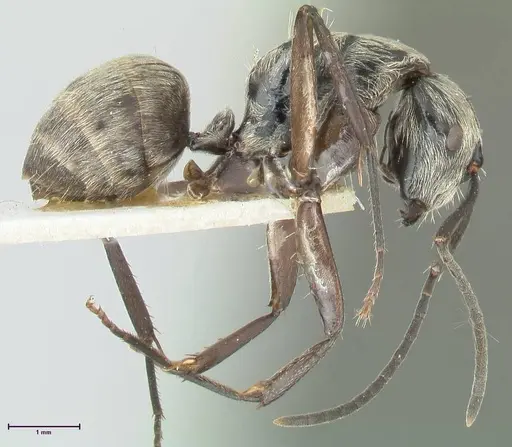
Camponotus aureopilus is a small to medium-sized ant species native to Papua New Guinea and surrounding islands. Workers are mostly black with a distinctive dark red-black gaster and red legs. The species is identified by its unique hair pattern: thin erect hairs are present on the pronotum, while enlarged yellow hairs are concentrated in a small cluster on the center of the gaster. Minor workers measure 1.8-2.2mm in head length, making them relatively small for a Camponotus species. This species belongs to the Camponotus aureopilus species group and was originally described in 1914,with the queen first described by Stitz in 1938. Despite being known for over a century, biological details about this species remain poorly documented in scientific literature.
Quick Summary
- Difficulty: Medium
- Origin & Habitat: Papua New Guinea and surrounding islands in the Australasian region. Found in tropical forest habitats at elevations around 3,500 feet (approximately 1,050m) in the Cyclops Mountains [1][2].
- Colony Type: Likely single-queen (monogyne) colonies based on typical Camponotus patterns. Colony size is unknown but likely moderate for the genus.
- Colony: Monogyne
- Founding: Claustral
- Size & Growth:
- Queen: Unconfirmed, queen measurements not available in primary literature [2]
- Worker: Minor workers: 1.80-2.21mm head length,2.78-3.19mm mesosoma length [1][2]
- Colony: Unknown, no colony size data available
- Growth: Moderate, typical for Camponotus genus
- Development: Estimated 6-8 weeks based on typical Camponotus development at optimal temperature (Direct development data not available for this species. Estimates based on genus-level patterns.)
- Antkeeping:
- Temperature: Keep at 24-28°C, this is a tropical Papua New Guinea species that prefers warm conditions. A heating cable on one side of the nest can create a gentle gradient.
- Humidity: Maintain moderate to high humidity (60-80%). This species comes from tropical mountain forests, so the nest should stay moist but not waterlogged. Mist occasionally and provide a water tube.
- Diapause: Unknown, tropical species may not require true hibernation but may slow down during cooler periods. Monitor colony activity and adjust temperature accordingly.
- Nesting: In captivity, standard formicarium setups work well. Y-tong (acrylic) nests or plaster nests with good moisture retention suit this species. Provide a dark nesting area as they prefer dim conditions.
- Behavior: Workers are moderately active and typically forage individually or in small groups. They are not particularly aggressive but will defend the nest if threatened. Escape risk is moderate, their small size means they can squeeze through small gaps, so use standard escape prevention. They are generalist foragers, accepting both sugar and protein sources.
- Common Issues: limited information makes precise care recommendations difficult, be prepared to experiment, tropical humidity requirements can lead to mold if ventilation is poor, small colony sizes may make them vulnerable to stress, wild-caught colonies may carry parasites that are difficult to detect, temperature drops below 20°C may cause colony decline
Appearance and Identification
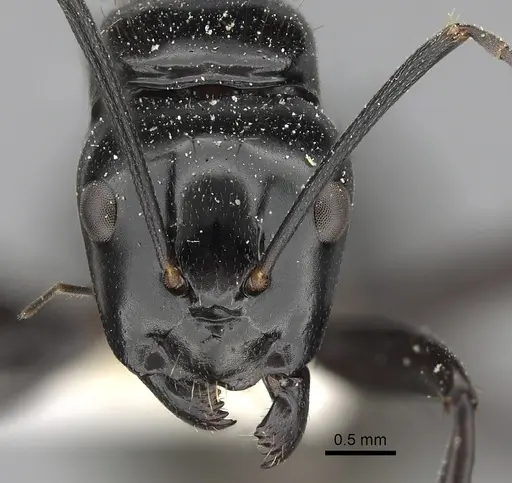
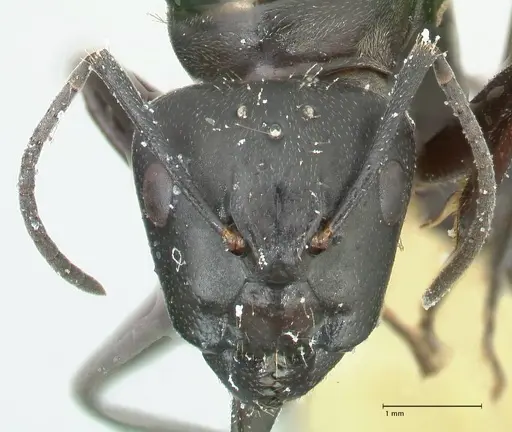
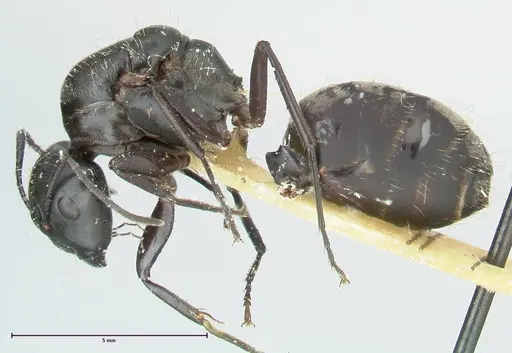
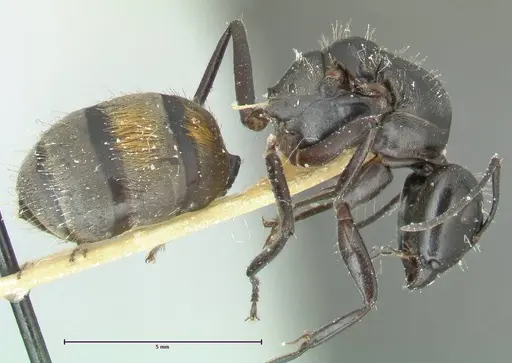
Camponotus aureopilus workers are distinctive in appearance. The body is primarily black, but the gaster (the rear segment) is a dark red-black color, and the legs are distinctly red. Minor workers measure about 1.8-2.2mm in head length, making them smaller than many other Camponotus species. The most identifying feature is the hair pattern: thin erect hairs are present on the pronotum (the middle section of the body), while enlarged yellow hairs are concentrated in a small cluster on the center of the gaster's upper surface. The body is covered in abundant fine pubescence, giving it a slightly fuzzy appearance. The head has an angular posterolateral margin, and the petiole (the narrow waist segment) tapers into a blunt angle at the top. This species belongs to the Camponotus aureopilus species group, which is known from Papua New Guinea and surrounding islands. [1][2]
Natural History and Distribution
This species is endemic to Papua New Guinea and the surrounding region, including Indonesia's Irian Jaya. It has been collected from the Cyclops Mountains at elevations around 3,500 feet (about 1,050 meters), suggesting it prefers tropical forest habitats at moderate elevations. The original description was published by Viehmeyer in 1914,with the queen described later by Stitz in 1938. Despite being known for over a century, scientific literature contains very little biological information about this species. Most research has focused on taxonomy and identification rather than ecology or behavior. This makes it a poorly studied species, and much of what we know about keeping it must be inferred from related species and general Camponotus biology. [1][2]
Housing and Nesting
In captivity, Camponotus aureopilus can be kept in standard formicarium setups. Y-tong (acrylic) nests work well because they allow you to monitor the colony while providing dark conditions that this species prefers. Plaster nests or nests with water channels for moisture retention are also suitable. Since this is a tropical species from humid forest environments, the nest material should retain some moisture without becoming waterlogged. Provide a water tube or cotton ball with fresh water at all times. The outworld (foraging area) should have standard escape prevention, while not the smallest ants, they can still squeeze through small gaps. Room temperature is often suitable given their tropical origin, but you may need to provide gentle heating during cooler months.
Feeding and Diet
Like other Camponotus species, these ants are generalist omnivores. They will readily accept sugar sources such as honey water or sugar water, which provides energy for active workers. For protein, offer small insects like fruit flies, small crickets, or mealworms. In the wild, they likely forage for honeydew from aphids and scale insects, plus small arthropods. Feed them a few times per week, removing any uneaten prey after 24 hours to prevent mold. Sugar water should be available constantly, you can offer it on a small piece of cotton or in a dedicated feeder. Observe your colony's preferences and adjust feeding frequency based on consumption rates.
Temperature and Seasonal Care
As a tropical species from Papua New Guinea, Camponotus aureopilus prefers warm conditions. Aim for temperatures between 24-28°C (75-82°F) in the nest area. A heating cable placed on one side of the nest can create a gentle temperature gradient, allowing the ants to regulate their own exposure to warmth. Since this species comes from a tropical environment without true winters, they likely do not require hibernation. However, they may slow down during cooler periods, so monitor colony activity and adjust heating accordingly. Avoid temperatures below 20°C, as prolonged cold exposure can weaken or kill the colony. Maintain moderate humidity of 60-80% by occasionally misting the nest or providing a moist substrate.
Colony Development
The colony development timeline for this species is not directly documented in scientific literature. Based on typical Camponotus patterns, you can expect the first workers (nanitics) to emerge around 6-8 weeks after the queen lays eggs, assuming optimal temperatures around 25°C. The initial batch of workers will be smaller than mature workers, which is normal. As the colony grows, subsequent generations will become larger. Growth rate is moderate, Camponotus colonies typically establish more slowly than some faster-growing genera like Tetramorium or Messor. Be patient during the founding stage, as the queen will remain sealed in her chamber until the first workers emerge. Avoid disturbing the nest during this critical period, as stress can cause queens to abandon or eat their brood.
Frequently Asked Questions
How long does it take for Camponotus aureopilus to get their first workers?
Based on typical Camponotus development, expect first workers (nanitics) around 6-8 weeks after egg-laying at optimal temperature (around 25°C). This is an estimate since this specific species hasn't been studied for development timing.
What temperature do Camponotus aureopilus need?
Keep them warm at 24-28°C. This is a tropical Papua New Guinea species that prefers warm conditions. A heating cable on part of the nest can help maintain optimal temperatures.
How big do Camponotus aureopilus colonies get?
Colony size is not documented in scientific literature. Based on typical Camponotus patterns, colonies likely reach several hundred workers at maturity, but this is an estimate.
Is Camponotus aureopilus good for beginners?
This species is rated as Medium difficulty. While not the most challenging ant to keep, the limited species-specific information means you may need to adjust care based on colony behavior. Experience with other Camponotus species would be helpful.
What do Camponotus aureopilus eat?
They are generalist omnivores. Offer sugar water or honey regularly, plus small insects like fruit flies, small crickets, or mealworms for protein. Remove uneaten prey after 24 hours.
Do Camponotus aureopilus need hibernation?
Probably not, this is a tropical species from Papua New Guinea. They may slow down during cooler periods but do not require true hibernation like temperate species.
Can I keep multiple Camponotus aureopilus queens together?
This is not recommended. While colony structure isn't confirmed for this species, Camponotus are typically single-queen (monogyne) colonies. Combining unrelated queens typically leads to fighting.
What size nest do I need for Camponotus aureopilus?
Start with a small test tube setup for the founding queen. Once the colony reaches 20-30 workers, you can move them to a small formicarium like a Y-tong or plaster nest. They don't need massive spaces initially.
Why is my Camponotus aureopilus colony declining?
Common causes include: temperatures below 20°C, low humidity, insufficient food, or stress from disturbance. Check that the nest is at optimal temperature (24-28°C) and humidity (60-80%). Ensure they have constant access to sugar water and regular protein.
References

This caresheet is licensed under CC BY-SA 4.0 .
CASENT0280229
View on AntWeb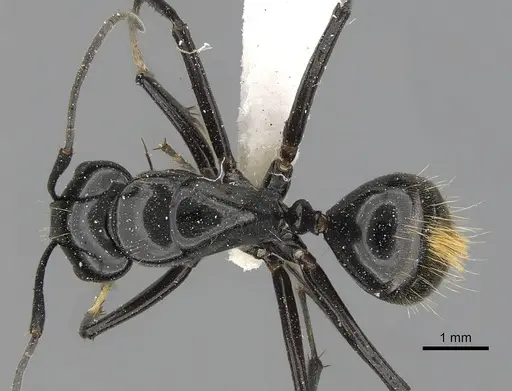
FOCOL2259
View on AntWeb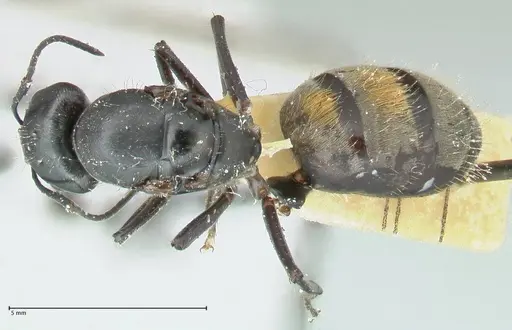
FOCOL2260
View on AntWeb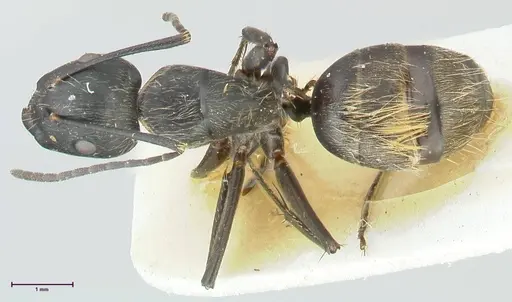
FOCOL2261
View on AntWeb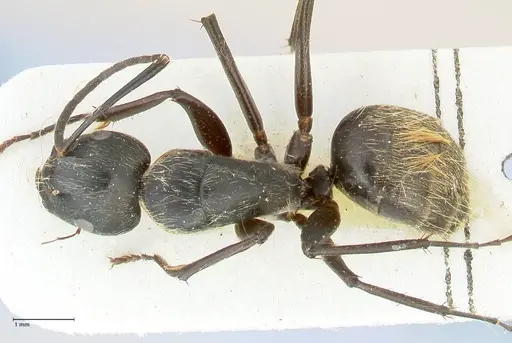
FOCOL2262
View on AntWeb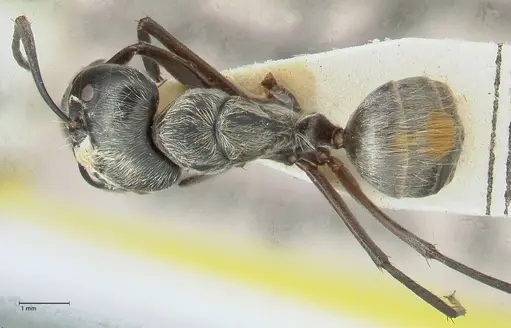
FOCOL2263
View on AntWeb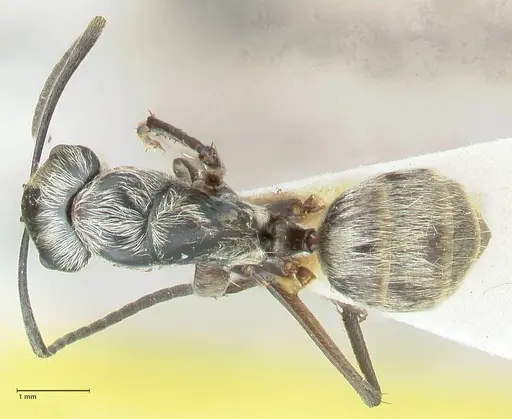
Literature
Loading...Loading products...