

Camponotus darlingtoni
- Scientific Name
- Camponotus darlingtoni
- Subgenus
- Myrmophyma
- Tribe
- Camponotini
- Subfamily
- Formicinae
- Author
- Wheeler, 1934
- Distribution
- Found in 1 countries
Camponotus darlingtoni Overview
Camponotus darlingtoni is an ant species of the genus Camponotus. It is primarily documented in 1 countries , including Australia. Detailed taxonomic data and occurrence records can be further explored via authoritative databases such as AntWeb or the Global Biodiversity Information Facility (GBIF).
Camponotus darlingtoni
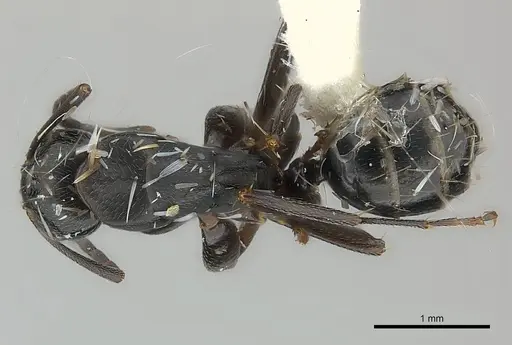
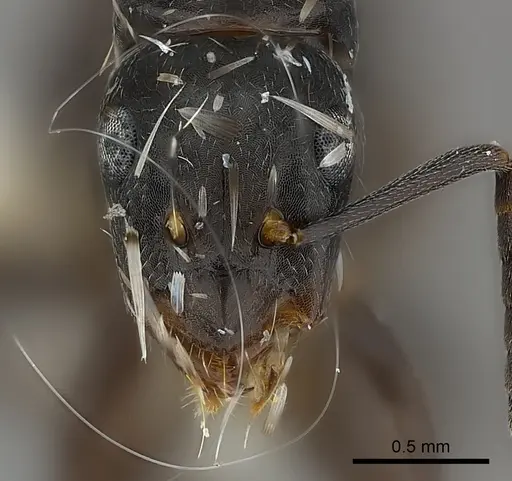
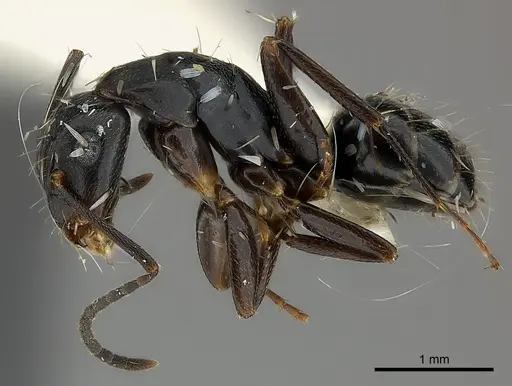
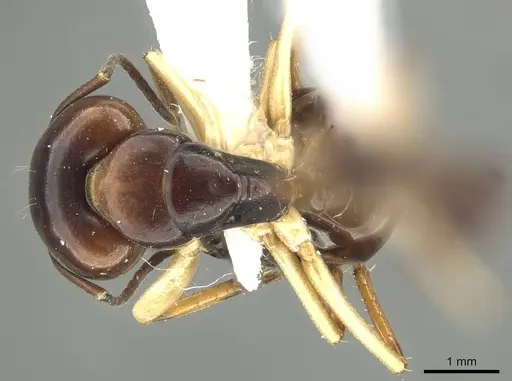
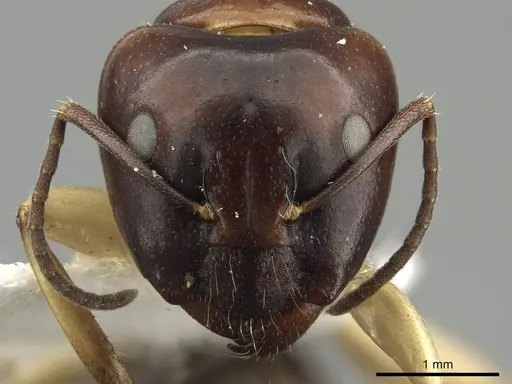
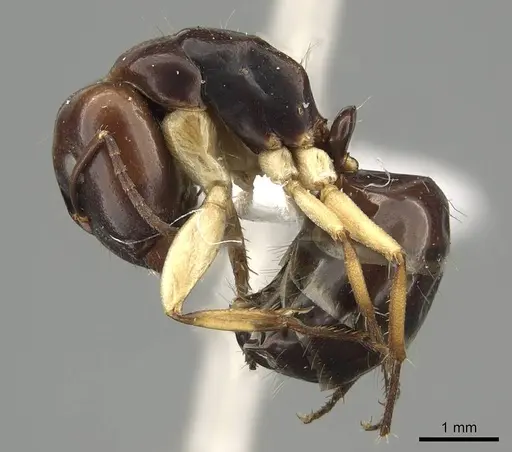
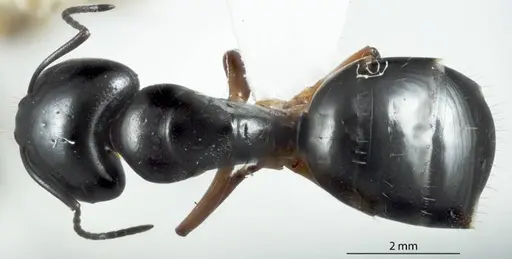
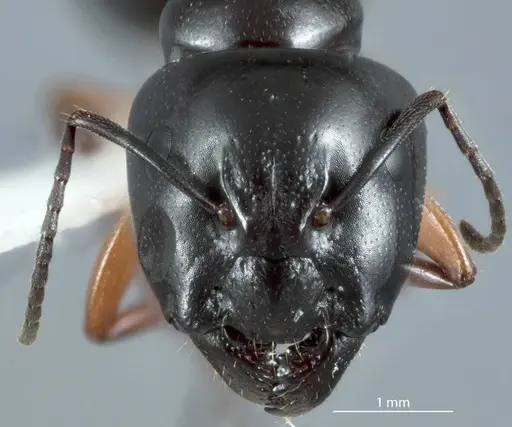
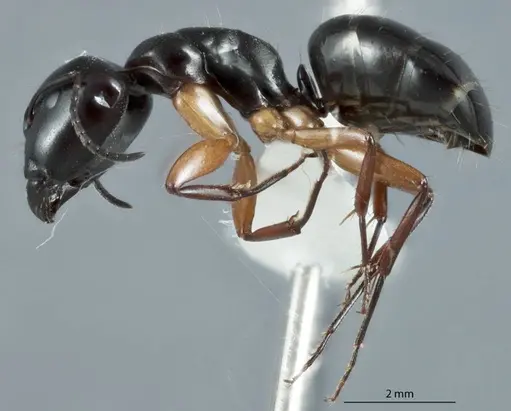
Camponotus darlingtoni is a medium-sized carpenter ant native to the south-west corner of Western Australia, including the Perth region and Rottnest Island [1]. Workers range from 4-9mm in length, with major workers reaching 8-9mm and minors at 4-5.5mm. The species is a member of the Camponotus claripes group and is closely related to C. claripes minimus. They have a dark brown to black coloration with reddish-brown markings on the head, antennae, and legs, and pale whitish bands on the rear of each abdominal segment. These ants nest in the ground under stones and logs in woodland habitats [2].
Quick Summary
- Difficulty: Medium
- Origin & Habitat: South-western Australia, specifically the Perth region and Rottnest Island in Western Australia, with additional populations in South Australia. They inhabit woodland areas and are ground-nesting, found under stones and logs [1][2].
- Colony Type: Single-queen colonies (monogyne), typical for Camponotus species. Queens are around 11mm and are the primary reproductive individuals.
- Colony: Monogyne
- Founding: Claustral
- Size & Growth:
- Queen: 11mm (dealated queen) [3]
- Worker: Minima 4-5.5mm, media 7-7.5mm, maxima 8-9mm [3]
- Colony: Likely several hundred workers based on typical Camponotus colony sizes, unconfirmed for this specific species
- Growth: Moderate, typical for Camponotus genus
- Development: 6-8 weeks at optimal temperature (estimated based on typical Camponotus development) (Development time is estimated from genus-level data since specific development studies are unavailable for this species)
- Antkeeping:
- Temperature: Keep at 22-26°C. As a temperate to subtropical Australian species, they prefer warm conditions but not extreme heat. A temperature gradient allowing workers to choose their preferred zone is ideal.
- Humidity: Moderate humidity around 50-60%. Being ground-nesting ants from southwestern Australia (Mediterranean climate), they tolerate drier conditions than tropical species but need some moisture. Provide a water tube for humidity.
- Diapause: Yes, likely requires a winter rest period (diapause) of 2-3 months during Australian winter (June-August). Reduce temperature to 10-15°C during this period.
- Nesting: Ground-nesting species that does well in Y-tong (AAC) nests, plaster nests, or naturalistic setups with soil. Provide a nest chamber with moderate humidity and some dry areas for workers to regulate moisture. Test tube setups work for founding colonies.
- Behavior: Typical Camponotus temperament, generally non-aggressive and docile. Workers are moderate foragers and will scavenge for protein and sugar sources. Major workers have larger heads for cutting and processing food. Escape risk is moderate due to their size, standard barrier methods (Fluon) work well. They are primarily nocturnal or crepuscular foragers in nature.
- Common Issues: colonies may decline if kept too cold, maintain warm temperatures year-round except during diapause, overfeeding can lead to mold in nest setups, remove uneaten protein promptly, ground-nesting species needs proper substrate moisture, too dry causes desiccation, too wet causes flooding, wild-caught colonies may carry parasites, quarantine and observe new colonies
Nest Preferences and Setup
Camponotus darlingtoni is a ground-nesting species that naturally nests under stones and logs in woodland areas [2]. In captivity, they do well in Y-tong (acrylic) nests, plaster nests, or naturalistic setups with soil substrate. For founding colonies, a standard test tube setup works well, fill one test tube with water reservoir and provide a dark, quiet space for the queen. Once the colony reaches 15-20 workers, you can consider moving them to a formicarium. Provide a temperature gradient within the nest (22-26°C) so workers can regulate their conditions. The nest should have chambers sized appropriately for the colony size, with some open space for foraging if using a hybrid setup.
Feeding and Diet
Like most Camponotus species, C. darlingtoni is omnivorous. They accept sugar sources (honey water, sugar water, ripe fruit) and protein sources (insects like mealworms, crickets, fruit flies). In the wild, they forage for honeydew from aphids and scale insects, plus dead insects and nectar. Feed protein 2-3 times per week for growing colonies, and provide a constant sugar source. Remove uneaten protein within 24-48 hours to prevent mold. Minor workers will handle food processing and distribution to the colony. Major workers can help cut up larger prey items.
Temperature and Seasonal Care
Maintain nest temperatures between 22-26°C for optimal brood development. As a species from southwestern Australia (Mediterranean climate), they experience cool, wet winters and warm, dry summers. During the Australian winter (roughly June-August), reduce temperatures to 10-15°C to induce diapause. This winter rest period is important for colony health and may trigger reproductive behavior in spring. Do not cool suddenly, reduce temperature gradually over 1-2 weeks. Room temperature (18-22°C) is acceptable if your home stays in this range, but a slight heat source on one side of the nest creates a beneficial gradient.
Behavior and Colony Dynamics
Camponotus darlingtoni has typical carpenter ant behavior, docile, non-aggressive, and easy to handle. Workers are moderately active and will establish foraging trails once a colony is established. Major workers (8-9mm) have larger heads and can assist with food processing. The colony will typically have one dominant queen that produces all eggs. Workers may live several years, with the queen potentially living 15-20 years. New colonies are established through nuptial flights, winged queens and males mate, then queens shed wings and dig founding chambers. The queen seals herself in and raises the first brood (nanitic workers) alone using stored fat reserves.
Frequently Asked Questions
How long does it take for Camponotus darlingtoni to produce first workers?
First workers (nanitics) typically emerge in 6-8 weeks at optimal temperature (22-26°C). This is estimated from typical Camponotus development since specific studies for this species are not available.
What size colony does Camponotus darlingtoni reach?
Based on typical Camponotus patterns, colonies likely reach several hundred workers. Specific colony size data for this species is not documented in available research.
What temperature do Camponotus darlingtoni need?
Keep them at 22-26°C. A slight gradient allowing cooler areas (around 20°C) is beneficial so workers can self-regulate. Avoid temperatures below 15°C except during winter diapause.
Can I keep multiple Camponotus darlingtoni queens together?
No, this is a monogyne (single-queen) species. Multiple unrelated queens will fight. Only keep one queen per colony.
Do Camponotus darlingtoni need hibernation?
Yes, they benefit from a winter rest period (diapause) of 2-3 months during winter. Reduce temperatures to 10-15°C during this period. This mimics their natural seasonal cycle in southwestern Australia.
What do Camponotus darlingtoni eat?
They are omnivorous, feed them sugar sources (honey water, sugar water) and protein (insects like mealworms, crickets, fruit flies). Provide protein 2-3 times per week and keep sugar water available constantly.
Are Camponotus darlingtoni good for beginners?
They are medium difficulty, more forgiving than tropical species but requiring more attention than common temperate ants like Lasius. They need proper temperature and seasonal care but are generally docile and rewarding to keep.
When should I move my colony to a formicarium?
Move from test tube to formicarium once the colony reaches 15-30 workers. Make sure the formicarium has appropriately sized chambers and adequate humidity control before moving.
Why are my Camponotus darlingtoni dying?
Common causes include: temperatures too low (below 18°C), improper humidity (too dry or waterlogged), mold from uneaten food, or stress from too frequent disturbances. Check your setup and adjust temperature and moisture levels accordingly.
References

This caresheet is licensed under CC BY-SA 4.0 .
Literature
Loading...Loading products...