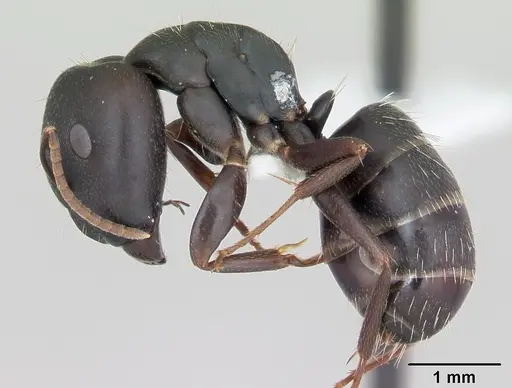
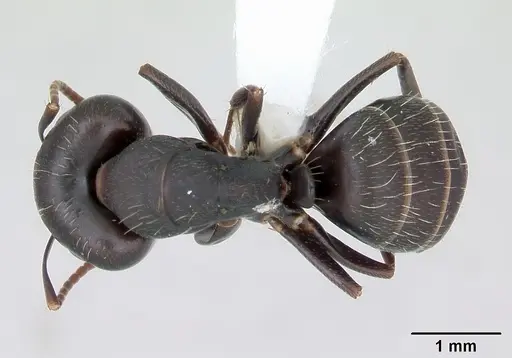
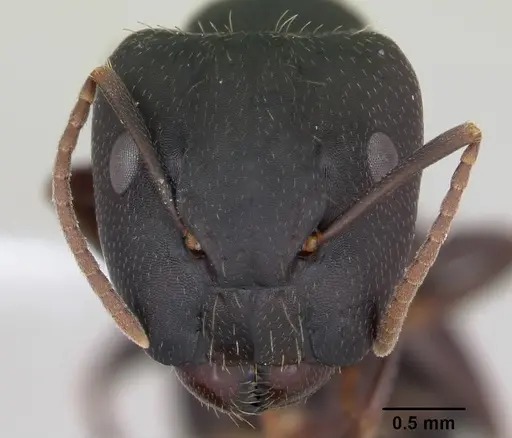
Camponotus fastigatus - "Carpenter Ant"
Camponotus fastigatus is a fascinating species of carpenter ant, part of the diverse Camponotus genus known for its large size and distinct worker castes. These ants exhibit polymorphism, meaning there are noticeable size differences among the worker ants, typically classified as minor and major workers. Major workers, often called 'soldiers,' possess disproportionately larger heads, which they use for crushing harder food items and for nest defense. The coloration of Camponotus fastigatus can vary, but generally, their meso-meta-propodeal complex (the middle and hind sections of their body) is dark brown, often contrasting with lighter red-brown pronotums, legs, and the front part of their heads and antennae. Their gaster, or abdomen, is usually dark brown with distinctive white or yellow bands on the posterior margins of the segments. They are active diurnal foragers, often seen on low vegetation, and have been observed visiting extrafloral nectaries in their natural habitat.
- Difficulty: Medium
- Origin & Habitat: Costa Rica to southern Brazil, including countries like Argentina, Bolivia, Colombia, French Guiana, Guyana, Paraguay, Peru, and Trinidad and Tobago. in These ants thrive in wet and moist forest habitats, particularly mature forests. They are opportunistic cavity nesters, establishing their colonies in various locations such as decaying wood on the forest floor, live plant stems like Cecropia saplings, or even within Caryocar brasiliense trees..
- Colony Type: Monogyne, claustral (queen seals herself in) founding.
- Size & Growth:
- Queen: 9-20mm
- Worker: 4-13mm
- Colony: Large (tens of thousands). Medium growth.
- Antkeeping:
- Temperature: Optimal temperatures for growth and activity range from 22-28°C (72-82°F), with a slight preference for the warmer end of this spectrum for brood development. It's beneficial to provide a temperature gradient within the nest, allowing the ants to move to cooler areas if needed..
- Humidity: Moderate humidity levels are preferred, typically around 50-60%. While they don't require extremely high humidity, a consistent water source is crucial to prevent desiccation..
- Diapause: Not required. Not specified at Not specified.
- Nesting: In captivity, Camponotus fastigatus can thrive in a variety of artificial nests, including acrylic, 3D printed, grout, ytong, or even simple test tube setups for founding colonies. For more naturalistic setups, wooden nests or those with natural cavities are suitable, mimicking their wild nesting habits..
- Behavior: Low aggressiveness.
- Common Issues: Mold in nest, Colony stalling (due to improper feeding or heating), Humidity fluctuations (inadequate water source), Queen stress (from excessive disturbance).
When caring for Camponotus fastigatus, providing a balanced diet is key to a thriving colony. These ants are omnivores, readily consuming a mix of sugary liquids and protein. For their sugar fix, offer honey water, sugar water, or fruit pieces. Protein sources are vital for the queen's egg production and larval development, so incorporate small feeder insects like fruit flies, mealworms, or even bits of cooked meat. Adult workers, while primarily consuming sugars, also require protein for their longevity and overall health. Experiment with different offerings to discover your colony's preferences, and always remove any uneaten food promptly to prevent mold.
Camponotus fastigatus colonies feature polymorphic workers, a characteristic trait of the Camponotus genus. This means you'll observe minor workers, which are generally smaller and tend to the brood, and larger major workers, sometimes referred to as 'soldiers.' These majors sport impressive, enlarged heads, primarily used for processing tougher food items and serving as defenders of the nest. This division of labor, with minors often foraging and majors specializing in defense and food storage, makes observing their colony dynamics quite engaging.
While not typically aggressive towards humans, Camponotus fastigatus workers can deliver a bite with their mandibles if provoked or if their nest is disturbed. It's important to note that, like other carpenter ants, they lack a functional sting. Instead, they can spray formic acid as a defensive mechanism, so exercise caution when handling them directly or interacting with their nest. Their primary aggression is usually directed towards other ant species in their territory.
As opportunistic cavity nesters, Camponotus fastigatus will readily adapt to various formicarium setups. In their natural environment, they might be found nesting in dead wood, tree branches, or other pre-existing cavities. When keeping them, ensure their chosen nest has adequate ventilation. While they appreciate a generally humid environment, they also prefer a drier spot within the nest for their brood development. Providing a heat source that creates a temperature gradient is highly recommended, allowing them to self-regulate and choose the ideal conditions for different stages of their life cycle.
Frequently Asked Questions
What's the best diet for Camponotus fastigatus ants?
These carpenter ants are quite versatile eaters! For their carbohydrate needs, offer them honey water, sugar water, or small pieces of fruit. Protein is super important for the queen and the growing brood, so make sure to provide small feeder insects like fruit flies, mealworms, or even cooked scrambled eggs. Aim for a diverse diet to keep your colony thriving!
Do Camponotus fastigatus ants sting?
No, Camponotus fastigatus do not possess a functional sting like some other ant species. However, they can deliver a noticeable bite with their strong mandibles if they feel threatened, and they are capable of spraying formic acid as a defense mechanism. It's always best to handle them with care!
Are Camponotus fastigatus aggressive towards their keepers?
Camponotus fastigatus are generally not aggressive towards humans. They tend to be quite shy and will prefer to flee rather than confront you. Their aggression is typically reserved for rival ant colonies or potential predators in their natural habitat.
Do Camponotus fastigatus require a diapause (hibernation) period?
Since Camponotus fastigatus originates from tropical regions like Costa Rica and Brazil, they do not require a diapause or hibernation period. You can keep them at stable temperatures year-round, which is a big plus for beginners who might find regulating diapause challenging.
What's the ideal temperature for keeping Camponotus fastigatus?
For optimal growth and activity, aim for temperatures between 22-28°C (72-82°F). Providing a heat mat or cable under a portion of their nest can help create a thermal gradient, allowing your colony to choose their preferred temperature zone for different activities, especially crucial for brood development.
How quickly do Camponotus fastigatus colonies grow?
While Camponotus species are known for starting a bit slow, Camponotus fastigatus colonies generally exhibit a medium to quick growth rate once they are established and well-fed. You'll see their numbers steadily increase, especially with consistent protein and sugar offerings.
What kind of nest is best for Camponotus fastigatus?
These adaptable ants are opportunistic cavity nesters, so they can do well in a variety of setups. Acrylic, 3D-printed, ytong, or grout nests all work wonderfully. For founding queens, a simple test tube setup with a water reservoir is often the best start. Just ensure there's good ventilation and a moisture source available.
How large can a Camponotus fastigatus colony get?
Camponotus fastigatus colonies can grow quite large, often reaching into the tens of thousands of individual workers. Watching a mature colony with its impressive numbers of minor and major workers is truly a sight to behold in the antkeeping hobby!
What are the different worker castes in Camponotus fastigatus?
Like many Camponotus species, Camponotus fastigatus displays polymorphism, meaning you'll observe distinct worker castes: minors and majors. Minor workers are smaller and typically focus on tending to the brood, while the larger major workers (soldiers) use their robust jaws for processing food and defending the colony.
How long does it take for Camponotus fastigatus to develop from egg to worker?
With proper heating and consistent feeding, the development from egg to adult worker for Camponotus fastigatus typically takes between 4 to 9 weeks. This period includes the egg, larval, and pupal stages, with larvae being particularly reliant on protein for their growth.
What are some common problems when keeping Camponotus fastigatus?
Keep an eye out for mold, especially if excess food is left in the nest, and ensure consistent cleaning of their habitat. Colony stalling can occur if they're not getting enough food, particularly protein, or if temperatures aren't optimal. Also, excessive disturbance can stress the queen, potentially hindering egg laying and colony growth.
Do carpenter ants like Camponotus fastigatus eat wood?
A common misconception! Carpenter ants, including Camponotus fastigatus, do not actually eat wood. Instead, they excavate and tunnel through wood to create their nests and galleries. They're just moving the wood out of the way to make space for their expanding colony, not consuming it for nutrients.