

Camponotus camelinus
- Scientific Name
- Camponotus camelinus
- Subgenus
- Myrmosaulus
- Tribe
- Camponotini
- Subfamily
- Formicinae
- Author
- Smith, 1857
- Distribution
- Found in 2 countries
Camponotus camelinus Overview
Camponotus camelinus is an ant species of the genus Camponotus. It is primarily documented in 2 countries , including Indonesia, Malaysia. Detailed taxonomic data and occurrence records can be further explored via authoritative databases such as AntWeb or the Global Biodiversity Information Facility (GBIF).
Camponotus camelinus
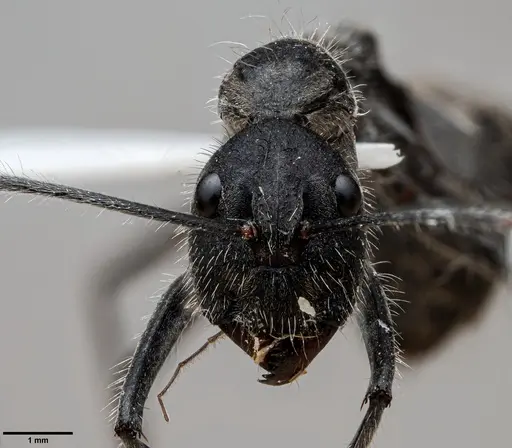
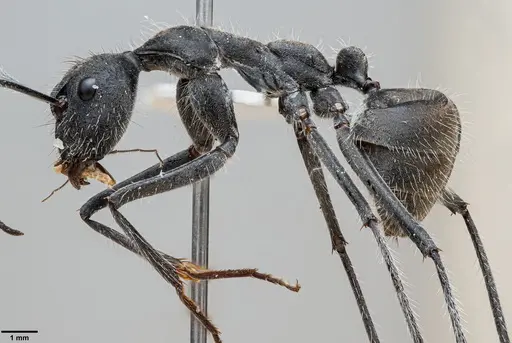
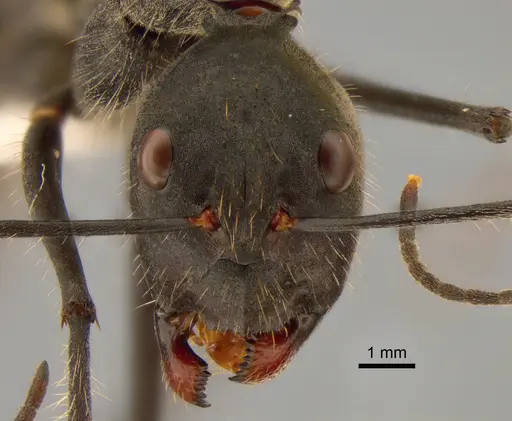
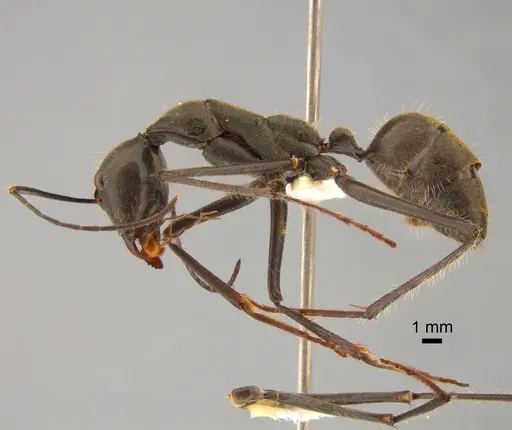
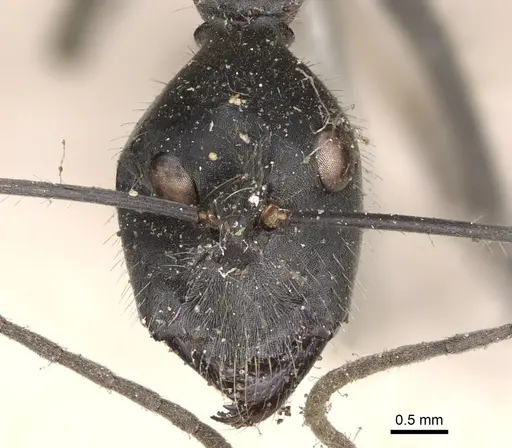
Camponotus camelinus is a large, striking ant species native to the Indomalaya region, found across India, Southeast Asia, and the Malay Peninsula. Workers are impressively sized at 14-15mm, with a robust black body covered in abundant erect hairs and fine surface texture. The head is oval-shaped, the thorax is compact, and the abdomen is notably massive. This species nests in both ground cavities and tree trunks, commonly found in mixed deciduous forests across its range [1][2]. What makes C. camelinus stand out is its preference for tropical forest environments and its relatively high sugar concentration requirements, it needs sucrose solutions of 12-16% to feed properly, which is stronger than what many other ants accept [3].
Quick Summary
- Difficulty: Medium
- Origin & Habitat: Native to the Indomalaya region including India, Myanmar, Thailand, Laos, Malaysia, Singapore, Indonesia (Sumatra), and Borneo. Found in mixed deciduous forests at various elevations up to 950m. Nests in both ground cavities and tree trunks [1][4][2].
- Colony Type: Single-queen colonies (monogyne). Based on typical Camponotus patterns, colonies likely have one reproductive queen with workers replacing her if she dies.
- Colony: Monogyne
- Founding: Claustral
- Size & Growth:
- Queen: Estimated 16-20mm based on genus patterns
- Worker: 14-15mm [2]
- Colony: Estimated several thousand workers based on genus patterns
- Growth: Moderate
- Development: 6-8 weeks at optimal temperature based on typical Camponotus development (Development time is inferred from related Camponotus species as no direct study exists for this species)
- Antkeeping:
- Temperature: Keep at 24-28°C. As a tropical species from Southeast Asia, they need warm, stable temperatures. A heating cable on one side of the nest creates a gentle gradient
- Humidity: Moderate to high humidity (60-80%). Mist the outworld occasionally and keep the nest substrate slightly moist but not waterlogged. Provide a water tube for drinking
- Diapause: No, being a tropical species, they do not require hibernation. Keep temperatures consistent year-round
- Nesting: Y-tong (AAC) nests work well for this larger species. They also accept plaster nests or naturalistic setups with soil. Provide chambers scaled to their 14-15mm worker size. They may use both ground-level and elevated nesting sites
- Behavior: Workers are active foragers that search for food both on the ground and up tree trunks. They are not particularly aggressive but will defend their colony if threatened. Larger workers (majors) may develop and assist with brood care and food storage. Escape prevention is important, use standard barriers like fluon on test tube rims. Their large size makes them easier to contain than tiny ants, but they are strong climbers.
- Common Issues: colonies may stall if temperatures drop below 24°C, keep them warm, sugar water concentration needs to be higher (12-16%) than for many other ants, weaker solutions may be rejected, tropical species can struggle in air-conditioned rooms, avoid cold drafts, slow founding phase is normal, claustral queens take time to raise first workers, large colony sizes require expanding to larger setups eventually
Housing and Nest Setup
Camponotus camelinus is a large species that needs appropriately sized housing. For founding colonies, a standard test tube setup works well, the queen seals herself in and raises her first brood in a dark, humid chamber. Once the colony reaches 15-20 workers, you can move them to a Y-tong (AAC) formicarium or a plaster nest. The chambers should be sized for 14-15mm workers, avoid overly tight spaces but also avoid huge open areas that can make them feel insecure. Provide a water tube connected to the nest for humidity and drinking access. An outworld for foraging is essential once the colony grows beyond the founding stage. Use standard escape prevention like fluon on edges, though their large size makes them easier to contain than tiny ants.
Feeding and Diet
Like most Camponotus species, C. camelinus is omnivorous. They need protein for brood development (live insects like crickets, mealworms, or roaches work well) and sugar for worker energy. Important note: this species requires higher sugar concentrations than many ants, they need 12-16% sucrose solutions to feed properly [3]. Standard sugar water (around 10%) may be too weak and rejected. Make honey water on the stronger side, or use pure honey. Feed protein 2-3 times per week, and keep sugar sources constantly available. Remove uneaten prey after 24 hours to prevent mold. Large workers can store food in their social stomachs and share with the colony.
Temperature and Seasonal Care
Being a tropical species from Southeast Asia and India, Camponotus camelinus needs warm conditions year-round. Keep the nest area at 24-28°C for optimal brood development. Temperatures below 24°C can slow colony growth significantly. Use a heating cable on one side of the nest to create a temperature gradient if your room is cooler. Avoid placing the colony near air conditioning vents or cold windows. Since they come from tropical forests, they do not require hibernation or diapause, maintain consistent temperatures throughout the year. A slight drop at night is natural, but avoid dramatic temperature swings.
Colony Development and Growth
Camponotus camelinus follows typical claustral founding, the queen seals herself in a chamber, lays eggs, and raises the first workers entirely on her stored body fat reserves. The first workers (nanitics) will be smaller than normal workers. After they emerge, the queen stops foraging and the workers take over all food collection. Growth rate is moderate, expect 6-8 weeks from egg to first worker at optimal temperature. Once established, colonies can grow to several thousand workers over several years. Major workers (soldiers) may develop in larger colonies, characterized by their enlarged heads. Be patient during the founding phase, queens can take months to produce their first workers, and this is normal.
Behavior and Temperament
This species is generally calm and not particularly aggressive toward keepers. Workers are active foragers that search both on the ground and up vertical surfaces (reflecting their natural tree-trunk nesting). They are day-active and will establish regular foraging patterns once the colony is established. When threatened, they may raise their abdomen in warning or bite, but their large size makes them easy to handle. They communicate through chemical trails and will recruit workers to good food sources. Their large worker size means they are less likely to escape through tiny gaps compared to small ants, but they are still capable climbers.
Frequently Asked Questions
How long does it take for Camponotus camelinus to produce first workers?
Expect 6-8 weeks from egg to first worker at optimal temperature (24-28°C). This is based on typical Camponotus development patterns since specific timing for this species hasn't been studied. The founding queen is claustral, she seals herself in and raises the first brood alone using stored fat reserves.
What do Camponotus camelinus ants eat?
They are omnivorous. Feed protein (live crickets, mealworms, or other insects) 2-3 times per week, and keep sugar sources constantly available. Important: they need stronger sugar water, 12-16% sucrose concentration, which is higher than many ants accept. Standard weaker solutions may be rejected.
Do Camponotus camelinus ants need hibernation?
No. As a tropical species from Southeast Asia and India, they do not require hibernation. Keep temperatures consistent year-round at 24-28°C. Do not expose them to cold temperatures or simulate winter, this can harm the colony.
How big do Camponotus camelinus colonies get?
Workers are already large at 14-15mm. Based on typical Camponotus patterns, established colonies can reach several thousand workers over several years. Major workers may develop in larger colonies.
Are Camponotus camelinus good for beginners?
They are medium difficulty. The main challenges are their need for higher sugar concentrations and warm temperatures year-round. They are not as forgiving as some harder Camponotus species, but their large size makes them easier to handle and observe than tiny ants.
What temperature do Camponotus camelinus need?
Keep them at 24-28°C. This tropical species needs warm, stable conditions. Use a heating cable on one side of the nest if your room is cooler. Avoid cold drafts from air conditioning.
Can I keep multiple Camponotus camelinus queens together?
No. This species is monogyne, single-queen colonies. Multiple unrelated queens will fight. Only keep one queen per colony. If you find a wild colony, it will have only one reproductive queen.
When should I move Camponotus camelinus to a formicarium?
Move them once they reach 15-20 workers or when the test tube becomes crowded. A Y-tong (AAC) nest works well for this species. Make sure the formicarium has appropriately sized chambers for 14-15mm workers and provides humidity control.
Why is my Camponotus camelinus colony not growing?
Check three things: 1) Temperature, they need 24-28°C, cooler slows development significantly. 2) Sugar concentration, they need 12-16% sucrose, weaker solutions may be rejected. 3) Protein, ensure regular protein feeding for brood development. Also remember that founding colonies are naturally slow.
References

This caresheet is licensed under CC BY-SA 4.0 .
ANTWEB1060663
View on AntWeb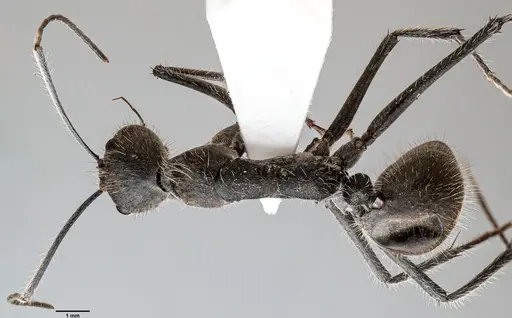
CASENT0882206
View on AntWeb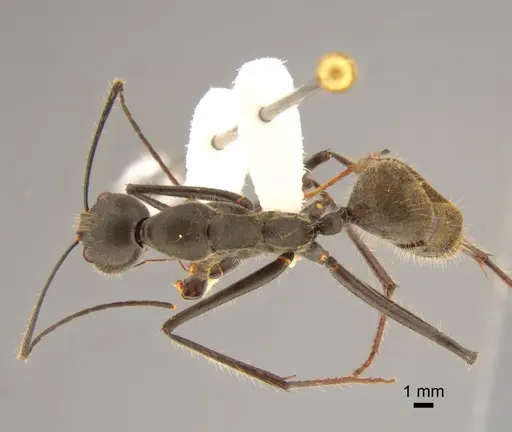
CASENT0901905
View on AntWeb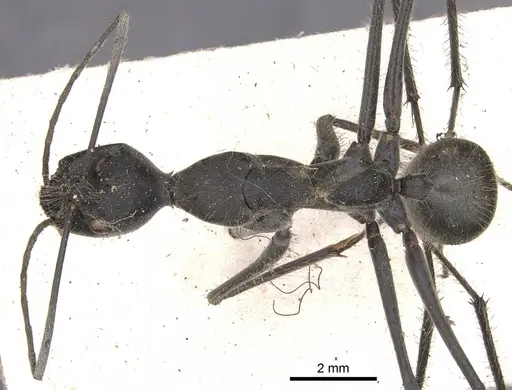
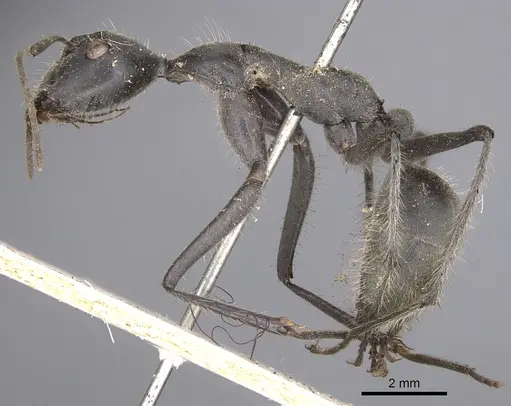
CASENT0906945
View on AntWeb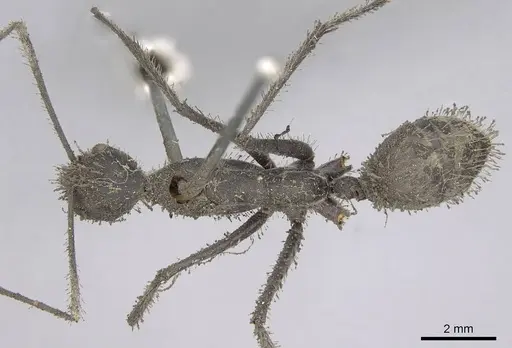
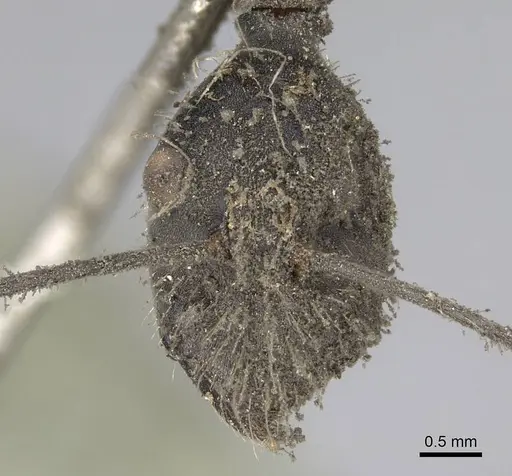
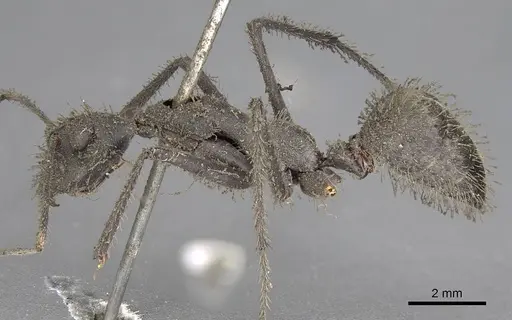
Literature
Loading...Loading products...