
Camponotus chromaiodes has a tightly defined flight window centered on April. Most nuptial flights occur within just 2 months, making this a highly predictable species for collectors. The concentrated timeframe makes peak months critical for sightings.
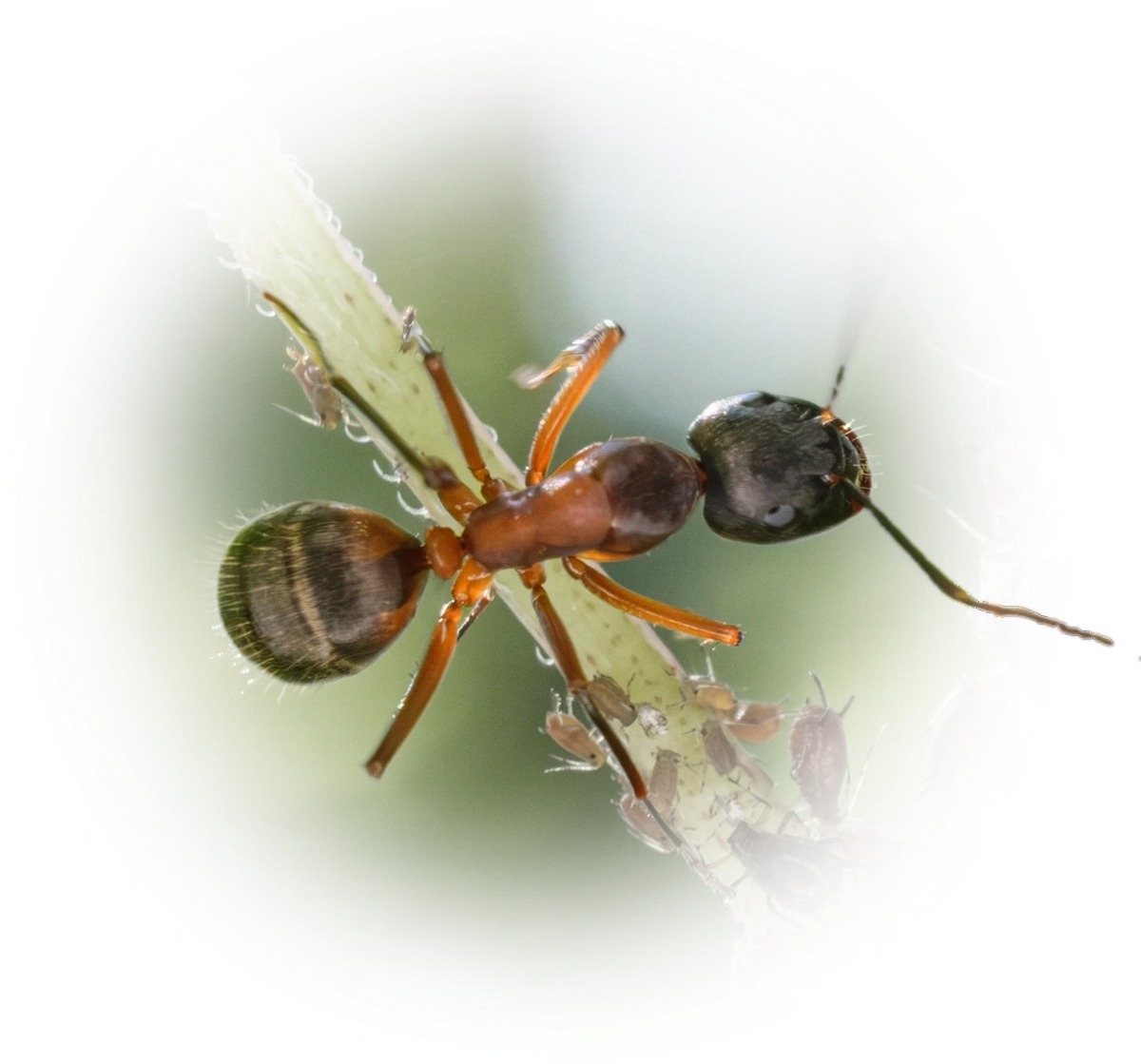
Camponotus chromaiodes
- Scientific Name
- Camponotus chromaiodes
- Tribe
- Camponotini
- Subfamily
- Formicinae
- Author
- Bolton, 1995
- Common Name
- Red Carpenter Ant
- Distribution
- Found in 1 countries
- Nuptial Flight
- from April to May, peaking in April
AI Identifiable
try →
Camponotus chromaiodes Overview
Camponotus chromaiodes (commonly known as the Red Carpenter Ant) is an ant species of the genus Camponotus. It is primarily documented in 1 countries , including United States of America. Detailed taxonomic data and occurrence records can be further explored via authoritative databases such as AntWeb or the Global Biodiversity Information Facility (GBIF).
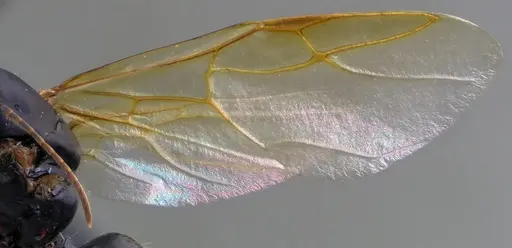
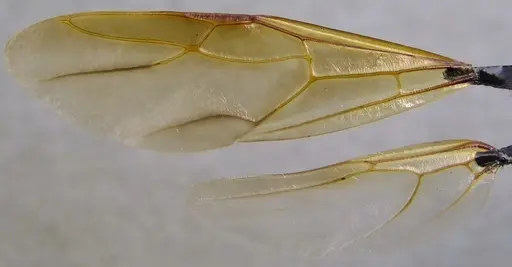
The nuptial flight of Camponotus chromaiodes is a significant biological event, typically occurring from April to May, peaking in April. During this time, winged queens and males leave the nest to mate and establish new colonies.
Camponotus chromaiodes - "Red Carpenter Ant"
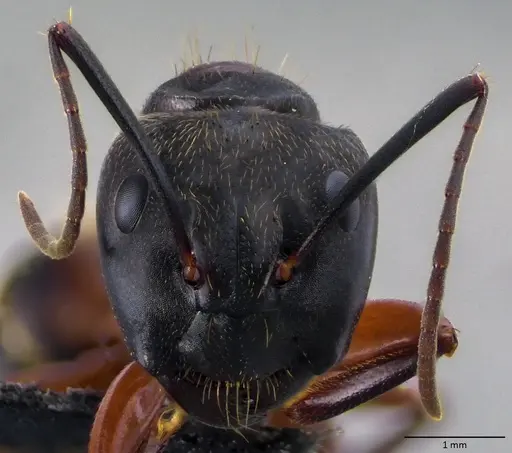
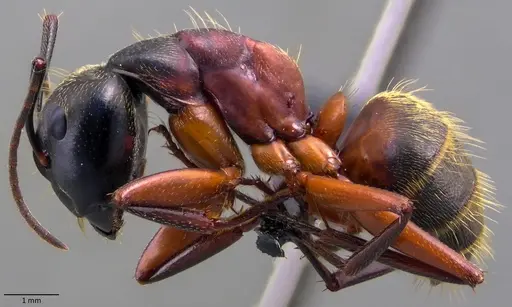
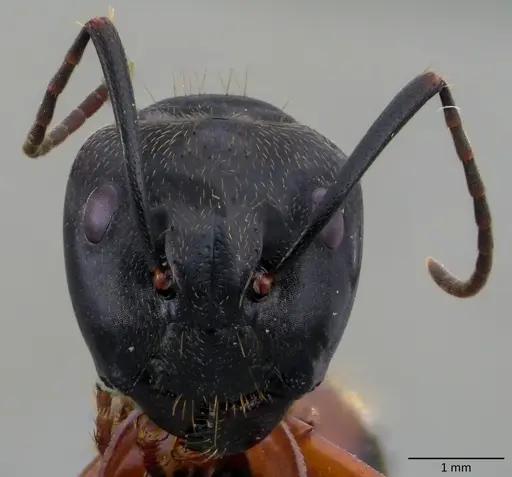
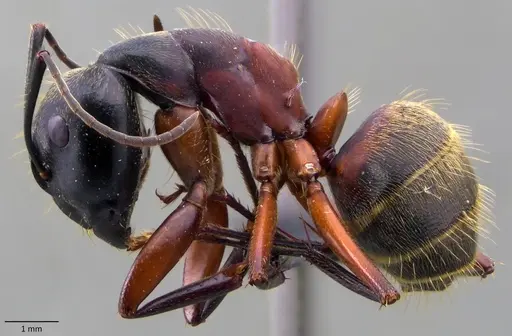
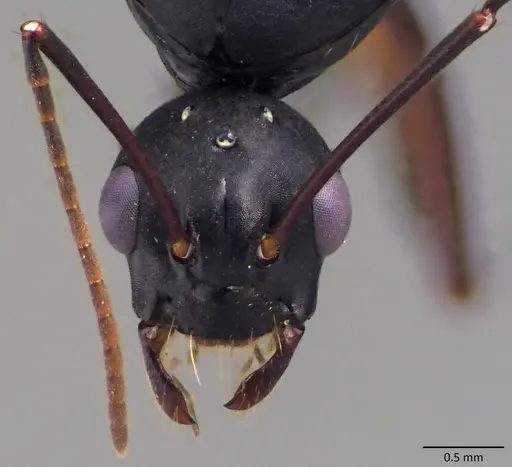
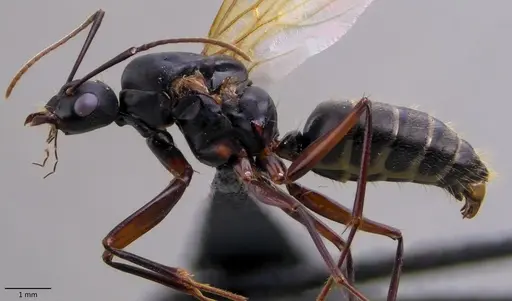
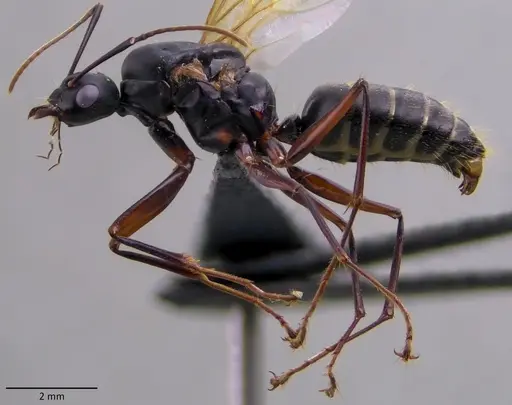
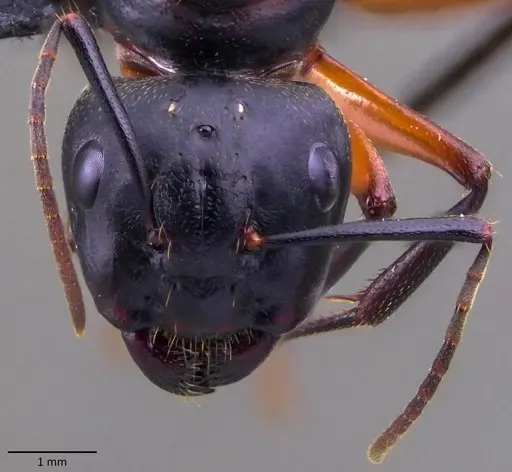
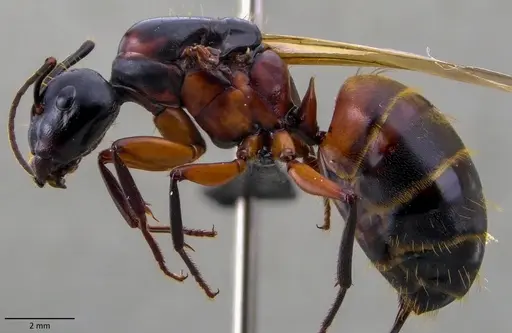
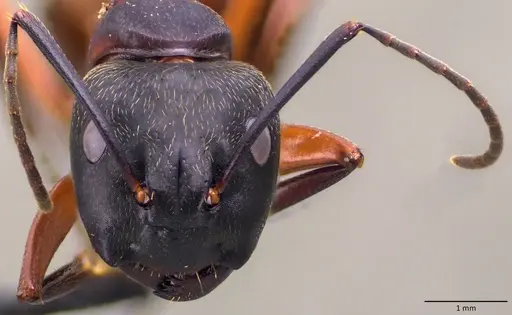
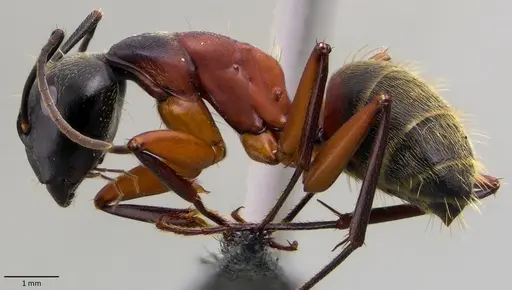
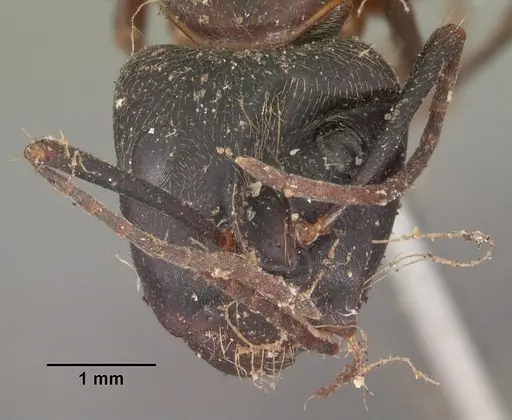
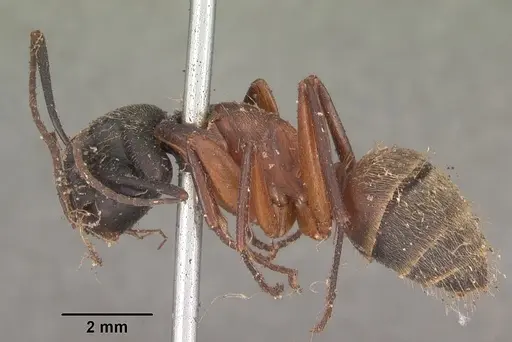
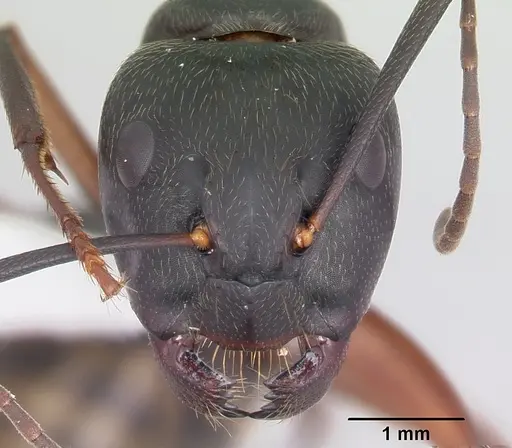
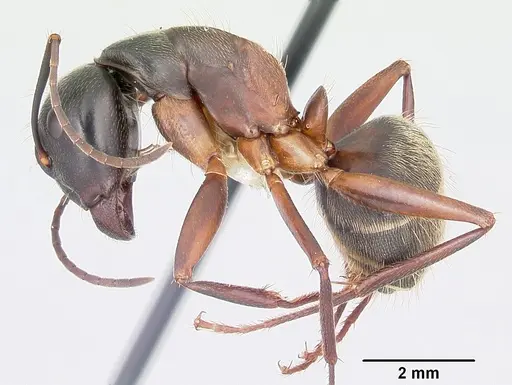
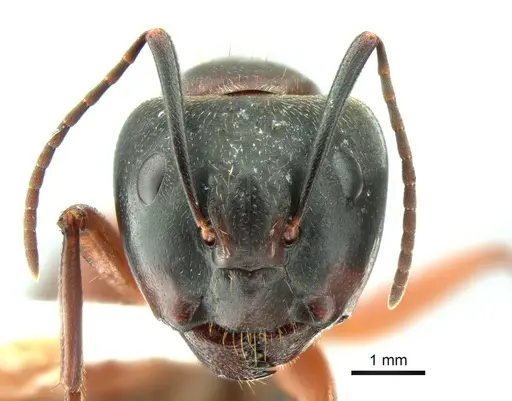
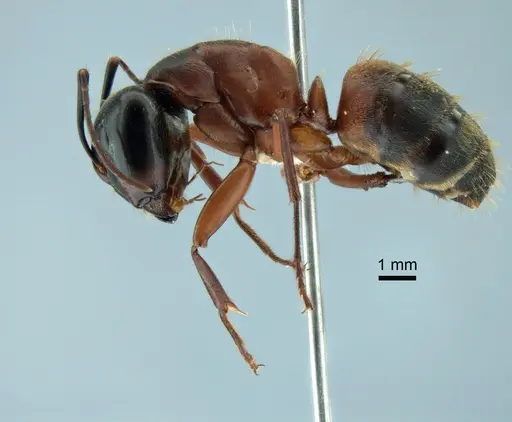
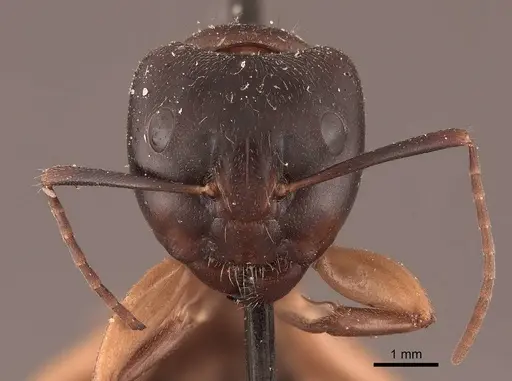
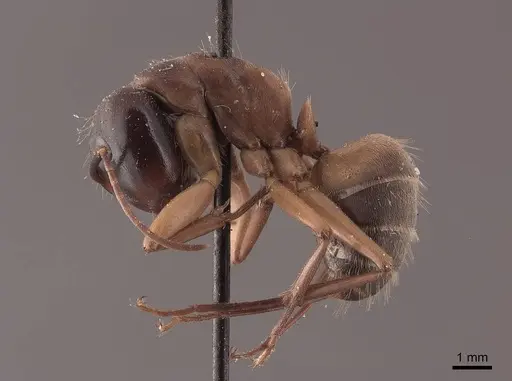
Camponotus chromaiodes is a large carpenter ant native to the eastern United States. Workers range from 6-13mm, with majors significantly larger than minors. They have a striking bicolored appearance: the head and gaster are black, while the mesosoma (middle body section) is a deep rusty red, with legs also showing red coloration. The gaster is covered in golden appressed hairs that give it a distinctive golden sheen. This is a lowland forest species that nests in rotting wood and soil, often in hickory-oak forests. They are closely related to Camponotus pennsylvanicus but can be distinguished by the reddish-brown edge on the front of the gaster. Colonies can reach 3,000-12,000 workers and are typically founded by a single queen who seals herself inside a chamber to raise the first brood.
Quick Summary
- Difficulty: Easy
- Origin & Habitat: Eastern United States, from New York south to Georgia, west to Michigan, Illinois, Nebraska, and Kansas. Also found in southern Canada (Connecticut, Massachusetts, Michigan). Inhabits deciduous and mixed forests, particularly oak-hickory woodlands, where they nest in rotting logs, stumps, dead trees, and soil beneath dead wood [1][2].
- Colony Type: Monogyne (single-queen colonies). The nest is founded by a single female, though occasionally multiple dealate females (up to three) may be found in established nests [3][1].
- Colony: Monogyne
- Founding: Claustral
- Size & Growth:
- Queen: Larger than workers, queens are significantly bigger with dark mesosoma [1].
- Worker: Major workers: 6-13mm, Minor workers: 6-13mm [1][2].
- Colony: 100-3,000 workers (Smith,1965) or 3,000-12,000 workers in mature colonies [1][4].
- Growth: Moderate, intermediate and major workers don't appear until the third season [5].
- Development: 6-8 weeks at optimal temperature, based on typical Camponotus development patterns. (First workers (nanitics) are smaller than normal workers. Major workers develop in the third season.)
- Antkeeping:
- Temperature: Keep nest area at 20-24°C. They tolerate a range from 18-26°C and will occupy warmer chambers in heated setups. A heating cable on one side of the nest creates a temperature gradient they can choose between [6][7].
- Humidity: High humidity required, they naturally nest in moist rotting wood and soil. Keep substrate consistently damp but not waterlogged. Provide a water tube as their primary moisture source.
- Diapause: Yes, they require a winter rest period. Reduce temperature to 10-15°C for 3-4 months (November-February in the Northern Hemisphere). Reduce feeding during this time.
- Nesting: Prefers nesting in wood or wood-soil combinations. In captivity, they do well in Y-tong (AAC) nests, plaster nests with water channels, or naturalistic setups with rotting wood pieces. They will extend galleries into soil if provided. Avoid completely dry setups.
- Behavior: Generally calm and non-aggressive for a carpenter ant. Workers are primarily nocturnal but also forage during the day. They are foragers that hunt small insects, collect honeydew from aphids, and feed on fruit juices and plant saps. They can bite if threatened but rarely sting. Escape risk is moderate, they are large ants but can climb smooth surfaces. Use standard barrier methods (Fluon on rim edges). They are subordinate Camponotini and often coexist with other ant species in their range.
- Common Issues: humidity management is critical, too dry causes colony decline, too wet leads to mold, large colony size means they need significant space as they grow, plan for eventual formicarium expansion, winter diapause is essential, colonies that aren't cooled properly may have reduced longevity, they prefer wood-based nests, acrylic-only setups may be rejected until they have no choice, founding colonies are slow to establish, beginners often give up before first workers arrive
Nuptial Flight Activity Analysis 2230 observations
Flight Activity by Hour 2230 observations
Camponotus chromaiodes nuptial flight activity peaks around 17:00 during the afternoon. Activity is spread across a 13-hour window (10:00–22:00). Times may be influenced by human observation patterns.
Housing and Nest Setup
Camponotus chromaiodes does best in nests that mimic their natural habitat of rotting wood and soil. Y-tong (AAC) nests work very well, as do plaster nests with water channels to maintain humidity. They prefer chambers that are not too large, tight spaces help them feel secure. If using a naturalistic setup, provide pieces of rotting wood (like oak or pine) partially buried in soil. The wood should be soft enough that workers can excavate galleries. A test tube setup works for founding colonies, use a second water tube connected to the first once the colony reaches 15-20 workers. Always provide a dark area for the nest, these ants prefer dim conditions and will move brood away from light. Outworld space should be adequate for foragers, a foraging area of at least 10x10cm works for starting colonies, expanding as the colony grows. [1][2]
Feeding and Diet
In the wild, workers feed on small insects, honeydew from aphids and scale insects, fruit juices, and plant saps. In captivity, offer a varied diet: protein sources like mealworms, small crickets, or freeze-dried insects 2-3 times per week. Sugar is important, offer honey water or sugar water constantly, especially for colony growth. They also accept fruit (especially overripe fruit) and will tend aphids if given access to plants. Remove uneaten prey after 24-48 hours to prevent mold. During founding, the queen does not eat, she survives on stored fat reserves. Once workers arrive, they will collect food from the foraging area. Feed more generously in summer when the colony is active and growing, reduce significantly during winter diapause. [1][2][4]
Temperature and Seasonal Care
Maintain nest temperature around 20-24°C for optimal brood development. They can tolerate temperatures from 18-26°C, but growth slows outside this range. In warm sites, they naturally occupy relatively heated chambers, so a modest heat gradient is beneficial. Use a heating cable on one side of the nest (placed on top, not under, to avoid drying) allowing workers to choose their preferred temperature. Winter diapause is required, from November through February (or roughly 3-4 months), reduce temperature to 10-15°C. This mimics their natural cycle and is essential for colony health and longevity. During diapause, move them to a cool location like an unheated garage or basement. Reduce feeding during this period, offer a small amount of sugar water monthly but no protein. Return to normal temperatures gradually in spring. [6][7][4]
Colony Development and Growth
This species has moderate growth compared to other carpenter ants. The claustral queen seals herself in a chamber and does not leave to forage, she raises the first brood alone using stored energy reserves. First workers (nanitics) appear in 6-8 weeks under optimal conditions and are smaller than normal workers. The colony grows slowly at first, expect only 10-20 workers by end of first year. Intermediate and major workers (the large-headed soldiers) don't appear until the third season. A mature colony can reach 3,000-12,000 workers over several years. Patience is key with this species, they are a long-term commitment. Colonies that survive the first year typically become established and grow steadily. Major workers serve as defenders and can crack open larger prey items. [5][1][4]
Behavior and Temperament
Camponotus chromaiodes is one of the more docile carpenter ant species. Workers are not aggressive and will typically flee rather than fight when disturbed. However, they can deliver a moderately painful bite if handled roughly or their nest is threatened. They are primarily nocturnal foragers but remain active during the day as well. Workers search for food individually rather than using recruitment trails (though they may lead nestmates to good food sources). They are competitive with other ant species and often dominate Aphaenogaster in direct encounters. They show arboreal searching behavior and will climb vegetation to access honeydew. In captivity, they are generally calm and easy to observe. They are not escape artists in the same way as tiny ants, standard barrier methods work well. [1][4]
Unique Biology: Bacterial Symbionts
Like all Camponotus species, C. chromaiodes carries a special bacterial symbiont called Blochmannia chromaiodes inside their cells. This bacteria lives in the ant's body and provides essential nutrients, particularly amino acids and vitamins, that the ants cannot synthesize themselves. The bacteria is passed from mother to offspring (transovarial transmission). This symbiosis is so tight that the bacteria cannot survive outside the ant host. In captivity, you don't need to do anything special, the ants maintain this relationship naturally. This is one reason why proper nutrition is important: the bacteria help process the food your ants eat. The ants also commonly host Wolbachia bacteria. Additionally, this species is a known host for the eastern ant cricket (Myrmecophilus pergandei), a small cricket that lives in ant colonies. [4]
Frequently Asked Questions
How long does it take for Camponotus chromaiodes to have first workers?
First workers (nanitics) typically appear 6-8 weeks after the queen lays eggs, at optimal temperature (around 22°C). The colony will be slow to grow in the first year, don't be alarmed if you only have 10-20 workers by winter. Major workers don't appear until the third season.
Do Camponotus chromaiodes need hibernation?
Yes, they require a winter diapause period of 3-4 months. Reduce temperature to 10-15°C from roughly November to February. This is essential for colony health and mimics their natural seasonal cycle. Keep them in a cool location like an unheated garage or basement during this time.
What do Camponotus chromaiodes eat?
They need a varied diet: protein (insects like mealworms, small crickets) 2-3 times per week, and constant access to sugar (honey water or sugar water). They also accept fruit and will collect honeydew if given access to aphids. Remove uneaten food promptly to prevent mold.
Can I keep multiple Camponotus chromaiodes queens together?
No, this is a monogyne species with single-queen colonies. While occasionally multiple dealate females are found in wild nests, this is not typical and combining unrelated queens in captivity is not recommended and will likely result in fighting.
Are Camponotus chromaiodes good for beginners?
Yes, they are considered a good beginner species. They are larger and more forgiving of minor care mistakes than small tropical ants. They are docile, don't sting, and have straightforward temperature and humidity needs. The main challenges are their slow growth and need for winter diapause.
What size nest do Camponotus chromaiodes need?
Start with a test tube setup for founding colonies. Once the colony reaches 15-30 workers, you can move to a small formicarium (Y-tong or plaster nest). They need room to expand, a mature colony of thousands will need significant space. Plan for eventual expansion.
Why is my Camponotus chromaiodes colony declining?
Common causes include: too low humidity (keep substrate damp), temperatures outside their preferred range (20-24°C), insufficient protein in diet, or stress from too much light/disturbance. Also ensure they had proper winter diapause. Check for mold in the nest as well.
When should I move Camponotus chromaiodes to a formicarium?
Move them when the test tube setup becomes crowded (30+ workers) or when the water reservoir runs low. They do well in Y-tong or plaster nests. Make sure the new nest has appropriate humidity and darkness. They may reject acrylic-only setups initially, wood or plaster is preferred.
How big do Camponotus chromaiodes colonies get?
Mature colonies can reach 3,000 to 12,000 workers over several years. This is a long-lived species, a healthy colony can live for 10+ years. They are a multi-year commitment but very rewarding to watch grow.
References

This caresheet is licensed under CC BY-SA 4.0 .
ANTWEB1041612
View on AntWeb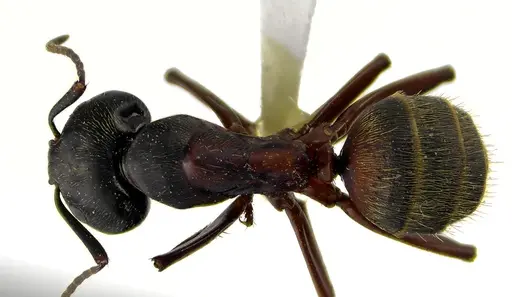
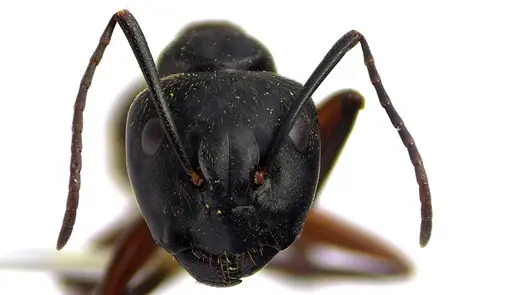
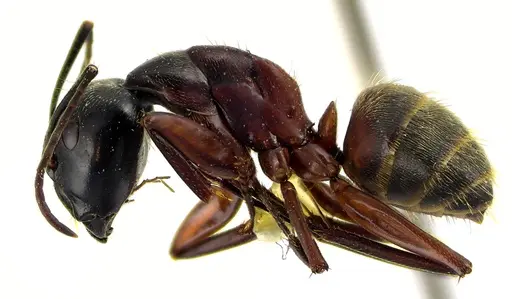
ANTWEB1060087
View on AntWeb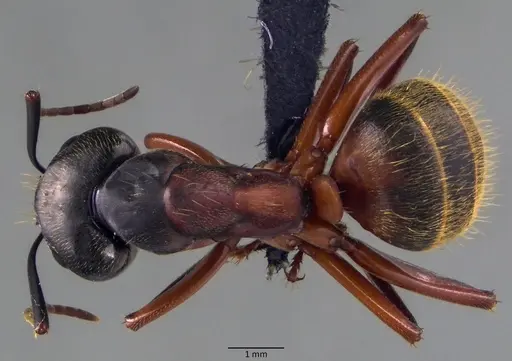
ANTWEB1060095
View on AntWeb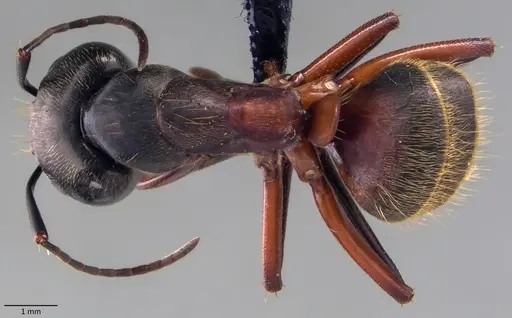
ANTWEB1060119
View on AntWeb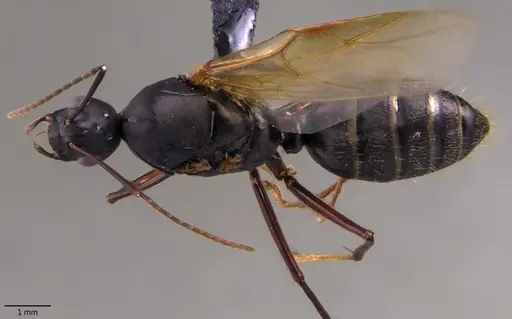
ANTWEB1060120
View on AntWeb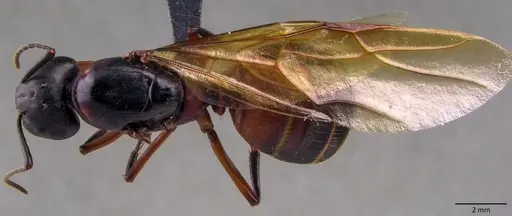
ANTWEB1060127
View on AntWeb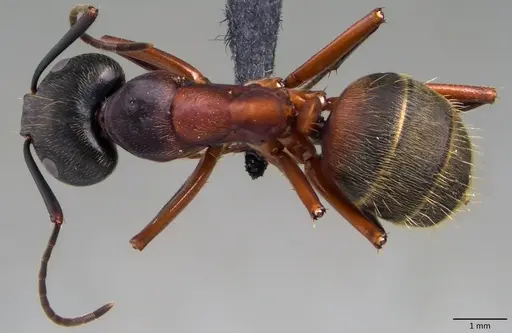
CASENT0102534
View on AntWeb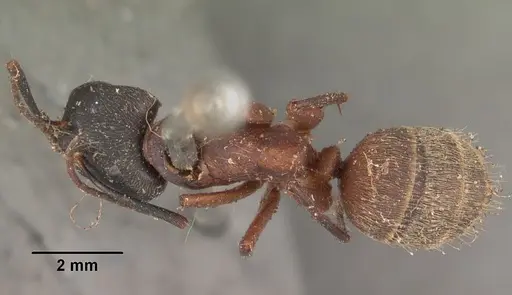
CASENT0104763
View on AntWeb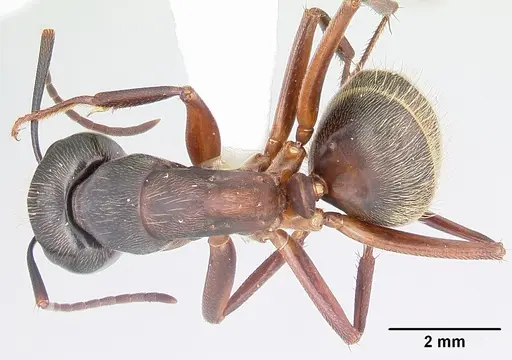
CASENT0221022
View on AntWeb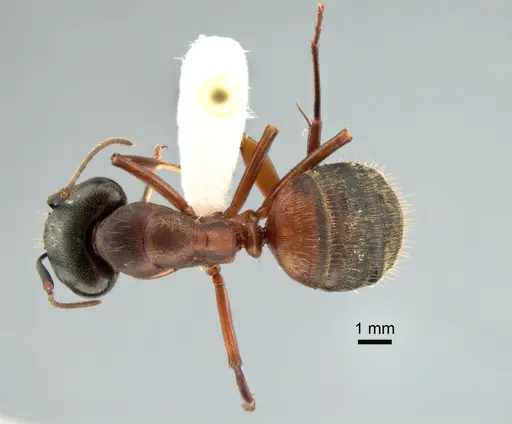
FMNHINS0000045774
View on AntWeb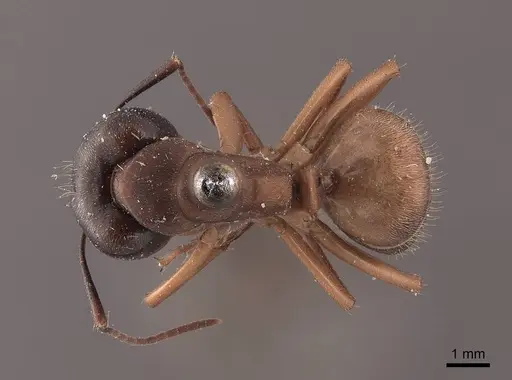
Literature
Loading...Loading products...