

Camponotus bedoti
- Scientific Name
- Camponotus bedoti
- Subgenus
- Myrmamblys
- Tribe
- Camponotini
- Subfamily
- Formicinae
- Author
- Emery, 1893
- Distribution
- Found in 4 countries
Camponotus bedoti Overview
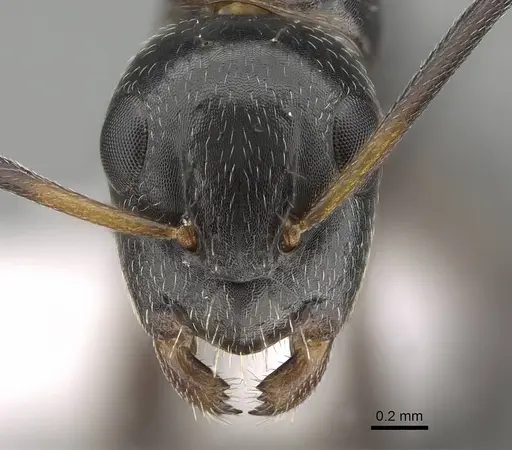
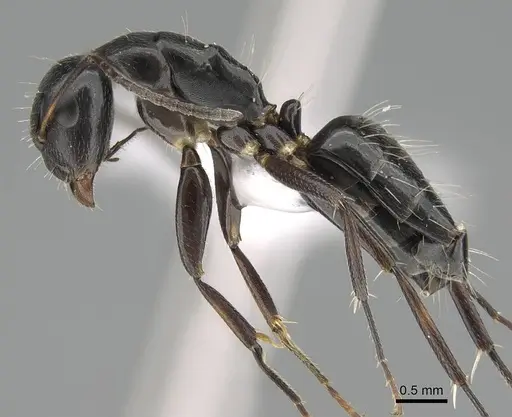
Camponotus bedoti is an ant species of the genus Camponotus. It is primarily documented in 4 countries , including Indonesia, Malaysia, Solomon Islands. Detailed taxonomic data and occurrence records can be further explored via authoritative databases such as AntWeb or the Global Biodiversity Information Facility (GBIF).
Camponotus bedoti
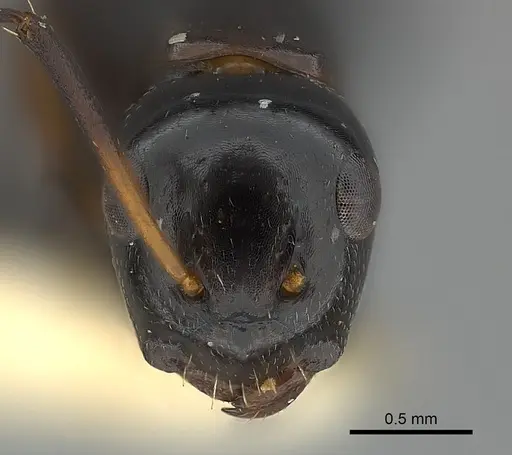
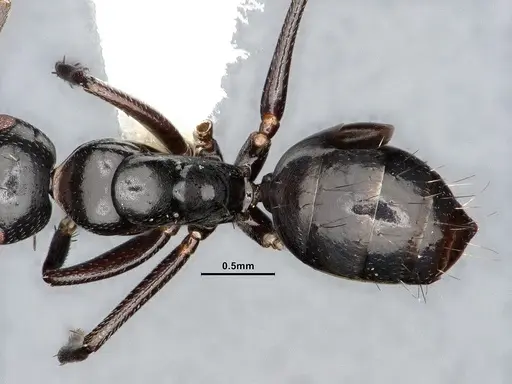
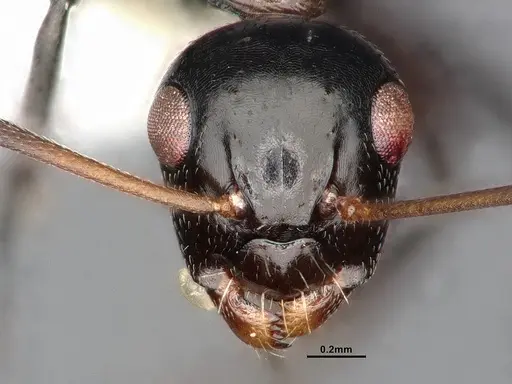
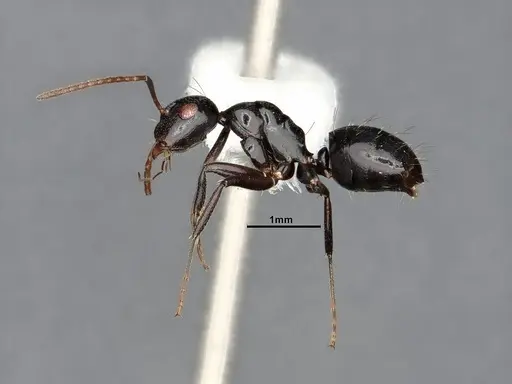
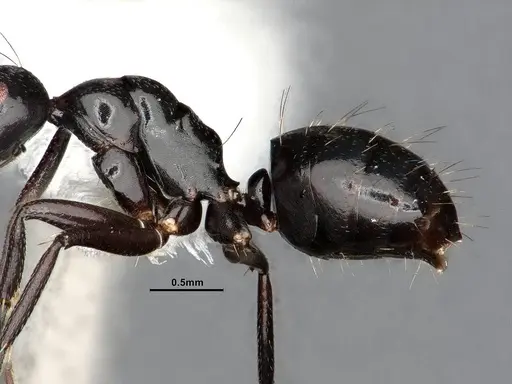
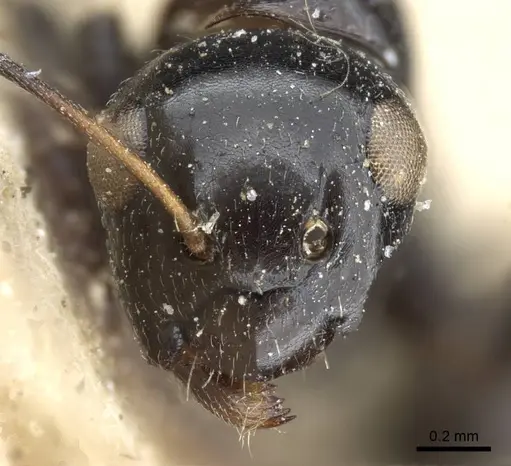
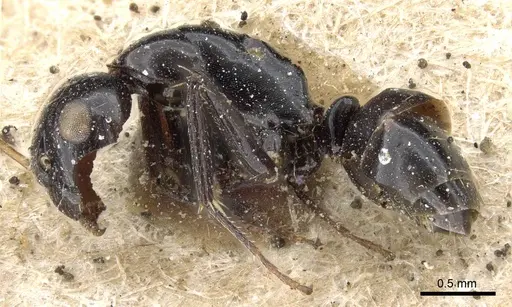
Camponotus bedoti is a medium-sized carpenter ant found across Southeast Asia and the Pacific region, from southern China through Indonesia, Malaysia, and the Solomon Islands [1][2]. Workers are typically 6-10mm with the characteristic saddle-shaped propodeum (the middle body section where it meets the abdomen) that helps identify this species within the Camponotus genus [3]. The species was previously classified as a subspecies of Camponotus reticulatus but is now recognized as a distinct species [1].
This ant is a subordinate species in its ecosystem, it lives in lowland dipterocarp forests and is not dominant, typically being outcompeted by more aggressive ant species [4]. Colonies are found in rotting wood and forest floor habitats, and they are one of the most widely distributed ant species in the Solomon Islands, recorded on 17 different islands [1].
Quick Summary
- Difficulty: Easy
- Origin & Habitat: Native to Southeast Asia and the Pacific: China, Indonesia (Java, Sumatra, Krakatau, Maluku Islands), Malaysia (Sarawak), Singapore, Papua New Guinea, Solomon Islands, and Brunei [1][2]. Found in lowland dipterocarp forests and agricultural areas at lower elevations [2][4].
- Colony Type: Single-queen colonies (monogyne). Based on typical Camponotus patterns, colonies likely have one founding queen that establishes the nest alone.
- Colony: Monogyne
- Founding: Claustral
- Size & Growth:
- Queen: Estimated 12-15mm based on Camponotus genus patterns
- Worker: 6-10mm [3]
- Colony: Estimated several thousand workers based on typical Camponotus colony sizes
- Growth: Moderate
- Development: 6-8 weeks at optimal temperature based on typical Camponotus development (Development time follows typical Camponotus patterns, queens seal themselves in and raise first workers alone. First workers (nanitics) are smaller than mature workers.)
- Antkeeping:
- Temperature: Keep at 24-28°C. This is a tropical/subtropical species from warm, humid forests, so they need consistent warmth. A heating cable on one side of the nest creates a gradient they can regulate themselves.
- Humidity: Keep the nest substrate moderately moist. These forest-floor ants prefer damp conditions but not waterlogged. Aim for substrate that feels damp but not soggy, with some drier areas available.
- Diapause: No, this is a tropical species that does not require hibernation. Keep temperatures stable year-round.
- Nesting: In captivity, they do well in Y-tong (acrylic) nests or plaster nests that retain moisture. They are wood-nesting ants, so avoid overly dry environments. A test tube setup works for founding colonies.
- Behavior: Generally calm and non-aggressive. As a subordinate species in the wild, they avoid conflict with more dominant ants. Workers are moderate foragers that search for sugary liquids and protein. They are not particularly aggressive and rarely sting, their bite is mild. Escape prevention should be moderate as they are a medium-sized ant, but they are not known escape artists like some tiny species.
- Common Issues: tropical species needs warmth, cold temperatures below 20°C can slow or stop brood development, colonies may struggle if humidity drops too low, dry conditions cause desiccation, wild-caught colonies may carry parasites that affect captive survival, slow initial growth during founding phase can lead to impatient keepers abandoning colonies, test tube flooding can drown founding queens, use appropriate water reservoir size
Housing and Nest Setup
Camponotus bedoti does well in standard ant keeping setups. For founding colonies, a test tube setup works perfectly, the queen seals herself in and needs no intervention until her first workers emerge. Once the colony reaches 15-20 workers, you can move them to a more permanent nest.
Y-tong (acrylic) nests are ideal for this species because they hold humidity well and allow you to observe the colony. Plaster nests also work well, especially if you want to maintain consistent moisture. Avoid wooden formicariums as these ants may chew through weak points, and wood can dry out too quickly for this humidity-loving species.
The outworld (foraging area) should be simple, a plastic container with smooth walls and a barrier like fluon to prevent escapes. They are moderate foragers, so give them space to move prey and sugar water around.
Feeding and Diet
Like most Camponotus species, C. bedoti is omnivorous but prefers sugary foods. Offer sugar water, honey, or diluted maple syrup as a constant energy source. For protein, they accept most small insects: fruit flies, small crickets, mealworms, and wax moths.
Feed protein 2-3 times per week, adjusting based on colony size and consumption. Remove uneaten prey after 24-48 hours to prevent mold. Sugar water should always be available, change it every few days to prevent fermentation.
In the wild, they likely forage for honeydew from aphids and scale insects, plus hunt small invertebrates. Their subordinate status in the wild suggests they may be more opportunistic foragers, avoiding competition with dominant species.
Temperature and Humidity
This tropical species needs warmth to thrive. Keep the nest area at 24-28°C consistently. Temperatures below 20°C will slow brood development significantly, and prolonged cold can kill colonies. A small heating cable or heat mat under one side of the nest creates a temperature gradient that lets ants choose their comfort zone.
Humidity should be moderate to high, think damp forest floor. The nest substrate should feel moist but not waterlogged. Misting the outworld occasionally helps, but avoid getting the nest itself too wet. A water tube connected to the nest provides drinking water and helps maintain humidity.
As a tropical species, they do not need any winter cooling or diapause. Keep temperatures stable year-round. [2][4]
Colony Development
A claustral queen will seal herself in a small chamber and lay eggs without leaving to forage. She lives entirely on her stored fat reserves while raising the first brood. This founding phase typically takes 4-6 weeks before eggs hatch into larvae, then another 2-4 weeks for larvae to develop into workers.
The first workers (nanitics) are smaller than normal workers but will begin foraging once they emerge. After that, the colony grows steadily, expect moderate growth rate through the first year. A mature colony can reach several thousand workers over several years.
Be patient during founding, the queen may appear inactive but she is working. Do not disturb the nest during this phase as vibrations can stress her. Wait until you see workers before offering food.
Behavior and Temperament
Camponotus bedoti is a calm, non-aggressive species. Workers are relatively slow-moving and docile compared to some more active ant species. They are not particularly defensive and rarely attempt to sting, making them easy to handle.
As a subordinate species in the wild, they have evolved to avoid conflict rather than fight. This carries over to captivity, they are unlikely to attack aggressively even when their nest is disturbed. However, they will still defend their colony if directly threatened.
Foraging happens primarily at night or during dim lighting. Workers search the outworld for sugar sources and prey, then carry food back to the nest. They are not aggressive toward other ant species but will defend their food sources. [4]
Frequently Asked Questions
How long does it take for Camponotus bedoti to have first workers?
Expect first workers (nanitics) to emerge 6-8 weeks after the queen lays her first eggs, at optimal temperatures of 24-28°C. The queen seals herself in and raises the first brood alone, so this is a waiting game.
What temperature do Camponotus bedoti need?
Keep them at 24-28°C. This tropical species needs consistent warmth, temperatures below 20°C will slow or stop brood development. A heating cable on part of the nest creates a gradient.
Can I keep multiple Camponotus bedoti queens together?
No, this is a monogyne (single-queen) species. Multiple unrelated queens will fight. Only keep one queen per colony.
What do Camponotus bedoti eat?
They need a balanced diet: sugary liquids (sugar water, honey, maple syrup) constantly available, plus protein sources like small insects (fruit flies, mealworms, small crickets) 2-3 times per week.
Do Camponotus bedodi need hibernation?
No, this is a tropical species from warm climates. They do not require diapause or winter cooling. Keep temperatures stable year-round.
Are Camponotus bedoti good for beginners?
Yes, they are one of the easier Camponotus species to keep. They are docile, don't require hibernation, and adapt well to captivity. Just make sure to keep them warm and humid.
When should I move Camponotus bedoti to a formicarium?
Wait until the colony has 15-20 workers. Before that, a test tube setup is perfect for the founding queen. Moving too early can stress the colony.
How big do Camponotus bedoti colonies get?
Mature colonies can reach several thousand workers over several years. They grow at a moderate pace, not as fast as some species but steady.
Why is my Camponotus bedoti colony dying?
The most common causes are: temperatures too cold (below 20°C), humidity too low (dry conditions), or stress from disturbance during founding. Check your setup and make sure the queen has been left alone in a quiet, warm location.
References

This caresheet is licensed under CC BY-SA 4.0 .
CASENT0217612
View on AntWeb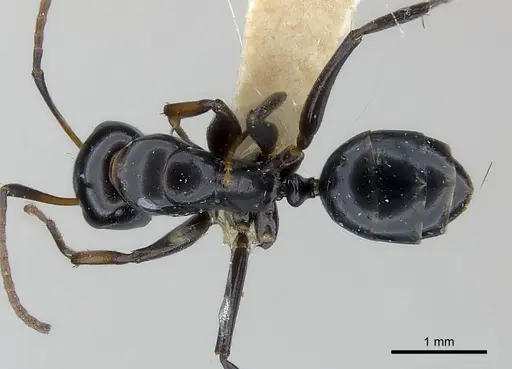
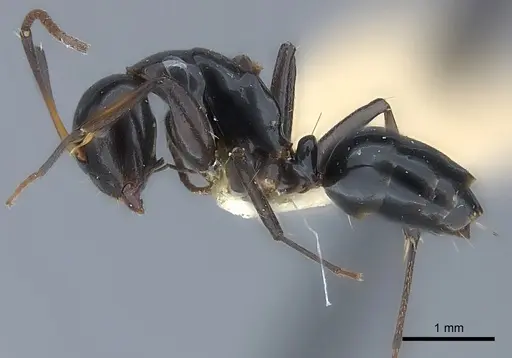
CASENT0885426
View on AntWeb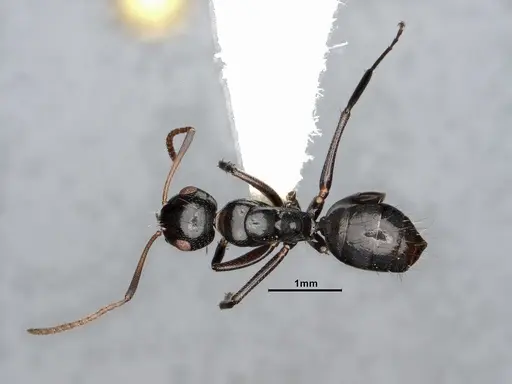
CASENT0905458
View on AntWeb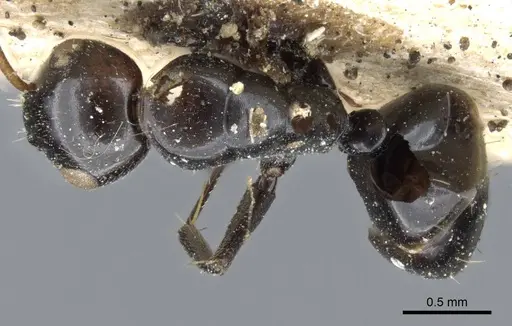
CASENT0919878
View on AntWeb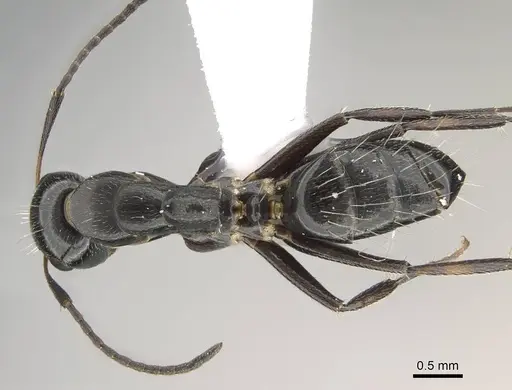
Literature
Loading...Loading products...