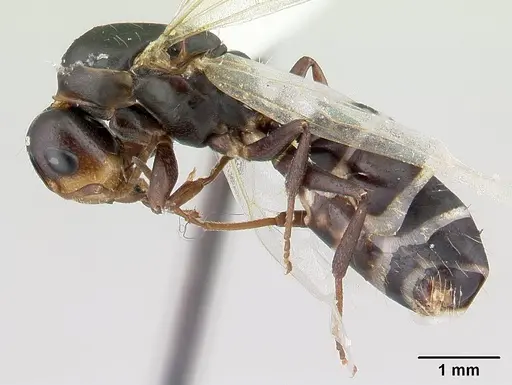
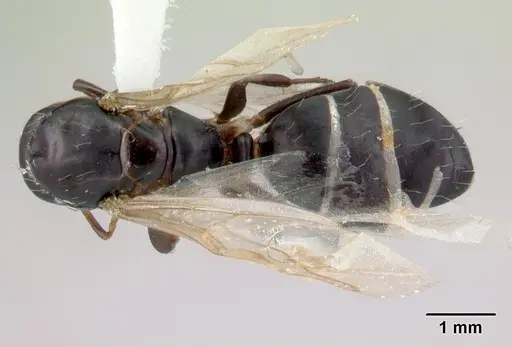
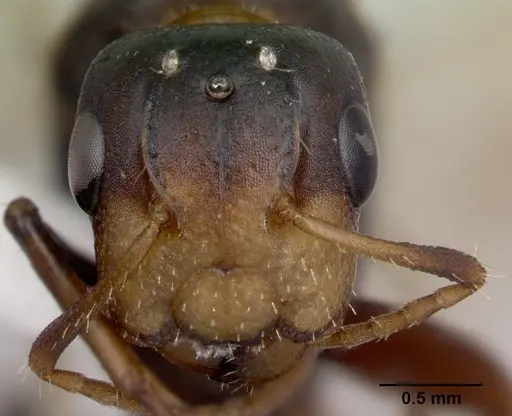
Camponotus reticulatus - "Reticulated Carpenter Ant"
Camponotus reticulatus is a fascinating carpenter ant species, recognized by its often large size and, for some subspecies like C. reticulatus sericellus, a distinctive reticulate or net-like pattern on its exoskeleton. Like other carpenter ants, these ants do not consume wood but excavate galleries within it to build their nests. They are highly social insects, forming complex colonies with a clear caste system. While their exact coloration can vary, they are typically robust ants, with workers ranging from medium to large in size. They are omnivorous, actively foraging for a variety of food sources in their diverse habitats.
- Difficulty: Medium
- Origin & Habitat: Afrotropical, Indo-Australian, Oriental, and Palaearctic regions, including Sri Lanka, India, Indonesia, Malaysia, Micronesia, Philippines, and Singapore. in Tropical and subtropical regions, found in various environments such as forests, grasslands, and urban areas. They commonly nest in rotten branches, dead wood, stumps, or sometimes in living trees and underground..
- Colony Type: Monogyne to Oligogyne (some colonies may have multiple queens that do not actively cooperate), claustral founding.
- Size & Growth:
- Queen: 10-14mm
- Worker: 5-7mm
- Colony: Medium (thousands) to Large (tens of thousands). Slow to Medium (initial growth is slow, with workers appearing after about 2 months from egg and majors taking longer) growth.
- Antkeeping:
- Temperature: Maintain a temperature range between 22-28°C (72-82°F) for optimal growth. Providing a slight temperature gradient within the nest allows the ants to choose their preferred warmth. Avoid consistently high temperatures above this range..
- Humidity: These ants prefer moderate humidity, generally between 50-70%. It's crucial to provide a humidity gradient in the nest, offering both a drier area and a slightly more humid section. Avoid excessively wet conditions, as this can lead to mold or stress..
- Diapause: Required. 3-6 months at 4-10°C.
- Nesting: Camponotus reticulatus thrive in formicariums that mimic their natural wood-nesting habits, such as acrylic, ytong, or even some specialized wooden nests (though they don't eat the wood). Nests with pre-made tunnels are suitable. Ensure a design that allows for distinct dry and humid zones..
- Behavior: Medium (defensive biting if threatened; can spray formic acid) aggressiveness.
- Common Issues: Mold in nest (due to excessive humidity), Colony stalling (often due to incorrect temperature/humidity or lack of protein), Escape attempts (ensure secure setup), Humidity fluctuations (can stress colony), Overfeeding leading to waste.
One of the most captivating aspects of keeping Camponotus reticulatus is observing their polymorphic worker caste. You'll see a range of sizes, from the smaller 'minor' workers responsible for general colony duties to the larger 'major' workers, often called 'soldiers,' with their impressive heads and mandibles. These majors aren't just for show; they play a vital role in colony defense, processing harder foods, and excavating the nest. It's a true spectacle to watch the colony develop these specialized individuals as it matures.
When setting up a formicarium for your Camponotus reticulatus colony, remember their natural nesting behaviors. While they are known as 'carpenter ants' because they chew out wood to create galleries, they do not actually consume the wood. This means you can house them in various materials like acrylic or gypsum, but if you opt for a wooden nest, ensure it's specifically designed for ants and managed carefully to prevent unwanted excavations into your home. Providing a well-structured nest with clear chambers and tunnels will allow you to observe their intricate tunneling and brood-tending activities.
These ants, like many Camponotus species, exhibit a relatively slow growth rate, particularly during the founding stage and early years. Don't be discouraged if your queen's first batch of nanitic workers takes a couple of months to develop, or if the colony size seems to expand gradually. Queens typically lay eggs in batches, taking periodic breaks, which further contributes to this slower pace. Patience is key with Camponotus, and observing their steady progress and the eventual emergence of large majors is incredibly rewarding.
Proper humidity management is critical for Camponotus reticulatus. While they need moisture, they are not suited for overly wet conditions, which can quickly lead to mold growth and stress the colony. The ideal approach is to create a humidity gradient within their nest. This means having a consistently moist area, typically where the queen and brood reside, alongside drier sections. This allows the ants to self-regulate and move their brood to the most comfortable microclimate within the formicarium, mimicking conditions found in their natural habitats.
Frequently Asked Questions
How long does it take for a *Camponotus reticulatus* colony to grow from a queen?
Patience is a virtue with Camponotus reticulatus! From egg to a fully-developed worker, it typically takes around 8 to 9 weeks. The queen often lays eggs in batches, taking short breaks, so initial colony growth, especially in the first year, can feel quite slow. Expect your nanitic workers to start appearing gradually, and it can take some time before you see the impressive major workers.
Do I need to hibernate my *Camponotus reticulatus* ants?
For Camponotus reticulatus originating from temperate zones within their broad distribution, diapause (a period of dormancy or hibernation) is generally recommended and can be crucial for the long-term health and growth of the colony. If your colony hails from a tropical region, hibernation might not be strictly necessary, but always research the specific origin of your queen. For those needing diapause, aim for 3-6 months at a cool temperature of 4-10°C (40-50°F).
What should I feed my *Camponotus reticulatus* colony?
Camponotus reticulatus are omnivores, meaning they enjoy both sugary liquids for energy and protein for their growing brood. A staple diet should include sugar water or honey-water solution, offered daily. For protein, introduce small insects like fruit flies, pre-killed mealworms, or small crickets a few times a week. They will also appreciate bits of cooked, unseasoned chicken or scrambled egg as occasional treats.
What kind of nest is best for *Camponotus reticulatus*?
These carpenter ants do very well in formicariums that offer a gradient of humidity, such as those made from acrylic, ytong, or even some specialized wooden setups. The key is to provide areas with varying moisture levels so the ants can choose the optimal spot for their brood. Look for nests with pre-made tunnels that offer good visibility for observation, and ensure the nest is escape-proof, as Camponotus can be quite adept at finding weak points.
Are *Camponotus reticulatus* workers aggressive or do they sting?
Good news for antkeepers: Camponotus reticulatus workers do not possess a functional sting. However, they can deliver a strong bite with their mandibles if they feel threatened or their nest is disturbed. To add to the discomfort, like other Formicinae, they can spray formic acid into the bite wound. While not life-threatening, it can be mildly painful, so always handle your setup carefully and avoid disturbing the colony unnecessarily.
My *Camponotus reticulatus* colony isn't growing. What could be wrong?
Several factors can cause a Camponotus colony to stall. The most common culprits are incorrect temperature or humidity. Ensure your nest has a consistent warm area (22-28°C) and a proper humidity gradient (50-70%, but not too wet). A lack of consistent protein in their diet can also hinder brood development. Lastly, colony stress from too much disturbance or an unsuitable nest can cause a slowdown. Review your setup and feeding schedule to troubleshoot.
How do I prevent mold in my *Camponotus reticulatus* nest?
Mold is a common issue with ants if humidity is too high or food is left to spoil. For Camponotus reticulatus, maintain the recommended humidity gradient and avoid over-saturating the nest. Always remove uneaten food promptly, especially protein sources, from the outworld. Good ventilation in the outworld also helps. If mold appears, try to isolate the affected area or, if severe, consider moving the colony to a cleaner setup.