

Camponotus aurocinctus
- Scientific Name
- Camponotus aurocinctus
- Subgenus
- Myrmosaulus
- Tribe
- Camponotini
- Subfamily
- Formicinae
- Author
- Smith, 1858
- Distribution
- Found in 1 countries
Camponotus aurocinctus Overview
Camponotus aurocinctus is an ant species of the genus Camponotus. It is primarily documented in 1 countries , including Australia. Detailed taxonomic data and occurrence records can be further explored via authoritative databases such as AntWeb or the Global Biodiversity Information Facility (GBIF).
Camponotus aurocinctus
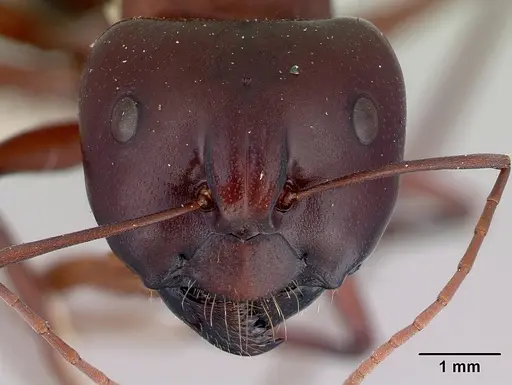
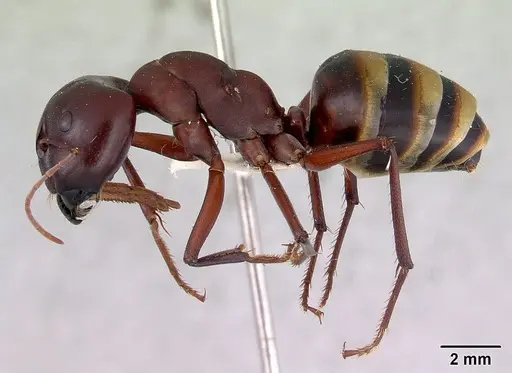
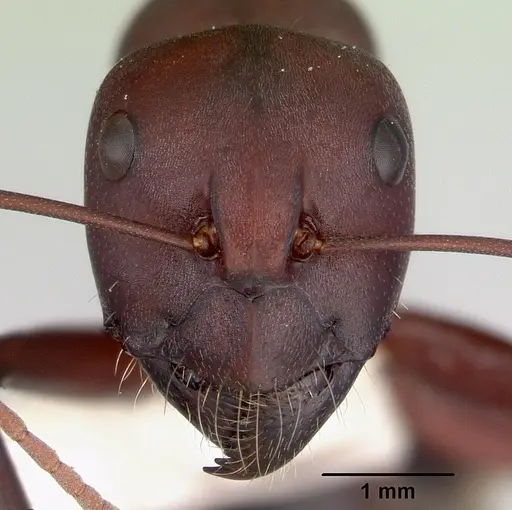
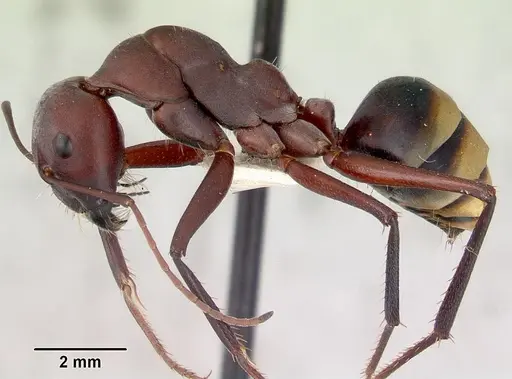
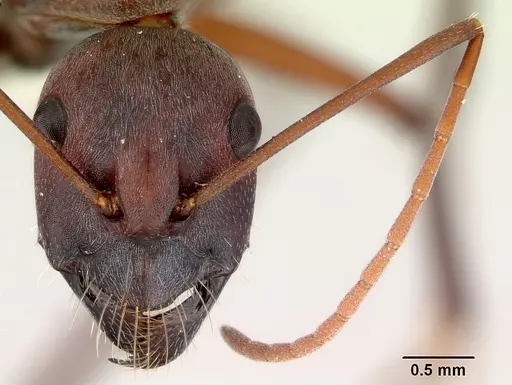
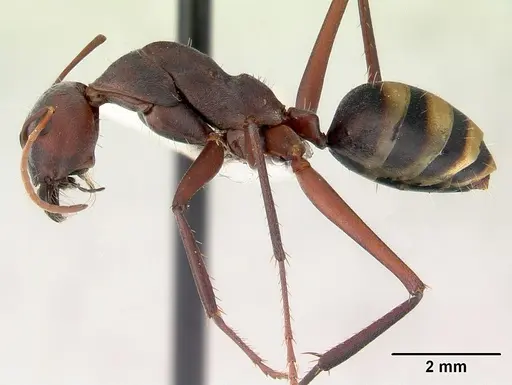
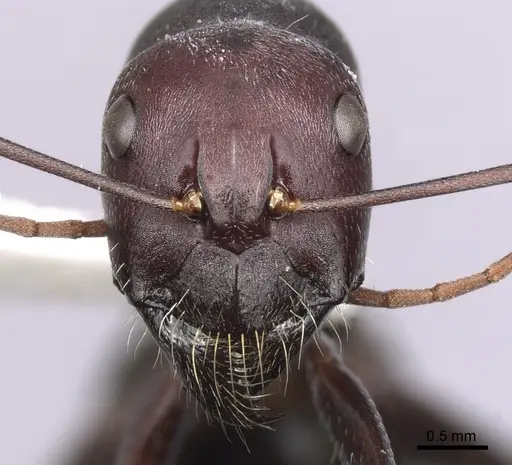
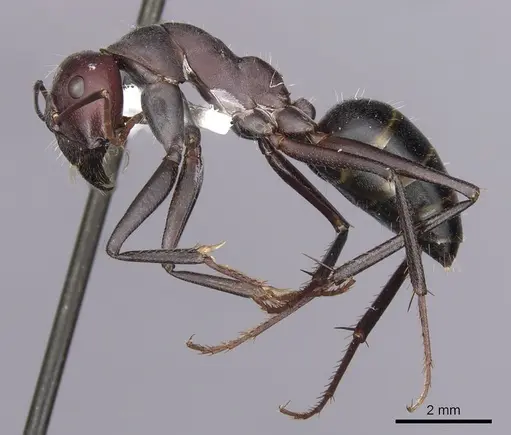
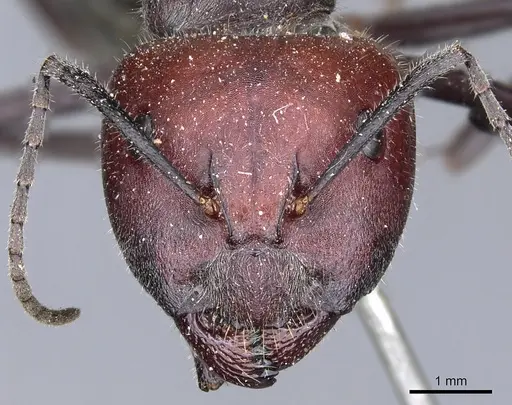
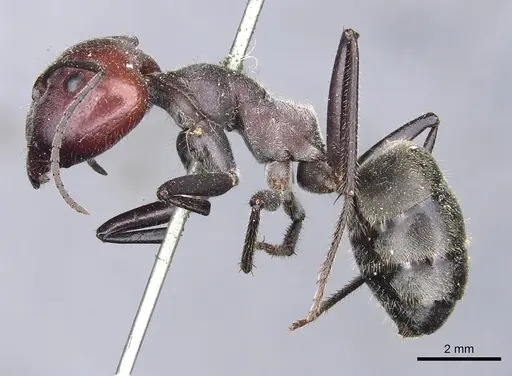
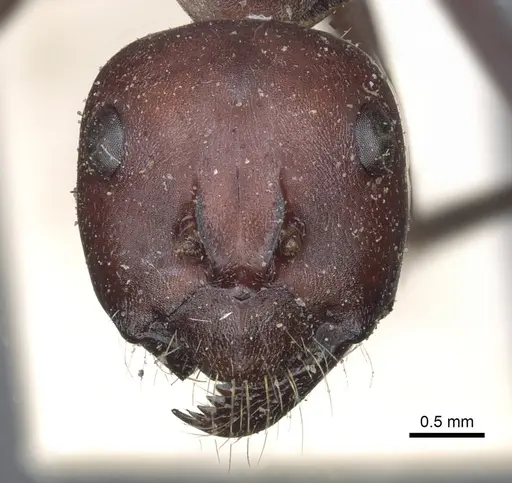
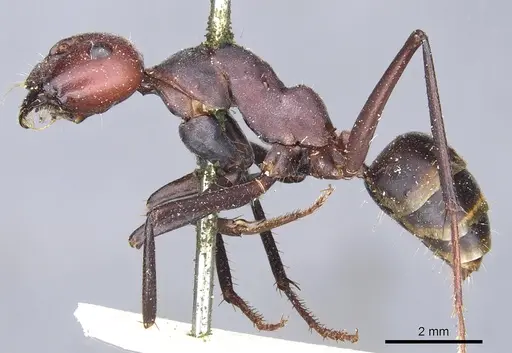
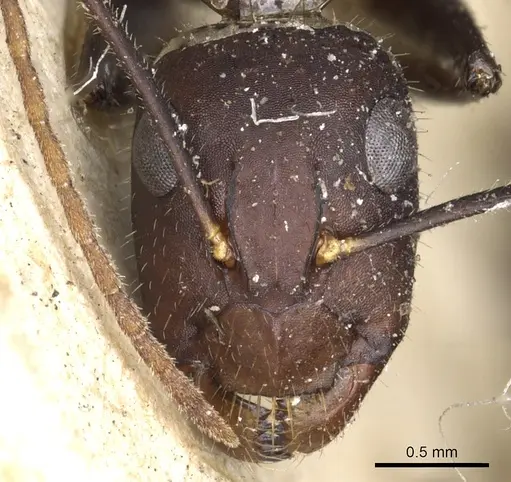
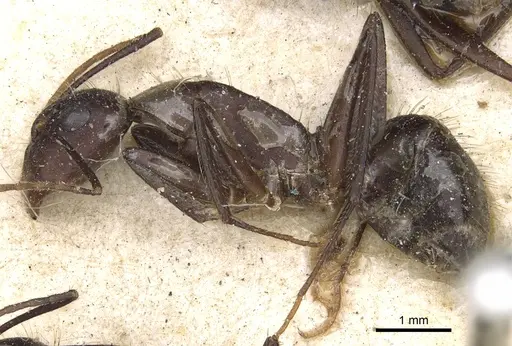
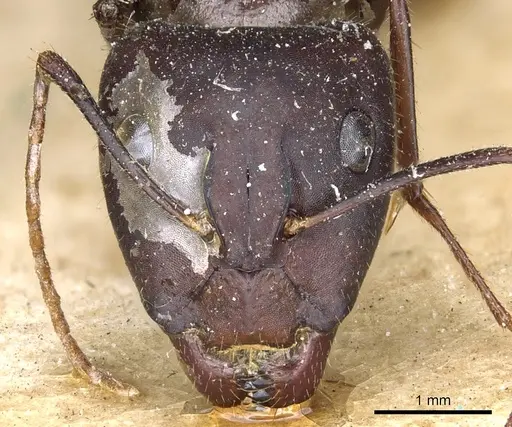
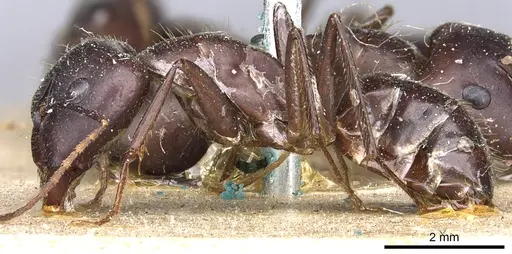
Camponotus aurocinctus is an Australian carpenter ant species known for its striking golden-yellow banding on the gaster (abdomen). Workers range from 1.63mm to 4.94mm in width, with majors being significantly larger than minors. The body coloration varies from dark red to black, and the distinctive golden band on the gaster can range from a narrow strip to covering most of the abdominal segments. This species belongs to the Camponotus wiederkehri group, characterized by a cluster of J-shaped hairs on the mentum (lower mouth area). [1][2]
This is a ground-nesting species that shows a strong preference for sandy soils across arid and semi-arid regions of Australia. They are primarily diurnal foragers, actively searching for food on the ground and low vegetation during daylight hours. The species is widely distributed across mainland Australia, with notable variation in coloration between eastern and western populations, western specimens tend to have broader golden bands and more hair on the underside of the head. [3][2]
Quick Summary
- Difficulty: Medium
- Origin & Habitat: Arid and semi-arid Australia, primarily South Australia, Northern Territory, and Western Australia. Found in sandy soil habitats at locations like Stockyard Plain and Danggali Conservation Park in South Australia. [3][2]
- Colony Type: Single-queen (monogyne) colonies, typical for Camponotus species. Queens are large and claustral, sealing themselves in to raise the first brood alone. [3]
- Colony: Monogyne
- Founding: Claustral
- Size & Growth:
- Queen: Larger than majors, estimated 12-15mm based on genus patterns
- Worker: 1.63-4.94mm head width (minors ~1.63mm, majors up to 4.94mm) [3]
- Colony: Colony size data unavailable, but likely reaches several hundred workers typical of Camponotus
- Growth: Moderate, Camponotus species typically take 6-10 weeks from egg to first worker
- Development: 6-10 weeks (estimated based on typical Camponotus development) (Development time is temperature-dependent, warmer conditions within acceptable range accelerate development)
- Antkeeping:
- Temperature: Keep at 22-26°C. As an Australian arid-zone species, they tolerate warmer conditions but need a temperature gradient so ants can self-regulate. Room temperature in most homes is suitable.
- Humidity: Moderate to low humidity (40-60%). Being an arid-zone species, they prefer drier conditions than tropical ants. Ensure nest substrate is lightly moist but allow it to dry between waterings.
- Diapause: May require a brief cool period during Australian winter (roughly May-August), but being from arid regions, a full hibernation is not necessary. A slight temperature reduction to 15-18°C for 4-6 weeks may benefit colony health.
- Nesting: Ground-nesting species that prefers sandy soils. In captivity, a Y-tong (AAC) nest or plaster nest works well. Provide a substrate chamber filled with sandy soil mix or coarse sand. Avoid overly moist conditions. Test tubes can work for founding colonies but transfer to a more naturalistic setup once established. [3]
- Behavior: Generally calm and non-aggressive foragers. They are diurnal, actively searching for food during daylight hours. As carpenter ants, they are not wood-nesting but ground-dwelling, so they won't damage wooden structures. Workers are moderate in size and can be easily contained with standard barriers. Escape risk is moderate, use Fluon on test tube rims and ensure formicarium connections are secure. [3]
- Common Issues: colonies may fail if kept too humid, this is an arid species that prefers drier conditions, slow founding phase can cause keepers to over-interfere, queens need peace and darkness during claustral founding, golden coloration may fade in captivity if diet lacks appropriate pigments, this is normal and not a health concern, wild-caught colonies may carry parasites, quarantine and observe new colonies before introducing to existing setups
Nest Preferences and Housing
Camponotus aurocinctus is a ground-nesting species that naturally prefers sandy soils in arid and semi-arid Australian habitats. In captivity, provide a nest setup with a sandy substrate chamber. A Y-tong (acrylic) nest with a sand-filled chamber works well, or you can use a plaster nest with a sand insert. The key is drainage, avoid waterlogged conditions that would occur in tropical ant setups. For the outworld, a standard foraging area with a water tube and protein/sugar food stations is sufficient. When colonies are small (founding stage), a test tube setup with a small container of moist sand or soil for the queen to dig in works for the initial months. Once the colony reaches 20+ workers, consider transitioning to a more spacious formicarium with proper nesting chambers. [3]
Feeding and Diet
Like most Camponotus species, these ants are omnivorous with a preference for protein-rich foods. Offer small insects (fruit flies, small crickets, mealworms) as the primary protein source. Sugar water, honey, or diluted maple syrup should be available constantly, carpenter ants have high sugar requirements for energy. In the wild, they forage for honeydew and small invertebrates, so replicate this with a varied diet. Feed protein 2-3 times per week, removing uneaten prey after 24 hours. Keep sugar water available at all times, refreshing every few days. Fresh fruit (especially sweet fruits) can occasionally be offered as enrichment. Avoid overfeeding, excess food leads to mold problems, which can be fatal to colonies.
Temperature and Seasonal Care
Being from arid Australia, Camponotus aurocinctus prefers warmer conditions but is adaptable. Maintain temperatures between 22-26°C for optimal colony growth and brood development. A heating cable on one side of the nest creates a gradient, allowing ants to self-regulate their temperature. Place the heating element on top of the nest, not underneath, to prevent excessive moisture evaporation. During Australian winter (roughly May-August), the colony may benefit from a slight cool period at 15-18°C for 4-6 weeks, simulating their natural seasonal cycle. This cool period is not a true hibernation but a period of reduced activity that can help maintain colony health long-term. Do not cool below 10°C or expose to freezing temperatures.
Behavior and Colony Dynamics
This species is diurnal, meaning they are most active during daylight hours, a trait reflected in their natural foraging patterns. Workers actively search for food on the ground and low vegetation, making them visible and engaging to watch. They are not particularly aggressive and rarely bite or sting humans. The colony will establish a clear division of labor, with majors (larger workers) often serving as defenders or food processors, while minors handle foraging and brood care. The distinctive golden banding on the gaster becomes more pronounced in well-nourished colonies. Colonies grow moderately, expect 6-12 months from founding queen to a colony of 50+ workers under good conditions. Once established, colonies can live for many years, with queens potentially living 15-20 years. [3][1]
Handling and Escape Prevention
Camponotus aurocinctus workers are moderate-sized (1.6-5mm) and relatively easy to contain. Standard escape prevention measures work well: apply Fluon (insect barrier) to the rim of test tubes and any openings in formicaria. Ensure all connections between nest and outworld are secure, these ants can squeeze through small gaps but are not as tiny as some species. When observing the colony, avoid excessive vibrations or disturbance, especially during the founding stage. Queens are claustral and should never be disturbed once they have sealed themselves in their founding chamber. If you need to move a colony, wait until the colony is well-established (100+ workers) and use minimal disturbance. Handle the nest with care and keep it dark during moves.
Frequently Asked Questions
How long does it take for Camponotus aurocinctus to produce first workers?
Expect 6-10 weeks from egg to first worker (nanitic) at optimal temperature (22-26°C). This is typical for Camponotus species. The queen will remain sealed in her chamber for most of this time, living off her stored fat reserves. Do not disturb her during this period.
What do Camponotus aurocinctus ants eat?
They are omnivorous. Offer small insects (fruit flies, small crickets, mealworms) as protein 2-3 times per week, and keep sugar water, honey, or maple syrup available at all times. This replicates their natural diet of honeydew and small invertebrates.
Are Camponotus aurocinctus good for beginners?
This species is rated as medium difficulty. They are more forgiving than tropical species regarding humidity but require proper sandy soil conditions and a warm setup. Beginners should research ground-nesting ant care before acquiring this species.
What temperature do Camponotus aurocinctus need?
Keep them at 22-26°C. Being from arid Australia, they tolerate warmer conditions well. Use a heating cable on one side of the nest to create a temperature gradient, allowing ants to regulate their own temperature.
How big do Camponotus aurocinctus colonies get?
Colony size data is limited, but based on genus typical patterns, expect several hundred workers at maturity. The queen can live 15-20 years, so established colonies can become quite substantial over time.
Do Camponotus aurocinctus need hibernation?
They do not require true hibernation but benefit from a cool period (15-18°C for 4-6 weeks) during winter months. This simulates their natural seasonal cycle in arid Australia without being a full hibernation like temperate species require.
What type of nest is best for Camponotus aurocinctus?
Ground-nesting setup with sandy substrate. A Y-tong nest with a sand chamber or a plaster nest with sand insert works well. The key is providing dry, sandy conditions, avoid the moist setups used for tropical species.
Why did the golden color on my ant fade?
The golden banding on the gaster may become less pronounced in captivity, especially if diet lacks certain pigments. This is normal and does not indicate poor health. Well-nourished colonies typically maintain more vibrant coloration.
Can I keep multiple Camponotus aurocinctus queens together?
No. This is a monogyne (single-queen) species. Multiple unrelated queens will fight. Only keep one queen per colony. If you find a wild colony with multiple queens, it would be unusual for this species.
When should I move my colony to a formicarium?
Move from test tube to a proper nest setup once the colony reaches 20-30 workers or when the test tube becomes crowded. Ensure the new setup has appropriate sandy substrate and escape prevention.
Is Camponotus aurocinctus invasive anywhere?
This species is native to Australia and has not been documented as invasive in other regions. It is not listed as a pest species. As with all antkeeping, never release colonies into non-native environments.
References

This caresheet is licensed under CC BY-SA 4.0 .
CASENT0172173
View on AntWeb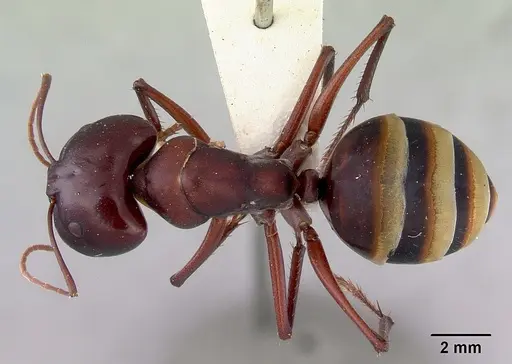
CASENT0172174
View on AntWeb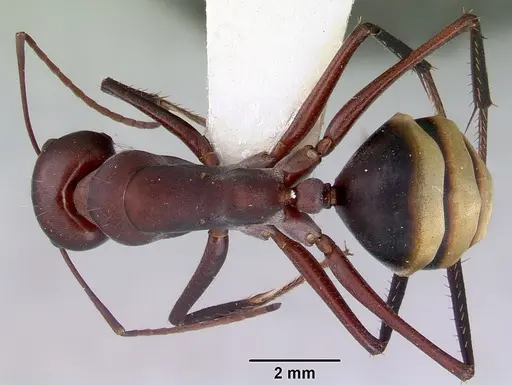
CASENT0172175
View on AntWeb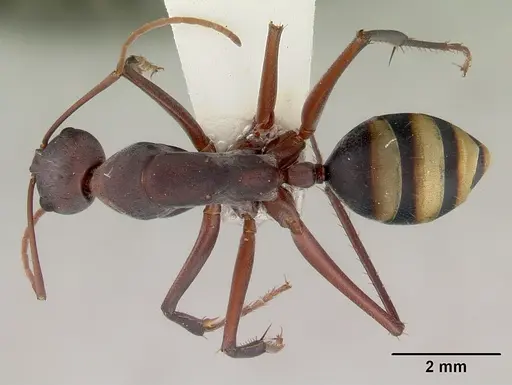
CASENT0280202
View on AntWeb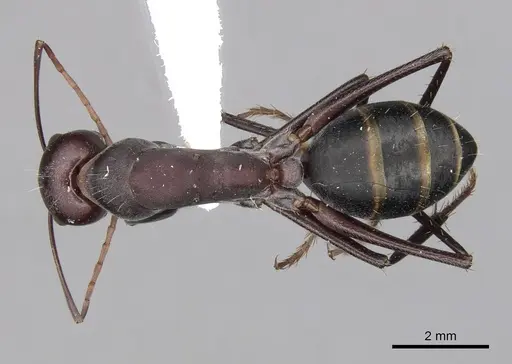
CASENT0887685
View on AntWeb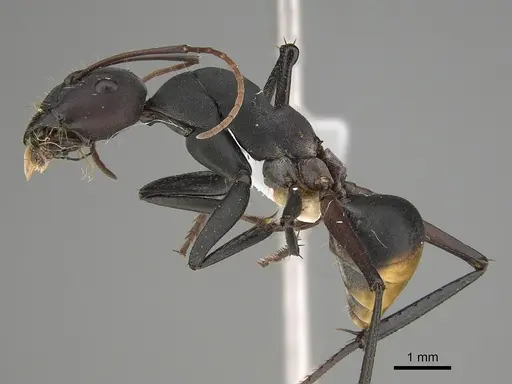
CASENT0903544
View on AntWeb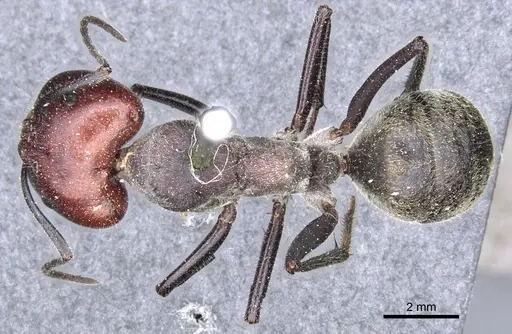
CASENT0903545
View on AntWeb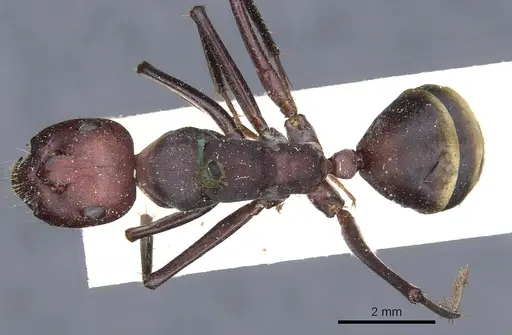
CASENT0903551
View on AntWeb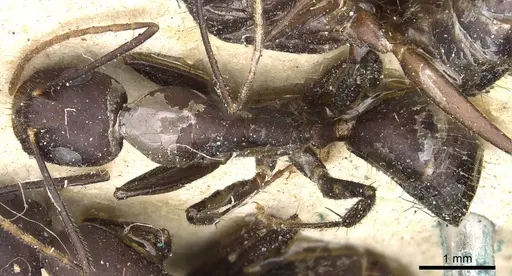
CASENT0903552
View on AntWeb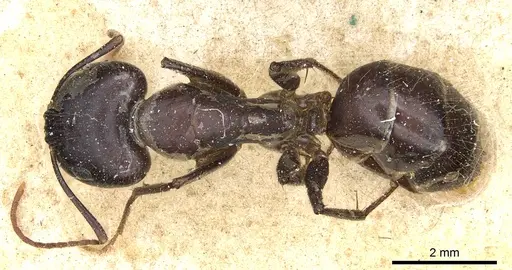
Literature
Loading...Loading products...