

Camponotus wiederkehri
- Scientific Name
- Camponotus wiederkehri
- Subgenus
- Tanaemyrmex
- Tribe
- Camponotini
- Subfamily
- Formicinae
- Author
- Forel, 1894
- Distribution
- Found in 1 countries
Camponotus wiederkehri Overview
Camponotus wiederkehri is an ant species of the genus Camponotus. It is primarily documented in 1 countries , including Australia. Detailed taxonomic data and occurrence records can be further explored via authoritative databases such as AntWeb or the Global Biodiversity Information Facility (GBIF).
Camponotus wiederkehri
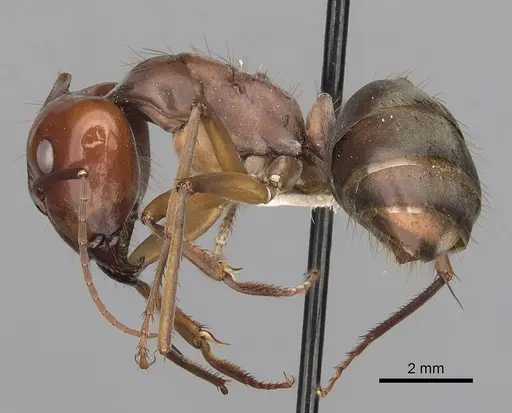
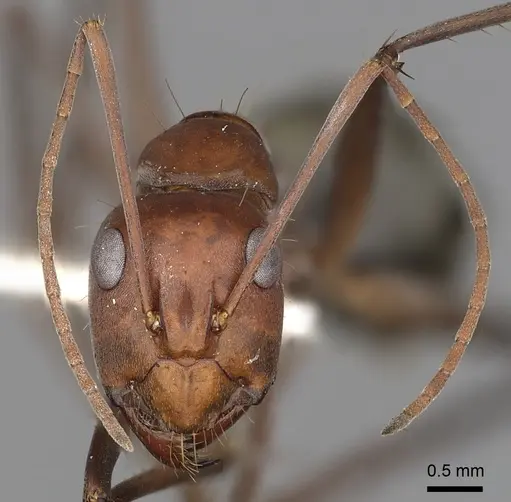
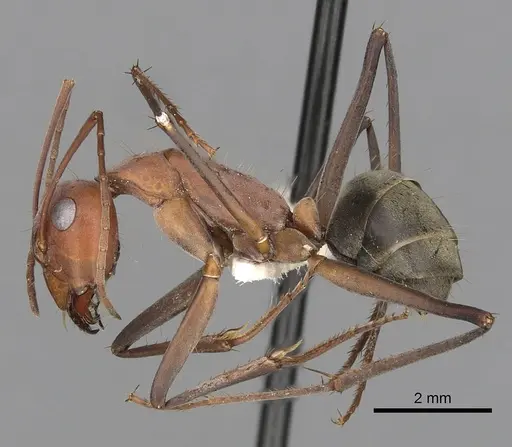
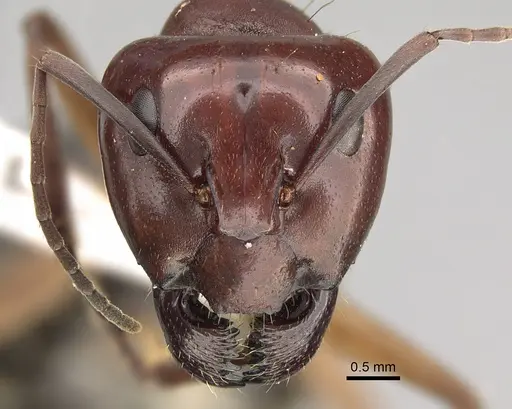
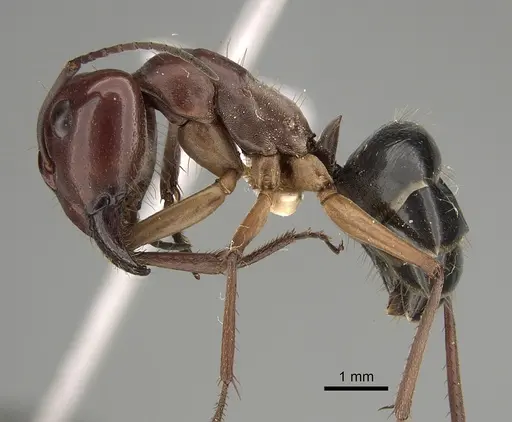
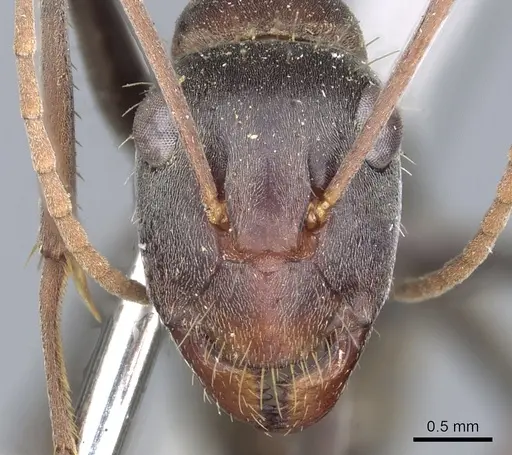
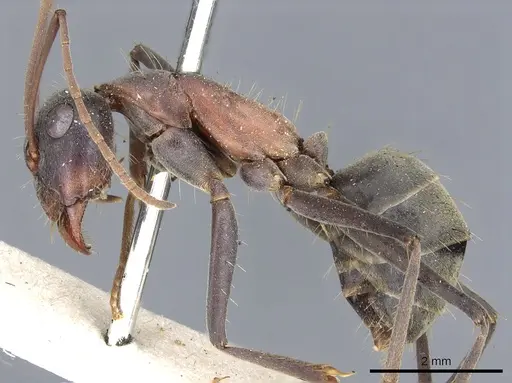
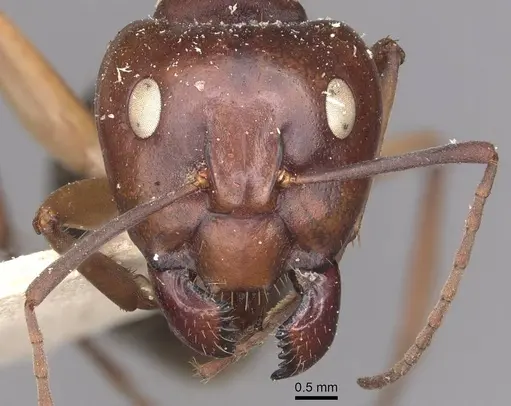
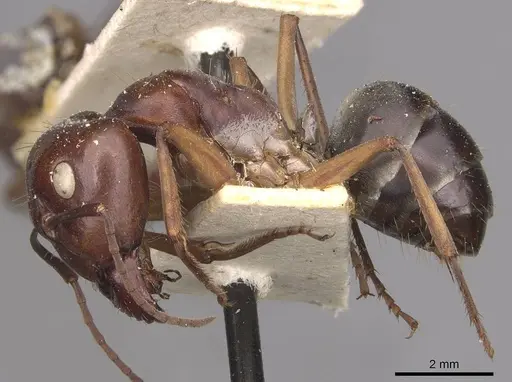
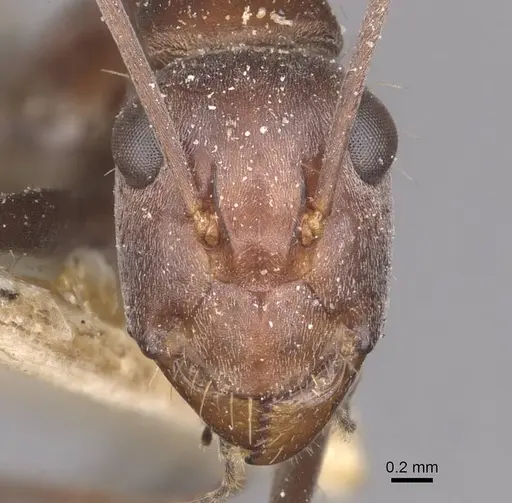
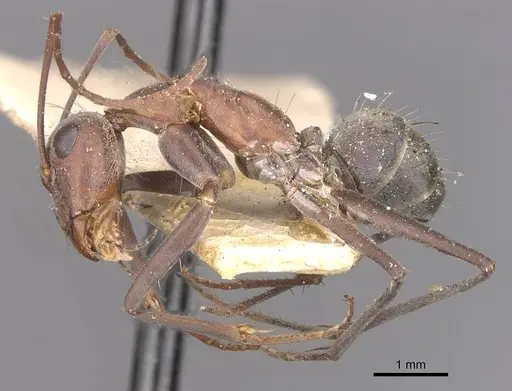
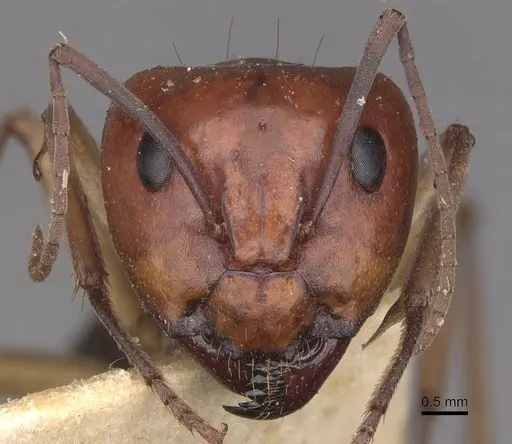
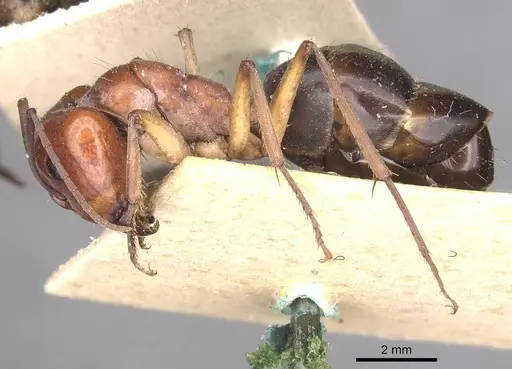
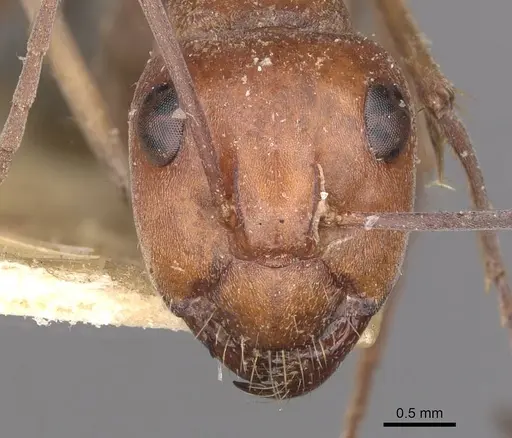
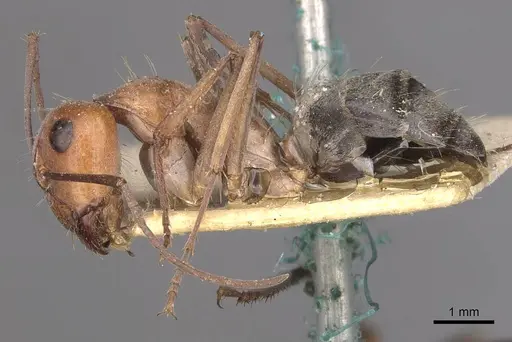
Camponotus wiederkehri is a polymorphic carpenter ant native to Australia, known for its distinctive mound-building behavior. Workers come in two sizes: major workers measure 10.5-12mm while minors are 6.5-7.5mm [1]. The species shows remarkable color variation ranging from yellow-red to black, with most color forms appearing throughout Australia [1]. In southern Australia, they build characteristic mounds approximately 150-200mm in diameter with steeply sloping sides and a flat summit, often decorated with small stones [1]. The entrance is slit-shaped and located in a slight depression on top of the mound [2]. This species is primarily found in heavy soils in open areas and becomes less common in regions with high rainfall [1].
Quick Summary
- Difficulty: Medium
- Origin & Habitat: Australia, found across Queensland, Northern Territory, and South Australia. Nests in heavy soil in open areas, typically building distinctive mounds in arid and semi-arid regions [1][3].
- Colony Type: Single-queen colonies (monogyne). Queens are claustral, they seal themselves in to raise their first workers alone, as is typical for Camponotus species.
- Colony: Monogyne
- Founding: Claustral
- Size & Growth:
- Queen: Approximately 12-14mm (estimated based on genus patterns)
- Worker: Major workers 10.5-12mm, minor workers 6.5-7.5mm [1]
- Colony: Likely reaches several thousand workers based on typical Camponotus colony development
- Growth: Moderate, Camponotus species typically take 6-10 weeks from egg to first worker
- Development: 6-10 weeks at optimal temperature (estimated based on genus patterns) (Development time is typical for Camponotus, first workers (nanitics) are smaller than normal workers and may take slightly longer to develop in suboptimal conditions)
- Antkeeping:
- Temperature: Keep nest area at 22-26°C. These are Australian ants adapted to warm conditions, but avoid overheating. A heating cable on one side of the nest creates a temperature gradient [4].
- Humidity: Moderate humidity around 50-60%. They prefer drier conditions compared to tropical ants, their natural habitat is arid to semi-arid Australia. Keep nest substrate slightly moist but allow it to dry between waterings.
- Diapause: Yes, Australian temperate ants require a winter rest period. Reduce temperature to 10-15°C for 2-3 months during winter. This mimics their natural seasonal cycle in southern Australia.
- Nesting: Y-tong (acrylic) nests work well for this medium-to-large species. They prefer tight-fitting chambers scaled to their size. Plaster nests also work, but ensure proper drainage. Avoid overly humid conditions that can cause mold.
- Behavior: These ants are generally calm and not particularly aggressive toward keepers. As with most Camponotus, they are primarily nocturnal or crepuscular foragers. Major workers can deliver a mild sting if provoked, though this is uncommon. They are moderate escape artists, ensure your setup has tight-fitting barriers and consider using fluon on tube connections. They are not known for excessive digging or wall-painting behaviors.
- Common Issues: colonies often fail if kept too humid, their arid Australian habitat means they prefer drier conditions, winter diapause is essential, skipping hibernation can weaken colonies over time, major workers are large and powerful, ensure escape barriers can withstand their mandibles, slow initial growth during founding phase can cause beginners to overfeed or disturb the queen, mound-building behavior in the outworld may create substrate management challenges
Nest Preferences and Setup
Camponotus wiederkehri naturally builds distinctive mounds in heavy soil across arid and semi-arid Australia. The mounds reach 150-200mm in diameter with steeply sloping sides and a flat summit, often decorated with small stones [1]. The slit-shaped entrance sits in a slight depression at the top [2]. In captivity, Y-tong (acrylic) nests work well for this medium-to-large species. The chambers should be appropriately sized, tight enough that workers feel secure but with enough space for the colony to expand. Plaster nests are also suitable if they include proper drainage to prevent the substrate from becoming waterlogged. These ants prefer drier conditions than many other ants, so avoid naturalistic setups with excessive moisture that could lead to mold. An outworld area with some substrate for foraging is appreciated, but keep humidity in the nest area moderate.
Feeding and Diet
Like other Camponotus species, Camponotus wiederkehri is omnivorous. They accept sugar sources readily, a constant supply of sugar water or honey is recommended. For protein, offer insects such as mealworms, crickets, or other appropriately sized prey. In the wild, they are likely generalist foragers, and their large majors can tackle bigger prey items than smaller ant species. Feed protein sources 2-3 times per week, and keep sugar water available at all times. Remove uneaten prey after 24-48 hours to prevent mold. These ants are not specialized predators, so a varied diet of proteins and sugars works well. Some keepers report that larger prey items are preferentially fed to the queen and larvae.
Temperature and Seasonal Care
As an Australian species from temperate regions, Camponotus wiederkehri requires a distinct winter diapause period. Keep the nest at 22-26°C during the active season (spring through autumn). During winter (roughly November through February in the northern hemisphere), reduce temperatures to 10-15°C to simulate their natural seasonal cycle. This rest period is essential for colony health and triggers reproductive behavior in spring. Avoid temperatures below 5°C or above 30°C. A heating cable placed on one side of the nest can create a gradient, allowing workers to self-regulate their temperature preference. During the active season, room temperature within the 22-26°C range is typically suitable without additional heating.
Behavior and Colony Dynamics
This species exhibits typical Camponotus behavior, they are generally docile and slow-moving compared to smaller ant species. The colony is polymorphic with distinct major and minor workers. Major workers (10.5-12mm) have large heads and can deliver a mild sting if threatened, though they are not aggressive toward keepers. They are primarily crepuscular or nocturnal foragers in the wild, though captive colonies often adjust to keeper schedules. The distinctive mound-building behavior observed in the wild may translate to substrate manipulation in the outworld, this is normal behavior and not a cause for concern. Colonies grow moderately, with the queen laying eggs throughout the active season. First workers (nanitics) are smaller than typical workers but will grow larger with subsequent broods. [1]
Growth and Development
Camponotus colonies follow a predictable development timeline. After mating, the claustral queen seals herself in a chamber and does not leave to forage, she survives entirely on stored fat reserves while raising the first brood. Eggs hatch into larvae, which then pupate before emerging as adult workers. This process typically takes 6-10 weeks at optimal temperatures (around 24°C). The first workers (nanitics) are often smaller than subsequent workers but the colony quickly produces larger majors as the population grows. Colony growth is initially slow but accelerates once the first workers begin foraging. A well-established colony can reach several thousand workers over several years. Patience is key during the founding phase, disturbing the queen or providing excessive food can actually harm the colony.
Frequently Asked Questions
How long does it take for Camponotus wiederkehri to produce first workers?
Expect 6-10 weeks from egg to first worker at optimal temperature (around 24°C). This is typical for Camponotus species. The claustral queen seals herself in and raises the first brood alone using stored fat reserves.
What temperature do Camponotus wiederkehri need?
Keep them at 22-26°C during the active season. A winter diapause at 10-15°C for 2-3 months is essential for their health and seasonal cycle.
Are Camponotus wiederkehri good for beginners?
They are intermediate in difficulty. Their claustral founding and moderate temperature needs are manageable, but the required winter diapause and preference for drier conditions add complexity compared to tropical species.
How big do Camponotus wiederkehri colonies get?
Mature colonies likely reach several thousand workers over several years. Major workers are 10.5-12mm and minors are 6.5-7.5mm.
Do Camponotus wiederkehri need hibernation?
Yes, they require a winter diapause. Reduce temperatures to 10-15°C for 2-3 months during winter. This mimics their natural seasonal cycle in temperate Australia and is essential for colony health.
What do Camponotus wiederkehri eat?
They are omnivorous. Provide constant sugar water or honey, and offer protein sources like mealworms or crickets 2-3 times per week.
Can I keep multiple Camponotus wiederkehri queens together?
No, this species is monogyne (single-queen). Multiple unrelated queens will fight. Only keep one queen per colony.
When should I move Camponotus wiederkehri to a formicarium?
Wait until the colony has 20-30 workers and is actively foraging in the outworld. Moving too early can stress the queen. Test tubes work well for founding colonies.
Why is my Camponotus wiederkehri colony growing slowly?
Slow growth is normal during the founding phase. Ensure proper temperature (22-26°C), avoid disturbing the queen, and do not overfeed. Colonies naturally grow slowly until the first workers begin foraging.
References

This caresheet is licensed under CC BY-SA 4.0 .
ANTWEB1008144
View on AntWeb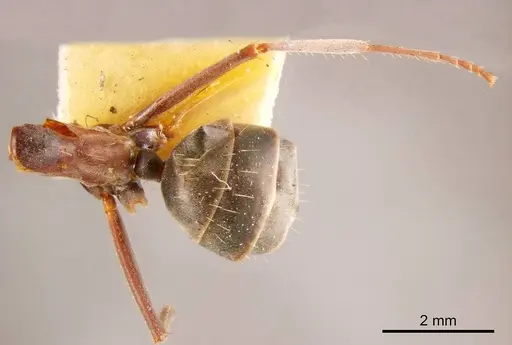
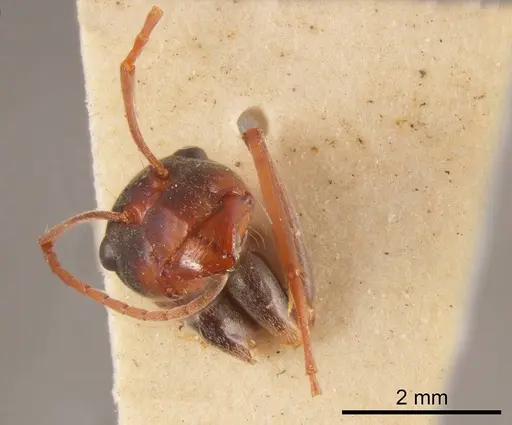
CASENT0280207
View on AntWeb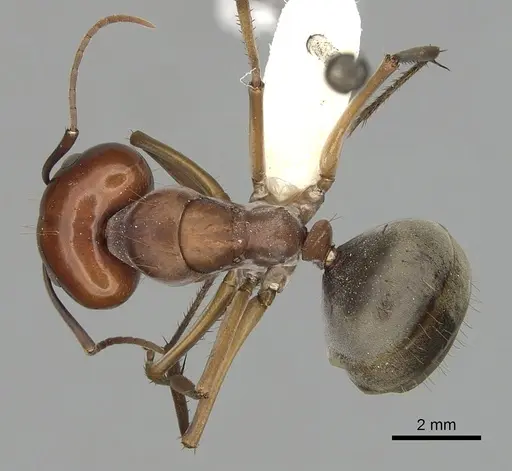
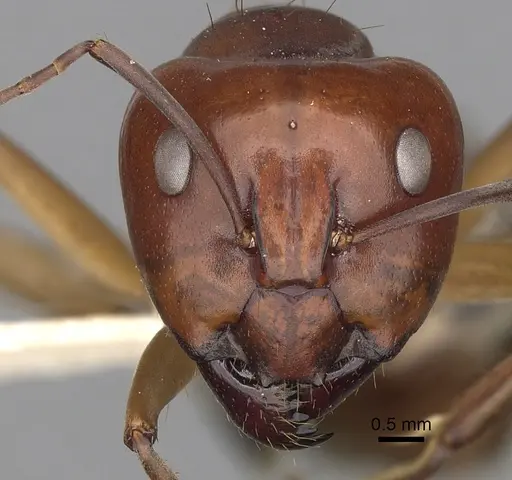
CASENT0280208
View on AntWeb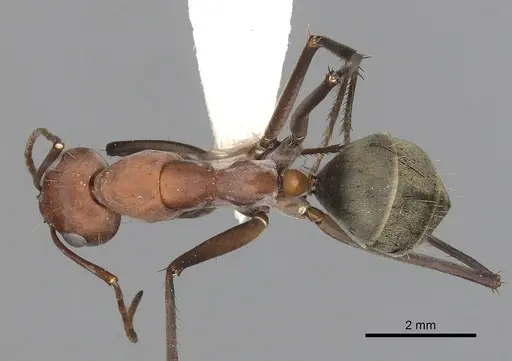
CASENT0887683
View on AntWeb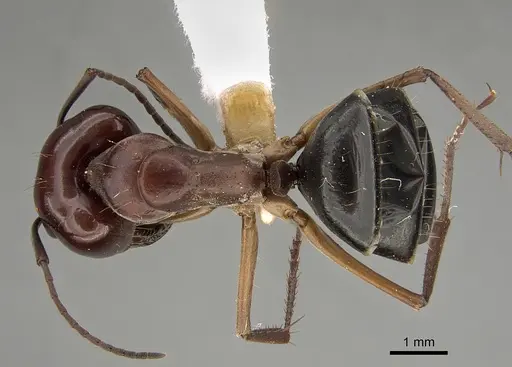
CASENT0887709
View on AntWeb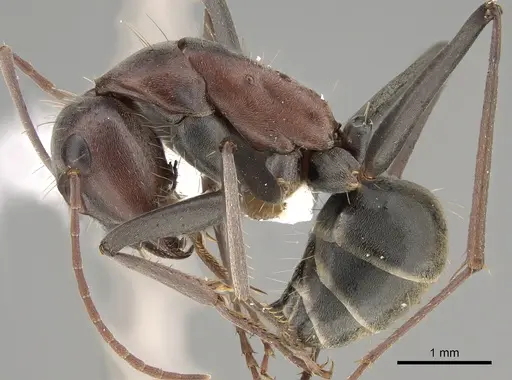
CASENT0903541
View on AntWeb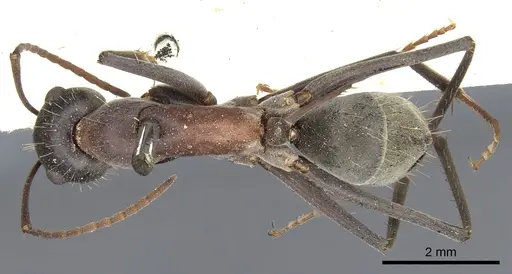
CASENT0910297
View on AntWeb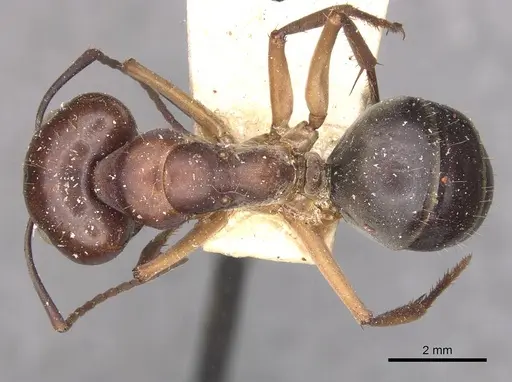
CASENT0910298
View on AntWeb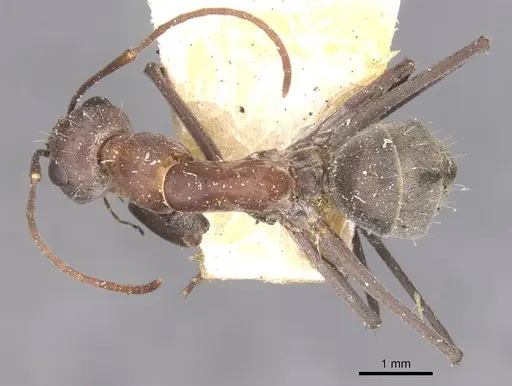
CASENT0910299
View on AntWeb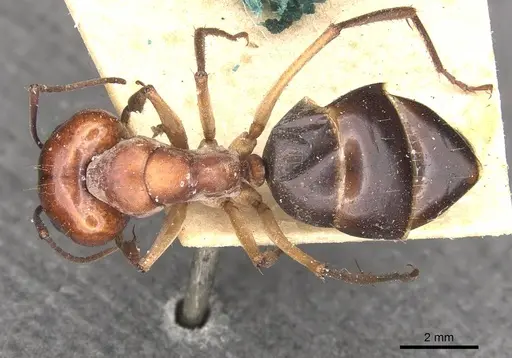
CASENT0910300
View on AntWeb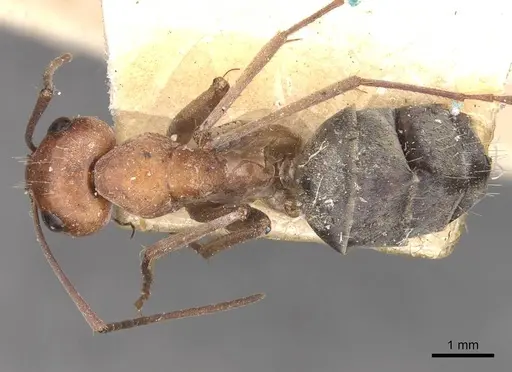
Literature
Loading...Loading products...