

Camponotus armstrongi
- Scientific Name
- Camponotus armstrongi
- Tribe
- Camponotini
- Subfamily
- Formicinae
- Author
- McAreavey, 1949
- Distribution
- Found in 1 countries
Camponotus armstrongi Overview
Camponotus armstrongi is an ant species of the genus Camponotus. It is primarily documented in 1 countries , including Australia. Detailed taxonomic data and occurrence records can be further explored via authoritative databases such as AntWeb or the Global Biodiversity Information Facility (GBIF).
Camponotus armstrongi
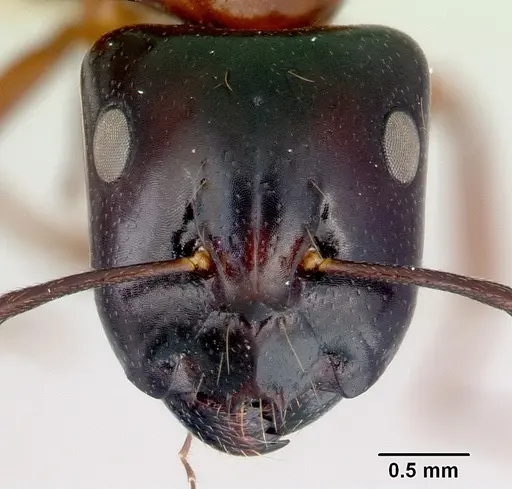
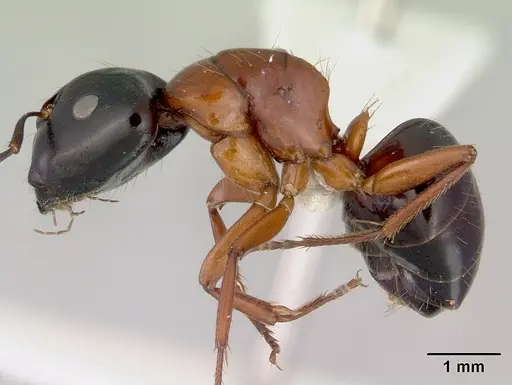
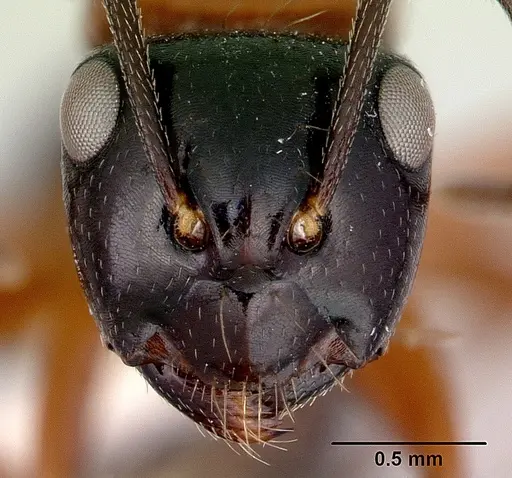
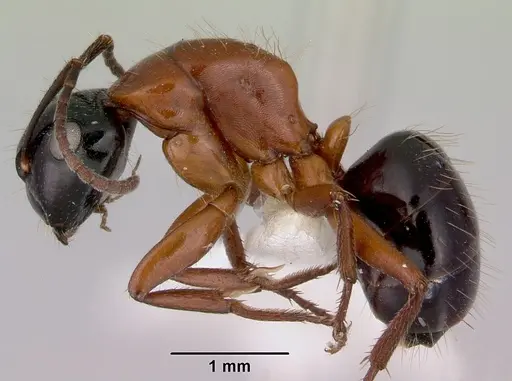
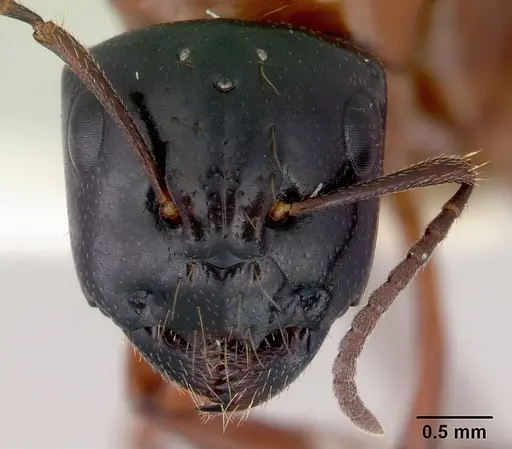
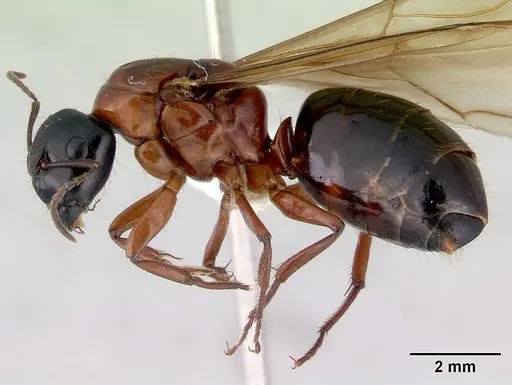
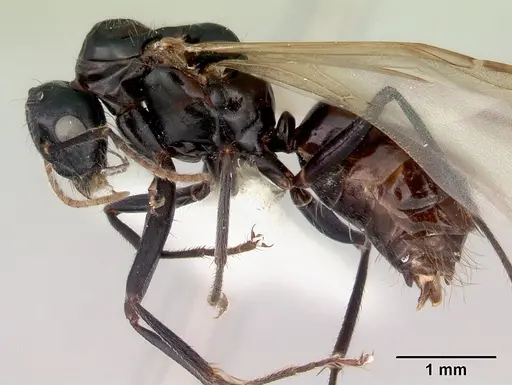
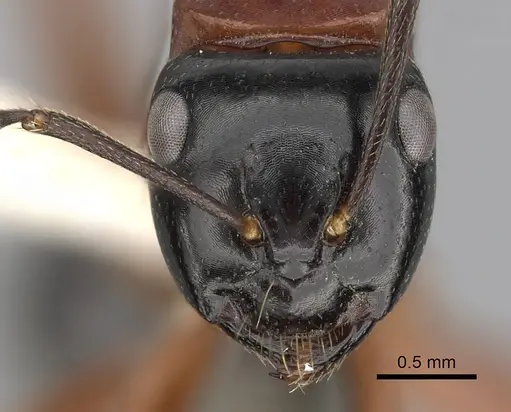
Camponotus armstrongi is an Australian carpenter ant known for its striking red-and-black coloration. Major workers measure 6-8mm while minors are smaller at 4-5mm. The species features a vivid red thorax contrasting with a shining black head and gaster, making it visually distinctive among Australian ants. This species belongs to the Camponotus lownei complex and was originally described from Nyngan, New South Wales, with documented collections also in Western Australia near Merredin [1].
As a carpenter ant, C. armstrongi is a moderate-sized species that typically nests in wood or under stones in its natural habitat. The species shows the typical Camponotus social structure with single-queen colonies. Workers are moderately aggressive when defending their nest but not particularly dangerous to humans. This is a good intermediate-level species for antkeepers interested in Australian ants.
Quick Summary
- Difficulty: Medium
- Origin & Habitat: Australia, primarily New South Wales (type locality at Nyngan) with documented collections in Western Australia near Merredin. The species occurs outside the South West Botanical Province and prefers warmer, drier inland regions [1].
- Colony Type: Single-queen (monogyne) colonies. Like most Camponotus species, colonies start with one claustral queen that seals herself in to raise the first workers alone.
- Colony: Monogyne
- Founding: Claustral
- Size & Growth:
- Queen: Estimated 12-15mm based on genus patterns (not directly measured in available literature)
- Worker: Major workers: 6-8mm, Minor workers: 4-5mm [2]
- Colony: Estimated 500-2000 workers at maturity based on typical Camponotus colony development
- Growth: Moderate, Camponotus species typically take 2-4 months from egg to first worker
- Development: 8-12 weeks at optimal temperature (estimate based on genus patterns) (Development time depends on temperature, warmer conditions within range accelerate development. First workers (nanitics) are smaller than normal workers.)
- Antkeeping:
- Temperature: Keep nest area at 24-28°C. Australian species prefer warm conditions. A heating cable on one side of the nest creates a gradient allowing workers to self-regulate. Room temperature (22-25°C) is acceptable if your home stays in this range.
- Humidity: Moderate humidity around 50-60%. These are not high-humidity ants, they come from drier inland Australian regions. Allow the nest to partially dry between water additions. Provide a water tube for drinking.
- Diapause: No true hibernation required. However, a slight cooling period (15-18°C) during winter months can help simulate natural seasonal cycles and may benefit colony health. Do not freeze or expose to temperatures below 10°C.
- Nesting: Y-tong (acrylic) nests work well for this species. The chambers should be appropriately sized, major workers at 6-8mm need passages wide enough for them to move comfortably. Wood-based or plaster nests are also suitable. Provide a dark area for the nest and a separate outworld for foraging.
- Behavior: Workers are moderately active and forage for both sugar sources and protein. They are not aggressive toward humans but will defend their nest if threatened. Major workers can deliver a mild sting though it's rarely noticeable. Escape risk is moderate, use standard barriers but no special escape prevention is required beyond standard care. Workers are attracted to sweet liquids and will readily take sugar water or honey.
- Common Issues: colonies may stall if temperatures drop too low, maintain warmth consistently, overwatering can cause mold issues, these ants prefer drier conditions than many tropical species, major workers are relatively large so ensure nest passages are adequately sized, slow initial growth during founding phase can worry beginners, patience is required until first workers emerge, wild-caught colonies may contain parasites that can decimate captive colonies
Housing and Nest Setup
Camponotus armstrongi does well in Y-tong (acrylic) nests or wooden formicaria. The key requirement is appropriately sized chambers, major workers at 6-8mm need passages roughly 8-10mm wide to move comfortably. Avoid nests with chambers that are too tight, as this can cause workers to feel cramped and may stress the colony. Provide a separate outworld connected to the nest area where you can offer food. The nest should be kept dark or partially covered, as ants prefer dim conditions for their brood chambers. A water test tube with a cotton plug should be available at all times for drinking water. Because these ants come from drier Australian regions, avoid overly humid setups, some dryness is preferable to damp conditions. [1][2]
Feeding and Diet
Like most carpenter ants, C. armstrongi is omnivorous with a preference for sugar sources. Offer sugar water (1:3 ratio sugar to water) or honey diluted with water at all times. For protein, provide small insects like fruit flies, small crickets, or mealworms. You can also offer small pieces of cooked chicken or other lean meats. Feed protein 2-3 times per week, removing any uneaten prey after 24 hours. These ants are not specialized predators and will readily accept most standard ant foods. During the founding phase, the queen does not eat, she relies entirely on her stored fat reserves. Once workers emerge, they will begin foraging and can be offered food in the outworld.
Temperature and Seasonal Care
Maintain nest temperatures between 24-28°C for optimal brood development. This Australian species prefers warm conditions and will show increased activity at the warmer end of this range. A simple way to achieve this is using a heating cable placed on top of the nest (never under it, as this can cause drying) set to around 27°C. Alternatively, if your room temperature stays in the low-to-mid 20s°C, no additional heating may be needed. During winter months, a slight reduction to 18-22°C is acceptable and may help maintain natural seasonal rhythms, but avoid cold temperatures below 15°C. These ants do not require true hibernation like some temperate species, but a cool period can be beneficial.
Colony Development and Growth
Colony growth follows typical Camponotus patterns. After the claustral queen seals herself in, she lays eggs and tends them without leaving the nest. The first eggs develop through larval and pupal stages using the queen's stored energy. First workers (nanitics) emerge after approximately 8-12 weeks at optimal temperature and are typically smaller than normal workers. Once nanitics appear, the queen resumes egg-laying and workers begin foraging for food. Growth is initially slow but accelerates as the worker population increases. A mature colony may contain 500-2000 workers over several years of development. Major workers (the larger soldiers) typically appear once the colony reaches several hundred workers.
Behavior and Temperament
Camponotus armstrongi workers are moderately active foragers but not overly aggressive. They will investigate food sources quickly once workers begin foraging and are particularly attracted to sweet liquids. When threatened, they may bite or deliver a mild sting, though most keepers find them manageable. The species shows typical carpenter ant behavior, workers may chew through soft materials but won't damage hard plastics or acrylics. Major workers serve as defenders and can crack open larger prey items. The colony will establish clear foraging patterns and often uses the same routes. Workers are diurnal, with most activity during daylight hours.
Frequently Asked Questions
How long does it take for Camponotus armstrongi to have first workers?
Expect first workers (nanitics) to emerge in approximately 8-12 weeks after the queen lays eggs, assuming optimal temperatures around 24-28°C. This varies based on temperature, cooler conditions will slow development significantly.
What do Camponotus armstrongi ants eat?
They are omnivorous. Offer sugar water or honey constantly for energy, and provide protein sources like small insects (fruit flies, mealworms, small crickets) 2-3 times per week. They will also accept small amounts of cooked meat or other protein-rich foods.
What temperature do Camponotus armstrongi need?
Keep nest temperatures between 24-28°C. This species prefers warm conditions typical of Australian ants. Room temperature in the low-to-mid 20s°C is usually sufficient.
Is Camponotus armstrongi good for beginners?
This species is rated as medium difficulty. It's more challenging than beginner species like Lasius but easier than some exotic ants. The main challenges are maintaining warm temperatures and being patient through the slow founding phase.
How big do Camponotus armstrongi colonies get?
Mature colonies typically reach 500-2000 workers over several years. Major workers (6-8mm) appear once the colony is well-established, while minor workers are smaller at 4-5mm.
Do Camponotus armstrongi need hibernation?
No true hibernation is required. A slight cooling period (15-18°C) during winter months can be beneficial but is not mandatory. Avoid temperatures below 10°C.
When should I move my Camponotus armstrongi to a formicarium?
Keep newly caught queens in a simple test tube setup until the colony has 20-30 workers. Moving too early can stress the colony. Once the test tube becomes crowded with active foragers, you can transfer to a proper formicarium.
Why is my Camponotus armstrongi queen not laying eggs?
Possible causes include: temperatures too low (below 20°C), excessive humidity, stress from disturbances, or the queen may still be in the claustral phase before her first eggs. Ensure optimal conditions (24-28°C, moderate humidity, dark and quiet location) and be patient, some queens take weeks to begin laying after catching them.
Can I keep multiple Camponotus armstrongi queens together?
This species is monogyne (single-queen) in nature. Combining unrelated queens is not recommended as they will likely fight. Only one queen should be kept per colony.
References

This caresheet is licensed under CC BY-SA 4.0 .
CASENT0172150
View on AntWeb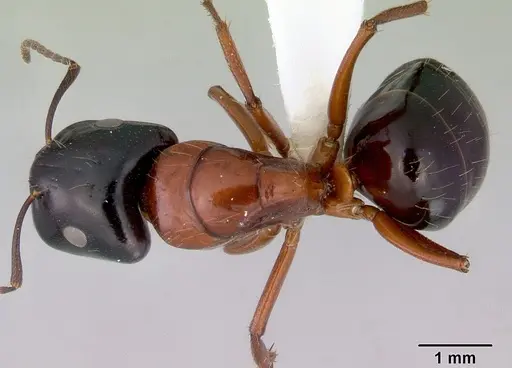
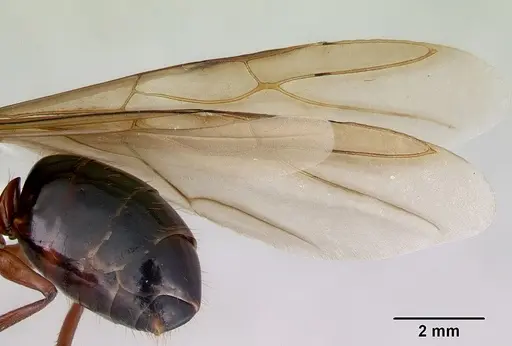
CASENT0172151
View on AntWeb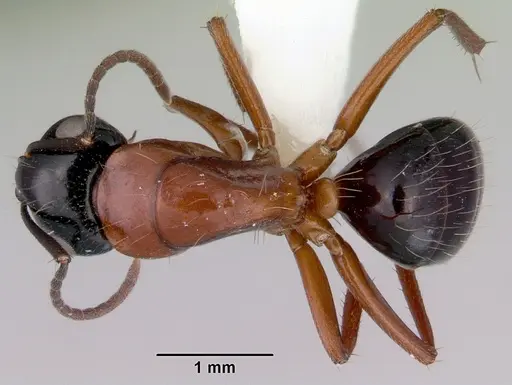
CASENT0172152
View on AntWeb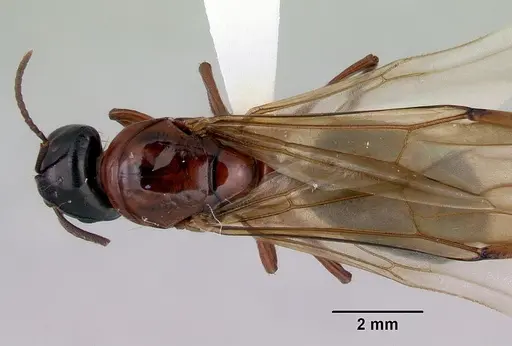
CASENT0172153
View on AntWeb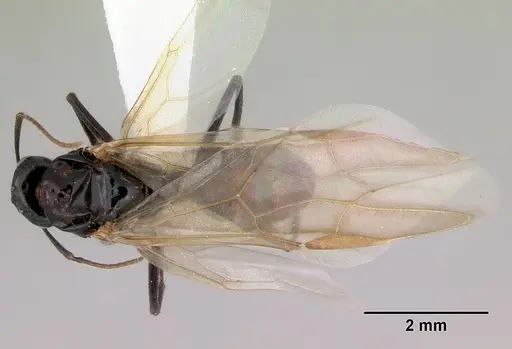
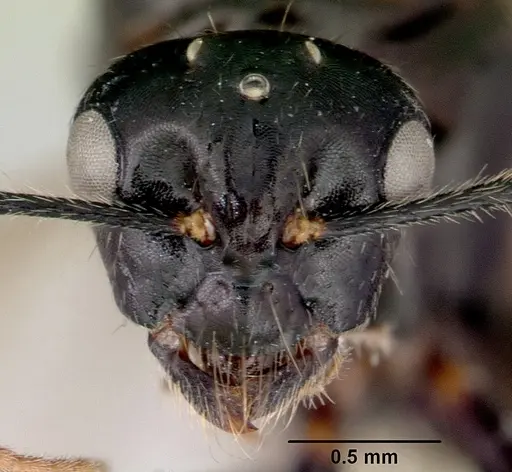
CASENT0280214
View on AntWeb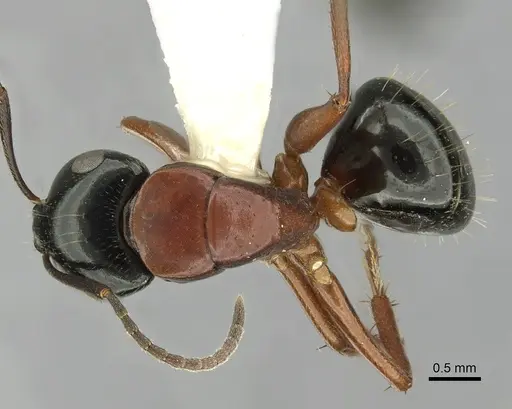
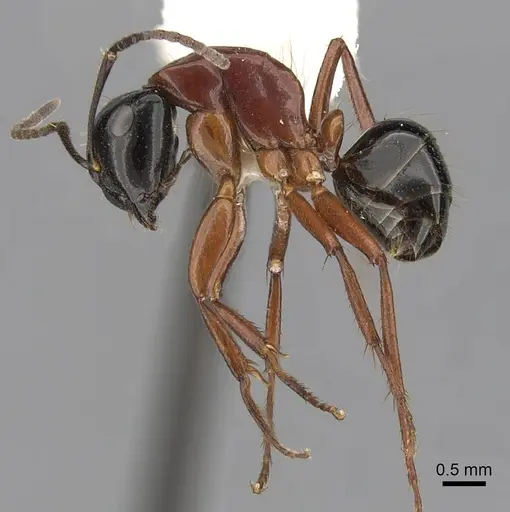
CASENT0887698
View on AntWeb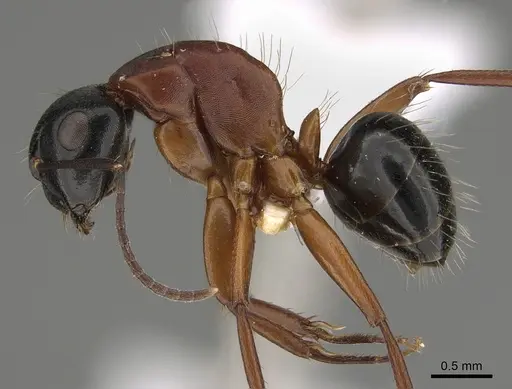
CASENT0923516
View on AntWeb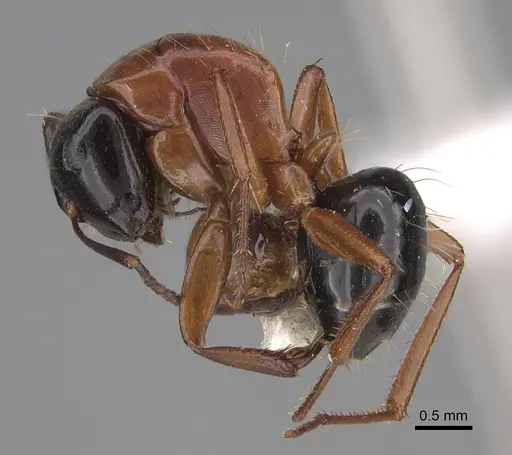
Literature
Loading...Loading products...