

Camponotus armeniacus
- Scientific Name
- Camponotus armeniacus
- Subgenus
- Myrmosericus
- Tribe
- Camponotini
- Subfamily
- Formicinae
- Author
- Arnol'di, 1967
- Distribution
- Found in 2 countries
Camponotus armeniacus Overview
Camponotus armeniacus is an ant species of the genus Camponotus. It is primarily documented in 2 countries , including Iran, Islamic Republic of, Türkiye. Detailed taxonomic data and occurrence records can be further explored via authoritative databases such as AntWeb or the Global Biodiversity Information Facility (GBIF).
Camponotus armeniacus
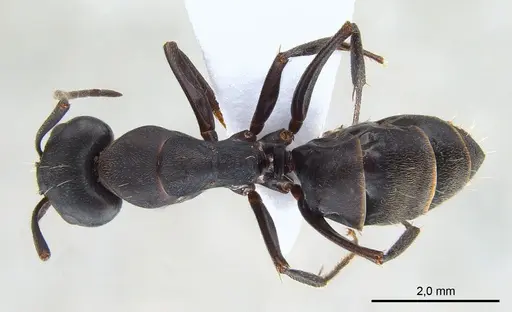
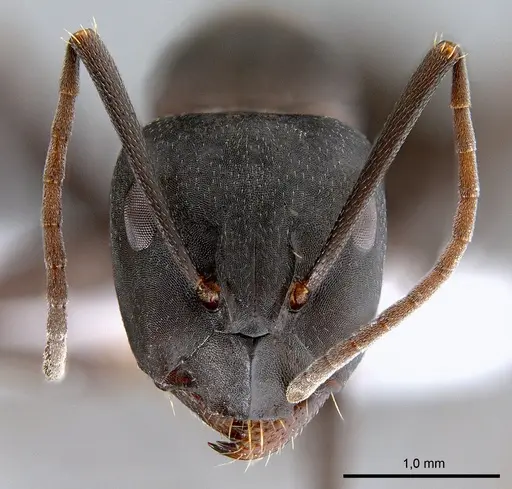
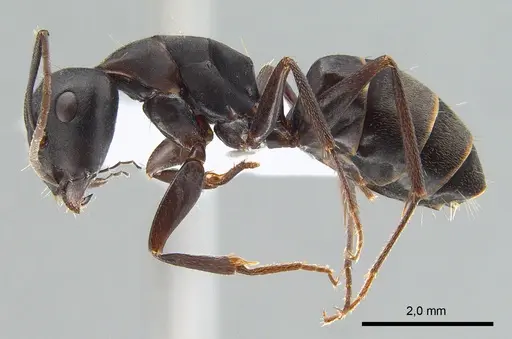
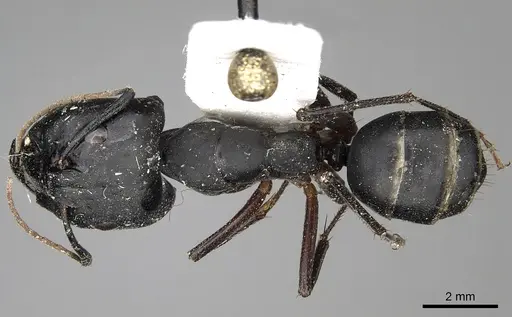
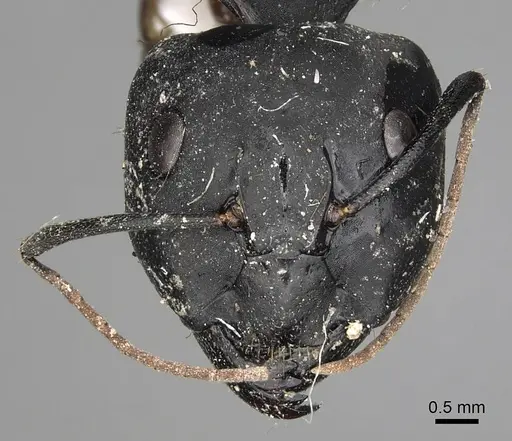
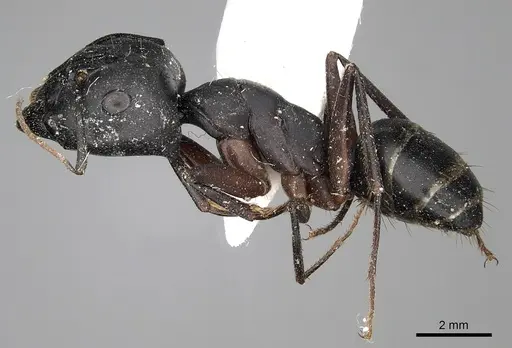
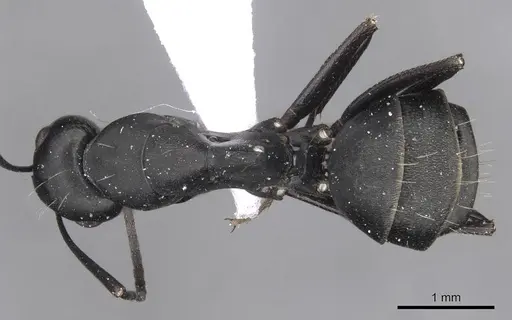
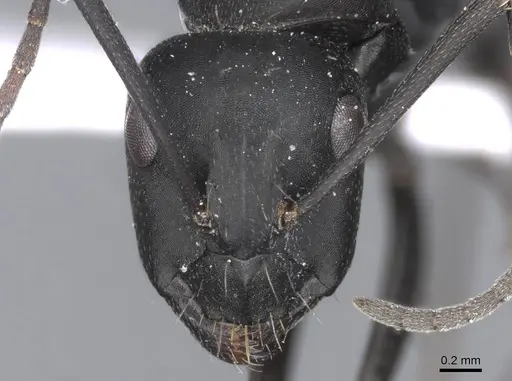
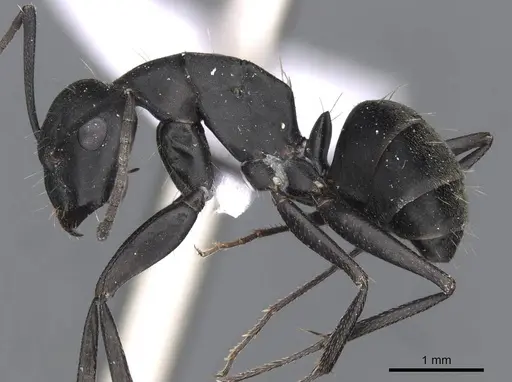
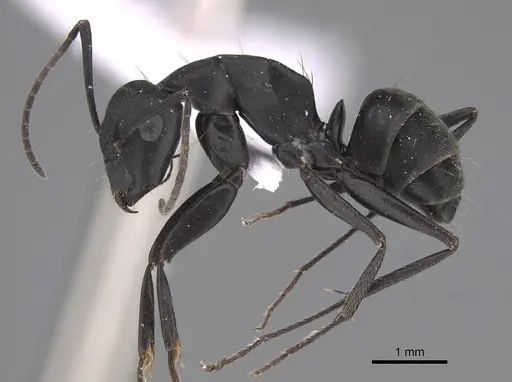
Camponotus armeniacus is a medium-sized Camponotus species belonging to the subgenus Myrmosericus. Workers are polymorphic, meaning they come in different sizes, majors typically reach 8-10mm while minors are smaller at 4-6mm. Queens are robust and can reach 12-15mm. This species has a dark brown to black coloration with lighter yellowish-brown legs and antennae, typical of many Camponotus ants.
This species is found across the Palaearctic region, specifically in Armenia, Iran, and Turkey. It nests in the ground and sometimes on plants in areas with moderate to low rainfall, often at higher elevations. The species was previously misidentified as Camponotus maculatus before being formally described as a separate species in 1967.
Quick Summary
- Difficulty: Easy
- Origin & Habitat: Native to the Palaearctic region: Armenia, Iran, and Turkey. Found in moderate to low rainfall areas, typically nesting in the ground and occasionally on plants. Collections in Iran show nests at elevations around 2177-2263m in grazing areas [1].
- Colony Type: Likely monogyne (single queen colonies) based on typical Camponotus patterns. Queens are robust and claustral, sealing themselves in to raise their first brood alone.
- Colony: Monogyne
- Founding: Claustral
- Size & Growth:
- Queen: 12-15mm (estimated based on Camponotus genus patterns)
- Worker: Polymorphic: majors 8-10mm, minors 4-6mm
- Colony: Likely reaches several thousand workers at maturity based on typical Camponotus growth patterns
- Growth: Moderate, Camponotus species typically take 6-10 weeks from egg to first worker
- Development: 6-10 weeks at optimal temperature (estimated from Camponotus genus patterns) (Development time depends on temperature, warmer conditions within range accelerate development. First workers (nanitics) are typically smaller than normal workers.)
- Antkeeping:
- Temperature: Keep at room temperature, ideally 20-25°C. They can tolerate brief periods slightly above or below this range. A gentle heat gradient on one side of the nest allows workers to regulate their temperature.
- Humidity: Moderate humidity is sufficient. Keep the nest substrate slightly moist but not waterlogged. These ants are from relatively dry regions so they handle drier conditions better than overly damp ones.
- Diapause: Yes, as a temperate species from Armenia and Turkey, they require a winter dormancy period. Reduce temperature to around 10-15°C for 2-3 months during winter.
- Nesting: In captivity, they do well in standard formicariums (acrylic, Y-tong, or plaster nests). Provide a nest with chambers sized appropriately for their colony size. They also need an outworld for foraging.
- Behavior: Generally calm and non-aggressive compared to some other Camponotus species. Workers are active foragers that will collect both sugar sources and protein. Major workers can deliver a mild bite if threatened, but they are not particularly defensive. They are moderate escape artists, use standard barrier methods like fluon on the rim of the outworld. Workers are primarily nocturnal or crepuscular, becoming more active in evening hours.
- Common Issues: colonies may stagnate if kept too cool, ensure temperatures stay in the 20-25°C range, test tube setups can dry out quickly, monitor moisture levels and rehydrate as needed, overfeeding can lead to mold problems in the outworld, remove uneaten food promptly, hibernation failure is common, ensure proper cooling period of 2-3 months at 10-15°C, queen may abandon brood if disturbed too frequently during founding, minimize vibrations and light exposure
Housing and Nest Setup
Camponotus armeniacus adapts well to most standard captive setups. For founding colonies, a simple test tube setup works well, fill a test tube one-third with water, plug with cotton, and place the queen in the dark. The queen will seal herself in and remain there until her first workers emerge. Once the colony reaches 15-20 workers, you can transition to a formicarium. Acrylic nests, Y-tong nests, or plaster nests all work well. Ensure the nest chambers are appropriately sized, too large and the ants may feel insecure, too small and they will outgrow it quickly. Always provide an outworld (foraging area) connected to the nest with tubing. [1]
Feeding and Nutrition
These ants are omnivorous and accept a varied diet. Offer sugar water, honey, or diluted maple syrup as a constant carbohydrate source. For protein, provide small insects like fruit flies, mealworms, or crickets. In the wild, they forage for honeydew and small invertebrates. Feed protein 2-3 times per week, and keep sugar water available at all times. Remove uneaten prey after 24-48 hours to prevent mold. Workers will store food in their social stomachs and share with nestmates through trophallaxis.
Temperature and Seasonal Care
Maintain temperatures between 20-25°C for optimal colony development. They can tolerate brief temperature fluctuations but prolonged cold slows brood development significantly. During winter (roughly November through February in the Northern Hemisphere), reduce temperatures to 10-15°C to induce dormancy. This mimics their natural cycle in Armenia and Turkey where winters are cold. Do not feed during deep dormancy but ensure the colony has access to water. Resume normal feeding and warming gradually in spring. [1]
Colony Development
A claustral queen will lay her first eggs within a week or two of being mated. She feeds the developing larvae from her own body reserves. First workers, called nanitics, emerge 6-10 weeks later depending on temperature. These initial workers are smaller than normal workers but will immediately begin foraging to support the colony. After the nanitics arrive, the queen stops foraging and her sole role becomes egg-laying. Colony growth is initially slow but accelerates as the worker population increases. A mature colony can contain several thousand workers.
Behavior and Temperament
Camponotus armeniacus is relatively calm compared to many ant species. They are not particularly defensive and rarely attack unless their nest is directly threatened. Workers are active foragers, primarily during evening and nighttime hours. They establish well-defined foraging trails and will recruit nestmates to good food sources. Major workers serve as soldiers and food processors, capable of breaking apart larger prey. They communicate through chemical signals and touch. This species does not exhibit slave-making or parasitic behaviors, they are fully independent colony builders.
Frequently Asked Questions
How long does it take for Camponotus armeniacus to have first workers?
Expect first workers (nanitics) to emerge 6-10 weeks after the queen lays her eggs, assuming temperatures around 22-25°C. Cooler temperatures will slow development significantly.
What temperature is best for Camponotus armeniacus?
Keep them at 20-25°C. Room temperature in most homes falls within this range. A slight temperature gradient in the nest allows workers to choose their preferred spot.
Do Camponotus armeniacus need hibernation?
Yes, they require a winter dormancy period. Reduce temperatures to 10-15°C for 2-3 months during winter. This mimics their natural habitat in Armenia and Turkey where winters are cold.
Can I keep multiple Camponotus armeniacus queens together?
This species is monogyne, they form single-queen colonies. Combining unrelated queens is not recommended as they will likely fight. Only one queen should be kept per colony.
What do Camponotus armeniacus eat?
They are omnivorous. Offer sugar water, honey, or maple syrup constantly. Feed protein sources like fruit flies, mealworms, or small crickets 2-3 times per week.
How big do Camponotus armeniacus colonies get?
Mature colonies can reach several thousand workers. Growth is moderate, expect 1-2 years to reach 100 workers, with faster growth thereafter.
Is Camponotus armeniacus good for beginners?
Yes, this is a good beginner species. They are relatively calm, tolerate typical room temperatures, and are not difficult to feed. Their main requirements are proper hibernation and avoiding overfeeding.
When should I move Camponotus armeniacus to a formicarium?
Move them once the colony reaches 15-30 workers. Moving too early stresses the colony. Ensure the new nest has appropriately sized chambers and proper humidity control.
Why is my Camponotus armeniacus queen not laying eggs?
Possible causes include: temperatures too low (below 18°C), queen disturbed during founding, insufficient nutrition after workers emerged, or the colony is still in hibernation. Ensure proper conditions and minimize disturbances.
References

This caresheet is licensed under CC BY-SA 4.0 .
Literature
Loading...Loading products...