

Camponotus andyyoungi
- Scientific Name
- Camponotus andyyoungi
- Tribe
- Camponotini
- Subfamily
- Formicinae
- Author
- McArthur, 2008
- Distribution
- Found in 1 countries
Camponotus andyyoungi Overview
Camponotus andyyoungi is an ant species of the genus Camponotus. It is primarily documented in 1 countries , including Australia. Detailed taxonomic data and occurrence records can be further explored via authoritative databases such as AntWeb or the Global Biodiversity Information Facility (GBIF).
Camponotus andyyoungi
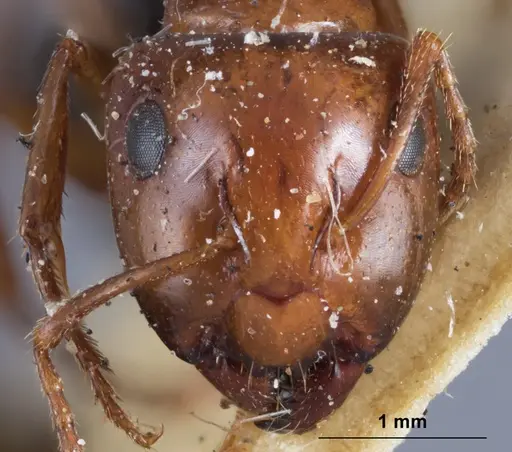
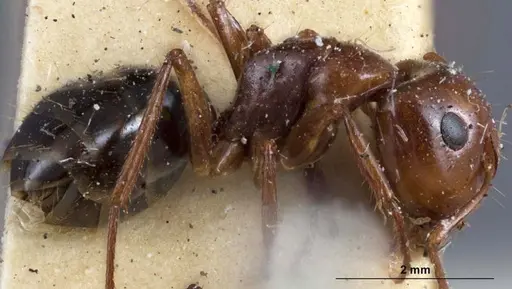
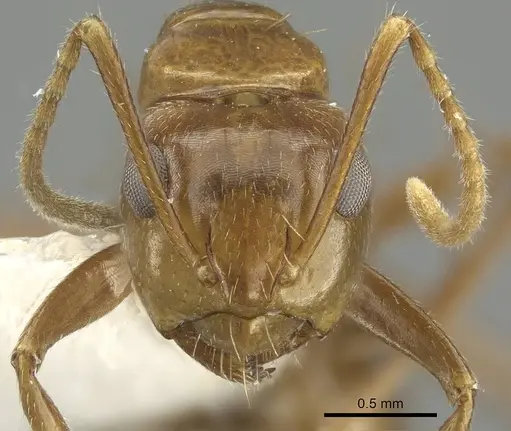
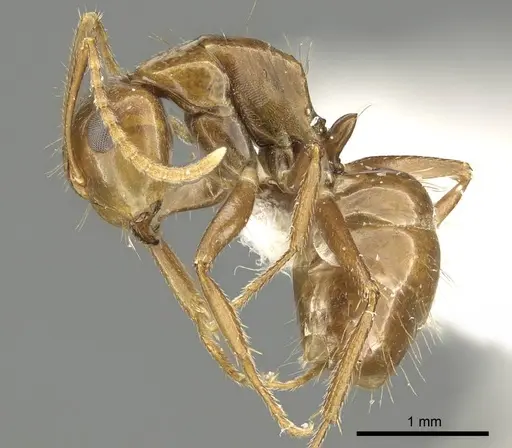
Camponotus andyyoungi is a small Australian carpenter ant belonging to the Camponotus rubiginosus group. Minor workers measure approximately 4-5mm and are a distinctive reddish-yellow color throughout, lacking the black markings seen in many related species [1]. This ground-nesting species was described in 2008 from specimens collected in South Australia's Mallee region, with a range extending into Western Australia near Esperance [1]. Unlike most members of its species group, C. andyyoungi does not produce the characteristic coconut odor noted in other rubiginosus group ants [1]. Major workers have not yet been described.
Quick Summary
- Difficulty: Medium
- Origin & Habitat: Southern Australia (South Australia, Western Australia). Found in Mallee woodland habitats, nesting directly in sand [1].
- Colony Type: Single-queen colonies (monogyne), typical for Camponotus species, though not directly documented for this specific species.
- Colony: Monogyne
- Founding: Claustral
- Size & Growth:
- Queen: Estimated 10-12mm, typical for Camponotus genus
- Worker: Minor workers approximately 4-5mm [1]
- Colony: Estimated 500-2000 workers based on typical Camponotus colony sizes
- Growth: Moderate, typical for Camponotus genus
- Development: 6-8 weeks at optimal temperature (Development time is typical for Camponotus species, exact timeline for this species not directly studied)
- Antkeeping:
- Temperature: Keep at 22-26°C. This species comes from temperate to semi-arid regions of southern Australia and can tolerate a range of warm conditions.
- Humidity: Low to moderate. As a ground-nesting species from relatively dry Mallee habitats, they prefer drier conditions than many tropical ants. Keep nest substrate moderately dry with a small water chamber for drinking access.
- Diapause: Yes, Australian temperate ants require a winter rest period. Reduce temperature to 10-15°C for 2-3 months during winter.
- Nesting: Ground-nesting species that prefers sandy substrates. In captivity, a Y-tong (AAC) nest or plaster nest with sand-filled chambers works well. Avoid overly humid conditions that can cause mold in their nests.
- Behavior: Minor workers are small and active foragers. They are not particularly aggressive but will defend their nest if threatened. As with all small ants, escape prevention is important, use fine mesh and secure barriers. They are primarily nocturnal or crepuscular foragers. Unlike many related species in the rubiginosus group, they do not produce a coconut-scented alarm pheromone.
- Common Issues: escape prevention is critical due to small worker size, they can squeeze through standard mesh, overly humid conditions cause mold problems in their nests, colonies may be slow to establish during founding phase, patience is required, winter diapause is essential for long-term colony health, skipping hibernation can weaken colonies
Nest Preferences and Housing
Camponotus andyyoungi is a ground-nesting species that naturally burrows into sandy soil in Australia's Mallee regions [1]. In captivity, they do well in Y-tong (acrylic) nests or plaster nests with a sand-filled section. The key is providing a relatively dry nest environment, these ants come from semi-arid habitats and are prone to mold problems in overly humid setups. A small water chamber connected to the nest allows workers to drink, but avoid saturating the nesting area. Because minor workers are only 4-5mm, ensure all connections and barriers are secure. Test tube setups can work for founding colonies but monitor for mold buildup.
Feeding and Diet
Like other Camponotus species, C. andyyoungi is omnivorous. They accept sugar sources (honey water, sugar water) and protein foods (insects, mealworms, small crickets). In the wild, they likely forage for honeydew from sap-sucking insects and hunt small invertebrates. Feed protein 2-3 times per week and keep a sugar source constantly available. Remove uneaten protein within 24-48 hours to prevent mold. Fresh fruit can occasionally be offered as a sugar source. Given their small size, prey items should be appropriately sized, fruit flies, small mealworm pieces, and similar small insects work well.
Temperature and Seasonal Care
Maintain temperatures between 22-26°C for optimal colony activity and brood development. This species tolerates warmer conditions well given its origin in temperate to semi-arid southern Australia. During summer, room temperature is often suitable. In winter, provide a diapause period of 2-3 months at 10-15°C to mimic natural seasonal cycles. This winter rest is important for colony health and queen longevity. Reduce feeding during diapause and keep the nest slightly cooler. Avoid sudden temperature swings, gradual transitions are better for ant health.
Colony Founding and Growth
Queens are claustral, they seal themselves in a chamber and raise the first brood alone using energy from stored fat reserves. Expect 6-8 weeks from egg to first nanitic workers, though this timeline is inferred from typical Camponotus development. Founding colonies should be left undisturbed in a dark, quiet location. The queen will lay eggs, and after several weeks, nanitic (first) workers will emerge. These initial workers are smaller than mature workers and will begin foraging once the colony reaches 10-20 workers. Growth is moderate, a healthy colony may reach several hundred workers within 1-2 years under good conditions.
Behavior and Temperament
Minor workers are active foragers, primarily active during evening and night hours. They are not particularly aggressive toward keepers but will defend the nest if disturbed. Unlike many related species in the Camponotus rubiginosus group, C. andyyoungi does not produce the distinctive coconut odor that serves as an alarm pheromone in other species [1]. This makes them somewhat less dramatic in colony defense. Workers are small (4-5mm) but capable of carrying prey many times their body weight. They establish clear foraging trails once the colony is established. The absence of major workers in described specimens suggests this species may primarily produce minor workers, or majors are rare.
Frequently Asked Questions
How long does it take for Camponotus andyyoungi to produce first workers?
Expect 6-8 weeks from egg to first workers at room temperature (22-26°C). This is typical for Camponotus species, though not directly studied for this specific ant.
What do Camponotus andyyoungi ants eat?
They are omnivorous. Offer sugar water or honey constantly, and protein (small insects, mealworms) 2-3 times per week. Remove uneaten protein after 24-48 hours to prevent mold.
Do Camponotus andyyoungi ants need hibernation?
Yes, they require a winter diapause. Reduce temperature to 10-15°C for 2-3 months during winter. This mimics their natural seasonal cycle in southern Australia.
What size are Camponotus andyyoungi workers?
Minor workers are approximately 4-5mm. Major workers have not yet been described in scientific literature.
Are Camponotus andyyoungi good for beginners?
They are moderate difficulty. Their small size requires good escape prevention, and they need proper winter diapause. They are more forgiving than some tropical species but require attention to humidity levels.
How big do Camponotus andyyoungi colonies get?
Based on typical Camponotus patterns, colonies likely reach 500-2000 workers. Exact maximum size is unknown as this species has not been extensively studied in captivity.
What type of nest is best for Camponotus andyyoungi?
Y-tong (AAC) nests or plaster nests with a dry to moderately humid environment work well. They are ground-nesting ants from sandy Mallee habitats, so avoid overly humid setups that can cause mold.
Where is Camponotus andyyoungi found in the wild?
This species is endemic to southern Australia, specifically South Australia and Western Australia near Esperance. They live in Mallee woodland and nest directly in sand.
Why is my Camponotus andyyoungi colony dying?
Common causes include: overly humid conditions causing mold, skipping winter diapause, poor escape prevention allowing workers to escape, or feeding inappropriate prey sizes. Ensure the nest is relatively dry, provide hibernation, and use fine mesh barriers.
References

This caresheet is licensed under CC BY-SA 4.0 .
ANTWEB1041382
View on AntWeb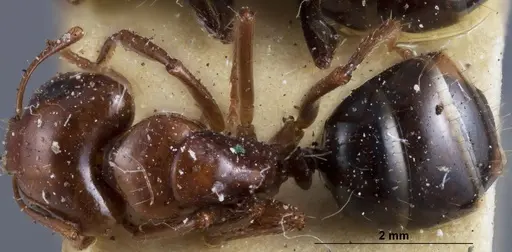
CASENT0915747
View on AntWeb
Literature
Loading...Loading products...