

Camponotus rubiginosus
- Scientific Name
- Camponotus rubiginosus
- Subgenus
- Thlipsepinotus
- Tribe
- Camponotini
- Subfamily
- Formicinae
- Author
- Mayr, 1876
- Distribution
- Found in 1 countries
Camponotus rubiginosus Overview
Camponotus rubiginosus is an ant species of the genus Camponotus. It is primarily documented in 1 countries , including Australia. Detailed taxonomic data and occurrence records can be further explored via authoritative databases such as AntWeb or the Global Biodiversity Information Facility (GBIF).
Camponotus rubiginosus
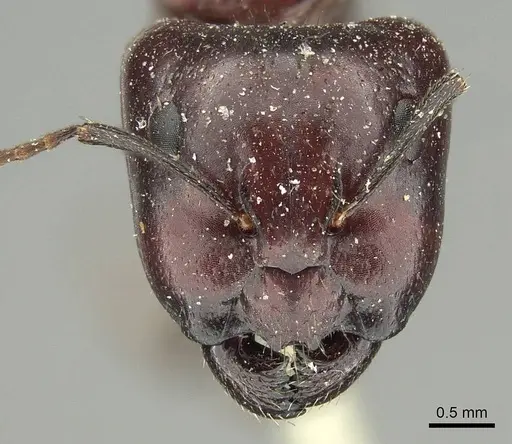
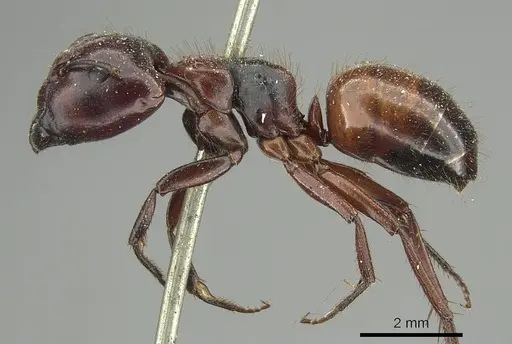
Camponotus rubiginosus is a medium-sized carpenter ant native to Queensland, Australia. Workers measure 5-10mm, with distinct major and minor castes. The body is ferruginous (rusty red) with the last three segments of the abdomen being black. Major workers have darker heads and mandibles, while minor workers have black heads and thorax with more reddish coloration on the clypeus and leg joints. The antennae are notably long and smooth, and the body has a glossy appearance with fine transverse striations on the gaster [1].
This species belongs to the rubiginosus species group and is one of Australia's native carpenter ants. Like other Camponotus species, they nest in wood but do not eat it, they hollow out galleries for their colony. These ants are relatively calm in temperament compared to some other ant species, making them suitable for antkeeping.
Quick Summary
- Difficulty: Easy
- Origin & Habitat: Native to Queensland, Australia. Found in the Peak Downs region of Queensland. In the wild, they nest in wood and hollow plant stems [1].
- Colony Type: Single-queen colonies (monogyne). This follows typical Camponotus colony structure where one queen establishes and heads the colony.
- Colony: Monogyne
- Founding: Claustral
- Size & Growth:
- Queen: Approximately 12-15mm (typical for Camponotus queens), estimated based on genus patterns
- Worker: 5-10mm with distinct major and minor castes [1]
- Colony: Likely several thousand workers at maturity, typical for Camponotus species
- Growth: Moderate, Camponotus species typically grow more slowly than smaller ants
- Development: 6-10 weeks at optimal temperature, typical for Camponotus genus (Development time depends on temperature. First workers (nanitics) are smaller than normal workers.)
- Antkeeping:
- Temperature: Keep nest area at 20-25°C. A gentle temperature gradient allows ants to regulate their own conditions. Room temperature in this range works well.
- Humidity: Moderate humidity around 50-60%. Carpenter ants prefer slightly drier conditions than many tropical species. Provide a water source via test tube setup.
- Diapause: Yes, as an Australian species from Queensland, they likely experience reduced activity during cooler months. Reduce temperature to around 15-18°C for 2-3 months in winter.
- Nesting: Y-tong (acrylic) nests work well, or a naturalistic setup with wood pieces. They prefer tight-fitting chambers. Test tube setups are suitable for founding colonies.
- Behavior: These ants are relatively docile and not aggressive. They are nocturnal foragers in the wild. Workers are moderate in size and can squeeze through small gaps, so escape prevention should be taken seriously. They tend to be less active during the day.
- Common Issues: escape prevention is important, workers can fit through surprisingly small gaps, slow growth can frustrate beginners, patience is needed through the founding stage, colonies may stall if temperatures are too cool or inconsistent, test tube flooding can drown colonies, ensure water reservoir is properly sized, wild-caught colonies may have parasites that affect captive survival
Nest Preferences
In the wild, Camponotus rubiginosus nests in wood and hollow plant stems. They excavate galleries but do not consume the wood, they simply use it for shelter. For captive care, Y-tong (acrylic) nests provide excellent visibility and work well for this species. Naturalistic setups with cork or wood pieces are also suitable. The chambers should be appropriately sized to the worker castes, these ants have both major and minor workers, so medium-sized passages work best. Test tube setups are ideal for founding colonies. Ensure the nest has some dry areas as they prefer moderately dry conditions over constant humidity. [1]
Feeding and Diet
Like other Camponotus species, these ants are omnivorous. They accept sugar sources readily, honey water, sugar water, or commercial ant nectar. For protein, offer insects such as mealworms, crickets, or other small arthropods. Carpenter ants are nocturnal foragers in the wild, so offering food in the evening or at night often yields better results. Feed protein 2-3 times per week and keep sugar water available constantly. Remove uneaten food after 24-48 hours to prevent mold. Given their moderate size, they can tackle prey items that smaller ants cannot.
Temperature and Care
Maintain nest temperatures between 20-25°C. This species comes from Queensland, Australia, which has a warm temperate to subtropical climate. Room temperature within this range is usually sufficient. If your room is cooler, a heating cable on one side of the nest can create a gentle gradient. Place heating on top of the nest rather than underneath to avoid excessive drying. During winter months, reduce temperatures to around 15-18°C for 2-3 months to simulate their natural seasonal cycle. This diapause period helps maintain colony health. Avoid sudden temperature fluctuations as this stresses the colony.
Behavior and Temperament
Camponotus rubiginosus is relatively docile compared to many ant species. Workers are not particularly aggressive and the colony tends to be calm. They are primarily nocturnal, with greater activity during evening and night hours. Workers have the typical Camponotus ability to squeeze through small gaps due to their flexible gasters, so escape prevention is important even though they are not tiny ants. The species shows polymorphism with distinct major and minor worker castes, majors are larger and often handle larger prey items, while minors handle more routine tasks. They tend to be less active during daylight hours.
Colony Founding
Like all Camponotus species, C. rubiginosus is claustral. The queen seals herself into a small chamber and does not leave to forage during the founding stage. She relies entirely on stored fat reserves and metabolic energy to lay eggs and feed the first brood. This process typically takes 6-10 weeks at optimal temperatures. The first workers (nanitics) are smaller than normal workers but will begin foraging to support the growing colony. During this critical stage, do not disturb the queen or move the founding setup. Once workers emerge, you can begin offering tiny amounts of food.
Frequently Asked Questions
How long does it take for Camponotus rubiginosus to produce first workers?
Expect 6-10 weeks from egg to first worker at optimal temperatures (around 20-25°C). This is typical for Camponotus species. The first workers (nanitics) will be smaller than normal workers.
What do Camponotus rubiginosus ants eat?
They are omnivorous. Offer sugar water or honey constantly for energy, and protein sources like mealworms, crickets, or other insects 2-3 times per week. They tend to forage more actively in the evening.
What temperature do they need?
Keep the nest at 20-25°C. Room temperature in this range works well. A gentle temperature gradient allows the ants to regulate their own conditions.
Do they need hibernation?
Yes, as an Australian species, they benefit from a winter rest period. Reduce temperatures to around 15-18°C for 2-3 months during winter to mimic their natural seasonal cycle.
Are Camponotus rubiginosus good for beginners?
Yes, they are considered an easy species. They are relatively docile, have moderate care requirements, and are forgiving of minor mistakes. The main challenges are their slower growth compared to smaller ants and the need for good escape prevention.
How big do colonies get?
At maturity, colonies likely reach several thousand workers. This is typical for Camponotus species. Growth is moderate, expect several months to a year before you see significant numbers.
Can I keep multiple queens together?
No. This species is monogyne, single queen colonies. Unlike some ants, they do not form multi-queen colonies. Only keep one queen per colony.
When should I move them to a formicarium?
Keep them in a test tube setup for the founding stage. Once the colony reaches 50-100 workers and you see consistent activity, you can consider moving to a Y-tong or naturalistic setup. Do not rush the move.
Why are my ants not active?
Check your temperature first, they need 20-25°C for normal activity. They are also nocturnal, so they may simply be resting during the day. If temperatures are correct and they still seem sluggish, check humidity levels and ensure they have access to sugar water.
References

This caresheet is licensed under CC BY-SA 4.0 .
CASENT0280217
View on AntWeb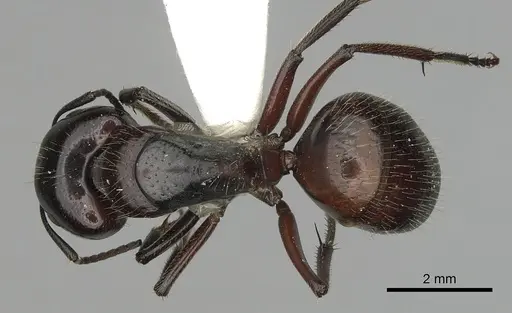
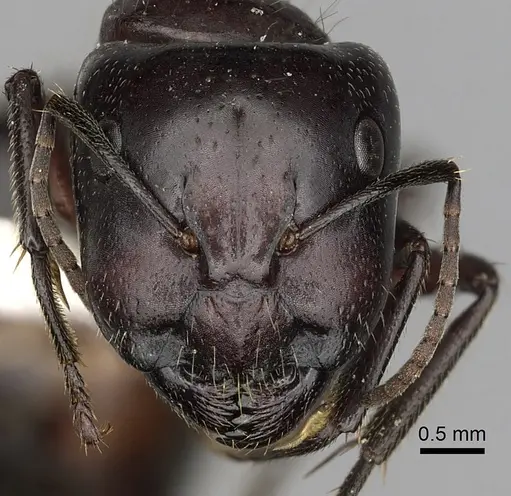
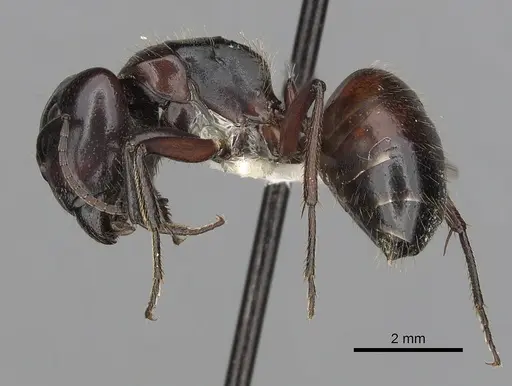
CASENT0280218
View on AntWeb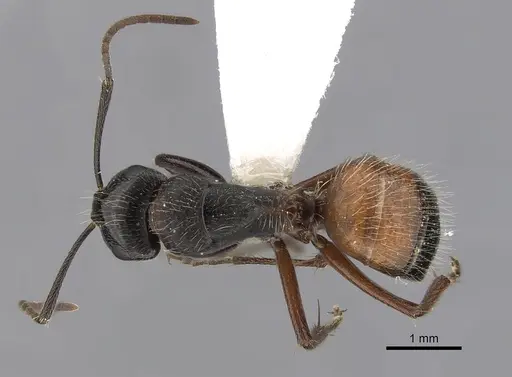
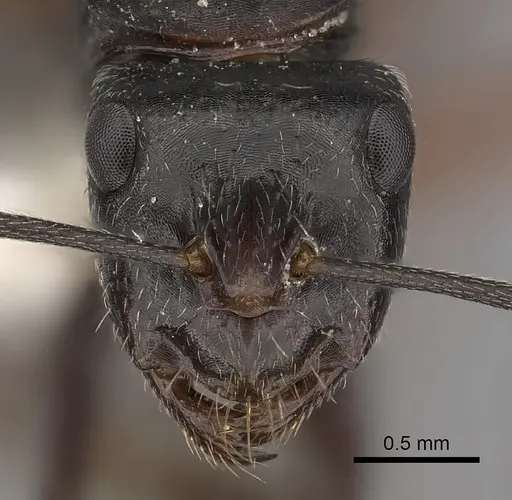
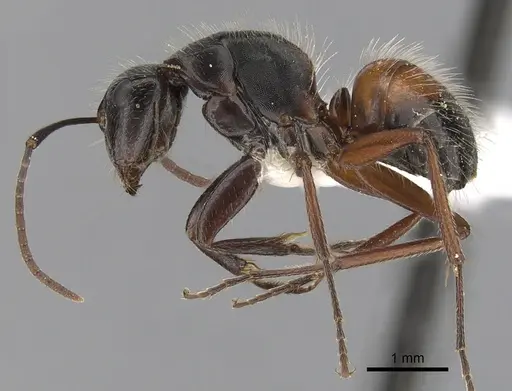
CASENT0887654
View on AntWeb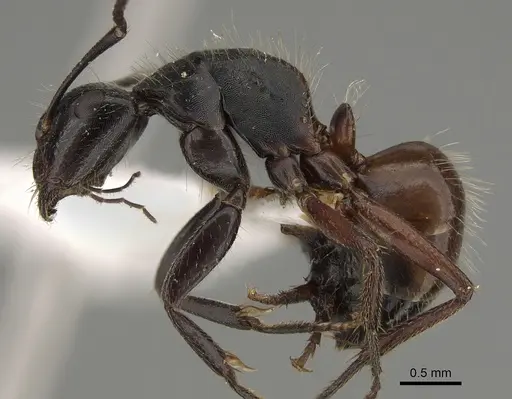
CASENT0915769
View on AntWeb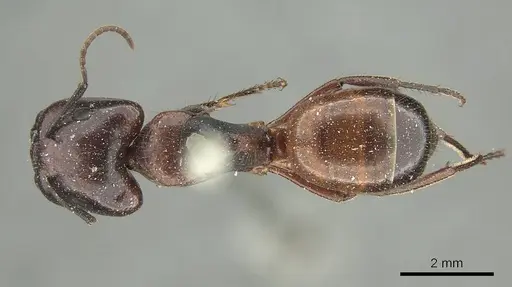
Literature
Loading...Loading products...