

Camponotus amaurus
- Scientific Name
- Camponotus amaurus
- Subgenus
- Tanaemyrmex
- Tribe
- Camponotini
- Subfamily
- Formicinae
- Author
- Espadaler, 1997
- Distribution
- Found in 1 countries
Camponotus amaurus Overview
Camponotus amaurus is an ant species of the genus Camponotus. It is primarily documented in 1 countries , including Spain. Detailed taxonomic data and occurrence records can be further explored via authoritative databases such as AntWeb or the Global Biodiversity Information Facility (GBIF).
Camponotus amaurus
Camponotus amaurus is a small to medium-sized black ant endemic to the Mediterranean coast of Almería, Spain. Workers measure around 5-8mm with the characteristic Camponotus body shape, a rounded thorax and relatively large head. The species is easily recognized by its completely matte black appearance, caused by very developed microsculpture covering the entire body, combined with extremely sparse pubescence (tiny hairs). The mesopropodeal depression (the groove between the middle and rear body sections) is very pronounced. This ant is closely related to Camponotus foreli but can be distinguished by its absolutely matte surface rather than the slightly shiny appearance of C. foreli [1][2].
As a strictly endemic species with a narrow distribution limited to the Mediterranean coast and surrounding areas of Almería province, C. amaurus represents one of Spain's most restricted ant species. Found in hot, dry Mediterranean habitats, these ants nest in the ground and are adapted to the semi-arid conditions of southeastern Spain. The genus Camponotus includes many common 'carpenter ants, ' though this particular species is not a wood-damaging species [3][4].
Quick Summary
- Difficulty: Medium
- Origin & Habitat: Endemic to the Mediterranean coast of Almería province, Spain. Found in hot, dry Mediterranean habitats around locations like Faro de Gata and San José. Strictly endemic to the Mediterranean refugium area with a narrow coastal distribution [3][4][5].
- Colony Type: Likely monogyne (single queen colony) based on typical Camponotus patterns. Colony size is unconfirmed but likely reaches several hundred workers based on genus typical size [6].
- Colony: Monogyne
- Founding: Claustral
- Size & Growth:
- Queen: Estimated 12-15mm based on Camponotus genus patterns and related species [6].
- Worker: Estimated 5-8mm based on genus patterns and type descriptions showing small workers [1][2].
- Colony: Estimated several hundred workers based on typical Camponotus colony development [6].
- Growth: Moderate, typical for Camponotus genus
- Development: Estimated 6-8 weeks at optimal temperature based on typical Camponotus development [6]. (Development time is inferred from genus patterns, actual timing may vary based on temperature conditions during founding.)
- Antkeeping:
- Temperature: Keep at 24-28°C during active season. As a Mediterranean species from hot Almería, they tolerate and prefer warm conditions. A heating cable on one side of the nest creates a gradient for the colony to self-regulate [6].
- Humidity: Keep relatively dry, these ants come from one of Spain's driest regions. The nest substrate should be lightly moist but allow drying between waterings. Provide a water tube but avoid constant high humidity [6].
- Diapause: Yes, provide a winter rest period of 8-12 weeks at 10-15°C. Mediterranean species still require a cool period to trigger seasonal cycles, though less prolonged than northern species [6].
- Nesting: Ground-nesting species adapted to dry Mediterranean conditions. Y-tong (AAC) nests work well, or a test tube setup with dry to slightly moist substrate. Avoid overly humid conditions that can cause mold [6].
- Behavior: Workers are typically moderate in activity level, not hyperactive but actively foragers. Like most Camponotus, they are generally non-aggressive toward humans and do not readily sting. Escape risk is moderate, use standard barrier methods (fluon on rim edges). They are primarily nocturnal foragers in nature but will adapt to daytime feeding in captivity. Workers are polymorphic with major and minor castes [6].
- Common Issues: colonies may fail if kept too humid, this is a dry-adapted species, overheating can be as dangerous as cold, avoid temperatures above 35°C, small colony founding is slow, beginners may lose patience during claustral founding phase, escape prevention should be adequate but not extreme for this medium-sized species, winter mortality can occur if diapause temperatures fluctuate or become too warm
Nest Preferences and Housing
Camponotus amaurus is a ground-nesting species adapted to the dry, hot Mediterranean conditions of Almería, Spain. In captivity, they do well in Y-tong (AAC) nests which provide the dark, dry conditions they prefer. Test tube setups also work well for founding colonies, use a water tube with a cotton plug but avoid having the wet cotton too close to the nest chamber, as these ants prefer drier conditions than many other ants. The nest should be placed in a warm area of your setup, around 24-28°C. Because they come from an arid region, avoid overly humid conditions that can lead to mold problems. A naturalistic setup with a dry substrate and some damp areas for humidity gradients works well if you prefer that approach. The colony will naturally tend to position themselves in the temperature and humidity zone that suits them best [6].
Feeding and Diet
Like other Camponotus species, C. amaurus is omnivorous with a preference for protein sources. Feed them protein-rich foods like mealworms, crickets, or other small insects. They also accept sugar sources such as honey water or sugar water, though protein should form the bulk of their diet for proper colony development. Feed the colony 2-3 times per week, offering enough food that all workers have access but removing any uneaten prey after 24 hours to prevent mold. A constant supply of sugar water is recommended, you can use a small dish or cotton ball soaked in sugar water. For variety, they may accept small amounts of fruit or seeds, though insects should remain the primary food. Growing colonies need regular protein to support brood production [6].
Temperature and Seasonal Care
As a Mediterranean species from one of Spain's hottest regions, C. amaurus prefers warm conditions. Keep the nest area at 24-28°C during the active season (spring through fall). A heating cable placed on one side of the nest creates a temperature gradient, allowing the colony to regulate its own temperature by moving between warmer and cooler areas. During winter, provide a diapause (hibernation) period of 8-12 weeks at 10-15°C. This cool period is essential for triggering proper seasonal cycles, without it, colonies may become confused or fail to produce brood properly in spring. Avoid temperatures above 35°C, as this can be fatal. Room temperature (around 20-22°C) is acceptable during the non-heating season, but the colony will be more active and develop faster with supplemental warmth [6].
Colony Development and Growth
Camponotus colonies are known for their relatively slow founding phase compared to some other ant genera. After the queen lays her first eggs, expect 6-8 weeks at optimal temperature before the first workers (nanitics) emerge. These first workers are typically smaller than mature workers but will begin foraging to support the colony. Growth is moderate, a well-fed colony can reach 50-100 workers within the first year, with larger colonies of several hundred developing over 2-3 years. The colony will produce larger workers (majors) as it grows larger, these specialized workers have larger heads and are designed for tasks like seed processing or defense. Patience is key during the founding phase, resist the temptation to overfeed or disturb the queen, as this can cause founding failure. Once established, colonies are quite resilient and can live for many years with a healthy queen [6].
Behavior and Temperament
C. amaurus workers are generally calm and not particularly aggressive toward humans. They are not known for painful stings, while all ants can sting, Camponotus species typically rely more on formic acid spray or biting rather than stinging. Workers are moderately active and will establish foraging trails when hunting for prey or sugar. The colony will likely show peak activity during evening and night hours, reflecting their Mediterranean foraging patterns, though they will adjust to your feeding schedule. Major workers (larger ants with bigger heads) may appear as the colony grows, these are normal and not a sign of trouble. The species is not known for being particularly escape-prone, but standard barrier methods like fluon applied to the rim of the outworld will prevent escapes. They are not territorial or aggressive toward other colonies in the context of captive setups [6].
Frequently Asked Questions
How long does it take for Camponotus amaurus to produce first workers?
At optimal temperature (24-28°C), expect 6-8 weeks from egg to first worker. This is typical for Camponotus species, they are slower to found than many other ants, but the wait is worth it for a long-lived colony.
What temperature do Camponotus amaurus ants need?
Keep them at 24-28°C during the active season. They are a Mediterranean species from hot, dry Almería and prefer warm conditions. A heating cable on part of the nest creates a gradient they can use to regulate their temperature.
Do Camponotus amaurus ants need hibernation?
Yes, provide a winter rest period of 8-12 weeks at 10-15°C. Even though they come from a warm region, they still need a cool period to trigger proper seasonal cycles. This diapause is essential for colony health.
What do Camponotus amaurus ants eat?
They are omnivorous but need protein-rich foods. Feed them insects like mealworms or crickets 2-3 times per week, plus a constant sugar source (honey water or sugar water). Protein is essential for brood production.
Are Camponotus amaurus good for beginners?
They are rated as medium difficulty. The main challenges are their slower founding phase (requiring patience) and their need for warm, dry conditions. They are more forgiving than some species but not as beginner-friendly as some Lasius or Messor species.
How big do Camponotus amaurus colonies get?
Based on typical Camponotus patterns, colonies can reach several hundred workers over 2-3 years with a healthy queen. They are long-lived colonies that can persist for many years.
Can I keep multiple Camponotus amaurus queens together?
This is not recommended. Camponotus are typically single-queen (monogyne) species. Multiple unrelated queens will likely fight. Only keep one queen per colony.
When should I move my Camponotus amaurus to a formicarium?
Wait until the colony has at least 30-50 workers and is actively using the outworld for foraging. Moving too early can stress the colony. A Y-tong or naturalistic setup works well once the colony is established.
Why is my Camponotus amaurus colony growing slowly?
Slow growth is normal for Camponotus, they prioritize quality over quantity. Ensure the queen is healthy and laying eggs, temperatures are warm (24-28°C), and you are providing adequate protein. If the colony is stagnant for months with no brood, check for stress factors.
References

This caresheet is licensed under CC BY-SA 4.0 .
CASENT0911611
View on AntWeb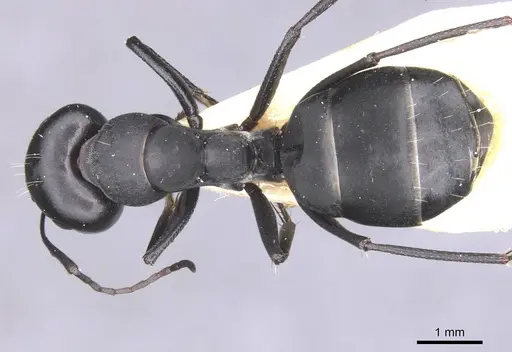
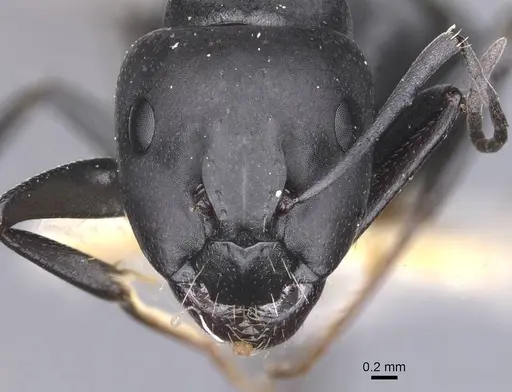
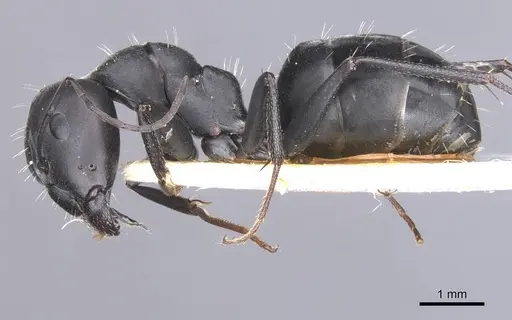
CASENT0911612
View on AntWeb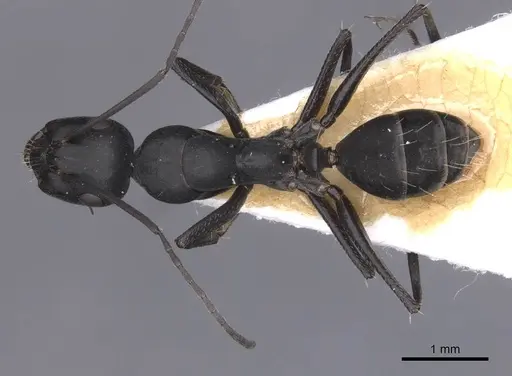
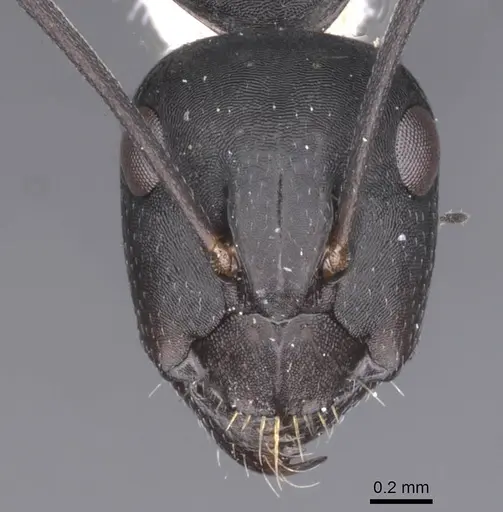
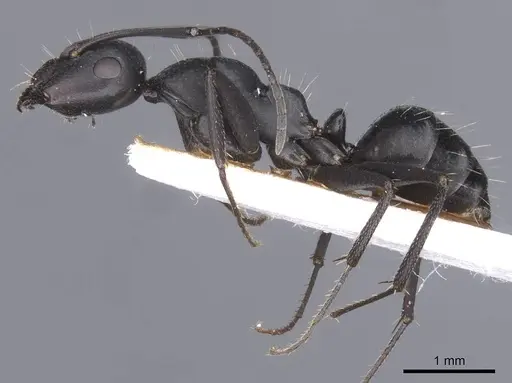
CASENT0913684
View on AntWeb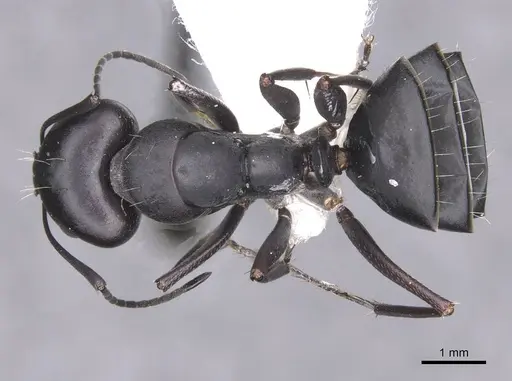
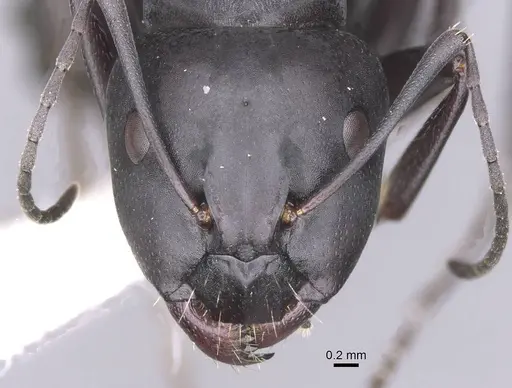
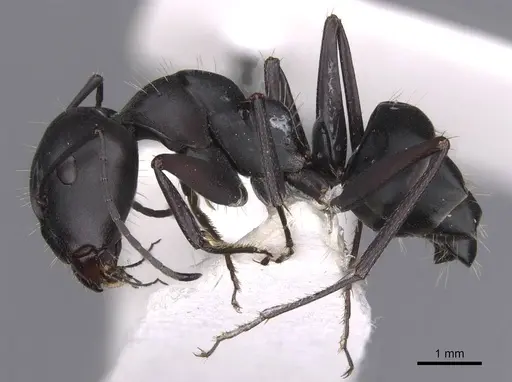
CASENT0913685
View on AntWeb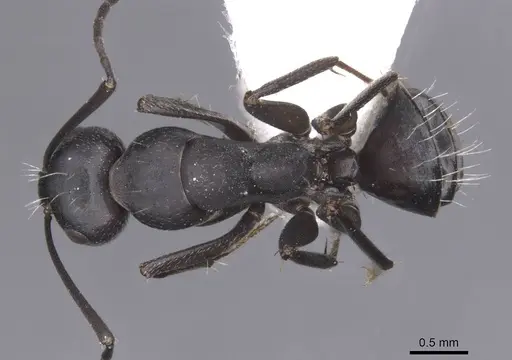
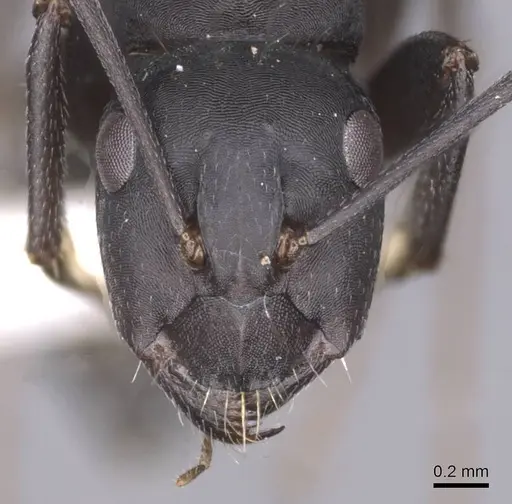
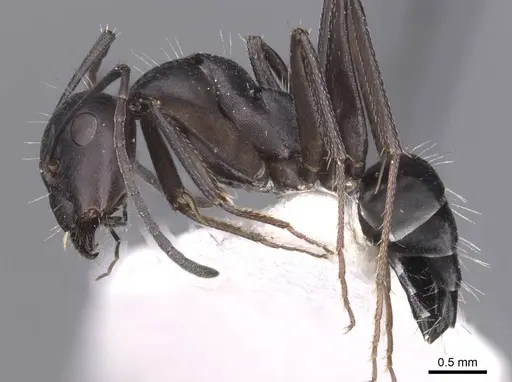
KG01863-2
View on AntWeb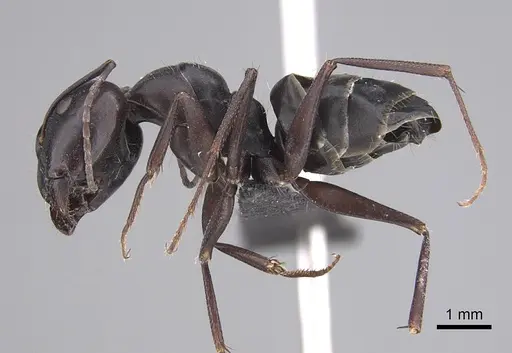
Literature
Loading...Loading products...