

Camponotus alboannulatus
- Scientific Name
- Camponotus alboannulatus
- Subgenus
- Pseudocolobopsis
- Tribe
- Camponotini
- Subfamily
- Formicinae
- Author
- Mayr, 1887
- Distribution
- Found in 2 countries
Camponotus alboannulatus Overview
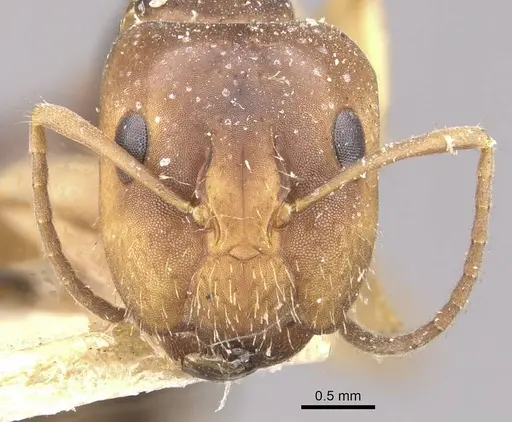
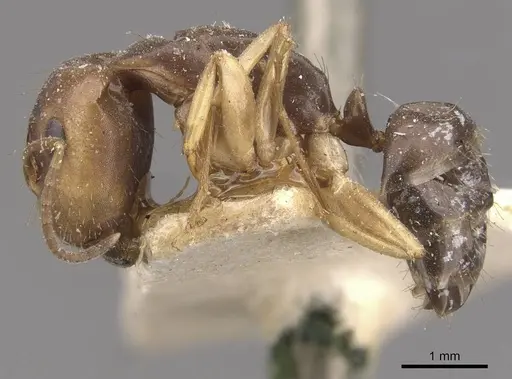
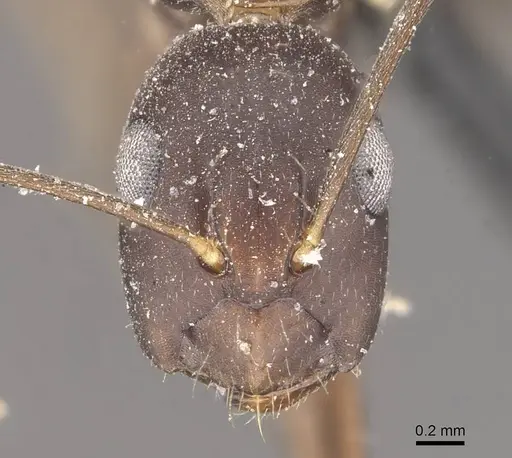
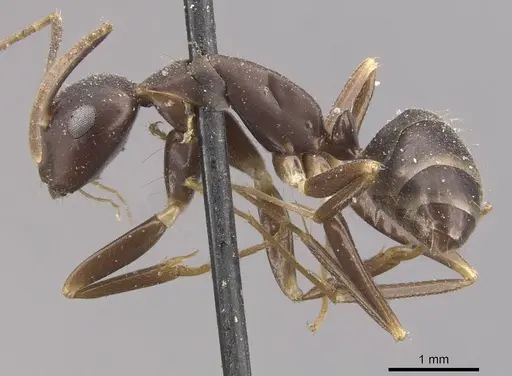
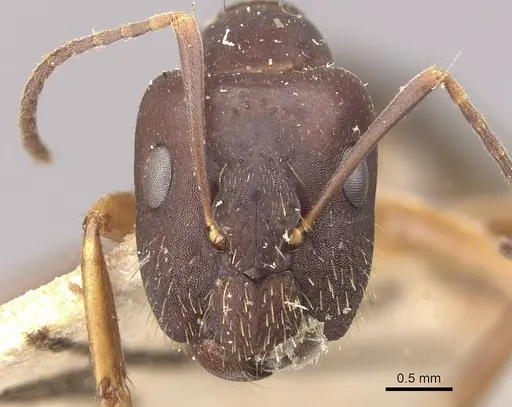
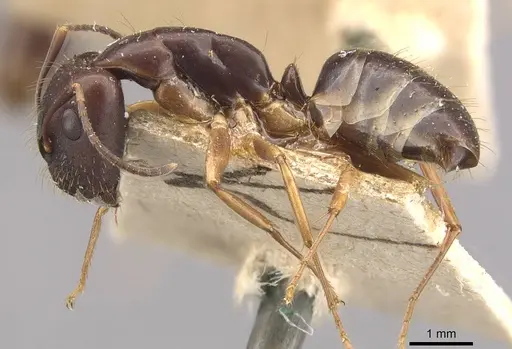
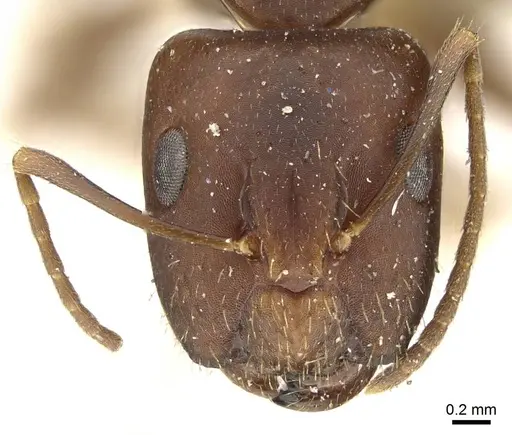
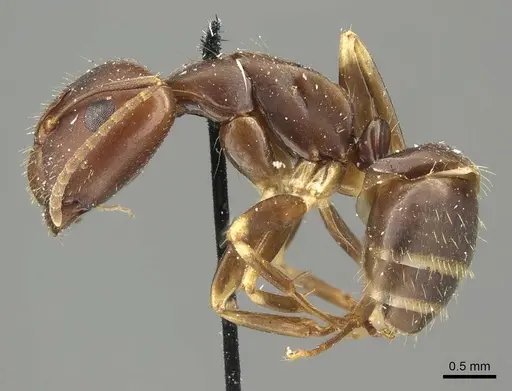
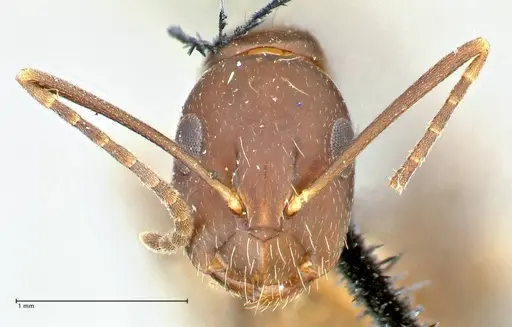
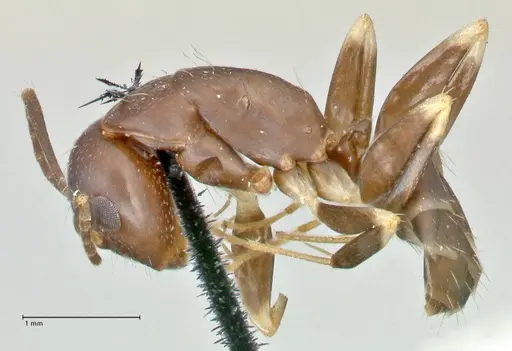
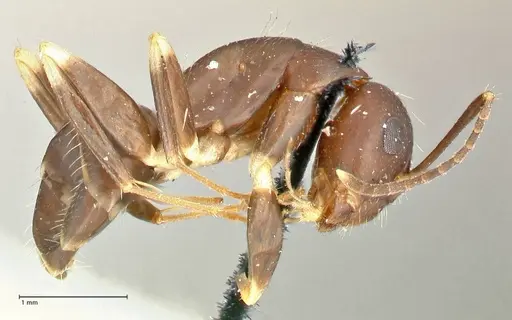
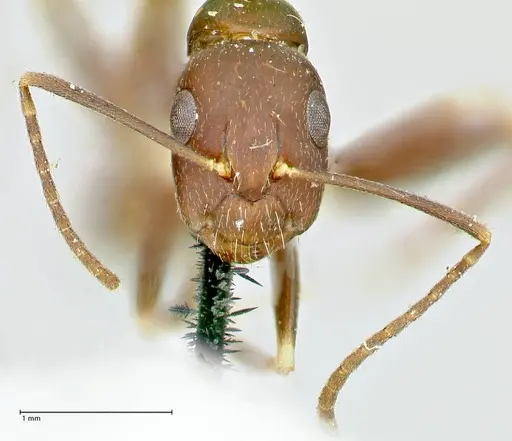
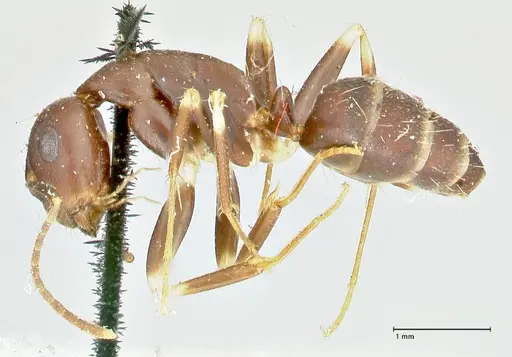
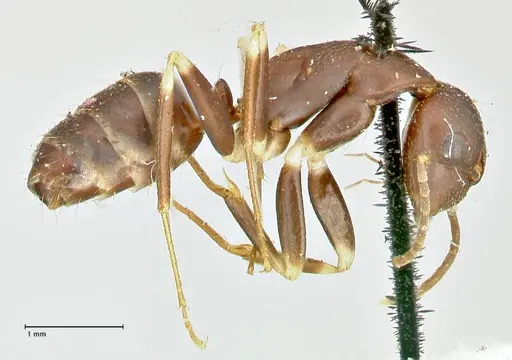
Camponotus alboannulatus is an ant species of the genus Camponotus. It is primarily documented in 2 countries , including Brazil, Colombia. Detailed taxonomic data and occurrence records can be further explored via authoritative databases such as AntWeb or the Global Biodiversity Information Facility (GBIF).
Camponotus alboannulatus
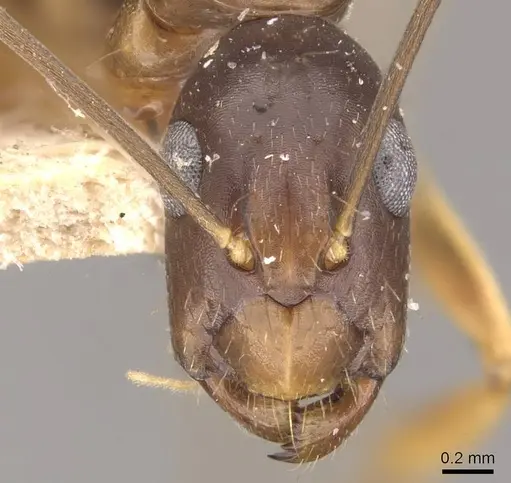
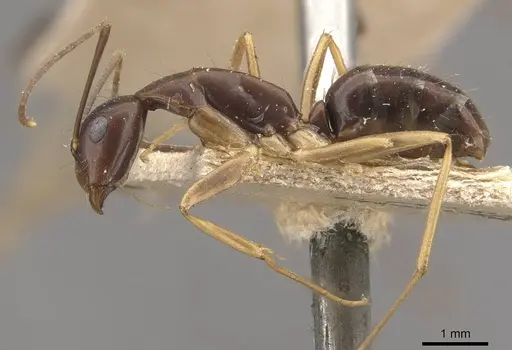
Camponotus alboannulatus is a Neotropical carpenter ant found across Bolivia, Brazil, Venezuela, and Colombia. Workers are polymorphic, meaning they come in different sizes, smaller workers average around 6mm while major workers reach 8.5mm. Queens are relatively large at approximately 9.6mm. The species gets its name from the Latin 'alboannulatus' meaning 'white-ringed, ' referring to distinctive light markings. This ant nests in living tree trunks and Cecropia plants, from urban areas to tropical forests [1].
What makes this species interesting is its unusual nesting preference, it specifically inhabits the central hollow stems of plants like the herb Actinocephalus polyanthus in coastal dune environments, where colonies average about 52 workers. Unlike many Camponotus that form large colonies, this species remains relatively small with typically fewer than 120 workers [2].
Quick Summary
- Difficulty: Medium
- Origin & Habitat: Neotropical species found in Bolivia, Brazil, Venezuela, and Colombia. It inhabits diverse environments from urban areas to tropical forests, nesting in living tree trunks and Cecropia plants. In southern Brazil, it's commonly found in Atlantic Forest fragments and coastal restinga ecosystems [1][2].
- Colony Type: Monogyne, colonies have a single queen. Each nest contains exactly one queen, and colonies range from 14 to 113 workers with an average of 52 [2].
- Colony: Monogyne
- Founding: Claustral
- Size & Growth:
- Queen: Approximately 9.62mm [2], estimated from study data
- Worker: Polymorphic: smaller workers average 6.01mm, larger major workers average 8.53mm [2]
- Colony: Up to 113 workers (average 52 ± 38) in natural nests [2]
- Growth: Moderate, based on typical Camponotus development patterns
- Development: Estimated 6-10 weeks based on typical Camponotus genus patterns at optimal temperature (Development time inferred from genus-level data, specific measurements for this species are unconfirmed)
- Antkeeping:
- Temperature: Keep at 24-28°C, these are tropical ants that prefer warm conditions. A heating cable on one side of the nest creates a suitable gradient [1].
- Humidity: Moderate to high, they naturally inhabit tropical forests and coastal areas. Keep the nest substrate moist but not waterlogged. Mist occasionally and provide a water tube.
- Diapause: No, as a Neotropical species, they do not require true hibernation. You may reduce feeding and activity slightly during cooler winter months, but a full diapause is not necessary.
- Nesting: Y-tong (AAC) nests or plaster nests work well. These ants are larger and prefer tight-fitting chambers. In nature they nest in plant stems and tree trunks, so provide appropriately sized tunnels. Avoid overly humid setups that could cause mold.
- Behavior: Generally calm and non-aggressive for a Camponotus species. Workers are moderately active and forage individually. Major workers can defend the colony but rarely show aggressive behavior toward keepers. They are not known to be escape artists, their larger size makes standard barriers effective. Workers are polymorphic with distinct minor and major castes [2].
- Common Issues: small colony size means growth is slow, don't overfeed or the colony may become overwhelmed, humidity control is important, too wet causes mold, too dry stresses the colony, wild-caught colonies may have parasites from their native habitat, queens are large but colonies stay relatively small, manage expectations, Neotropical species may struggle if temperatures drop below 20°C
Housing and Nest Setup
Camponotus alboannulatus does well in Y-tong (AAC) nests or plaster formicariums. Their natural nesting in tree trunks and plant stems means they prefer chambers that aren't too humid. Use a nest with multiple connected chambers to accommodate their polymorphic workers, majors need more space.
For founding colonies, a standard test tube setup works well. Once the colony reaches 15-20 workers, you can move them to a proper formicarium. These ants are not particularly good climbers on smooth surfaces, so standard barrier methods work fine. The colony will do best with a moderate temperature gradient in the outworld so workers can regulate their own conditions. [2][1]
Feeding and Diet
Like most Camponotus, these ants are omnivorous. Offer sugar water or honey as a constant energy source, they will readily accept it. For protein, provide insects like mealworms, crickets, or other small arthropods. In the wild, they likely forage for honeydew and small invertebrates.
Feed protein 2-3 times per week depending on colony size. Remove uneaten prey after 24-48 hours to prevent mold. Sugar water should always be available. Colonies this size (under 120 workers) don't need large amounts of food, a few drops of sugar water and small prey items every few days is sufficient.
Temperature and Seasonal Care
As a Neotropical species from Brazil and surrounding countries, C. alboannulatus prefers warm conditions. Keep the nest area at 24-28°C. You can use a heating cable on one side of the nest to create a gradient, place it on top of the nest, not underneath, to avoid evaporating moisture too quickly.
These ants do not require hibernation. In their native range, temperatures remain warm year-round. During winter, you might reduce feeding slightly if room temperature drops, but no special winter care is needed. Just avoid cold drafts and temperatures below 20°C. [1]
Colony Development and Expectations
This species forms relatively small colonies compared to many other Camponotus. Field studies show colonies average only 52 workers, with a maximum of around 113 [2]. This means you should not expect the massive colonies (thousands of workers) that species like Camponotus floridanus or Camponotus pennsylvanicus produce.
Growth is moderate, expect 6-10 weeks from egg to first worker under optimal conditions. The queen is large (9.6mm) and claustral, meaning she seals herself in and raises the first brood alone without foraging. Be patient during founding, it can take 2-4 months for the first workers (nanitics) to emerge.
Frequently Asked Questions
How long does it take for Camponotus alboannulatus to produce first workers?
Expect 6-10 weeks from egg to first worker at optimal temperature (24-28°C). This is typical for Camponotus species. The claustral queen will seal herself in and raise the first brood alone, so be patient and avoid disturbing the founding setup.
How big do Camponotus alboannulatus colonies get?
Relatively small compared to other carpenter ants. Field data shows colonies reach 14-113 workers, with an average of about 52 workers. Don't expect massive colonies, this species naturally stays modest in size.
What temperature do Camponotus alboannulatus need?
Keep them warm at 24-28°C. These are tropical Neotropical ants that prefer warm conditions. A heating cable on one side of the nest creates a suitable temperature gradient.
Can I keep multiple Camponotus alboannulatus queens together?
No, this species is monogyne, meaning each colony has only one queen. Field studies confirm single-queen colonies. Combining unrelated queens is not recommended and would likely result in fighting.
Do Camponotus alboannulatus need hibernation?
No. As a Neotropical species from tropical Brazil and surrounding countries, they do not require true hibernation. You don't need to cool them down for winter, just maintain normal room temperatures above 20°C.
What do Camponotus alboannulatus eat?
They accept sugar sources (honey, sugar water) and protein (insects like mealworms, crickets). Feed protein 2-3 times per week and keep sugar water constantly available. Remove uneaten prey after a day or two.
Are Camponotus alboannulatus good for beginners?
They are moderate difficulty. The main challenges are maintaining proper warmth and humidity, and managing expectations for colony size. They're not as hardy as some temperate species but aren't difficult once basic conditions are met.
When should I move Camponotus alboannulatus to a formicarium?
Move them once the colony reaches 15-20 workers. A test tube setup works well for founding. Once they outgrow the test tube or you see constant activity and brood piles, transfer to a Y-tong or plaster nest.
Why are my Camponotus alboannulatus dying?
Common causes include: temperatures below 20°C, excessive humidity causing mold, overfeeding, or parasites from wild-caught colonies. Check your temperature gradient first, these tropical ants need warmth. Also ensure the nest isn't too humid.
References

This caresheet is licensed under CC BY-SA 4.0 .
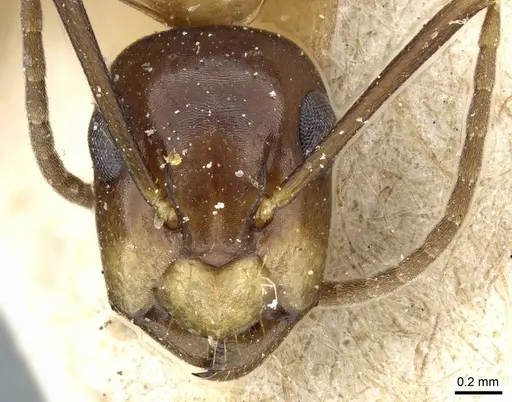
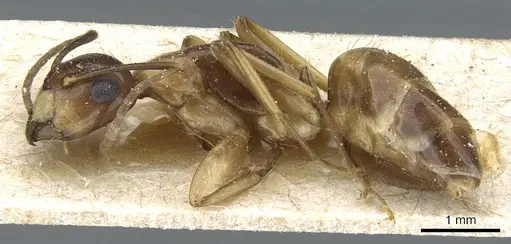
CASENT0905506
View on AntWeb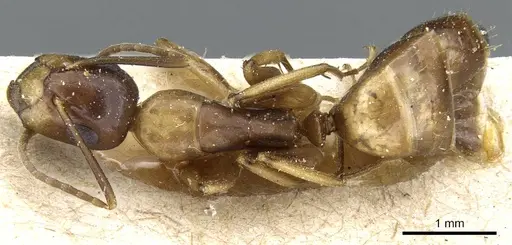
CASENT0910654
View on AntWeb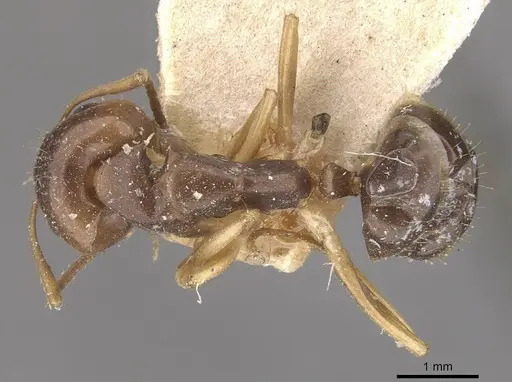
CASENT0910655
View on AntWeb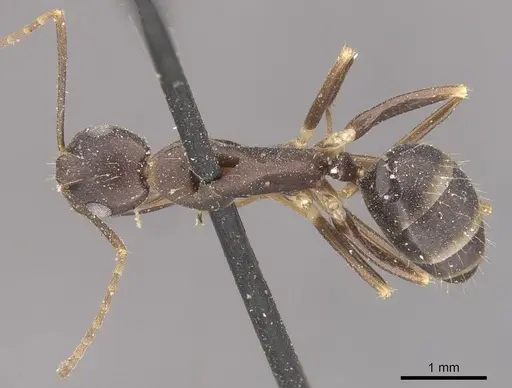
CASENT0910656
View on AntWeb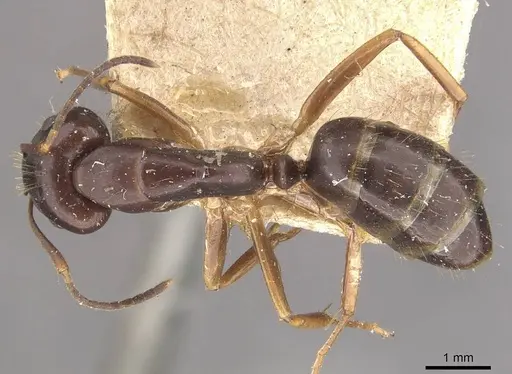
CASENT0910657
View on AntWeb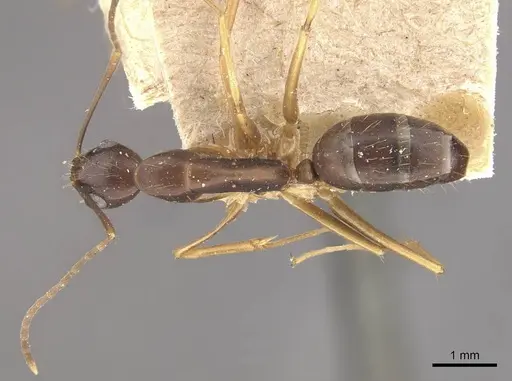
CASENT0915779
View on AntWeb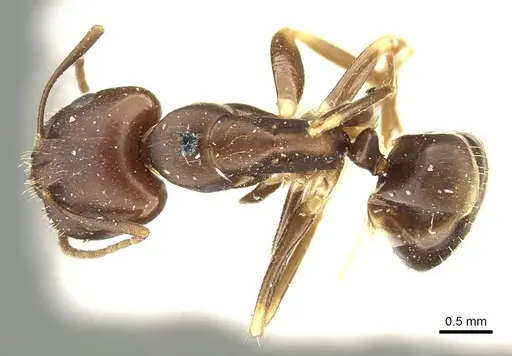
FOCOL2494
View on AntWeb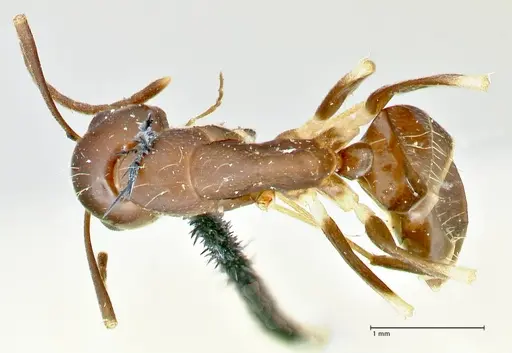
FOCOL2495
View on AntWeb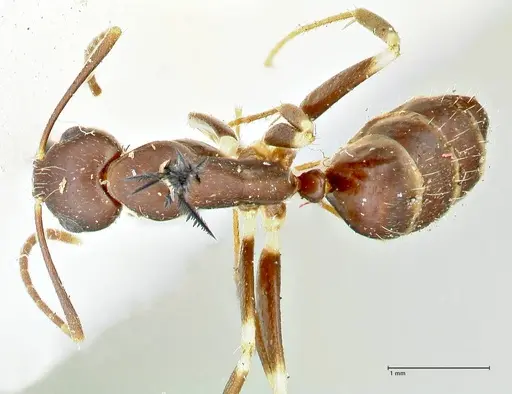
Literature
Loading...Loading products...