

Camponotus aktaci
- Scientific Name
- Camponotus aktaci
- Subgenus
- Myrmentoma
- Tribe
- Camponotini
- Subfamily
- Formicinae
- Author
- Karaman, 2013
- Distribution
- Found in 1 countries
Camponotus aktaci Overview
Camponotus aktaci is an ant species of the genus Camponotus. It is primarily documented in 1 countries , including Türkiye. Detailed taxonomic data and occurrence records can be further explored via authoritative databases such as AntWeb or the Global Biodiversity Information Facility (GBIF).
Camponotus aktaci
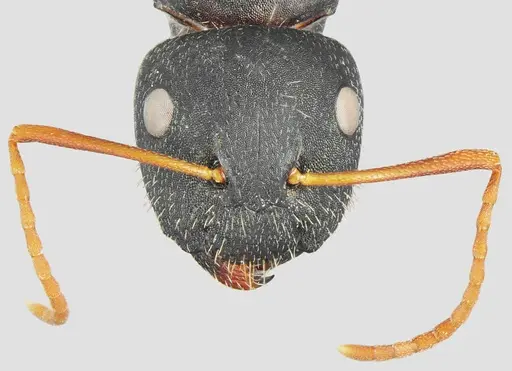
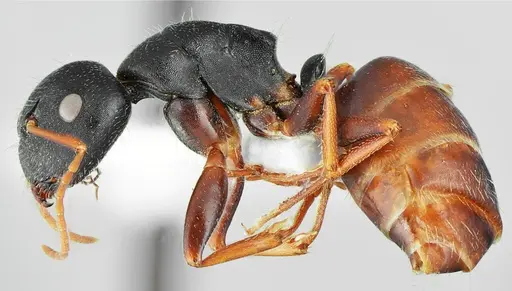
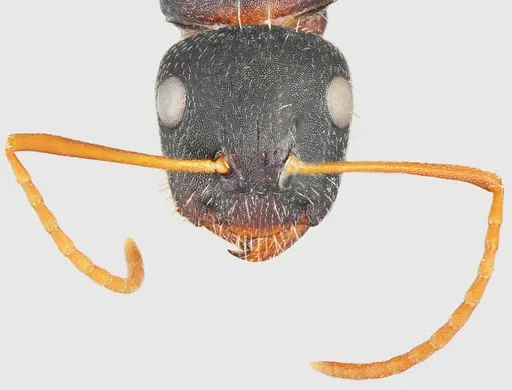
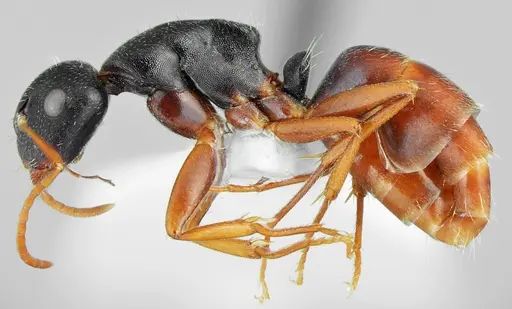
Camponotus aktaci is a moderately large, polymorphic ant species belonging to the Camponotus kiesenwetteri species group. Workers are strikingly colored with a uniformly black head and mesosoma, while the gaster and legs are yellowish-brown, a distinctive feature that sets them apart from other species in their group [1]. Major workers reach about 1.8mm in head length, while minor workers are smaller at around 1mm [2]. This species is native to Turkey and is also found in Greece, where it represents one of the more recently described Camponotus species in the region [3].
This is a montane forest species that thrives in coniferous forests, particularly pine forests, at elevations typically above 1000 meters [1]. Workers are most active during dusk but can be found foraging throughout the day on tree trunks and branches [1]. They nest in sandy soil under trees, often between roots or beneath small stones [1]. The species was only formally described in 2013,making it one of the newer additions to the ant fauna of Turkey and Greece [4].
Quick Summary
- Difficulty: Medium
- Origin & Habitat: Native to Turkey and Greece, C. aktaci is a montane forest species found in coniferous forests, particularly Pinus nigra forests, at elevations of 1000-1550 meters [1][4]. Also occurs in deciduous forests, olive plantations, and orchards [1].
- Colony Type: Only worker caste has been documented in scientific literature, queen caste has not been described [4]. Based on typical Camponotus patterns, likely forms single-queen colonies, but this is unconfirmed.
- Size & Growth:
- Queen: Undescribed, queen caste has not been documented in scientific literature
- Worker: Minor workers: 0.92-1.02mm head length, Major workers: 1.76-1.90mm head length [2]
- Colony: Unknown, colony size has not been documented
- Growth: Moderate, inferred from typical Camponotus development patterns
- Development: 6-10 weeks, estimated based on typical Camponotus genus development at optimal temperature (Development time is estimated based on related Camponotus species. Actual timing may vary.)
- Antkeeping:
- Temperature: Keep around 20-24°C. This is a montane species from cooler high-altitude habitats, so avoid overheating. A gentle temperature gradient allows workers to self-regulate [1].
- Humidity: Moderate to high. In nature they nest in sandy soil under trees, suggesting they prefer substrate that holds some moisture but drains well. Keep nest substrate lightly moist, not waterlogged.
- Diapause: Likely yes, as a montane species from temperate Turkey/Greece, they probably require a winter rest period. Provide 2-3 months at 10-15°C during winter.
- Nesting: Y-tong (AAC) or plaster nests work well. This species naturally nests in soil under stones and tree roots, so provide a nest with chambers sized appropriately for their moderate size. A small outworld for foraging completes the setup.
- Behavior: Workers are moderately active and primarily nocturnal/forage at dusk [1]. They are not particularly aggressive and typically forage on tree trunks and branches in the wild. Major workers are larger and serve as soldiers/defenders, while minor workers handle most foraging and brood care. Escape risk is moderate, use standard barrier methods.
- Common Issues: queen unavailability, this species is rarely available in the antkeeping hobby since only workers have been documented, montane habitat requirements mean they may not tolerate warm conditions, keep cool, slow colony development typical of Camponotus species may test beginner patience, escape prevention needed, though not tiny, they are agile climbers
Housing and Nest Setup
Camponotus aktaci does well in Y-tong (AAC) nests or plaster formicariums that mimic their natural soil-nesting behavior. In the wild, they nest in sandy soil under trees, typically between roots or under small stones [1]. For captivity, use a nest with chambers sized appropriately for their moderate worker size, major workers reach nearly 2mm in head length, so chambers should be spacious enough to accommodate them. Provide a small outworld connected by tubing for foraging. Since they are moderate climbers, ensure all connections are secure. A water tube connected to the nest helps maintain appropriate humidity levels.
Feeding and Diet
Like most Camponotus species, C. aktaci is omnivorous. They likely consume honeydew from aphids and scale insects in addition to protein sources. In captivity, offer sugar water or honey as a constant energy source. For protein, provide small insects like fruit flies, small crickets, or mealworms. Since this is a moderately large ant, they can handle prey items larger than what tiny ants would take. Feed protein 2-3 times per week, and keep a sugar source available at all times. Remove uneaten prey after 24-48 hours to prevent mold.
Temperature and Seasonal Care
This is a montane species adapted to cooler conditions. Keep the nest area at 20-24°C, avoiding temperatures above 26°C. Temperature seasonality was found to be the most important factor in their distribution modeling, indicating they are sensitive to temperature extremes [1]. During winter, provide a diapause period of 2-3 months at 10-15°C to simulate their natural seasonal cycle. This species is found at elevations above 1000m in the wild, so they are adapted to cooler, more temperate conditions than many other ant species. A heating cable on one side of the nest can create a gradient, allowing workers to choose their preferred temperature.
Humidity and Water
Maintain moderate humidity in the nest. In their natural habitat, they nest in sandy soil that holds some moisture but drains well. The substrate should feel lightly moist to the touch. Avoid waterlogging, which can drown brood and encourage mold. A water tube connected to the nest provides a constant water source. Monitor condensation levels, some condensation is normal, but excessive moisture indicates overwatering. The outworld can be kept slightly drier than the nest area. [1]
Behavior and Foraging
Workers are primarily active during dusk but can be found foraging throughout the day [1]. In the wild, they are most often found on trunks and branches of coniferous trees, particularly pine trees [1]. This arboreal foraging tendency means they will readily explore vertical surfaces in captivity. They are not particularly aggressive toward keepers but major workers will defend the colony if threatened. Colonies are moderately fast-moving when foraging. Expect to see both major and minor workers active in the colony, majors serve as soldiers and may help process larger prey items.
Colony Development
Colony development in Camponotus species is typically slower than in many other ants. Expect 6-10 weeks from egg to first worker under optimal conditions. The first workers, called nanitics, are often smaller than normal workers. As the colony grows, larger major workers will be produced. Since only workers have been documented in scientific literature, wild-queen colonies may be difficult to obtain. If available, queen-right colonies will establish more quickly than queenless fragments. Growth rate is moderate, colonies may take several months to reach 50-100 workers.
Frequently Asked Questions
Is Camponotus aktaci available in the antkeeping hobby?
This species is rarely available. It was only described in 2013 and is not commonly kept in captivity. Most availability would be from wild-caught colonies, but since only workers have been documented scientifically, obtaining a queen-right colony may be very difficult.
What temperature should I keep Camponotus aktaci at?
Keep them at 20-24°C. This is a montane species from high elevations in Turkey and Greece, so they prefer cooler conditions than many other ants. Avoid temperatures above 26°C.
Do Camponotus aktaci need hibernation?
Yes, likely a 2-3 month winter rest period at 10-15°C. As a montane species from temperate regions, they require a seasonal cycle to remain healthy.
How long does it take for Camponotus aktaci to develop from egg to worker?
Estimated 6-10 weeks based on typical Camponotus development patterns. Actual timing depends on temperature and colony health. Camponotus species are generally slower developers than many other ants.
What do Camponotus aktaci eat?
They are omnivorous. Offer sugar water or honey as a constant energy source, and protein such as small insects (fruit flies, small crickets, mealworms) 2-3 times per week.
Are Camponotus aktaci good for beginners?
This species is rated as medium difficulty. While not as challenging as some exotic species, their specific temperature requirements (cool, montane habitat) and rarity make them better suited for intermediate antkeepers.
What size colony does Camponotus aktaci reach?
Colony size is not documented in scientific literature. Based on typical Camponotus patterns, colonies likely reach several hundred workers over several years.
What nest type is best for Camponotus aktaci?
Y-tong (AAC) nests or plaster formicariums work well. They naturally nest in soil under stones and tree roots, so the nest should provide dark chambers and maintain moderate humidity.
Where is Camponotus aktaci found in the wild?
This species is native to Turkey and Greece. It is found in coniferous forests, particularly pine forests, at elevations above 1000 meters. It has been recorded in Adana, Bingöl, Diyarbakır, Elazığ, Malatya, and Muğla provinces in Turkey [1].
References

This caresheet is licensed under CC BY-SA 4.0 .
CASENT0872758
View on AntWeb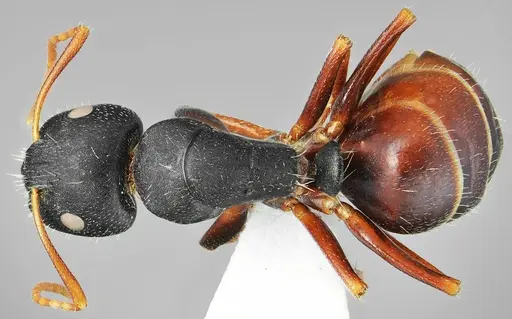
CASENT0872759
View on AntWeb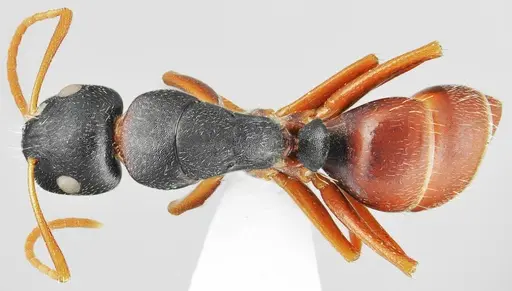
Literature
Loading...Loading products...