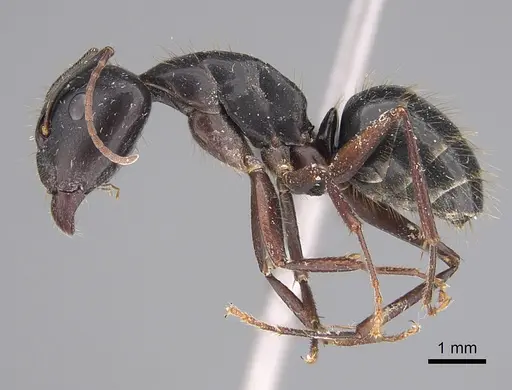
Camponotus aethiops shows a June to August flight window. Peak activity occurs in July, with nuptial flights distributed across 3 months.
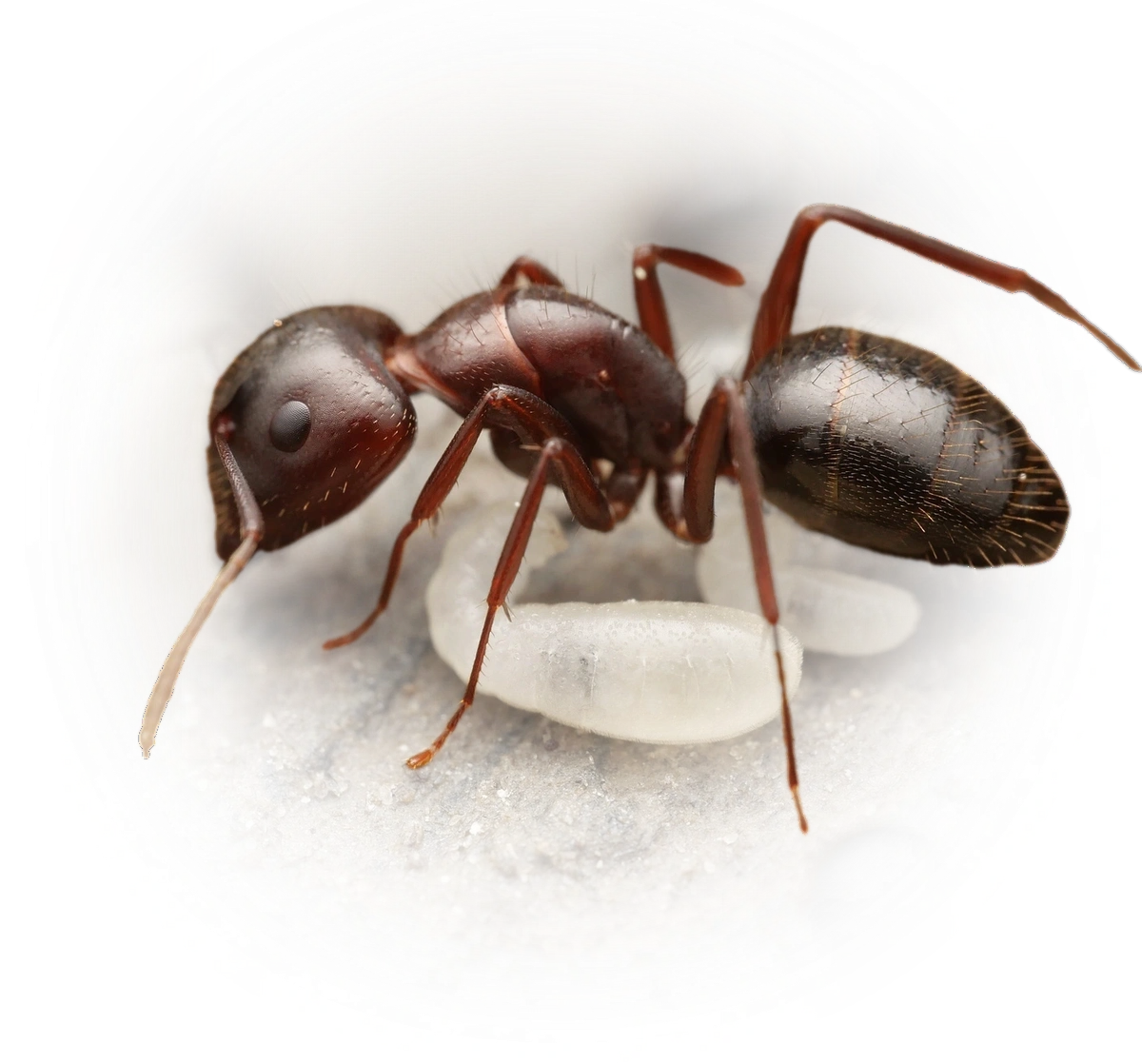
Camponotus aethiops
- Scientific Name
- Camponotus aethiops
- Subgenus
- Tanaemyrmex
- Tribe
- Camponotini
- Subfamily
- Formicinae
- Author
- Latreille, 1798
- Common Name
- Ethiop Carpenter Ant
- Distribution
- Found in 14 countries
- Nuptial Flight
- from June to August, peaking in July
AI Identifiable
try →
Camponotus aethiops Overview
Camponotus aethiops (commonly known as the Ethiop Carpenter Ant) is an ant species of the genus Camponotus. It is primarily documented in 14 countries , including Bulgaria, Switzerland, Spain. Detailed taxonomic data and occurrence records can be further explored via authoritative databases such as AntWeb or the Global Biodiversity Information Facility (GBIF).
The nuptial flight of Camponotus aethiops is a significant biological event, typically occurring from June to August, peaking in July. During this time, winged queens and males leave the nest to mate and establish new colonies.
Camponotus aethiops - "Ethiop Carpenter Ant"
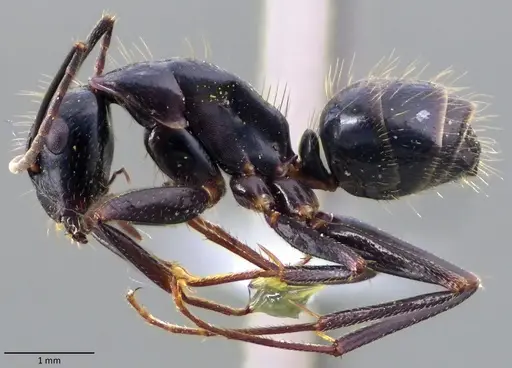
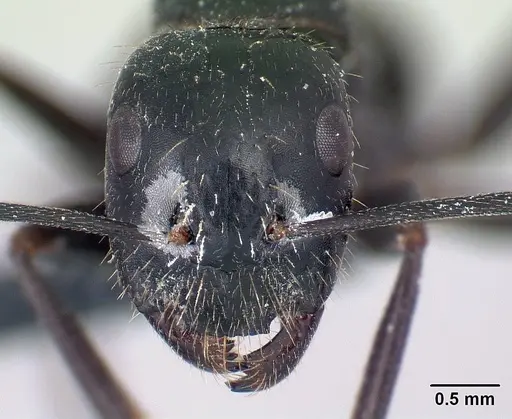
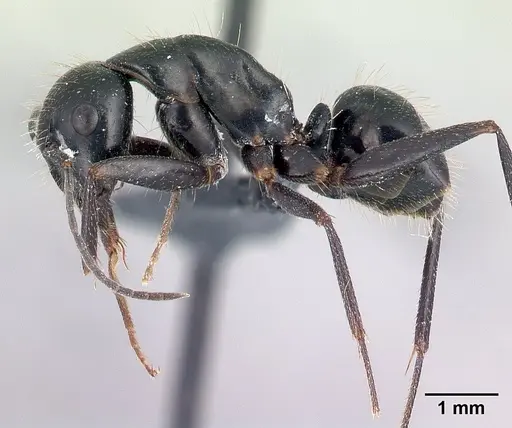
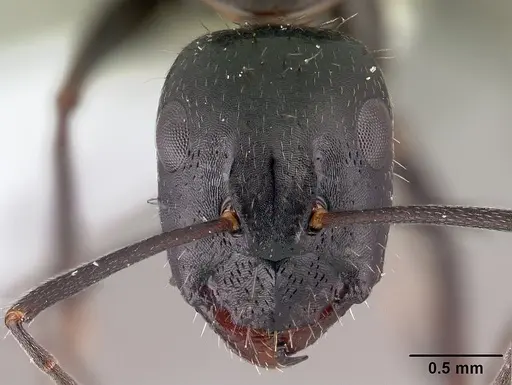
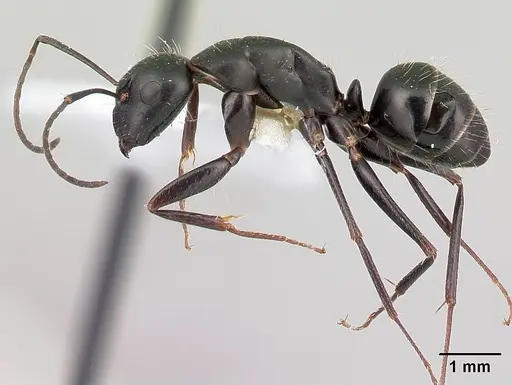
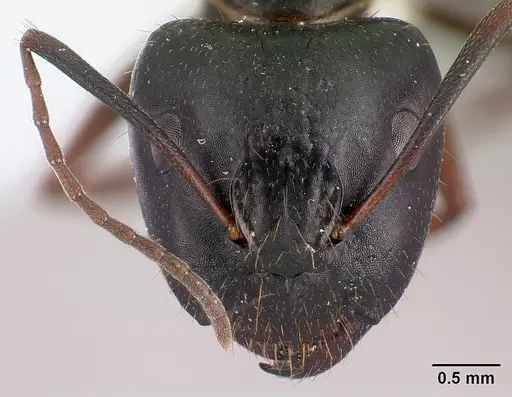
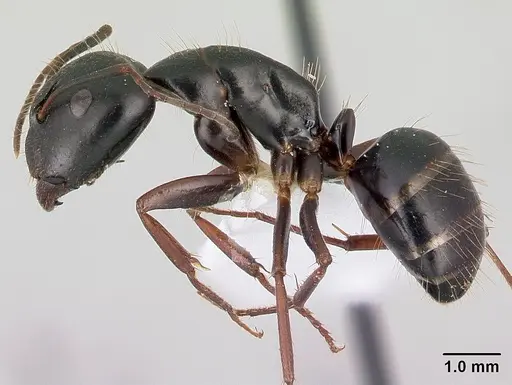
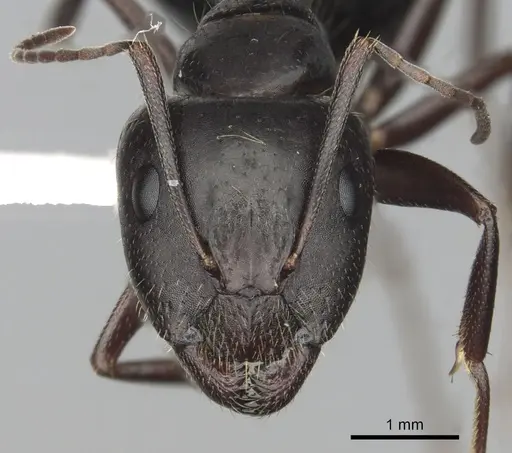
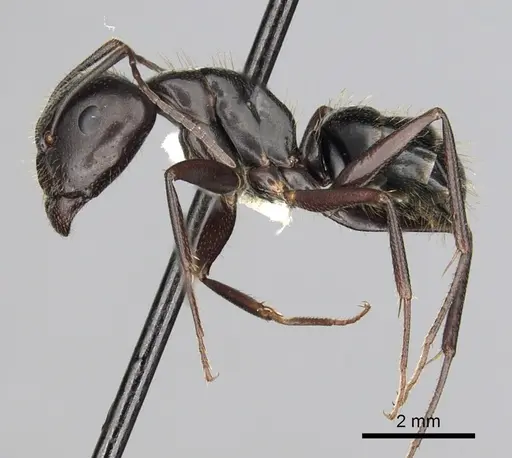
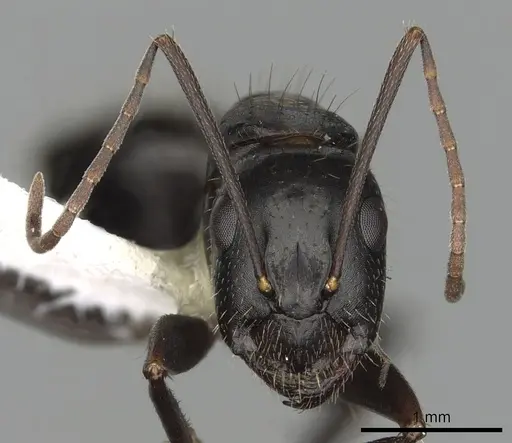
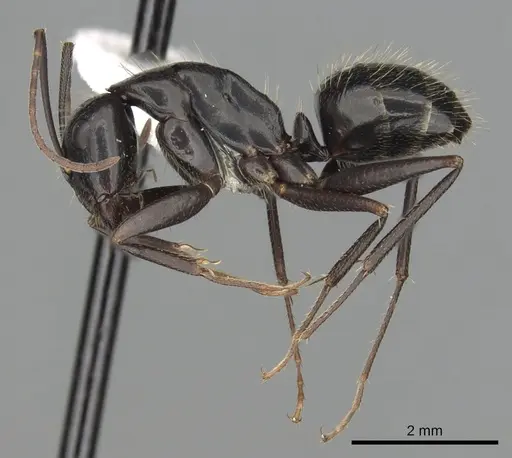
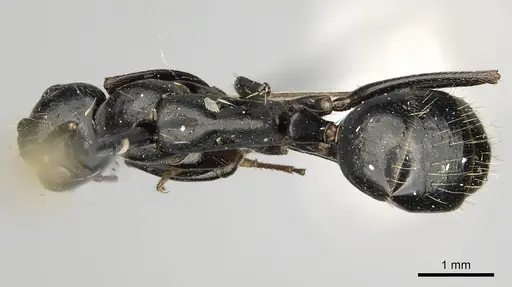
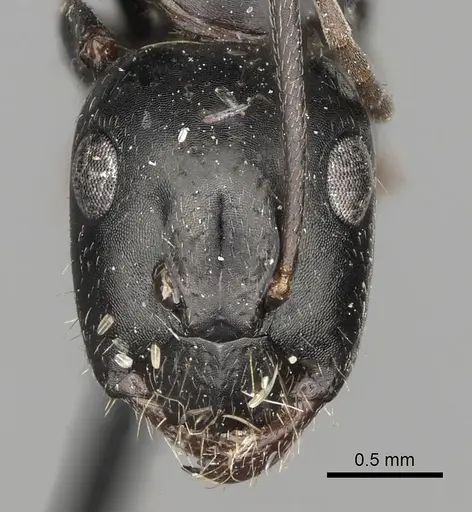
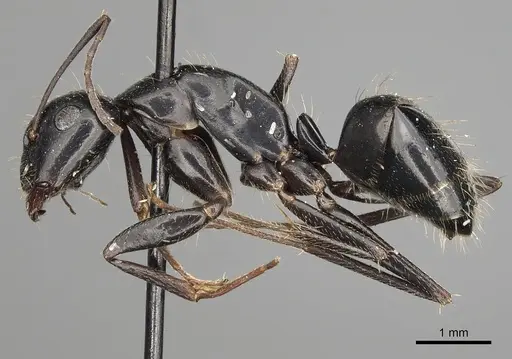
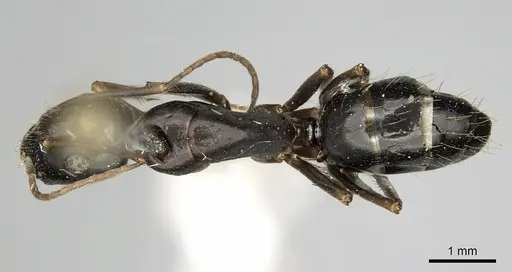
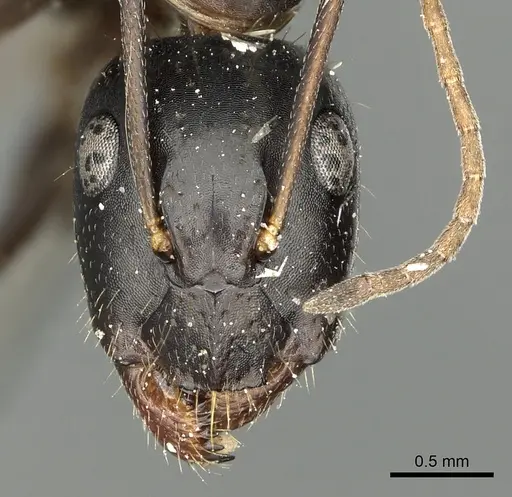
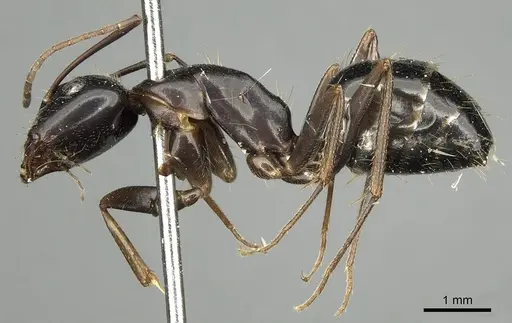
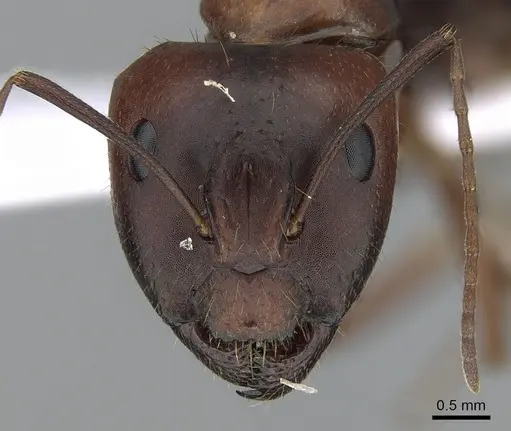
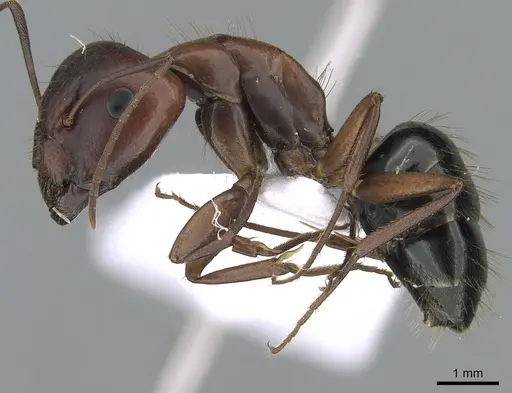
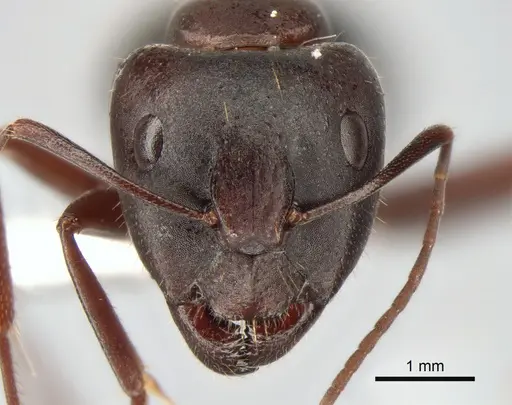
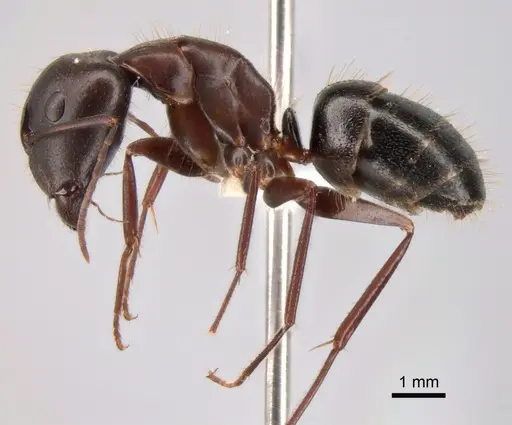
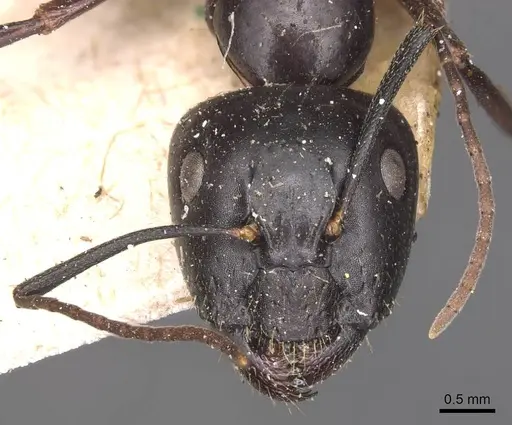
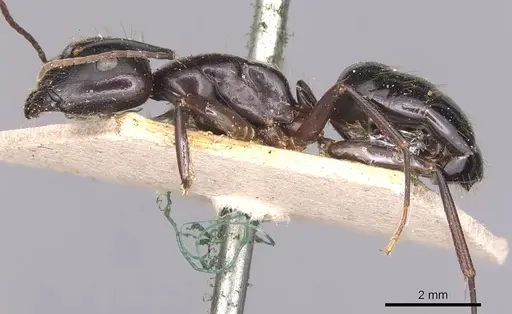
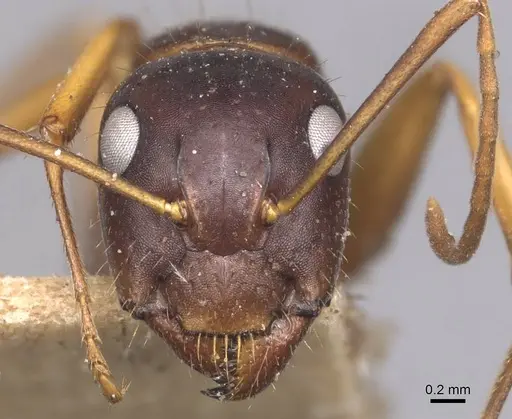
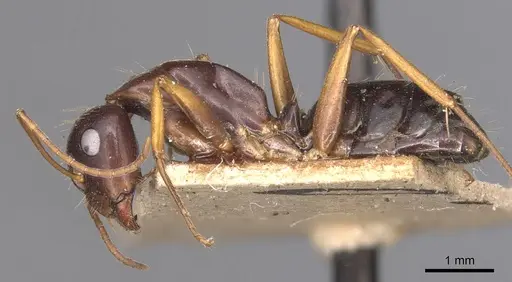
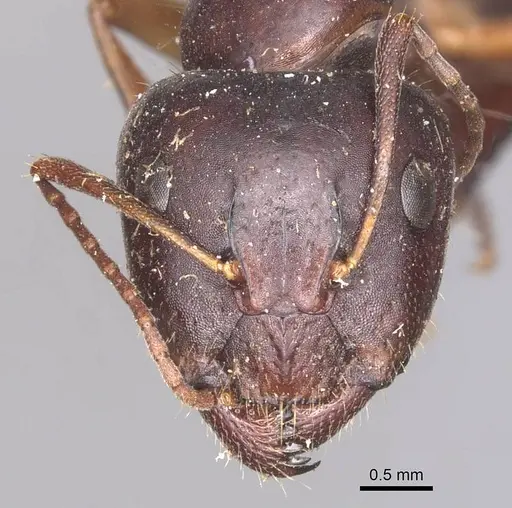
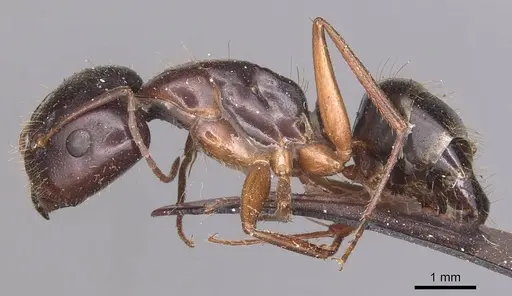
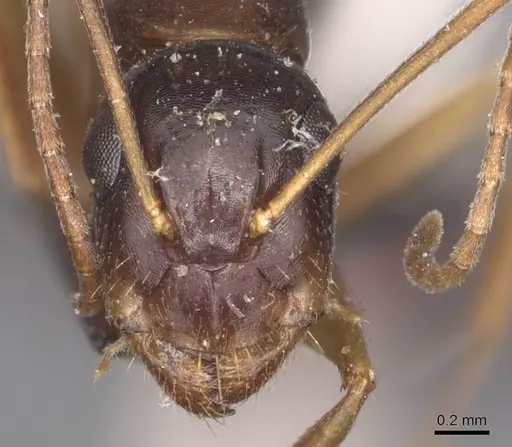
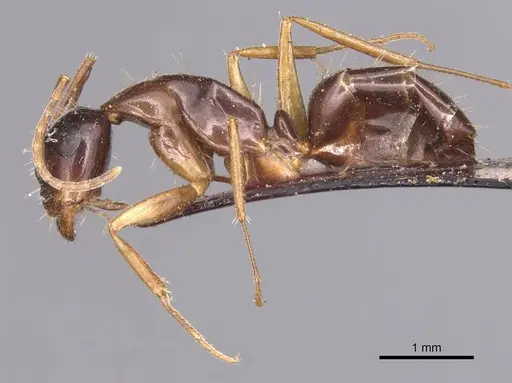
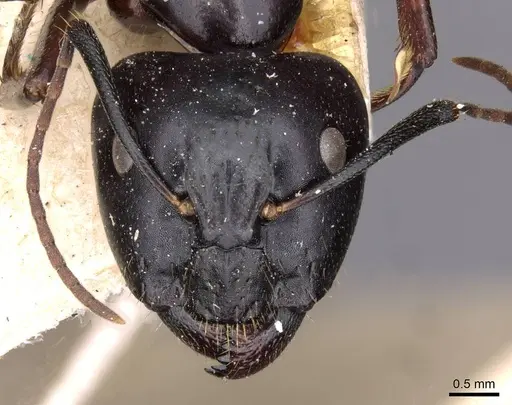
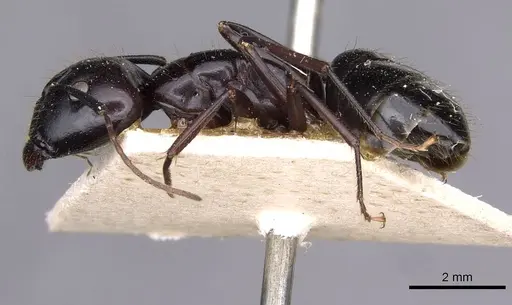
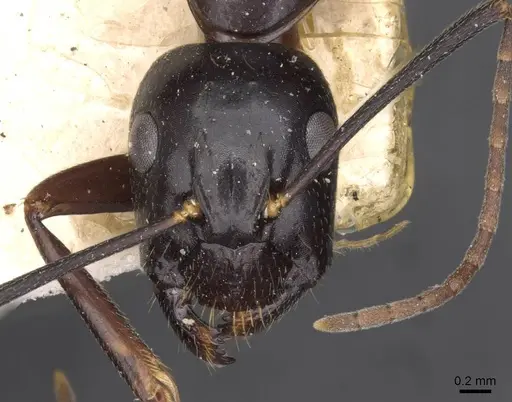
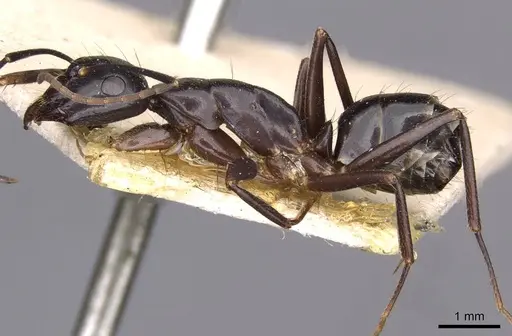
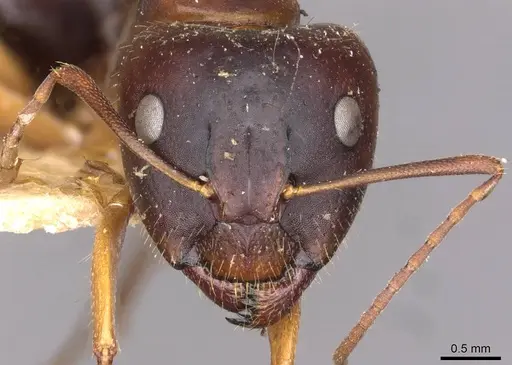
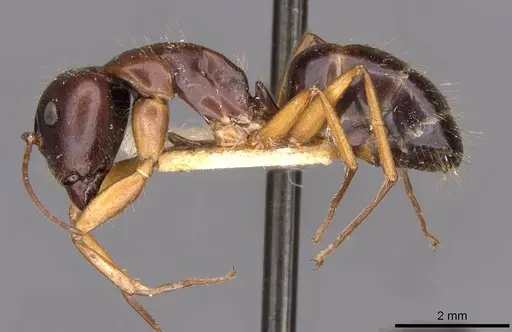
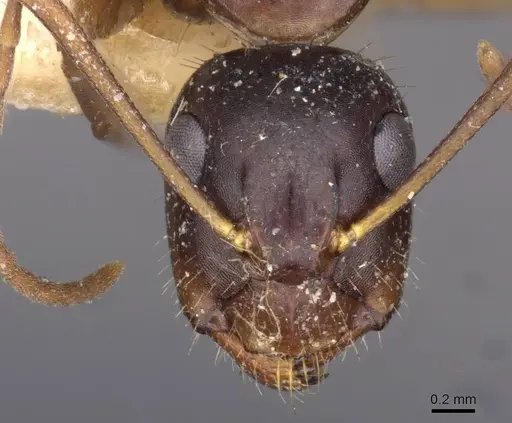
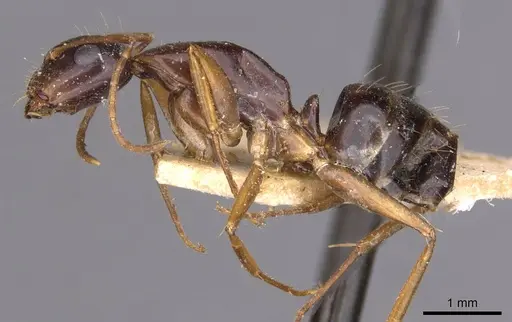
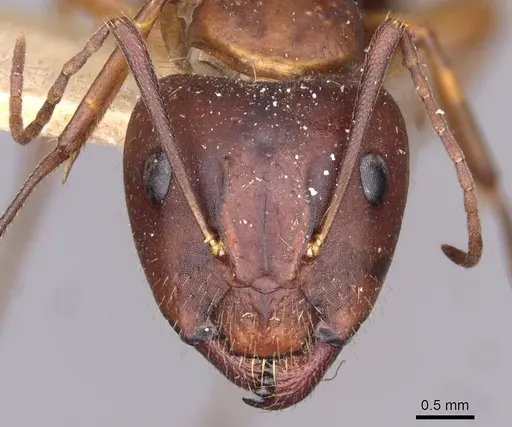
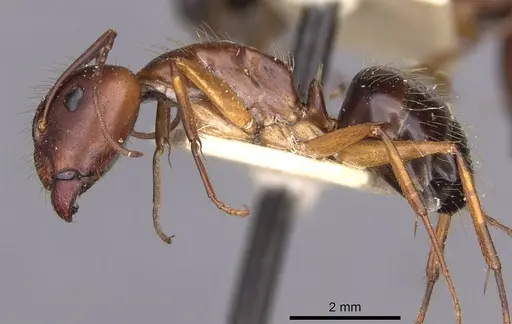
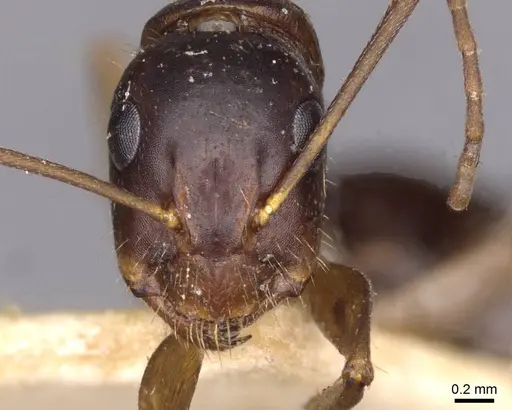
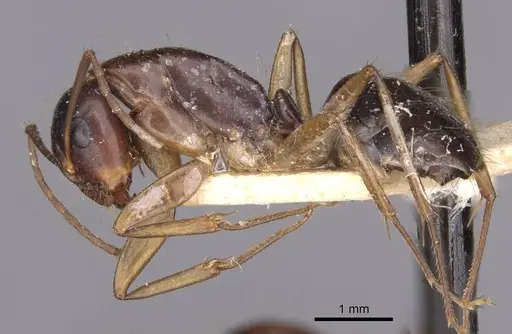
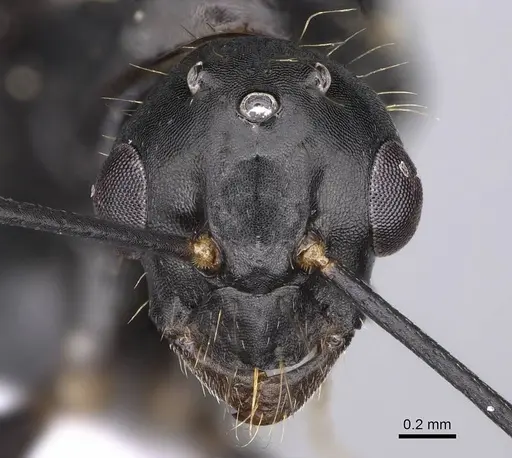
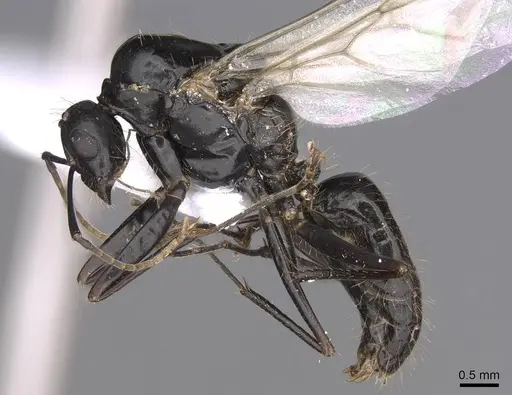
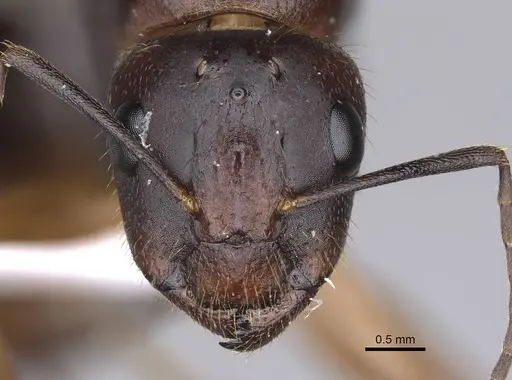
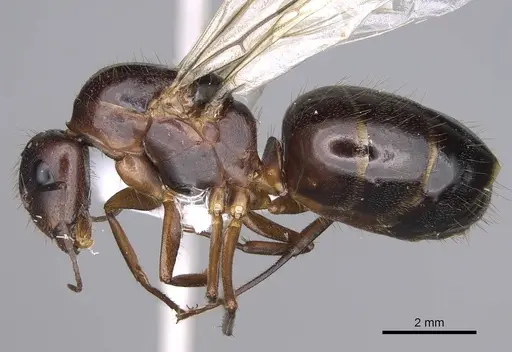
Camponotus aethiops is a large, polymorphic carpenter ant native to the Mediterranean region and warm parts of Central Europe. Workers range from 5mm (minors) to 10mm (majors), with a distinctive black to dark brown body. The head bears erect setae on the cheeks and underside, and the tibiae lack a dorsal ridge, placing this species in the subgenus Tanaemyrmex [1]. Colonies are typically monogynous but can become polygynous in some populations, reaching several thousand workers [2][3]. This ant is common across southern Europe, inhabiting xerotherm grasslands and shrub areas where it nests in soil or under stones [1][4]. Unlike many carpenter ants, C. aethiops is notably carnivorous and serves as a host for the social parasite Camponotus universitatis [5]. As a Formicine ant, it lacks a functional stinger but can bite and spray formic acid from its acidopore as defense.
Quick Summary
- Difficulty: Medium
- Origin & Habitat: Mediterranean Europe and warm parts of Central Europe, from Germany to Kazakhstan. Inhabits xerotherm grasslands and shrub areas, particularly in Mediterranean habitats with dry, warm conditions [1][4]. Nests are built in soil, often under stones, in areas with developed herbaceous cover [4]. Found from sea level up to 2130m altitude in Crete [AntWiki].
- Colony Type: Monogynous (single queen) colonies with polymorphic workers. Some populations are polygynous with multiple queens [3][2]. Colonies typically contain several hundred workers, up to 1500-2000, with maximum reported sizes of 5000-7000 workers [4][6].
- Size & Growth:
- Queen: 8-10mm [7]
- Worker: 5-10mm polymorphic [1]
- Colony: Up to 5000-7000 workers [6]
- Growth: Moderate
- Development: 14-16 weeks (96-114 days) at optimal temperature [8] (Development: egg stage 68-81 days, larval stage 11-14 days, pupal stage 17-19 days. Total from egg to first worker approximately 14-16 weeks at warm Mediterranean temperatures [8].)
- Antkeeping:
- Temperature: 24-27°C. Keep nest area warm but not hot. Can tolerate 20-30°C range but prefers warmth [2].
- Humidity: Low to moderate. This is a xerotherm species preferring dry to semi-dry conditions. Keep nest substrate moderately dry, not waterlogged. Provide a water source but avoid excessive moisture [1][9].
- Diapause: Yes. Requires hibernation period in winter (November-March in temperate regions). Keep at 5-10°C during dormancy. Sexual forms overwinter as larvae and hatch in May/June, typically swarming in August-September [10][11].
- Nesting: Soil nests or nests under stones. In captivity, use a naturalistic setup with soil substrate or a Y-tong/plaster nest with dry to moderately humid conditions. Accepts test tubes but prefers more space as colony grows [1][12].
- Behavior: Active and adventurous ants with pronounced territorial behavior. Main activity occurs during twilight hours (crepuscular) but can also be diurnal [12][13]. Workers are aggressive toward non-nestmates and use formic acid as an alarm pheromone [14]. Foragers show better learning abilities and higher sucrose responsiveness than nurses [15]. They are skilled at navigating and can establish long-term memory. Escape risk is moderate, use standard barriers but they're not particularly adept at escaping like some smaller species.
- Common Issues: colonies may fail if kept too cold or too wet, this is a xerotherm species requiring warmth and dry conditions, queen loss during founding is common, claustral queens seal themselves in and need complete darkness and quiet, overwintering failure is a common killer, ensure proper hibernation conditions (5-10°C) for 3-4 months, aggressive toward other colonies, keep separate from other ant colonies, parasitic infections (Laboulbenia fungus) can affect colonies, maintain clean conditions [17]
Nuptial Flight Activity Analysis 102 observations
Flight Activity by Hour 102 observations
Camponotus aethiops nuptial flight activity peaks around 23:00 during the night. Activity is spread across a 24-hour window (00:00–23:00). Times may be influenced by human observation patterns.
Housing and Nest Setup
Camponotus aethiops is a versatile nester that accepts various setups. For founding colonies, a simple test tube setup works well, fill a test tube one-third with water, plug with cotton, and place the queen in darkness. Once workers arrive (after 2-3 months), you can transition to a formicarium. This species does well with naturalistic setups using soil substrate or Y-tong/plaster nests. Because they prefer dry to moderately humid conditions, avoid overly moist setups. Provide a temperature gradient of 24-27°C in the nest area. Escape prevention is straightforward, these are large ants that cannot squeeze through standard barrier gaps. Use a foraging area connected to the nest with Fluon or similar barriers on the rim [12][1].
Feeding and Diet
C. aethiops is more carnivorous than many carpenter ants, though they also consume nectar and honeydew. In captivity, feed a varied diet: protein sources like mealworms, crickets, and other small insects 2-3 times weekly. They readily accept sugar water, honey, or diluted sucrose solutions. Foragers show higher motivation for sugar rewards than nurses, so keep a constant sugar source available [2]. They will attend aphids if present, collecting honeydew. Remove uneaten prey after 24 hours to prevent mold. Fresh water should always be available [16][6].
Temperature and Seasonal Care
Maintain nest temperatures between 24-27°C for optimal brood development. This species tolerates a range of 20-30°C but thrives in warmth. In winter, colonies require a diapause period, reduce temperature to 5-10°C from November through March (or 3-4 months depending on your latitude). During hibernation, keep the colony dark and quiet with minimal disturbance. Do not feed during dormancy. Return to warm conditions gradually in spring. Sexual forms (alates) develop overwinter as larvae, hatch in May/June, and typically swarm in August-September [10][11].
Behavior and Colony Dynamics
C. aethiops colonies show pronounced territorial behavior with aggressive responses toward non-nestmates. Workers use formic acid as an alarm pheromone and will readily bite intruders [14]. The colony structure is polymorphic with distinct minor, media, and major workers. Major workers perform fewer waste-handling behaviors than smaller workers, while media and minor workers handle most colony maintenance [6]. Foragers demonstrate better learning and memory than nurses, showing higher sucrose responsiveness [15]. Colonies can produce sexuals (alates) annually, with nuptial flights occurring from June to September depending on location [10]. This species serves as host to the social parasite Camponotus universitatis [5].
Growth and Development Timeline
Development from egg to worker takes approximately 14-16 weeks (96-114 days) under optimal conditions. The egg stage lasts 68-81 days, larval stage 11-14 days, and pupal stage 17-19 days [8]. First workers (nanitics) are smaller but will grow with subsequent broods. Growth rate is moderate, expect 20-50 workers by the end of the first year. Colonies can reach 500+ workers by year 2-3 with proper care. Maximum colony size of 5000-7000 workers is reached in mature colonies [6].
Frequently Asked Questions
How long does it take for Camponotus aethiops to produce first workers?
First workers typically appear after 14-16 weeks (96-114 days) from the time the queen lays eggs. This is at optimal temperature (around 25°C). The queen is claustral, she seals herself in and raises the first brood alone without foraging [8].
What temperature do Camponotus aethiops need?
Keep them at 24-27°C in the nest area. They tolerate 20-30°C but prefer warmth. In winter, they require hibernation at 5-10°C for 3-4 months [2][10].
Can I keep multiple Camponotus aethiops queens together?
While some populations are naturally polygynous (multiple queens), combining unrelated foundress queens is risky and often leads to fighting. It's best to start with a single queen colony. If you want to try multi-queen setups, introduce them before founding and provide ample space [3].
Do Camponotus aethiops need hibernation?
Yes, they require a winter dormancy period. In temperate climates, provide 3-4 months of cold conditions (5-10°C) from late autumn through winter. This triggers proper development of sexual forms and helps maintain colony health [10][11].
What do Camponotus aethiops eat?
They are omnivorous with a carnivorous tendency. Feed small insects (mealworms, crickets, fruit flies) 2-3 times weekly as protein. Provide constant access to sugar water, honey, or diluted sucrose. They also collect nectar and honeydew in the wild [2][16].
Are Camponotus aethiops good for beginners?
They are intermediate in difficulty. Not recommended for complete beginners due to their specific temperature and humidity requirements, but manageable for those with some antkeeping experience. They are more demanding than Lasius but easier than tropical species [1].
How big do Camponotus aethiops colonies get?
Mature colonies reach 1500-2000 workers typically, with maximum reported sizes of 5000-7000 workers. Growth is moderate, expect 20-50 workers in year one, 200+ by year two, and potentially 1000+ in year three with good care [6].
Why is my Camponotus aethiops colony dying?
Common causes include: too cold temperatures (below 20°C), excessive humidity causing mold, disturbance during claustral founding, improper hibernation, or parasite infection. Check temperature, humidity, and ensure the queen is healthy. Laboulbenia fungal infections can also affect this species [17].
When do Camponotus aethiops alates appear?
Sexual forms (alates) develop overwinter as larvae, hatch in May/June, and typically swarm from August through September. Nuptial flights are triggered by warm summer temperatures [10][11].

This caresheet is licensed under CC BY-SA 4.0 .
ANTWEB1060150
View on AntWeb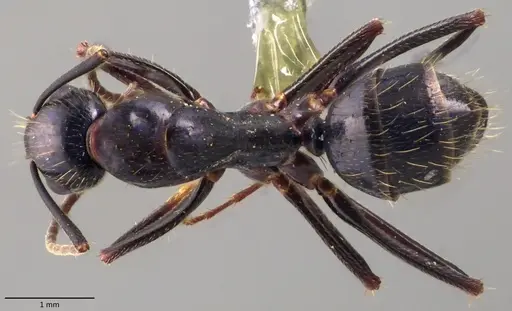
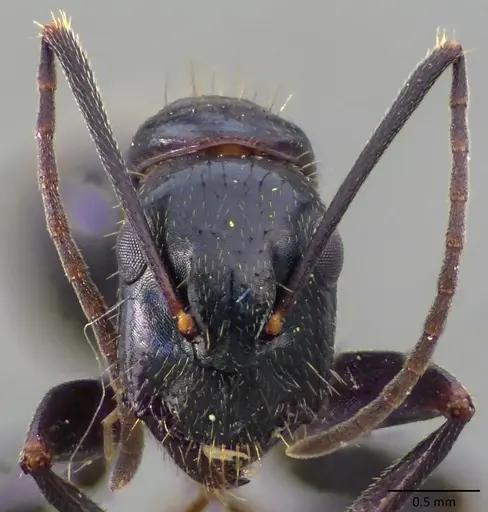
CASENT0179459
View on AntWeb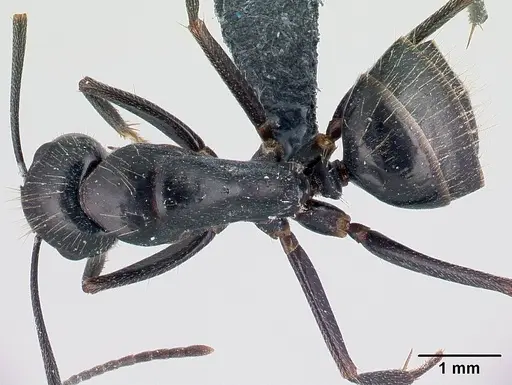
CASENT0179864
View on AntWeb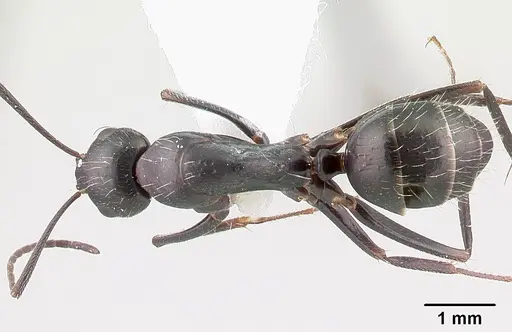
CASENT0179865
View on AntWeb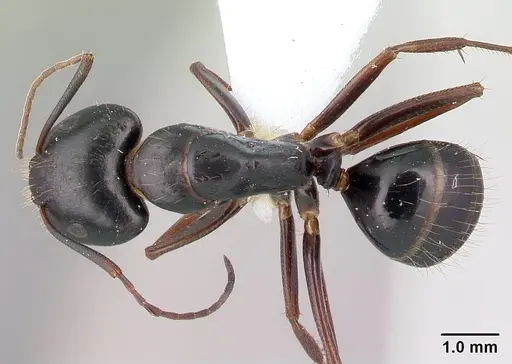
CASENT0249965
View on AntWeb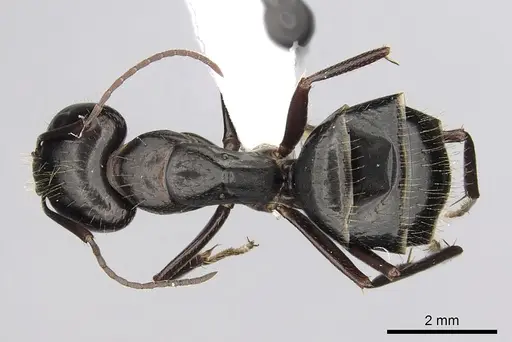
CASENT0249966
View on AntWeb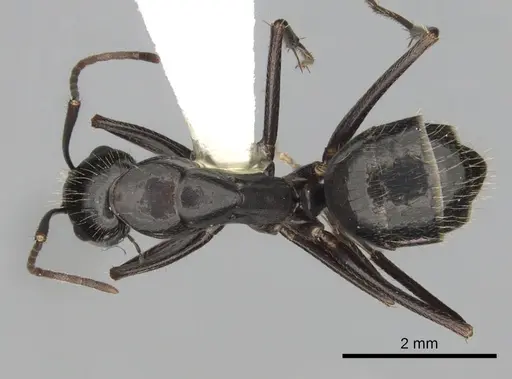
CASENT0280611
View on AntWeb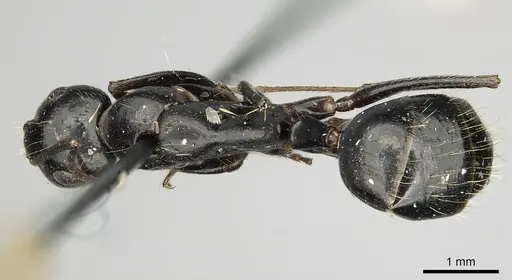
CASENT0280612
View on AntWeb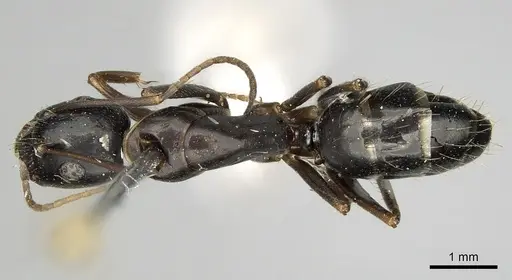
CASENT0281577
View on AntWeb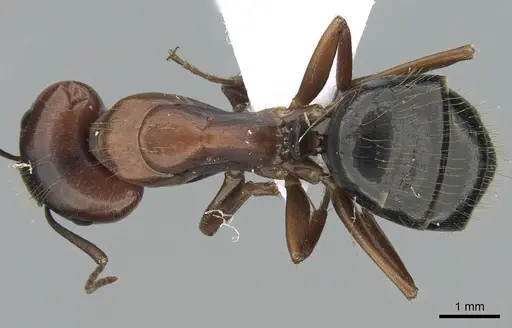
CASENT0882041
View on AntWeb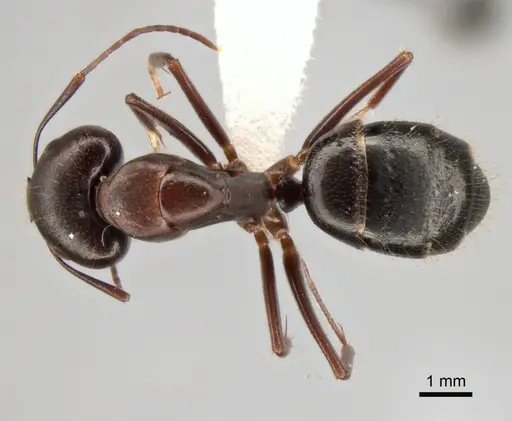
CASENT0905344
View on AntWeb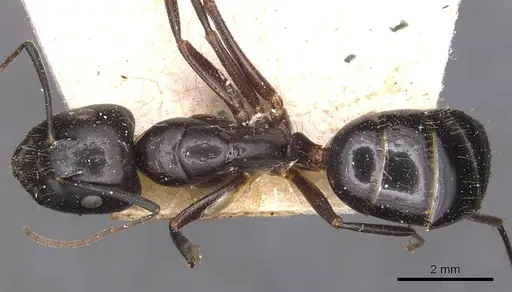
CASENT0905345
View on AntWeb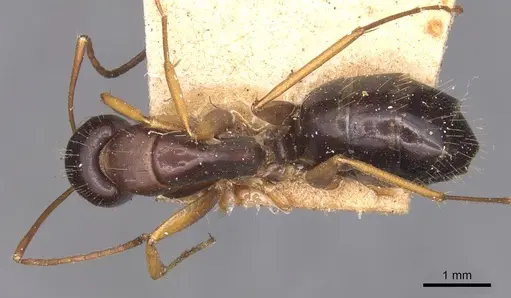
CASENT0905346
View on AntWeb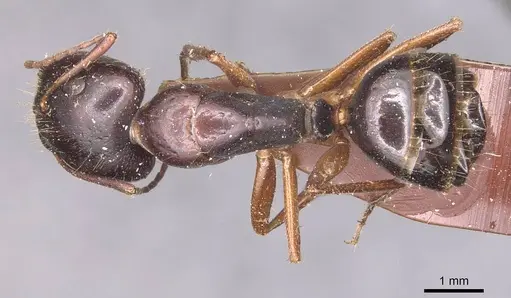
CASENT0905347
View on AntWeb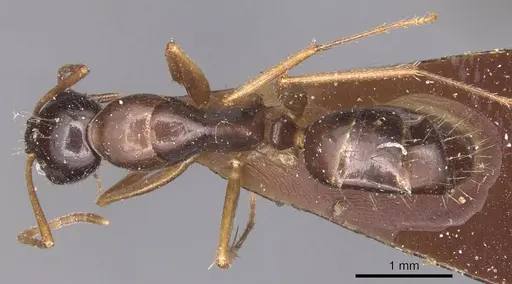
CASENT0910186
View on AntWeb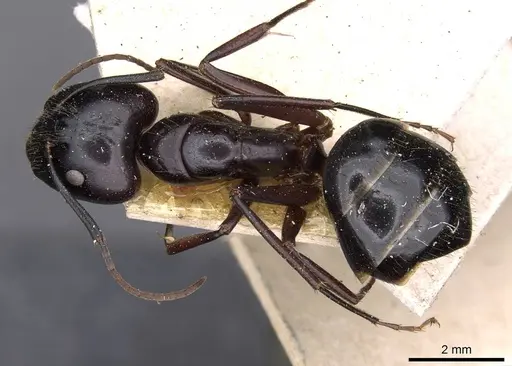
CASENT0910187
View on AntWeb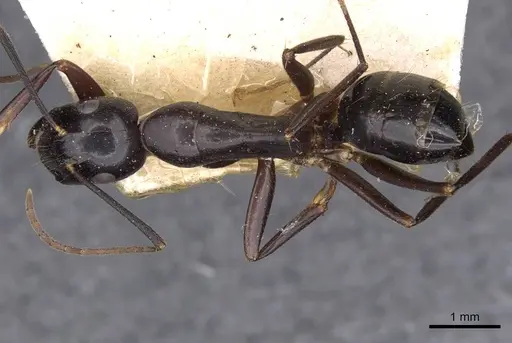
CASENT0910188
View on AntWeb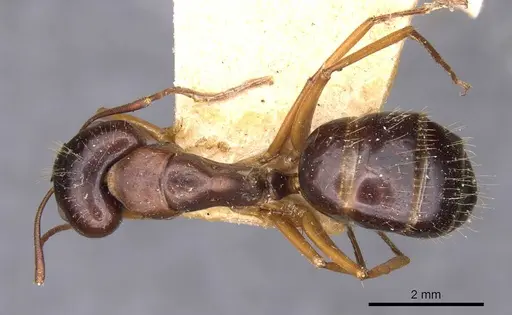
CASENT0910189
View on AntWeb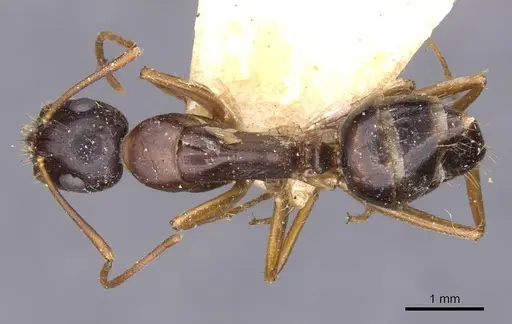
CASENT0910190
View on AntWeb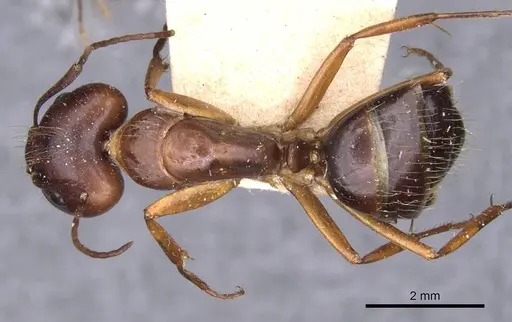
CASENT0910191
View on AntWeb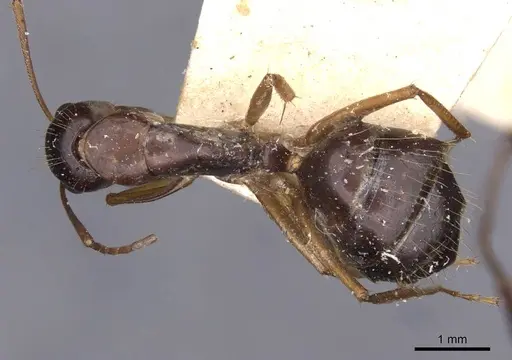
CASENT0914269
View on AntWeb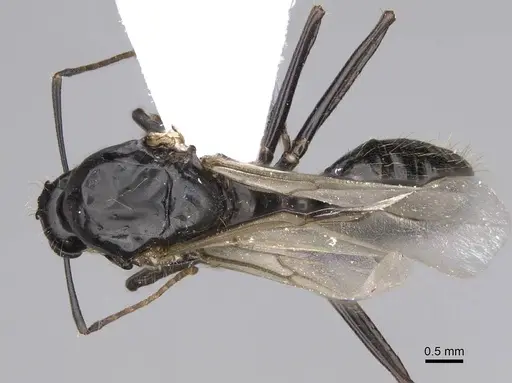
CASENT0914270
View on AntWeb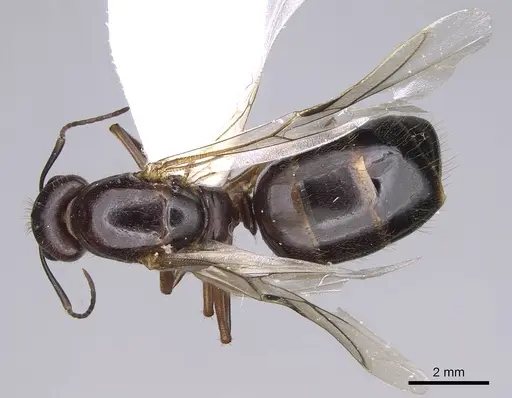
KG00857-2
View on AntWeb