Camponotus aegyptiacus - "Egyptian Carpenter Ant"
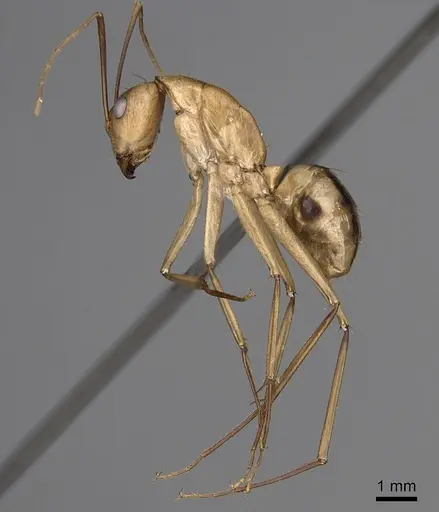
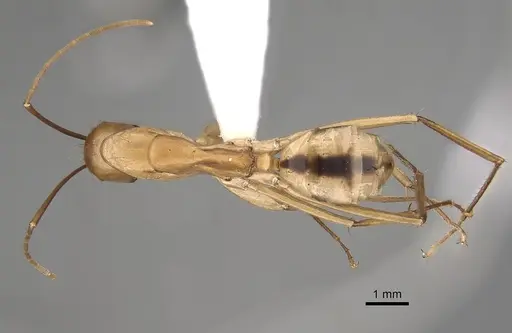
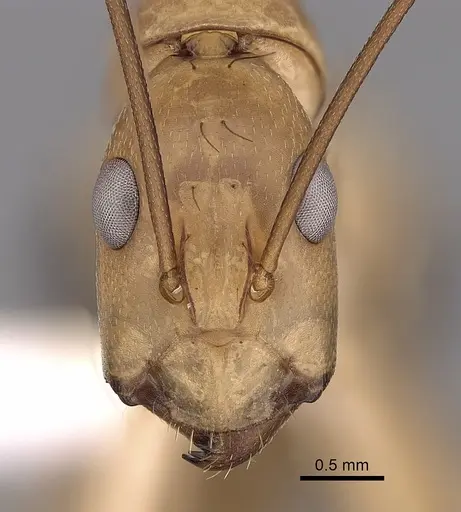
Camponotus aegyptiacus is a fascinating carpenter ant species, generally found in Northeastern Africa and the Arabian Peninsula. These ants are known for their distinct appearance, with a bicolored body; their head and thorax are typically dark brown, while their gaster (abdomen) features distinctive yellow-brown patches, giving them a unique banded effect. Minor workers of this species are notably pale. As a polymorphic species, C. aegyptiacus colonies feature workers of varying sizes, including minor and major workers, with majors having a noticeably wider head posteriorly. They are primarily nocturnal, with foragers moving very rapidly across the ground in search of food.
- Difficulty: Medium
- Origin & Habitat: Northeastern Africa and Arabian Peninsula in Dry and warm habitats including coastal dunes and deserts, often nesting in the ground or under stones..
- Colony Type: Monogyne, claustral founding.
- Size & Growth:
- Queen: 13-16mm
- Worker: 8-13mm
- Colony: Large (tens of thousands). Medium to Fast growth.
- Antkeeping:
- Temperature: Optimal temperatures for Camponotus aegyptiacus are generally around 24-28°C in the nest, with a slightly warmer spot up to 30°C to encourage brood development. It's crucial to provide a thermal gradient so the ants can self-regulate their temperature..
- Humidity: These ants prefer a moderate humidity range of 50-70% in the nest, with the outworld being drier, around 30-50%. While exact humidity isn't as critical in the outworld, maintaining appropriate moisture within the nest is important for their brood..
- Diapause: Required. 2-3 months at 15-18°C.
- Nesting: Camponotus aegyptiacus typically nests in the ground or under stones in their natural habitat. For antkeeping, they thrive in acrylic, 3D printed, or natural setups that allow for good ventilation while maintaining the necessary humidity levels within the nest chambers. Given their large colony size potential and polymorphic nature, nests with ample space and varied chamber sizes are recommended..
- Behavior: Medium (towards handler, food or other ants) aggressiveness.
- Common Issues: Humidity fluctuations, Colony stalling, Overfeeding leading to waste.
Camponotus aegyptiacus, like many carpenter ants, can be quite aggressive, particularly when defending their nest or during active foraging. This territorial behavior makes them exciting to observe, especially as their major workers, with their powerful mandibles, engage in hunting prey. It's important for keepers to be mindful of this trait when handling their setup, ensuring secure enclosures to prevent escapes and minimize stress for both the ants and the handler.
While some Camponotus species are known to construct nests in rotting wood, Camponotus aegyptiacus primarily prefers to nest in the ground or under stones in their natural arid environments. This preference should guide your choice of formicarium; providing a setup that mimics these conditions, such as a deep substrate or a nest designed for soil-dwelling species, can greatly contribute to their well-being and encourage natural behaviors. Proper hydration of the substrate is key, as humidity is vital for brood development.
These ants exhibit polymorphism, meaning their worker caste comes in different sizes, from smaller minors to impressive majors. The development of these major workers can take several years within a colony, typically appearing within six to ten years in some carpenter ant species. This diversity in size adds a dynamic element to the colony's structure and labor division, with majors often specializing in defense and crushing tougher food items like seeds. Watching your colony grow and develop these distinct castes is one of the most rewarding aspects of keeping this species.
Diapause, or a period of dormancy, is crucial for the long-term health and vitality of Camponotus aegyptiacus colonies, despite their warm climate origin. This 'winter rest' helps to reset the queen's laying cycle and ensures the colony remains robust. Mimicking their natural seasonal changes by providing a cool period with lower temperatures, typically around 15-18°C for 2-3 months, is highly recommended. Ensure the colony is well-fed before initiating diapause, as they store nutrients for this period.