

Brachymyrmex gaucho
- Scientific Name
- Brachymyrmex gaucho
- Tribe
- Myrmelachistini
- Subfamily
- Formicinae
- Author
- Santschi, 1917
- Distribution
- Found in 1 countries
Brachymyrmex gaucho Overview
Brachymyrmex gaucho is an ant species of the genus Brachymyrmex. It is primarily documented in 1 countries , including Brazil. Detailed taxonomic data and occurrence records can be further explored via authoritative databases such as AntWeb or the Global Biodiversity Information Facility (GBIF).
Brachymyrmex gaucho
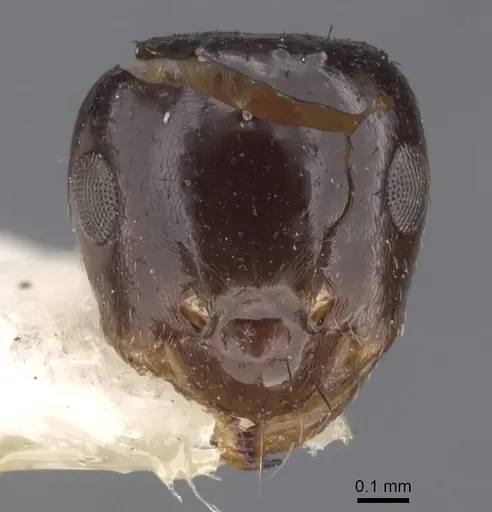
Brachymyrmex gaucho is a small, dark brown ant native to Argentina, specifically the Córdoba region. Workers measure 2.5-2.9mm and have a uniformly dark brown body with a distinctive feature: erect hairs on their legs and antennae, which is unusual in the genus [1][2]. The mesonotum visibly bulges above the pronotum when viewed from the side, and the gaster has sparse pubescence [2]. This species is morphologically similar to Brachymyrmex antennatus but can be distinguished by its smaller worker size and shorter antennal scapes [1]. Almost nothing is known about their biology in the wild, they remain one of the most poorly studied ant species in the hobby [2].
Quick Summary
- Difficulty: Unknown, biology unstudied
- Origin & Habitat: Argentina, Córdoba region (Unquillo). The specific habitat type is unknown, but the genus Brachymyrmex typically inhabits tropical and subtropical areas, often found in forest edges and disturbed areas [2][3].
- Colony Type: Unknown, colony structure has not been documented. The genus Brachymyrmex is known to have both single-queen and multi-queen species, but this specific species has not been studied [2].
- Size & Growth:
- Queen: Unknown, queen has not been described [1]
- Worker: 2.5-2.9mm [1]
- Colony: Unknown, no colony size data exists [2]
- Growth: Unknown
- Development: Unknown, development has not been studied [2] (No data exists on egg-to-worker development for this species. Related Brachymyrmex species typically develop in 4-8 weeks at tropical temperatures, but this is a rough estimate.)
- Antkeeping:
- Temperature: Unknown, no thermal studies exist. Based on their Argentine distribution (temperate to subtropical), room temperature (18-24°C) is a reasonable starting point. Monitor colony activity to determine optimal range.
- Humidity: Unknown, no humidity data exists. Given their distribution in central Argentina, moderate humidity (40-60%) likely mirrors their natural conditions. Provide a water tube for humidity access.
- Diapause: Unknown, overwintering behavior has not been documented. Argentina has mild winters, so they may have reduced activity periods rather than true diapause. Err on the side of cooler temperatures (15-18°C) during winter months.
- Nesting: Unknown, natural nesting behavior is unstudied. Most Brachymyrmex species nest in soil, under stones, or in rotting wood. A test tube setup or small acrylic nest would be appropriate starting points. Keep substrate slightly moist.
- Behavior: Behavior is completely unstudied [2]. Based on related species, they are likely generalist foragers that tend aphids for honeydew. Their small size (under 3mm) makes escape prevention important, use fine mesh and tight-fitting barriers. They are not known to be aggressive and likely have a mild temperament typical of the genus. Foraging style is unknown but probably involves ground-level searching.
- Common Issues: completely unstudied biology means no established care guidelines exist, queen has never been described, founding behavior unknown, no data on colony size limits, you won't know if your colony is thriving, test tube flooding risk is higher with tiny ants, use small water reservoirs, no information on hibernation requirements, winter care is speculative
What Makes This Ant Unique
Brachymyrmex gaucho stands out in its genus for having erect hairs on its legs and antennae, a trait shared with only a few other species in the genus [2]. The mesonotum visibly bulges above the pronotum, giving workers a distinctive hunched appearance when viewed from the side [4]. Their body is uniformly dark brown, and they possess three small ocelli on the head, features that help distinguish them from similar species like B. antennatus [1]. This species is only known from the Córdoba region of Argentina, making it a relatively rare species in both the wild and potentially in captivity.
Housing and Nesting
Since their natural nesting behavior is completely unknown, you'll need to make educated guesses based on related Brachymyrmex species. A test tube setup works well for founding colonies, use a small water reservoir to maintain humidity without flooding. For established colonies, a small acrylic nest or Y-tong with narrow chambers scaled to their tiny 2.5-3mm workers would be appropriate. Keep the nest substrate slightly moist but not waterlogged. Given their small size, ensure all connections and barriers are tight, these ants can squeeze through surprisingly small gaps. A foraging area with easy access to the nest allows them to establish their preferred foraging routes. [2]
Feeding and Diet
The only documented feeding observation comes from a study showing B. gaucho recorded exclusively at Dysaphis foeniculus (an aphid) on Foeniculum vulgare (fennel), though at very low abundance (0.37%) [5]. This suggests they, like most Brachymyrmex, likely feed on honeydew from aphids and scale insects. For captive care, offer sugar water or honey water as a constant energy source. They will likely accept small protein sources like fruit flies, pinhead crickets, or other tiny insects. Given their small size, prey items should be appropriately sized. Start with sugar sources and small live prey, then experiment to see what they accept. Remove uneaten food promptly to prevent mold.
Temperature and Seasonal Care
No thermal studies exist for this species, so care is speculative. Based on their distribution in Córdoba, Argentina (a temperate to subtropical region), room temperature in the range of 18-24°C should be suitable. Watch your colony's behavior, if workers cluster together and show reduced activity, they may be too cool. If they seem sluggish and stay near moisture, try slightly warmer conditions. For winter, given Argentina's mild climate, they may simply reduce activity rather than enter true diapause. A slight temperature reduction to 15-18°C during winter months may be appropriate, but this is an educated guess rather than established practice. [2]
Challenges and Considerations
The biggest challenge with Brachymyrmex gaucho is the complete lack of biological data. No one has documented their founding behavior, colony development, queen description, or any aspect of their captive care. This makes them an experimental species, you'll be learning alongside the scientific community. Document your observations carefully. Queen reproduction has never been described, so obtaining a mated queen may be difficult. If you do obtain a colony, expect slow progress since there's no established timeline to reference. The small worker size also means escape prevention must be excellent, use fine mesh and check all connections regularly. [2]
Frequently Asked Questions
How do I care for Brachymyrmex gaucho ants?
Care is unknown since the biology has never been studied. Based on related Brachymyrmex species, start with a test tube setup for founding colonies, room temperature (18-24°C), and slightly moist substrate. Offer sugar water constantly and small protein prey. This is an experimental species, you'll need to learn through observation.
What do Brachymyrmex gaucho ants eat?
They have been observed associated with aphids on fennel plants, suggesting they feed on honeydew [5]. In captivity, offer sugar water or honey water as a constant food source. They will likely accept small live prey like fruit flies or pinhead crickets. Size prey appropriately for their tiny 2.5mm workers.
How big do Brachymyrmex gaucho colonies get?
Unknown, no colony size data exists for this species [2]. Related Brachymyrmex species typically form colonies of several hundred to a few thousand workers, but this is just an estimate.
Do Brachymyrmex gaucho ants need hibernation?
Unknown, overwintering behavior has not been documented [2]. Given their distribution in central Argentina with mild winters, they may simply reduce activity rather than enter true diapause. A slight temperature reduction to 15-18°C during winter months may be appropriate.
Are Brachymyrmex gaucho ants good for beginners?
No, this species is not recommended for beginners precisely because nothing is known about their care. There are no established guidelines for temperature, humidity, founding, or development. Choose a better-documented species like Lasius niger or Camponotus floridanus for your first colony.
How long does it take for Brachymyrmex gaucho to produce first workers?
Unknown, development has never been studied [2]. Related Brachymyrmex species in tropical conditions typically develop from egg to worker in 4-8 weeks, but this is a rough estimate with low confidence.
Can I keep multiple Brachymyrmex gaucho queens together?
Unknown, colony structure has not been documented [2]. The genus Brachymyrmex contains both single-queen and multi-queen species, but nothing specific is known about B. gaucho. Do not attempt combining unrelated queens without established evidence.
Where is Brachymyrmex gaucho found in the wild?
Only known from Córdoba province, Argentina (specifically Unquillo) [1][2]. This makes them a geographically restricted species with a limited known range.
References

This caresheet is licensed under CC BY-SA 4.0 .
CASENT0911607
View on AntWeb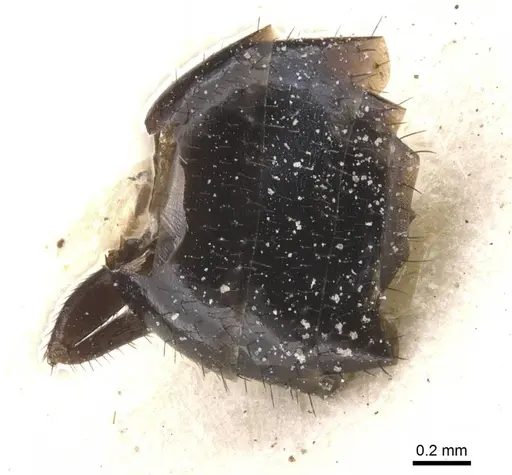
Literature
Loading...Loading products...