

Brachymyrmex flavidulus
- Scientific Name
- Brachymyrmex flavidulus
- Tribe
- Myrmelachistini
- Subfamily
- Formicinae
- Author
- Roger, 1863
- Distribution
- Found in 1 countries
Brachymyrmex flavidulus Overview
Brachymyrmex flavidulus is an ant species of the genus Brachymyrmex. It is primarily documented in 1 countries , including Cuba. Detailed taxonomic data and occurrence records can be further explored via authoritative databases such as AntWeb or the Global Biodiversity Information Facility (GBIF).
Brachymyrmex flavidulus
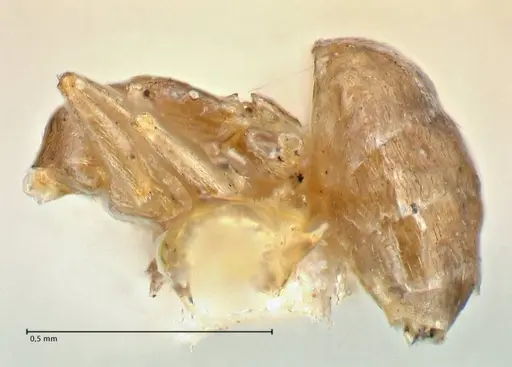
Brachymyrmex flavidulus is a tiny, yellowish ant species native to the Caribbean and parts of Central America. Workers are among the smallest ants you'll encounter, with a smooth, shiny yellow-brown body and distinctive dense pubescence on the gaster (the rear segment). They have very short antennae scapes that barely reach the back of their head, and their eyes sit right on the middle of their head [1][2]. This species was originally described back in 1863 from Cuba, where it's endemic, and it's also found in Jamaica, Costa Rica, and Colombia [1][3]. The biology of this species remains completely unknown in the scientific literature, there's simply very little data available, making it a challenging species to keep with many unanswered questions about their care.
Quick Summary
- Difficulty: Expert
- Origin & Habitat: Native to the Caribbean region, Cuba, Jamaica, and parts of Central America (Costa Rica) and northern South America (Colombia). Found in the Colombian departments of Caldas, Quindío, Risaralda, Santander, and Valle del Cauca. They likely inhabit tropical and subtropical environments, probably nesting in soil or under stones like other Brachymyrmex species [1][4].
- Colony Type: Likely polygynous (multiple queens) based on genus patterns, though colony structure is unconfirmed for this specific species. Brachymyrmex colonies typically have multiple reproductive queens.
- Colony: Polygyne
- Founding: Claustral
- Size & Growth:
- Queen: Estimated 3-4mm based on genus patterns, queens have not been directly measured for this species
- Worker: Approximately 2-3mm, they are very small ants with workers described as 'exceeding small' in early descriptions [1]
- Colony: Likely small colonies of several dozen to a few hundred workers based on genus patterns, unconfirmed for this species
- Growth: Unknown, likely moderate based on related species
- Development: Estimated 6-8 weeks based on typical Brachymyrmex development patterns, but this is unconfirmed for this species (Development timeline has not been studied, this is a rough estimate based on genus-level patterns for small tropical ants)
- Antkeeping:
- Temperature: Keep warm, around 24-28°C, based on their tropical Caribbean origin. A slight gradient allows workers to self-regulate. This is an estimate since no thermal studies exist for this species.
- Humidity: Moderate to high humidity (60-80%) mimicking their likely tropical forest floor habitat. Keep substrate consistently moist but not waterlogged.
- Diapause: Unlikely, as a tropical species from the Caribbean, they probably do not require a true hibernation period. However, some reduction in activity during cooler months may occur.
- Nesting: Probably prefers a naturalistic setup with moist substrate for nesting, test tubes can work but may need modification for humidity. Given their tiny size, they need very small chambers and passages. Y-tong or plaster nests with fine chambers work well.
- Behavior: These are tiny, fast-moving ants that are likely skittish rather than aggressive. They probably forage actively for small prey and honeydew. Their very small size means escape prevention is critical, they can squeeze through the tiniest gaps. Workers have no visible sting but may use formic acid as a defense. Activity level is likely high given their small size and tropical energy requirements.
- Common Issues: escape prevention is critical due to their extremely small size, use fine mesh and tight-fitting lids, complete lack of biological data means all care is based on genus-level estimates, expect a learning curve, wild-caught colonies may be difficult to find given their limited distribution and rarity, small colony size means they are vulnerable to stress and disturbance, humidity control is tricky, too wet causes mold, too dry kills brood
Understanding This Species
Brachymyrmex flavidulus represents a significant challenge for antkeepers because virtually nothing is known about its biology in the scientific literature. The species was described in 1863,but until the 2019 revision by Ortiz-Sepulveda et al., it was confused with other similar species and even mistakenly identified as Plagiolepis alluaudi in some early records [1][5]. What we do know is that they are tiny, yellowish ants found exclusively in the Caribbean region and parts of Central America, Cuba, Jamaica, Costa Rica, and Colombia. The fact that this species is endemic to Cuba and has been rarely collected means that wild colonies are difficult to find and study. For keepers, this means you will essentially be pioneering the husbandry of this species, expect to experiment and learn through observation rather than following established protocols.
Housing and Setup
Given their tiny size, housing Brachymyrmex flavidulus requires attention to scale. They need very small chambers and narrow passages in their nest, standard formicarium chambers may be too large and make them feel insecure. A Y-tong (acrylic) nest with fine chambers or a small plaster nest works well. Because their biology is unknown, providing a naturalistic setup with both a moist nesting area and a dry outworld gives them choices. Use a test tube setup for founding colonies, but be prepared to modify humidity levels based on their behavior. Escape prevention cannot be overstated, these ants are so small they can escape through gaps invisible to the human eye. Use fine mesh on all openings and consider applying fluon to barrier edges. A small outworld connected to the nest allows for feeding without disturbing the colony.
Feeding and Diet
While specific dietary studies don't exist for B. flavidulus, Brachymyrmex species are generalist feeders that likely consume honeydew from aphids and scale insects, along with small insects. Based on genus patterns, offer sugar water or honey as a constant energy source, and provide small protein sources like fruit flies, pinhead crickets, or mealworm pieces. Start with small portions and observe what they accept. Given their tiny size, prey items should be appropriately scaled, very small live prey is likely better than larger chunks. Remove uneaten food promptly to prevent mold, which is especially dangerous for small colonies in enclosed spaces.
Temperature and Seasonal Care
As a tropical species from the Caribbean, Brachymyrmex flavidulus likely prefers warm conditions year-round. Aim for temperatures in the 24-28°C range, with a slight gradient so workers can move between warmer and cooler areas. A heating cable on one side of the nest can help maintain warmth, but be careful not to overheat or dry out the nest. Unlike temperate species, they probably don't need a true hibernation period, but you may notice reduced activity during cooler months or if room temperature drops. Monitor colony behavior, active, foragers suggests good conditions, while lethargy or clustering may indicate temperatures are too low. Keep humidity stable through occasional misting or a water reservoir connected to the nest.
Colony Structure and Growth
The exact colony structure of B. flavidulus remains unknown, but Brachymyrmex species generally form colonies with multiple queens (polygynous). This means your colony may have several reproductive queens working together, which can lead to faster initial growth compared to single-queen species. Expect slow growth initially, founding colonies may take months to produce their first workers (nanitics), and development times are likely extended compared to larger ant species. Once established, growth should be gradual but steady. Small colony sizes are typical for this genus, so don't expect the massive worker forces seen in species like Camponotus or Formica. Patience is essential with this species.
Frequently Asked Questions
How long does it take for Brachymyrmex flavidulus to produce first workers?
This is unknown as the species has never been studied in captivity. Based on typical Brachymyrmex patterns for small tropical ants, expect 6-10 weeks from egg to worker at warm temperatures (26-28°C). The first workers (nanitics) will be very small and may take longer to develop than subsequent generations.
What do Brachymyrmex flavidulus ants eat?
While not directly studied for this species, Brachymyrmex ants are generalists. Offer sugar water or honey as a constant energy source, and small protein sources like fruit flies, tiny crickets, or mealworm pieces. Start with small amounts and remove uneaten food promptly.
Are Brachymyrmex flavidulus good for beginners?
No. This species is not recommended for beginners. The biology is completely unknown, there's no established care protocol, and you will essentially be experimenting. Additionally, their extremely small size makes them difficult to house and easy to lose. Consider starting with better-documented species first.
How big do Brachymyrmex flavidulus colonies get?
Colony size is unconfirmed for this species. Based on genus patterns, colonies likely reach several dozen to a few hundred workers, they are not large colony formers. Expect modest growth over many months to years.
What temperature do Brachymyrmex flavidulus need?
Based on their tropical Caribbean origin, keep them warm at 24-28°C. A slight gradient allowing self-regulation is ideal. This is an estimate since no thermal studies exist for this species.
Can I keep multiple Brachymyrmex flavidulus queens together?
Likely yes, Brachymyrmex species are typically polygynous (multiple queens per colony). However, this specific species hasn't been studied, so introduce queens carefully and monitor for aggression. Starting with a single queen is safer if you can obtain one.
Why are my Brachymyrmex flavidulus escaping?
Their extremely small size means they can escape through microscopic gaps. Use fine mesh (at least 0.5mm or finer), tight-fitting lids, and apply fluon or similar barriers to all edges. Check all connections between nest and outworld, if you can see light, they can probably escape.
Do Brachymyrmex flavidulus need hibernation?
Unlikely. As a tropical species from the Caribbean, they probably do not require a true hibernation period. However, they may naturally reduce activity during cooler periods. If you keep them at room temperature (20-24°C), no special winter care is likely needed.
Where can I get Brachymyrmex flavidulus?
This is a rare species in the antkeeping hobby. Wild colonies are difficult to find given their limited distribution (Cuba, Jamaica, Costa Rica, Colombia) and the fact that they're rarely collected. You may need to connect with specialized collectors or breeders who work with Caribbean species. Check antkeeping forums and communities for potential sources.
References

This caresheet is licensed under CC BY-SA 4.0 .
FOCOL2900
View on AntWeb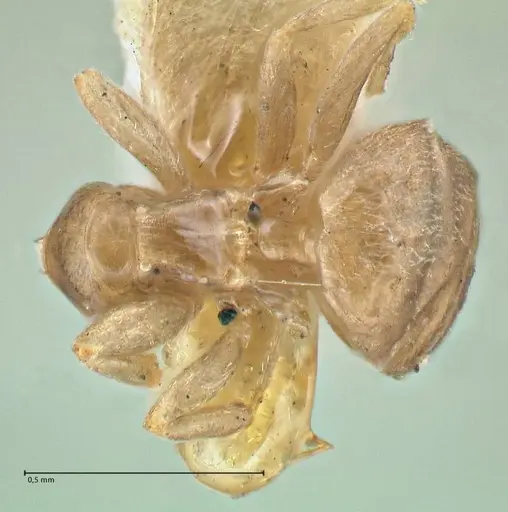
FOCOL2910
View on AntWeb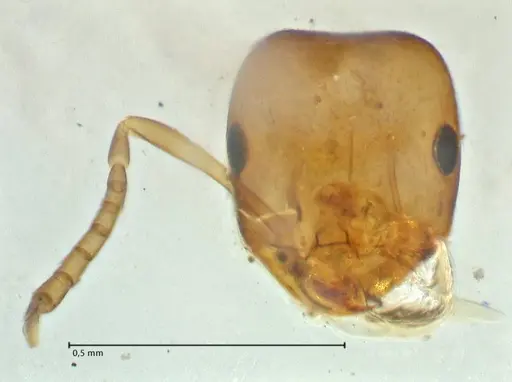
Literature
Loading...Loading products...