

Bothroponera strigulosa
- Scientific Name
- Bothroponera strigulosa
- Tribe
- Ponerini
- Subfamily
- Ponerinae
- Author
- Emery, 1895
- Common Name
- Streaker Rugged Ringbum ant
- Distribution
- Found in 2 countries
Bothroponera strigulosa Overview
Bothroponera strigulosa (commonly known as the Streaker Rugged Ringbum ant) is an ant species of the genus Bothroponera. It is primarily documented in 2 countries , including South Africa, Zimbabwe. Detailed taxonomic data and occurrence records can be further explored via authoritative databases such as AntWeb or the Global Biodiversity Information Facility (GBIF).
Bothroponera strigulosa - "Streaker Rugged Ringbum ant"
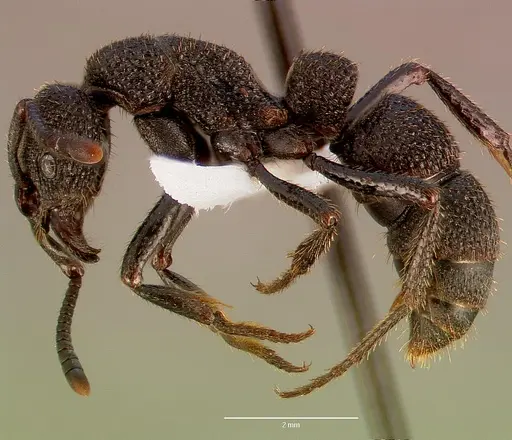
Bothroponera strigulosa is a large, robust ant species native to South Africa. Workers measure around 12mm in total length, making them one of the larger Ponerine ants. They have a distinctive appearance with a black to dark brown body, reddish-brown mandibles and frontal lobes, and short golden hairs distributed across their entire body. The head is subquadrate (slightly wider than long), and the mandibles are smooth with 7 teeth. This species belongs to the Bothroponera pumicosa species complex, a group of African ants known for their relatively mild stings. They are found primarily in grassland habitats in the dry to semi-arid regions of South Africa, particularly around Kimberley in the Northern Cape Province.
Quick Summary
- Difficulty: Medium
- Origin & Habitat: South Africa, specifically Kimberley in Northern Cape Province and Vaalwater in Limpopo Province. They inhabit dry to semi-arid grassland regions with summer hot/wet and winter dry conditions. Annual temperatures range from 10.8°C minimum to 26°C maximum, with average rainfall of 420mm per year [1].
- Colony Type: Colony structure is unconfirmed. Based on genus typical patterns, likely single-queen (monogyne) colonies, but this has not been directly documented for this species.
- Size & Growth:
- Queen: Unconfirmed, no queen specimens have been documented in scientific literature
- Worker: 12.20 mm total length [2][1]
- Colony: Unconfirmed, no colony size data available
- Growth: Unknown, no development studies exist for this species
- Development: Unconfirmed, no direct development data exists. Based on typical Ponerinae patterns, estimate 8-12 weeks at optimal temperature. (Development timeline is unconfirmed. Ponerine ants typically have slower development than many Myrmicinae species, but exact timing for B. strigulosa is unknown.)
- Antkeeping:
- Temperature: Keep nest area around 22-26°C. This range aligns with their natural habitat temperatures (annual maximum ~26°C). They are adapted to warm summers but can tolerate cooler conditions down to around 18°C. A heating cable on one side of the nest can create a gradient if room temperature is below this range.
- Humidity: Moderate humidity around 50-60%. These ants come from dry to semi-arid regions, so avoid overly damp conditions. Keep the nest substrate slightly moist but allow portions to dry between waterings. Provide a water tube but ensure good ventilation to prevent mold.
- Diapause: Likely yes, based on their origin in a temperate region with distinct seasons (summer wet/warm, winter dry/cool). They probably experience reduced activity during winter months. Reduce temperature to around 15-18°C for 2-3 months during winter.
- Nesting: In nature, they likely nest in soil under stones or in decaying wood in grassland areas. For captive care, a Y-tong (AAC) nest or plaster formicarium works well. Provide a nest chamber with moderate humidity and enough space for a growing colony. An outworld for foraging should include substrate for workers to explore.
- Behavior: Bothroponera strigulosa has a sting with a pain rating of 1 on the Schmidt scale (relatively mild) and venom lethality of LD50 9.2 mg/kg [3]. Workers are moderately active foragers and likely hunt small invertebrates. They are not considered highly aggressive but will sting if threatened. Escape risk is moderate, at 12mm, they are large enough to be contained with standard barriers but active enough to find gaps. Use fluon on test tube rims or formicarium edges as a precaution.
- Common Issues: lack of documented care information makes proper husbandry challenging, much is inferred from genus patterns, slow development may frustrate beginners expecting rapid colony growth, wild-caught colonies may have parasites or diseases that are difficult to treat in captivity, overheating can be fatal, avoid temperatures above 30°C despite their warm habitat, dry conditions can cause brood death, monitor substrate moisture carefully
Natural History and Distribution
Bothroponera strigulosa is endemic to South Africa, known from two main localities: Kimberley in the Northern Cape Province and Vaalwater in Limpopo Province [1]. The type specimen was collected by E. Simon between January and April 1893 in Kimberley. These areas fall within the savanna biome, characterized by the presence of Kameeldoring trees (Acacia erioloba). The Northern Cape Province features succulent karoo, nama karoo, and savanna biomes, indicating this species tolerates relatively arid conditions. All specimens have been found in grasslands, suggesting they prefer open habitats over forested areas. The climate features hot, wet summers and dry to moderately dry winters, with annual rainfall around 420mm.
Identification and Morphology
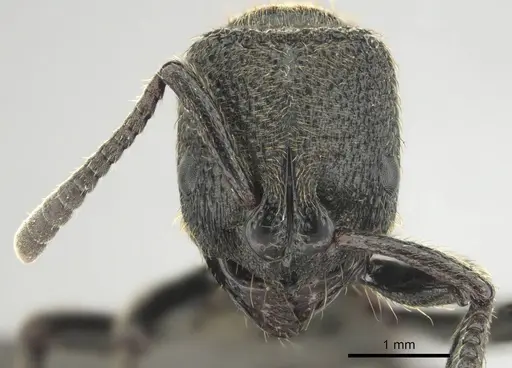
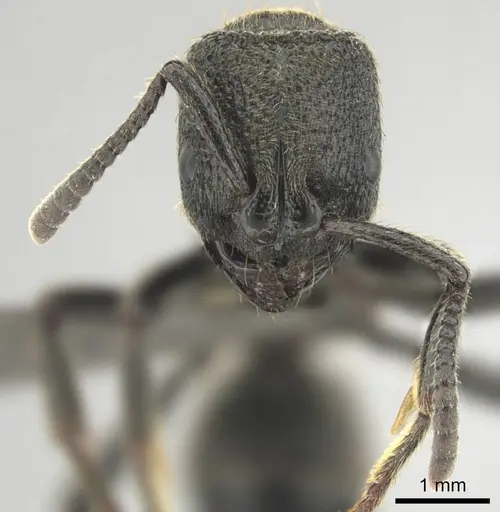
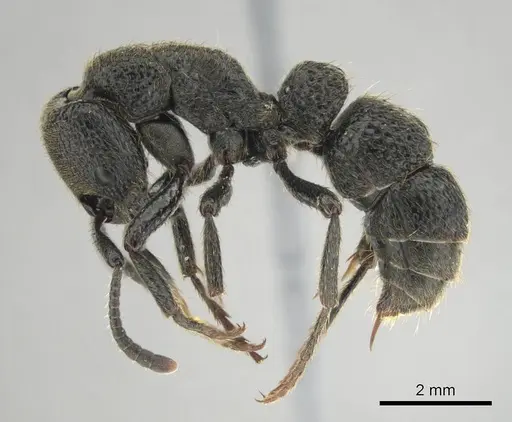
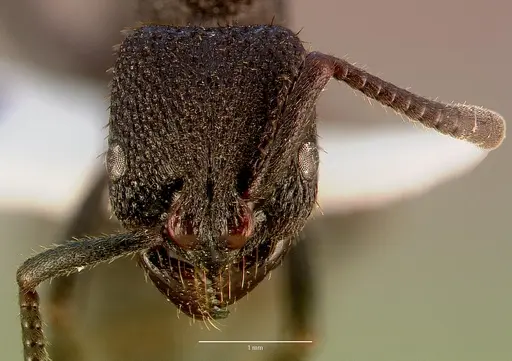
Workers of Bothroponera strigulosa are large, measuring approximately 12.20mm in total length [2][1]. The head is subquadrate (slightly broader than long), and the mandibles are smooth with 7 teeth, covered in short hairs (0.10-0.20mm). The clypeus has a distinctive raised medial carina forming a 'u' shaped edge, which helps distinguish this species from similar members of the pumicosa complex. The body is black to dark brown, with reddish-brown mandibles, funiculus, and frontal lobes. Short golden hairs (0.05-0.32mm depending on body part) are distributed across the entire body, including the mandibles, clypeus, head, scape, legs, and gaster. The petiole is rounded when viewed from above and has a vertical anterior face. This species can be distinguished from Bothroponera cariosa (which it closely resembles) by its smooth, shiny mandibles, whereas B. cariosa has mandibles covered with fine striae.
Sting and Defense
Bothroponera strigulosa possesses a functional sting, rated at 1 on the Schmidt pain scale, relatively mild compared to many other Ponerine ants [3]. The venom has an LD50 of 9.2 mg/kg, indicating moderate toxicity. In practical terms, a sting from this species would cause mild pain, similar to a bee sting, but much less painful than some other ants in the subfamily. Workers will use their sting defensively if the nest is disturbed or if they feel threatened. For antkeepers, this means they are among the less dangerous Ponerines to work with, though individual sensitivity varies. If stung, wash the area with soap and water and monitor for allergic reactions.
Housing and Nest Setup
For captive care, provide a nest that mimics their natural grassland soil nesting preferences. A Y-tong (AAC) formicarium or plaster nest works well for this species. The nest chamber should be appropriately scaled to their 12mm worker size, not too cramped but with passages narrow enough that workers feel secure. Since they come from semi-arid regions, avoid overly humid conditions that can lead to mold. Keep the nest substrate slightly moist on one side, allowing the ants to choose their preferred humidity zone. Provide a water tube with cotton as a moisture source. For the outworld, include some soil or sand substrate and moderate décor. Ensure escape prevention is adequate, while not tiny, they are active and can find small gaps.
Feeding and Diet
As a Ponerine ant, Bothroponera strigulosa is likely a predator, feeding on small invertebrates in the wild. In captivity, offer protein-rich foods such as small crickets, mealworms, fruit flies, or other appropriately sized insects. They probably accept some sugar sources, though this is not well documented for this specific species. Offer sugar water, honey, or diluted syrup occasionally and observe acceptance. Feed protein prey 2-3 times per week, removing any uneaten prey after 24-48 hours to prevent mold. Always ensure fresh water is available.
Seasonal Care and Overwintering
Based on their origin in a temperate region with distinct seasons, Bothroponera strigulosa likely requires a winter rest period. In their natural habitat around Kimberley, winter temperatures drop to around 10.8°C minimum, and the climate is dry to moderately dry [1]. Reduce temperatures to approximately 15-18°C for 2-3 months during winter (roughly November-February in the Northern Hemisphere). During this period, reduce feeding to once weekly or less, and keep the nest slightly drier. Do not feed during true diapause. Gradually increase temperature and resume normal feeding in spring. This seasonal cycle helps maintain colony health and may trigger reproductive behavior.
Frequently Asked Questions
How long does it take for Bothroponera strigulosa to produce first workers?
The development timeline is unconfirmed for this species. Based on typical Ponerinae development patterns, expect 8-12 weeks from egg to worker at optimal temperature (around 24-26°C). Ponerine ants generally develop more slowly than many Myrmicinae species, so patience is required.
What temperature do Bothroponera strigulosa ants need?
Keep nest temperatures around 22-26°C. This aligns with their natural habitat in South Africa where annual maximum temperatures reach about 26°C. They can tolerate brief periods slightly above or below this range, but avoid extremes. A heating cable on part of the nest can create a gradient if needed.
Are Bothroponera strigulosa good for beginners?
This species is rated as Medium difficulty. While larger ants are generally easier to house and observe, the lack of documented care information for B. strigulosa specifically makes it more challenging than species with well-established husbandry guidelines. Beginners may want to start with more commonly kept ants before attempting this species.
What do Bothroponera strigulosa eat?
They are likely predators, feeding on small invertebrates in the wild. In captivity, offer small insects like fruit flies, pinhead crickets, or mealworms as primary protein sources. They may accept sugar water or honey occasionally. Feed protein prey 2-3 times per week and remove uneaten food promptly.
Do Bothroponera strigulosa need hibernation?
Likely yes, based on their origin in a temperate region with seasonal climate variations. Provide a winter rest period of 2-3 months at reduced temperatures (15-18°C) with lower humidity and minimal feeding. This helps maintain natural cycles and may be necessary for colony health long-term.
How big do Bothroponera strigulosa colonies get?
Colony size is unconfirmed for this species. No scientific literature documents maximum colony sizes. Based on their large worker size (12mm) and typical Ponerinae patterns, colonies likely reach several hundred workers over several years, but this is an estimate.
Can I keep multiple Bothroponera strigulosa queens together?
Colony structure (monogyne vs polygyne) is unconfirmed for this species. There is no documented information about whether multiple queens can establish colonies together. It is not recommended to combine unrelated foundress queens without documented evidence of pleometrosis in this species.
What type of nest is best for Bothroponera strigulosa?
A Y-tong (AAC) formicarium or plaster nest works well. Provide appropriately sized chambers scaled to their 12mm worker size. Include a moisture gradient by keeping one section moister than another, allowing workers to self-regulate. Good ventilation is important to prevent mold in their semi-arid preferred conditions.
Where is Bothroponera strigulosa found in the wild?
This species is endemic to South Africa, known only from two localities: Kimberley in Northern Cape Province and Vaalwater in Limpopo Province. They inhabit dry to semi-arid grassland regions within the savanna biome, at elevations around 1200-1300m.
References

This caresheet is licensed under CC BY-SA 4.0 .
CASENT0251944
View on AntWeb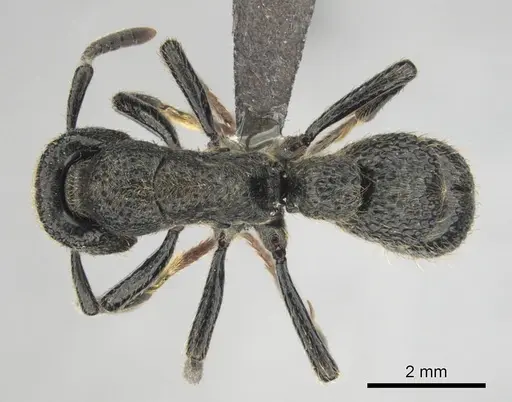
CASENT0888212
View on AntWeb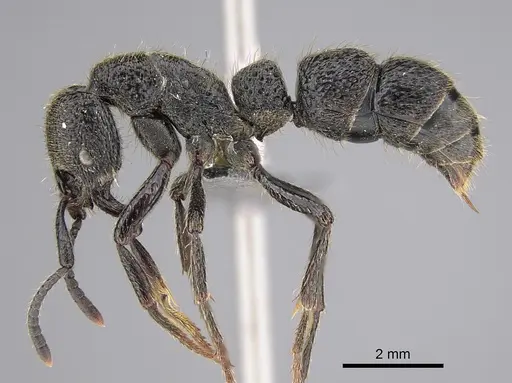
CASENT0900317
View on AntWeb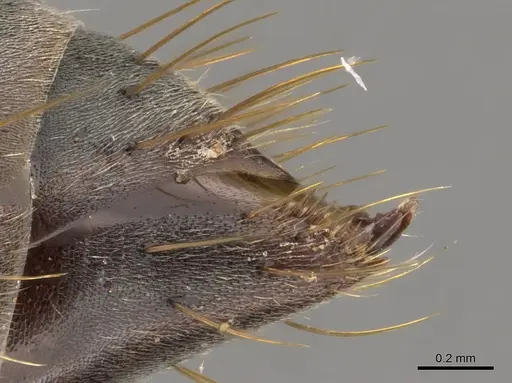
SAM-HYM-C011316A
View on AntWeb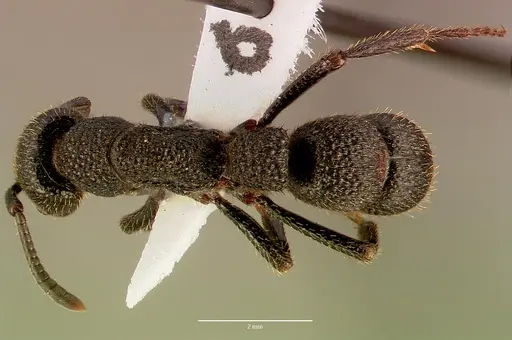
Literature
Loading...Loading products...