

Bothroponera pumicosa
- Scientific Name
- Bothroponera pumicosa
- Tribe
- Ponerini
- Subfamily
- Ponerinae
- Author
- Roger, 1860
- Common Name
- Grey Rugged Ringbum Ant
- Distribution
- Found in 1 countries
Bothroponera pumicosa Overview
Bothroponera pumicosa (commonly known as the Grey Rugged Ringbum Ant) is an ant species of the genus Bothroponera. It is primarily documented in 1 countries , including South Africa. Detailed taxonomic data and occurrence records can be further explored via authoritative databases such as AntWeb or the Global Biodiversity Information Facility (GBIF).
Bothroponera pumicosa - "Grey Rugged Ringbum Ant"
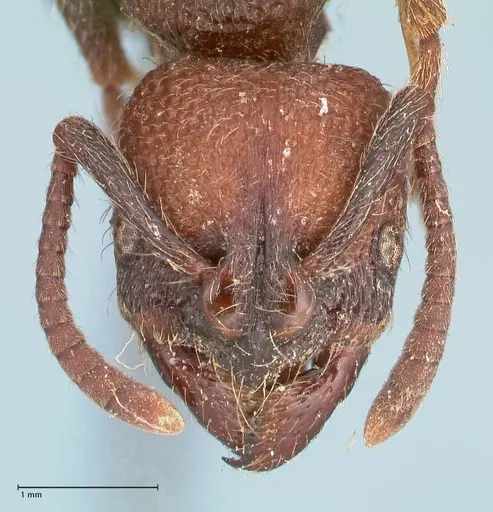
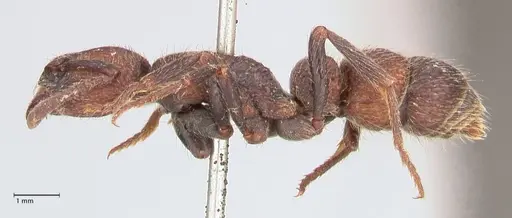
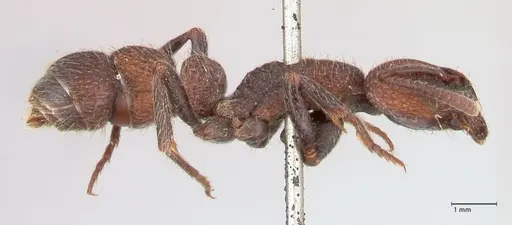
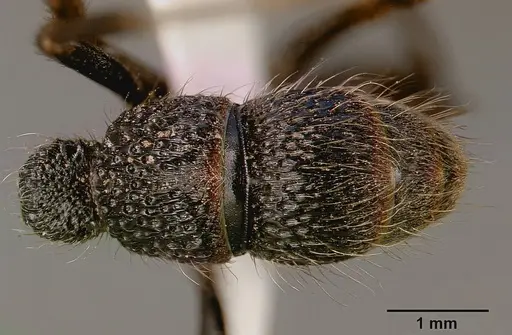
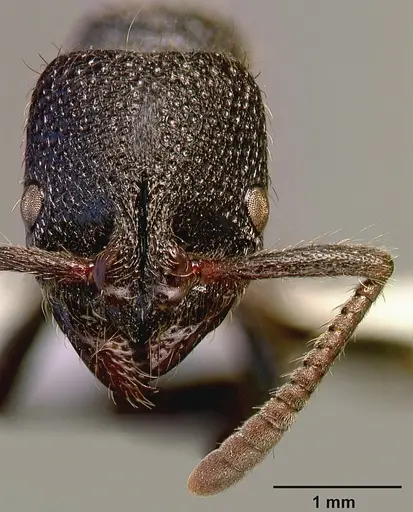
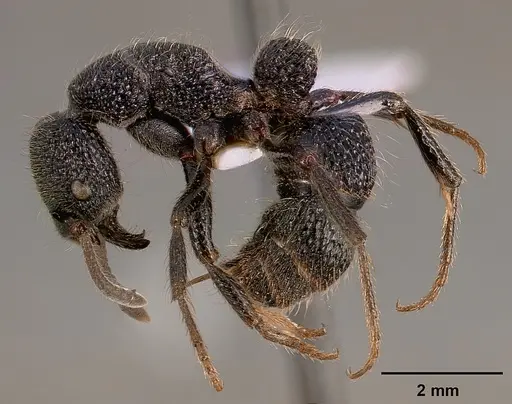
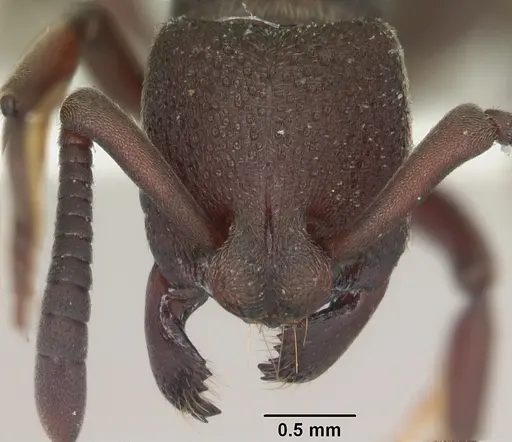
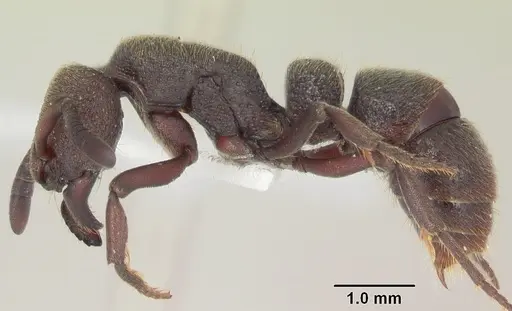
Bothroponera pumicosa is a large African ant species native to South Africa, with workers reaching 11-12mm in total length [1]. These ants are easily recognized by their distinctive long golden hairs (up to 0.50mm or more) that cover their entire body, including the mandibles, clypeus, and legs [1]. Their body is primarily black with brownish antennae and leg segments [1]. This species belongs to the Bothroponera pumicosa species complex and is found across the Cape Province, Natal, and parts of Cameroon [1][2]. In the wild, they build small colonies under stones in moist clay soils and are specialized termite predators [1][2].
Quick Summary
- Difficulty: Medium
- Origin & Habitat: South Africa (Cape Province, Natal, Cape of Good Hope) and Cameroon. Found in grassland and karro (dry, rocky) habitats. Nests under stones in moist clay soils [1][2].
- Colony Type: Colony structure is unconfirmed. Based on typical Ponerinae patterns, likely single-queen colonies with claustral founding.
- Size & Growth:
- Queen: Unconfirmed, no queen measurements available for this species
- Worker: 11-12mm total length [1]
- Colony: Small colonies, exact maximum unknown but likely under 200 workers based on genus patterns
- Growth: Moderate, estimated based on Ponerinae genus patterns
- Development: Estimated 8-12 weeks at optimal temperature based on related Ponerinae species (Development time is estimated, not directly studied for this species)
- Antkeeping:
- Temperature: Keep at 22-26°C. South African origin suggests they prefer warm conditions with moderate temperature. Adjust based on colony activity.
- Humidity: Keep substrate moist but not waterlogged. They naturally nest in moist clay soils under stones, aim for damp substrate with some drier areas for workers to regulate.
- Diapause: Unknown for this species. South African ants may have reduced activity during cooler months but true hibernation is not confirmed.
- Nesting: Prefer tight, enclosed spaces. A Y-tong (acrylic) nest or plaster nest works well. Provide a moisture reservoir to maintain damp soil conditions. They do well in naturalistic setups with flat stones over moist substrate.
- Behavior: These ants are predatory, specialized to hunt termites [1][2]. They are relatively docile compared to some Ponerinae but will defend the colony if threatened. Workers are large (11-12mm) so escape prevention is straightforward, standard barriers work well. They are not aggressive escape artists but should be housed in secure enclosures. Activity level is moderate, they forage primarily at night or during cooler parts of the day.
- Common Issues: specialized diet, they require termite prey or suitable alternatives, which can be difficult to source consistently, humidity management is critical, too dry and colonies fail, too wet and mold becomes an issue, slow colony growth means keepers may lose patience and overfeed, leading to mold problems, wild-caught colonies may have parasites that kill them in captivity, small colony size makes them vulnerable to stress, avoid disturbing founding colonies
Nest Preferences
Bothroponera pumicosa naturally nests under stones in moist clay soils [1][2]. In captivity, they do well in Y-tong (acrylic) nests or plaster nests with a moisture reservoir. The key is maintaining damp substrate without flooding. A naturalistic setup with flat stones placed over moist soil also works well and mimics their natural environment. Provide chambers sized appropriately for their large worker size (11-12mm). They prefer tight, enclosed spaces rather than open areas. Ensure the nest has a water reservoir or drip setup to maintain long-term humidity.
Feeding and Diet
This species is specialized to feed on termites in the wild [1][2]. In captivity, you should prioritize live termite prey as their primary food source. If termites are unavailable, other small live insects (fruit flies, small crickets, mealworms) may be accepted. They are predatory ants and will not survive on sugar water alone, protein is essential. Feed them small prey items 2-3 times per week, adjusting based on colony size. Remove uneaten prey after 24-48 hours to prevent mold. A small dish of sugar water or honey can be offered occasionally but should not be the primary food source.
Temperature and Care
Keep the nest area at 22-26°C. As a South African species, they prefer warm but not extreme temperatures. A heating cable on one side of the nest can create a temperature gradient, allowing ants to regulate their own exposure. Room temperature within this range is usually sufficient. Avoid temperatures below 18°C or above 30°C. Monitor colony activity, if workers become sluggish, increase temperature slightly, if they avoid the heated area, reduce it. Unlike temperate species, they do not require true hibernation, but may show reduced activity during cooler months.
Behavior and Temperament
Bothroponera pumicosa is a predatory ant species that hunts termites [1][2]. They are relatively docile compared to many other Ponerinae and will typically flee rather than attack when threatened. However, they will defend their colony if provoked. Workers are large (11-12mm) making them easy to contain with standard escape prevention methods. They are not known for being aggressive escape artists. Their activity pattern is primarily nocturnal or crepuscular, matching their termite-hunting behavior. Colonies are small, so avoid disturbing the nest frequently, especially during the founding stage.
Frequently Asked Questions
How long does it take for Bothroponera pumicosa to produce first workers?
Estimated 8-12 weeks from egg to first worker at optimal temperature (22-26°C). This is based on related Ponerinae species as development has not been directly studied for this species.
What do Bothroponera pumicosa ants eat?
They are specialized termite predators. In captivity, live termites should be their primary food. Other small live insects (fruit flies, small crickets, mealworms) may be accepted as alternatives. Sugar sources like honey water can be offered occasionally but should not be the main food.
Can I keep Bothroponera pumicosa in a test tube setup?
Test tubes can work for founding colonies, but these ants prefer moist clay soil conditions. A Y-tong or plaster nest with a water reservoir is more suitable for long-term housing. If using test tubes, ensure the cotton remains damp but not flooded.
Are Bothroponera pumicosa ants aggressive?
They are relatively docile compared to other Ponerinae species. They will flee from threats rather than attack, but will defend the colony if directly threatened. Their large size makes them easier to handle than small aggressive species.
Do Bothroponera pumicosa ants need hibernation?
Hibernation requirements are unconfirmed for this species. As a South African species, they may have reduced activity during cooler months but likely do not require true hibernation like temperate species. Keep them at stable room temperature year-round.
How big do Bothroponera pumicosa colonies get?
They are described as building small colonies [1]. Based on genus patterns, colonies likely reach under 200 workers. They are not supercolonial and maintain relatively modest colony sizes.
What temperature is best for Bothroponera pumicosa?
Keep them at 22-26°C. South African origin suggests they prefer warm conditions. A slight temperature gradient allows workers to regulate their own exposure. Avoid temperatures below 18°C or above 30°C.
When should I move Bothroponera pumicosa to a formicarium?
Wait until the colony has at least 10-15 workers before moving from a founding setup. These ants prefer stable conditions and do not tolerate frequent disturbance. Once established in a test tube, consider moving to a Y-tong or plaster nest with moisture reservoir.
Are Bothroponera pumicosa good for beginners?
They are rated as Medium difficulty. Their specialized diet (requiring live termite prey) and humidity requirements make them more challenging than beginner species like Lasius. They are better suited for keepers with some antkeeping experience who can provide consistent care.
References

This caresheet is licensed under CC BY-SA 4.0 .
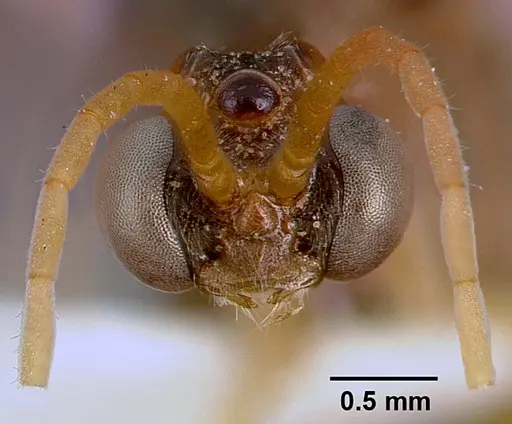
CASENT0249201
View on AntWeb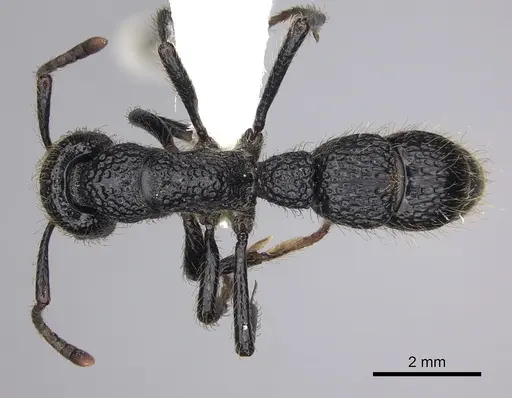
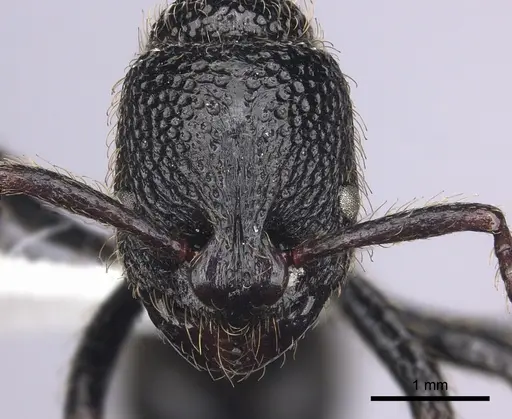
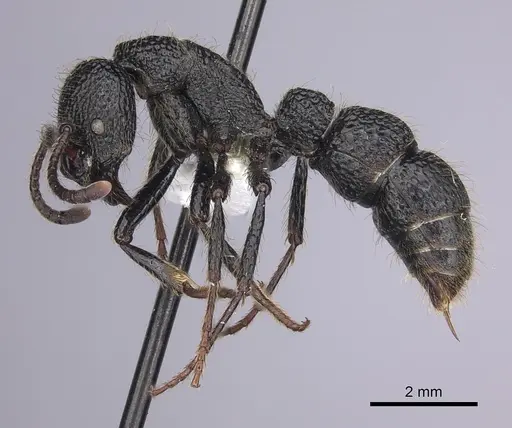
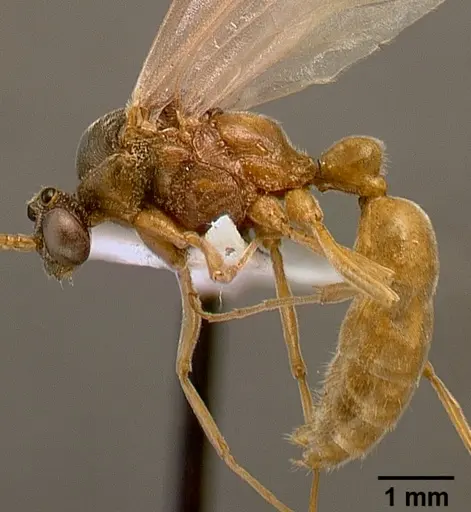
FOCOL0954
View on AntWeb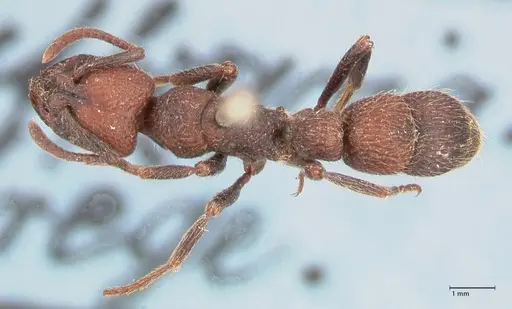
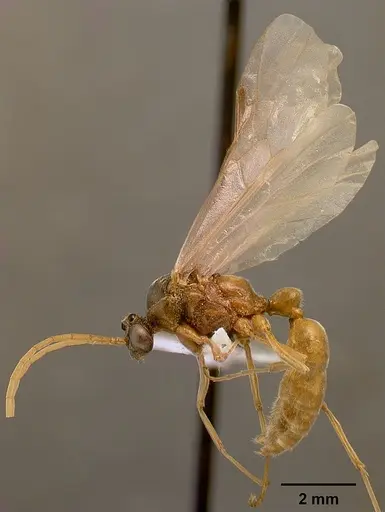
SAM-HYM-C000154A
View on AntWeb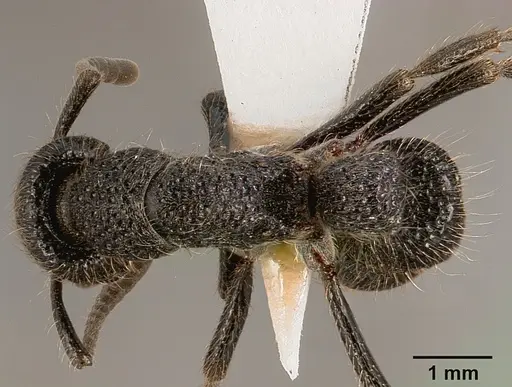
SAM-HYM-C000154B
View on AntWeb
SAM-HYM-C009280A
View on AntWeb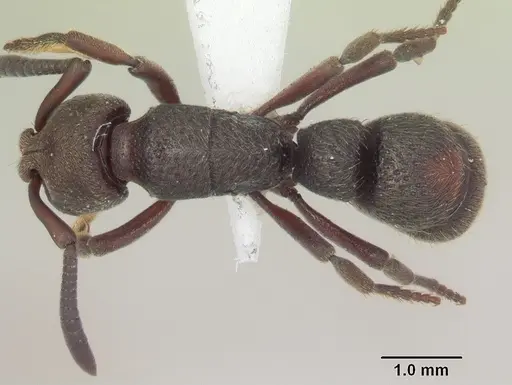
Literature
Loading...Loading products...