Bothroponera soror - "None (No widely recognized common name)"
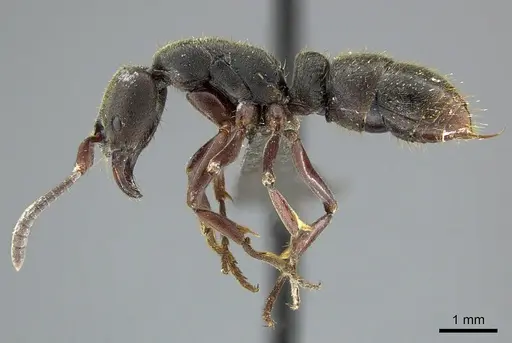
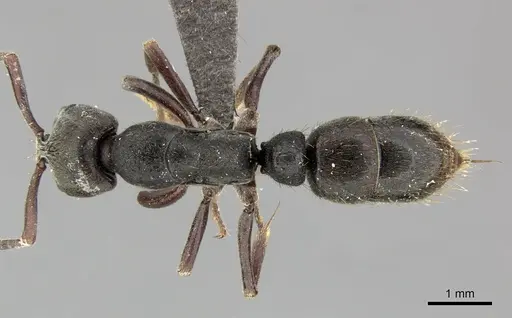
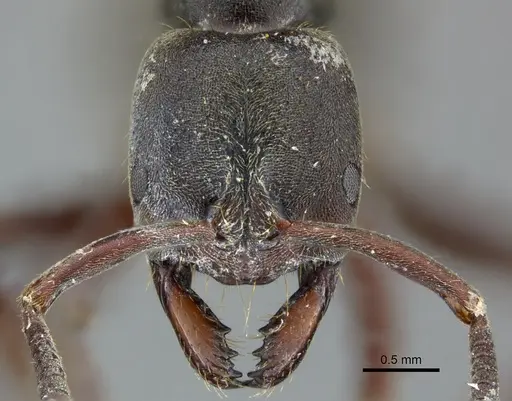
Bothroponera soror is a fascinating ant species belonging to the Ponerinae subfamily. These ants are generally dark brown, with lighter brown legs, scapes, and mandibles. They are characterized by smooth, shiny mandibles with 6-8 teeth, relatively large compound eyes, and a roughly sculptured body, though the second gastral segment is often shiny with less sculpting. The queen of B. soror is quite similar in appearance to the worker, often overlapping in size. Workers of this species are known to smell strongly like cockroaches, a unique characteristic attributed to their mandibular gland secretions.
- Difficulty: Medium
- Origin & Habitat: Africa (specifically Afrotropical region, including Cameroon, Ethiopia, Guinea, Angola, Benin, Burundi, Democratic Republic of Congo, Gabon, Ghana, Ivory Coast, Kenya, Mozambique, Rwanda, Sudan, Uganda, Tanzania, and Zimbabwe). in Tropical forests and acacia woodlands. They typically nest underground, often under stones, in rotting logs, or even in abandoned termitaries, and forage in subterranean areas or leaf litter..
- Colony Type: Monogyne, semi-claustral founding.
- Size & Growth:
- Queen: 8.6-10.1mm
- Worker: 8.65-11.1mm
- Colony: Small (dozens to a hundred). Slow. Colonies are typically small, with about two dozen workers, though some populations have been observed with up to 100 workers. growth.
- Antkeeping:
- Temperature: Due to their tropical origin, a stable temperature range of 24-28°C is likely suitable for optimal activity and brood development..
- Humidity: High humidity, between 70-85%, is recommended to mimic their natural tropical forest and underground nesting environments..
- Diapause: Not required. Not specified at Not specified.
- Nesting: These ants prefer naturalistic setups. Nests should ideally be made of soil, plaster, or a mix of soil and sand. They thrive in setups that allow for some burrowing behavior, mimicking their natural subterranean nests under stones or in rotting wood. A setup with an attached outworld for foraging is essential..
- Behavior: Medium (towards prey, potentially defensive towards handler) aggressiveness.
- Common Issues: Humidity fluctuations, Lack of suitable prey, Nest mold, Stress from excessive disturbance.
One of the most intriguing aspects of keeping Bothroponera soror is their unique semi-claustral founding behavior. Unlike fully claustral queens that seal themselves away, B. soror queens will forage outside the nest even during the initial founding phase. This means your founding queen will need a foraging area with access to food from the very beginning. Providing small insect pieces and a drop of sugar water in the outworld is crucial to support her through this period as she establishes her new colony. Observing this early foraging is quite a treat for any antkeeper.
These Ponerine ants are primarily predators and scavengers, with a strong preference for arthropods. While they will accept various insects, incorporating a varied diet is key to their long-term health. Consider offering a mix of crickets, mealworms, roaches, and even small spiders. Some sources suggest they are adapted to termite predation in their natural habitat, so if you can source safe, captive-bred termites, they would likely be a hit. Always ensure prey items are clean and free of pesticides.
Bothroponera soror workers are known for using a recruitment method called 'tandem running' to guide nestmates to large food sources or new nest sites. This fascinating behavior involves one worker leading another, with the follower maintaining physical contact. While you might not directly observe this in a small setup, it highlights their cooperative nature and emphasizes the importance of providing a spacious outworld for foraging, allowing them to exhibit their natural behaviors. Maintaining a clean outworld will help them navigate and communicate effectively.
An interesting sensory note for Bothroponera soror is that their workers are reported to emit a distinct smell, often described as similar to cockroaches, due to their mandibular gland secretions. While this isn't a care requirement, it's a unique characteristic to be aware of and appreciate. This highlights the diverse chemical communication strategies present in the ant world and adds another layer of intrigue to these remarkable creatures.
Frequently Asked Questions
What kind of nest setup is best for Bothroponera soror?
For Bothroponera soror, a naturalistic nest setup is paramount. They thrive in environments that mimic their subterranean habitat, so options like Ytong, plaster, or even a deep soil-based formicarium are excellent choices. Given their semi-claustral founding, a nest with an attached foraging area (outworld) from day one is essential to allow the queen to forage. Ensure the nest maintains stable high humidity, around 70-85%, to prevent desiccation, a common issue for tropical species. Avoid setups that dry out too quickly, as consistent moisture is key to their success.
What do Bothroponera soror eat?
Bothroponera soror are voracious predators and scavengers, so their diet should primarily consist of various arthropods. Offer a mix of feeder insects like crickets, mealworms, dubia roaches, and even fruit flies. These ants are known to be particularly good at preying on termites in the wild, so if you can safely source captive-bred termites, they would be an ideal food source. Supplement their protein with a small amount of sugar water or honey solution, though their main focus will be on live or freshly killed prey. Always provide a varied diet to ensure they get all necessary nutrients.
Do Bothroponera soror sting?
Yes, Bothroponera soror, like many Ponerine ants, possess a potent sting. While they aren't typically aggressive towards antkeepers unless provoked or threatened, it's crucial to exercise caution during handling or maintenance. Avoid direct contact and use long tweezers or other tools when interacting with their nest or outworld. The sting can be painful, so it’s always best to be mindful and prioritize safety when working with this species.
Are Bothroponera soror difficult to keep?
Bothroponera soror are considered a medium difficulty species for antkeeping. While they aren't as demanding as some expert-level ants, they do require consistent care, particularly regarding humidity and diet. Their semi-claustral founding behavior means the queen needs access to food during colony establishment, which differs from fully claustral species. Maintaining the right moisture levels and providing a diverse protein diet are key challenges. If you have some experience with antkeeping, they can be a highly rewarding species to observe.
How large do Bothroponera soror colonies get?
Bothroponera soror colonies are generally on the smaller side compared to many common ant species. In the wild, established colonies typically consist of around two dozen workers, although some reports indicate populations can reach up to 100 workers. This makes them a great choice for antkeepers who prefer observing smaller, more manageable colonies rather than supercolonies. Their slow growth rate also means they won't outgrow their initial setup too quickly.
Do Bothroponera soror need diapause?
No, Bothroponera soror do not require a diapause period. Originating from tropical and subtropical regions of Africa, they are accustomed to stable warm temperatures year-round. Therefore, maintaining consistent temperature and humidity levels is important for their continuous development and well-being. Unlike temperate species, attempting to induce diapause could actually harm the colony.
How fast do Bothroponera soror grow?
Bothroponera soror colonies exhibit a relatively slow growth rate. From egg to adult worker, the development time can be longer than that of faster-growing species. Coupled with their small colony sizes, this slow growth means you'll witness gradual development. Patience is a virtue when keeping these ants, as their charm lies in their unique behaviors and the intricate, albeit slow, progression of their colony.
What is 'tandem running' in Bothroponera soror?
Tandem running is a fascinating recruitment behavior observed in Bothroponera soror. When a worker discovers a significant food source or a new nest site, it will return to the nest and recruit a nestmate to follow it. The lead ant walks with the follower maintaining antennal or body contact. This allows them to efficiently guide nestmates to resources without the need for mass recruitment, showcasing a more 'primitive' but effective form of communication among Ponerine ants. It's a hallmark of their cooperative foraging strategy.
Why do Bothroponera soror workers smell like cockroaches?
The distinctive cockroach-like smell reported in Bothroponera soror workers is attributed to the chemical compounds released from their mandibular glands. While the exact purpose isn't fully understood, these secretions are likely involved in communication, defense, or perhaps even marking territories or prey. It's a unique characteristic that highlights the complex chemical ecology of ants and adds an interesting sensory element to keeping this species.
Can Bothroponera soror be kept in a test tube setup initially?
While a test tube setup can be used for very early colony founding with a queen, a semi-claustral species like Bothroponera soror will quickly need an attached outworld for foraging. The queen requires external food sources from the beginning, so a standard test tube setup without an outworld will not be sufficient for long. Once a few workers eclose, transitioning them to a small formicarium with a connected foraging area is ideal to accommodate their hunting behavior and semi-claustral founding.