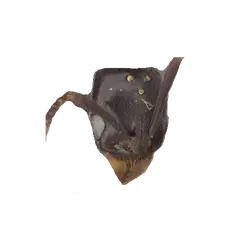
Brachyponera chinensis - "Asian Needle Ant"
The Asian Needle Ant, Brachyponera chinensis, is a small to average-sized ant species, typically dark brown to black in color, with lighter orangish-brown outer antennal segments, mandibles, and legs. They possess a noticeable sting and a distinctive, deliberate walking style where they hunker close to the ground. Workers are generally less than 5mm, while queens can reach up to 6.5mm. This species is known for its predatory habits, especially targeting termites, and its ability to thrive in both natural and disturbed habitats. Colonies can range from dozens to several thousand individuals and often include multiple queens.
- Difficulty: Medium
- Origin & Habitat: East Asia (China, Taiwan, North Korea, South Korea, Japan) in Forests, grasslands, urban areas (under rocks, logs, leaf litter, mulch, pavers, and in loose soil). They thrive in moist and shaded environments..
- Colony Type: Polygyne (multiple queens) and Monogyne (single queen) have been observed, with many nests sometimes being queenless., semi-claustral (queen forages) founding.
- Size & Growth:
- Queen: 5.0-6.5mm
- Worker: 3.4-5.0mm
- Colony: Medium (hundreds to several thousands, with contiguous nest sites potentially exceeding 5000 individuals). Medium to Fast. Colony size can range from fewer than 100 individuals to several thousand, and populations can explode. growth.
- Antkeeping:
- Temperature: Room temperature, roughly 20-28°C (68-82°F) is generally suitable, mimicking their temperate native environment. They are known to prefer warm temperate climates..
- Humidity: High humidity is preferred, as they thrive in moist, damp, and shaded environments..
- Diapause: Required. 3-4 months at 10-15°C.
- Nesting: Naturalistic setups with soil, rotting wood, and leaf litter are ideal. Artificial nests like acrylic or gypsum are also suitable, ensuring good humidity retention. They are often found nesting under stones, logs, and debris..
- Behavior: Low (towards handler, stings usually occur when disturbed or trapped). Medium (towards other ants and prey). aggressiveness.
- Common Issues: Humidity fluctuations, Lack of suitable prey (termites), Escape due to inadequate barriers (though less of an issue with smooth surfaces), Colony stalling if conditions are not met.
One interesting characteristic of the Asian Needle Ant is their unique foraging and recruitment behavior. Unlike many other ant species that rely on strong pheromone trails for mass recruitment to a food source, Brachyponera chinensis primarily uses a method called 'tandem carrying.' This involves a foraging worker carrying a nestmate directly from the nest to the food source. This more deliberate, one-on-one approach to recruitment makes their foraging appear quite different from the bustling highways of other ant species.
Brachyponera chinensis are highly predatory ants, with a significant part of their diet in the wild consisting of termites. While they are adaptable and will scavenge on various dead insects, fish scraps, and decaying fruit, offering a consistent supply of small live insects, especially termites if available, will greatly benefit their health and colony development. This specialized diet is somewhat unusual among many widespread invasive ant species which often rely heavily on sugary secretions from hemipterans.
These ants are known for their ability to invade and thrive in a variety of habitats, including natural forests, unlike many common urban pest ants that prefer disturbed human environments. This adaptability, combined with their sometimes polygynous colonies and tolerance for inbreeding, contributes to their success in expanding their range. When housing them, it's important to provide a nesting environment that caters to their preference for damp and dark conditions, replicating their natural nesting sites under stones or in rotting wood.
A notable physical trait of Brachyponera chinensis is their inability to climb smooth surfaces like glass. This makes them relatively easy to contain in a formicarium with smooth walls, eliminating the need for typical anti-climb barriers like fluon or talc. This unique characteristic can be a significant advantage for antkeepers, simplifying the setup and maintenance of their enclosure.
While not an overly aggressive species towards humans, their sting can be painful and, in some rare cases, may cause allergic reactions, including anaphylaxis, in sensitive individuals. Care should always be taken when handling their setups, and direct contact with the ants or their sting should be avoided. This is a crucial health consideration for anyone keeping this species.