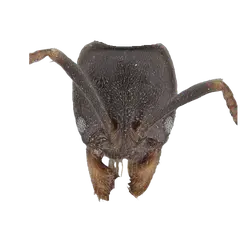
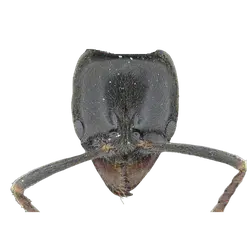
Brachyponera jerdonii - "Jerdon's Ant"
Brachyponera jerdonii is a fascinating ant species belonging to the Ponerinae subfamily. These ants are generally small to medium-sized, with workers typically measuring less than 5.00mm in total length. They often have a dark brown to black body with lighter orangish-brown outer antennal segments, mandibles, and legs, and a shiny appearance. Like many Ponerines, Brachyponera jerdonii are known for their prominent sting. They are part of the larger Brachyponera genus, which includes various species distributed across Africa, southern Asia, and Australia, with a concentration of diversity in Southeast Asia.
- Difficulty: Medium
- Origin & Habitat: Asia (specifically Bangladesh, India, Sri Lanka, and Vietnam) in Under stones, in soil, or in rotting wood, often in somewhat damp areas..
- Colony Type: Monogyne, semi-claustral founding.
- Size & Growth:
- Queen: Not specified
- Worker: Not specified
- Colony: Medium (hundreds). Medium growth.
- Antkeeping:
- Temperature: Maintain a temperature range of 20-27°C, with an ideal temperature around 26°C, similar to other Brachyponera species..
- Humidity: Keep humidity levels between 50-70%..
- Diapause: Not required. Not specified at Not specified.
- Nesting: These ants prefer nests with a humid zone and substrate. They are known to nest under stones, in soil, or rotting wood in the wild..
- Behavior: Medium (towards handler, food or other ants) aggressiveness.
- Common Issues: Humidity fluctuations, Lack of suitable substrate for nesting.
Brachyponera jerdonii workers are generally small ants, making them a captivating species to observe in an ant setup. Their physical characteristics, such as their shiny dark bodies and lighter appendages, make them quite distinct. While specific details on the exact size of B. jerdonii queens are not readily available, queens in the Brachyponera genus are typically larger and winged compared to their worker counterparts. It’s always exciting to see how these size differences play out in a live colony.
When setting up a home for your Jerdon's ants, remember their natural inclination to nest in soil or rotting wood. Providing a formicarium that mimics these conditions, perhaps with a soil-based substrate or decaying wood elements, will help them feel right at home. Ensuring there’s a consistent humid zone within their nest is also crucial for their well-being, as they thrive in these damp environments.
Diet-wise, Brachyponera species are largely considered generalist predators and scavengers. While some close relatives like Brachyponera sennaarensis are known for their unusual ability to consume seeds, it's best to offer a varied diet of insects and sugary liquids to your Jerdon's ants. Observing their foraging behavior and seeing what they prefer will be key to keeping your colony healthy and active.
One important aspect to note about Brachyponera jerdonii is their sting. Like many Ponerine ants, they possess a prominent sting that can deliver a painful bite. While their aggressiveness towards handlers is generally moderate, it's always wise to exercise caution when interacting with the colony to avoid any unwanted stings. Safety first, antkeepers!
Colony founding for Brachyponera species, including B. jerdonii, often leans towards semi-claustral. This means the queen might venture out for food during the initial founding stage, unlike fully claustral queens who rely solely on their fat reserves. Providing a suitable setup that allows for this foraging behavior, such as a test tube connected to a small outworld, could be beneficial for new queens.
Frequently Asked Questions
What is the typical colony size for Brachyponera jerdonii?
Brachyponera colonies, in general, can range from a few dozen workers to up to 2,000, with an average colony often having a few hundred workers. For Brachyponera jerdonii specifically, you can expect a medium-sized colony, likely in the hundreds.
Are Brachyponera jerdonii good for beginner antkeepers?
While not explicitly 'easy' like some other common species, Brachyponera jerdonii can be managed by a beginner with a bit of research and dedication. Their semi-claustral founding and specific humidity/nesting needs might be a slight step up, but they are generally fascinating to observe.
What kind of nest setup is best for Brachyponera jerdonii?
These ants really thrive in setups that mimic their natural habitat. Think nests with soil or rotting wood substrates. Test tubes with connected outworlds for foraging work well for founding queens, and a formicarium with a good humid zone and substrate is ideal for a growing colony.
What do Brachyponera jerdonii eat?
Brachyponera species are generalist predators and scavengers. Offer your Jerdon's ants a varied diet of small insects, like crickets or roaches, and sugary liquids such as honey water or sugar water. Observe what your colony prefers, as their dietary needs can be flexible.
Do Brachyponera jerdonii sting?
Yes, Brachyponera jerdonii, like other Ponerine ants, possess a prominent sting. While they might not be overtly aggressive towards handlers unless provoked, it's always best to be cautious when handling their nest or outworld.
Do Brachyponera jerdonii require diapause?
Based on available information for closely related species within the Brachyponera genus, a diapause (winter hibernation) is generally not required for Brachyponera jerdonii.
What temperature and humidity do Brachyponera jerdonii need?
For optimal health, maintain their nest temperature between 20-27°C, with 26°C being a good target. Humidity should be kept consistently between 50-70%. These conditions help ensure proper brood development and colony vitality.
How fast do Brachyponera jerdonii colonies grow?
Brachyponera colonies typically exhibit a medium growth rate. While they won't explode in numbers overnight, you can expect a steady increase in workers as long as their care requirements are met and they have a consistent food supply.
Can Brachyponera jerdonii queens be kept together (pleometrosis)?
Brachyponera jerdonii are considered monogyne, meaning they typically have a single queen per colony. While some Brachyponera species show polygyny, it's safer to assume monogyne for B. jerdonii unless specific information suggests otherwise.
Are Brachyponera jerdonii prone to any common antkeeping issues?
Like many ant species, common issues can include humidity fluctuations impacting brood development and the colony stalling if their environmental needs aren't met. Ensuring consistent humidity and providing a suitable nesting substrate are key to avoiding these problems.