

Bothriomyrmex saundersi
- Scientific Name
- Bothriomyrmex saundersi
- Tribe
- Bothriomyrmecini
- Subfamily
- Dolichoderinae
- Author
- Santschi, 1922
- Incertae Sedis
- in Genus
- Distribution
- Found in 1 countries
Bothriomyrmex saundersi Overview
Bothriomyrmex saundersi is an ant species of the genus Bothriomyrmex. It is primarily documented in 1 countries , including Spain. Detailed taxonomic data and occurrence records can be further explored via authoritative databases such as AntWeb or the Global Biodiversity Information Facility (GBIF).
Bothriomyrmex saundersi
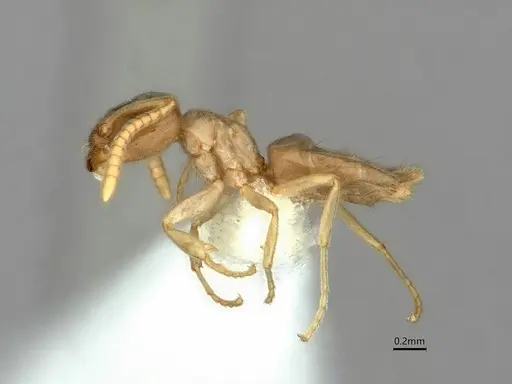
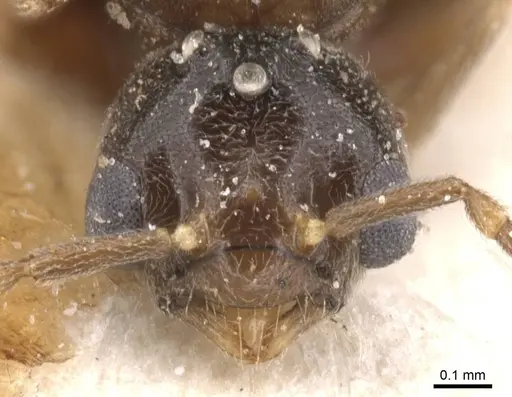
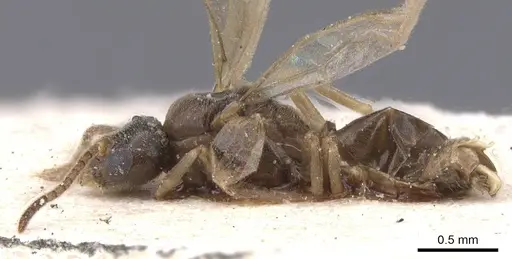
Bothriomyrmex saundersi is a tiny dolichoderine ant native to the Mediterranean region of Europe, found across Gibraltar, Portugal, and Spain. Workers are small at 2-4mm, with a uniform dark coloration and the typical smooth, rounded gaster characteristic of Dolichoderinae ants. This species belongs to the tribe Bothriomyrmecini, a group known for their unusual social parasitic lifestyle where queens invade and take over colonies of other ant species rather than founding their own colonies independently [1][2]. The genus split from its closest relative B. paradoxus occurred between 5-15 million years ago, making these ants relatively ancient in evolutionary terms [3].
Quick Summary
- Difficulty: Expert
- Origin & Habitat: Mediterranean region of the Palaearctic, found in Gibraltar, Portugal, and mainland Spain. In Portugal, they have been collected in matorral habitats with Quercus coccifera, Pistacia lentiscus, and Cistus species [4]. They prefer the Basal vegetation step in mountain ranges, avoiding higher elevations [5].
- Colony Type: Social parasite, this species does not found colonies independently. Queens invade and take over colonies of host ant species (particularly Tapinoma species) to establish their colony [4]. The colony structure depends entirely on the host colony.
- Colony: Monogyne
- Queen: Socially parasitic
- Size & Growth:
- Queen: Estimated 4-5mm based on genus typical size
- Worker: 2-4mm [4]
- Colony: Unknown, dependent on host colony size
- Growth: Unknown
- Development: Unknown, social parasitic founding differs from typical claustral development (Development is tied to host colony reproduction. The parasite queen kills or displaces the host queen and uses host workers to raise her brood.)
- Antkeeping:
- Temperature: Keep at room temperature around 20-25°C, consistent with their Mediterranean origin. A slight gradient is beneficial.
- Humidity: Moderate humidity, they inhabit dry to moderately damp Mediterranean areas. Avoid overly humid conditions.
- Diapause: Likely requires a mild winter rest period (2-3 months at 10-15°C) given their temperate Mediterranean distribution, though specific diapause behavior is unconfirmed.
- Nesting: This is a social parasite, they cannot be kept in isolation. You must maintain a host colony (typically Tapinoma species) alongside or integrated with the parasite colony. Standard test tubes or acrylic nests work for the host colony.
- Behavior: These ants are social parasites, their queens infiltrate host ant colonies, kill or replace the host queen, and trick the host workers into raising their brood. Workers are small and non-aggressive. They do not forage independently in the typical sense. Escape risk is low given their tiny size, but their parasitic lifestyle makes them challenging to maintain. They are not known to sting [6].
- Common Issues: social parasitism makes this species extremely difficult to keep, you must maintain a healthy host colony, queen adoption by host workers is not guaranteed and often fails, without a compatible host colony, the parasite colony will not survive, this species cannot be started from a founding queen alone, they require host workers, very limited availability in the antkeeping hobby
Understanding Social Parasitism in Bothriomyrmex
Bothriomyrmex saundersi is a permanent social parasite, meaning it cannot survive without a host colony. Unlike ants that found their own colonies (claustral founding), Bothriomyrmex queens must find and invade an established colony of another ant species, typically Tapinoma species [4]. The parasite queen enters the host nest, kills or displaces the host queen, and uses chemical mimicry to trick host workers into accepting her. The host workers then raise the parasite's brood as if it were their own. This lifestyle is why Bothriomyrmex is considered a 'temporary social parasite' in some contexts, but in this case, it's permanent since the host queen is killed and replaced. This makes them fundamentally different from most ant species and extremely challenging to keep in captivity.
Housing and Host Colony Requirements
Keeping B. saundersi requires first establishing a healthy colony of a suitable host species, typically Tapinoma nigerrimum or related Tapinoma species, which have been found in the same habitats in the wild [4]. You cannot keep this species in isolation. The host colony should be housed in standard antkeeping setups (test tubes, acrylic nests, or Y-tong nests) appropriate for the host species. The parasite colony will integrate with or attach to the host colony. This is not a species for beginners, you need experience with both the host species and social parasite biology. Even with a host colony, successful integration is not guaranteed and often fails.
Feeding and Nutrition
Since B. saundersi relies on host workers for all care and foraging, you will feed the host colony. Tapinoma species typically accept sugar water, honey, and small protein sources like fruit flies or mealworms. The host workers will consume the food and share it with the parasite queen and brood through trophallaxis (mouth-to-mouth food sharing). Do not expect the parasite to forage independently, they are entirely dependent on the host's foraging behavior. Ensure the host colony is well-fed to support both populations.
Temperature and Seasonal Care
As Mediterranean ants, Bothriomyrmex saundersi prefers warmer conditions, roughly 20-25°C. They have been found at low elevations in Spain (Basal vegetation step) and avoid higher mountain zones [5]. Given their Mediterranean distribution across Portugal and Spain, they likely experience mild winters but may require a brief cool period (2-3 months at 10-15°C) to simulate seasonal changes. However, specific diapause requirements are not well-documented in the scientific literature. Maintain stable temperatures without major fluctuations, and avoid cold drafts.
Why This Species Is Expert-Only
Bothriomyrmex saundersi is not recommended for most antkeepers for several critical reasons. First, they are social parasites that cannot establish colonies without a host, you cannot simply introduce a queen and wait for workers. Second, successful integration between parasite and host is difficult and often fails. Third, the host colony (typically Tapinoma) must also be maintained, doubling the complexity. Fourth, this species has extremely limited availability in the antkeeping hobby since they're rarely collected or sold. Fifth, even experienced keepers struggle with social parasites. If you're interested in parasitic ants, consider starting with more documented species or consult specialized literature before attempting B. saundersi.
Frequently Asked Questions
Can I keep Bothriomyrmex saundersi in a test tube like other ants?
No, this is a social parasite and cannot survive in a test tube alone. You must maintain a host colony (typically Tapinoma species) alongside or integrated with the parasite colony. The queen cannot found a colony independently.
How do I start a Bothriomyrmex saundersi colony?
You cannot start a colony from a lone queen. You need an established host colony (Tapinoma nigerrimum or related species) and must introduce the parasite queen to it. Success is not guaranteed, the host workers may reject or kill the intruder. This is not a species for beginners.
What do Bothriomyrmex saundersi eat?
You feed the host colony. Tapinoma species accept sugar water, honey, and small insects. The host workers then share food with the parasite queen and brood through trophallaxis. The parasite does not forage independently.
Are Bothriomyrmex saundersi good for beginners?
No, this is an expert-only species. Social parasites require maintaining two colonies (host and parasite), and successful integration is extremely difficult. Most antkeepers should start with non-parasitic species.
Where does Bothriomyrmex saundersi live in the wild?
They are found in the Mediterranean region, Gibraltar, Portugal, and mainland Spain. They live in low-elevation matorral habitats with Mediterranean shrubs like Quercus coccifera, Pistacia lentiscus, and Cistus species [4].
Do Bothriomyrmex saundersi need hibernation?
Likely yes, given their distribution across temperate Spain and Portugal, they probably need a mild winter rest period (2-3 months at 10-15°C). However, specific diapause behavior is not well-documented.
How big do Bothriomyrmex saundersi colonies get?
Colony size is entirely dependent on the host colony. The parasite does not have its own workers, it uses host workers. Therefore, the combined colony size depends on how well the host colony thrives.
Can I keep multiple queens of Bothriomyrmex saundersi together?
This has not been documented and is not recommended. In social parasites, only one parasite queen typically survives in a host colony (the one that kills the host queen). Multiple parasite queens would likely fight.
Why is Bothriomyrmex saundersi so hard to find for sale?
This species has extremely limited availability because they are social parasites, they cannot be collected as founding queens like typical ants. They must be collected from established host colonies, making them rare in the antkeeping hobby.
References

This caresheet is licensed under CC BY-SA 4.0 .
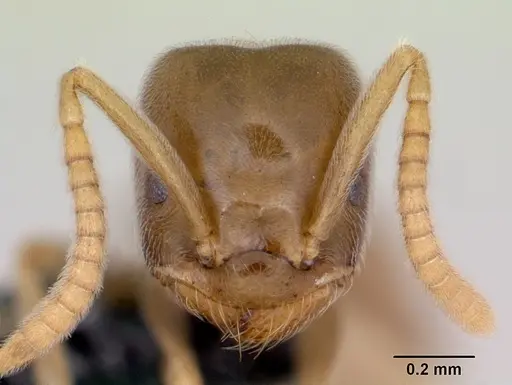
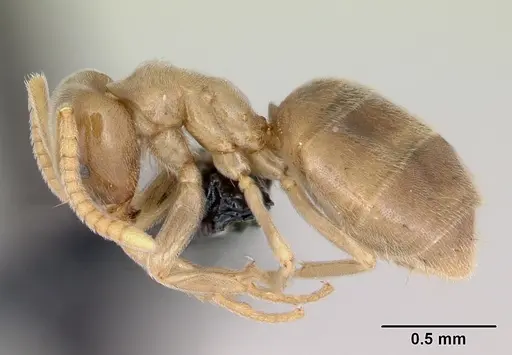
CASENT0172693
View on AntWeb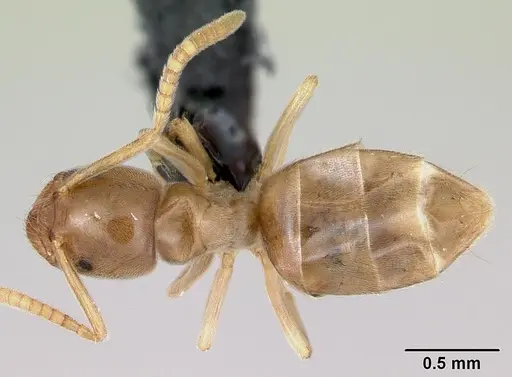
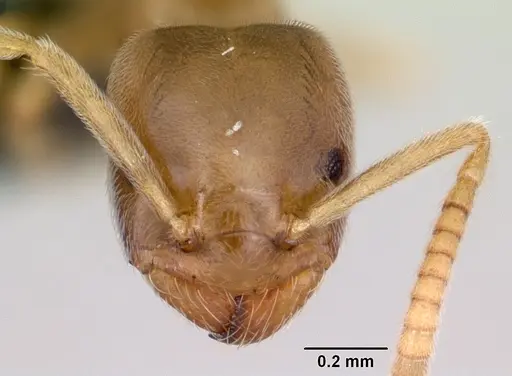
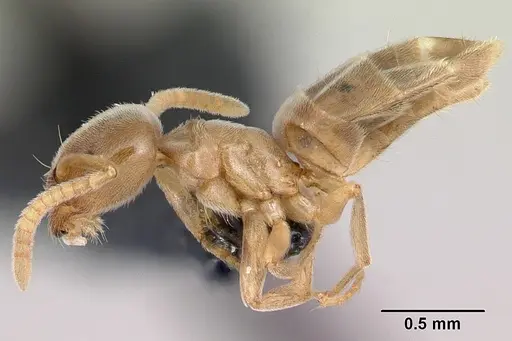
CASENT0172694
View on AntWeb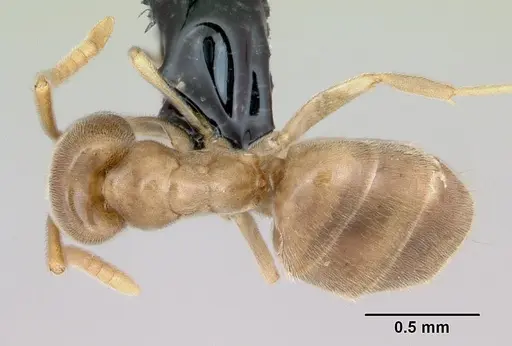
CASENT0886004
View on AntWeb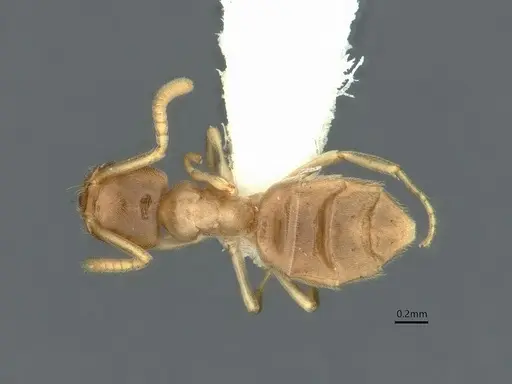
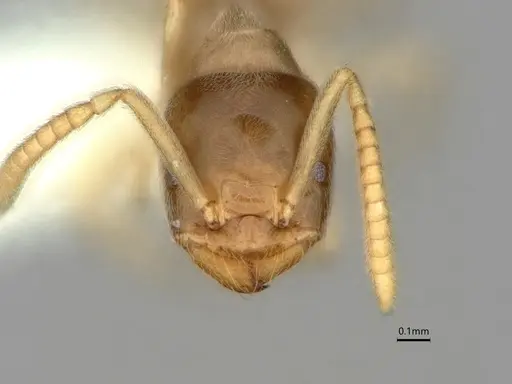
CASENT0911490
View on AntWeb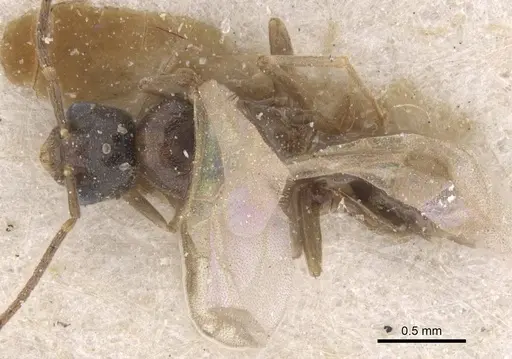
Literature
Loading...Loading products...