

Bothriomyrmex inquilinus
- Scientific Name
- Bothriomyrmex inquilinus
- Tribe
- Bothriomyrmecini
- Subfamily
- Dolichoderinae
- Author
- Santschi, 1919
- Distribution
- Found in 1 countries
Bothriomyrmex inquilinus Overview
Bothriomyrmex inquilinus is an ant species of the genus Bothriomyrmex. It is primarily documented in 1 countries , including Algeria. Detailed taxonomic data and occurrence records can be further explored via authoritative databases such as AntWeb or the Global Biodiversity Information Facility (GBIF).
Bothriomyrmex inquilinus
Bothriomyrmex inquilinus is a small ant species belonging to the Dolichoderinae subfamily, native to North Africa. Workers are tiny ants measuring just a few millimeters, with the genus characterized by their distinctive tapered gaster (the rear body section) that gives them their common name. This species was described from Tunisia, specifically from the Le Kef region at approximately 800 meters elevation [1]. The genus Bothriomyrmex is known for its erratic, rapid movement patterns that have earned them the nickname 'crazy ants' among ant enthusiasts. These ants are part of the Dolichoderinae, which includes other well-known genera like Tapinoma and Linepithema. The species is considered rare in collections and has limited documented distribution in the Palaearctic region, being found only in Tunisia and Algeria.
Quick Summary
- Difficulty: Unknown, likely difficult due to limited data
- Origin & Habitat: North Africa (Tunisia, Algeria) in the Palaearctic region. Type locality is Le Kef, Tunisia at approximately 800 meters elevation [1][2].
- Colony Type: Colony structure is unconfirmed. Bothriomyrmex species are known to have complex social structures, with some species exhibiting temporary parasitic behavior during colony founding.
- Size & Growth:
- Queen: Estimated 4-6mm based on genus typical size, not directly measured for this species
- Worker: Estimated 2-3mm based on genus typical size, not directly measured for this species
- Colony: Unknown, no colony size data available
- Growth: Unknown
- Development: Unknown, no development data available for this species (Development timeline has not been studied. Related Bothriomyrmex species may provide rough estimates, but specific data is lacking.)
- Antkeeping:
- Temperature: Unconfirmed, likely prefers warm conditions similar to other North African Dolichoderinae. Start around 22-26°C and observe colony behavior. No specific thermal studies exist for this species.
- Humidity: Unconfirmed, likely adapted to the semi-arid conditions of Tunisia and Algeria. Moderate humidity (40-60%) is a reasonable starting point based on the species' North African range.
- Diapause: Unknown, no data on overwintering requirements. North African species may have reduced activity during cooler months but likely do not require true hibernation.
- Nesting: Unconfirmed, no natural nesting observations documented. Most Bothriomyrmex species nest in soil or under stones in warm, open habitats. Captive recommendations cannot be made with confidence.
- Behavior: Behavior is poorly documented. The genus Bothriomyrmex is characterized by rapid, erratic movement and workers that readily flee when disturbed. Escape risk is significant given their small size, use fine mesh barriers. Aggression levels are unknown but likely moderate like most Dolichoderinae. They may displace other ant species, a trait common in this subfamily.
- Common Issues: extremely limited biological data makes captive care highly speculative, no confirmed diet preferences, feeding recommendations cannot be reliably given, colony structure unknown makes queen introduction and colony founding unpredictable, escape prevention is critical due to tiny worker size, wild-caught colonies may have unknown parasites or diseases
Species Overview and Identification
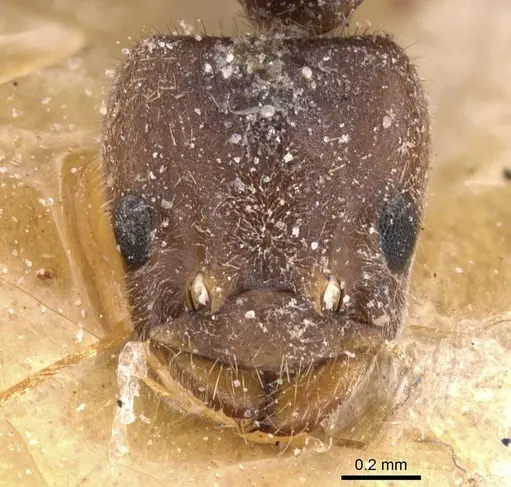
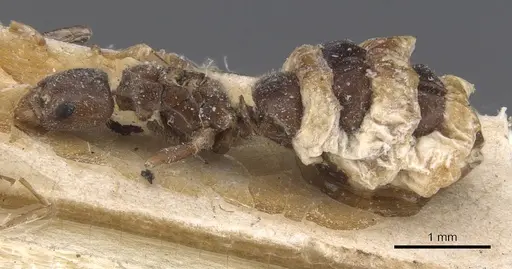
Bothriomyrmex inquilinus is a poorly known ant species described by F. Santschi in 1919 from Tunisia. The type specimens were collected from Le Kef at approximately 800 meters elevation [1]. As a member of the Dolichoderinae subfamily, this species shares characteristics with other 'crazy ants' in the genus, including their distinctive tapered gaster shape. The species is considered rare with a limited distribution restricted to North Africa (Tunisia and Algeria). Only the worker and queen castes have been described, the male caste remains undescribed. The taxonomic status has remained stable since being recognized as a distinct species in 1968,after being briefly considered a subspecies of B. atlantis.
Distribution and Habitat
Bothriomyrmex inquilinus is endemic to the western Palaearctic region, specifically found only in Tunisia and Algeria. The type locality is Le Kef in Tunisia, at an elevation of approximately 800 meters. This region experiences a Mediterranean climate with hot, dry summers and mild, wet winters. The species has been collected at relatively low elevations in mountainous areas. No specific habitat preferences have been documented, but the genus Bothriomyrmex typically inhabits warm, open areas with sparse vegetation. The limited distribution makes this species particularly interesting for myrmecologists studying North African ant biodiversity. [2]
Taxonomy and Classification
This species was originally described by Felix Santschi in 1919,with type material including syntype workers and a queen. The type specimens are housed in collections at the Natural History Museum in Basel (NHMB) and the Museum of Natural History in Geneva (MHNG) [1]. The species was once considered a subspecies of Bothriomyrmex atlantis but was elevated to full species status in 1968. The genus Bothriomyrmex belongs to the subfamily Dolichoderinae, which is characterized by ants that have a single petiole (waist segment) and a tapered, pointed gaster. This subfamily includes economically significant invasive species like the Argentine ant (Linepithema humile) and the black crazy ant (Paratrechina longicornis).
Current State of Knowledge
Bothriomyrmex inquilinus represents one of the least studied ant species in the Palaearctic region. Almost no biological, ecological, or behavioral information exists in the scientific literature. What we know is limited to taxonomic descriptions of the worker and queen castes and their geographic distribution. This species would benefit significantly from field studies to document its nesting preferences, colony structure, diet, and behavior. For antkeepers, this species presents a challenge because no established care protocols exist. Anyone attempting to keep this species should document their observations carefully, as any captive husbandry information would be valuable for advancing our knowledge. The lack of basic biological data makes this species unsuitable for beginners or those seeking well-established care guidelines.
Frequently Asked Questions
How do I care for Bothriomyrmex inquilinus ants?
Care recommendations cannot be reliably provided, this is one of the least studied ant species with almost no biological data available. No established husbandry protocols exist for this species. Attempting to keep this ant would be entirely experimental.
What do Bothriomyrmex inquilinus eat?
Diet preferences are unknown. No feeding observations or dietary studies have been documented for this species. Related Dolichoderinae species typically eat honeydew, small insects, and sugar sources, but specific acceptance by B. inquilinus is unconfirmed.
What temperature do Bothriomyrmex inquilinus ants need?
Temperature requirements are unconfirmed. Based on the species' North African distribution (Tunisia, Algeria), they likely prefer warm conditions. Without specific data, no reliable recommendations can be made.
Are Bothriomyrmex inquilinus good for beginners?
No. This species is not recommended for any antkeepers due to the complete lack of biological and husbandry data. Keeping this species would be entirely experimental with no established guidelines to follow.
How big do Bothriomyrmex inquilinus colonies get?
Colony size is unknown. No colony size data has been documented in the scientific literature for this species.
Where is Bothriomyrmex inquilinus found?
This species is found only in North Africa, specifically Tunisia and Algeria in the Palaearctic region. The type locality is Le Kef, Tunisia at approximately 800 meters elevation.
How long does it take for Bothriomyrmex inquilinus to develop from egg to worker?
Development timeline is completely unknown. No brood development studies exist for this species. Even the founding behavior (whether queens seal themselves in like claustral species or must forage) has not been documented.
Can I keep multiple Bothriomyrmex inquilinus queens together?
Colony structure is unconfirmed. No data exists on whether this species is single-queen (monogyne) or multi-queen (polygyne). Combining unrelated queens is not recommended without any data to base decisions on.
Do Bothriomyrmex inquilinus need hibernation?
Diapause requirements are unknown. North African species may have reduced activity in winter but likely do not require true hibernation like temperate species. No seasonal studies exist for this species.
References

This caresheet is licensed under CC BY-SA 4.0 .
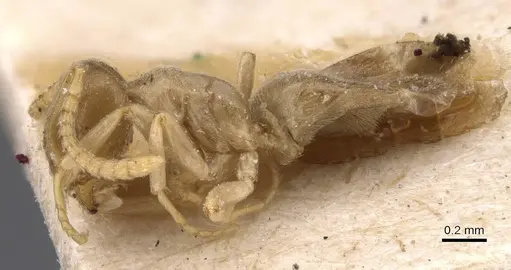
CASENT0911464
View on AntWeb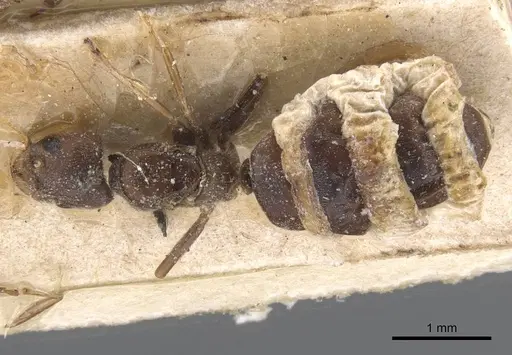
CASENT0911465
View on AntWeb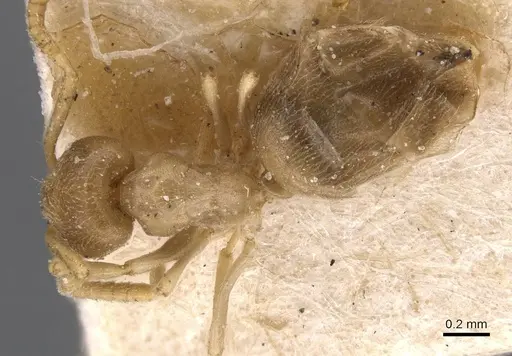
Literature
Loading...Loading products...