

Bothriomyrmex decapitans
- Scientific Name
- Bothriomyrmex decapitans
- Tribe
- Bothriomyrmecini
- Subfamily
- Dolichoderinae
- Author
- Santschi, 1911
- Distribution
- Found in 2 countries
Bothriomyrmex decapitans Overview
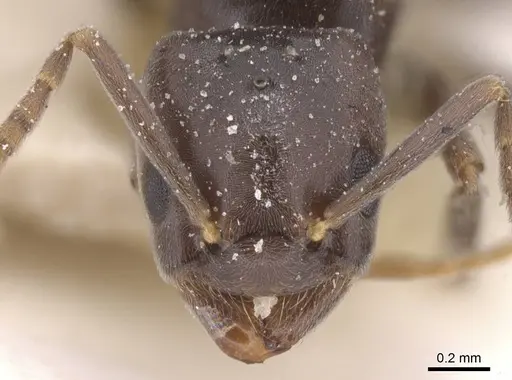
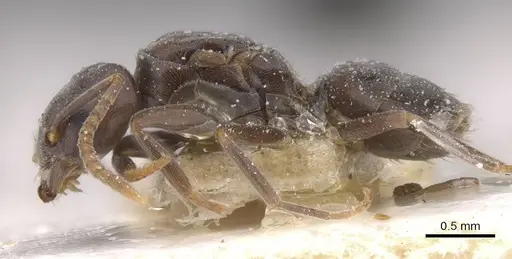
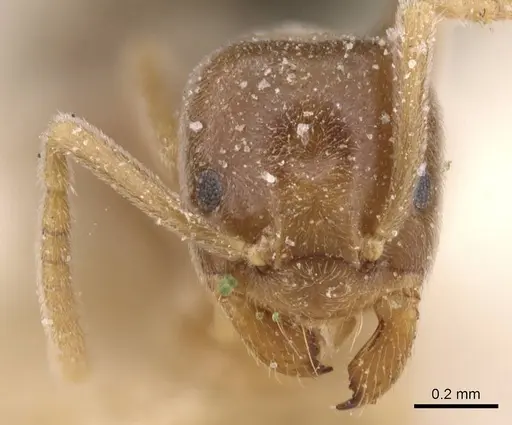
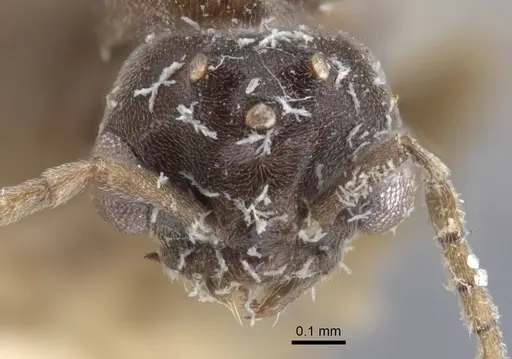
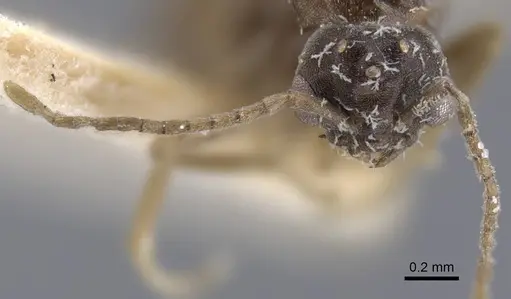
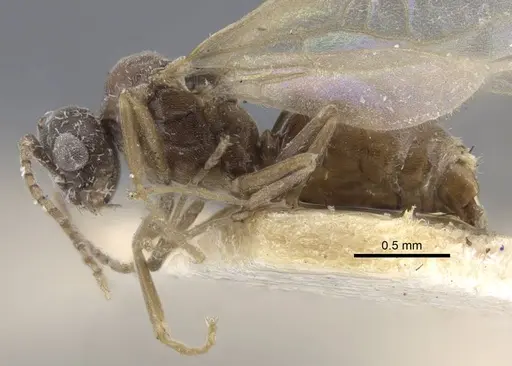
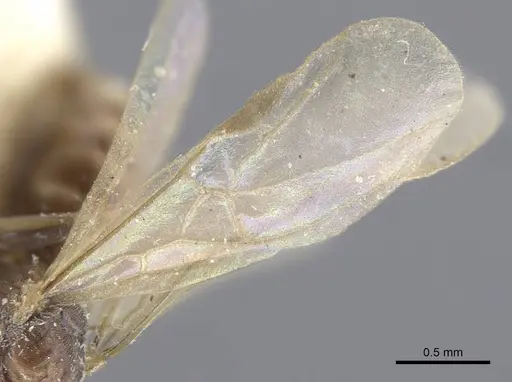
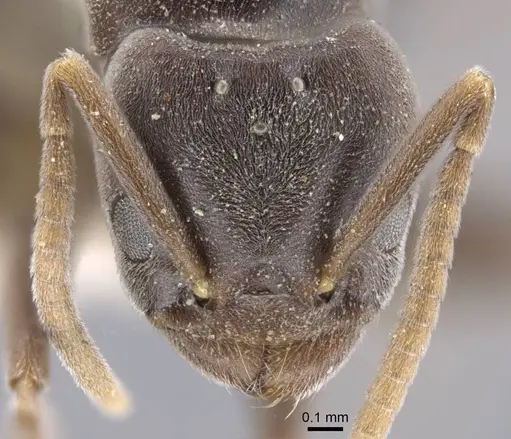
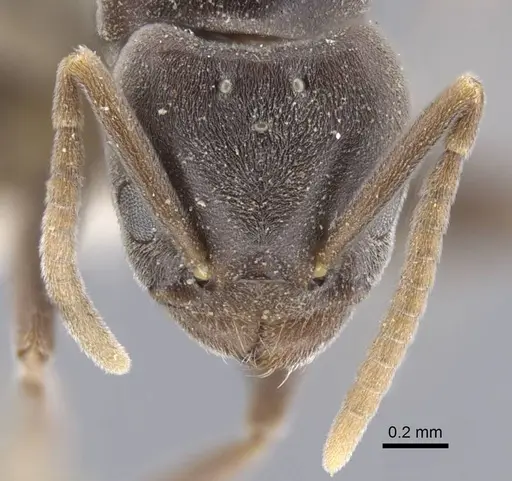
Bothriomyrmex decapitans is an ant species of the genus Bothriomyrmex. It is primarily documented in 2 countries , including Algeria, Tunisia. Detailed taxonomic data and occurrence records can be further explored via authoritative databases such as AntWeb or the Global Biodiversity Information Facility (GBIF).
Bothriomyrmex decapitans
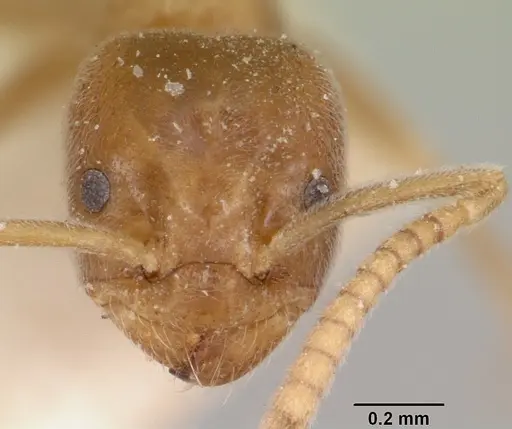
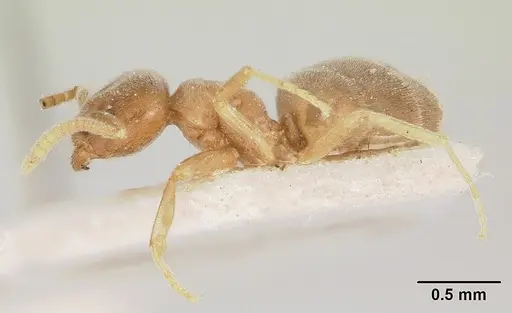
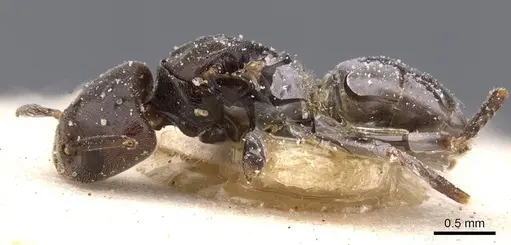
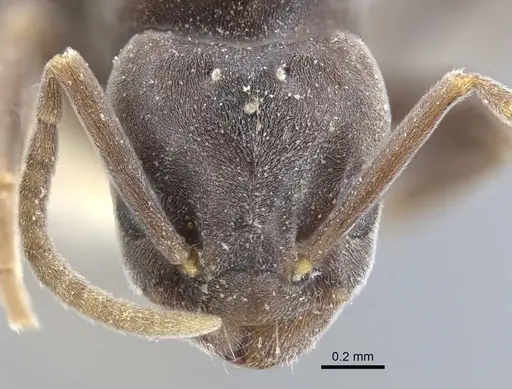
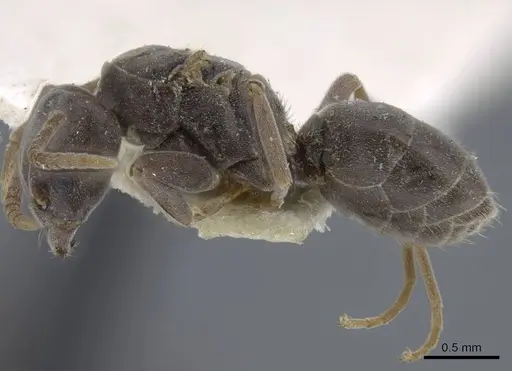
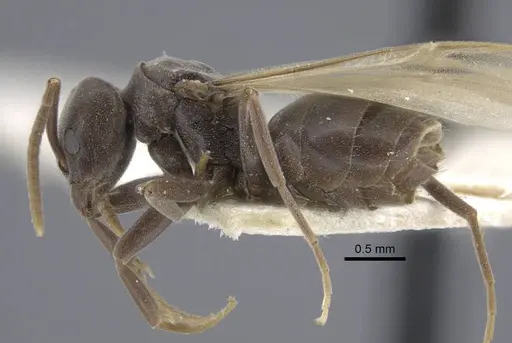
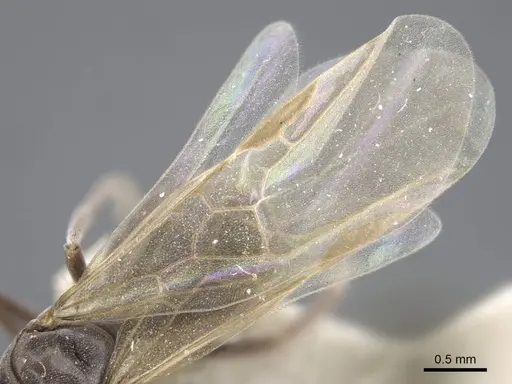
Bothriomyrmex decapitans is a small, pale-colored ant belonging to the Dolichoderinae subfamily. Workers are modest in size with typical dolichoderine body proportions. This species is native to the northern regions of Africa, specifically found across Algeria and Tunisia in the Palaearctic zone. The type locality is Kairouan in central Tunisia [1][2]. What makes this ant truly remarkable is its parasitic lifestyle, it is a temporary social parasite that invades colonies of Tapinoma ants, specifically targeting Tapinoma erraticum nigerrimum [3]. The parasitic queen enters a host colony, locates the Tapinoma queen, and slowly decapitates her before being accepted by the host workers [4][5]. Over time, as the host workers die off, the colony transitions to become a pure Bothriomyrmex colony [3].
Quick Summary
- Difficulty: Expert
- Origin & Habitat: Native to Algeria and Tunisia in North Africa. Found in dry, Mediterranean-type habitats across the southern Mediterranean region [1]. The type specimens were collected from Kairouan, Tunisia [6].
- Colony Type: Temporary social parasite. This species cannot found colonies independently, a queen must invade and take over an existing Tapinoma host colony. After the host queen is killed, the colony gradually becomes pure Bothriomyrmex as host workers are replaced [3][4].
- Colony: Monogyne
- Queen: Socially parasitic, Temporary parasitic
- Size & Growth:
- Queen: Estimated 4-6mm based on genus typical sizes
- Worker: Estimated 2-4mm based on genus typical sizes
- Colony: Unknown, colony size is limited by the success of the parasitic take-over and subsequent replacement of host workers
- Growth: Unknown
- Development: Unknown, no direct development data exists for this species (Larvae were collected in October-November in Algeria, suggesting a late-season reproductive period [7]. The larvae have a sugary diet and do not spin cocoons [7].)
- Antkeeping:
- Temperature: Unknown for this specific species. Based on the Mediterranean distribution of Bothriomyrmex species, aim for a warm setup around 24-28°C with some variation allowed. Room temperature in heated homes (22-26°C) is likely suitable.
- Humidity: Unknown, no specific humidity data exists. Given the North African origin, they likely tolerate drier conditions than many tropical species. Standard ant-keeping humidity (40-60%) is probably appropriate.
- Diapause: Unknown, no specific data on overwintering requirements. The Mediterranean distribution suggests they may tolerate cooler temperatures in winter but probably do not require true hibernation.
- Nesting: This species is not suitable for conventional ant-keeping. As a social parasite requiring a host colony, they cannot be kept using standard nest setups. Any captive maintenance would require a established Tapinoma host colony.
- Behavior: This species exhibits extreme parasitic behavior unique among ants. The queen specifically targets Tapinoma colonies, physically attacking and decapitating the host queen before integrating into the colony [4][5]. This is not a beginner-friendly species and should not be attempted by anyone without extensive experience with parasitic ant species. Escape risk is moderate, they are small ants but typical of the Dolichoderinae in their climbing abilities.
- Common Issues: This species cannot be kept without a host colony, it is a permanent social parasite that requires a Tapinoma colony to survive, Finding a compatible host colony (Tapinoma erraticum nigerrimum) is extremely difficult and impractical, Even if a host is obtained, the parasitic take-over often fails and both colonies may die, No established protocols exist in the ant-keeping hobby for maintaining this species, The parasitic lifestyle means colonies cannot grow independently, they depend entirely on host worker survival
The Parasitic Lifestyle
Bothriomyrmex decapitans represents one of the most specialized parasitic strategies in the ant world. Unlike some parasites that permanently live in host colonies, this is a temporary social parasite. The queen must find and invade a colony of Tapinoma ants, specifically Tapinoma erraticum nigerrimum [3]. Once inside, she locates the host queen and physically attacks her, cutting off her head over time [4][5]. This brutal take-over is necessary because the host workers will only accept a new queen if she eliminates the existing reproductive. After the host queen is dead, the parasitic queen is accepted by the workers and begins laying her own eggs. The colony then gradually transforms as the original Tapinoma workers die off and are replaced by the new Bothriomyrmex workers. Eventually (after the lifespan of the original host workers), the colony becomes a pure Bothriomyrmex colony [3]. This means the parasite essentially hijacks an existing workforce rather than building one from scratch.
Why This Species Is Not Suitable for Most Antkeepers
This is perhaps the most important section: Bothriomyrmex decapitans cannot be kept using conventional ant-keeping methods. As a social parasite, it requires a living host colony of Tapinoma ants to survive. The queen cannot found a colony independently, she has no fat reserves for claustral founding and does not hunt for food during founding like semi-claustral species. She must immediately invade a host. This makes captive maintenance extremely impractical. Even professional myrmecologists rarely attempt to maintain parasitic species like this. If you are interested in keeping ants, there are hundreds of species that can be kept successfully in test tubes and formicaria. This species should only be attempted by expert researchers with specific scientific goals, and even then, success would be extremely unlikely. [3][4]
Larval Development
What little we know about their development comes from larvae collected in Algeria during October and November 1942 [7]. The larvae resemble those of their Tapinoma host but can be distinguished by certain anatomical features, they have better differentiated head structures with visible labrum, maxillae, and labium, plus two small mandibles. Notably, these larvae have only six abdominal segments compared to the host species. They do not spin cocoons, instead pupating in a naked state [7]. Their diet appears to be sugary substances rather than protein-rich prey [7]. This information suggests the species has a late-season reproductive period, with larvae developing through autumn.
Distribution and Habitat
Bothriomyrmex decapitans is known only from North Africa, specifically Algeria and Tunisia [1]. The type locality is Kairouan in central Tunisia, an area with a hot, dry Mediterranean climate [6]. The original description was published by Santschi in 1911 based on specimens collected from this region [2]. This distribution suggests the species is well-adapted to arid, xeric conditions typical of the southern Mediterranean. However, beyond this basic geographic information, very little is known about their natural nesting preferences, foraging behavior, or ecological requirements in the wild.
Frequently Asked Questions
Can I keep Bothriomyrmex decapitans in a test tube?
No. This species cannot be kept in any conventional setup. As a temporary social parasite, it requires a living host colony of Tapinoma ants to survive. The queen cannot found a colony independently, she must immediately invade and parasitize an existing colony. There is no known method to keep this species in captivity using standard ant-keeping equipment.
How do I get a Bothriomyrmex decapitans colony?
You cannot obtain this species through conventional means. Even if you found a queen during nuptial flights (which have not been documented), you would need to simultaneously obtain a compatible Tapinoma host colony and successfully introduce the parasite queen without her being killed by the host workers. This process is extremely difficult even in laboratory settings and is not practical for hobbyists.
What do Bothriomyrmex decapitans eat?
Based on larval gut content analysis, they feed on sugary substances rather than protein [7]. The adults likely also consume honeydew and sugar sources like their Tapinoma hosts. However, this is academic since the species cannot be kept in captivity.
Are Bothriomyrmex decapitans good for beginners?
Absolutely not. This is an expert-only species that cannot be kept at all using standard ant-keeping methods. If you are interested in keeping ants, choose a non-parasitic species like Lasius, Camponotus, or Messor that can be kept in test tubes and formicaria. There are many beginner-friendly species available.
Do Bothriomyrmex decapitans queens need to hibernate?
Unknown. No specific data exists on their diapause requirements. The Mediterranean distribution suggests they may tolerate cooler winter temperatures, but true hibernation behavior has not been studied. Again, this is academic since the species cannot be maintained in captivity.
How does the queen kill the host queen?
The queen physically attacks the Tapinoma host queen by climbing onto her back and slowly cutting off her head with her mandibles [5]. This process takes time, she does not kill instantly. Once the host queen is dead, the host workers accept the parasite as their new queen because they can no longer detect the queen's chemical signature [4].
Can I keep multiple queens together?
This has not been studied and is irrelevant for antkeepers. The species is not maintainable in captivity. Additionally, as a parasite that targets existing colonies, the relevant question would be whether multiple parasitic queens could invade the same host colony, this is unknown and unlikely to occur in nature.
What is the difficulty level for Bothriomyrmex decapitans?
Expert/Impossible. This species is not suitable for captive keeping under any circumstances. Even professional ant researchers consider social parasites extremely difficult to maintain. If you want to keep ants, choose a non-parasitic species.
References

This caresheet is licensed under CC BY-SA 4.0 .
CASENT0103283
View on AntWeb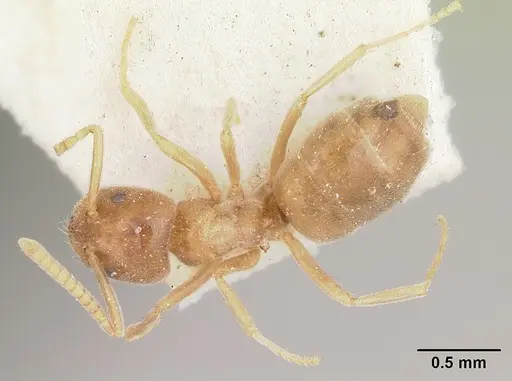
CASENT0911477
View on AntWeb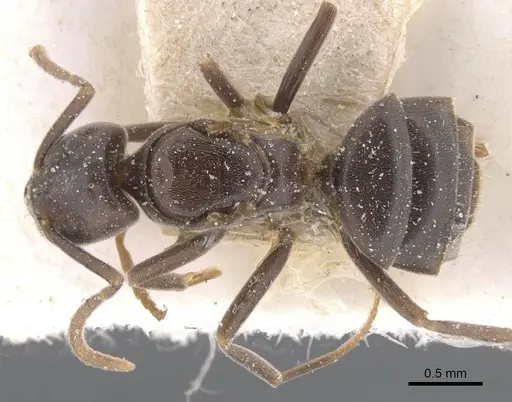
CASENT0911478
View on AntWeb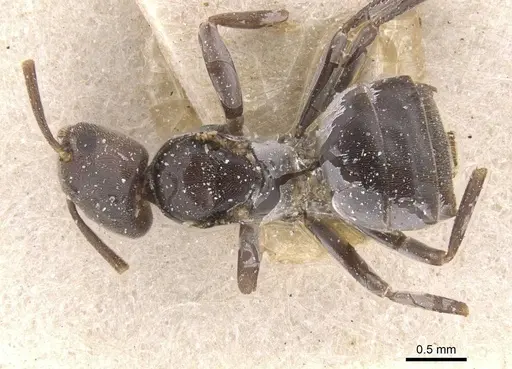
CASENT0917111
View on AntWeb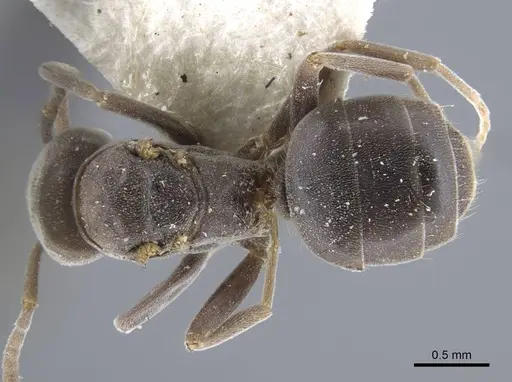
CASENT0917112
View on AntWeb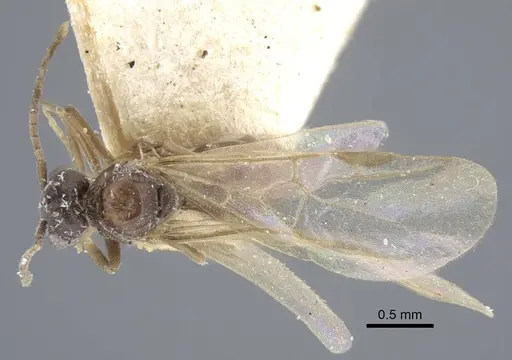
CASENT0917113
View on AntWeb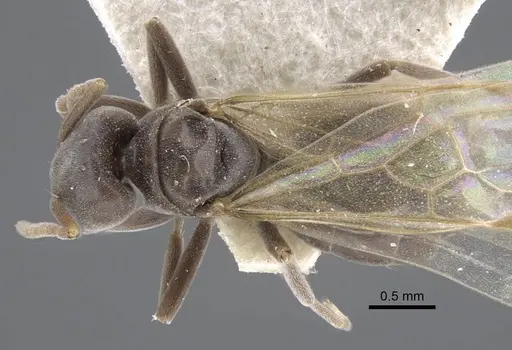
Literature
Loading...Loading products...