

Azteca velox
- Scientific Name
- Azteca velox
- Tribe
- Leptomyrmecini
- Subfamily
- Dolichoderinae
- Author
- Forel, 1899
- Distribution
- Found in 4 countries
Azteca velox Overview
Azteca velox is an ant species of the genus Azteca. It is primarily documented in 4 countries , including Colombia, Costa Rica, Mexico. Detailed taxonomic data and occurrence records can be further explored via authoritative databases such as AntWeb or the Global Biodiversity Information Facility (GBIF).
Azteca velox
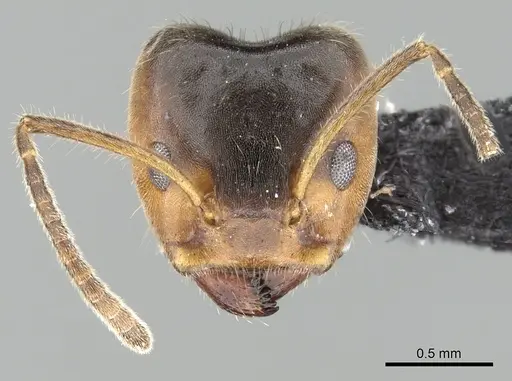
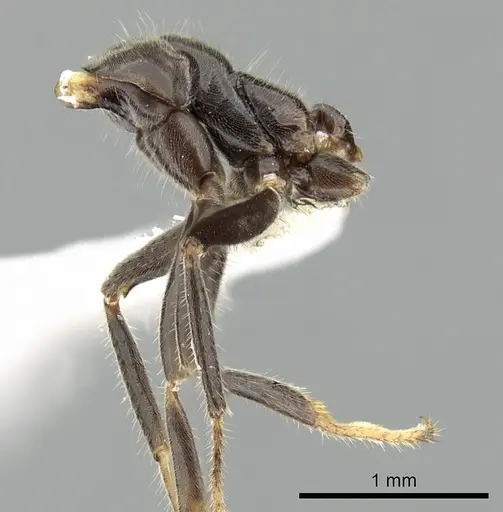
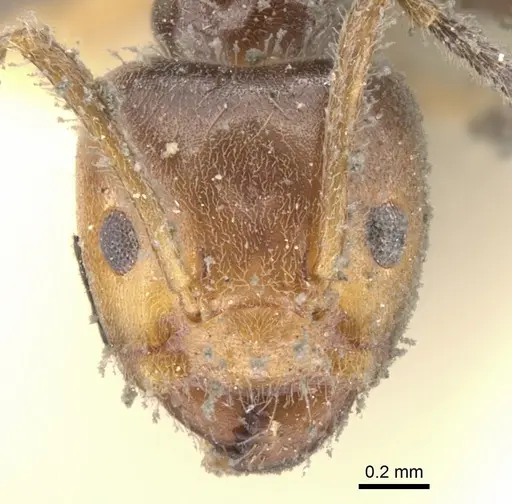
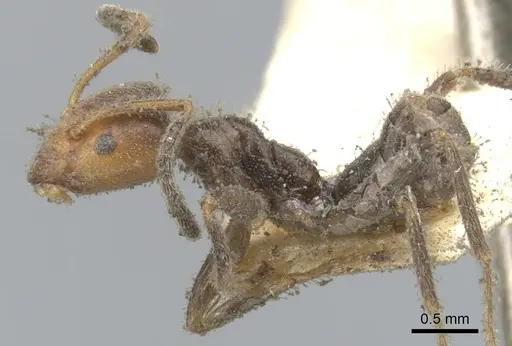
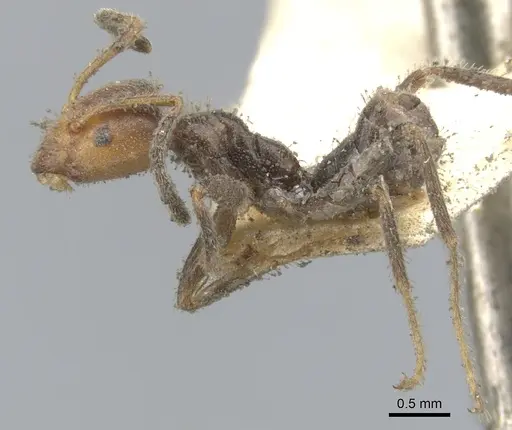
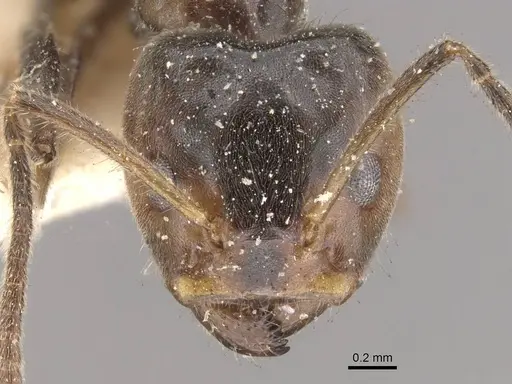
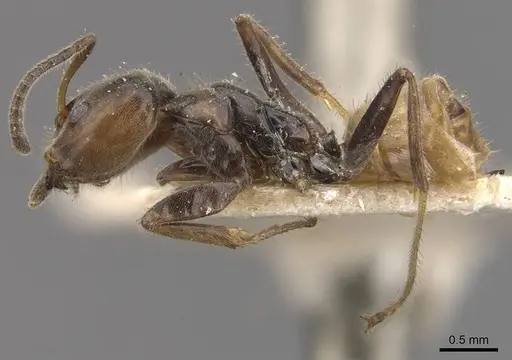
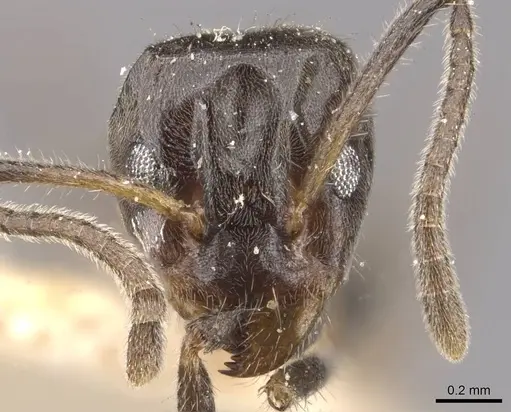
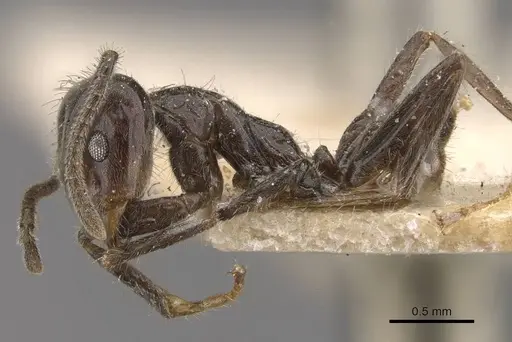
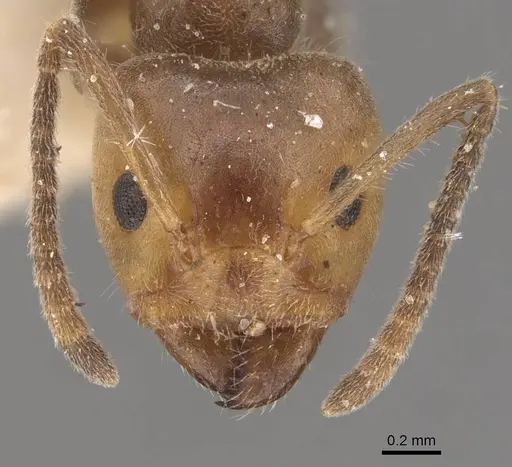
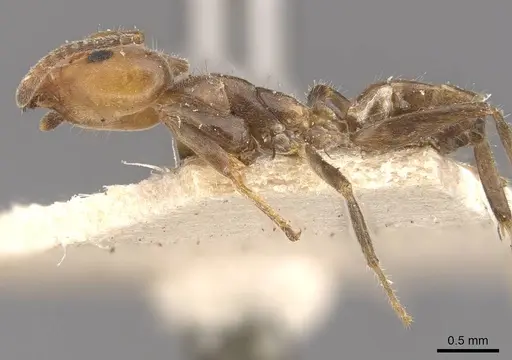
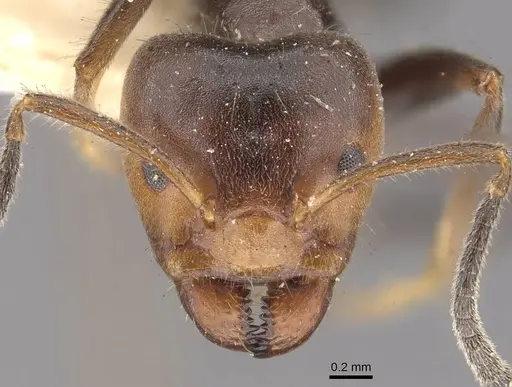
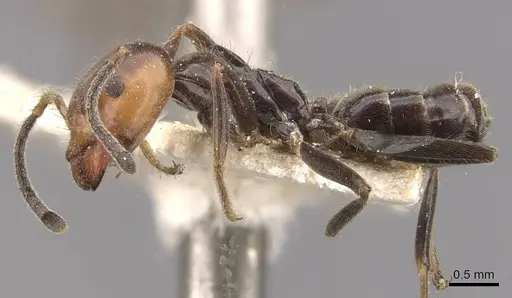
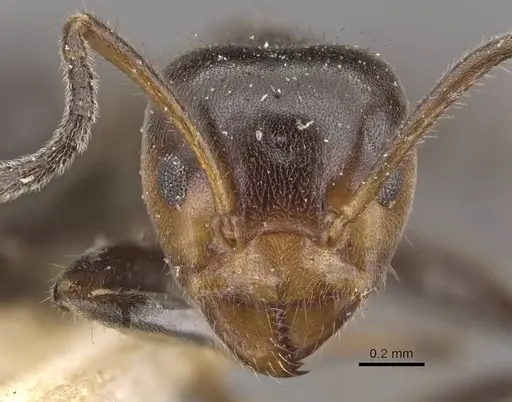
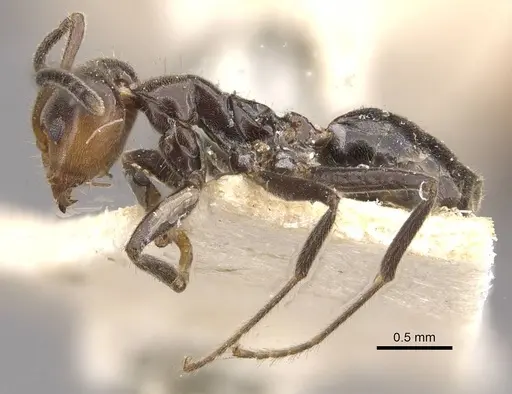
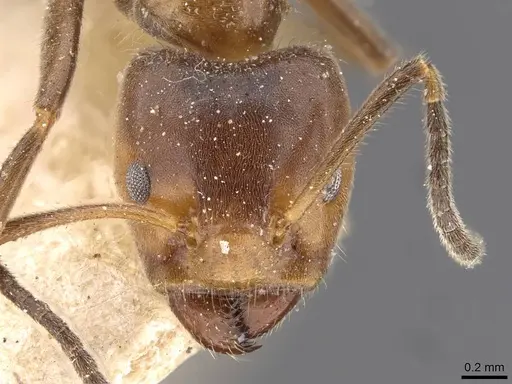
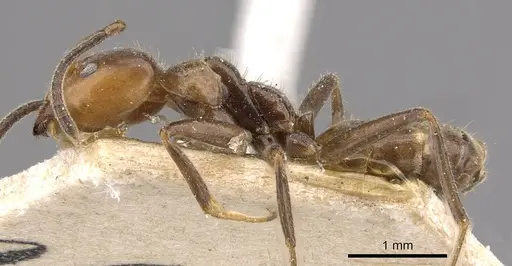
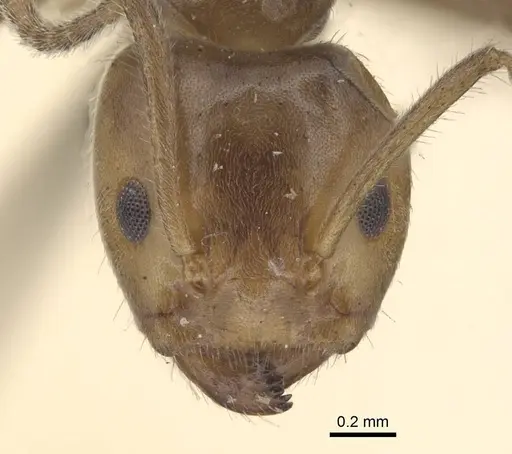
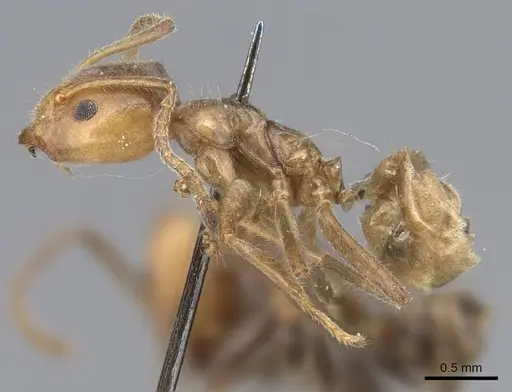
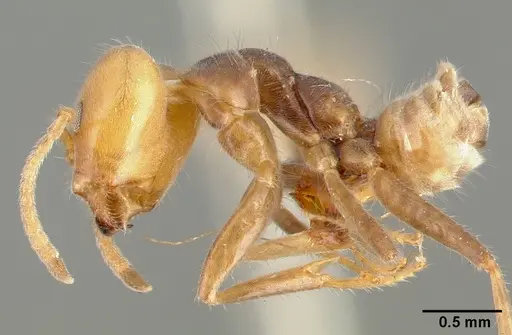
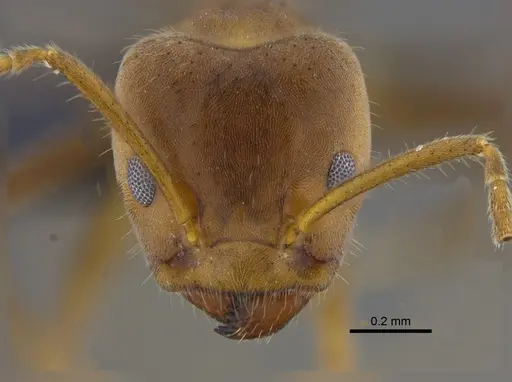
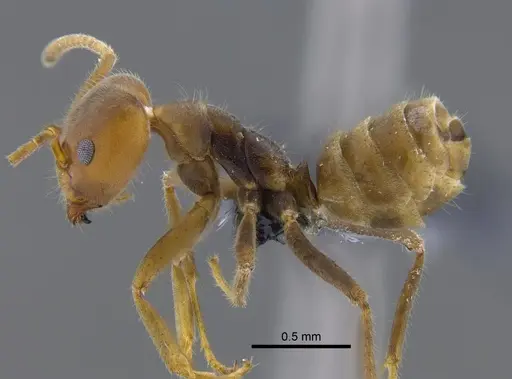
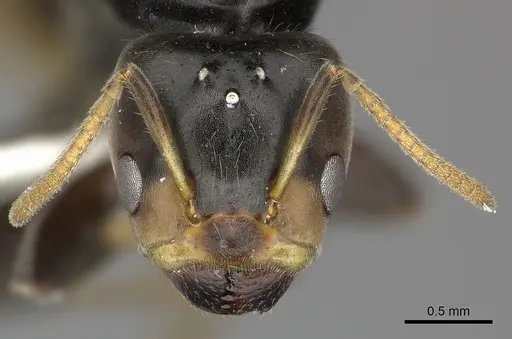
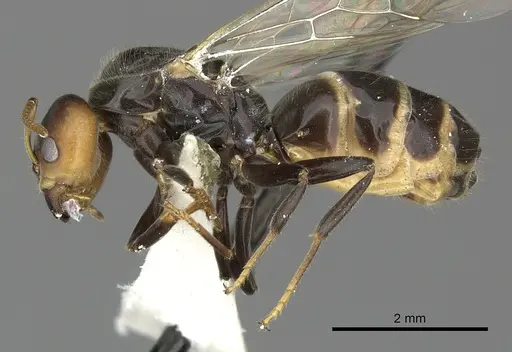
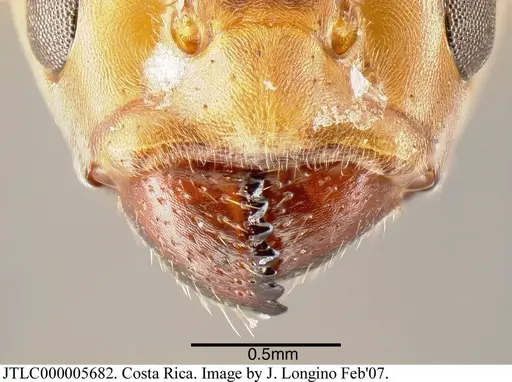
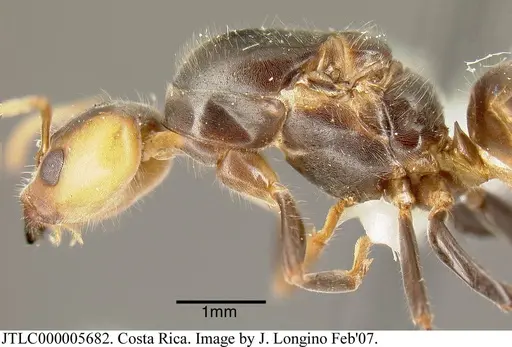
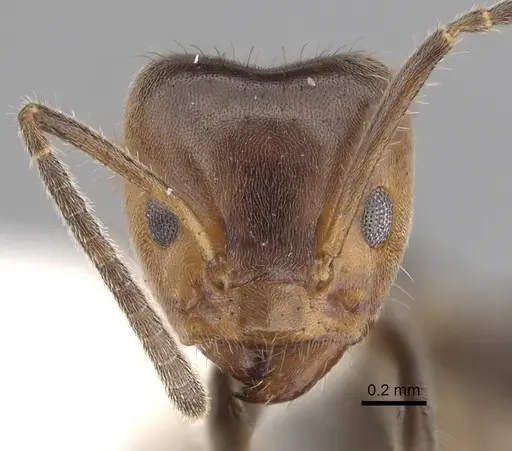
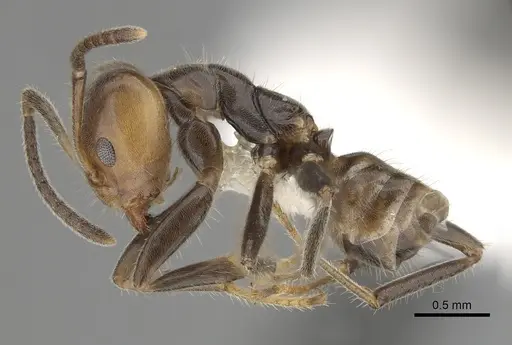
Azteca velox is a small to medium-sized arboreal ant native to the Neotropics, ranging from Mexico down to Brazil. Workers measure 2.4-4.2mm with a brown coloration pattern, the head and mesosoma are light yellow-brown to brown, while the gaster is typically darker brown [1][2]. Queens are larger at around 1.7mm head length and have a distinctive orange-brown coloration on the clypeus and sides of the head [2]. This species is a common inhabitant of seasonally dry areas, coastal zones, and human-disturbed habitats throughout its range [2]. Unlike many ants that nest underground, A. velox is entirely arboreal, colonies nest in hollow plant stems (both live and dead) and construct distinctive carton nests as extensions of their plant cavity colonies [2]. They also form interesting associations with myrmecophytic orchids like Caularthron bilamellatum, where queens will nest in the orchid pseudobulbs [3][4].
Quick Summary
- Difficulty: Medium
- Origin & Habitat: Neotropical region from Mexico to Brazil, including Costa Rica, Panama, Colombia, Ecuador, Guatemala, Nicaragua, Guyana, Suriname, French Guiana, and Trinidad. Found most abundantly in seasonally dry areas, synanthropic (human-disturbed) habitats, and beach margins [2][5].
- Colony Type: Polydomous colonies, nests are dispersed across multiple plant cavities in both live and dead stems. Incipient colonies typically have a single physogastric queen in one internode with workers and brood dispersed in other nodes [2]. The colony structure appears to be single-queen (monogyne) based on observations of one queen per incipient colony, though this requires confirmation for mature colonies.
- Colony: Monogyne
- Size & Growth:
- Queen: 1.66-1.81mm head length [2]
- Worker: 0.76-1.26mm head length (approximately 2.4-4.2mm total length) [1][2]
- Colony: Likely large colonies given their polydomous nature and that they are known to have larger colonies than some related species [6]. Estimated hundreds to potentially over a thousand workers based on similar Azteca species.
- Growth: Moderate, growth rate is unconfirmed but expected to be moderate based on typical Azteca patterns
- Development: Estimated 6-10 weeks based on related Dolichoderinae species at optimal tropical temperatures (around 24-28°C). This is an estimate as specific development times have not been documented for this species. (Development likely occurs faster at warmer temperatures within the tropical range. Nanitics (first workers) are typically smaller than normal workers.)
- Antkeeping:
- Temperature: Keep at 24-28°C. As a tropical species, they need warm, stable temperatures. Avoid temperatures below 20°C as this species is adapted to lowland tropical conditions [7]. A gentle gradient is helpful but not critical since they are arboreal and experience relatively stable conditions in tree cavities.
- Humidity: High humidity is essential, aim for 70-85% relative humidity. These ants naturally live in plant cavities and carton nests in humid tropical environments. Keep the nest substrate consistently moist but not waterlogged. Provide a water source and occasional misting, but ensure good ventilation to prevent mold.
- Diapause: No, as a tropical species, A. velox does not require hibernation or winter dormancy. They remain active year-round in their native habitat. Maintain consistent temperatures throughout the year.
- Nesting: Entirely arboreal, they nest in hollow plant stems and construct carton nests. In captivity, provide a naturalistic setup with vertical or diagonal wooden/branches structures that mimic their natural plant cavity habitat. Cork bark or wooden formicarium setups work well. They will also build carton-like material on surfaces, so provide some soft nesting material they can manipulate. Avoid test tubes as a primary housing, these ants are not ground-nesting.
- Behavior: Generally non-aggressive and not known to sting. Workers are diurnal foragers, actively searching for food during daylight hours [2][7]. They are generalized scavengers that visit extrafloral nectaries and collect honeydew from aphids and scale insects [2]. They also hunt small prey and scavenge dead insects [8]. They form parabiotic associations with other ant species (like Camponotus atriceps) without aggression [2]. Workers use long-term trail networks for foraging [8]. Escape risk is moderate, while workers are small (2.4-4.2mm), they are not particularly adept at escaping like some tiny species, but standard barrier precautions should still be taken.
- Common Issues: humidity control is critical, these arboreal ants can quickly decline in dry conditions, providing appropriate arboreal housing is challenging, they need vertical spaces and plant-like structures, not horizontal test tubes, colonies may be difficult to establish from queen founding due to their specific nesting requirements, tropical temperature requirements mean they cannot tolerate cool conditions, mold can be a problem if ventilation is poor while maintaining high humidity
Housing and Nest Preferences
Azteca velox is an entirely arboreal species, which means standard ant-keeping setups like test tubes and horizontal formicaria are not ideal. In the wild, they nest in hollow plant stems, both live stems (like the understory shrub Cassia hayesiana) and dead branches (like Cordia alliodora trees) [2]. They also construct carton nests, building small globular dwellings (around 2cm across) packed with workers and brood at entrance sites [2]. In captivity, you should provide a naturalistic setup that mimics their arboreal lifestyle. Vertical or diagonal wooden structures, cork bark setups, or custom wooden formicaria with narrow chambers work well. You can also provide materials they can use to build their own carton structures, like soft paper or cellulose. Avoid fully enclosed test tubes, these ants need air circulation and will not thrive in ground-nesting setups. The nest should have multiple chambers connected vertically to accommodate their polydomous (multi-nest) behavior.
Feeding and Diet
Azteca velox is a generalized scavenger with a diet similar to other Azteca species. Workers are diurnal foragers that collect nectar from extrafloral nectaries, honeydew from aphids and scale insects, small prey, and dead insects [2][8]. Studies show nectar comprises about 11% of their diet on average, with the rest coming from scavenging and predation [6]. They are not specialized predators, offer a varied diet including sugar sources (honey water, sugar water) and protein (small insects like fruit flies, mealworms, crickets). Since they frequently visit extrafloral nectaries in the wild, providing some plant material or artificial nectaries can enrich their environment. Feed sugar water constantly and offer protein prey 2-3 times per week. Remove uneaten prey within 24-48 hours to prevent mold.
Temperature and Humidity Requirements
As a tropical species from the Neotropics, Azteca velox requires warm and humid conditions. Keep the nest at 24-28°C, this matches their native lowland tropical habitat where temperatures are consistently warm year-round [7]. Avoid temperatures below 20°C as this species is not adapted to cool conditions. A heating cable or mat on one side of the nest can help maintain warmth, but ensure the heating element is placed on top of the nest rather than underneath to prevent excessive drying. Humidity should be high (70-85%) to mimic the humid conditions inside plant cavities. Mist occasionally and provide a water source, but ensure good ventilation to prevent stagnant air and mold. Unlike temperate species, they do not require any seasonal temperature changes or diapause, maintain consistent conditions year-round.
Colony Structure and Behavior
Azteca velox colonies are polydomous, meaning they spread across multiple nest sites rather than having a single central nest. In the wild, you might find workers and brood dispersed across several nodes or internodes of a tree, with the queen typically in one location [2]. This polydomous structure is important to consider in captivity, provide enough space for the colony to expand and potentially establish multiple nest sites. Workers are active during the day (diurnal) and form established foraging trails [2][8]. They are not aggressive and do not have a painful sting. An interesting behavior is their parabiotic associations, they sometimes share nesting spaces with other ant species like Camponotus atriceps without aggression [2]. This tolerance may carry over in captivity where they generally coexist peacefully with other species if carefully managed.
Unique Associations
One of the most fascinating aspects of Azteca velox is its relationship with plants. In the wild, colonies are associated with myrmecophytic orchids, specifically Epidendrum bicornutum in Costa Rica and Caularthron bilamellatum in Panama [2][3]. Queens will nest inside the hollow pseudobulbs of these orchids, and the ants benefit from shelter while potentially providing some protection to the plant [4]. This association is facultative rather than obligate, the ants can live without the orchids, but they readily use them when available [4]. In captivity, you could provide artificial 'plant cavities' using wooden structures or cork to mimic these natural associations. This species also builds carton nests, they construct paper-like material from plant fibers and wax, creating small dwellings on surfaces [2]. Providing soft materials they can manipulate may encourage this natural building behavior.
Frequently Asked Questions
Can I keep Azteca velox in a test tube?
No, test tubes are not suitable for Azteca velox. This is an entirely arboreal species that nests in hollow plant stems and builds carton nests. They need vertical or diagonal wooden structures, cork bark, or custom wooden formicaria that mimic their natural plant cavity habitat. Test tubes simulate ground-nesting conditions which this species would not accept.
How long does it take for Azteca velox to produce first workers?
The exact development timeline has not been documented for this species. Based on related Dolichoderinae ants, expect approximately 6-10 weeks from egg to first worker at optimal temperatures (24-28°C). This is an estimate, actual times may vary. The first workers (nanitics) will be smaller than normal workers.
What temperature do Azteca velox ants need?
Keep them at 24-28°C. As a tropical species from the Neotropics, they need warm, stable temperatures year-round. Avoid temperatures below 20°C. A heating cable on one side of the nest can help maintain warmth, placed on top rather than underneath to prevent drying out the nest.
Do Azteca velox need hibernation or diapause?
No, they do not require hibernation. As a tropical species, they remain active year-round in their native habitat. Maintain consistent warm temperatures and humidity throughout the year without seasonal changes.
How big do Azteca velox colonies get?
Colony size is not definitively documented, but based on their polydomous nature and similar species, colonies likely reach hundreds to potentially over a thousand workers. They are known to have larger colonies than some related Azteca species [6]. Growth is moderate, expect several months to a year to establish a solid colony.
What do Azteca velox eat?
They are generalized scavengers. Offer sugar water or honey constantly, and provide protein sources like small insects (fruit flies, small mealworms, pinhead crickets) 2-3 times per week. They also visit extrafloral nectaries in the wild, so providing some plant material or artificial nectar sources can enrich their environment. Remove uneaten prey within 24-48 hours.
Are Azteca velox good for beginners?
This species is rated as medium difficulty and may not be ideal for complete beginners. The main challenges are providing appropriate arboreal housing (not ground-nesting setups), maintaining high humidity, and keeping them warm year-round. If you have experience with other ant species and can provide a naturalistic arboreal setup, they can be rewarding.
Can I keep multiple Azteca velox queens together?
Combining unrelated queens has not been documented for this species. Incipient colonies in the wild show a single physogastric queen, suggesting single-queen (monogyne) colony structure. It is not recommended to attempt combining queens as the outcome is unknown and likely to result in aggression.
Why is my Azteca velox colony declining?
Common causes include: low humidity (arboreal ants need 70-85% humidity), temperatures below 20°C, inappropriate housing (they need vertical plant-like structures, not horizontal test tubes), poor ventilation causing mold, or insufficient protein in their diet. Check these parameters and adjust accordingly. They are also highly susceptible to certain fungal pathogens in captivity [9].
References

This caresheet is licensed under CC BY-SA 4.0 .
CASENT0619171
View on AntWeb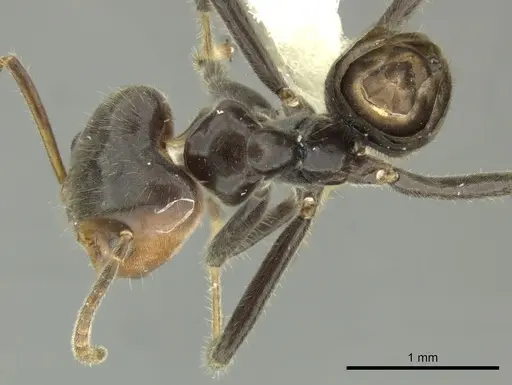
CASENT0903016
View on AntWeb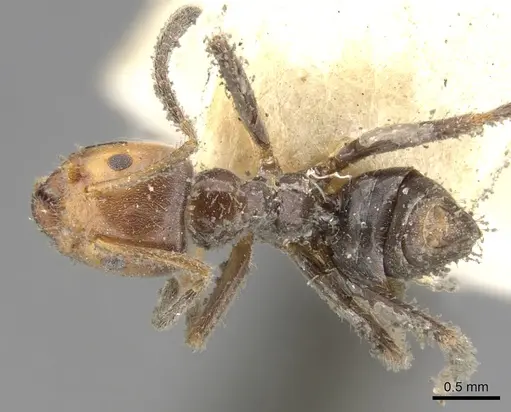
CASENT0909703
View on AntWeb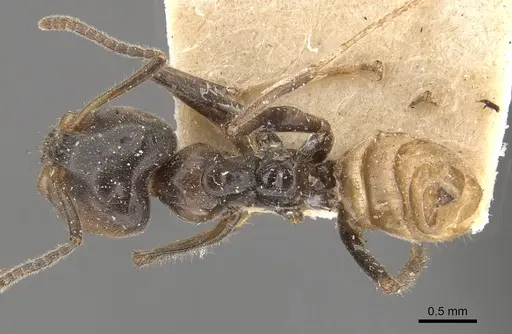
CASENT0909704
View on AntWeb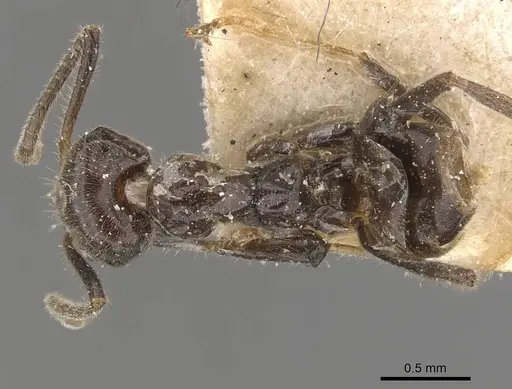
CASENT0909705
View on AntWeb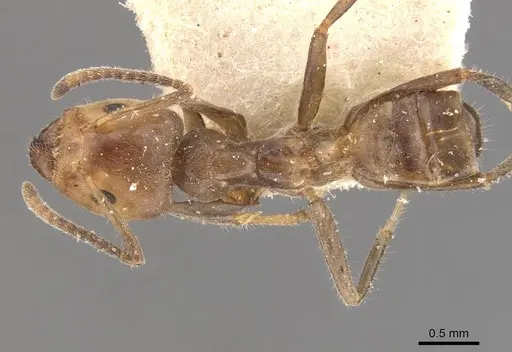
CASENT0909707
View on AntWeb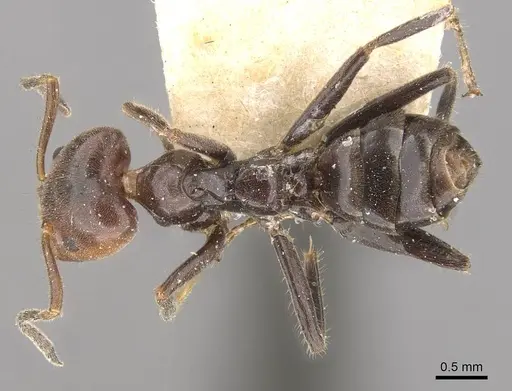
CASENT0909708
View on AntWeb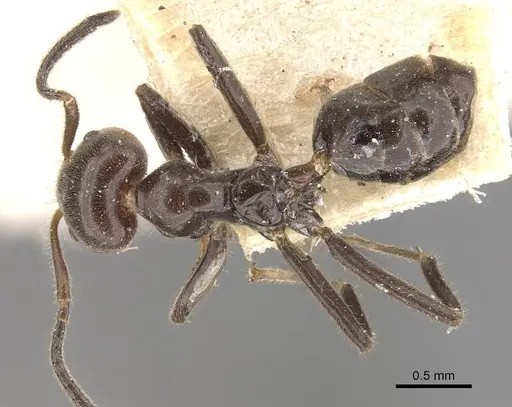
CASENT0909710
View on AntWeb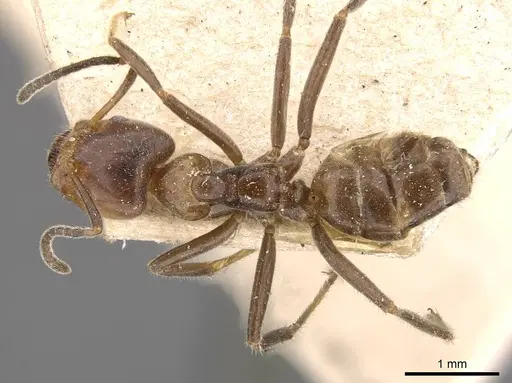
CASENT0915573
View on AntWeb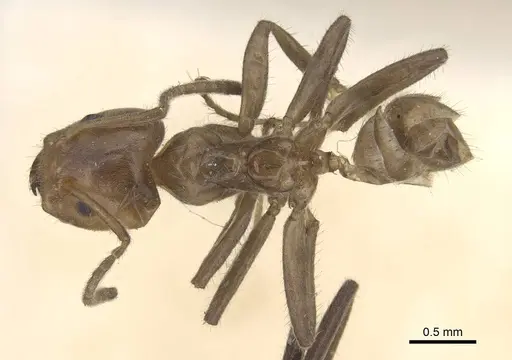
CASTYPE00608
View on AntWeb

CBUMAGENT41837
View on AntWeb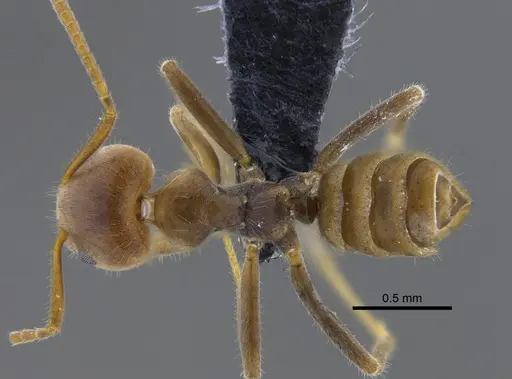
INBIOCRI001281551
View on AntWeb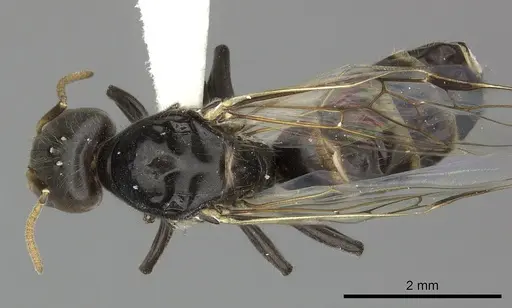
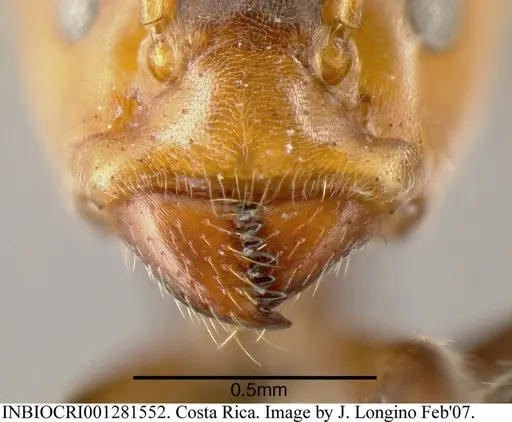
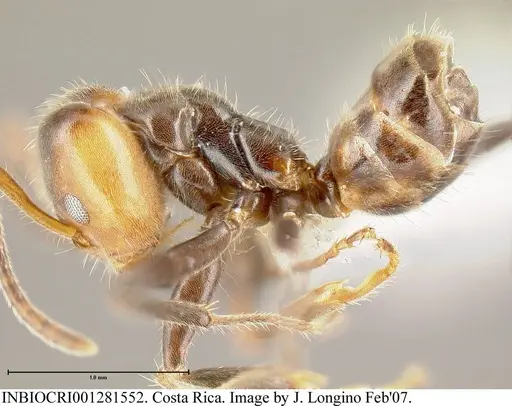
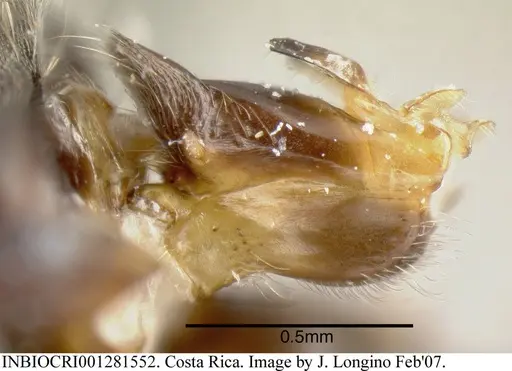
INBIOCRI001281552
View on AntWeb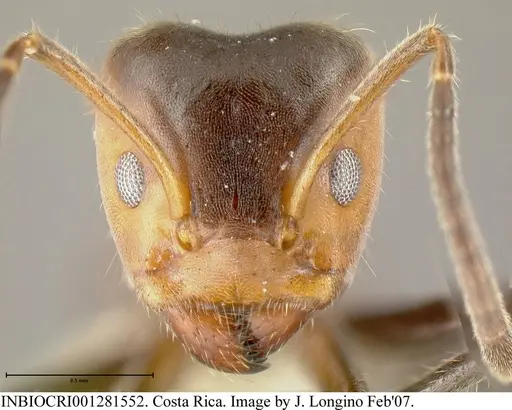
JTLC000005682
View on AntWeb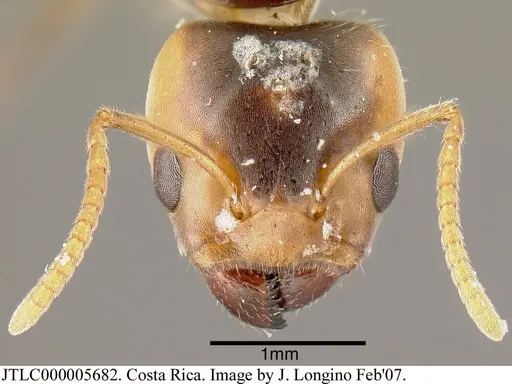
JTLC000005707
View on AntWeb
JTLC000009545
View on AntWeb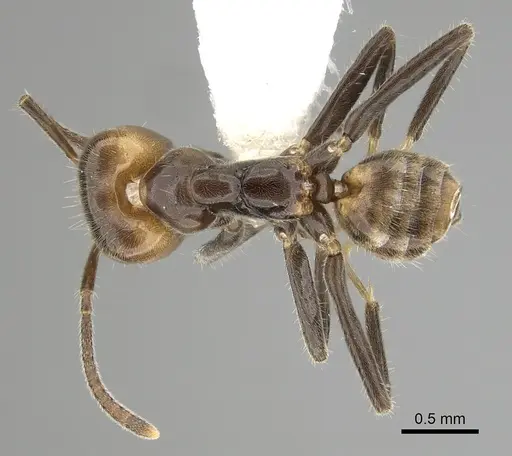
Literature
Loading...Loading products...