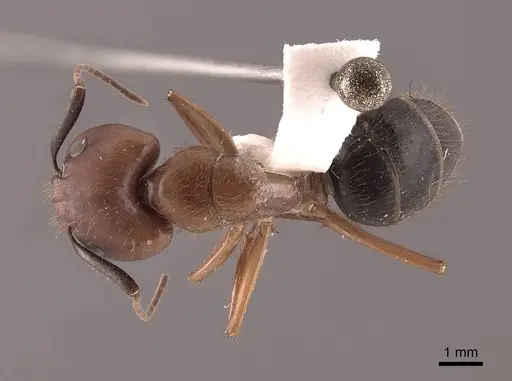
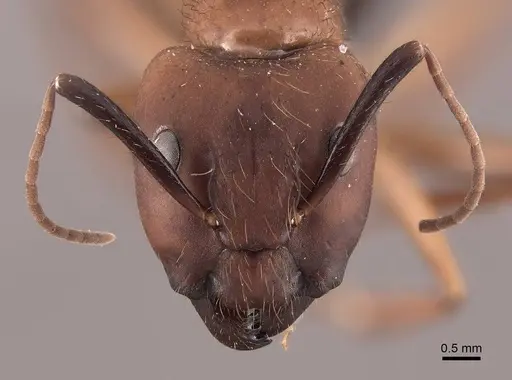
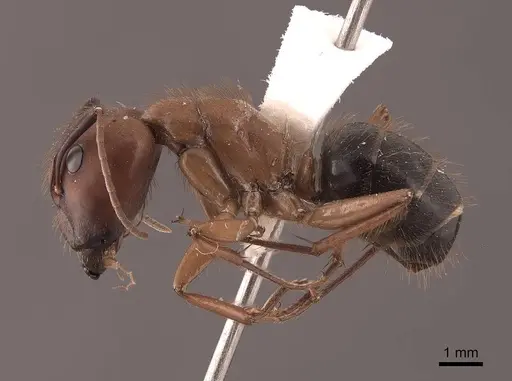
Camponotus atriceps exhibits a clear seasonal flight window. Peak flight activity is concentrated in October, with the overall period spanning June to November.
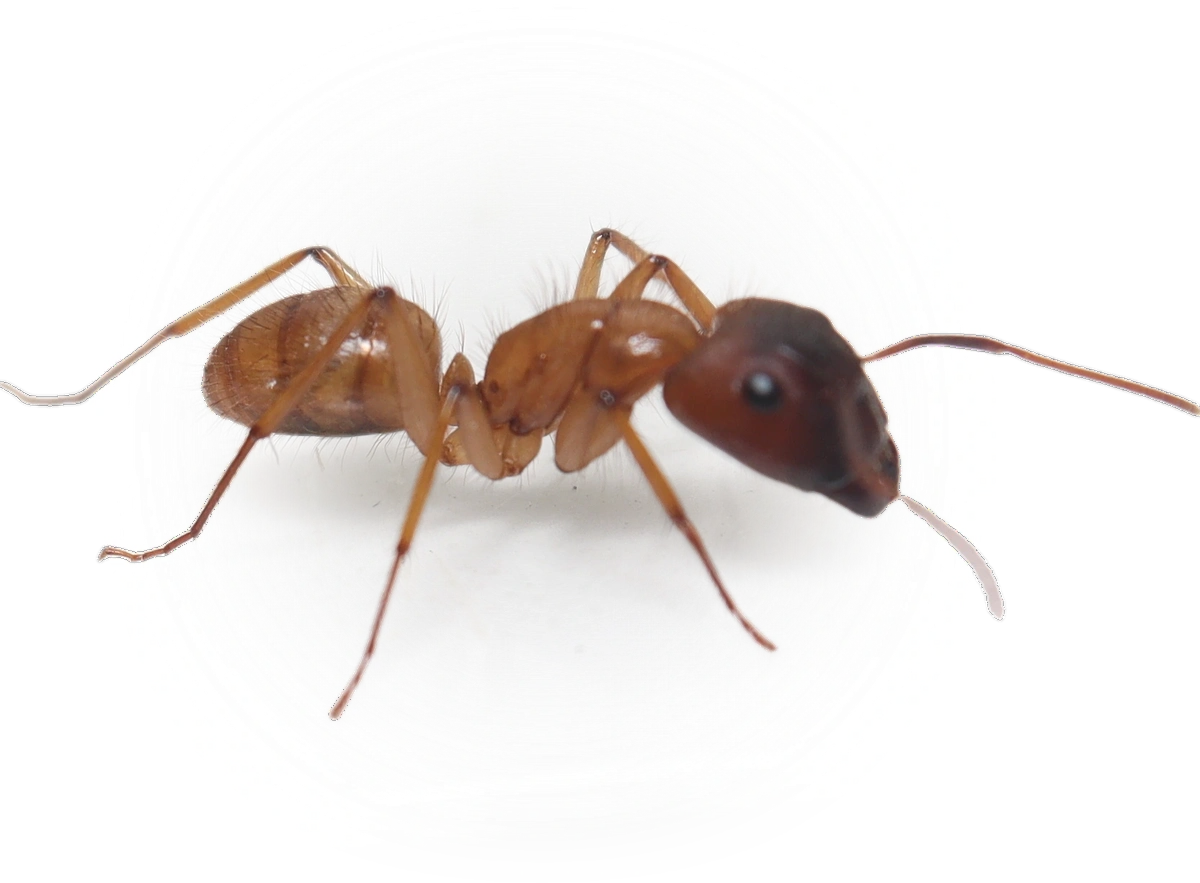
Camponotus atriceps
- Scientific Name
- Camponotus atriceps
- Subgenus
- Myrmothrix
- Tribe
- Camponotini
- Subfamily
- Formicinae
- Author
- Smith, 1858
- Common Name
- Florida Carpenter Ant
- Distribution
- Found in 12 countries
- Nuptial Flight
- from June to November, peaking in October
AI Identifiable
try →
Camponotus atriceps Overview
Camponotus atriceps (commonly known as the Florida Carpenter Ant) is an ant species of the genus Camponotus. It is primarily documented in 12 countries , including Barbados, Brazil, Colombia. Detailed taxonomic data and occurrence records can be further explored via authoritative databases such as AntWeb or the Global Biodiversity Information Facility (GBIF).
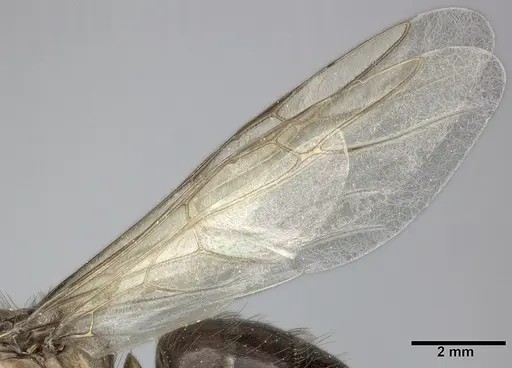
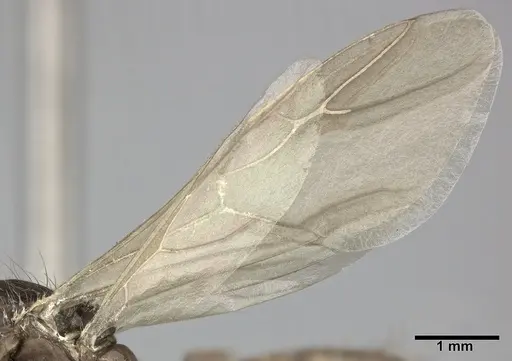
The nuptial flight of Camponotus atriceps is a significant biological event, typically occurring from June to November, peaking in October. During this time, winged queens and males leave the nest to mate and establish new colonies.
Camponotus atriceps - "Florida Carpenter Ant"
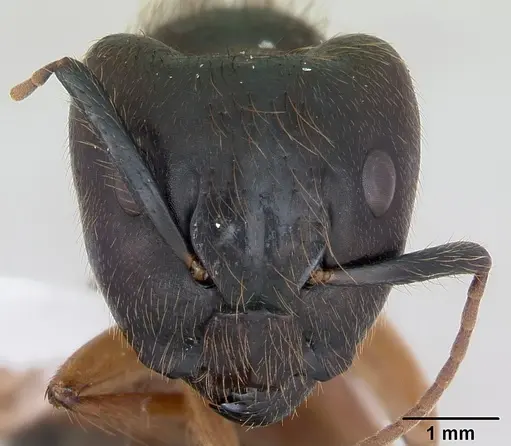
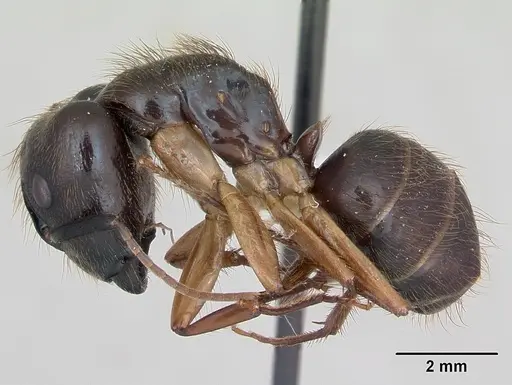
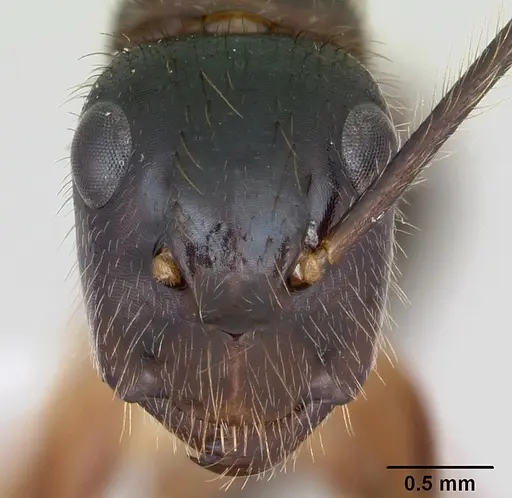
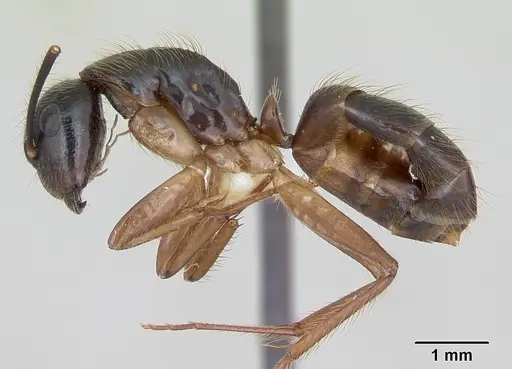
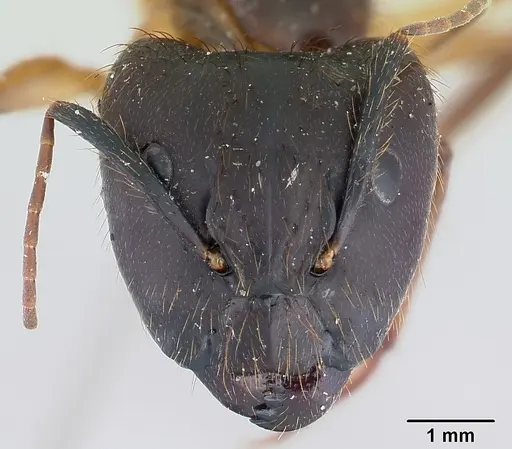
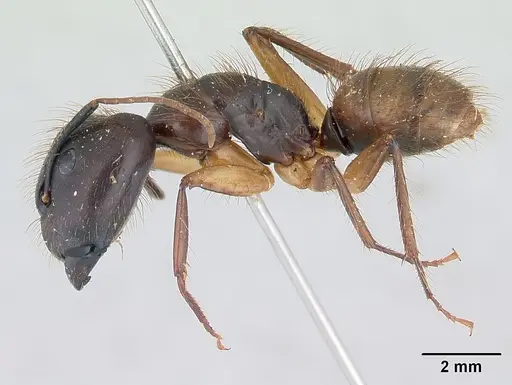
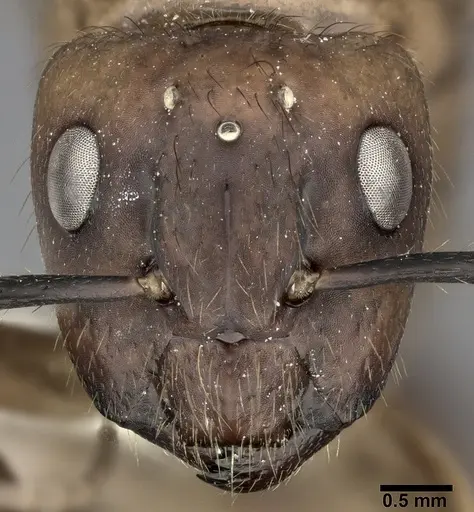
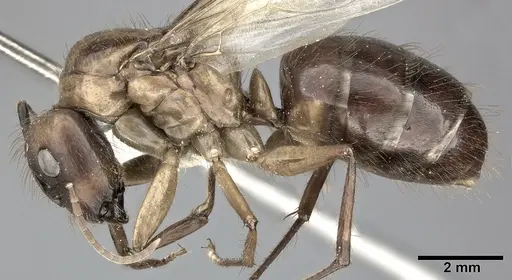
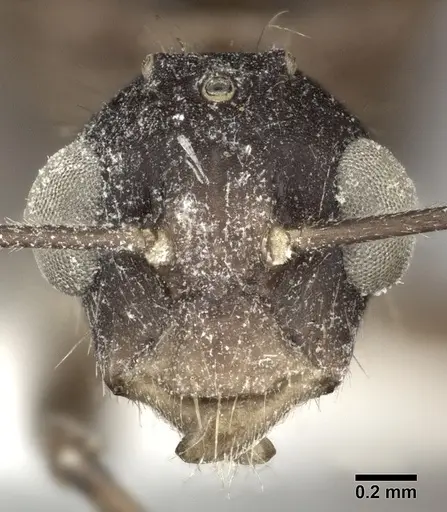
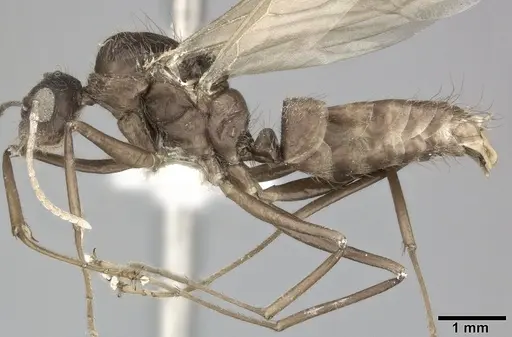
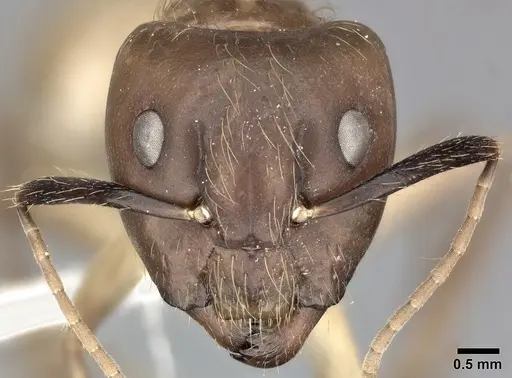
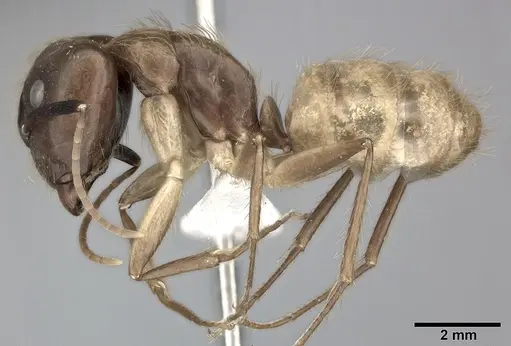
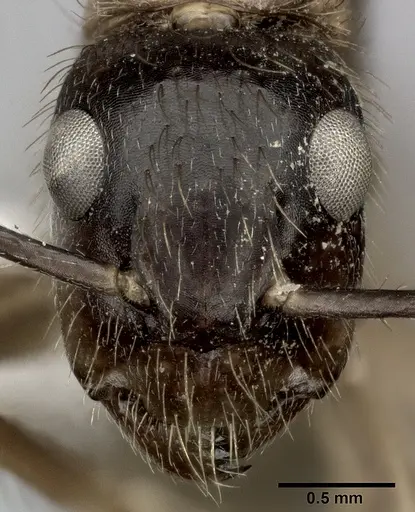
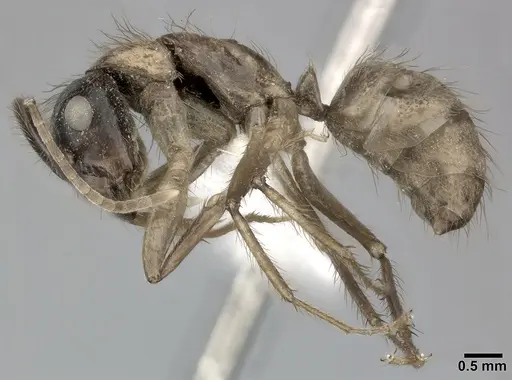
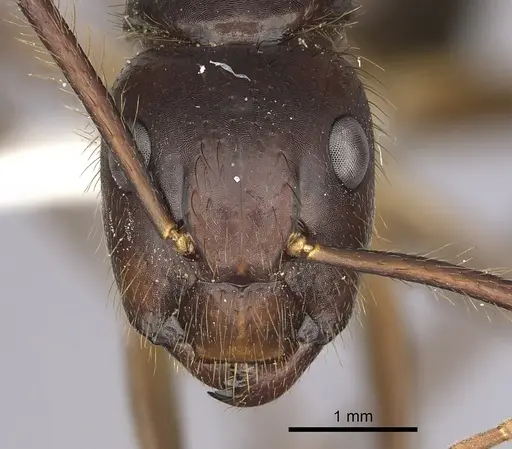
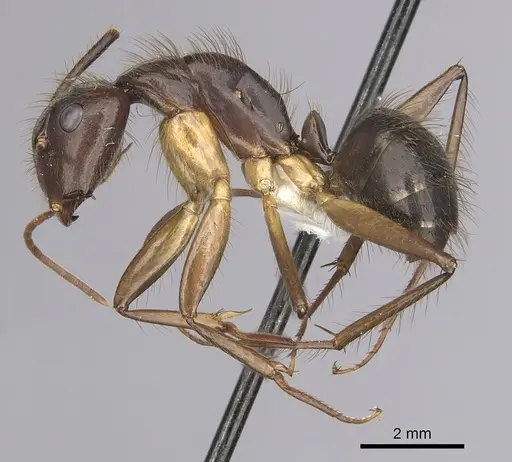
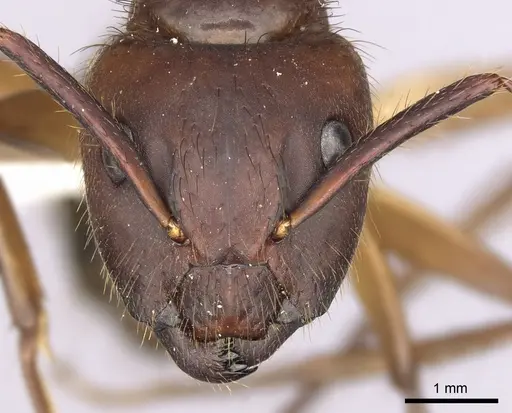
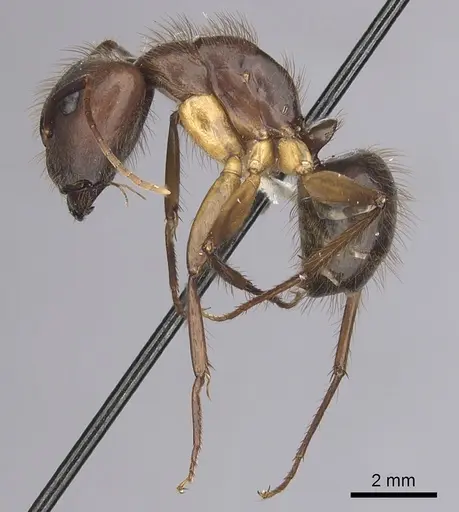
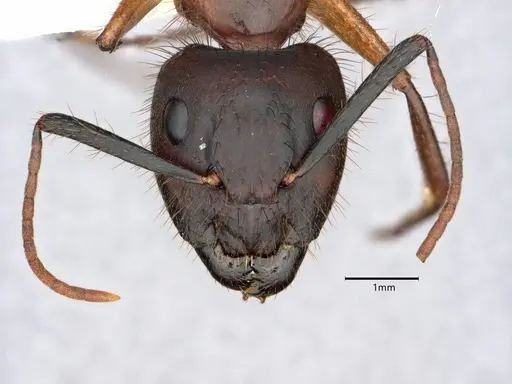
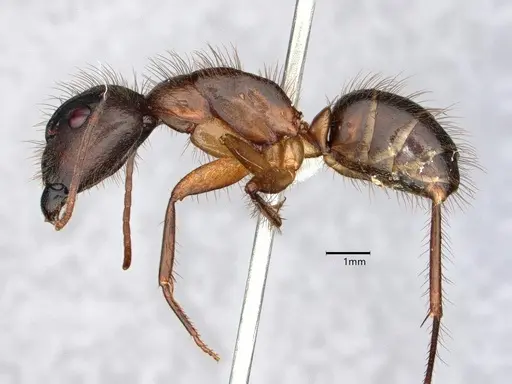
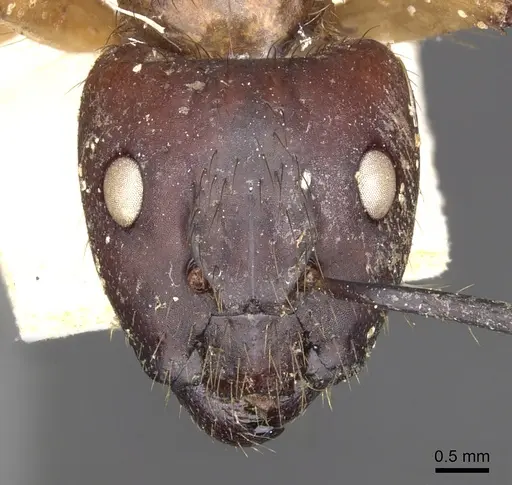
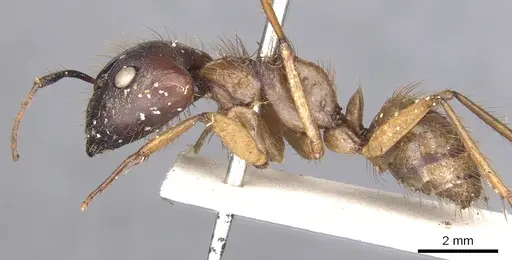
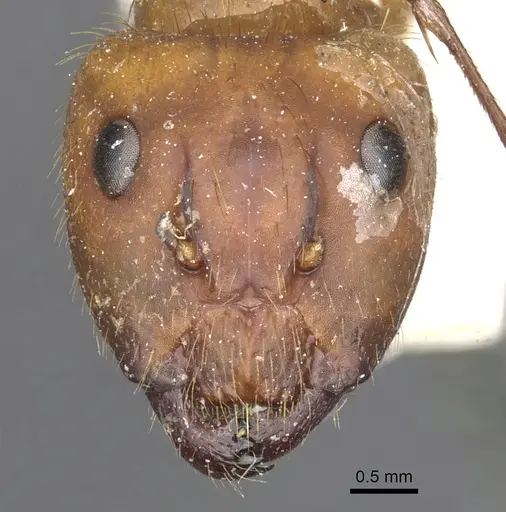
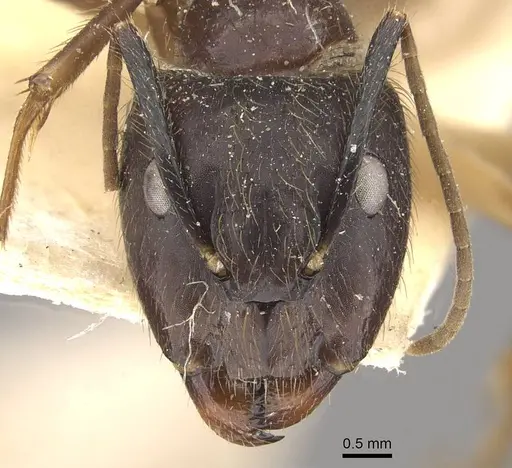
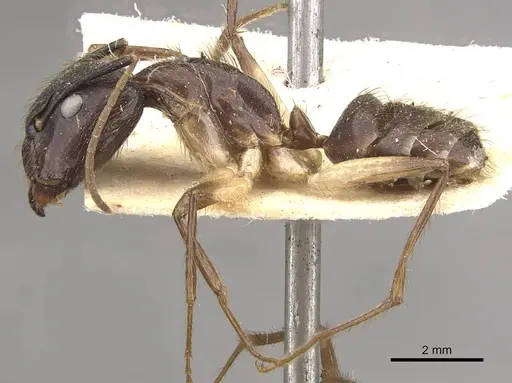
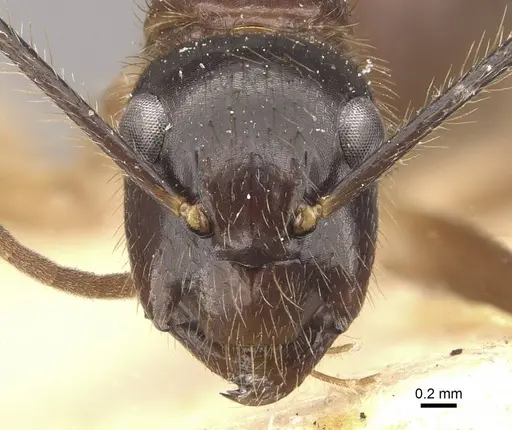
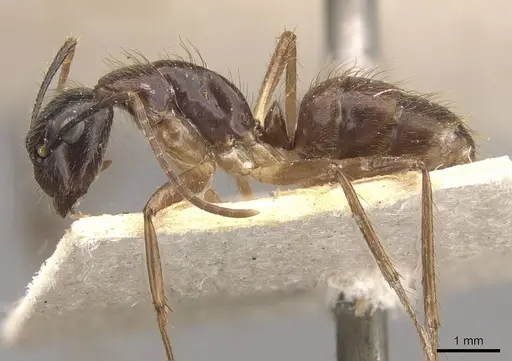
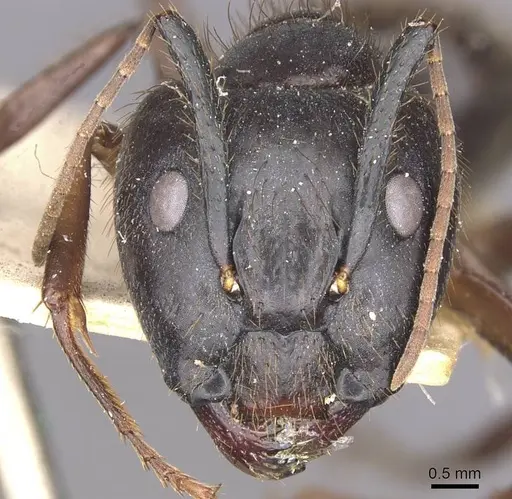
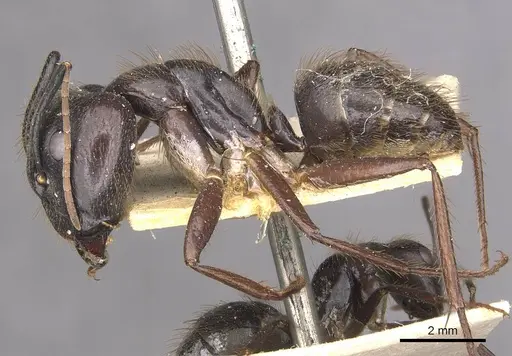
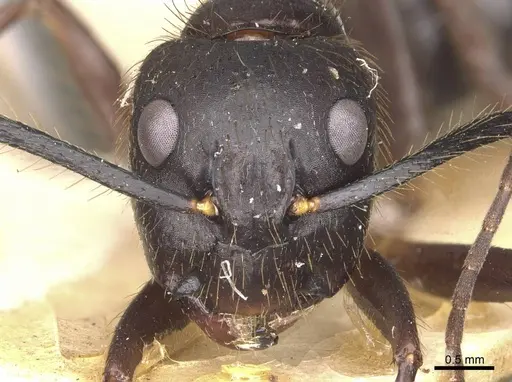
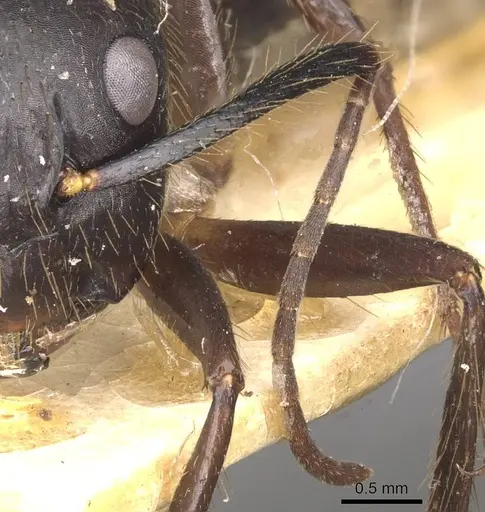
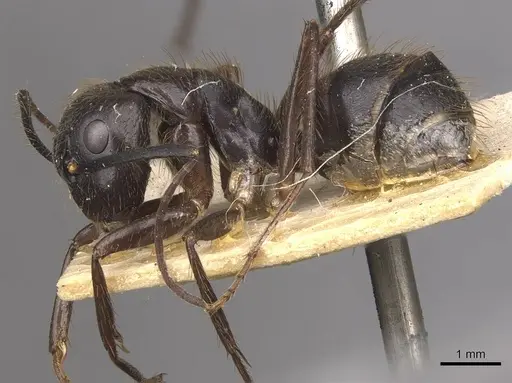
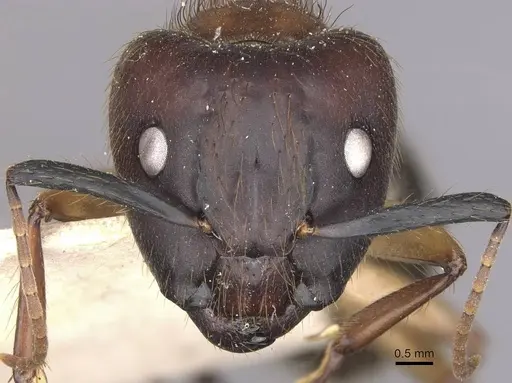
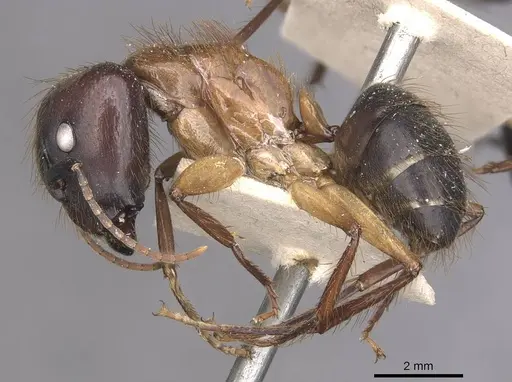
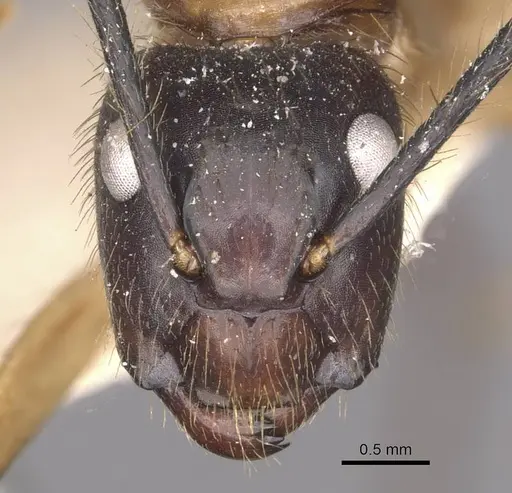
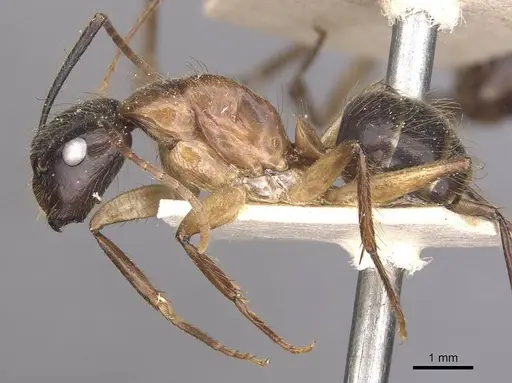
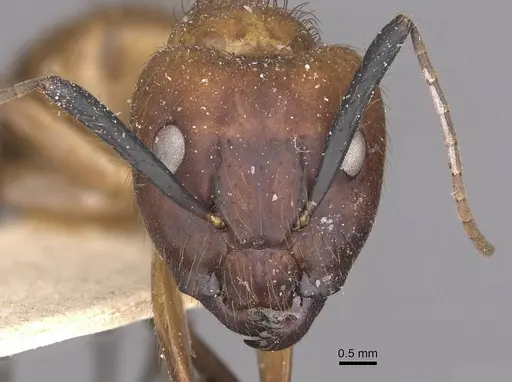
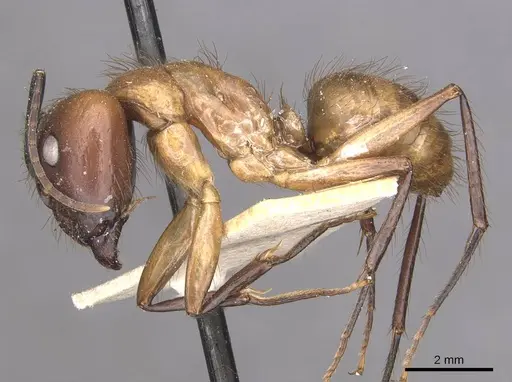
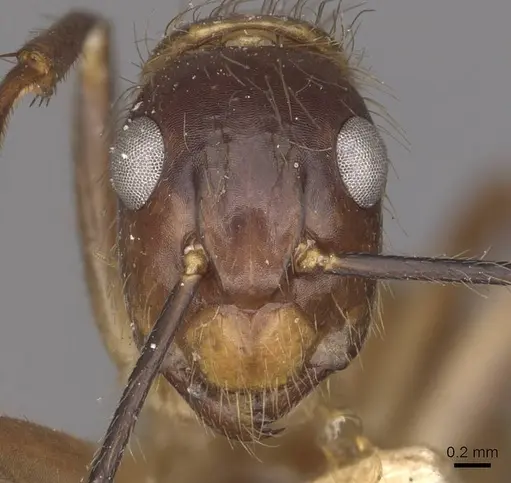
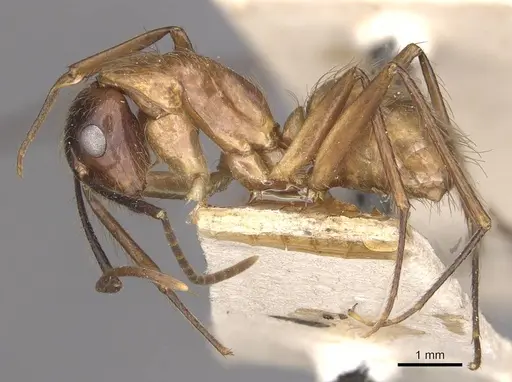
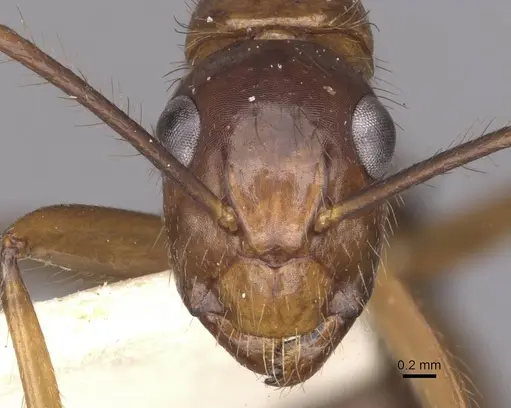
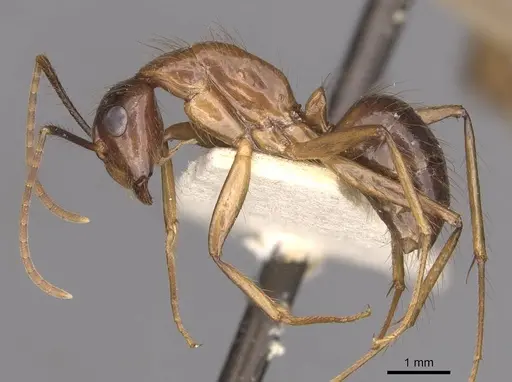
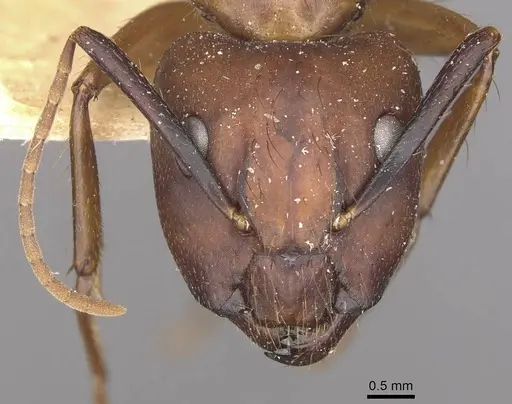
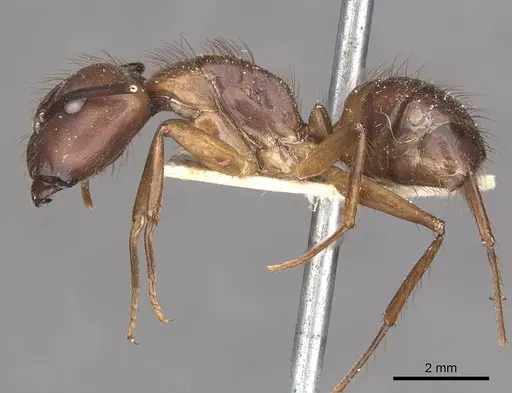
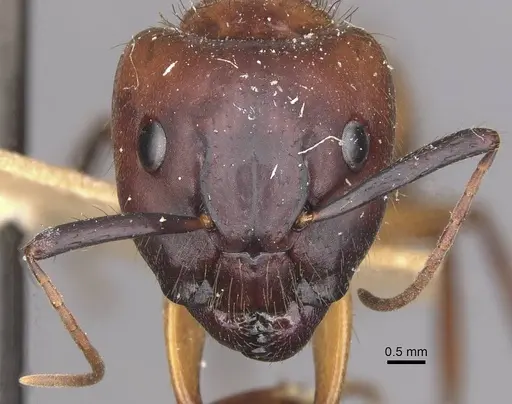
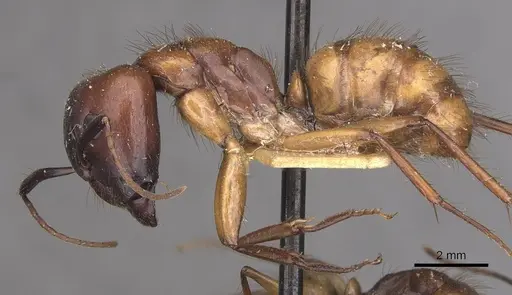
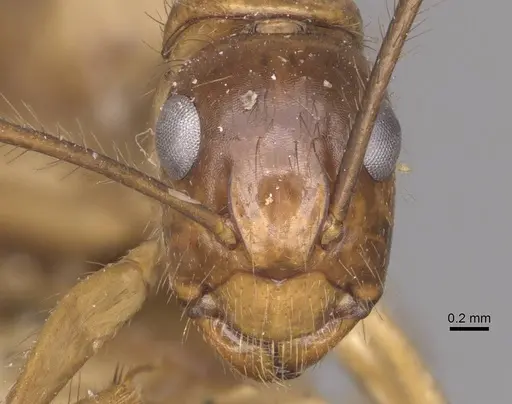
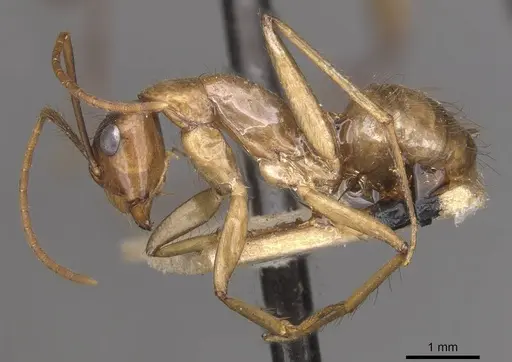
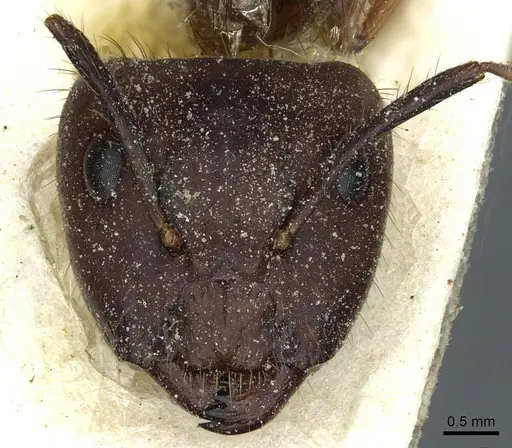
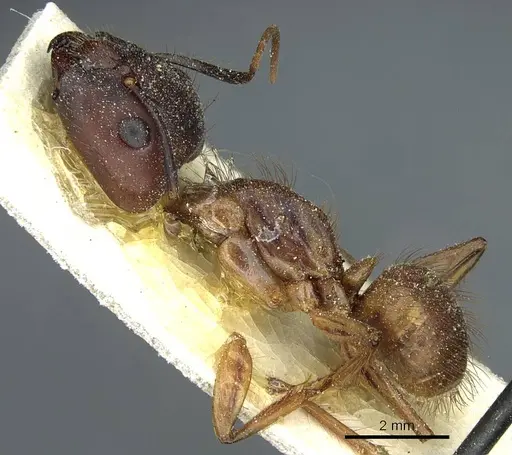
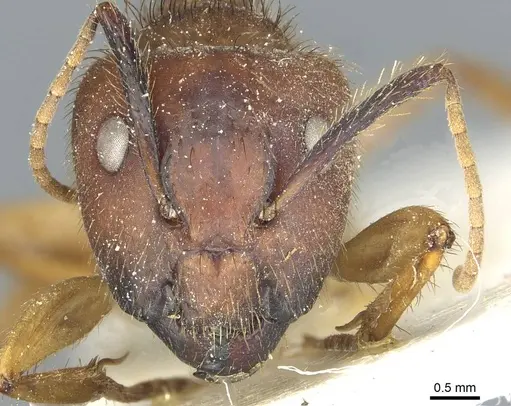
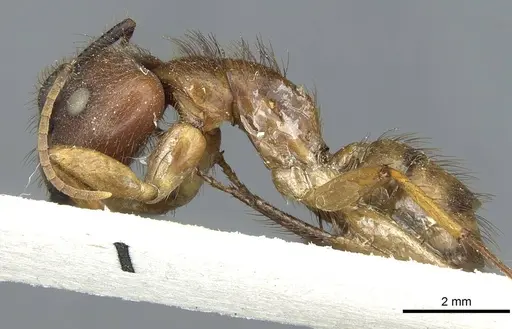
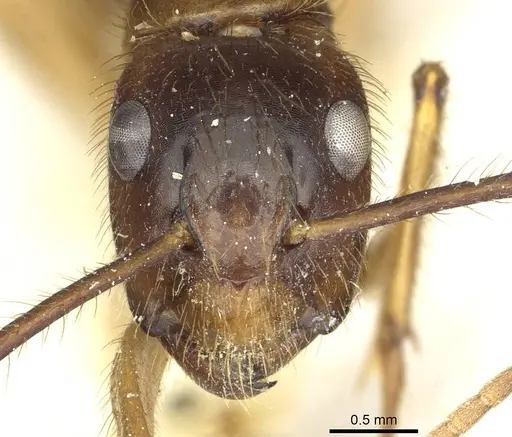
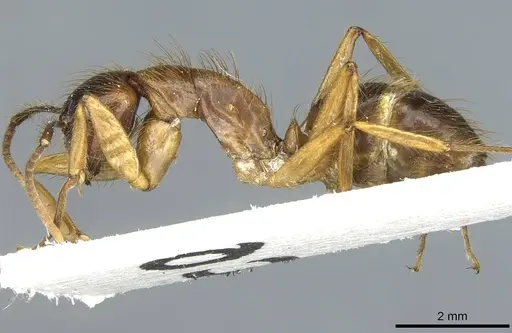
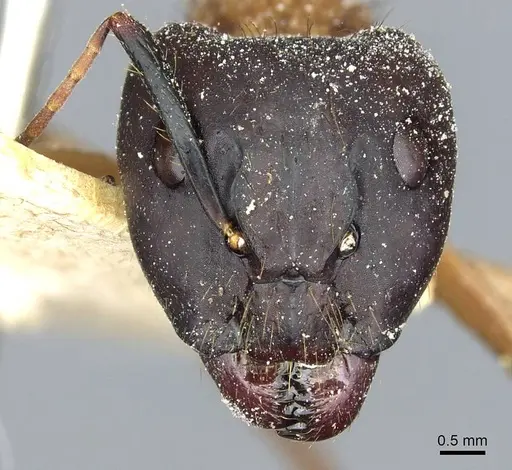
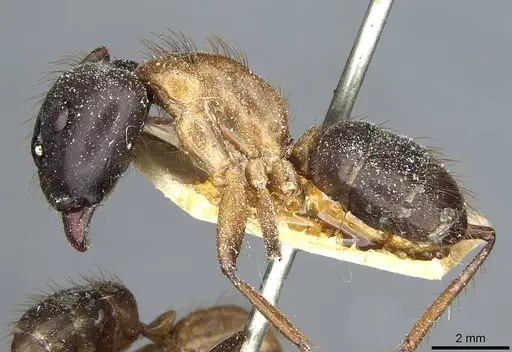
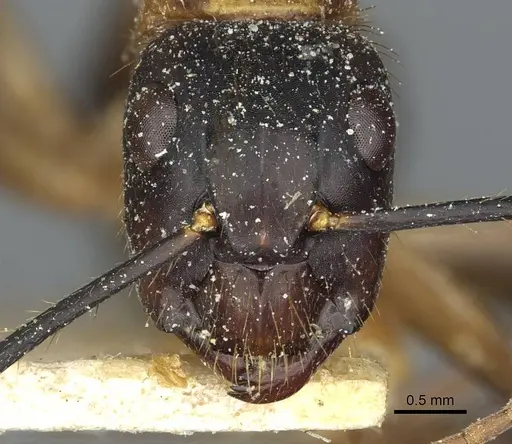
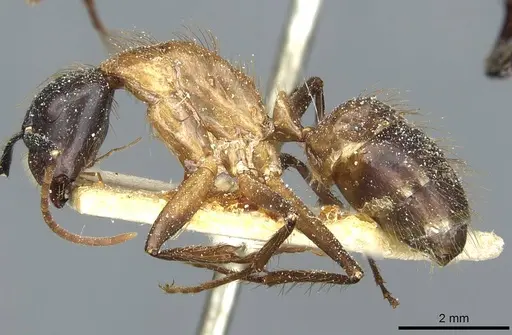
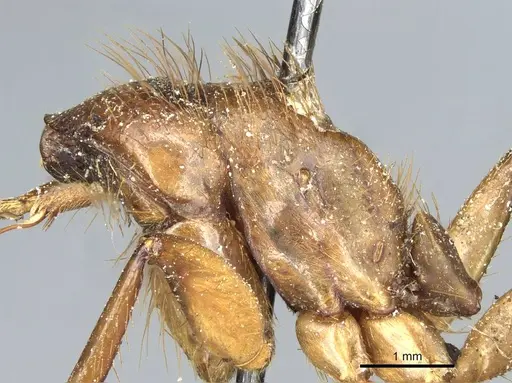
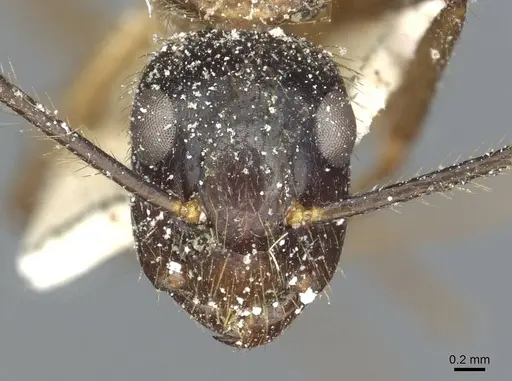
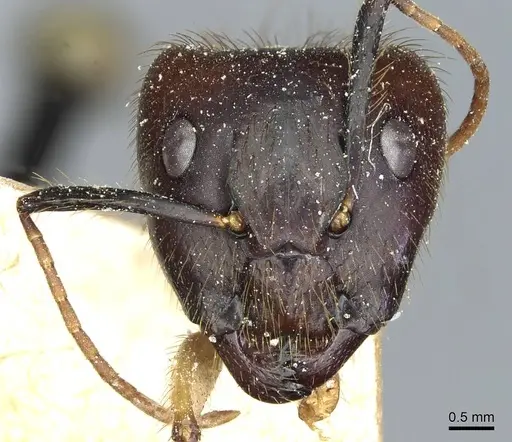
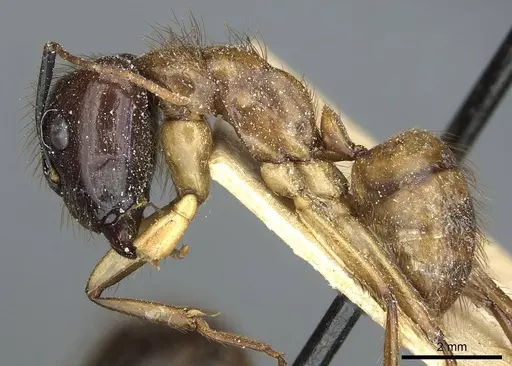
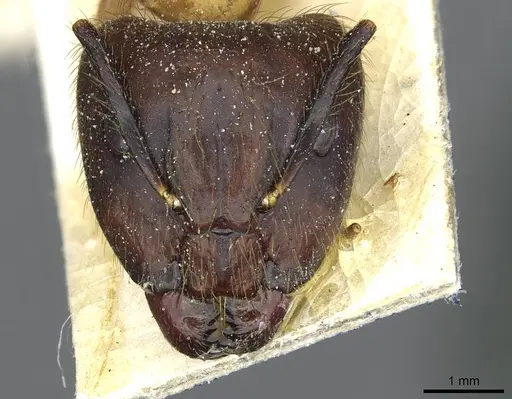
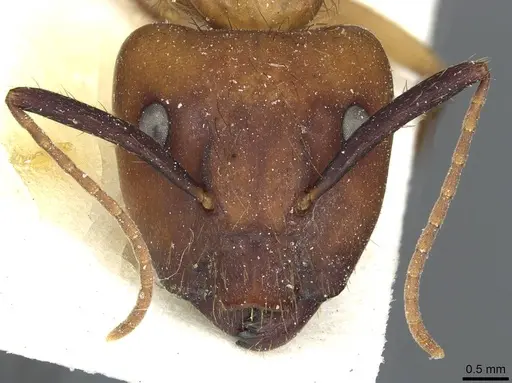
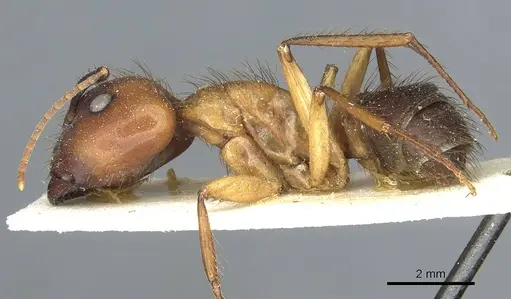
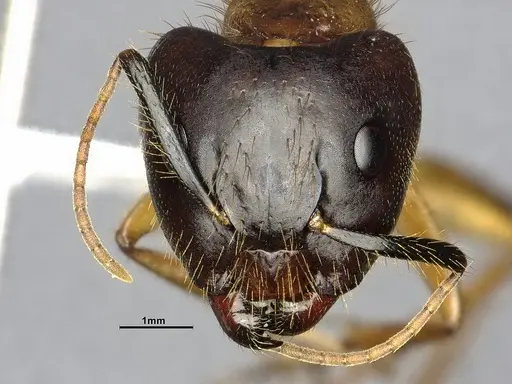
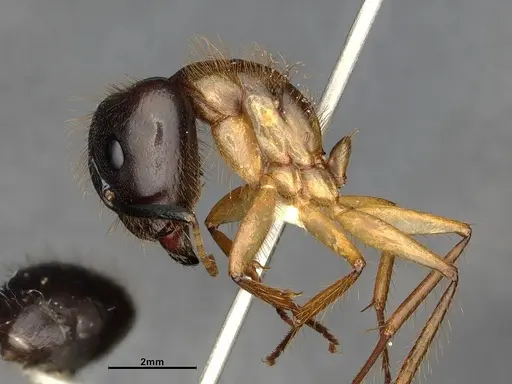
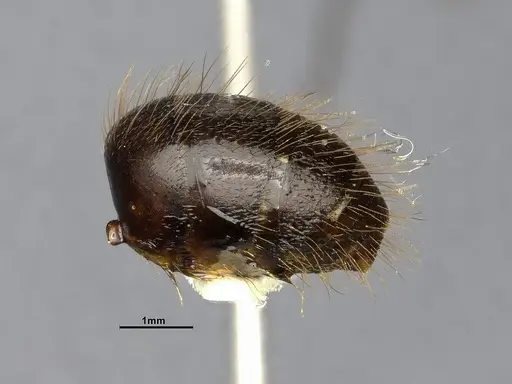
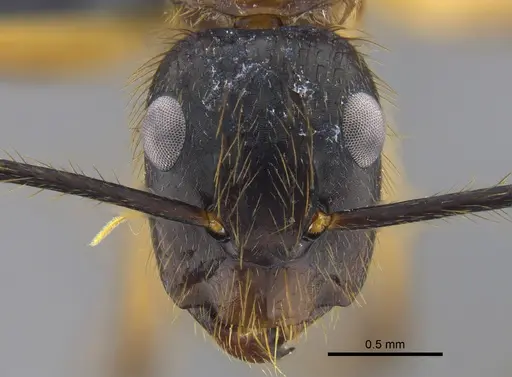
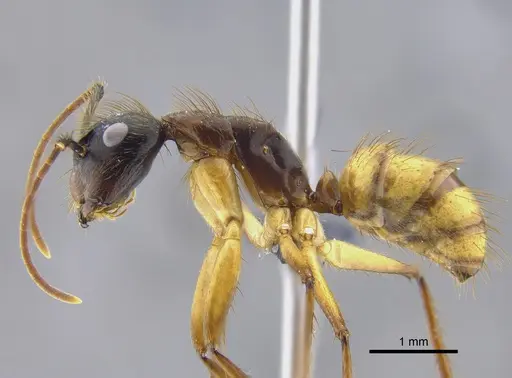
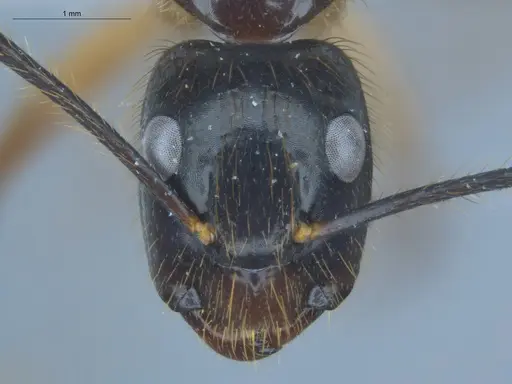
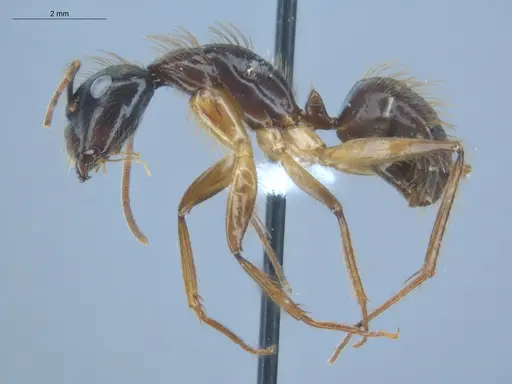
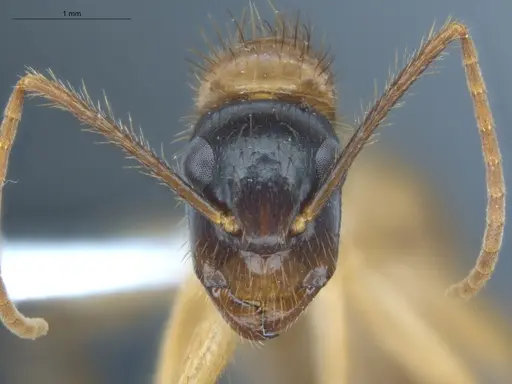
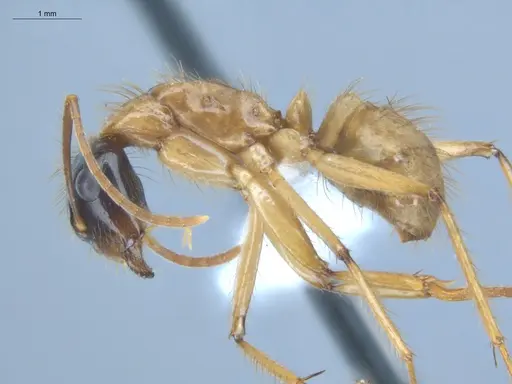
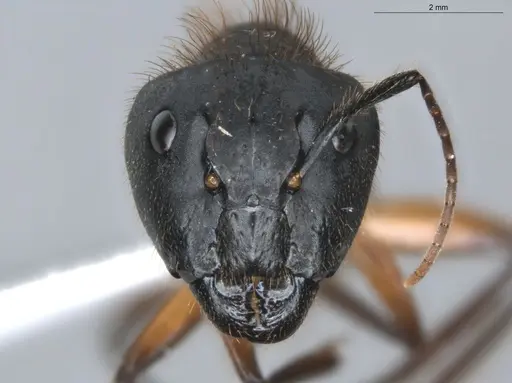
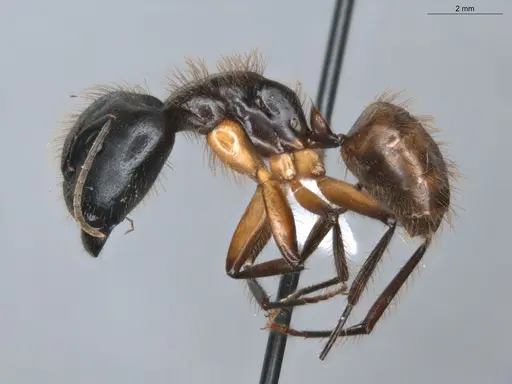
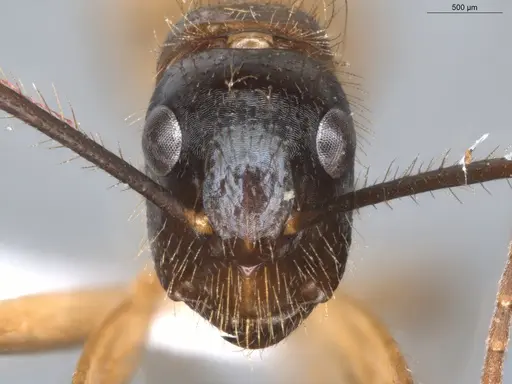
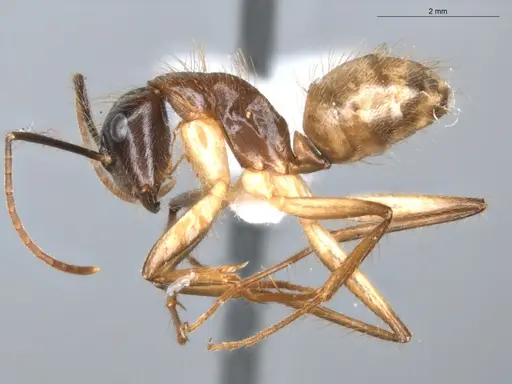
Camponotus atriceps is a large carpenter ant native to the Americas, ranging from the southern United States through Central America into South America. Workers are polymorphic, ranging from 4-15mm in length, with a distinctive dark brown to black coloration and abundant erect hairs on the scapes and tibiae. This species belongs to the subgenus Myrmothrix and is strictly nocturnal, workers forage exclusively at night and rest during the day. Colonies can grow quite large, with estimates of up to 10,000 workers. The species is synanthropic, often living near human settlements and can become a household pest. It is notably parasitized by the zombie ant fungus Ophiocordyceps camponoti-atricipis, which manipulates infected ants to climb vegetation and bite onto leaves before death.
Quick Summary
- Difficulty: Medium
- Origin & Habitat: Native to the Nearctic and Neotropical regions, ranging from the southern United States (Texas, Florida) through Mexico, Central America, and across South America to Argentina. Found in diverse habitats including tropical dry forests, rainforests, cerrado, coffee farms, and urban areas. Nests in rotting wood, logs, tree hollows, bamboo stems, and occasionally in buildings [1][2].
- Colony Type: Single-queen colonies (monogyne). Colonies can reach approximately 10,000 workers [3].
- Size & Growth:
- Queen: ~12-15mm, inferred from Camponotus genus size range
- Worker: 4-15mm polymorphic workers [3]
- Colony: Up to approximately 10,000 workers [3]
- Growth: Moderate, typical for Camponotus species
- Development: Development time is unconfirmed for this species. Based on typical Camponotus patterns, expect 6-10 weeks at optimal temperature. (Development time is temperature-dependent, warmer conditions accelerate growth)
- Antkeeping:
- Temperature: Keep at 22-26°C. This species tolerates a range from roughly 20-30°C but thrives in warm, stable conditions. A heating cable on one side of the nest creates a gradient for the ants to choose their preferred temperature.
- Humidity: Moderate to high humidity. Keep the nest substrate consistently moist but not waterlogged. Provide a water tube as a moisture source.
- Diapause: No true diapause required, this is a tropical/subtropical species. However, reducing temperatures slightly during winter months (to around 18-20°C) may slow activity and simulate natural seasonal patterns.
- Nesting: Y-tong (AAC), plaster, or naturalistic setups work well. Provide rotten wood or cork as nesting material since they naturally nest in rotting wood. Arboreal elements like branches are appreciated given their natural arboreal nesting habits.
- Behavior: Strictly nocturnal, this is one of the most important care considerations. Workers forage exclusively at night and rest during the day. They are aggressive defenders of their nest and will bite vigorously if threatened. As generalist omnivores, they forage for honeydew, nectar, and insects. They form large colonies and can dominate food sources. Escape prevention is important given their size, standard barriers work well but ensure enclosures are secure. They are known to be pests in urban environments, nesting in walls and structures.
- Common Issues: strictly nocturnal activity pattern means you won't see much activity during the day, colonies can grow large quickly, ensure adequate space and feeding, aggressive bite can be painful, handle with care during colony transfers, known to damage household structures and appliances when nesting in buildings, can become a pest in apiaries, attacking and destroying honey bee hives, carries bacteria in hospital settings, maintain hygiene if keeping in sensitive environments, zombie ant fungus (Ophiocordyceps) is a natural pathogen, wild-caught colonies may introduce this parasite
Nuptial Flight Activity Analysis 362 observations
Flight Activity by Hour 362 observations
Camponotus atriceps nuptial flight activity peaks around 21:00 during the night. Activity is spread across a 24-hour window (00:00–23:00). Times may be influenced by human observation patterns.
Housing and Nest Setup
Camponotus atriceps adapts well to various captive setups. Y-tong (AAC) nests work excellently, as do plaster nests with built-in water chambers. Given their natural preference for rotting wood, adding cork or small pieces of rotten wood to the nest chamber encourages natural tunneling behavior. These are large ants that need appropriately sized chambers, avoid cramped spaces. Provide a constant water source via test tube with cotton. Since they are nocturnal, place the setup in an area with natural light cycles but avoid direct sunlight on the nest. An outworld (foraging area) should be spacious enough for workers to patrol and should include sugar water feeders and protein food dishes. [1][2]
Feeding and Diet
As generalist omnivores, these ants accept a wide variety of foods. Provide sugar water or honey constantly, they have a strong sweet tooth and will readily consume carbohydrates. For protein, offer insects like mealworms, crickets, or fruit flies. They are nocturnal foragers, so place fresh protein foods in the outworld in the evening for best acceptance. They also tend membracids (sap-sucking insects) for honeydew in the wild, so they may show interest in sugar sources from plants. Feed protein 2-3 times per week, and keep sugar water available at all times. Remove uneaten protein after 24-48 hours to prevent mold.
Temperature and Seasonal Care
Maintain temperatures between 22-26°C for optimal colony growth and brood development. This species tolerates a broader range (roughly 20-30°C) but grows best in warm, stable conditions. A small heating cable placed on one side of the nest creates a temperature gradient that allows ants to self-regulate. Unlike temperate species, C. atriceps does not require a true winter diapause. However, you may reduce temperatures slightly during winter months (to around 18-20°C) if you want to simulate natural seasonal patterns, which may help slow activity during the non-growing season. The key consideration is that this species is strictly nocturnal, they do most of their foraging and activity at night. [6]
Behavior and Temperament
This is one of the most aggressive carpenter ant species. Workers will vigorously defend the nest and deliver painful bites if threatened. They are strictly nocturnal, with peak activity during the night hours, this is important to understand because you won't see much daytime activity from foragers. Colonies can grow large (up to 10,000 workers) and become dominant at food sources. They communicate using trail pheromones and will recruit mass numbers to abundant food. When threatened by army ants (Eciton species), workers evacuate the nest carrying brood and climb onto surrounding vegetation. Their large size and aggressive nature make them impressive display ants, but they require careful handling during transfers.
Colony Development
Queens are claustral founders, they seal themselves in a chamber and raise the first brood alone without foraging, surviving entirely on stored fat reserves [4][5]. The first workers (nanitics) are smaller than mature workers but the colony grows quickly once established. Colonies are monogyne, meaning they have a single queen that can live for many years. Worker caste is polymorphic, colonies produce majors (soldiers) alongside minors as the colony grows. A mature colony can become quite impressive with hundreds of workers patrolling the outworld.
Health Considerations
This species is naturally parasitized by the zombie ant fungus Ophiocordyceps camponoti-atricipis [6][7]. If you collect colonies from the wild in tropical regions, they may already be infected with this pathogen. The fungus manipulates infected ants to climb vegetation and bite onto leaves before death, then produces fruiting bodies from the ant's body. While this is fascinating natural history, it can decimate captive colonies. Additionally, these ants are known to carry various bacteria and fungi in hospital settings [8][9], so maintain good hygiene. They can also be attacked by eucharitid wasps during the pupal stage [10]. Healthy colonies in captivity are generally robust, but watch for signs of fungal infection or parasite-related mortality.
Frequently Asked Questions
Is Camponotus atriceps a good species for beginners?
Camponotus atriceps is rated as medium difficulty. While they are hardy and adaptable, their nocturnal activity pattern means you won't see much daytime activity, which can be disappointing for beginners expecting active ants during viewing hours. They also grow quite large and can become aggressive. They are more suitable for keepers who can observe them in the evening or who have interest in their fascinating nocturnal behavior.
How long does it take for the first workers to emerge?
Development time is unconfirmed for this species. Based on typical Camponotus development patterns, expect first workers (nanitics) approximately 6-10 weeks after the queen lays eggs, at optimal temperature around 24-26°C. Development is temperature-dependent, cooler conditions will slow development significantly.
Can I keep multiple queens together?
No. Camponotus atriceps is monogyne, colonies have a single queen. Introducing multiple unrelated queens will result in fighting. Only a mated queen and her founding colony should be kept together.
Why are my ants only active at night?
This is completely normal. Camponotus atriceps is strictly nocturnal, they rest during the day and do their foraging and activity at night. This is an essential behavioral trait, not a problem. You may want to set up a red light for evening observations.
What do I feed Camponotus atriceps?
They are generalist omnivores. Provide sugar water or honey constantly for carbohydrates. For protein, offer insects like mealworms, crickets, or fruit flies 2-3 times per week. Since they are nocturnal foragers, place protein foods in the evening for best acceptance.
Do they need hibernation?
No. As a tropical/subtropical species, they do not require true hibernation. You can slightly reduce temperatures in winter (to around 18-20°C) to slow activity, but this is optional and not required for colony health.
Are Camponotus atriceps dangerous or invasive?
They are not dangerous to humans beyond their painful bite. However, they are considered a pest species in some areas, they can nest in building structures and cause damage. They are also known to attack honey bee hives [11]. In the United States (Florida), they are native but can become a nuisance. They have been intercepted in Europe (Netherlands, Italy) as introduced species [12][13].
When should I move them to a formicarium?
You can keep founding colonies in a simple test tube setup. Once the colony reaches 50-100 workers and you see consistent activity, you can move them to a larger setup like a Y-tong nest or formicarium. Make sure the chambers are appropriately sized, too large an empty space can stress them.
Why are my ants dying with fungi growing from their bodies?
This is likely Ophiocordyceps camponoti-atricipis, the zombie ant fungus. This is a natural pathogen of this species in the wild [6][7]. If you collected your colony from a tropical area, it may already be infected. Unfortunately, there is no effective treatment, the best prevention is to avoid collecting from areas with known infections. This is more common in tropical captive setups with high humidity.
Report an Issue
The current care sheet is based fully on literature. See inconsistencies, or something that's incorrect? Please , it will be resolved after review from an admin. Contributing to the blogs tab also helps providing information, to make us be able to further improve the caresheets. Thank you for your support!
References

This caresheet is licensed under CC BY-SA 4.0 .
CASENT0105548
View on AntWeb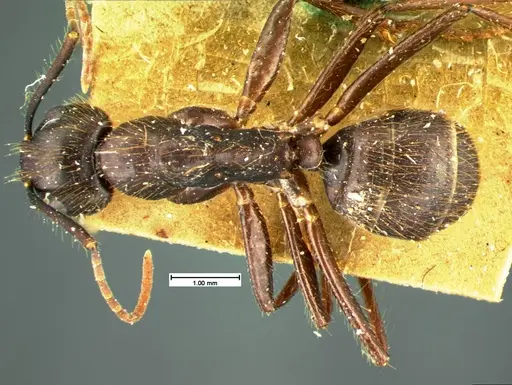
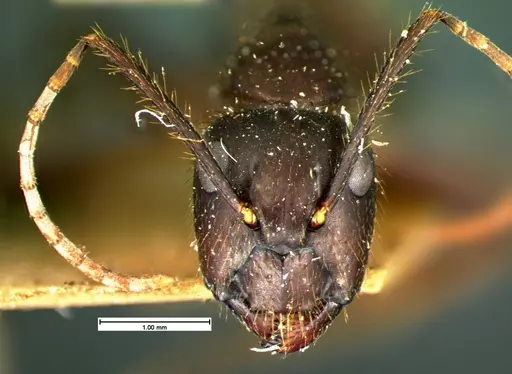
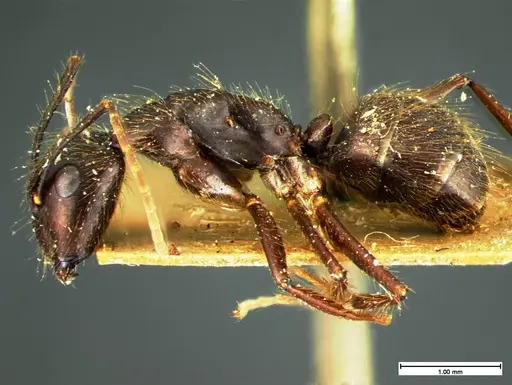
CASENT0173391
View on AntWeb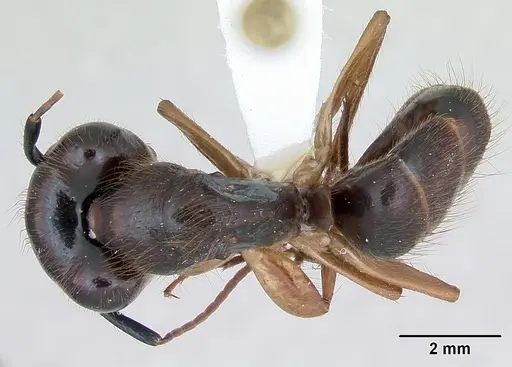
CASENT0173392
View on AntWeb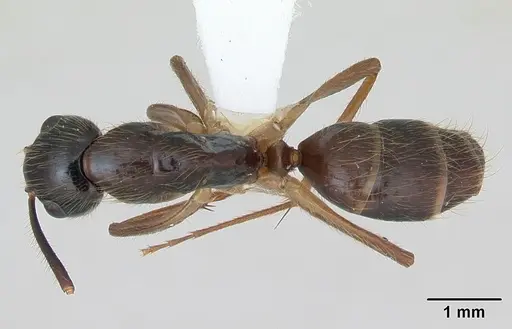
CASENT0178616
View on AntWeb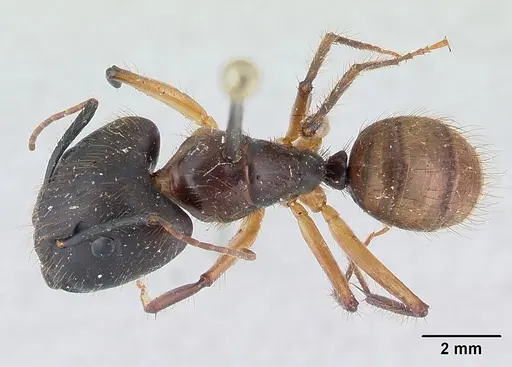
CASENT0246686
View on AntWeb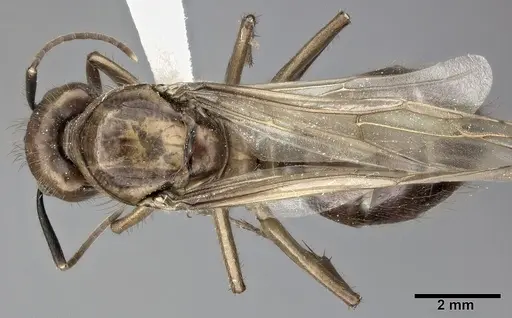
CASENT0246687
View on AntWeb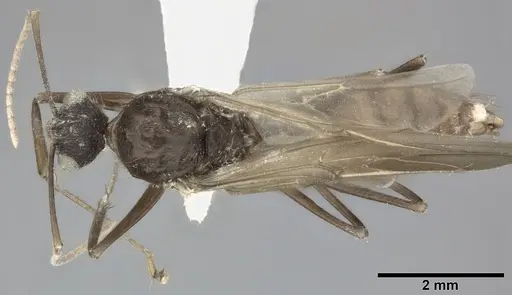
CASENT0246688
View on AntWeb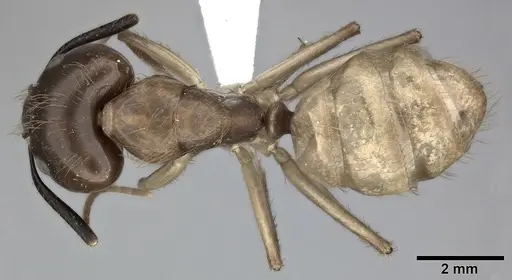
CASENT0246689
View on AntWeb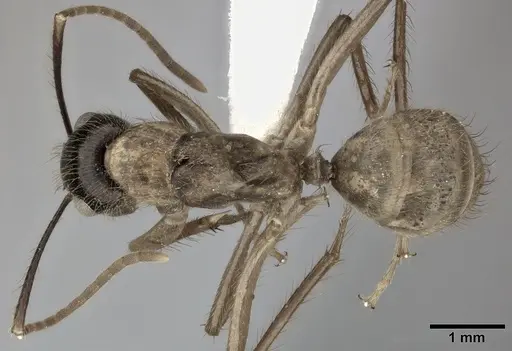
CASENT0249349
View on AntWeb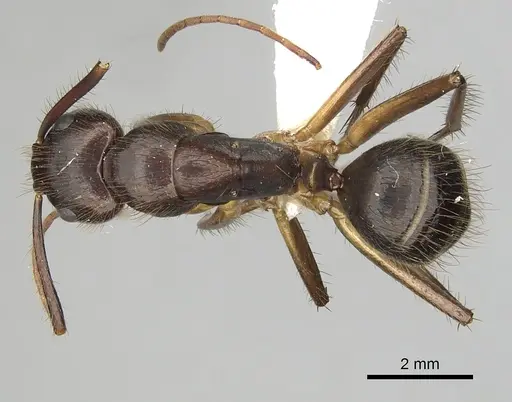
CASENT0249350
View on AntWeb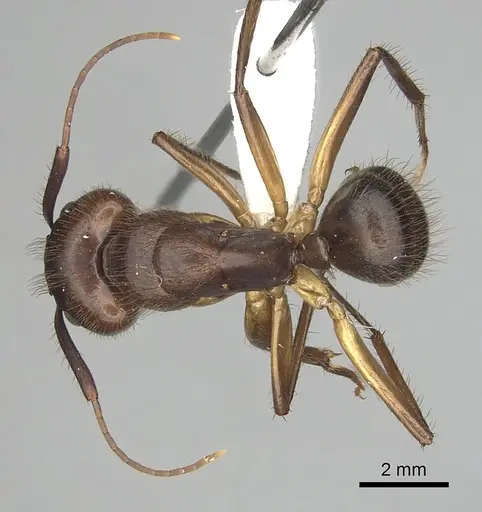
CASENT0882164
View on AntWeb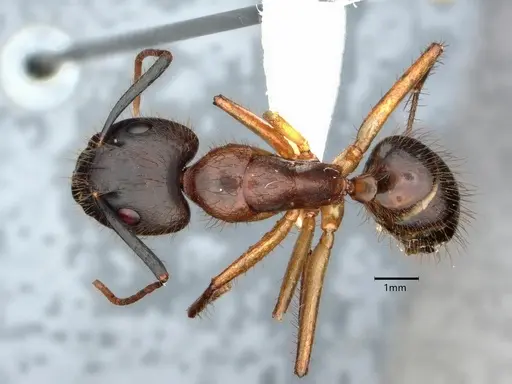
CASENT0903607
View on AntWeb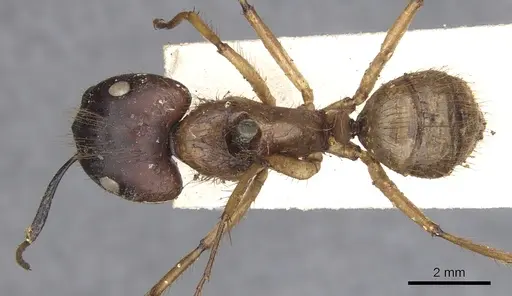
CASENT0903608
View on AntWeb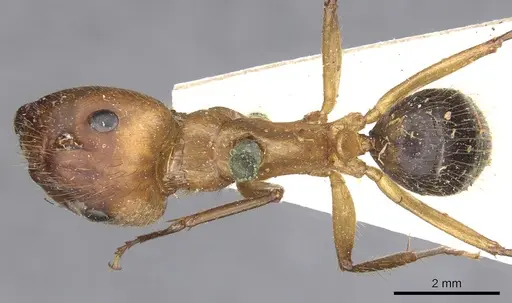
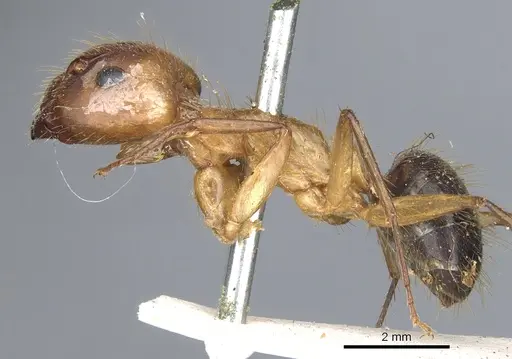
CASENT0910334
View on AntWeb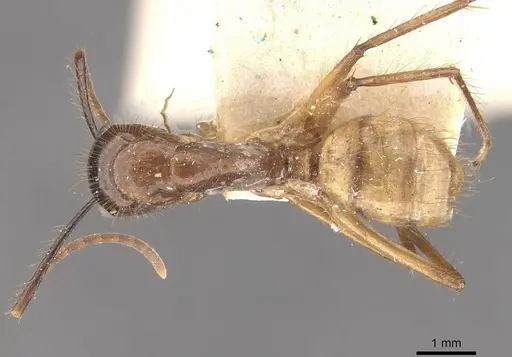
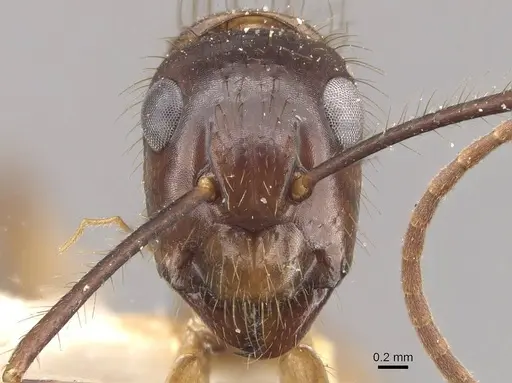
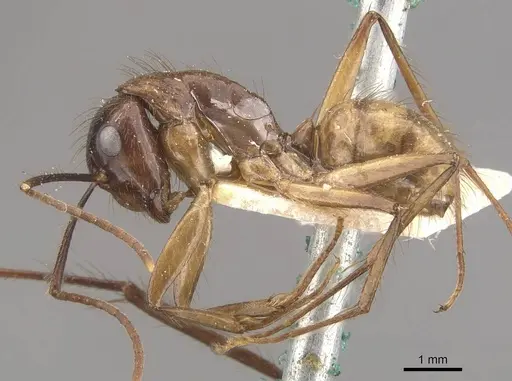
CASENT0910335
View on AntWeb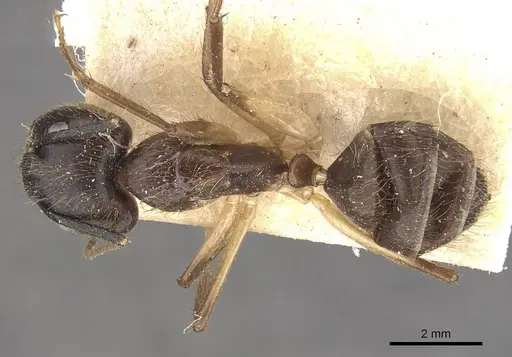
CASENT0910336
View on AntWeb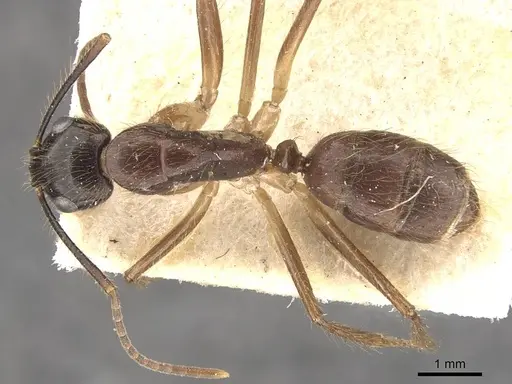
CASENT0910337
View on AntWeb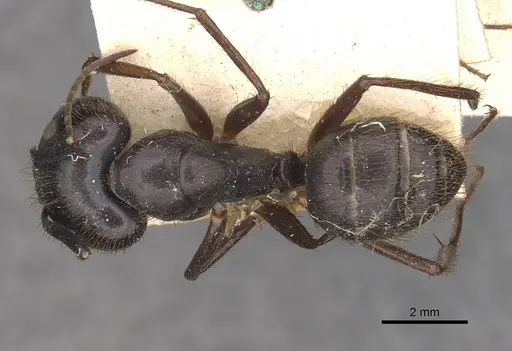
CASENT0910338
View on AntWeb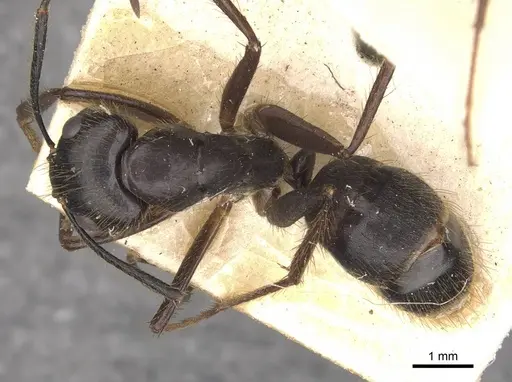
CASENT0910339
View on AntWeb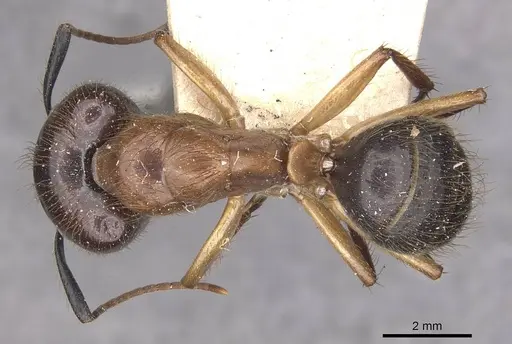
CASENT0910340
View on AntWeb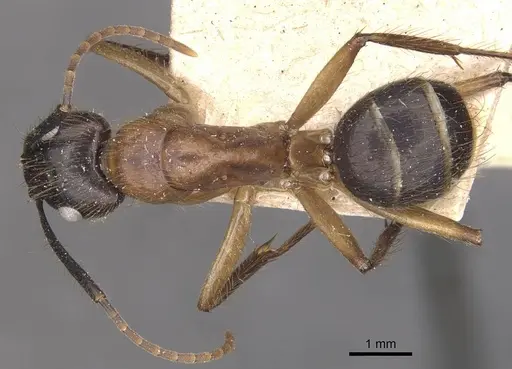
CASENT0910341
View on AntWeb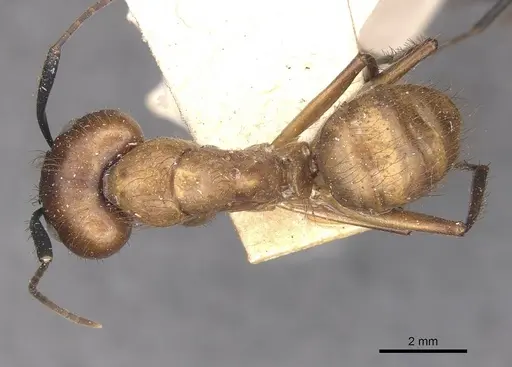
CASENT0910342
View on AntWeb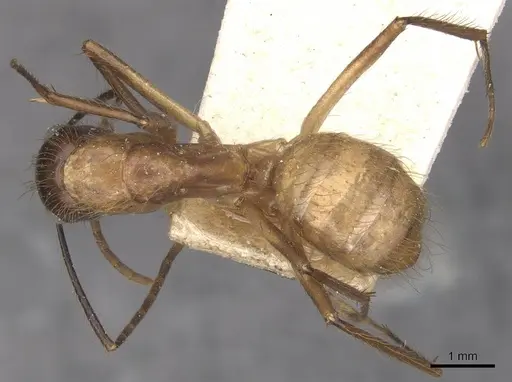
CASENT0910343
View on AntWeb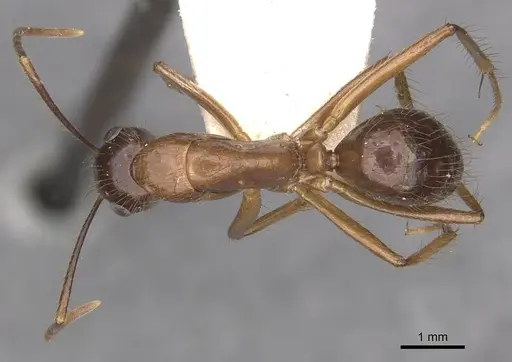
CASENT0910344
View on AntWeb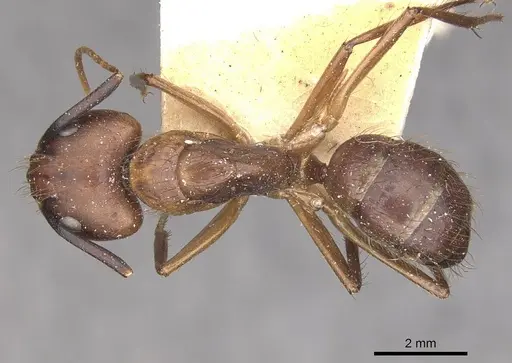
CASENT0910356
View on AntWeb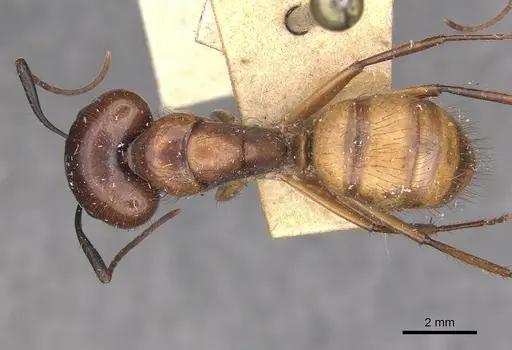
CASENT0910357
View on AntWeb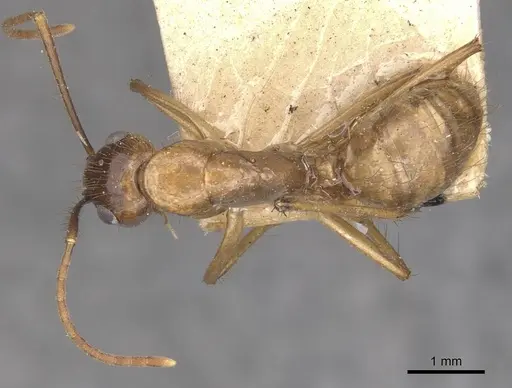
CASENT0911794
View on AntWeb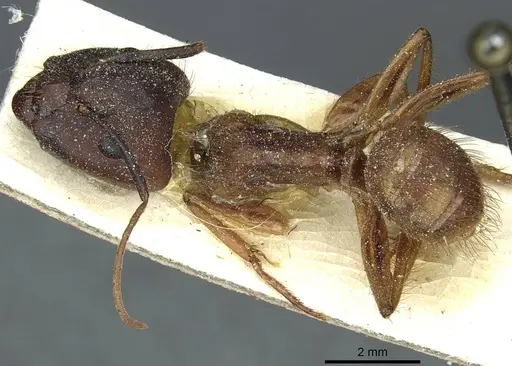
CASENT0911795
View on AntWeb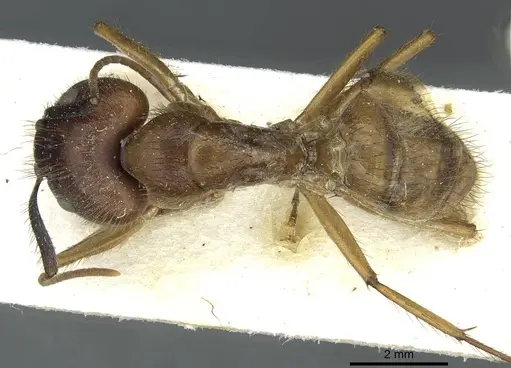
CASENT0911796
View on AntWeb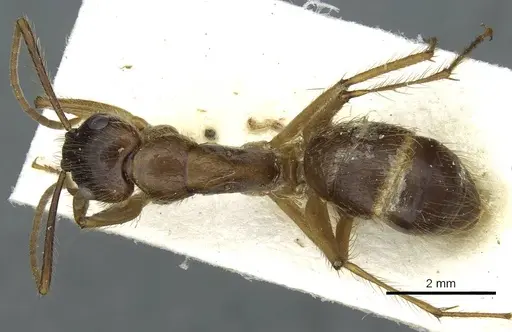
CASENT0911797
View on AntWeb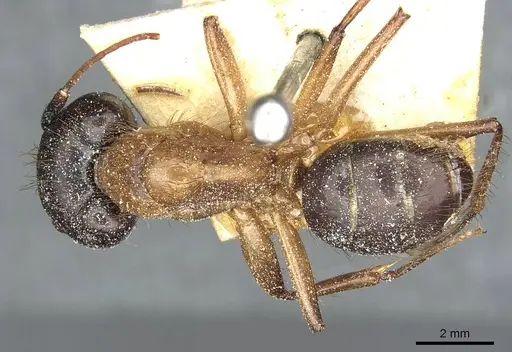
CASENT0911798
View on AntWeb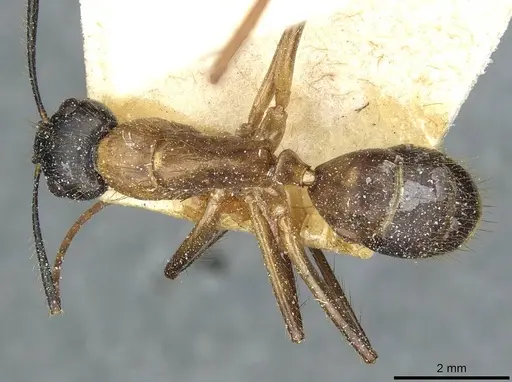
CASENT0911799
View on AntWeb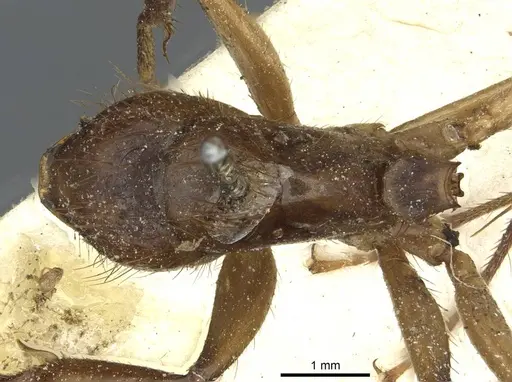
CASENT0911800
View on AntWeb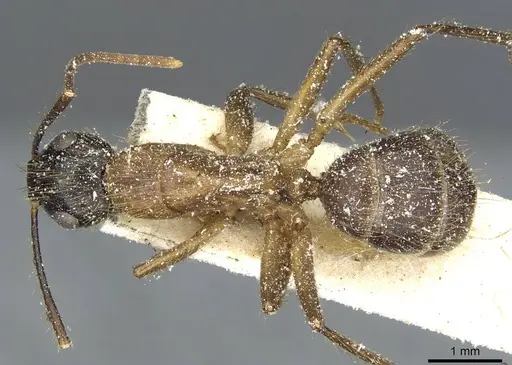
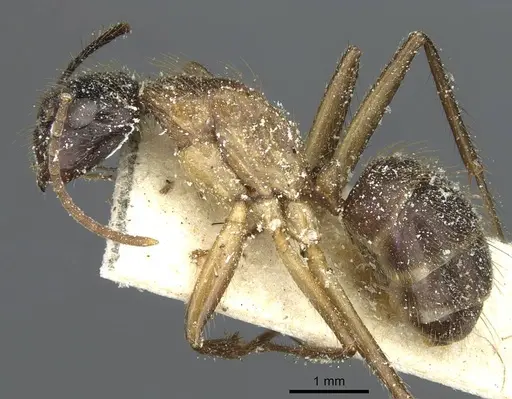
CASENT0911801
View on AntWeb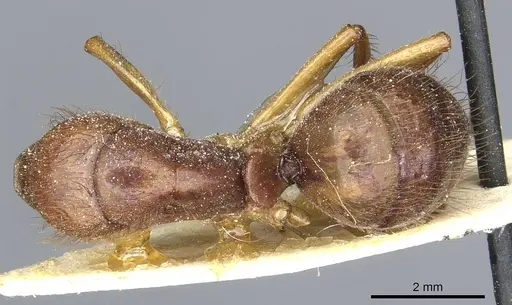
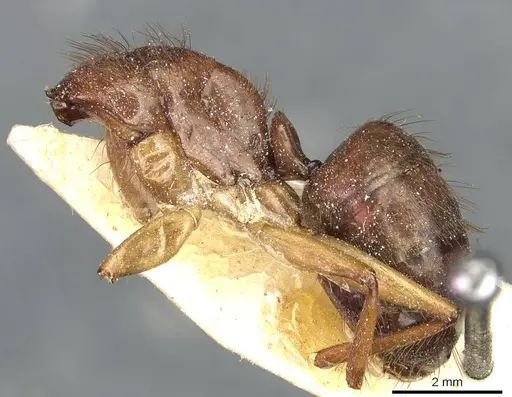
CASENT0911802
View on AntWeb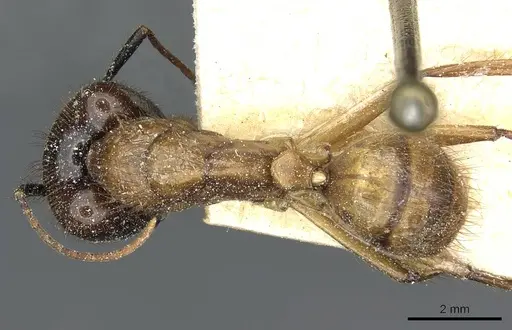
CASENT0911803
View on AntWeb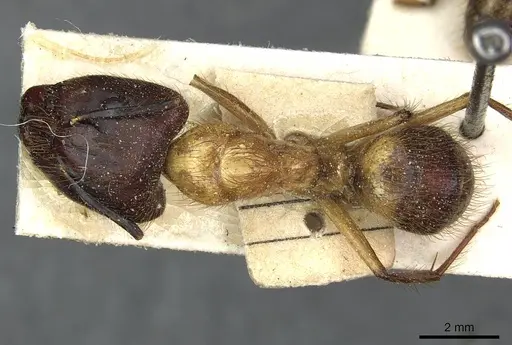
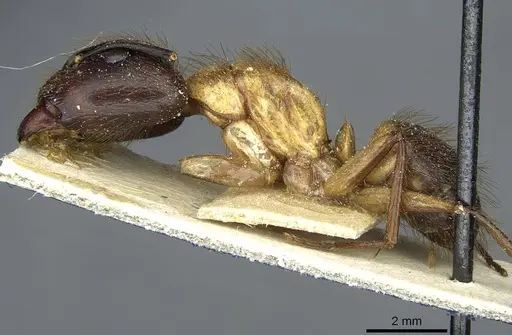
CASENT0911804
View on AntWeb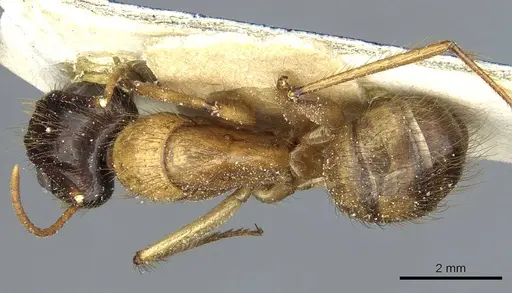
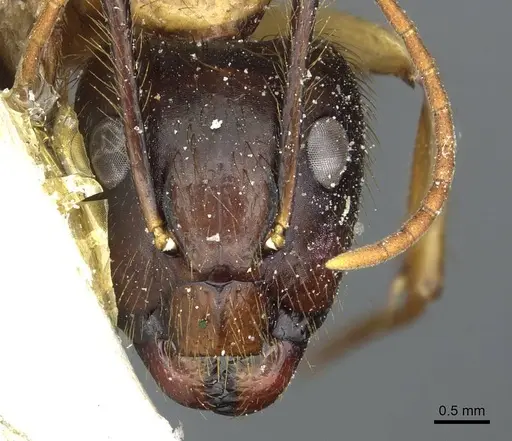
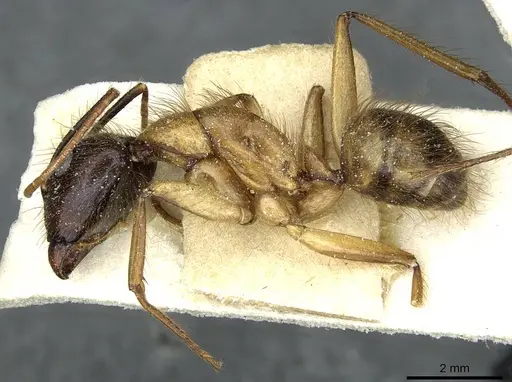
CASENT0911805
View on AntWeb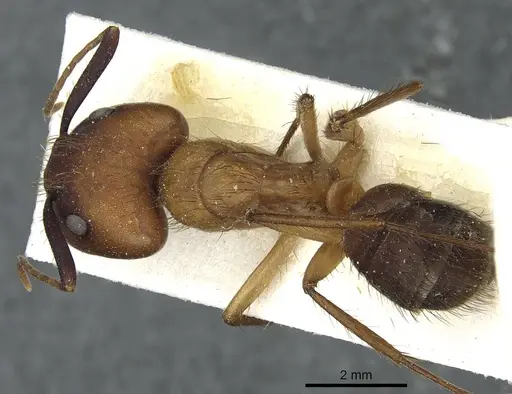
CASENT0923517
View on AntWeb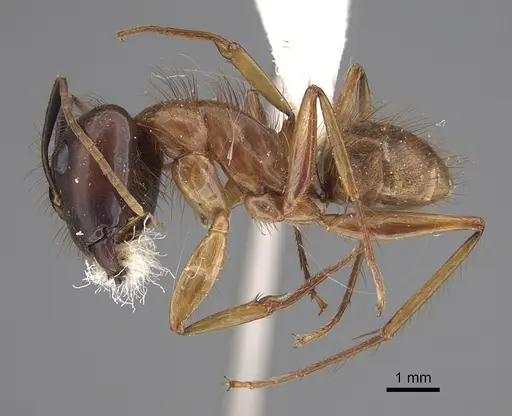
CASENT4032221
View on AntWeb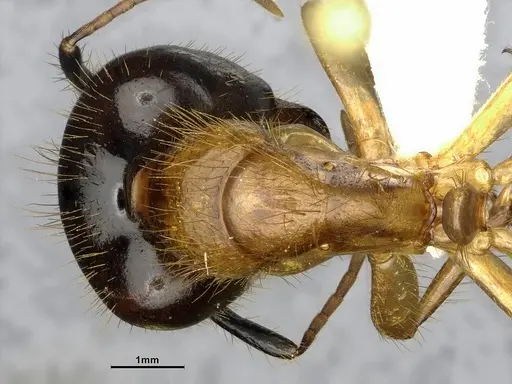
CBUMAGENT41787
View on AntWeb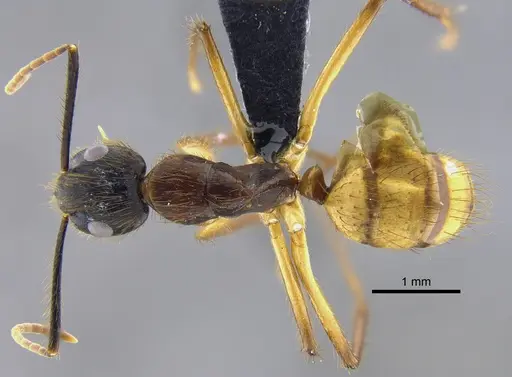
ECOFOG-IT14-0134-06
View on AntWeb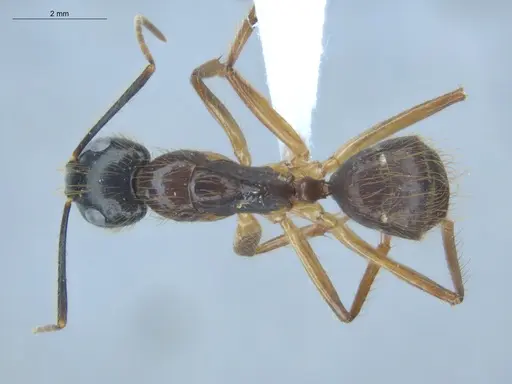
ECOFOG-IT14-0408-06
View on AntWeb
ECOFOG-KR18-0012-40-S
View on AntWeb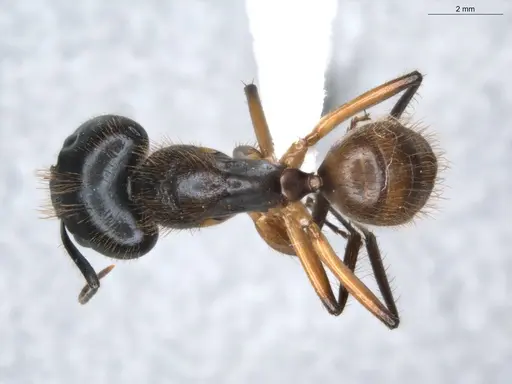
ECOFOG-KR18-0012-40
View on AntWeb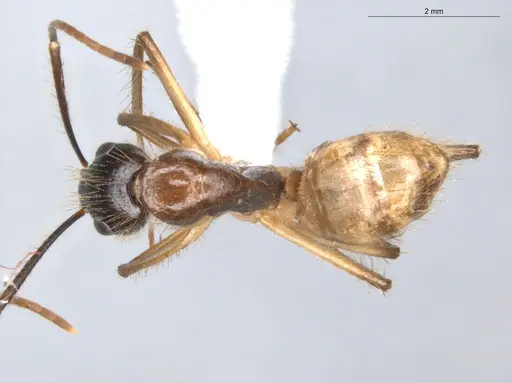
FMNHINS0000046082
View on AntWeb