

Azteca schimperi
- Scientific Name
- Azteca schimperi
- Tribe
- Leptomyrmecini
- Subfamily
- Dolichoderinae
- Author
- Emery, 1893
- Distribution
- Found in 11 countries
Azteca schimperi Overview
Azteca schimperi is an ant species of the genus Azteca. It is primarily documented in 11 countries , including Brazil, Belize, Colombia. Detailed taxonomic data and occurrence records can be further explored via authoritative databases such as AntWeb or the Global Biodiversity Information Facility (GBIF).
Azteca schimperi
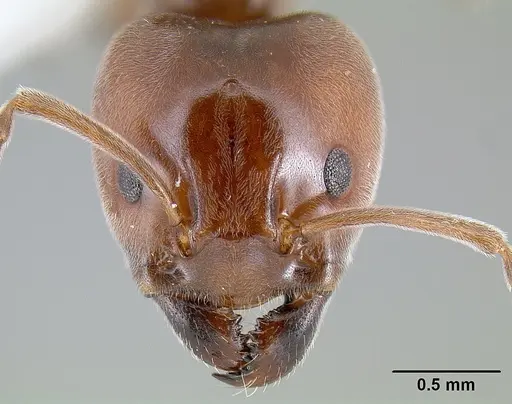
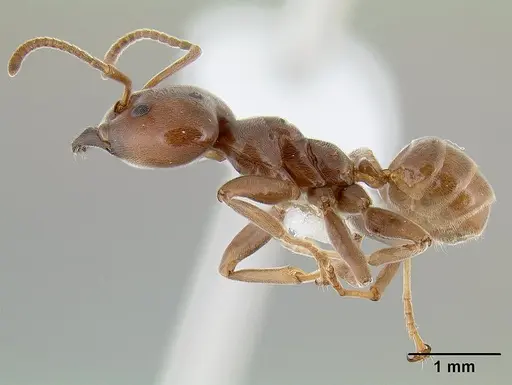
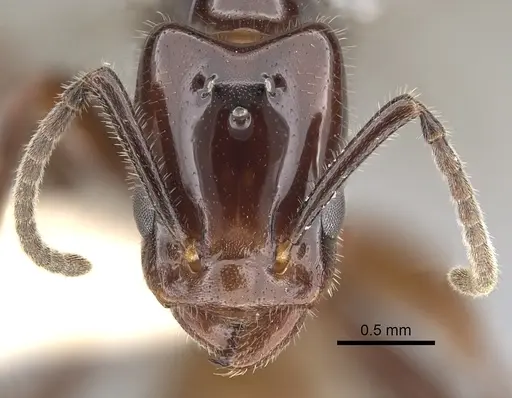
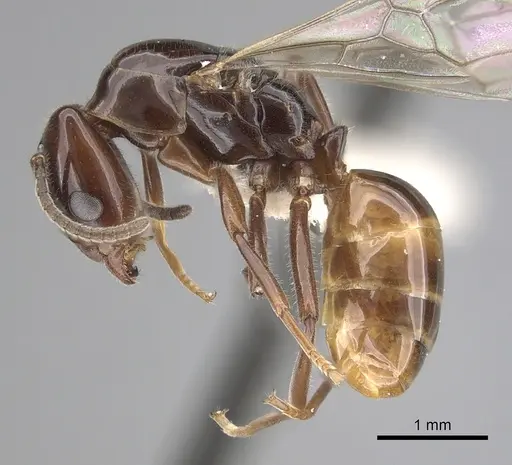
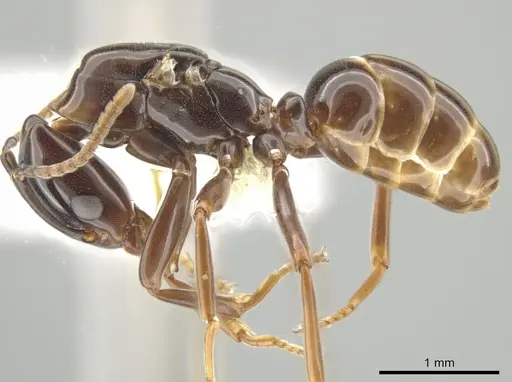
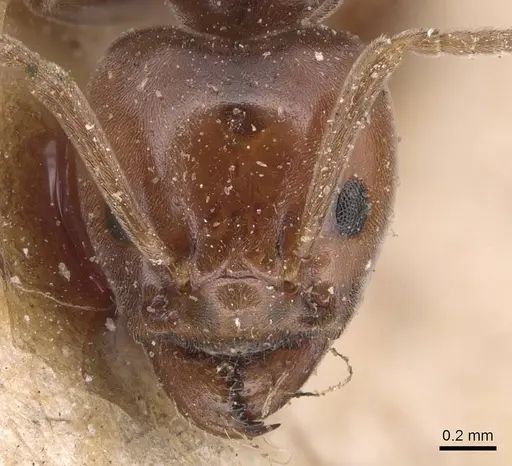
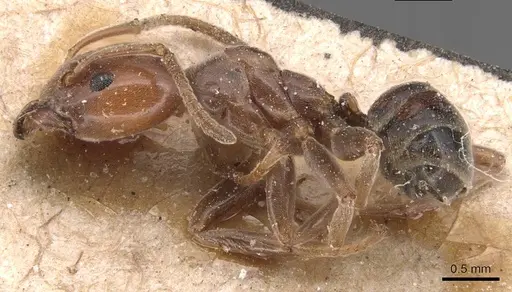
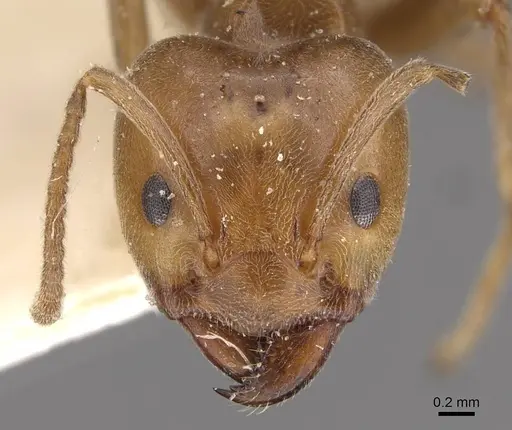
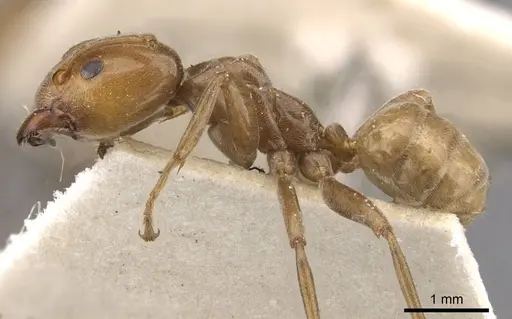
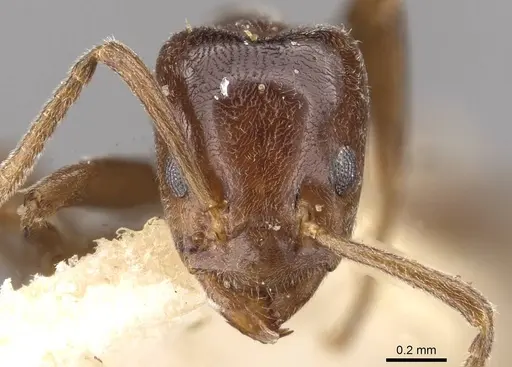
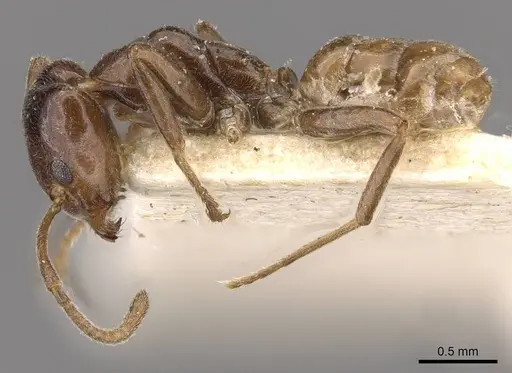
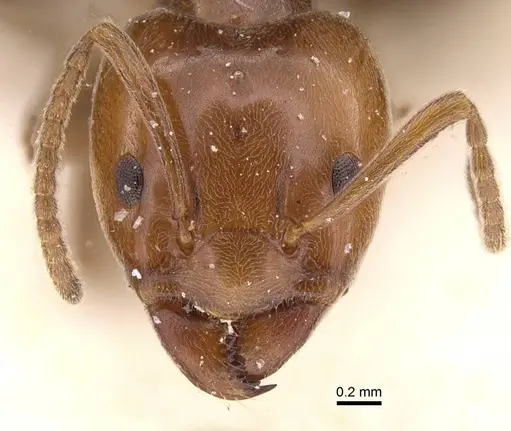
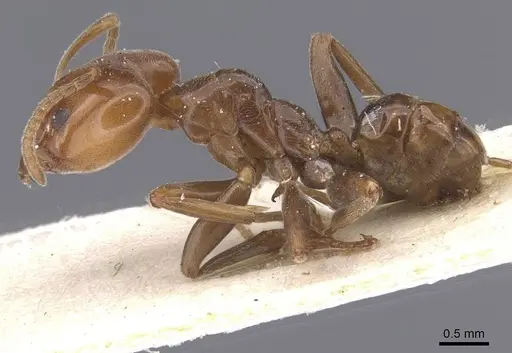
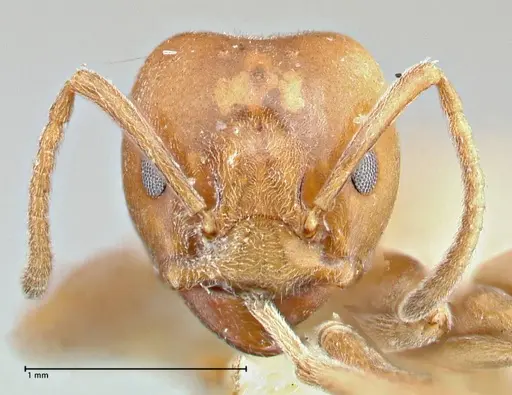
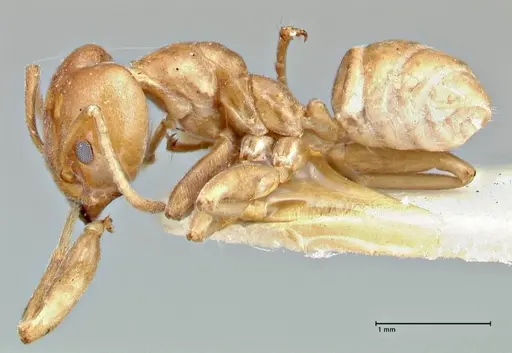
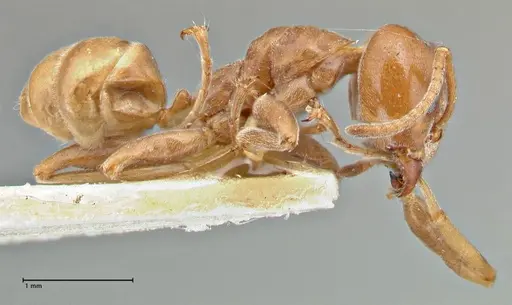
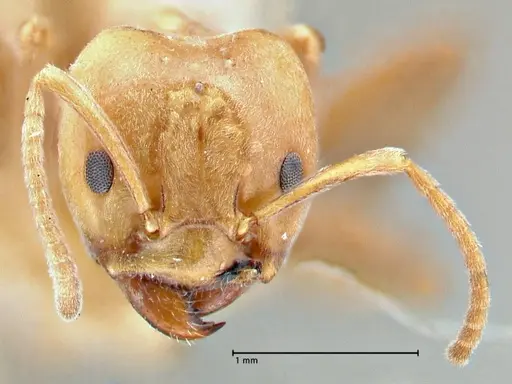
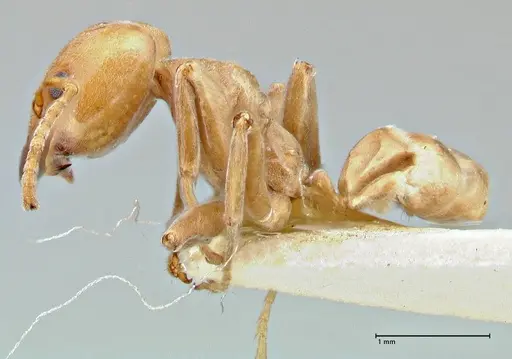
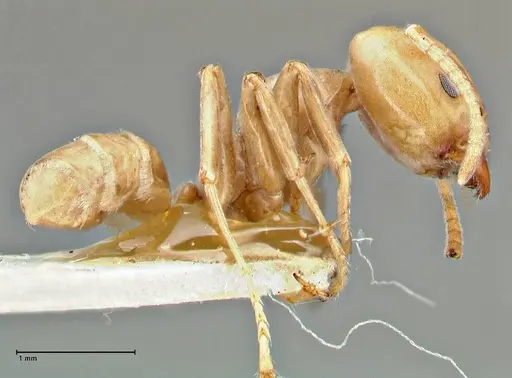
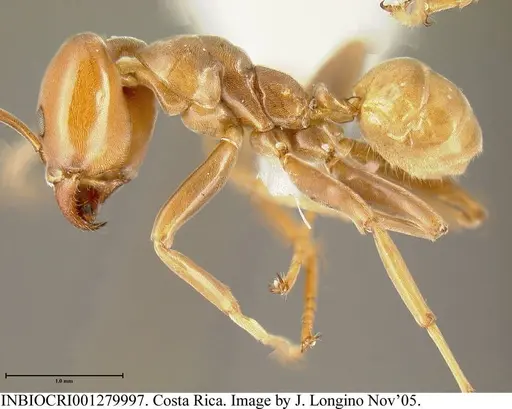
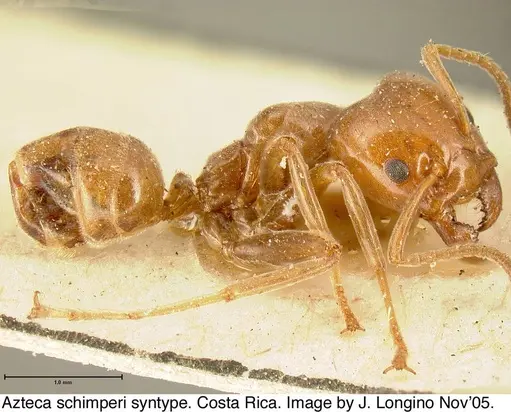
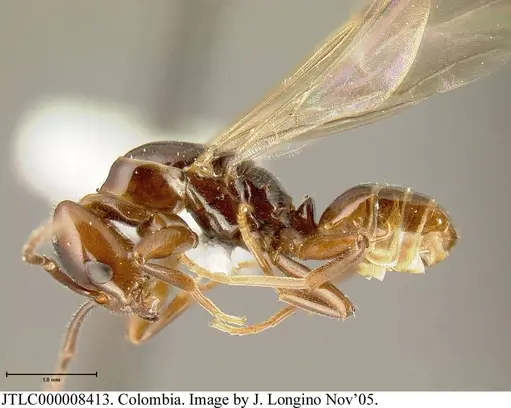
Azteca schimperi is a Neotropical arboreal ant belonging to the Dolichoderinae subfamily, part of the aurita species group. Workers are relatively small at 1.16-1.51mm head length, with a distinctive appearance featuring clear yellow-orange to reddish-brown coloring and a smooth, shiny face. Unlike most Azteca species, workers completely lack erect setae on their body, making them quite distinctive under magnification. Queens are larger at 1.40-1.47mm head length with a polished red-brown body and dense short erect hairs on the head and mesosoma. This species builds large external carton nests suspended from tree branches, typically in Cecropia trees across its massive range from Mexico to Argentina [1][2].
What makes A. schimperi unusual is its relationship with Cecropia trees appears less specialized than other Cecropia-dwelling ants. While it does nest in Cecropia trees, it forages more broadly on surrounding vegetation rather than staying exclusively on the host plant. Researchers suspect it may be a temporary social parasite that takes over existing Azteca colonies in Cecropia trees rather than founding its own colonies from scratch [1]. This lighter, more opportunistic use of Cecropia makes it a fascinating species for those interested in ant-plant symbioses.
Quick Summary
- Difficulty: Expert
- Origin & Habitat: Native to the Neotropics from Mexico to Argentina, spanning countries including Costa Rica, Panama, Brazil, Colombia, Guatemala, and Paraguay. Found in seasonally dry areas at the edges of roads in human-altered landscapes like pasture edges and coffee farms. Nests in Cecropia trees (C. peltata, C. obtusifolia, C. longipes) as well as mango trees, building large external carton nests on branches [1][2].
- Colony Type: Likely monogyne (single queen colonies). Documented colony structure shows single queens per nest. One documented case of intercaste workers (major workers with vestigial wings) suggesting potential for unusual caste flexibility [2].
- Colony: Monogyne
- Queen: Temporary parasitic
- Size & Growth:
- Queen: 1.40-1.47 mm head length [1]
- Worker: 1.16-1.51 mm head length [1]
- Colony: Unknown, likely large given they build conspicuous carton nests
- Growth: Unknown, likely moderate to fast for tropical arboreal ants
- Development: Unknown, no direct development data available. Based on typical Dolichoderinae patterns, estimate 6-10 weeks at tropical temperatures (Development timeline unconfirmed for this species. Tropical arboreal ants typically develop faster than temperate species)
- Antkeeping:
- Temperature: Keep warm at 24-28°C. As a tropical species from lowland Neotropics, they need consistently warm conditions similar to their Cecropia tree habitat [1].
- Humidity: Moderate to high humidity (60-80%). These are arboreal ants in humid tropical forests, but their carton nests are exposed so they tolerate some variation. Keep nest substrate lightly moist but allow drying between waterings.
- Diapause: No, being a tropical species, they do not require hibernation or winter rest. Maintain warm conditions year-round.
- Nesting: This is an arboreal species that builds external carton nests. In captivity, they will need a naturalistic setup with vertical space for nest construction, or a large outworld where they can build. Traditional test tube setups are NOT suitable, they need to construct carton material like they do in the wild. A large arboreal formicarium or custom vertical setup works best.
- Behavior: Workers are active foragers that travel beyond their host tree to search surrounding low vegetation for honeydew and small prey. They are not aggressive toward keepers but can bite if provoked. Their small size (under 2mm) means they could escape through standard barrier setups, fine mesh is essential. They have typical Dolichoderine defensive chemicals but lack a functional sting. Queens are claustral, they seal themselves in to found colonies [1].
- Common Issues: arboreal nesting requirements make captive setup challenging, they need vertical space to build carton nests, not standard horizontal nests, escape prevention is critical due to tiny worker size, standard barriers may not contain them, no established captive breeding protocols exist, this is an advanced species rarely kept, tropical temperature requirements year-round mean no winter cooling tolerance, limited availability, wild colonies are difficult to locate and capture due to their arboreal nature
Natural History and Distribution
Azteca schimperi has one of the widest distributions of any Azteca species, ranging from Mexico all the way down to Argentina. This makes it comparable to Azteca alfari for the title of most widespread Azteca species. The species is found throughout the Neotropical region including Costa Rica, Panama, Brazil, Colombia, Guatemala, Belize, Nicaragua, Paraguay, Peru, Suriname, and French Guiana [1][3].
In Costa Rica, researcher John Longino studied this species extensively and found nests always in Cecropia trees, specifically C. peltata, C. obtusifolia, and C. longipes. However, one documented nest from Brazil was found on a non-Cecropia tree, suggesting some flexibility in their nesting preferences. The nests are large, conspicuous carton structures built from chewed plant material and suspended from tree branches [1].
What makes A. schimperi different from typical Cecropia ants is their foraging behavior. While most Cecropia-dwelling ants never leave the host plant, A. schimperi workers actively forage on surrounding low vegetation and the base of the tree. On trees with stump sprouts, workers will swarm over the sprouts without entering the internodes, a behavior very different from obligate Cecropia ants [1].
Relationship with Cecropia Trees
A. schimperi has a complex relationship with Cecropia trees that differs from typical ant-plant mutualisms. Most Azteca species that live in Cecropia are obligate symbionts, they never leave the tree and depend entirely on the plant for shelter and sometimes food. A. schimperi takes a more relaxed approach, foraging widely beyond the host tree and not occupying the tree as intensively [1].
Researchers hypothesize that A. schimperi might be a temporary social parasite of other Cecropia-dwelling Azteca ants. Instead of founding their own colonies, mated queens might invade existing Azteca colonies in Cecropia trees, kill or replace the resident queen, and take over the colony. This would explain why they use Cecropia less intensively, they're exploiting an existing ant colony rather than establishing a new mutualistic relationship with the plant [1].
This lighter association means A. schimperi is more of a generalist than other Cecropia ants. They've also been documented nesting in cavities of broken or rotten mango tree branches, showing they can adapt to different nesting sites when Cecropia aren't available [2].
Unique Morphological Features
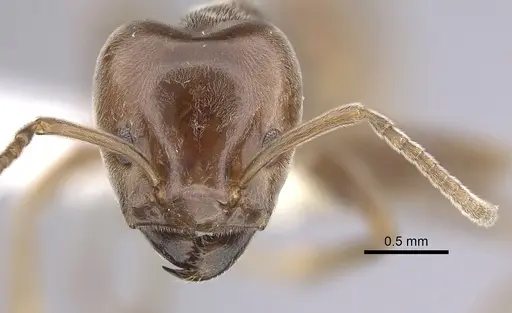
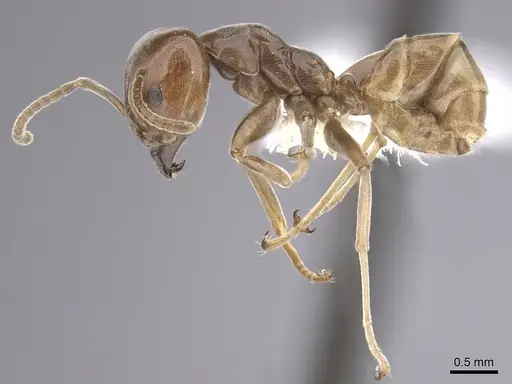
A. schimperi has several distinctive morphological features that set it apart from other Azteca species. Workers are completely lacking in erect setae, a rare trait in the genus. Their body is covered in appressed pubescence (flattened hairs) but has no standing hairs at all. This gives them a notably smoother appearance than related species like A. lanuginosa, which has abundant erect hairs [2][1].
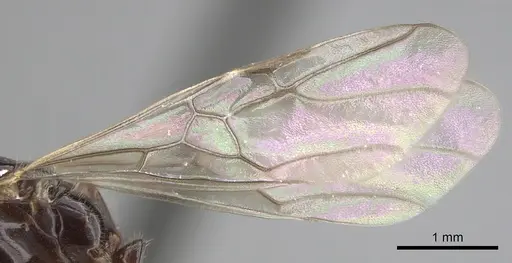
The species also shows an interesting case of intercaste polymorphism. Researchers documented a major worker with vestigial wings collected from Costa Rica, the first recorded case of intercaste syndrome in the entire genus Azteca. This worker had a larger head (1.56mm vs normal 1.16-1.51mm), a more developed median ocellus similar to queens, and wing rudiments on the mesosoma. Such morphological anomalies are typically caused by environmental factors like poor nutrition, chemical influences, genetic accidents, or parasites during development [2].
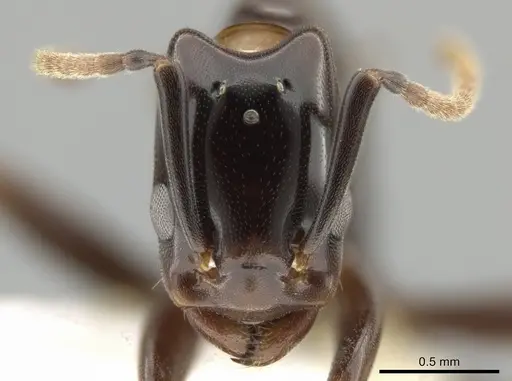
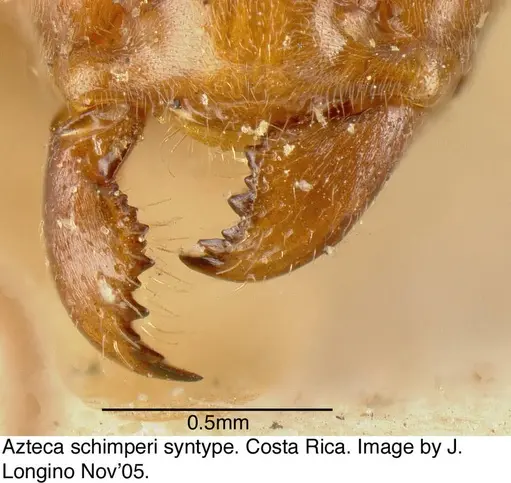
Workers can be identified by their concave mandible with an enlarged apical tooth (much larger than the penultimate tooth), a strongly cordate (heart-shaped) posterior head margin, and the lack of an apical spur on the middle and hind tibia [1].
Captive Care Challenges
Azteca schimperi is NOT a species for beginners. Their captive care is challenging for several reasons. First, they are strictly arboreal and build external carton nests, they will not accept typical test tube setups or horizontal formicariums. You would need to provide a large vertical space where they can construct their carton nest material, essentially mimicking a tree branch environment [1].
Second, they are tropical ants requiring warm, humid conditions year-round with no cooling period for hibernation. Maintaining stable temperatures in the mid-80s°F (24-28°C) consistently is essential.
Third, their tiny worker size (under 2mm) means escape prevention is extremely difficult. Standard barrier methods may not contain them, you'll need fine mesh barriers and carefully sealed enclosures.
Fourth, this species is rarely available in the antkeeping hobby. Wild colonies are difficult to locate due to their arboreal nesting in tree canopies. There are no established captive breeding protocols, making them an experimental species even for experienced antkeepers [1][2].
Frequently Asked Questions
Is Azteca schimperi a good beginner ant species?
No. Azteca schimperi is an expert-level species not suitable for beginners. They require arboreal nesting setups with vertical space for carton nest construction, tropical temperature maintenance year-round, and excellent escape prevention due to their tiny size. There are no established captive breeding protocols, making them difficult to maintain long-term.
Can I keep Azteca schimperi in a test tube setup?
No. Test tube setups are completely unsuitable for this species. Azteca schimperi is an arboreal ant that builds external carton nests suspended from branches. In captivity, they need a naturalistic vertical setup where they can construct carton material, similar to how they build nests in Cecropia trees in the wild.
What do Azteca schimperi ants eat?
Like other Azteca species, they likely feed on honeydew from sap-sucking insects and small arthropods. In captivity, you should offer sugar water or honey as a carbohydrate source, and small live prey like fruit flies or pinhead crickets for protein. They are generalist foragers that search for food on surrounding vegetation.
Do Azteca schimperi ants need hibernation?
No. As a tropical species from the Neotropics, they do not require hibernation or any cooling period. Keep them warm year-round at 24-28°C (75-82°F). Unlike temperate ant species, they cannot tolerate cold temperatures and may die if exposed to cool conditions.
How big do Azteca schimperi colonies get?
The exact colony size is unknown, but given they build large conspicuous carton nests, colonies likely reach hundreds to thousands of workers. Their range spans from Mexico to Argentina, and they are one of the most widespread Azteca species.
Can I keep multiple Azteca schimperi queens together?
This has not been documented. Based on typical Azteca colony structure, they likely form single-queen colonies. Combining unrelated queens is not recommended as there is no established protocol for this species, and they may fight.
How long does it take for Azteca schimperi to produce first workers?
The exact development timeline is unknown. As a tropical Dolichoderine ant, development is likely faster than temperate species. Based on genus patterns, estimate 6-10 weeks from egg to first worker at optimal tropical temperatures (around 26°C), but this is not directly documented for this species.
Why is Azteca schimperi considered unusual among Cecropia ants?
Most Cecropia-dwelling ants are obligate symbionts that never leave the host plant. A. schimperi is different, workers forage widely on surrounding low vegetation rather than staying exclusively on the Cecropia. They also don't occupy tree sprouts as intensively. Researchers believe they may be temporary social parasites that take over existing Azteca colonies rather than founding new ones, making them a specialist on Cecropia ants rather than Cecropia trees themselves.
References

This caresheet is licensed under CC BY-SA 4.0 .
CASENT0106172
View on AntWeb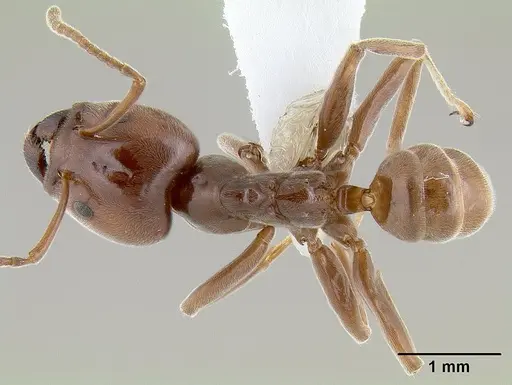
CASENT0249532
View on AntWeb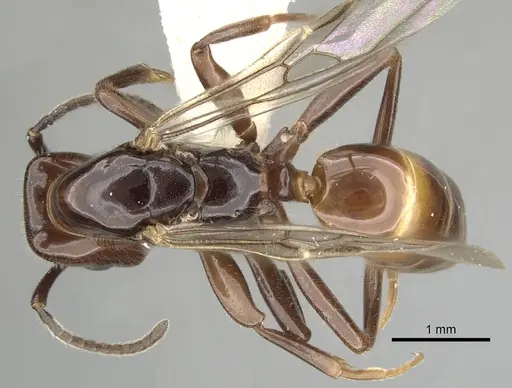
CASENT0249549
View on AntWeb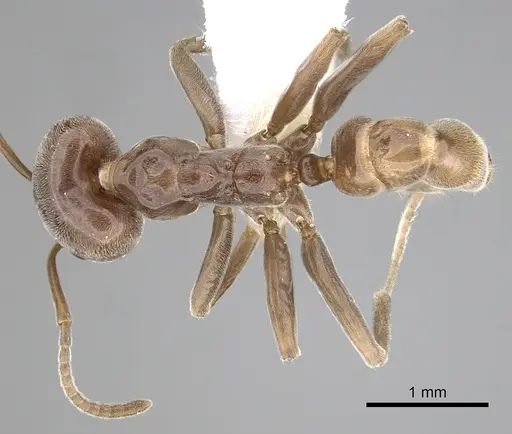
CASENT0646887
View on AntWeb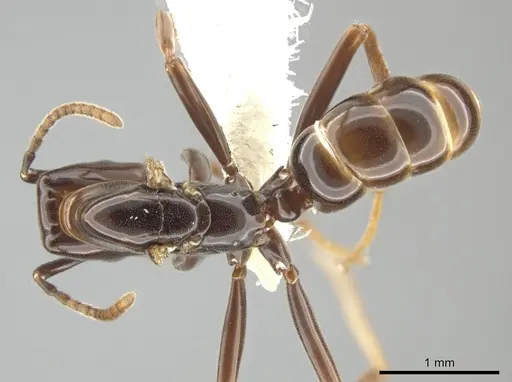
CASENT0905093
View on AntWeb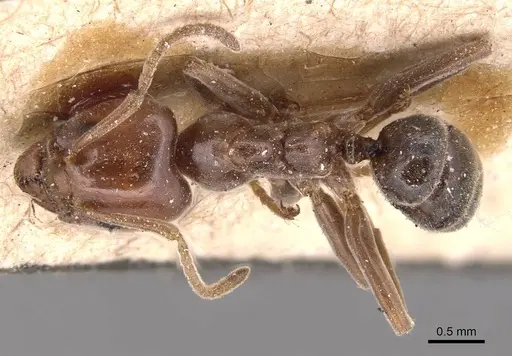
CASENT0909626
View on AntWeb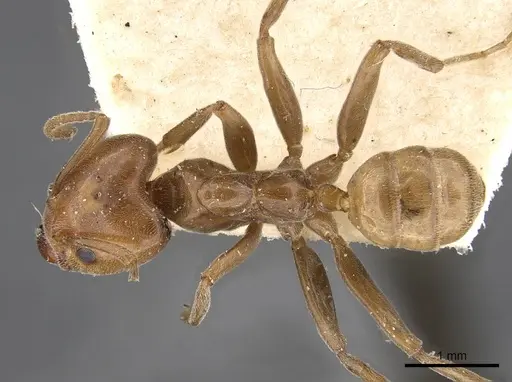
CASENT0909627
View on AntWeb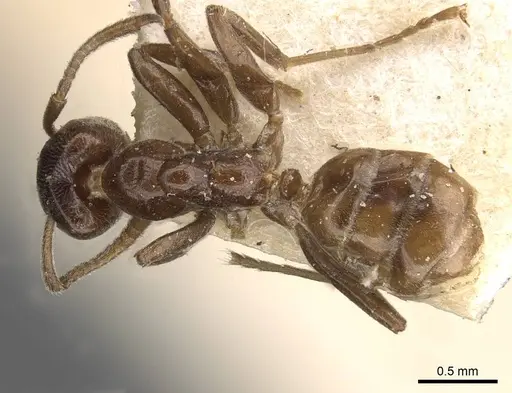
CASENT0911462
View on AntWeb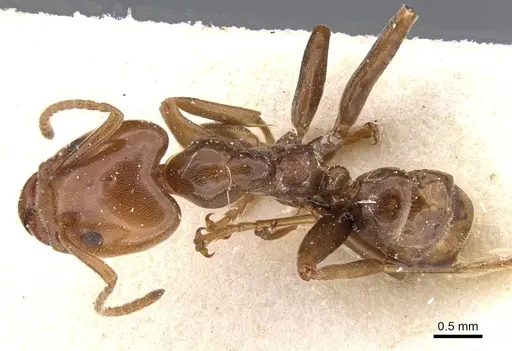
FOCOL2847
View on AntWeb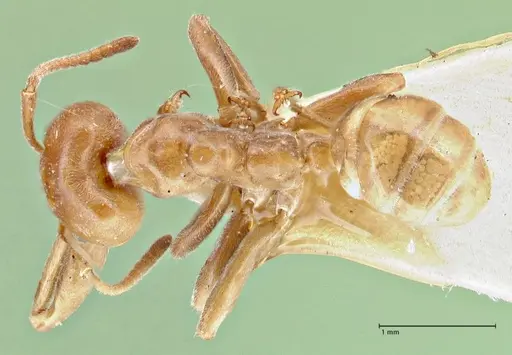
FOCOL2848
View on AntWeb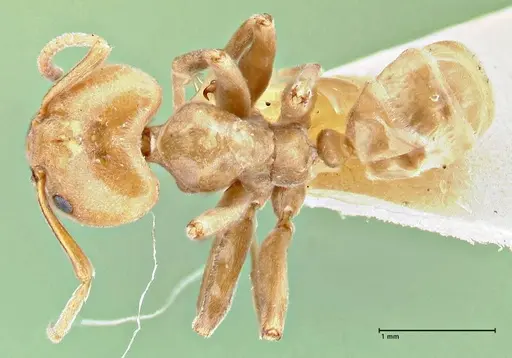
INBIOCRI001279997
View on AntWeb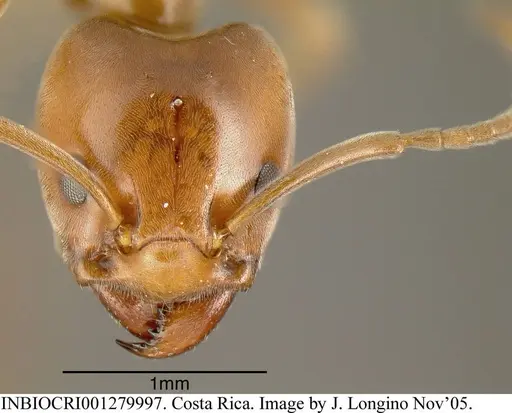
INBIOCRI001279998
View on AntWeb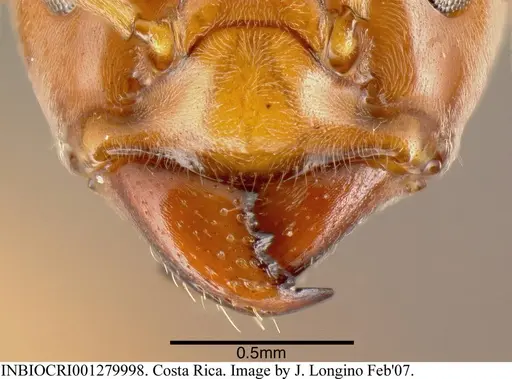
JTL073594
View on AntWeb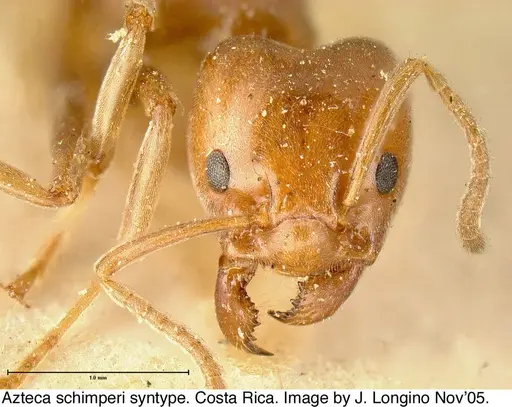
JTLC000008413
View on AntWeb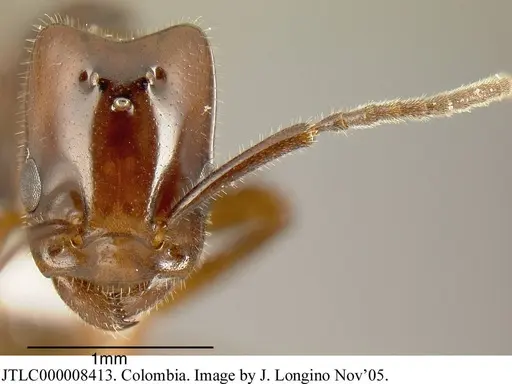
JTLC000009407
View on AntWeb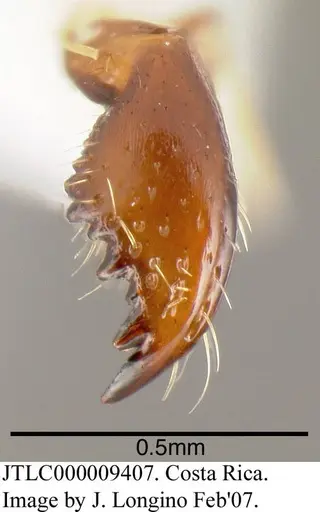
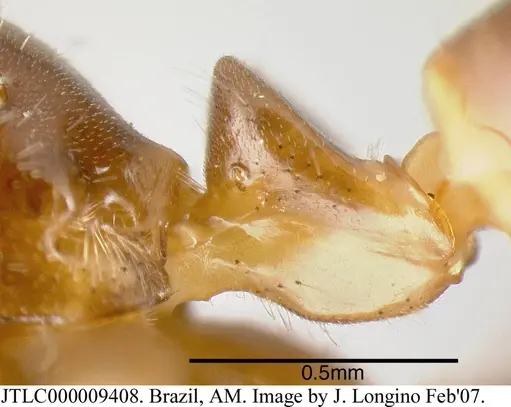
JTLC000009408
View on AntWeb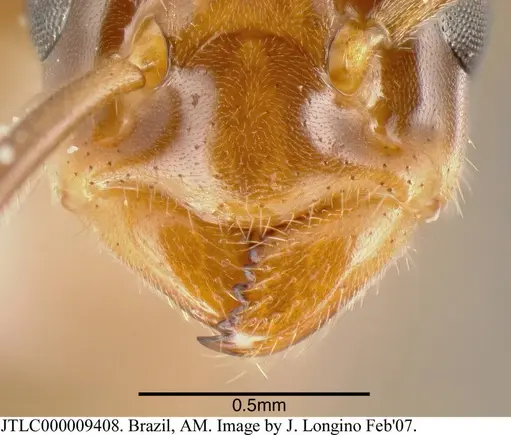
Literature
Loading...Loading products...