

Azteca ovaticeps
- Scientific Name
- Azteca ovaticeps
- Tribe
- Leptomyrmecini
- Subfamily
- Dolichoderinae
- Author
- Forel, 1904
- Distribution
- Found in 7 countries
Azteca ovaticeps Overview
Azteca ovaticeps is an ant species of the genus Azteca. It is primarily documented in 7 countries , including Bolivia, Plurinational State of, Brazil. Detailed taxonomic data and occurrence records can be further explored via authoritative databases such as AntWeb or the Global Biodiversity Information Facility (GBIF).
Azteca ovaticeps
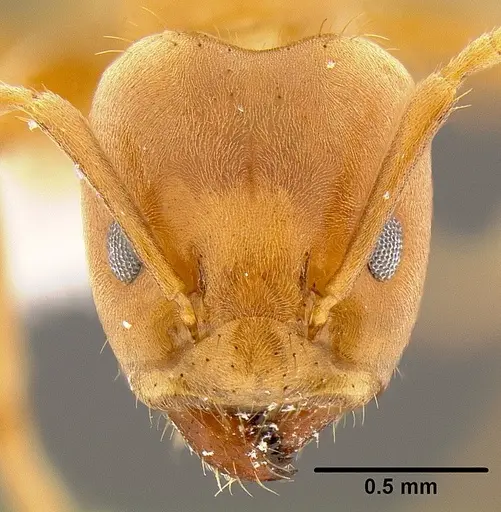
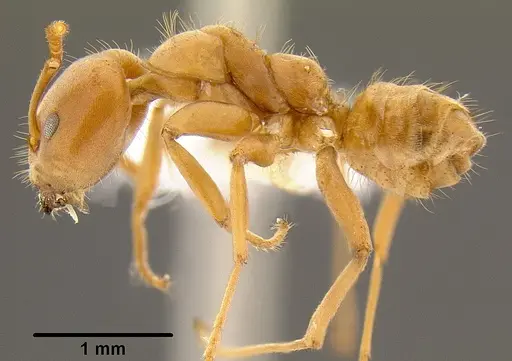
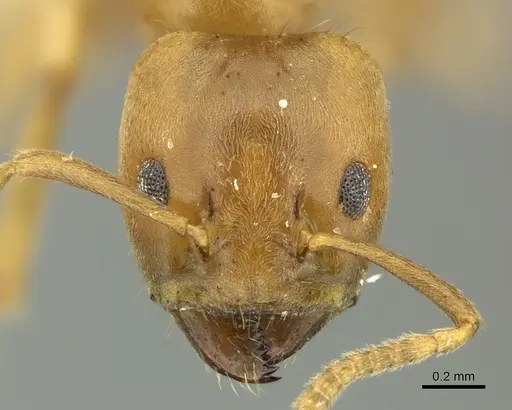
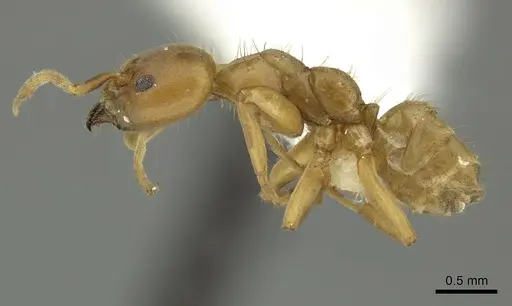
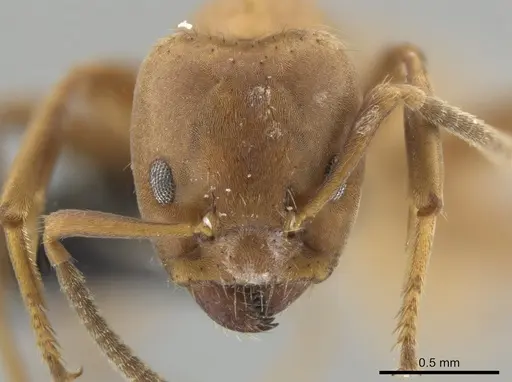
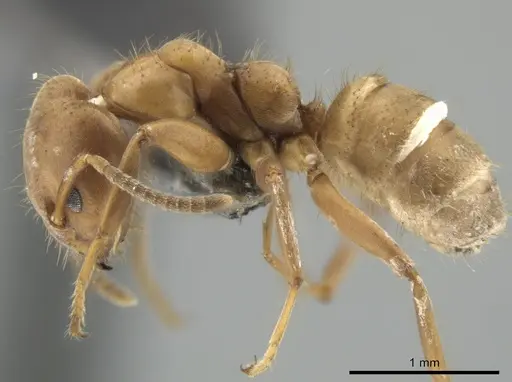
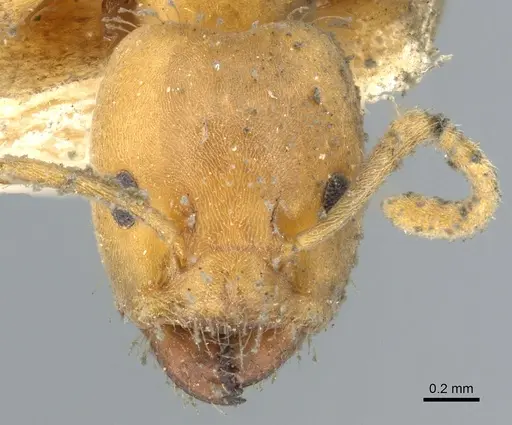
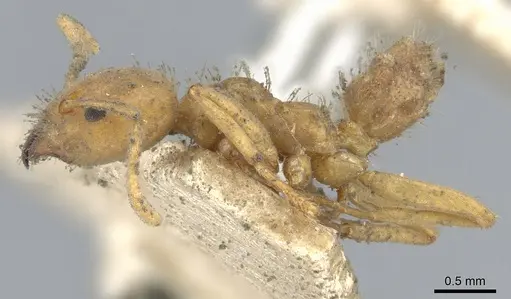
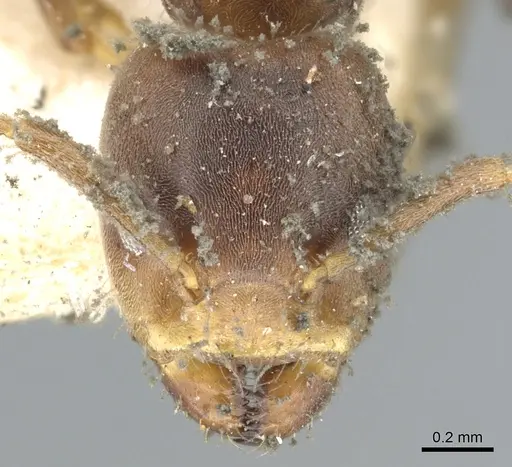
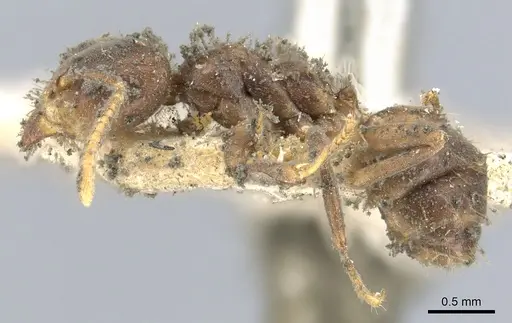
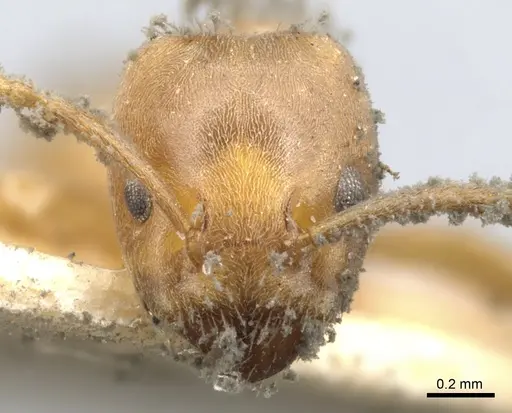
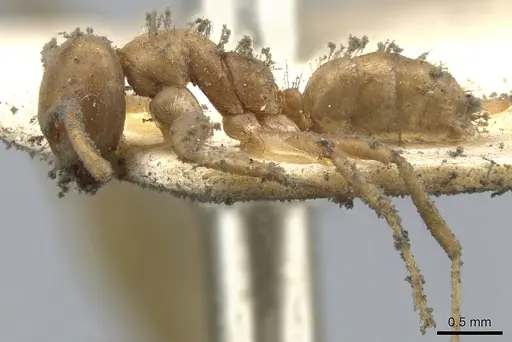
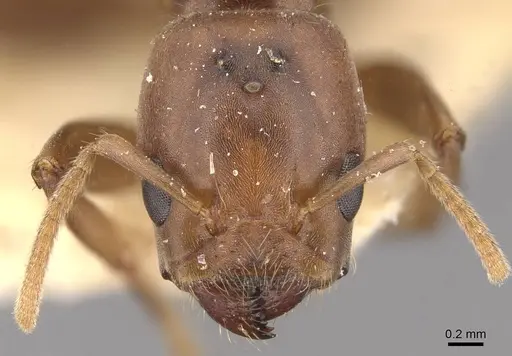
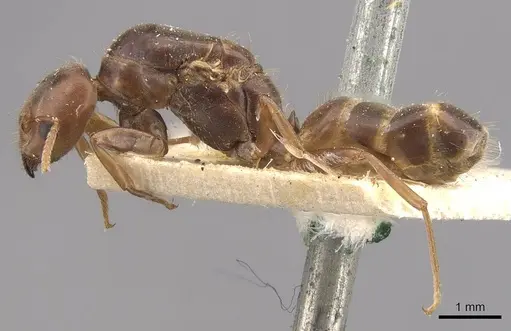
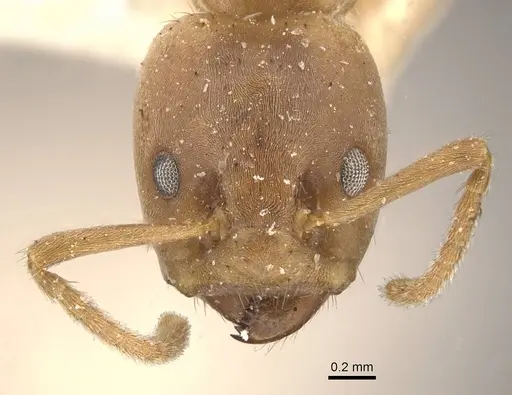
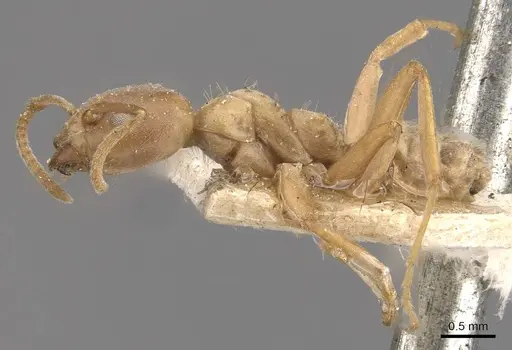
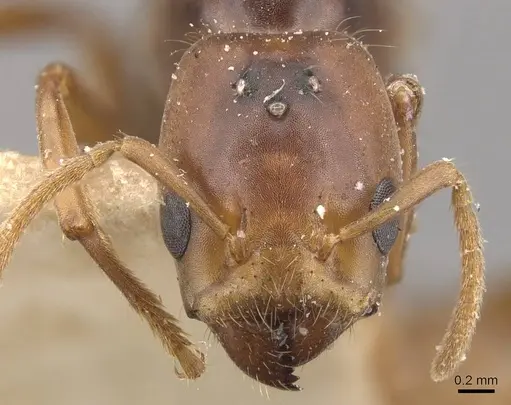
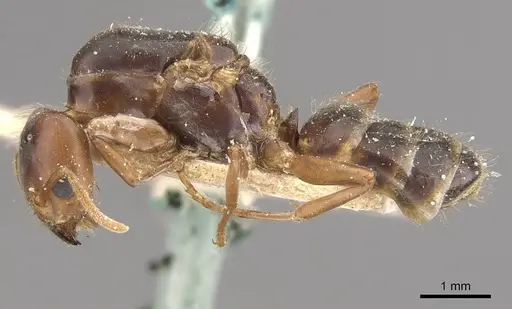
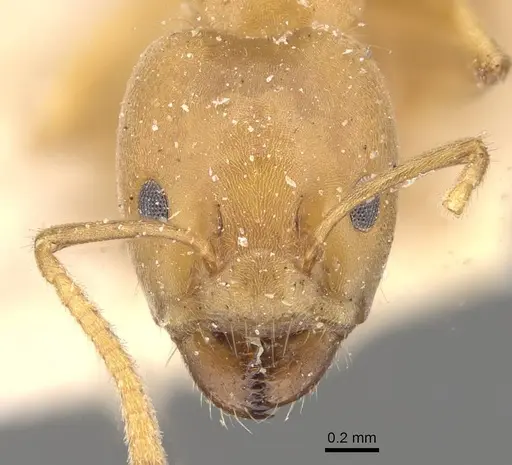
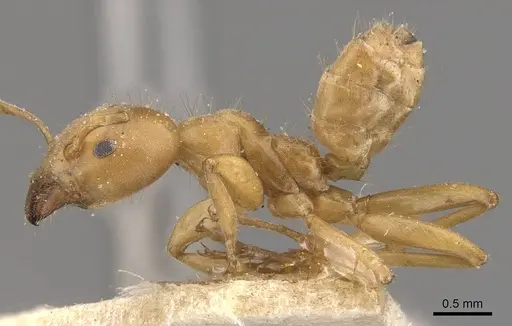
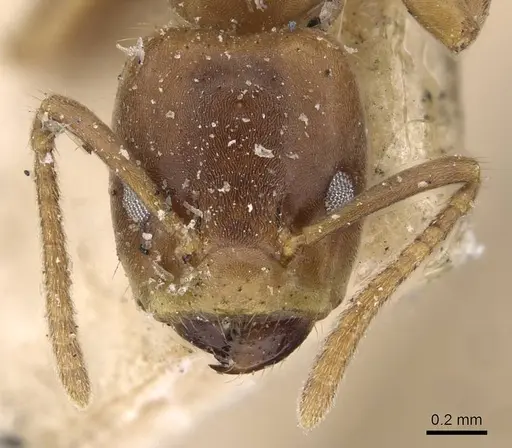
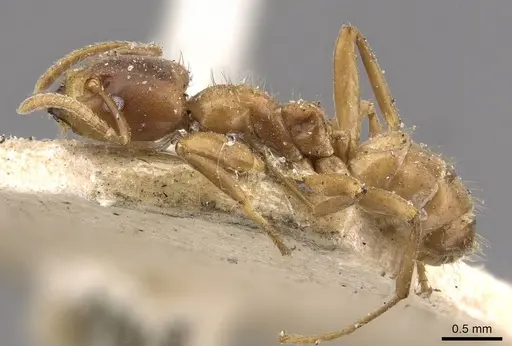
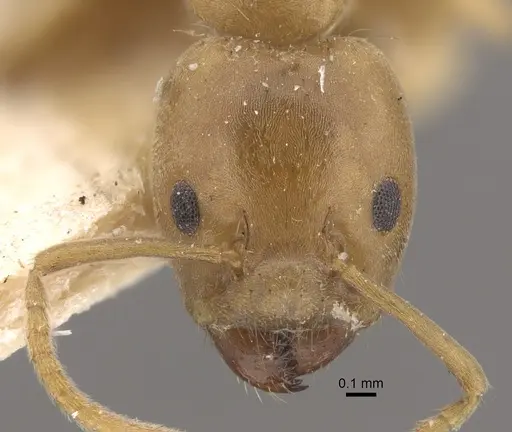
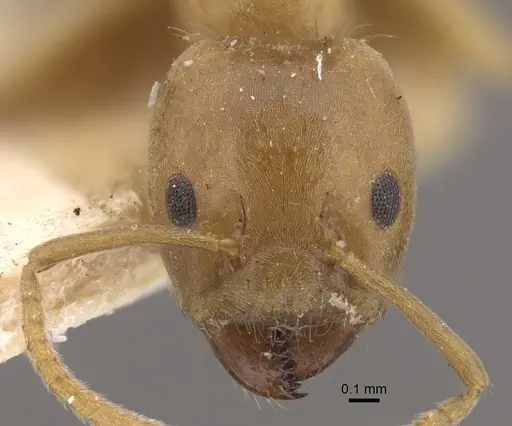
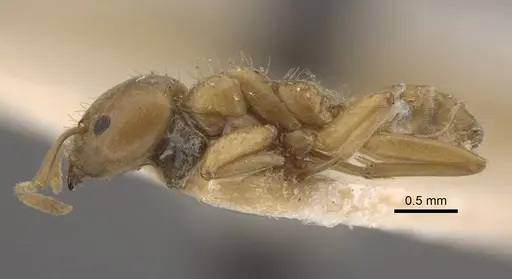
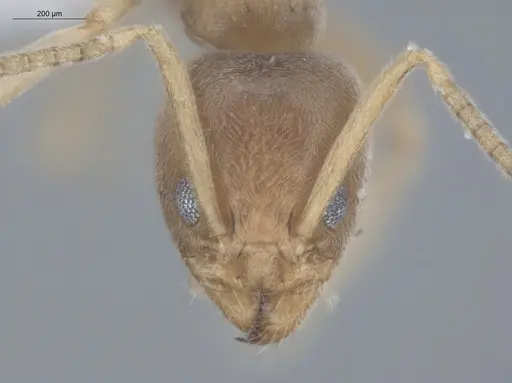
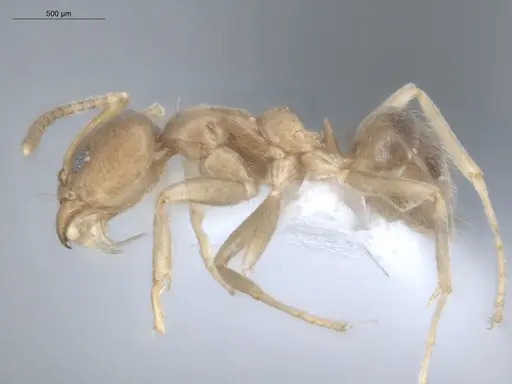
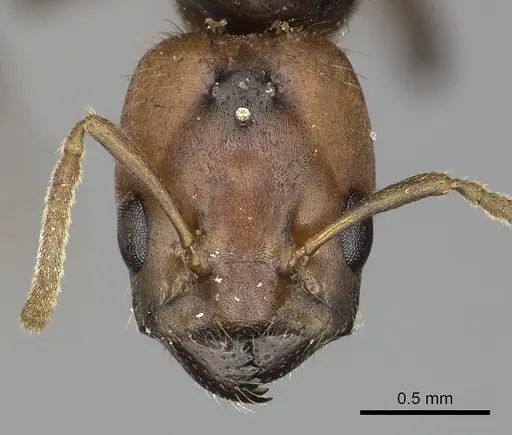
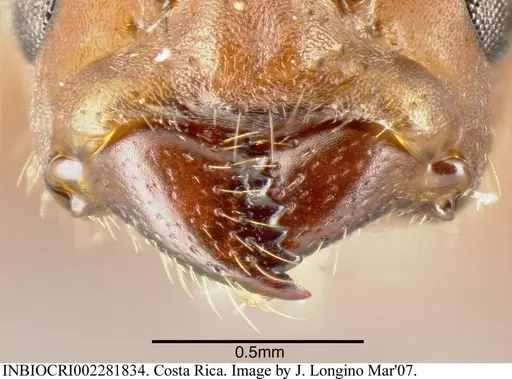
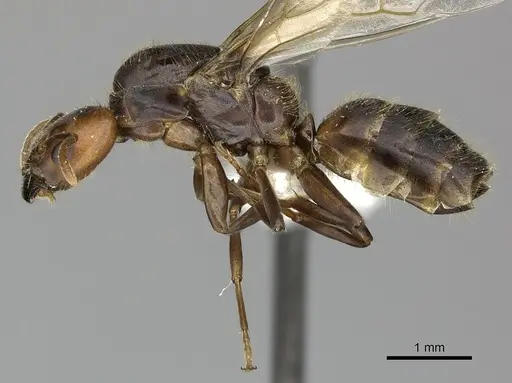
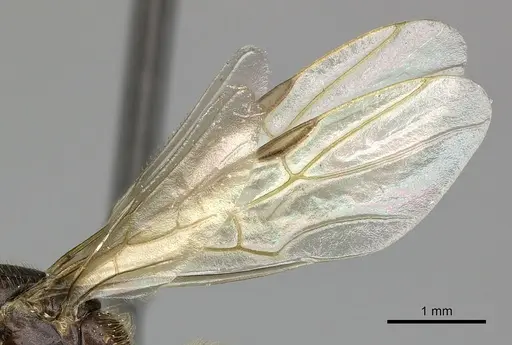
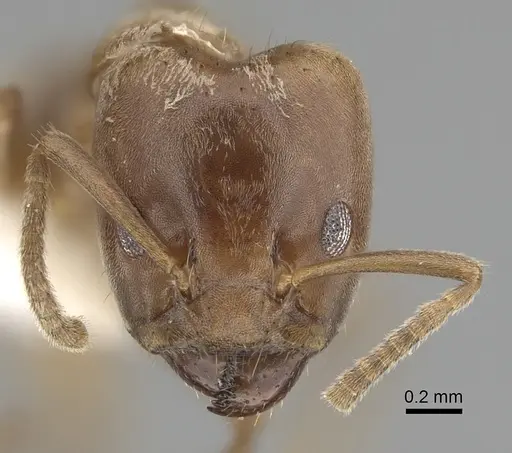
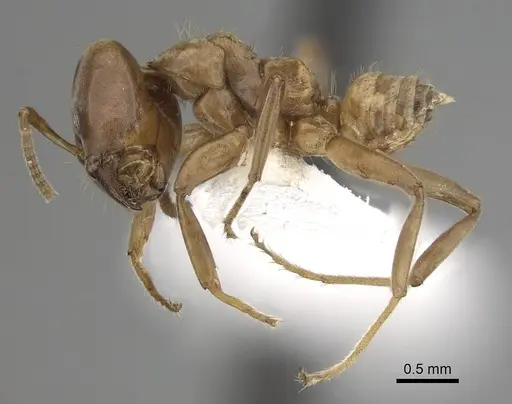
Azteca ovaticeps is a small arboreal ant belonging to the Dolichoderinae subfamily. Workers measure 0.93-1.31mm in head length and have a distinctive 'scruffy' appearance due to numerous erect setae on the mesonotum (typically over 20), unlike the cleaner-looking related species A. alfari. Queens are light reddish-brown (compared to the typically black A. alfari) and measure 1.52-1.65mm in head length. This species is an obligate Cecropia ant, it lives exclusively inside the hollow stems and branches of Cecropia trees, making it a true myrmecophyte specialist. The geographic range spans from Costa Rica through the Amazon region to Bolivia [1].
What makes A. ovaticeps particularly interesting is its ecological relationship with Cecropia trees. The ants receive food bodies (Müllerian bodies) and protection from defoliators, while the tree gets aggressive defenders. This species tends to inhabit mature forest areas and older second-growth forest, while its close relative A. alfari dominates in disturbed areas. A. ovaticeps can form polydomous nests, colonies spread across multiple internodes of the Cecropia tree. Interestingly, they sometimes form mixed colonies with another Cecropia ant, A. andreae, though A. ovaticeps workers eventually disappear as the A. andreae colony grows larger [2][3].
Quick Summary
- Difficulty: Expert
- Origin & Habitat: Neotropical rainforests from Costa Rica to Amazonian Brazil and Bolivia. Found in mature forest areas, older second-growth forest, and river banks in mature forest. Obligate inhabitant of Cecropia trees [1].
- Colony Type: Polydomous colonies living in multiple connected chambers within Cecropia tree stems. Colonies spread across multiple internodes of the host plant.
- Colony: Monogyne
- Size & Growth:
- Queen: 1.52-1.65 mm head length [1]
- Worker: 0.93-1.31 mm head length [1]
- Colony: Colonies can be large, with workers restricted to branch tips. Mixed colonies with A. andreae can reach around 6,000 workers before A. ovaticeps is displaced [2].
- Growth: Rapid, demonstrates rapid colony development with early and high reproductive allocation [4].
- Development: Unknown, specific development timeline has not been documented in scientific literature. (Colony development is described as rapid, with queens investing heavily in reproductives early. This is thought to be a pre-adaptation for colonizing new Cecropia hosts quickly [4].)
- Antkeeping:
- Temperature: Tropical species requiring warm, stable temperatures. Based on its natural range in lowland Neotropical rainforests, aim for 24-28°C. Avoid temperatures below 20°C.
- Humidity: High humidity required, typical of tropical rainforest environments where Cecropia trees grow. Keep the setup humid but with some ventilation to prevent mold.
- Diapause: No, as a tropical species, A. ovaticeps does not undergo diapause or hibernation. Maintain warm conditions year-round.
- Nesting: This is the critical challenge, A. ovaticeps is an obligate Cecropia ant. They cannot be kept in standard formicaria. They require living Cecropia plant stems or artificial chambers that mimic the hollow stem structure of Cecropia. The nest must be connected to an outworld where workers can access food. This makes them one of the most difficult ants to keep in captivity.
- Behavior: Aggressive defenders of their host tree. Workers show aggressive response to disturbance and will readily attack threats [4]. They are effective at repelling army ant raids, Eciton burchellii avoids Cecropia trees occupied by A. ovaticeps [5][6]. Workers are primarily foragers for food bodies (Müllerian bodies) and honeydew from hemipterans, with only occasional predation on insects [3]. Escape risk is moderate, they are arboreal ants but relatively small, so standard barrier methods work if they escape the host plant.
- Common Issues: obligate Cecropia requirement makes captive husbandry extremely difficult, cannot be kept in standard formicaria, queen mortality from parasitoids can reach 21% in the first six weeks after colonization [4], mixed colonies with A. andreae result in eventual displacement, A. ovaticeps workers disappear once A. andreae reaches ~6,000 workers [2], does not accept standard ant baits like tuna or cheese, requires Müllerian bodies or honeydew [4], requires live Cecropia plant or complex artificial setup to thrive long-term
The Cecropia Partnership
Azteca ovaticeps is an obligate Cecropia ant, it cannot survive without its host plant. This is a classic example of mutualism in the ant world. Cecropia trees provide hollow stems (domatia) for the ants to nest in, along with specialized food bodies called Müllerian bodies. In return, A. ovaticeps provides fierce protection against herbivores, defoliators, and even army ants [2][3].
The ants recognize Müllerian bodies as food right away and colonize Cecropia trees at pre-formed openings called prostomata [4]. They also tend to hemipteran (aphid-scale) insects that live in the Cecropia domatia, harvesting their honeydew. This makes them primarily omnivorous with a strong preference for sugar sources rather than hunting prey.
In the wild, A. ovaticeps is found in Cecropia obtusa and Cecropia palmata in French Guiana, and various Cecropia species throughout its range. Studies in Brazil found A. ovaticeps in 25% of Cecropia trees examined, making them a common but specialized occupant [7].
Why This Ant is Difficult to Keep
We need to be upfront: A. ovaticeps is one of the most challenging ants to keep in captivity. Unlike most ant species that can be housed in test tubes, acrylic nests, or formicaria, A. ovaticeps requires living Cecropia plant tissue or a complex artificial setup that mimics hollow plant stems.
This is because they are obligate Cecropia specialists. Their entire biology is tied to the host plant, they cannot survive in dead wood, soil, or artificial chambers the way other arboreal ants might. They need the specific structure of Cecropia internodes, and critically, they need access to Müllerian bodies or similar food sources [4].
Additionally, these ants reject standard ant baits. Studies show they refuse tuna and cheese, their diet consists almost entirely of Müllerian bodies and honeydew from hemipterans they tend [4]. This makes providing adequate nutrition extremely difficult in captivity.
For these reasons, A. ovaticeps is really only suitable for advanced antkeepers with the resources to maintain live Cecropia plants or create elaborate artificial setups. Even then, success is uncertain.
Behavior and Defense
A. ovaticeps workers are aggressive defenders of their host tree. When disturbed, they mount a vigorous defense, this is one of the reasons Cecropia trees benefit so much from the partnership. The ants will swarm out and attack anything that threatens the tree [4].
Their defensive abilities are so effective that army ants (Eciton burchellii) actively avoid Cecropia trees occupied by A. ovaticeps. Studies show that in encounters between army ant raids and occupied Cecropia trees, the raids passed around the base of the tree without attempting to climb up, likely repelled by substances deposited by the ants [5][6].
Workers are primarily foragers, gathering Müllerian bodies and tending hemipterans for honeydew. They are only occasional predators, unlike some more aggressive ant species [3]. This reflects their specialized, plant-based diet.
One interesting behavioral note: in some areas, A. ovaticeps forms mixed colonies with another Cecropia ant, A. andreae. These start as small A. andreae nests containing A. ovaticeps workers but no A. ovaticeps queen. Eventually, as the A. andreae colony grows to around 6,000 workers, all A. ovaticeps workers disappear [2][3].
Natural History and Distribution
A. ovaticeps ranges from Costa Rica south through the Amazon basin to Bolivia [1]. Within this range, they show a preference for certain habitats: they are more abundant in mature forest areas, older second-growth forest, and river banks in mature forest. Their close relative A. alfari dominates in open, highly disturbed habitats like roadsides and agricultural areas [1].
The species is part of the alfari species complex and is closely related to A. alfari, so closely that they are often locally sympatric (found in the same areas) and can be difficult to distinguish. The main visual difference is that A. ovaticeps workers have more setae (hair-like structures) on the mesonotum, giving them a scruffy appearance, while A. alfari has a cleaner look with fewer setae [1].
In the Pantanal region of Brazil, A. ovaticeps was found to be the most frequent Cecropia-inhabiting ant in floodable habitats (77.7% of records in gallery forest), showing they can handle varying water conditions [8].
Potential Keepers - What You Would Need
If you are determined to attempt keeping A. ovaticeps, here is what you would need to provide:
First and foremost, you need access to a living Cecropia plant (or at least fresh Cecropia stems that can be maintained alive). The ants need the hollow interior of Cecropia internodes to nest in. The stems must have pre-formed openings (prostomata) for the colony to enter.
Temperature should be warm: 24-28°C, typical of tropical lowland rainforests. Humidity should be high, think rainforest conditions.
For food, you cannot rely on standard ant feeds. You would need to provide either actual Müllerian bodies (if you have a producing Cecropia) or substitute with honeydew/sugar water and small insects. The ants also tend hemipterans, so you might try providing scale insects or aphids on the Cecropia [4][3].
Given these requirements, this species is really only appropriate for advanced antkeepers with specialized setups. Most antkeepers should look for easier species to start with.
Frequently Asked Questions
Can I keep Azteca ovaticeps in a test tube or formicarium?
No. Azteca ovaticeps is an obligate Cecropia ant, it cannot survive in standard ant keeping setups. They require living Cecropia plant stems or artificial chambers that mimic hollow Cecropia internodes. This makes them one of the most difficult ants to keep in captivity.
What do Azteca ovaticeps eat?
They primarily eat Müllerian bodies (specialized food bodies produced by Cecropia trees) and honeydew from hemipteran insects they tend. They are not active predators and will reject standard ant baits like tuna and cheese. In captivity, you would need to provide sugar sources and small insects.
Are Azteca ovaticeps good for beginners?
No. This species is expert-level only due to its obligate requirement for Cecropia host plants. They cannot be kept in standard formicaria, require specific food sources (Müllerian bodies or honeydew), and need tropical conditions. Most antkeepers should start with easier species.
How big do Azteca ovaticeps colonies get?
Colonies can be large, spreading across multiple internodes of the Cecropia host tree (polydomous). One study documented mixed colonies with A. andreae reaching around 6,000 workers before A. ovaticeps workers were displaced [2].
Do Azteca ovaticeps need hibernation?
No. As a tropical species from Neotropical rainforests, they do not undergo diapause or hibernation. Keep them warm year-round at 24-28°C.
Where is Azteca ovaticeps found?
From Costa Rica south through the Amazon region to Bolivia. They prefer mature forest areas, older second-growth forest, and river banks in mature forest, unlike their relative A. alfari which dominates disturbed areas [1].
How long does it take for Azteca ovaticeps to develop from egg to worker?
The specific development timeline has not been documented in scientific literature. What is known is that they demonstrate rapid colony development with early and high reproductive allocation, which is thought to be a pre-adaptation for quickly colonizing new Cecropia hosts [4].
Can I keep multiple Azteca ovaticeps queens together?
This has not been studied. In the wild, colonies are polydomous (spread across multiple tree internodes) but it is unclear if they are polygynous (multiple egg-laying queens). Given the complexity of their natural setup, combining queens is not recommended without specific evidence.
Why are my Azteca ovaticeps dying?
Without a proper Cecropia host plant setup, they will not survive. Also, queen mortality from parasitoids (Conoaxima sp.) can reach 21% in the first six weeks after colonization in the wild [4]. If your colony is declining, the most likely cause is inadequate housing (lack of Cecropia stems) or improper food (they reject standard baits).
References

This caresheet is licensed under CC BY-SA 4.0 .
CASENT0106110
View on AntWeb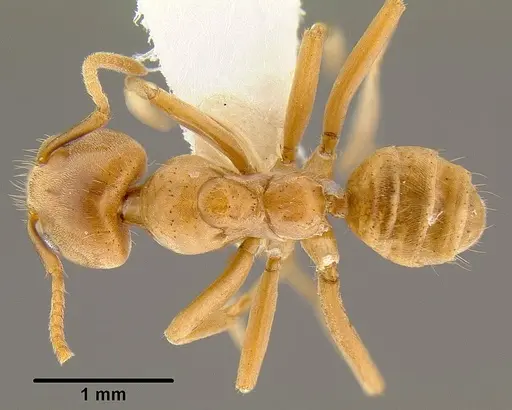
CASENT0619167
View on AntWeb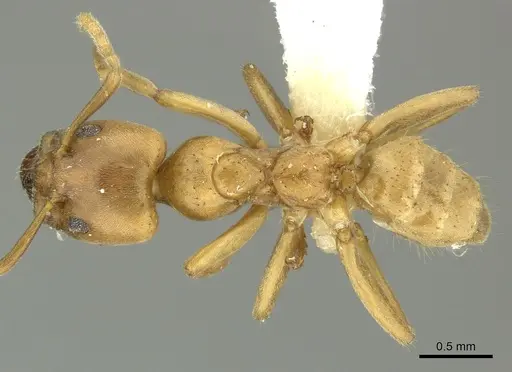
CASENT0649880
View on AntWeb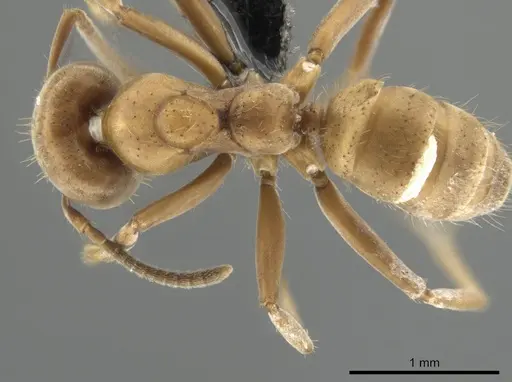
CASENT0903004
View on AntWeb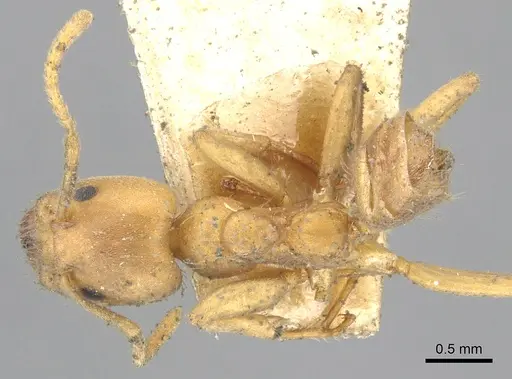
CASENT0903005
View on AntWeb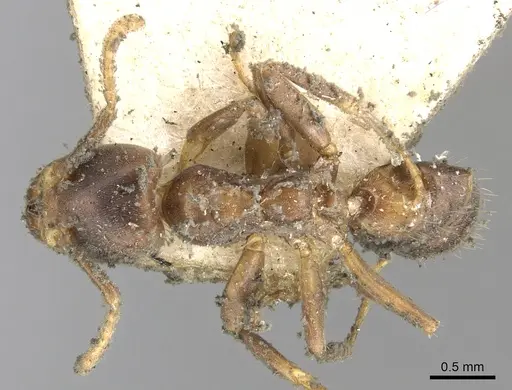
CASENT0903006
View on AntWeb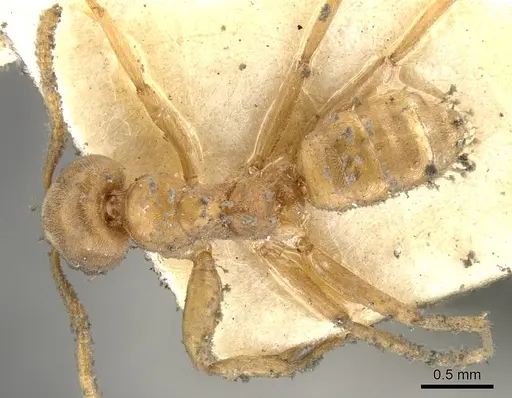
CASENT0909583
View on AntWeb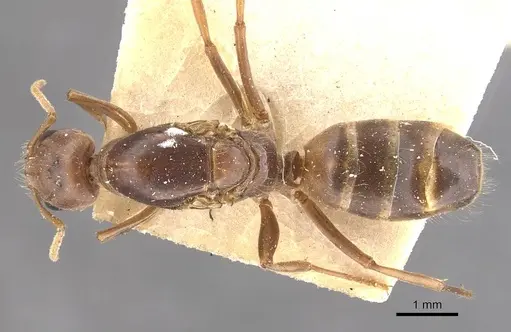
CASENT0909584
View on AntWeb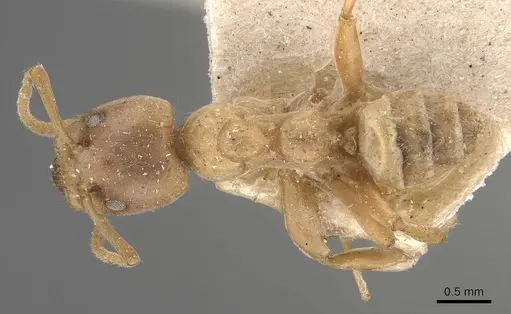
CASENT0909590
View on AntWeb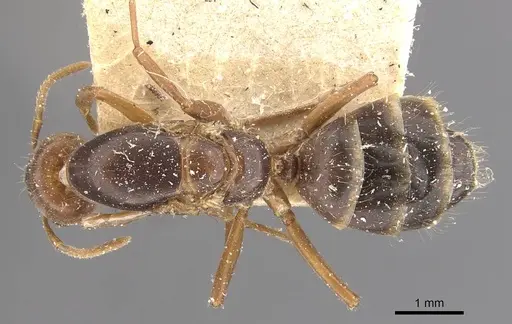
CASENT0909591
View on AntWeb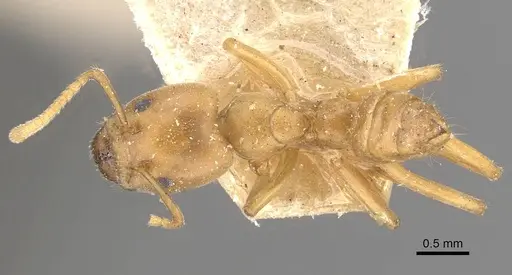
CASENT0909595
View on AntWeb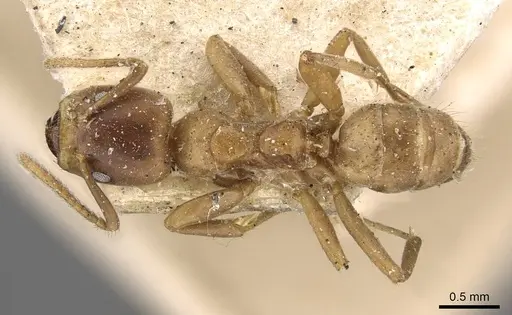
CASENT0917846
View on AntWeb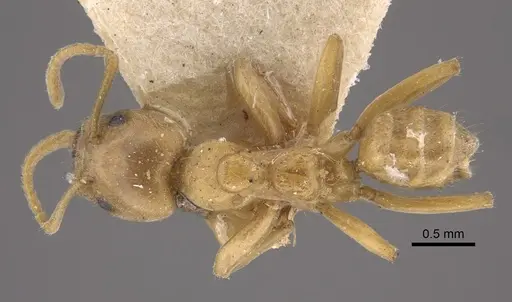
ECOFOG-GAL18-0038-11
View on AntWeb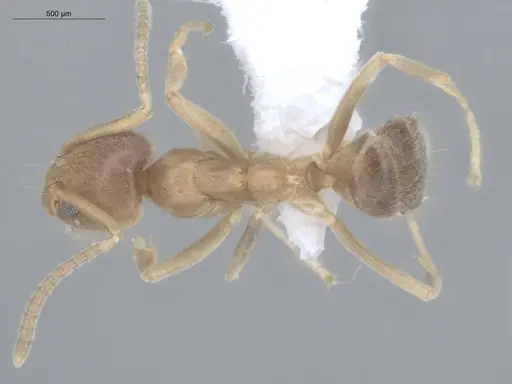
INBIOCRI002281834
View on AntWeb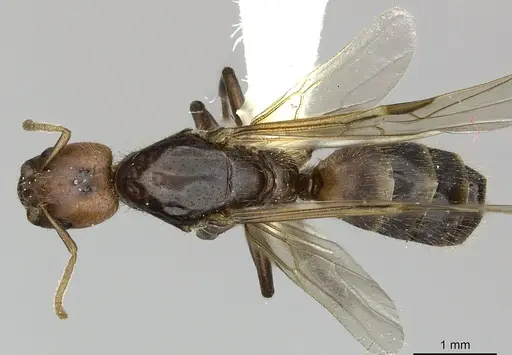
JTLC000009535
View on AntWeb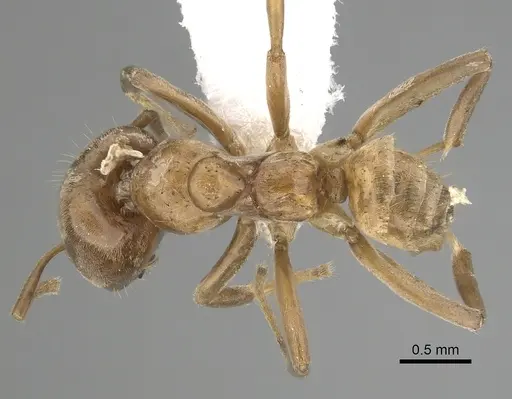
Literature
Loading...Loading products...