

Azteca nigra
- Scientific Name
- Azteca nigra
- Tribe
- Leptomyrmecini
- Subfamily
- Dolichoderinae
- Author
- Forel, 1912
- Distribution
- Found in 5 countries
Azteca nigra Overview
Azteca nigra is an ant species of the genus Azteca. It is primarily documented in 5 countries , including Costa Rica, Honduras, Mexico. Detailed taxonomic data and occurrence records can be further explored via authoritative databases such as AntWeb or the Global Biodiversity Information Facility (GBIF).
Azteca nigra
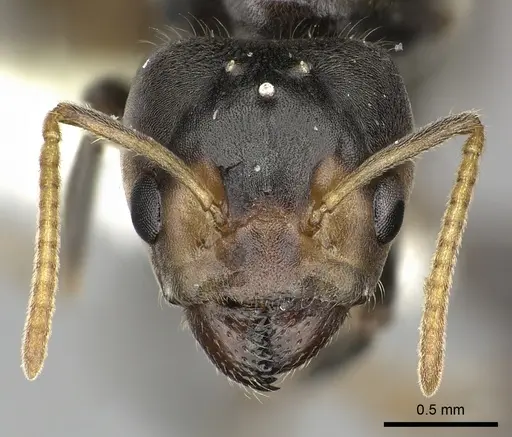
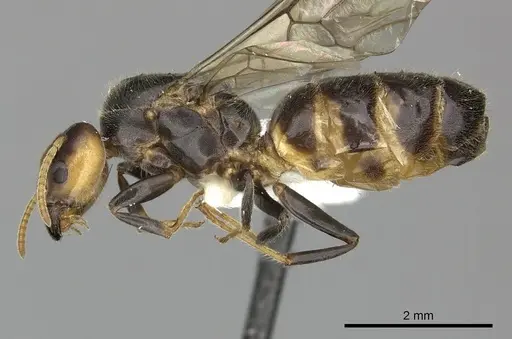
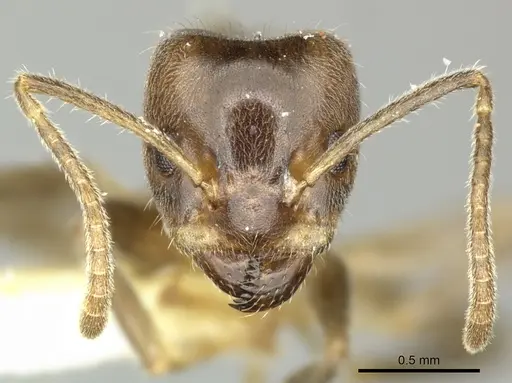
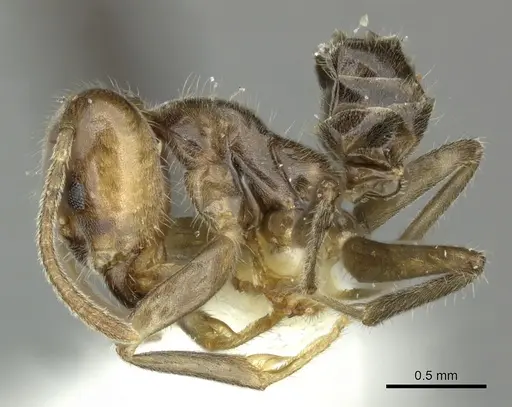
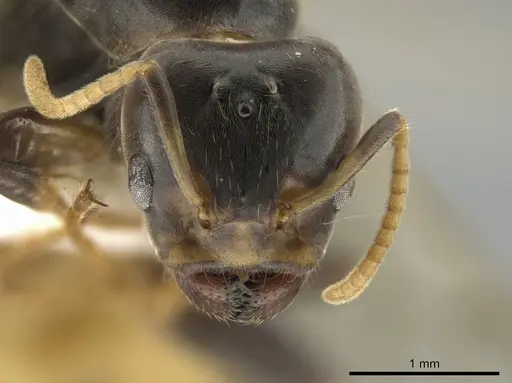
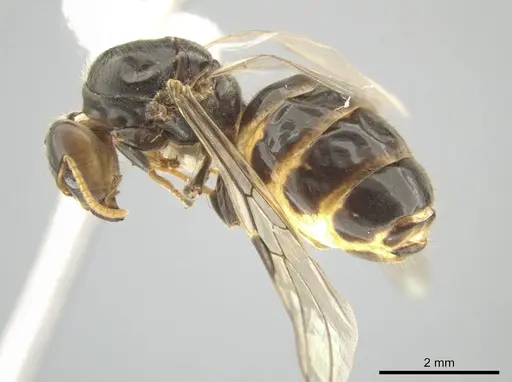
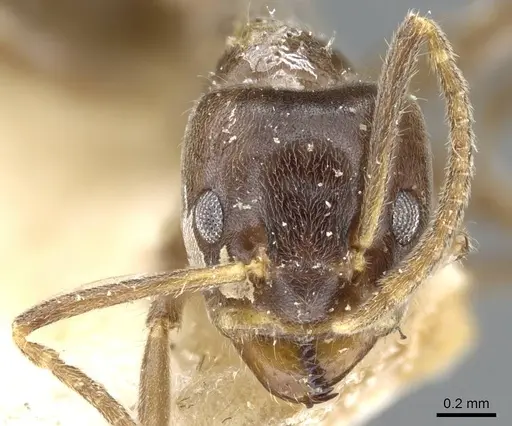
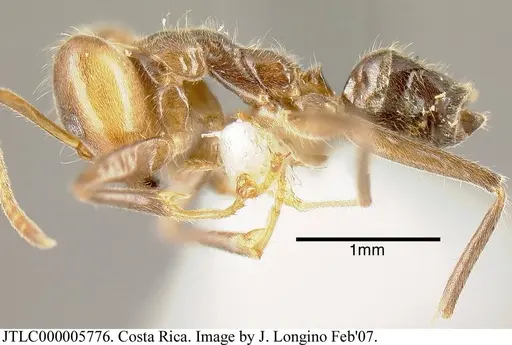
Azteca nigra is a small arboreal ant found throughout Central America, from Mexico down to Costa Rica and Panama. Workers measure 0.96-1.14mm and have a distinctive appearance with light yellow-brown coloration on the head and dark brown mesosoma and gaster. Queens are larger at 1.61-1.63mm and feature a tall, compressed petiolar node and a deep posteroventral lobe with a small notch. This species is famous for building ant gardens, elaborate carton nests that support epiphytes and other plants, creating tiny ecosystems in the forest understory. They form complex relationships with scale insects (coccoid Hemiptera) for honeydew and often share their nests parabiotically with Camponotus atriceps, where both species occupy connected chambers but maintain separate spaces [1][2][3].
Quick Summary
- Difficulty: Expert
- Origin & Habitat: Lowland wet forests of Central America (Costa Rica, Panama, Nicaragua, Honduras, Mexico). Nests in ant gardens in the understory, typically on low vegetation and stems of melastome plants [1][2][4].
- Colony Type: Colony structure is unconfirmed. Observed colonies show multiple satellite nests connected to a central nest structure, with workers moving freely between chambers. Parabiotic associations with Camponotus atriceps are common, where both species share the same nest complex [1].
- Size & Growth:
- Queen: 1.61-1.63mm [1]
- Worker: 0.96-1.14mm [1]
- Colony: Unknown, ant garden colonies can become quite large with multiple connected carton nests [1]
- Growth: Unknown, no development data available
- Development: Unknown, no direct development studies exist for this species (Based on related Azteca species in the genus, expect development to take several months at tropical temperatures. Related Dolichoderinae typically require 2-4 months from egg to worker.)
- Antkeeping:
- Temperature: Keep warm at 24-28°C. As a lowland tropical species, they need consistently warm conditions year-round. Room temperature may be adequate if your home stays in this range, otherwise use a heating cable on one side of the enclosure [3].
- Humidity: High humidity is essential, think damp rainforest understory. Keep the nest area at 70-85% relative humidity. Mist regularly and provide a water source, but ensure ventilation prevents stagnant air [1][2].
- Diapause: No, this is a tropical species that remains active year-round. No hibernation or winter rest is needed [1].
- Nesting: This is an arboreal species that builds carton nests (ant gardens). In captivity, they need above-ground nesting options, not typical soil nests. Provide materials they can build on: cork bark, sticks, artificial plants, or a formicarium with horizontal chambers they can adapt. They need vertical space and surfaces to attach their carton structures. A naturalistic setup works best with multiple small chambers and surfaces for nest construction [3][1].
- Behavior: Azteca nigra is an arboreal forager active in the understory layer of tropical forests. Workers are generalists that tend scale insects (coccoid Hemiptera) for honeydew and forage for other carbohydrate sources and small prey. They are not particularly aggressive but will defend their nests. Workers are small (under 2mm) and can escape through tiny gaps, excellent escape prevention is critical. Their parabiotic relationship with Camponotus atriceps shows they can coexist peacefully with other ant species in close quarters, which is unusual behavior [1][3].
- Common Issues: escape prevention is critical, workers are tiny and will squeeze through the smallest gaps, tropical humidity requirements can lead to mold if ventilation is poor, ant garden nesting behavior is difficult to replicate in captivity, they may not accept conventional nests, no development data means growth timeline is unpredictable, wild-caught colonies may have parasites or be stressed from collection
Nesting and Housing
Azteca nigra presents unique challenges for antkeepers because it is an arboreal species that builds ant gardens, carton structures made from plant fibers and wax that support epiphytes. In the wild, they nest in low vegetation, attaching their nests to stems and leaves. They do not nest in soil like many temperate ants. In captivity, you need to provide above-ground housing options. A naturalistic setup works best: use cork bark, sticks, artificial plants, or other surfaces they can attach carton material to. Some keepers have success with modified formicariums that provide horizontal chambers and platforms rather than vertical tunnels. The key is giving them vertical space and materials they can build on. They will not thrive in standard test tube setups or soil-based nests [3][1].
Feeding and Diet
Like other Azteca species, Azteca nigra has complex trophic relationships with coccoid Hemiptera (scale insects), which they tend for honeydew. In captivity, you should provide a constant sugar source, sugar water, honey, or artificial nectars work well. They also need protein from small prey items like fruit flies, pinhead crickets, or other tiny insects. Offer protein once or twice per week. The key insight from their biology is that they are adapted to carbohydrate-rich diets from honeydew, so sugar sources should be a regular part of their diet. They are generalist foragers but prefer liquid carbohydrates over solid foods [3].
Temperature and Humidity
As a lowland tropical species from Central American rainforests, Azteca nigra needs warm and humid conditions year-round. Keep temperatures in the range of 24-28°C. They can tolerate brief drops but sustained temperatures below 22°C will slow their metabolism and may cause problems. Humidity should remain high at 70-85%. This is challenging in most homes, so you may need to use a humidifier near the enclosure or mist regularly. However, you must balance this with adequate ventilation to prevent mold, which is a common problem with tropical ant setups. A small fan or vent holes can help with airflow while maintaining humidity [1][2][3].
Understanding Their Unique Biology
Azteca nigra is one of the more unusual ant species you might keep because of its ant garden behavior and parabiotic relationships. In the wild, their carton nests sprout epiphytes and small plants, creating miniature gardens in the forest canopy. This is a complex ecological niche that is difficult to replicate in captivity. Additionally, they commonly share nests with Camponotus atriceps, the two species occupy separate chambers that are connected, and they move freely between each other's spaces. This parabiotic relationship is unusual in the ant world and suggests these ants are relatively peaceful toward other species. While you should not expect to replicate the full ant garden ecosystem, understanding this behavior helps set expectations: they are arboreal, they build carton structures, and they can coexist with other ants, all unusual traits compared to typical ant species [1][2].
Colony Establishment
Establishing a colony of Azteca nigra is challenging because they are rarely available in the antkeeping hobby. If you obtain a colony, it will likely be a wild-caught queen or small colony collected from their carton nests. Queens should be housed in a small container with some damp substrate and given a sugar source. Do not expect claustral founding behavior to match typical patterns, provide a small space they can begin constructing in. Workers are tiny (under 2mm) and very good at escaping, so use fine mesh barriers and ensure all openings are sealed. The transition from founding colony to established colony is slow, and patience is essential. Do not overfeed, excess food leads to mold in the humid conditions they require [1].
Frequently Asked Questions
Can I keep Azteca nigra in a test tube?
No, test tubes are not suitable. Azteca nigra is an arboreal species that builds carton ant gardens, not soil nests. They need above-ground spaces with surfaces they can attach nest material to. Use a naturalistic setup with cork bark, sticks, or platforms [3][1].
How long does it take for Azteca nigra to produce first workers?
The development timeline is unconfirmed for this species. Based on related Azteca species and typical Dolichoderinae development, expect 2-4 months from egg to worker at optimal tropical temperatures. However, this is an estimate as no specific development data exists [1].
Are Azteca nigra good for beginners?
No, Azteca nigra is not recommended for beginners. They require specific arboreal nesting conditions, high tropical humidity, and warm temperatures year-round. Their ant garden behavior is difficult to replicate in captivity, and they are rarely available in the hobby. This species is best suited for experienced antkeepers who can provide specialized housing [3].
What do Azteca nigra eat?
They need a constant sugar source (sugar water, honey, or artificial nectar) and protein from small prey items like fruit flies or pinhead crickets. They are adapted to feeding on honeydew from scale insects, so carbohydrate sources are particularly important to their diet [3].
Do Azteca nigra need hibernation?
No, they do not hibernate. As a tropical lowland species from Central America, they remain active year-round and need consistently warm temperatures. Do not expose them to cold temperatures [1].
Can I keep multiple queens together?
The colony structure of Azteca nigra is unconfirmed. In the wild, colonies have been observed with multiple satellite nests connected to a central nest, which could indicate polygynous behavior or colony budding. However, combining unrelated queens has not been documented. Do not attempt to combine queens from different colonies [1].
Why are my Azteca nigra escaping?
Workers are extremely small (under 2mm) and can squeeze through tiny gaps. Use excellent escape prevention with fine mesh barriers, tightly sealed enclosures, and fluon on any surfaces they might climb. Check all seams and openings regularly, if there is a gap larger than a few millimeters, they will find it [1].
How big do Azteca nigra colonies get?
Colony size is not well documented, but ant garden colonies can become quite large with multiple connected carton nests. Based on related species, colonies likely reach several hundred to a few thousand workers over time [1].
References

This caresheet is licensed under CC BY-SA 4.0 .
CASENT0249597
View on AntWeb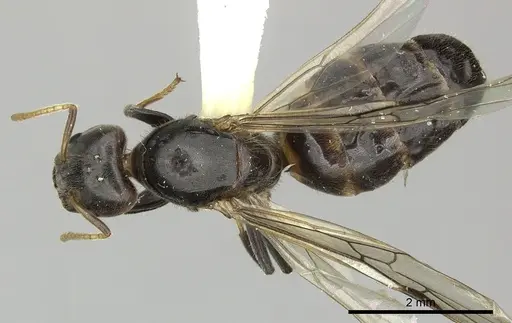
CASENT0619161
View on AntWeb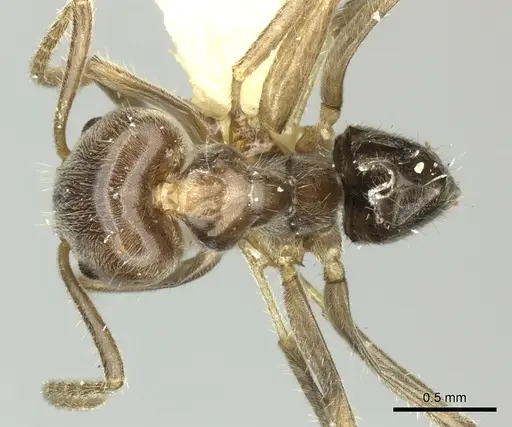
CASENT0628892
View on AntWeb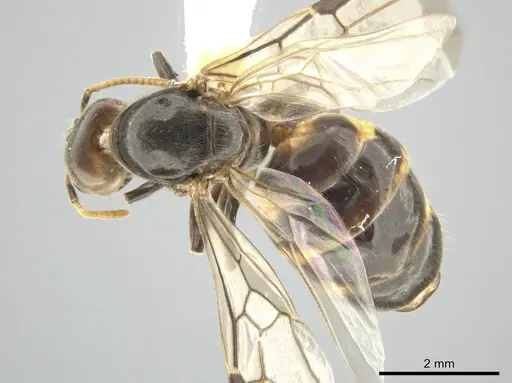
CASENT0905109
View on AntWeb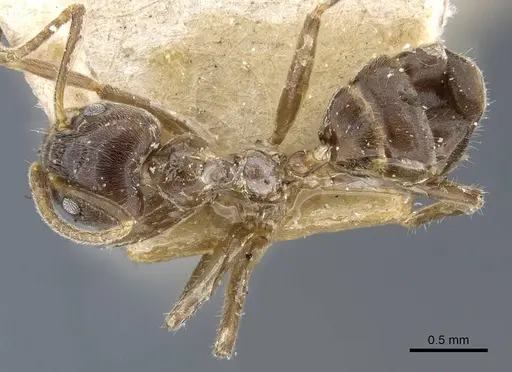
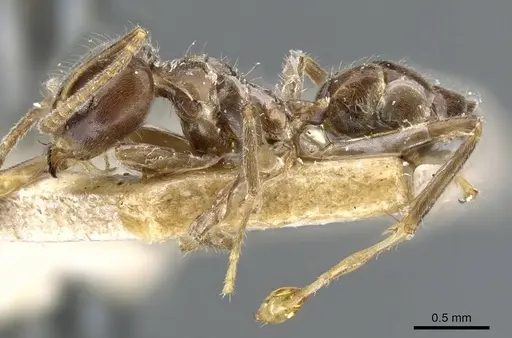
CASENT0909706
View on AntWeb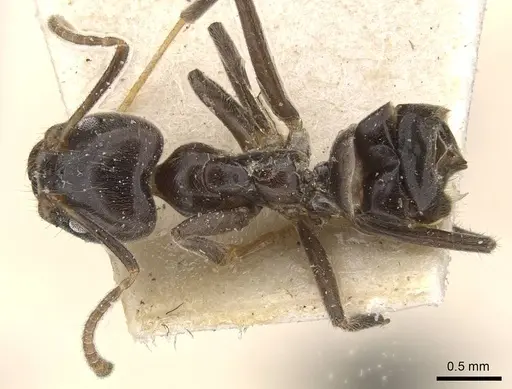
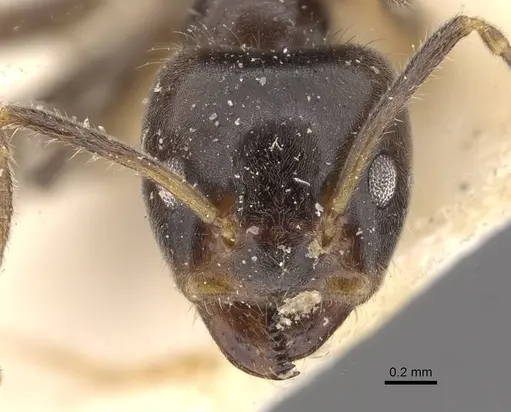
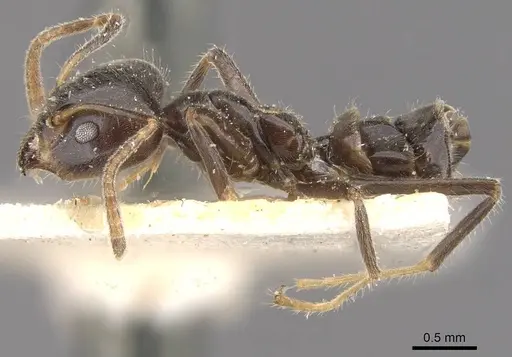
FOCOL0068-1
View on AntWeb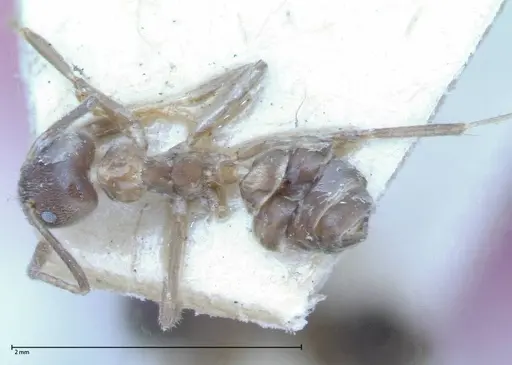
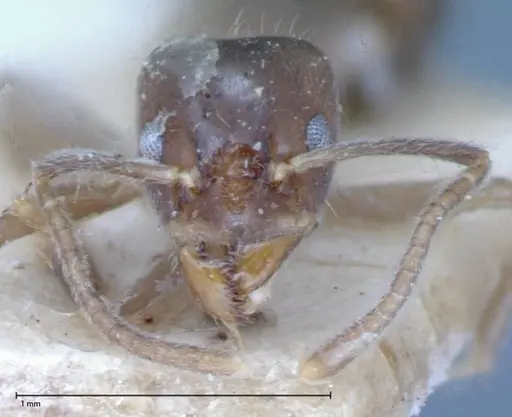
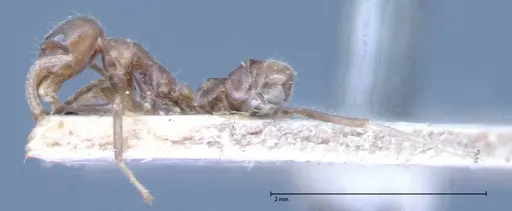
FOCOL0068-2
View on AntWeb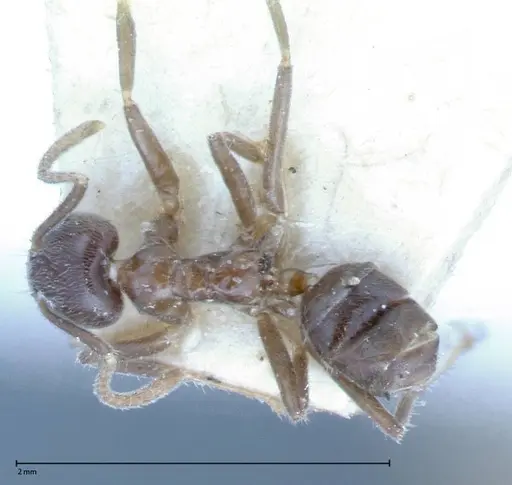
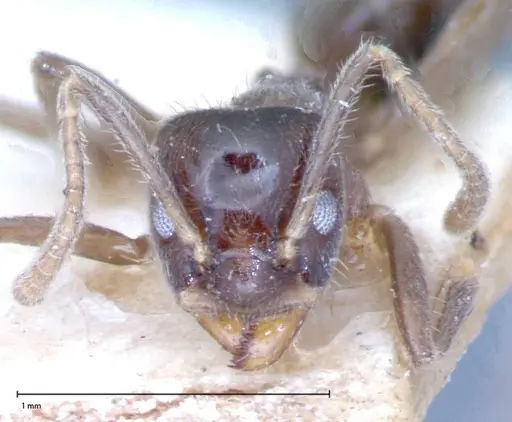
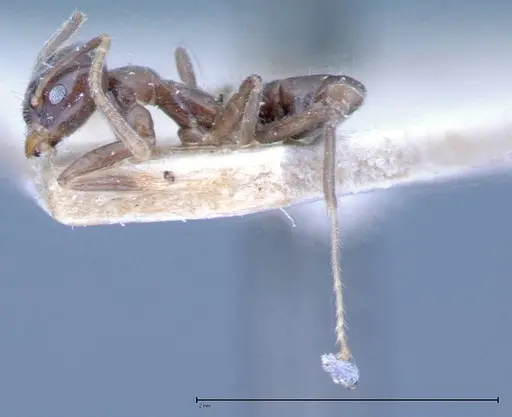
FOCOL0716
View on AntWeb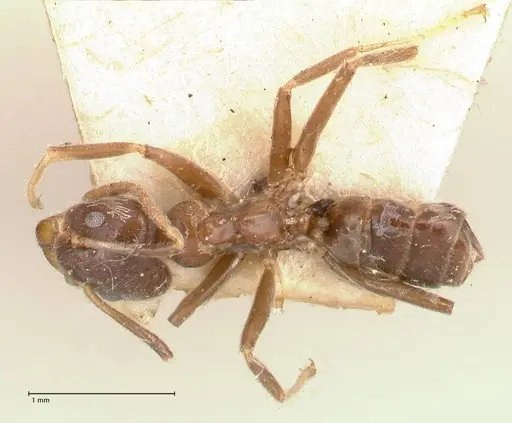
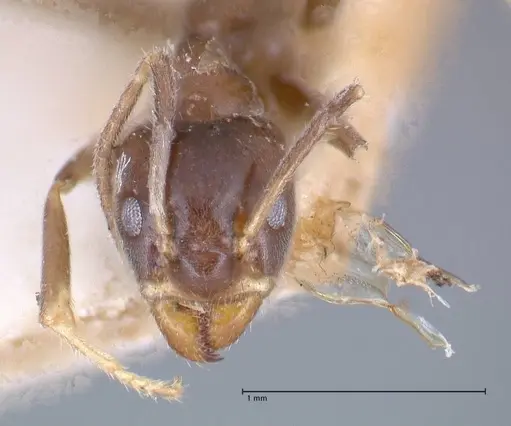
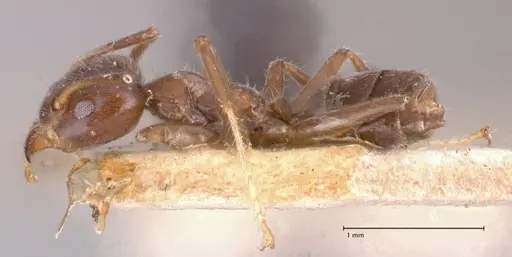
JTLC000005768
View on AntWeb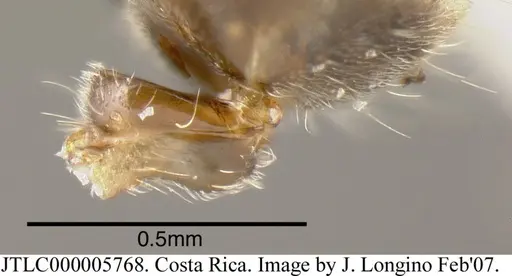
JTLC000005773
View on AntWeb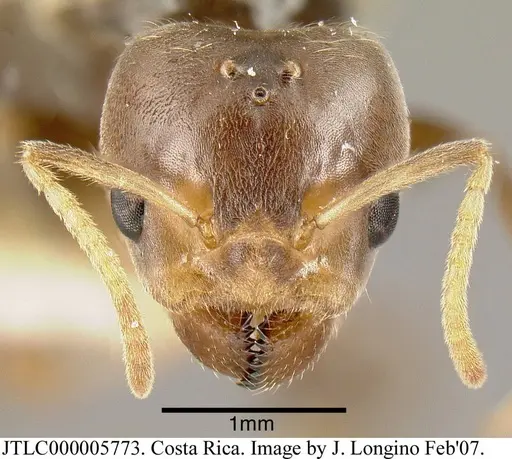
JTLC000005776
View on AntWeb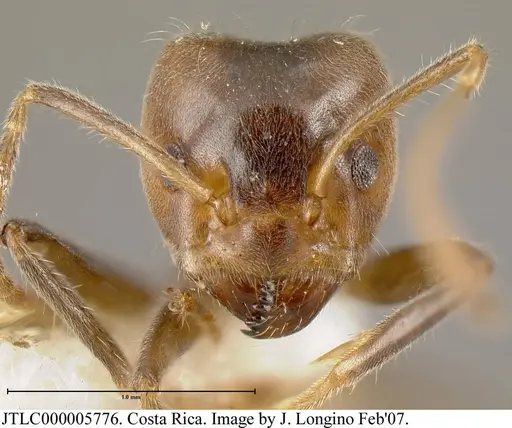
Literature
Loading...Loading products...