

Azteca merida
- Scientific Name
- Azteca merida
- Tribe
- Leptomyrmecini
- Subfamily
- Dolichoderinae
- Author
- Longino, 1991
- Distribution
- Found in 2 countries
Azteca merida Overview
Azteca merida is an ant species of the genus Azteca. It is primarily documented in 2 countries , including Mexico, Venezuela, Bolivarian Republic of. Detailed taxonomic data and occurrence records can be further explored via authoritative databases such as AntWeb or the Global Biodiversity Information Facility (GBIF).
Azteca merida
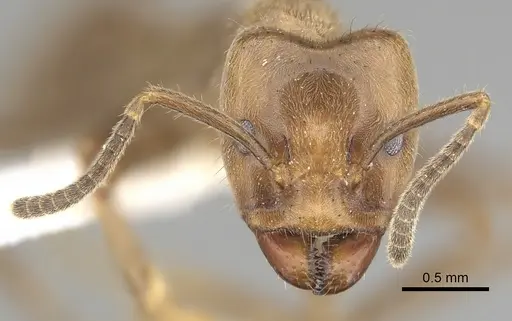
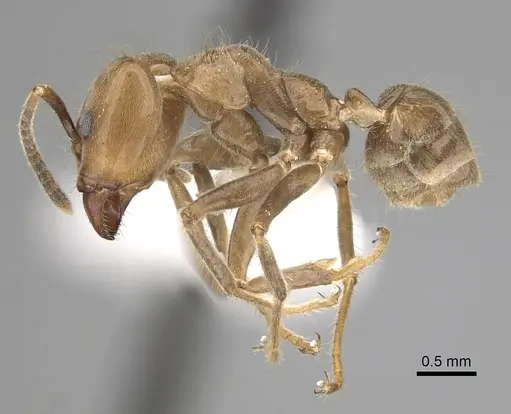
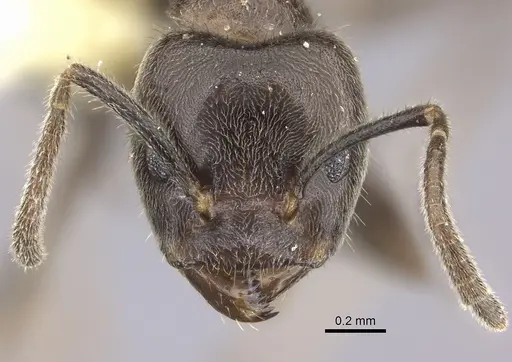
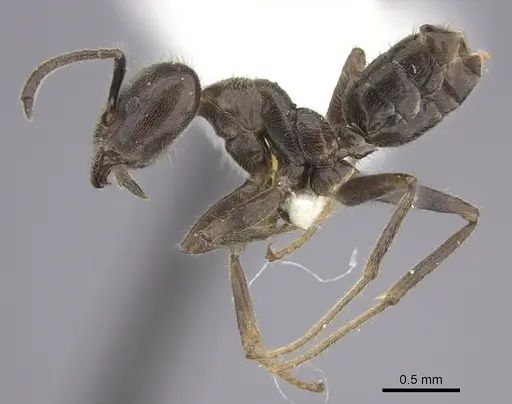
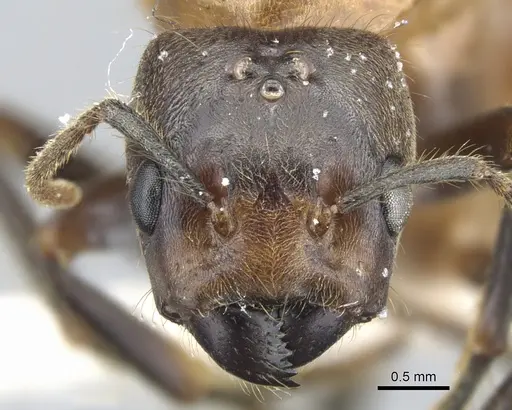
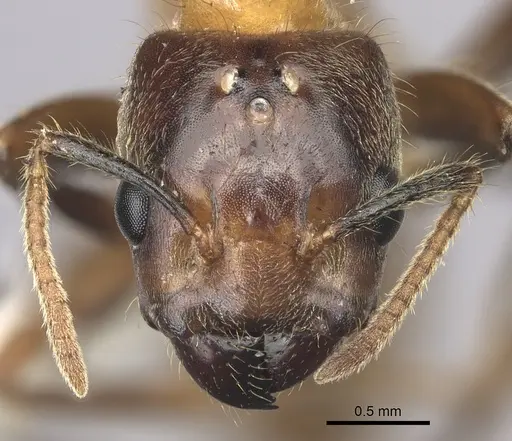
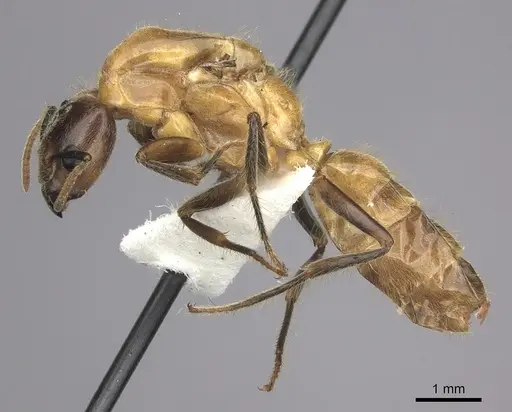
Azteca merida is a medium-sized Dolichoderine ant known for its striking orange coloration and specialized relationship with Cecropia trees. Workers and queens feature a distinctive mottled to pure orange coloring, with queens being particularly vibrant. The species has large, subpyramidal petioles (the narrow waist section) and densely hairy tibae (lower leg segments), which help distinguish it from related Azteca species [1][2]. This ant is part of the muelleri complex, a group of Azteca species that have evolved intimate partnerships with Cecropia myrmecophyte trees.
Unlike many ants that nest in soil or under stones, Azteca merida is an obligate Cecropia inhabitant. The ants create elaborate carton nests inside the tree's trunk, forming a spindle-shaped structure that actually deforms the tree bole at the nesting site. These nests have numerous exit holes maintained around the colony perimeter, allowing workers to come and go [2]. This makes them a challenging species to keep in captivity since they require both a Cecropia tree host and specific tropical conditions.
Quick Summary
- Difficulty: Expert
- Origin & Habitat: Found in the Neotropical region across Venezuela, Mexico (Tabasco state), and Ecuador. They inhabit lowland to mid-elevation tropical rainforests where Cecropia trees grow, typically at elevations from near sea level to around 1850m [3][4]. The type locality is Estado Trujillo, Venezuela, at 1160-1850m elevation.
- Colony Type: Likely polygynous (multiple queens) based on typical Cecropia-inhabiting Azteca patterns. Colonies live within the hollow stems and trunks of Cecropia trees, where multiple queens establish and maintain the carton nest structure.
- Colony: Polygyne
- Size & Growth:
- Queen: Estimated 7-9mm based on related Azteca species in the muelleri complex [1]
- Worker: Estimated 4-6mm based on genus patterns
- Colony: Likely several hundred to over 1000 workers based on typical Cecropia Azteca colonies
- Growth: Moderate, tropical species with year-round development
- Development: Estimated 6-10 weeks at tropical temperatures (25-28°C), based on typical Dolichoderinae development [1] (Direct development data unavailable, estimates based on related Azteca species and tropical ant development patterns)
- Antkeeping:
- Temperature: Keep at 24-28°C (tropical warmth). A heating cable on one side of the nest can maintain these temperatures, but ensure humidity is maintained as well. Avoid temperature drops below 22°C [1][2].
- Humidity: High humidity (70-85%) is essential. These ants live inside living trees where humidity is naturally high and stable. Provide a moist naturalistic setup or well-hydrated plaster/acrylic nest with water reservoir. Mist regularly and ensure condensation is visible on nest surfaces.
- Diapause: No, Azteca merida is a tropical species that does not enter diapause. Colony activity continues year-round in captivity. Maintain consistent warm, humid conditions throughout the year.
- Nesting: This is the most challenging aspect of keeping A. merida. They are obligate Cecropia specialists that create carton nests inside tree boles. In captivity, this is extremely difficult to replicate. A naturalistic setup with a Cecropia sapling or similar hollow wood structure would be ideal but is rarely feasible. Some keepers have had limited success with large acrylic nests filled with moist soil/peat mixture, but true carton nest formation has not been documented in captivity.
- Behavior: Workers are active foragers that emerge from multiple exit points around their nest. They are not particularly aggressive toward keepers but will defend their colony vigorously. Like other Azteca species, they have a functional stinger but rarely use it on humans due to their small size. Escape risk is moderate, workers are agile and will explore gaps, so standard barrier methods work well. They are diurnal and maintain activity throughout the day in tropical conditions.
- Common Issues: Cecropia dependency makes captive breeding extremely difficult, they simply do not establish in conventional nests, High humidity requirements can lead to mold problems if ventilation is inadequate, Tropical temperature needs mean room-temperature keeping often fails, Colony collapse is common when kept in inappropriate setups, Very limited availability, almost never available in the antkeeping hobby
Cecropia Tree Symbiosis
Azteca merida represents one of the most specialized ant-plant relationships in the antkeeping world. Like other members of the muelleri complex, this species is an obligate Cecropia inhabitant. Cecropia trees provide hollow stems and trunks that the ants colonize, while the ants provide protection against herbivores and competing plants. The ants actually construct a distinctive carton nest, a papery material made from chewed plant fibers and wax, inside the tree bole. This carton is not just nesting material, it becomes an integral part of the tree's structure, forming a spindle-shaped mass that can deform the trunk [1][2].
The relationship is so specific that A. merida will not establish colonies in other nest sites. This makes them essentially impossible to keep in conventional formicariums. Even most naturalistic setups fail because the ants need the specific chemical signals and physical structure that Cecropia trees provide. If you're serious about attempting to keep this species, you would need to source a Cecropia sapling with established colony, which is extraordinarily difficult.
Temperature and Tropical Care
Being a tropical species from the Neotropics, Azteca merida requires consistently warm temperatures year-round. The natural range includes lowland tropical forests in Venezuela, Mexico, and Ecuador where temperatures rarely drop below 24°C. In captivity, maintain nest temperatures between 25-28°C using a heating cable or mat placed on top of the nest (never underneath, as this can dry out the substrate too quickly) [1][2].
Room temperature is typically insufficient for this species unless you live in a consistently warm climate. A small thermostat-controlled heat mat connected to a digital thermometer allows precise control. The heating element should warm only one end of the nest to create a slight temperature gradient, allowing ants to regulate their own temperature by moving between warmer and cooler areas.
Feeding and Nutrition
In their natural Cecropia homes, Azteca merida workers forage for honeydew collected from scale insects and other homopterans that live on the tree, as well as small insects they capture. They also consume the Beltian bodies (specialized nutrient-rich structures) that Cecropia trees produce at the base of their leaves. In captivity, offer a varied diet including sugar water or honey (for energy), small live insects like fruit flies or pinhead crickets (for protein), and ideally honeydew or sugar sources [1].
Feed sugar water or honey continuously in a cotton wick feeder. Offer protein (small insects) 2-3 times per week. Remove uneaten prey after 24 hours to prevent mold. The key challenge is that stressed colonies from inappropriate housing often refuse food, so getting the housing right first is more important than feeding.
Why This Species Is Expert-Only
Azteca merida is not a species for beginners or even intermediate antkeepers. The fundamental challenge is that they are obligate Cecropia tree specialists, they will not nest in test tubes, acrylic nests, or most naturalistic setups. Their entire biology is tied to living inside living Cecropia trees, where they build carton nests and maintain colonies with multiple queens [1][2].
Even the most dedicated antkeepers with years of experience have struggled to maintain this species in captivity. The requirements for a Cecropia host tree, specific humidity, tropical temperatures, and the natural colony structure make successful captive breeding nearly impossible. For these reasons, A. merida remains one of the most sought-after but least-kept ant species in the hobby, with few to no captive colonies established worldwide.
Frequently Asked Questions
Can I keep Azteca merida in a test tube?
No. Azteca merida is an obligate Cecropia tree specialist and will not establish in conventional antkeeping setups like test tubes, acrylic nests, or Y-tong nests. They require living Cecropia tree tissue to create their carton nests. This makes them one of the most difficult ant species to keep in captivity.
What do Azteca merida ants eat?
They feed on honeydew from homopteran insects, small insects they capture, and likely consume plant nectar and Cecropia Beltian bodies in their natural habitat. In captivity, offer sugar water or honey continuously, plus small live insects like fruit flies 2-3 times weekly.
How big do Azteca merida colonies get?
Based on related Cecropia-inhabiting Azteca species, colonies likely reach several hundred to over 1000 workers. They are polygynous, meaning multiple queens share the nest, which supports larger colony sizes.
What temperature do Azteca merida ants need?
Keep them at 25-28°C (tropical warmth). Use a heating cable on top of the nest to maintain these temperatures. They are tropical ants and do not tolerate cool temperatures, avoid anything below 22°C.
Do Azteca merida need hibernation?
No. As a tropical species from the Neotropics, they do not enter diapause or hibernation. Maintain consistent warm, humid conditions year-round.
Why are Azteca merida so hard to find in the antkeeping hobby?
They are obligate Cecropia tree specialists that cannot establish in conventional nests. Even professional antkeepers have struggled to maintain them in captivity. There are virtually no captive-bred colonies available, and wild colonies cannot be easily transplanted.
Are Azteca merida good for beginners?
No. This is an expert-only species due to their obligate requirement for Cecropia trees, high humidity needs, tropical temperature requirements, and the extreme difficulty of replicating their natural nesting conditions. Beginners should start with species like Lasius niger, Camponotus species, or other more adaptable ants.
How long does it take for Azteca merida to develop from egg to worker?
Exact development time is unconfirmed, but based on typical Dolichoderinae development at tropical temperatures, estimate 6-10 weeks from egg to first worker at 25-28°C.
Can I keep multiple Azteca merida queens together?
Based on typical Cecropia-inhabiting Azteca patterns, colonies are polygynous (multiple queens). However, combining unrelated foundress queens in captivity has not been documented and is not recommended given how difficult this species is to maintain.
References

This caresheet is licensed under CC BY-SA 4.0 .
CASENT0249546
View on AntWeb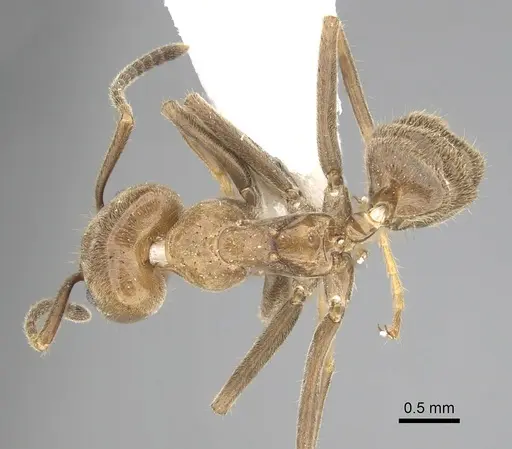
CASENT0619160
View on AntWeb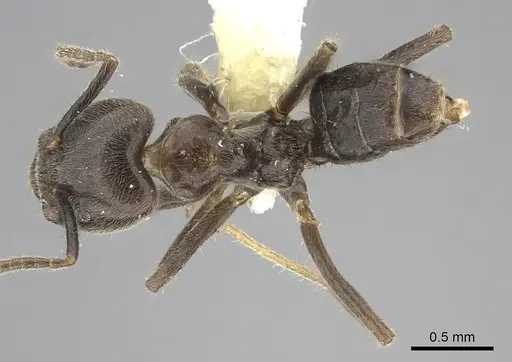
CASENT0903007
View on AntWeb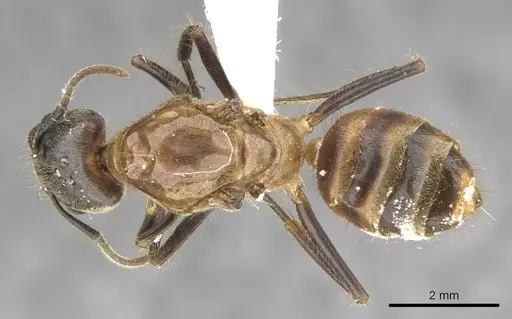
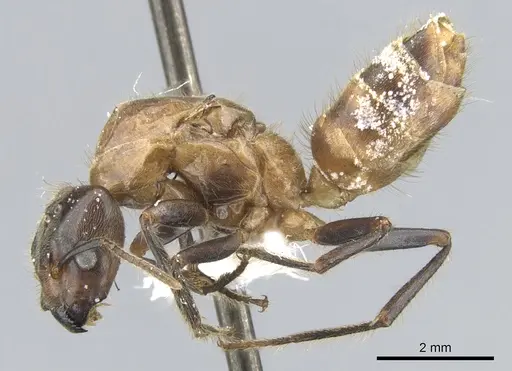
CASENT0903008
View on AntWeb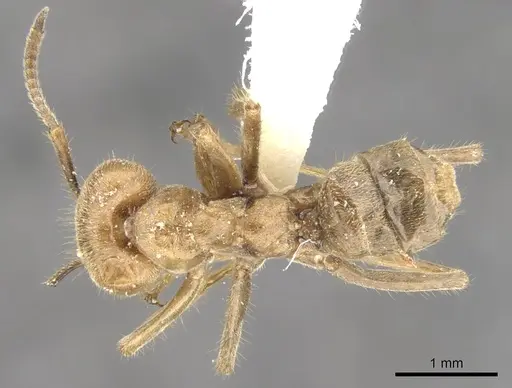
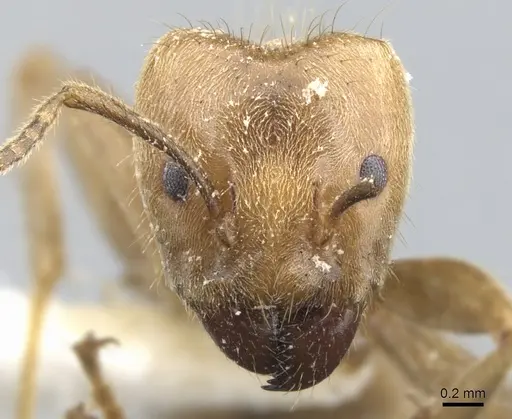
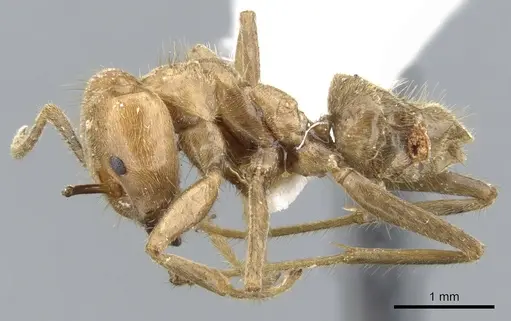
CASENT0905086
View on AntWeb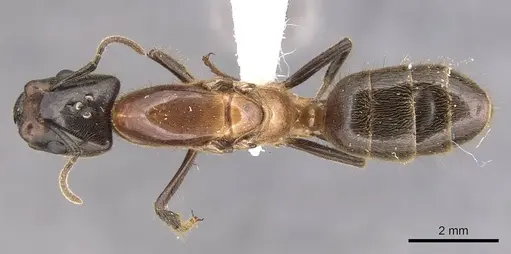
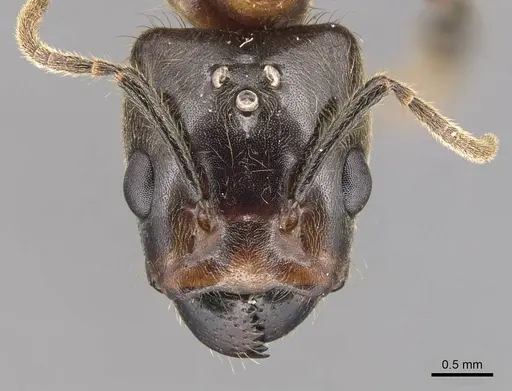
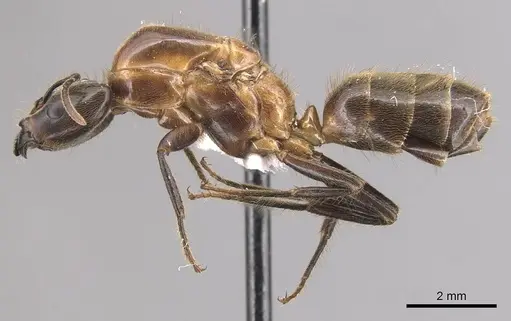
JTLC000008079
View on AntWeb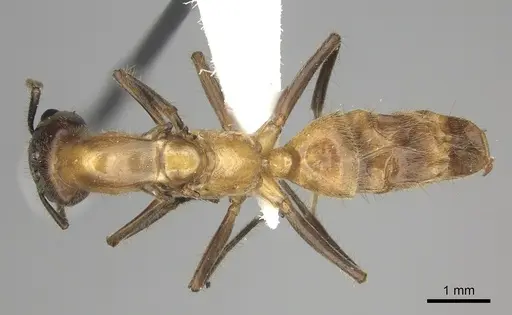
Literature
Loading...Loading products...