

Azteca mayrii
- Scientific Name
- Azteca mayrii
- Tribe
- Leptomyrmecini
- Subfamily
- Dolichoderinae
- Author
- Emery, 1893
- Distribution
- Found in 1 countries
Azteca mayrii Overview
Azteca mayrii is an ant species of the genus Azteca. It is primarily documented in 1 countries , including Brazil. Detailed taxonomic data and occurrence records can be further explored via authoritative databases such as AntWeb or the Global Biodiversity Information Facility (GBIF).
Azteca mayrii
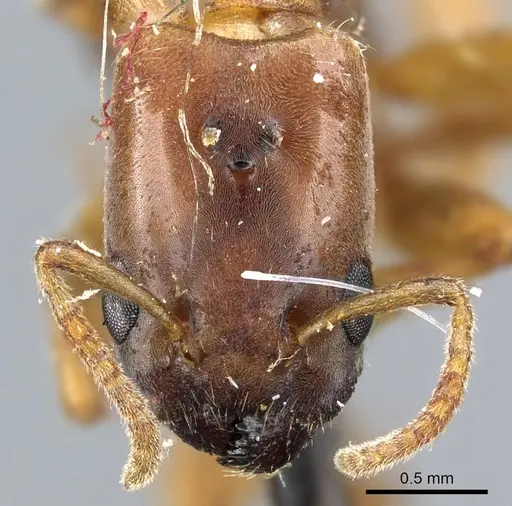
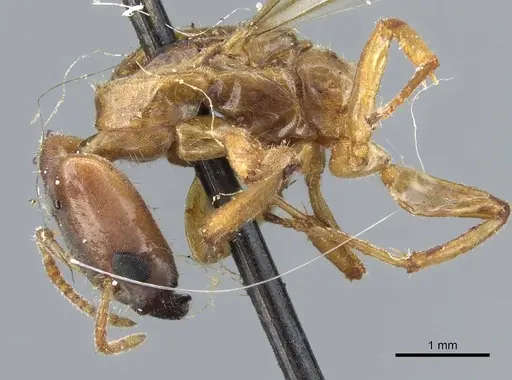
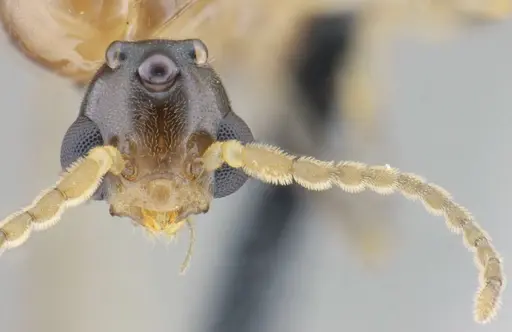
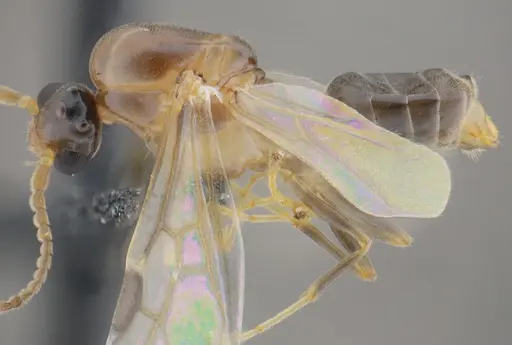
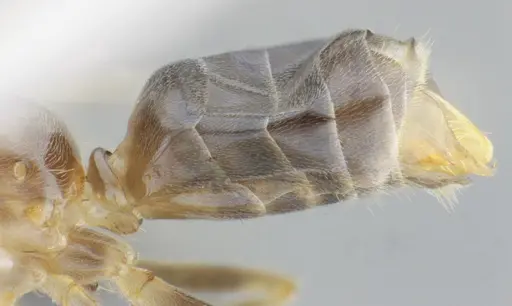
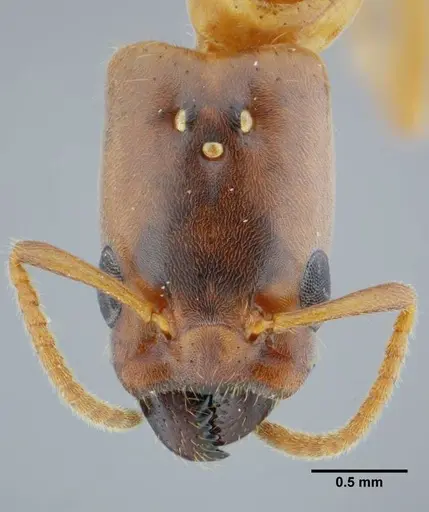
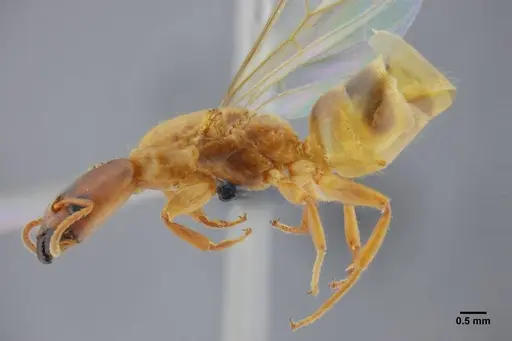
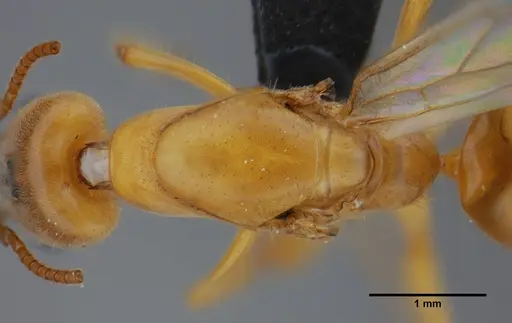
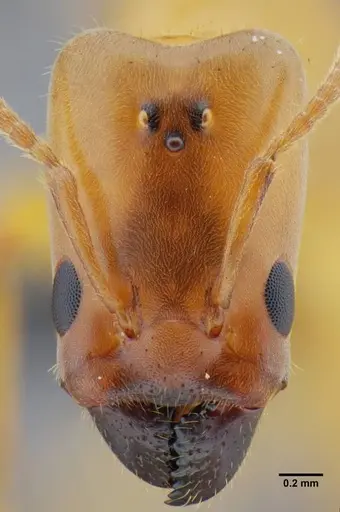
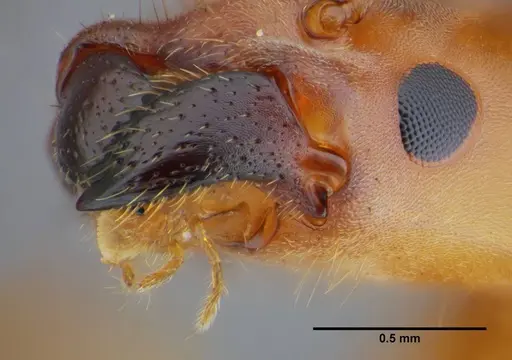
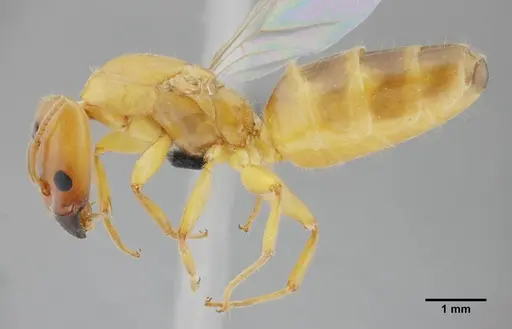
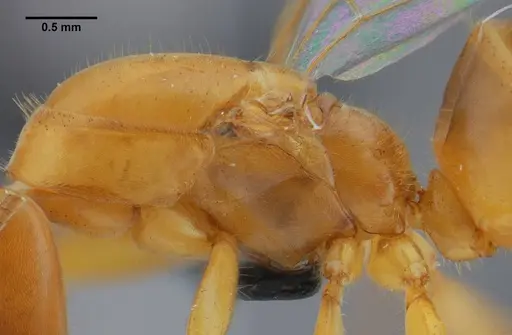
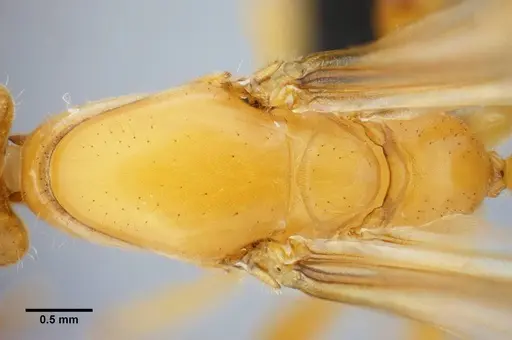
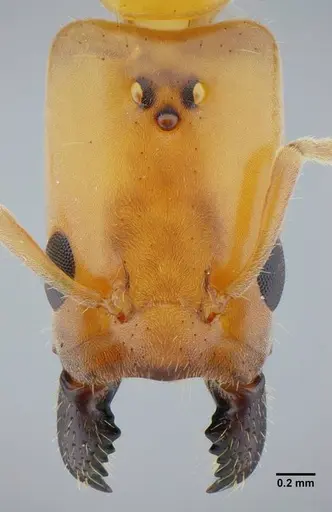
Azteca mayrii is a medium-sized ant species native to southern Brazil, specifically recorded from Santa Catarina region. Queens measure 8-8.5mm and have a distinctive reddish-brown (testaceous) coloration with brownish head and mandibles, while the legs are yellowish. The abdomen is notably shiny compared to the more matte head and thorax, and the entire body is covered in fine hairs. This species closely resembles Azteca fasciata but can be distinguished by its eye position being closer to the mandibles and having a more parallel-sided head. [1]
Azteca ants are a predominantly neotropical genus known for their often aggressive defensive behaviors and painful stings. As a Brazilian species, A. mayrii comes from a warm, humid tropical environment. While specific behavioral data for this species is limited, Azteca genus members are typically arboreal or semi-arboreal, nesting in hollow twigs, stems, or under bark in forested areas.
Quick Summary
- Difficulty: Medium
- Origin & Habitat: Southern Brazil (Santa Catarina region) in tropical forest habitats [1]
- Colony Type: Colony structure is unconfirmed for this species. Many Azteca species form moderate-sized colonies, but specific data for A. mayrii is lacking.
- Size & Growth:
- Queen: 8-8.5mm [1]
- Worker: Unknown, not described in available literature
- Colony: Unknown, no colony size data available
- Growth: Unknown, no development data available for this species
- Development: Unknown, no direct development studies exist for this species. Based on typical Azteca patterns and related neotropical ants, estimate 6-10 weeks at tropical temperatures (25-28°C), but this is a rough approximation. (Development timeline is unconfirmed. Azteca species are generally slower-growing than many common temperate ants due to tropical origin and larger colony sizes.)
- Antkeeping:
- Temperature: Based on its Brazilian origin, keep in the warm tropical range of 24-28°C. Room temperature (around 20-22°C) may be slightly cool, a small heating cable or mat on one side of the nest can provide a gradient. Monitor colony activity to gauge comfort.
- Humidity: Tropical species require high humidity. Keep nest substrate consistently moist but not waterlogged, think damp forest floor. Provide a water tube as a constant moisture source. Mist occasionally but allow periods to dry slightly to prevent mold.
- Diapause: Unlikely, as a tropical species from southern Brazil, diapause is probably not required. However, a slight cool-down period during winter months (around 18-20°C) may be beneficial if your room temperature drops significantly.
- Nesting: In nature, Azteca species typically nest in hollow twigs, stems, or under bark, often in arboreal situations. For captivity, a naturalistic setup with cork bark or wooden elements works well. Y-tong (AAC) nests with wooden inserts or a plaster nest with added moisture chambers can also work. Avoid fully enclosed plastic nests, they need some ventilation and prefer natural materials.
- Behavior: Azteca ants are known for their aggressive defense of the nest and painful stings. Expect this species to be defensive and quick to respond to threats. Workers are likely medium-sized and active foragers. Escape prevention should be moderate, they are not among the smallest ants, but standard barrier methods (Fluon, talc) are still recommended. They likely forage for nectar, honeydew, and small prey.
- Common Issues: lack of species-specific care data means you'll be adapting from genus knowledge, monitor your colony closely and adjust conditions, tropical humidity requirements can lead to mold problems if ventilation is poor, aggressive defensive behavior means handling without protection is not recommended, unknown development timeline makes it harder to diagnose growth problems, winter cooling in temperate homes may stress this tropical species if not managed
Housing and Nest Setup
Azteca mayrii is a tropical ant that in the wild nests in wooden cavities, think hollow twigs, stems, and spaces under bark. For captivity, naturalistic setups work best. A formicarium with cork bark pieces, wooden inserts, or a Y-tong (AAC) nest with wood elements mimics their natural preferences better than fully plastic enclosures.
Keep the nest humid but ensure good ventilation to prevent mold. A moisture reservoir (water tube) connected to the nest helps maintain consistent humidity. The nesting area should be dark, cover with an opaque cloth if needed. Provide an outworld for foraging that is easy to clean.
Feeding and Diet
Like most Azteca species, A. mayrii likely has an omnivorous diet. They probably forage for nectar and honeydew in nature, along with small insects and other protein sources. In captivity, offer sugar water or honey as a constant energy source, along with protein-rich foods like small crickets, mealworms, or fruit flies.
Feed protein 2-3 times per week, removing uneaten prey after 24 hours. Sugar water can be provided in a test tube with a cotton ball or a small dish, replace every few days. Observe your colony's preferences and adjust feeding frequency accordingly.
Temperature and Heating
This Brazilian species needs warmth. Aim for 24-28°C in the nest area, this is typical for tropical ants. If your room temperature is below this range, use a small heating cable or heating mat placed on top of the nest (not underneath, which can cause drying).
Create a temperature gradient so workers can choose their preferred warmth. If they cluster near the heat source, increase slightly. If they avoid it and seem sluggish, the temperature may be too high. A digital thermometer near the nest helps monitor conditions.
Behavior and Defense
Azteca ants are well-known for their aggressive defensive behaviors and painful stings. Expect A. mayrii to be defensive of their nest. When disturbed, workers will likely swarm out to attack the threat. Their sting is reported to be quite painful among Azteca species.
Handle with extreme care, use tools, not your hands. If you need to move or inspect the colony, do so slowly and with proper protection. The workers are medium-sized (though worker size is not specifically documented for this species) and can deliver a memorable sting. This is not a species for handling enthusiasts.
Colony Establishment
Since specific founding behavior is unconfirmed for A. mayrii, assume standard claustral founding: the queen seals herself in a small chamber and lives off her stored fat reserves until the first workers (nanitics) emerge. Provide a founding setup with moist substrate in a dark, quiet location.
Founding can take several months. Do not disturb the queen during this period. Once workers emerge, you can gradually introduce small food items. Colony growth will likely be slower than temperate species, be patient. It may take a year or more to reach significant worker numbers.
Frequently Asked Questions
How long does it take for Azteca mayrii to have first workers?
The exact timeline is unknown for this species. Based on typical Azteca development and related tropical ants, expect 6-10 weeks from egg to worker at optimal tropical temperatures (25-28°C). However, this is an estimate, actual development time may vary.
What temperature do Azteca mayrii ants need?
Keep them warm at 24-28°C. This is a tropical Brazilian species that needs temperatures typical of the neotropics. A small heating cable or mat can help maintain these temperatures in cooler climates.
Can I keep Azteca mayrii in a test tube setup?
Test tubes can work for founding colonies, but Azteca species generally prefer wooden or cork-based nesting materials. For established colonies, a naturalistic setup with cork bark or a Y-tong nest with wood elements is more appropriate than a simple test tube setup.
How big do Azteca mayrii colonies get?
Colony size is unconfirmed for this specific species. Many Azteca species form moderate to large colonies, but without specific data, we cannot provide accurate estimates. Expect several months to a year to establish a solid colony.
Do Azteca mayrii need hibernation?
Probably not. As a tropical species from southern Brazil, they likely do not require a true hibernation period. However, a slight cool-down in winter (to around 18-20°C) may be natural if your home gets significantly cooler.
What do Azteca mayrii eat?
They are omnivorous. Offer sugar water or honey as a constant energy source, along with protein like small crickets, mealworms, or fruit flies. They likely forage for nectar and honeydew in the wild.
Is Azteca mayrii good for beginners?
This is not an ideal beginner species. Limited care data, aggressive defensive behavior with painful stings, and specific tropical requirements make it better suited for keepers with some ant-keeping experience.
How do I start an Azteca mayrii colony?
If you obtain a founding queen, place her in a small container with moist substrate in a dark, quiet location. Assume claustral founding, she will seal herself in and live off stored reserves. Do not disturb until workers emerge. Then gradually introduce food.
Why are my Azteca mayrii dying?
Without species-specific data, common issues likely include: temperatures too low (below 24°C), humidity problems (too dry or too wet causing mold), poor ventilation, or stress from disturbance. Check each parameter and adjust gradually. Aggressive colonies dying may indicate parasite issues or queen mortality.
References

This caresheet is licensed under CC BY-SA 4.0 .
CASENT0905106
View on AntWeb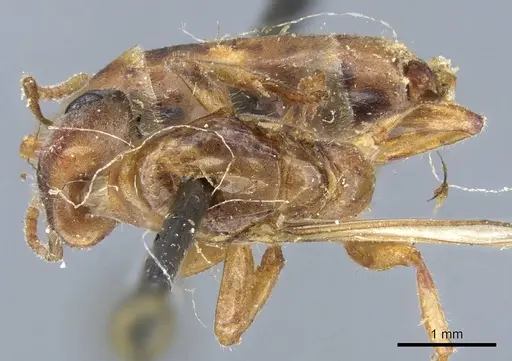
UFV-LABECOL-001952
View on AntWeb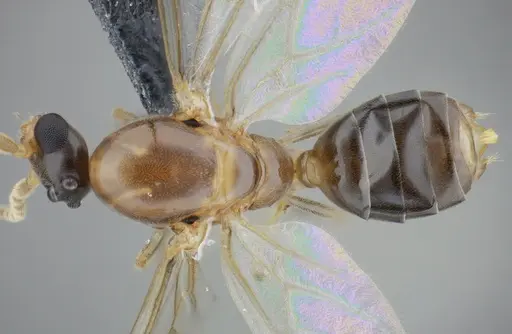
UFV-LABECOL-005919
View on AntWeb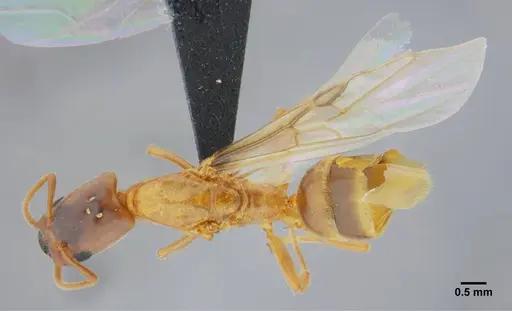
UFV-LABECOL-007256
View on AntWeb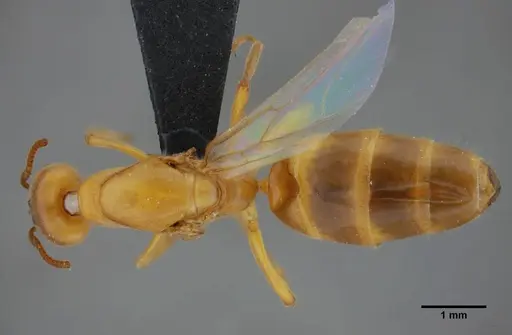
UFV-LABECOL-007258
View on AntWeb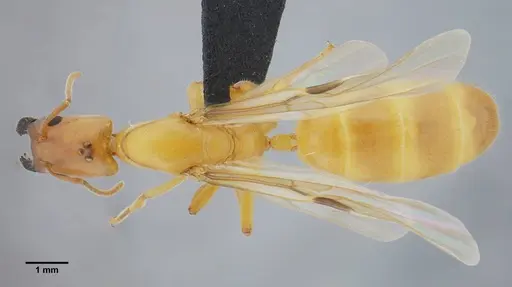
Literature
Loading...Loading products...