

Azteca fasciata
- Scientific Name
- Azteca fasciata
- Tribe
- Leptomyrmecini
- Subfamily
- Dolichoderinae
- Author
- Emery, 1893
- Distribution
- Found in 1 countries
Azteca fasciata Overview
Azteca fasciata is an ant species of the genus Azteca. It is primarily documented in 1 countries , including French Guiana. Detailed taxonomic data and occurrence records can be further explored via authoritative databases such as AntWeb or the Global Biodiversity Information Facility (GBIF).
Azteca fasciata
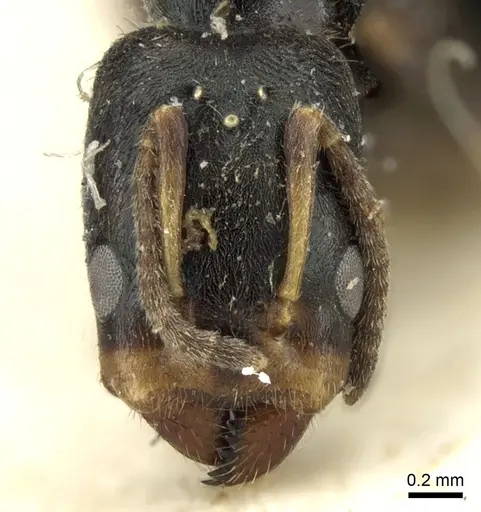
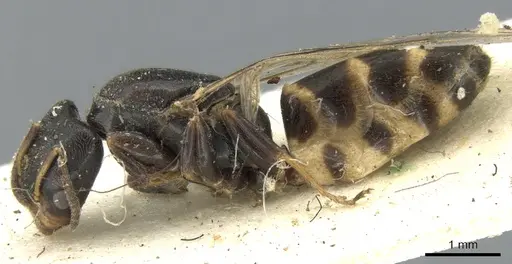
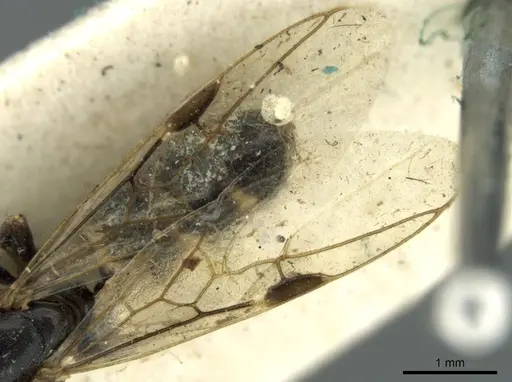
Azteca fasciata queens measure 8 mm and display a striking reddish-brown coloration with dark transverse bands across the abdomen and a black spot between the eyes [1]. They inhabit the Neotropical region, specifically Bolivia, Brazil, and French Guiana, where they live in bamboo forests and cerradão habitat [2].
These ants have developed a specialized relationship with bamboo. Wild colonies nest inside the hollow stems of Guadua paniculata bamboo, typically 2-4 meters above the ground, and prefer dead stems over live ones [2]. They forage both in the trees and on the ground as generalist feeders, sharing their bamboo homes with other arboreal ants like Camponotus depressus [2].
Quick Summary
- Difficulty: Medium to Hard
- Origin & Habitat: Native to Bolivia, Brazil, and French Guiana [2]. Found in bamboo forests (cerradão), nesting in hollow Guadua paniculata stems 2-4 meters above ground [2].
- Colony Type: Unconfirmed (no studies on queen number)
- Size & Growth:
- Queen: 8 mm [1]
- Worker: Unknown (likely 3-5 mm based on Azteca genus patterns)
- Colony: Unknown (Azteca colonies often reach thousands, but unconfirmed for this species)
- Growth: Fast
- Development: 4-8 weeks (estimated based on tropical Azteca patterns at 26-28°C) (Tropical species likely develop quickly, nanitics may emerge faster than subsequent workers)
- Antkeeping:
- Temperature: 24-28°C (inferred from tropical distribution). Use a heating cable on one side of the nest to create a gradient.
- Humidity: High humidity 60-80%. Keep nest substrate damp but not waterlogged, with good ventilation to mimic hollow bamboo stems [2].
- Diapause: No (tropical species)
- Nesting: Arboreal, requires vertical hollow spaces like bamboo segments, test tubes, or specialized arboreal formicaria [2].
- Behavior: Fast-moving, aggressive defenders that forage arboreally and on the ground [2]. They do not sting but bite and spray formic acid like other Azteca. Their small size and speed make escape likely without excellent barriers.
- Common Issues: escape prevention is critical, their small size and speed make them expert escape artists., dehydration risk, tropical bamboo-nesting species need consistent humidity without waterlogging., overcrowding, fast-growing colonies quickly outgrow small setups., inadequate ventilation, hollow bamboo stems provide natural airflow, stagnant air causes mold in captive nests.
Nest Preferences and Arboreal Housing
In nature, Azteca fasciata nests inside the hollow stems of Guadua paniculata bamboo, typically 2-4 meters above the ground [2]. They prefer dead stems over live ones, likely because dead wood provides easier entry points and stable microclimates [2].
In captivity, you must replicate this arboreal lifestyle. Standard soil nests will not work. Instead, use vertical test tubes, bamboo segments, or specialized arboreal formicaria with upright chambers. The nest needs height, place it vertically rather than horizontally. Provide tight-fitting lids with fine mesh ventilation, as these ants are small and fast.
Because they naturally live in bamboo stems that breathe, ensure your setup has adequate ventilation while maintaining humidity. Stagnant air kills colonies, but so does dryness.
Feeding and Diet
Azteca fasciata are generalist foragers that hunt both in trees and on the ground [2]. They accept a wide variety of foods typical for tropical ants.
Offer sugar water or honey water constantly. For protein, provide small live insects like fruit flies, springtails, or pinhead crickets. They will also accept dead insects. Because they grow fast, they need consistent protein supply, feed 2-3 times weekly once the colony has 20+ workers.
Watch for overfeeding, remove uneaten protein within 24 hours to prevent mold in the humid conditions they require.
Temperature and Humidity
Coming from Bolivia, Brazil, and French Guiana, these ants need tropical conditions [2]. Keep them at 24-28°C year-round. They do not need hibernation (diapause).
Humidity should stay high, around 60-80%, but with good airflow. In the wild, bamboo stems provide a humid yet ventilated environment. In captivity, keep the nest substrate damp to the touch, think wrung-out sponge, not wet mud. If using a test tube, ensure the water reservoir provides consistent moisture without flooding the chamber.
Use a heating cable on one side of the nest to create a temperature gradient, letting the ants choose their preferred spot. Place the heat source on top or side, not underneath, to avoid creating condensation that floods the nest.
Behavior and Temperament
Azteca fasciata are fast, active ants that defend their territory aggressively [2]. Like other Azteca, they lack stingers but bite readily and spray formic acid when disturbed.
They forage both arboreally and on the ground, so they need vertical space to climb [2]. They are excellent climbers and will test every corner of their enclosure. Their small size combined with speed makes them escape risks, you must use excellent barriers like Fluon or baby powder barriers on all openings.
Colonies grow quickly under good conditions, transitioning from a single queen in a test tube to a bustling colony needing space within months.
Colony Founding
Founding behavior has not been directly studied in Azteca fasciata. Based on typical Azteca patterns, queens likely seal themselves in (claustral founding) and raise the first workers on stored body fat without needing to forage.
Start your queen in a standard test tube setup with a water reservoir. Keep her at 26-28°C in the dark, checking only weekly. If she follows typical Azteca patterns, first workers should emerge in 4-8 weeks. Once you have 10-20 workers, move them to a vertical setup that accommodates their arboreal nature.
Frequently Asked Questions
Can I keep Azteca fasciata in a test tube?
Yes, for founding. Start the queen in a standard test tube with a water reservoir. However, move them to a vertical arboreal setup once they have 20-50 workers, as they need height and space to exhibit natural behaviors.
When should I move Azteca fasciata to a formicarium?
Move them when the colony reaches 20-50 workers. They grow fast, so prepare an arboreal setup, vertical bamboo tubes or specialized arboreal nests, before they outgrow the test tube.
What is the best nest type for Azteca fasciata?
Arboreal setups work best. Use vertical bamboo segments, upright test tubes, or acrylic arboreal formicaria. They naturally nest in hollow bamboo stems 2-4 meters up [2], so provide height and vertical chambers rather than horizontal soil nests.
How long until Azteca fasciata gets its first workers?
Approximately 4-8 weeks at 26-28°C, estimated from tropical Azteca patterns. First workers (nanitics) are typically smaller than subsequent generations.
Can I keep multiple Azteca fasciata queens together?
Not recommended. Whether this species accepts multiple queens is unconfirmed. Combining unrelated queens risks fighting and colony failure.
What temperature do Azteca fasciata need?
Keep them at 24-28°C year-round. They are tropical ants from Brazil and Bolivia [2] and do not tolerate cold.
Do Azteca fasciata need hibernation?
No. They are a tropical species and remain active year-round. Keep temperatures consistent through all seasons.
Why are my Azteca fasciata dying?
Common causes include: dehydration (tropical species need humidity), poor ventilation (stagnant air kills them), or escapes (they are small and fast). Check that your nest isn't too wet or too dry, and ensure they cannot climb out of the enclosure.
How big do Azteca fasciata colonies get?
Unknown for this specific species. Azteca colonies often reach thousands of workers, but growth rate and maximum size for fasciata remain unstudied. Expect fast growth typical of tropical species.
References

This caresheet is licensed under CC BY-SA 4.0 .
CASENT0905094
View on AntWeb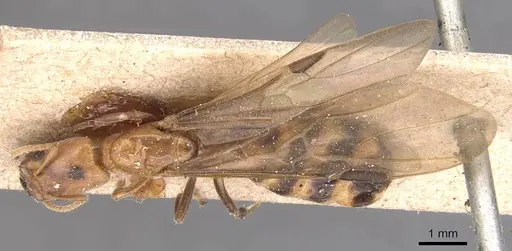
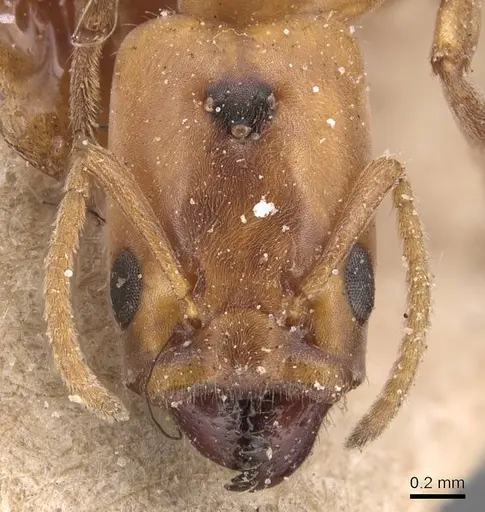
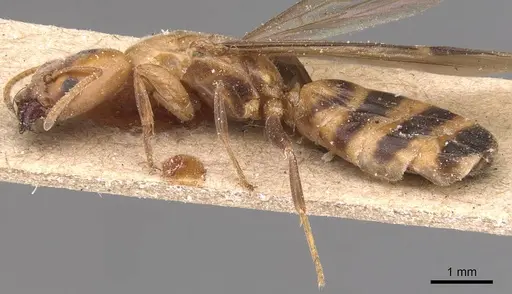
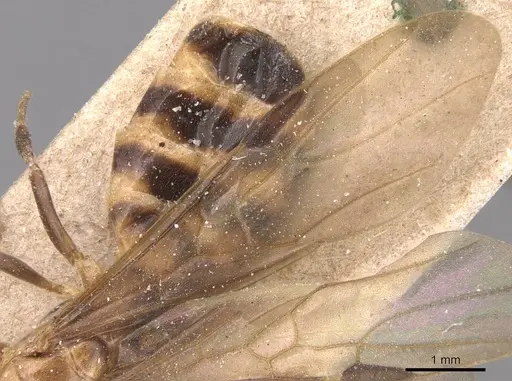
CASENT0906236
View on AntWeb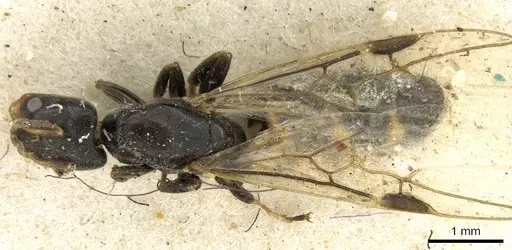
Literature
Loading...Loading products...