

Azteca lallemandi
- Scientific Name
- Azteca lallemandi
- Tribe
- Leptomyrmecini
- Subfamily
- Dolichoderinae
- Author
- Forel, 1899
- Distribution
- Found in 2 countries
Azteca lallemandi Overview
Azteca lallemandi is an ant species of the genus Azteca. It is primarily documented in 2 countries , including Colombia, Panama. Detailed taxonomic data and occurrence records can be further explored via authoritative databases such as AntWeb or the Global Biodiversity Information Facility (GBIF).
Azteca lallemandi
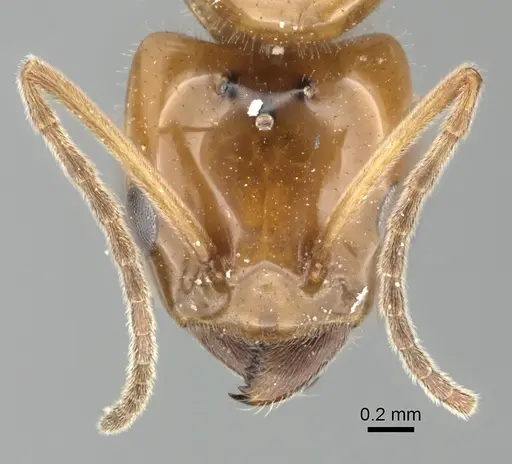
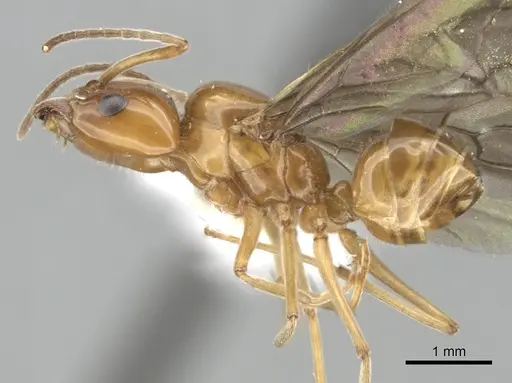
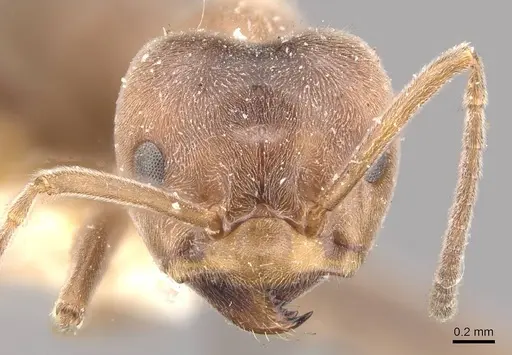
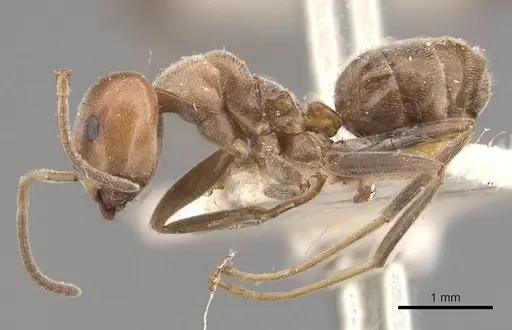
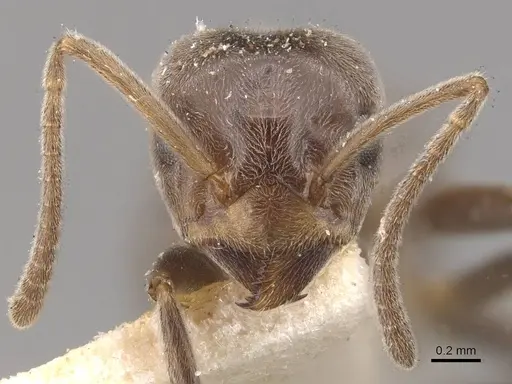
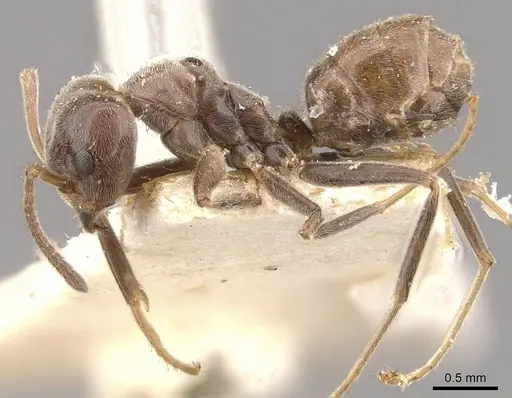
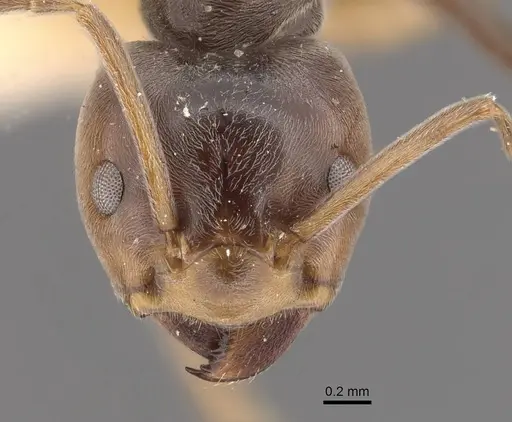
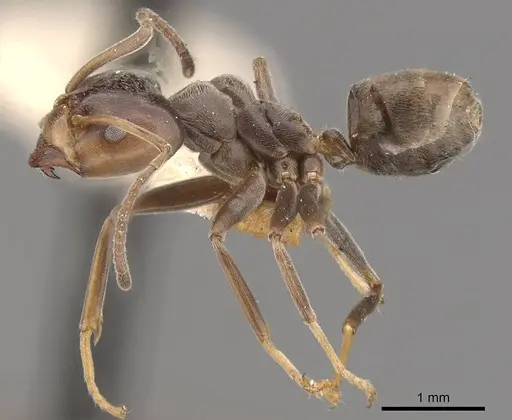
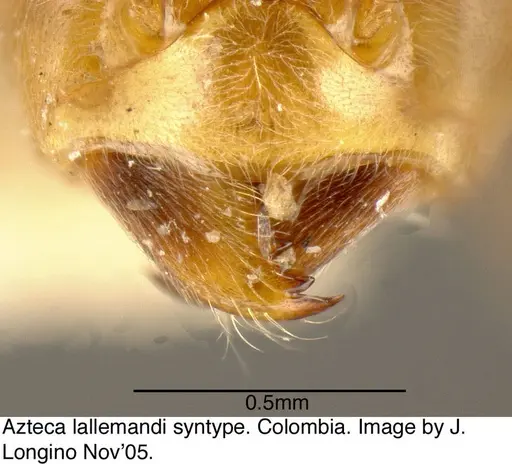
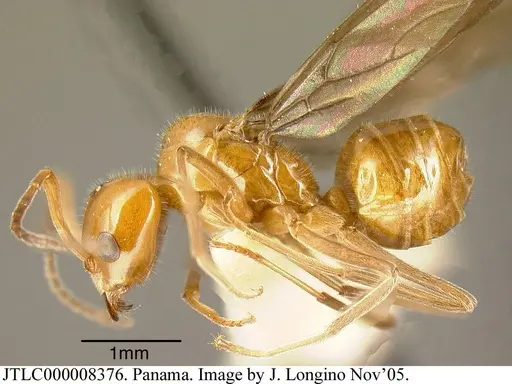
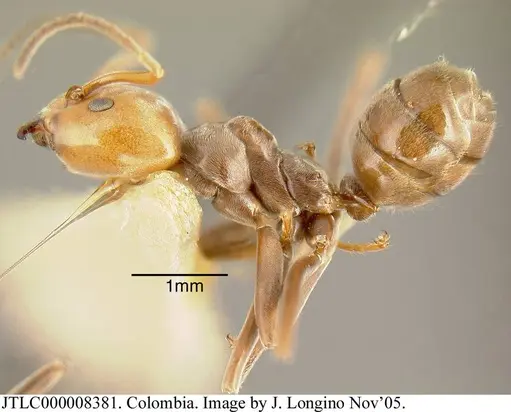
Azteca lallemandi is a small arboreal ant species found throughout the Neotropics, ranging from Panama through Colombia to eastern Brazil. Workers measure just 1.1-1.3mm, making them one of the smaller Azteca species. They have a distinctive orange head with an orange or light brown body, and their most notable feature is the dense covering of short white hairs across their head, mesosoma, and abdomen that gives them a somewhat fuzzy appearance [1][2]. These ants belong to the Azteca aurita group, which is known for species that often form mutualistic relationships with Cecropia trees [3].
In the wild, A. lallemandi constructs carton nests, a papery material made from chewed plant fibers, directly on the trunks of Cecropia trees [2]. This nesting habit is characteristic of the genus, which includes many arboreal species that build nests in plant cavities, create carton structures, or form ant gardens. Their small size and arboreal lifestyle mean these ants are rarely encountered on the ground and are specialized for life in tropical forest canopies [3].
Quick Summary
- Difficulty: Medium
- Origin & Habitat: Tropical forests of Panama, Colombia, and eastern Brazil (Rondônia). They are arboreal ants that nest in carton structures on Cecropia trees in lowland tropical habitats [2][1].
- Colony Type: Colony structure is unconfirmed. Based on related Azteca species, likely single-queen colonies, though some Azteca species can form multi-queen colonies.
- Size & Growth:
- Queen: 1.22-1.32mm head length [2]
- Worker: 1.11-1.32mm head length [2]
- Colony: Unknown for this species. Related Azteca species typically reach several hundred to a few thousand workers.
- Growth: Unknown, likely moderate based on typical Azteca patterns
- Development: Unknown, estimated 6-10 weeks based on related Dolichoderinae species at tropical temperatures (No specific development data exists for this species. Estimates based on genus-level patterns for small tropical ants.)
- Antkeeping:
- Temperature: Keep at 24-28°C. As a tropical species, they require warm, stable temperatures typical of lowland rainforests [3].
- Humidity: High humidity (70-85%) is essential. These arboreal ants naturally live in humid tropical forest canopies. Provide moisture through damp substrate in the outworld and ensure the nest area retains humidity without becoming waterlogged.
- Diapause: No diapause required. As a tropical species, they do not experience cold seasons and remain active year-round [3].
- Nesting: Arboreal specialists. They need a nest that allows for elevated, humid conditions. Y-tong (AAC) nests or plaster nests work well. Provide climbing structures and branches in the outworld to simulate their natural arboreal habitat. They will readily accept carton-like materials for nest building.
- Behavior: Generally docile and non-aggressive compared to some Azteca species. Workers are small but active foragers. They are arboreal by nature, so they will spend most of their time climbing on branches and structures rather than walking on flat surfaces. Escape risk is moderate, their small size means they can slip through small gaps, but they are not as prone to escaping as some tiny Cryptothrix species. They form mutualistic relationships with coccoid Hemiptera (scale insects) and will tend these for honeydew, a common behavior in the genus [3].
- Common Issues: tropical humidity requirements can be difficult to maintain in dry climates or air-conditioned rooms, arboreal nature means they need climbing structures, a flat-bottomed outworld alone may cause stress, small size makes escape prevention important, use fine mesh barriers, no documented captive breeding means wild-caught colonies are the primary source, carton nest builders may damage or escape through soft nesting materials
Housing and Nest Setup
Azteca lallemandi is an arboreal species that requires housing adapted to their tree-dwelling lifestyle. In captivity, they do well in Y-tong (AAC) nests or plaster nests that can maintain humidity. The key is providing vertical space with branches, twigs, or other climbing structures in the outworld, these ants naturally live in tree canopies and feel more secure when they can climb rather than walk on flat surfaces [3]. The nest chamber itself should be kept humid but not wet. A small water reservoir connected to the nest helps maintain stable moisture. For the outworld, add artificial plants, cork bark, or twigs that the ants can walk on. This species is known for building carton nests in the wild, so they may attempt to construct similar structures in captivity using available materials. Escape prevention is important due to their small size, use fine mesh on any ventilation holes and ensure all connections are tight-fitting.
Feeding and Diet
Like other Azteca species, A. lallemandi is omnivorous with a preference for sugar sources and protein. In captivity, offer sugar water (1:1 ratio) or honey as a constant energy source. They will accept protein in the form of small insects, flightless fruit flies, small crickets, and mealworms are appropriate sizes given their tiny worker size [3]. A notable behavior in the genus is their relationship with coccoid Hemiptera (scale insects). If you keep these ants long-term, they may benefit from access to small scale insects or aphids, which they can tend for honeydew, this replicates their natural trophobiosis. Feed protein prey 2-3 times per week, and always have sugar water available. Remove uneaten prey after 24-48 hours to prevent mold.
Temperature and Humidity
As a tropical species from lowland Neotropical forests, A. lallemandi requires warm, humid conditions. Keep the nest area at 24-28°C consistently. Temperature drops below 22°C can slow activity and may stress the colony. A small heating cable on one side of the nest can create a gentle gradient, but ensure the nest itself doesn't overheat. Humidity is critical, aim for 70-85% relative humidity inside the nest. These ants naturally live in humid forest canopies where moisture is constant. Use a water reservoir system or regularly mist the nest substrate to maintain humidity. However, avoid standing water or waterlogging, as this can kill the colony. The outworld can be slightly drier, but should not be arid. [3]
Behavior and Colony Dynamics
A. lallemandi workers are relatively docile and do not possess a painful sting, making them safe to handle. They are active foragers that will explore their outworld thoroughly, especially along branches and vertical surfaces. The colony will likely show increased activity at night, as many Azteca species are more nocturnal. Workers communicate through chemical trails and may establish foraging highways to food sources. Unlike some aggressive Azteca species, this species is not known for territorial behavior and can coexist with other ant species in larger setups. The colony will grow gradually, expect the first year to focus on establishment rather than rapid expansion. Queens are not aggressive and can be housed with workers once the colony is established. [2][1]
Frequently Asked Questions
How long does it take for Azteca lallemandi to produce first workers?
The exact timeline is unconfirmed for this species, but based on related Dolichoderinae ants, expect 6-10 weeks from egg to worker at optimal tropical temperatures (26-28°C). The queen will remain in the nest chamber tending the first brood until nanitic (first) workers emerge.
Can Azteca lallemandi be kept in a test tube setup?
Test tubes can work for founding colonies, but due to their arboreal nature and need for climbing structures, a small formicarium with branches is better once the colony reaches 20-30 workers. The test tube founding method works for the initial claustral period.
What do Azteca lallemandi eat?
They are omnivorous. Offer sugar water or honey constantly, and supplement with small protein sources like flightless fruit flies, small crickets, or mealworms 2-3 times per week. They may also accept small amounts of fruit.
Are Azteca lallemandi good for beginners?
They are intermediate in difficulty. While not aggressive and lacking a painful sting, their humidity and temperature requirements make them more challenging than hardy temperate species. They are a good choice if you have experience with tropical ants already.
How big do Azteca lallemandi colonies get?
Exact colony size is unconfirmed for this species, but related Azteca species typically reach several hundred to a few thousand workers. Growth is gradual over several years.
Do Azteca lallemandi need hibernation?
No. As a tropical species from Panama, Colombia, and Brazil, they do not experience cold seasons and do not require diapause or hibernation. Keep them warm year-round.
Why is my Azteca lallemandi colony dying?
The most common causes are: low humidity (below 60%), temperatures below 22°C, mold from overwatering, or escape due to small size. Check your humidity levels first, then temperature. Ensure the nest has adequate ventilation to prevent mold while maintaining humidity.
Can I keep multiple Azteca lallemandi queens together?
This has not been documented for this species. Azteca colony structures vary, some are single-queen, others multi-queen. It is not recommended to combine unrelated foundress queens as they may fight.
When should I move Azteca lallemandi to a formicarium?
Move from test tube to a proper nest when the colony reaches 30-50 workers and the test tube shows signs of drying or the queen is spending more time in the water chamber. Provide a small formicarium with humidity control.
References

This caresheet is licensed under CC BY-SA 4.0 .
CASENT0249533
View on AntWeb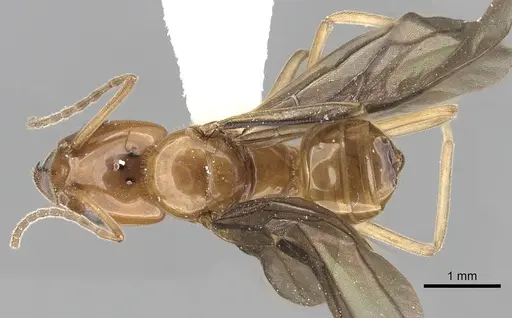
CASENT0909643
View on AntWeb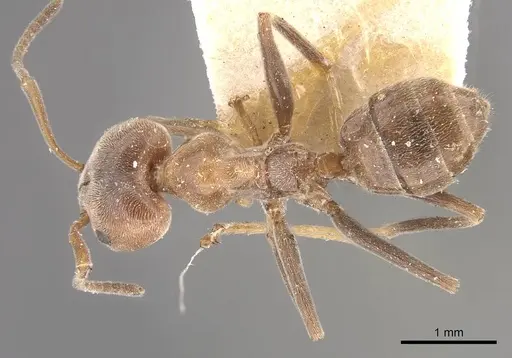
CASENT0909644
View on AntWeb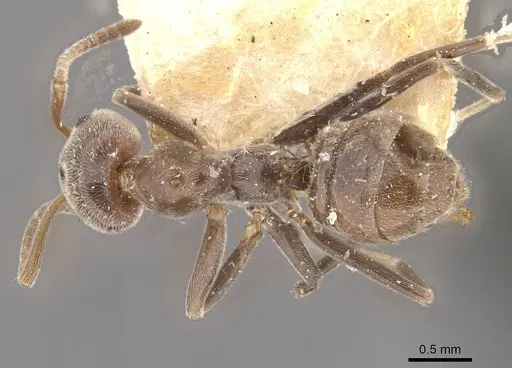
CASENT0909645
View on AntWeb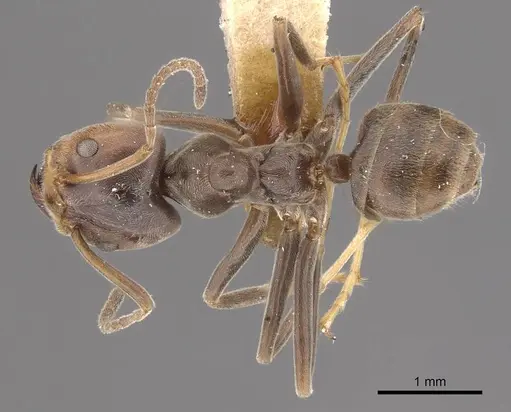
JTL073593
View on AntWeb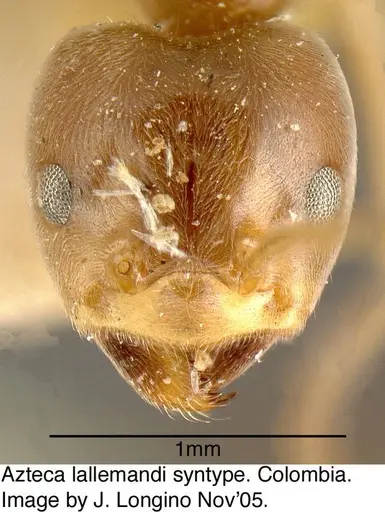
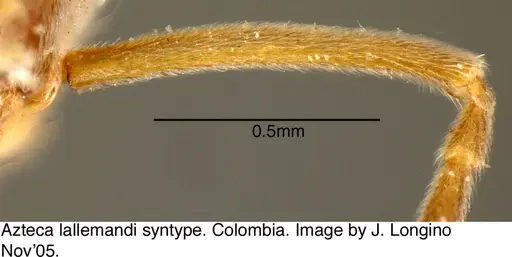
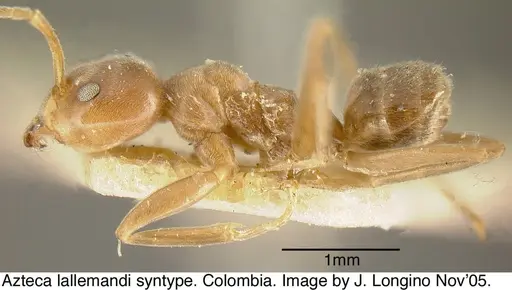
JTLC000008376
View on AntWeb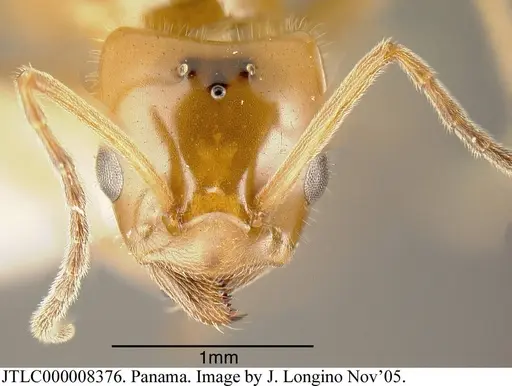
JTLC000008381
View on AntWeb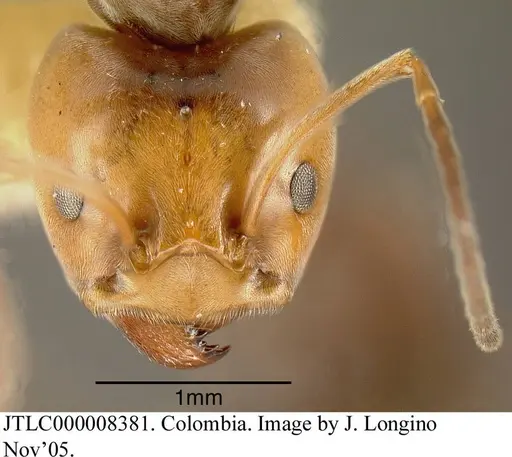
Literature
Loading...Loading products...