

Azteca adrepens
- Scientific Name
- Azteca adrepens
- Tribe
- Leptomyrmecini
- Subfamily
- Dolichoderinae
- Author
- Forel, 1911
- Distribution
- Found in 3 countries
Azteca adrepens Overview
Azteca adrepens is an ant species of the genus Azteca. It is primarily documented in 3 countries , including Argentina, Brazil, Paraguay. Detailed taxonomic data and occurrence records can be further explored via authoritative databases such as AntWeb or the Global Biodiversity Information Facility (GBIF).
Azteca adrepens
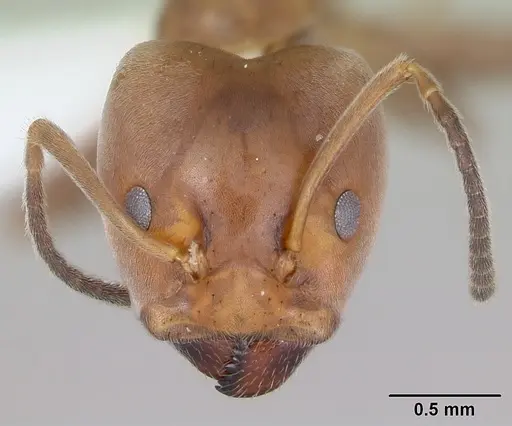
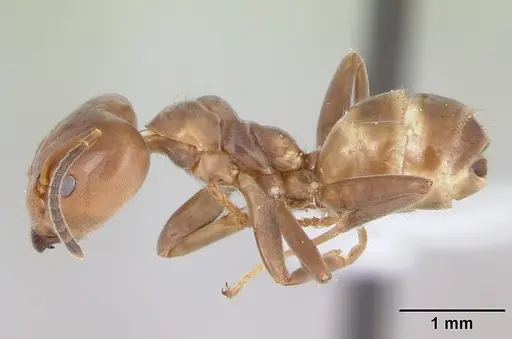
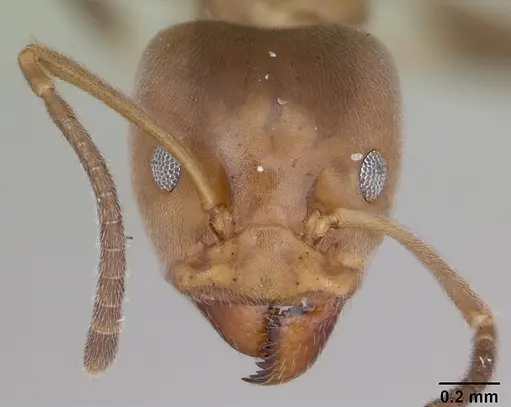
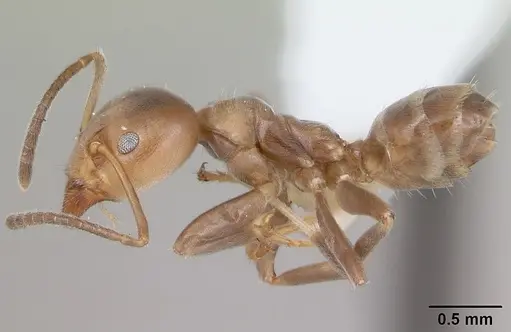
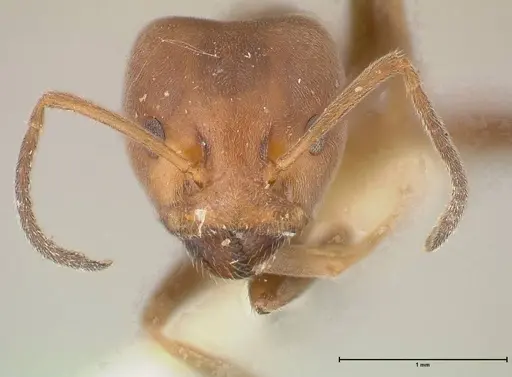
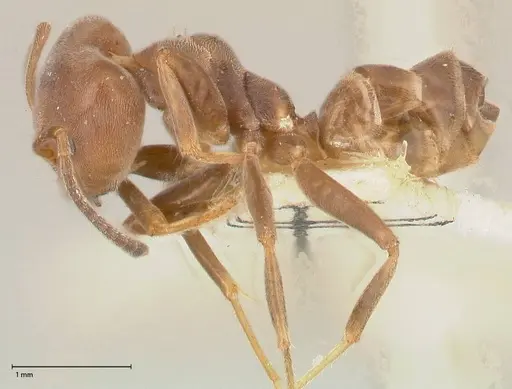
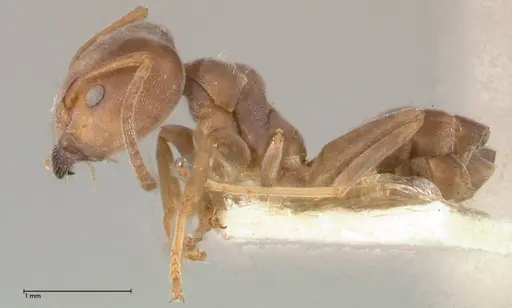
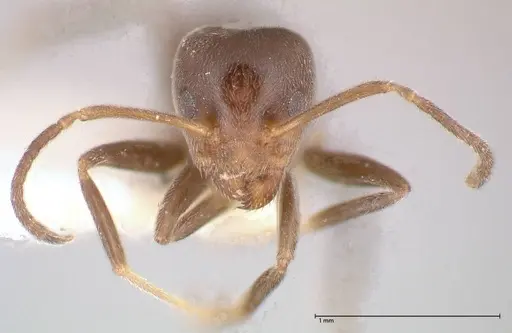
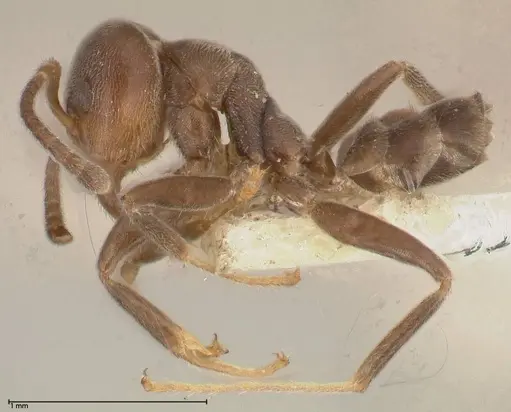
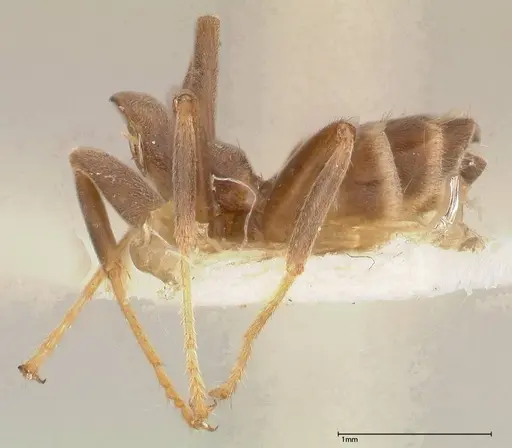
Azteca adrepens is a small ant in the subfamily Dolichoderinae, native to Paraguay and northeastern Argentina [1][2]. Unlike many of their tree-dwelling relatives, researchers captured these workers using baits in ground surveys at Iguazú National Park, suggesting they actively forage at ground level [2]. They likely show the typical Dolichoderine body plan with a single petiole node and acidopore, though specific size measurements remain unrecorded [1].
This species remains poorly known. First described from Paraguay in 1911,they were only recently confirmed in Argentina in 2015 [2][1]. Keepers should approach them as experimental subjects, applying general Azteca care while watching for ground-foraging behaviors that set them apart from strictly arboreal species.
Quick Summary
- Difficulty: Expert
- Origin & Habitat: Paraguay and northeastern Argentina (Iguazú National Park), subtropical forest regions [2][1].
- Colony Type: Unknown, likely polygyne (multiple queens) based on typical Azteca patterns, but unconfirmed for this species.
- Size & Growth:
- Queen: Unknown, likely 6-8 mm based on Azteca genus patterns.
- Worker: Unknown, likely 3-4 mm based on Azteca genus patterns.
- Colony: Unknown, Azteca colonies often reach thousands of workers, but specific limits for this species are unstudied.
- Growth: Unknown, likely moderate to fast in warm conditions.
- Development: Unknown, estimate 6-10 weeks at 25-28°C based on related tropical Azteca species. (Timeline is speculative, development likely depends on maintaining warm temperatures.)
- Antkeeping:
- Temperature: 24-28°C (inferred from subtropical distribution). Provide a heat gradient with a warm side.
- Humidity: High humidity required, keep nest material moist but not waterlogged, with good ventilation to prevent mold.
- Diapause: Likely not required, tropical/subtropical species typically remain active year-round, though they may slow in cooler months.
- Nesting: Unknown. Offer both ground foraging space and vertical nesting options with branches or tubes, as they were collected in ground surveys but may also use vegetation [2].
- Behavior: Active foragers captured using baits [2]. Likely fast-moving and escape-prone due to small size. Temperament is unstudied but Azteca are typically aggressive defenders.
- Common Issues: unknown biology means captive care is experimental and colony failure is possible., likely large colony size requirements mean they need spacious enclosures as they grow., small size and speed make escape prevention critical, use fine mesh and tight-fitting lids., if they require specific plants or symbiotic relationships like some Azteca, failure to provide these could prevent colony establishment.
Distribution and Natural History
Azteca adrepens lives in the subtropical regions of South America. The type specimens come from San Bernardino, Paraguay, where they were first described in 1911 [1]. In 2015,researchers documented them in Iguazú National Park, Argentina, marking a new record for the country [2]. This park sits on the border with Brazil and Paraguay, containing humid subtropical forest. Researchers captured workers using baits placed on the ground, indicating these ants forage at ground level rather than staying strictly in the canopy [2]. This ground-foraging behavior differs from many Azteca species that rarely descend from their host trees.
Colony Structure and Founding
The colony structure of Azteca adrepens remains unconfirmed. Based on patterns seen in other Azteca species, colonies likely contain multiple queens (polygyne) and can grow to thousands of workers, but this is speculation for this particular species. Founding behavior has not been documented. Many Azteca queens are semi-claustral, meaning they must leave the nest to forage during the founding stage, or they may require specific host plants to establish colonies. Without confirmation, you should assume founding queens need access to food and space. [1]
Housing and Nest Setup
Since researchers found Azteca adrepens foraging on the ground [2], provide a setup that allows ground foraging while also offering vertical nesting options. A naturalistic formicarium with soil, leaf litter, and vertical branches or tubes works well. They need high humidity, so use a nest material that holds moisture like plaster or Y-tong, but ensure good ventilation to prevent mold. Because they are small and fast, use fine mesh (under 1mm) for ventilation holes and apply barrier products like Fluon or talcum powder on the upper edges of the outworld.
Feeding and Diet
Researchers captured Azteca adrepens using baits [2], showing they scavenge for food. Offer sugar water or honey diluted with water as a carbohydrate source, and provide small protein sources like fruit flies, springtails, or tiny pieces of mealworm. They likely accept both live and dead insects. Remove uneaten food quickly to prevent mold in the humid conditions they prefer.
Temperature and Environmental Care
Coming from subtropical Paraguay and northern Argentina, Azteca adrepens needs warm conditions. Keep them between 24-28°C with a slight gradient across the nest. They likely do not require hibernation (diapause) and remain active year-round, though they may slow down slightly in winter months if kept cooler. Maintain high humidity by regularly moistening the nest material, but avoid waterlogging which can drown brood or cause fungal issues. [2][1]
Frequently Asked Questions
Can I keep Azteca adrepens in a test tube?
You can start a queen in a test tube, but founding behavior is unconfirmed for this species. If they are semi-claustral like many Azteca, the queen will need to forage, so attach a small outworld immediately or offer food directly in the tube. Watch closely to see if she attempts to leave the tube to search for food.
How long until Azteca adrepens gets their first workers?
Unknown. Based on related tropical Azteca species, expect roughly 6-10 weeks at 25-28°C, but this is an estimate. Development likely speeds up with warmth and slows with cooler temperatures.
Do Azteca adrepens need special plants like Cecropia?
Unconfirmed. While many Azteca species live symbiotically with specific plants, Azteca adrepens was captured in ground surveys using baits [2], suggesting they may not require host plants and can forage independently. However, offering plants or branches may still help them feel secure.
Are Azteca adrepens good for beginners?
No. They are poorly studied, likely have complex care requirements, and need precise tropical conditions with high humidity and warmth. Beginners should choose well-documented species like Lasius niger or Camponotus species instead.
How big do Azteca adrepens colonies get?
Unknown. Azteca colonies can reach thousands of workers, but specific limits for this species are unstudied. Expect them to need significant space as they grow.
Do Azteca adrepens need hibernation?
Likely not. They come from subtropical regions where winters are mild. They should remain active year-round at room temperature or above, though they may slow slightly if temperatures drop below 20°C.
What do Azteca adrepens eat?
They were captured using baits in the wild [2], suggesting they accept a variety of foods. Offer sugar water or honey for carbohydrates, and small insects like fruit flies or springtails for protein.
Can I keep multiple Azteca adrepens queens together?
Unknown. Combining unrelated queens is not recommended unless polygyny (multiple queens) is confirmed for this specific species. Even if the species is polygyne, unrelated queens may fight.
Why are my Azteca adrepens dying?
Common issues include temperatures that are too low (they need 24-28°C), humidity that is too low or too wet (should be moist but not waterlogged), or insufficient space as colonies grow. Their biology is poorly known, making troubleshooting difficult, ensure you mimic their subtropical forest habitat as closely as possible.
References

This caresheet is licensed under CC BY-SA 4.0 .
CASENT0173822
View on AntWeb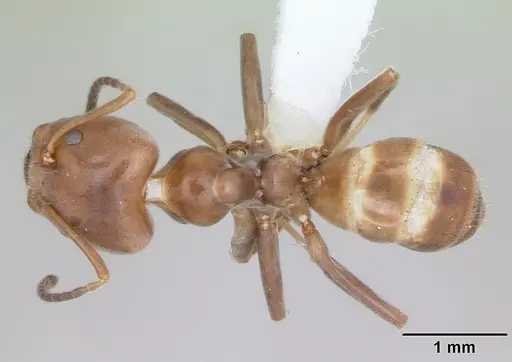
CASENT0173823
View on AntWeb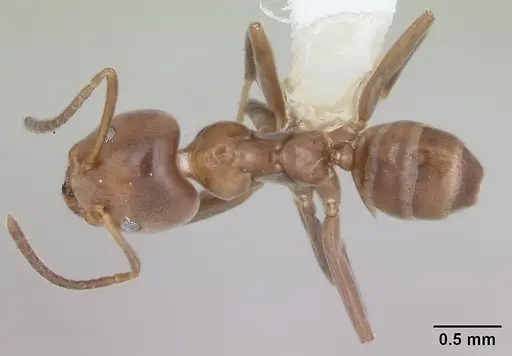
CASENT0909580
View on AntWeb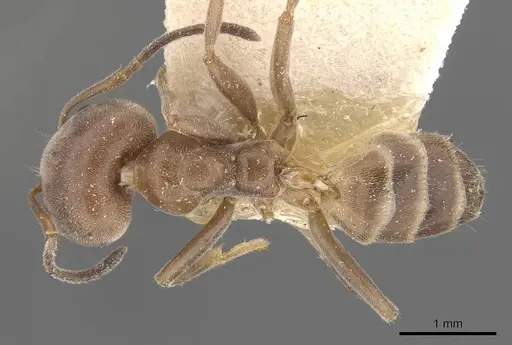
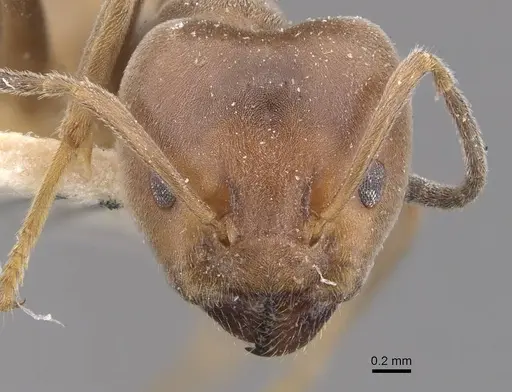
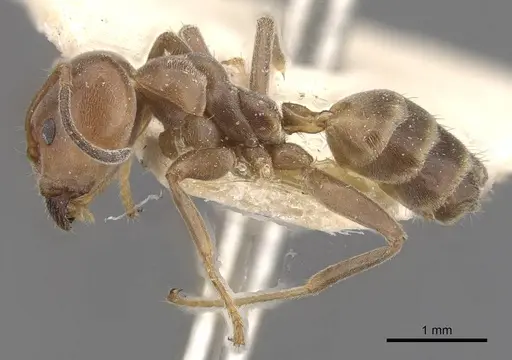
FOCOL0532
View on AntWeb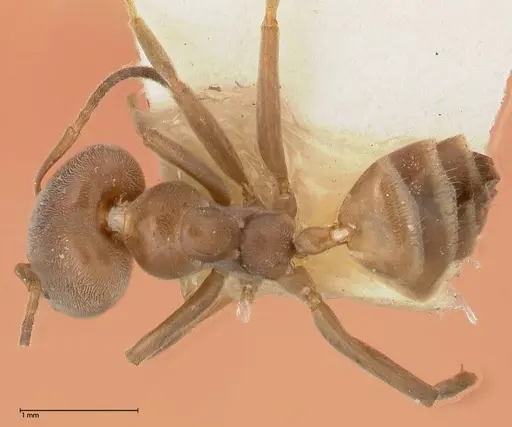
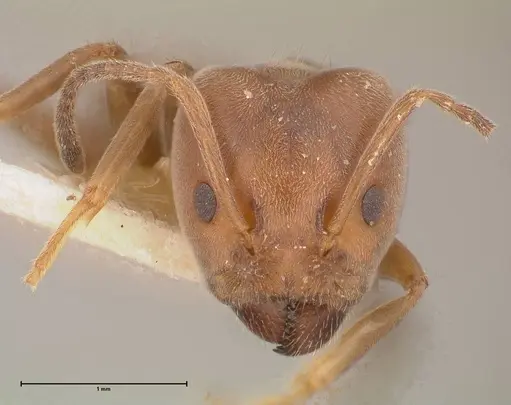
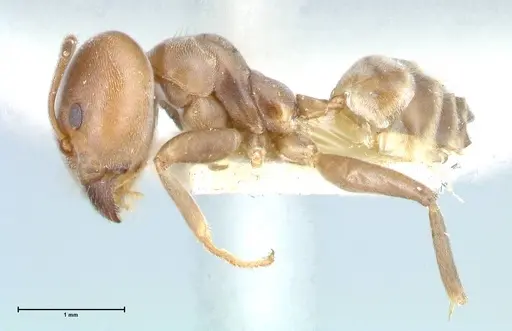
FOCOL0533
View on AntWeb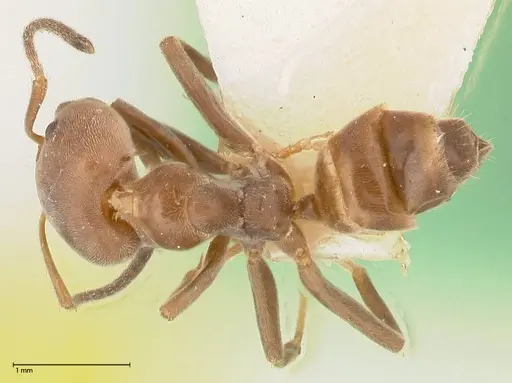
FOCOL0534
View on AntWeb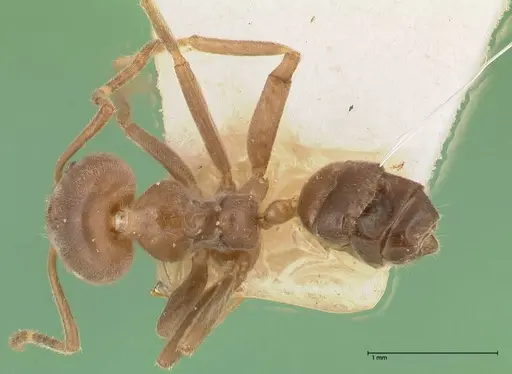
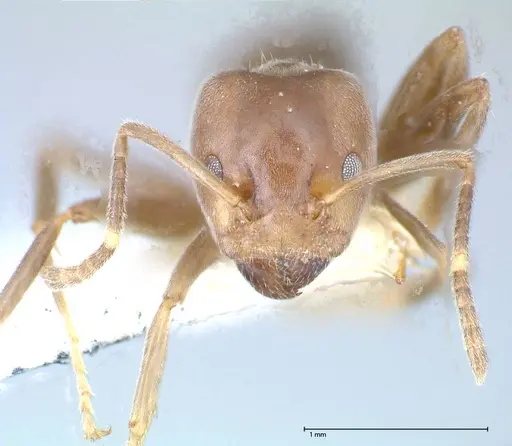
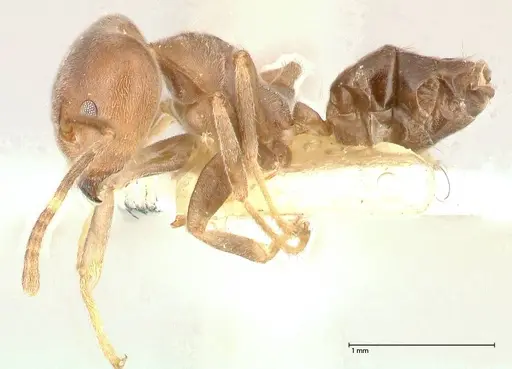
FOCOL0535
View on AntWeb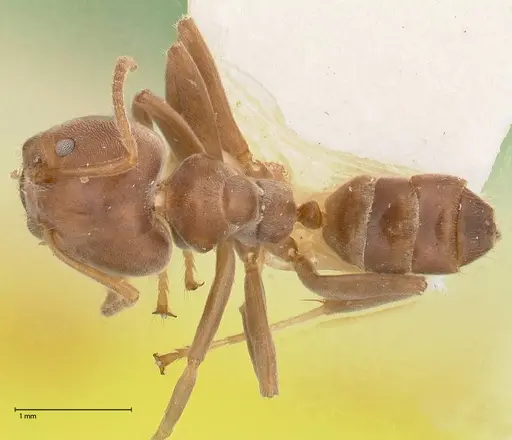
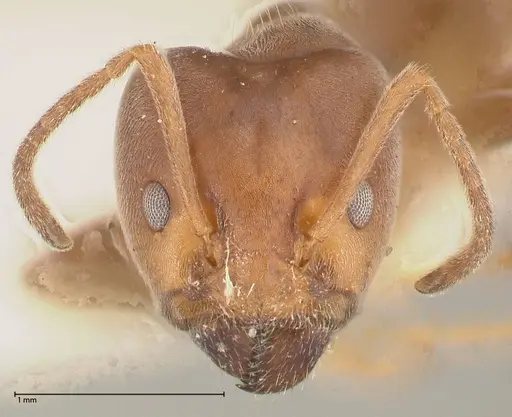
FOCOL0536-1
View on AntWeb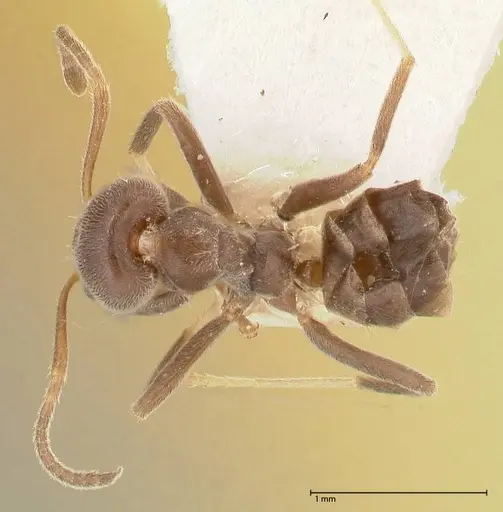
FOCOL0536-2
View on AntWeb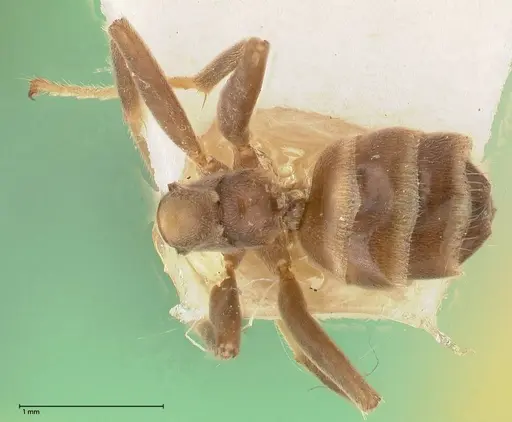
Literature
Loading...Loading products...